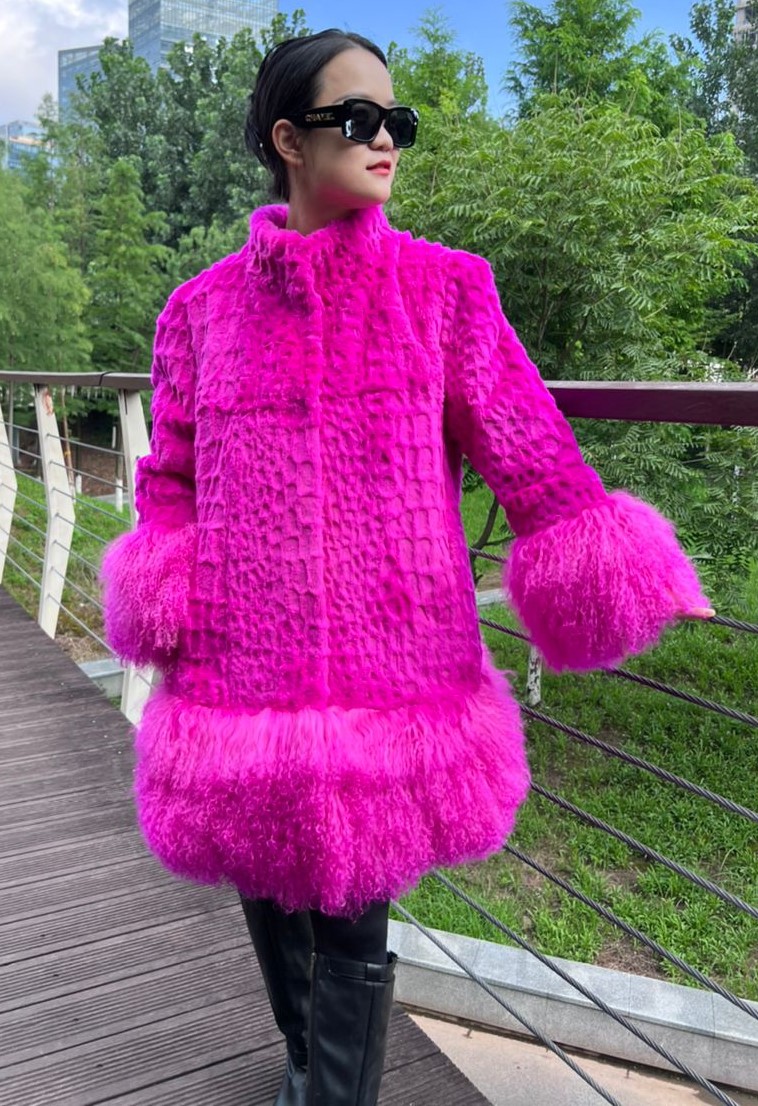
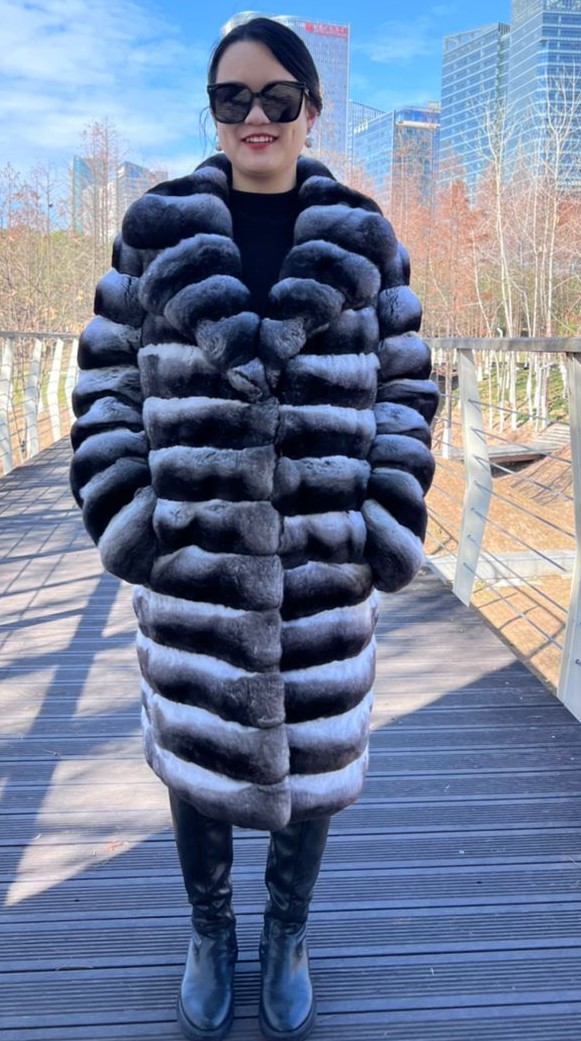
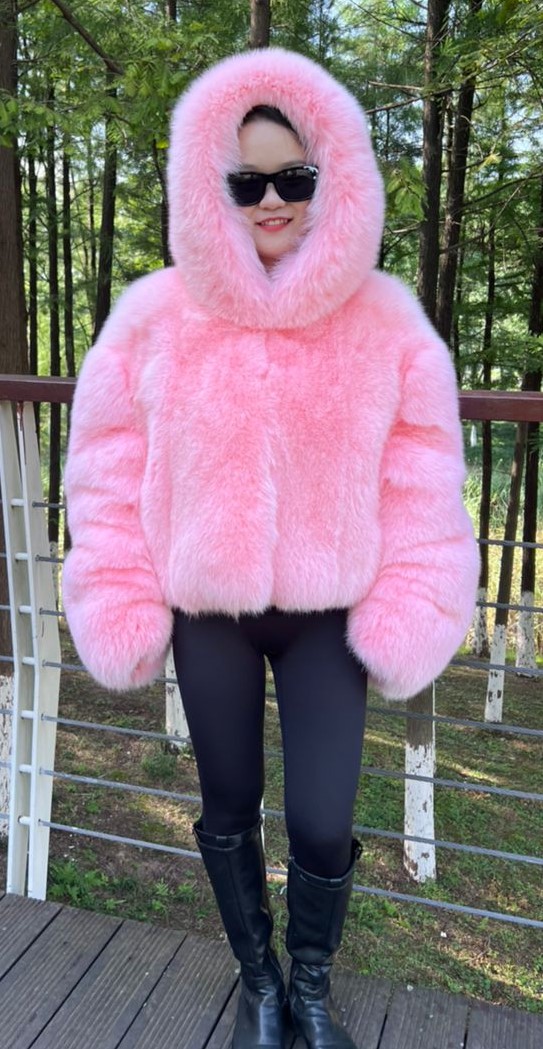
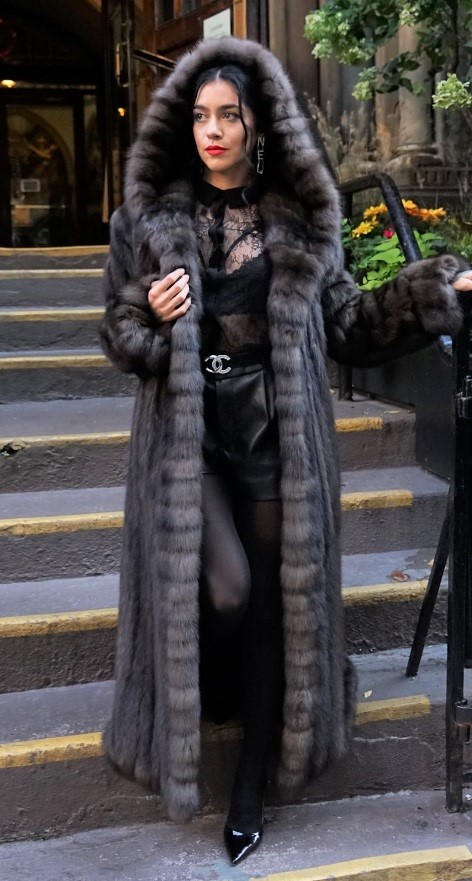
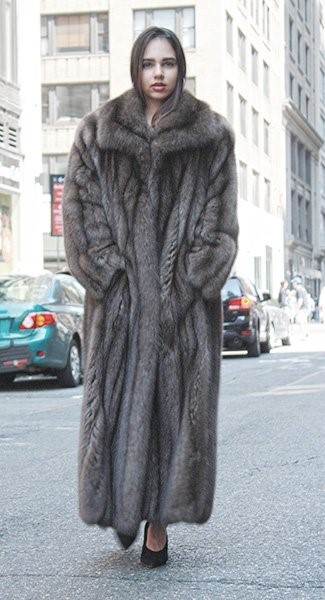
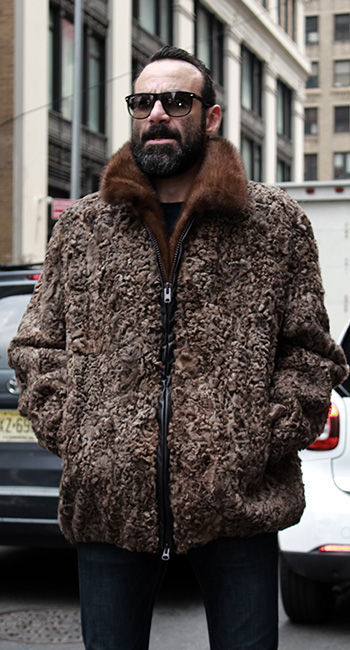
List of 100 Places to Wear Fur Cold winter days, Ski resorts, Snowy mountain getaways, Arctic expeditions, Alaska or Siberia, Ice hotels, New York Fashion Week.
The fur trade influenced the design of trading post buildings, which often featured distinctive architecture.
Fur traders often married indigenous women, leading to the development of the Métis culture in Canada.
The fur trade declined in the mid-19th century but experienced a revival in the late 19th century.
The fur trade in the American West involved trapping animals such as beavers, muskrats, and raccoons.
Trappers and mountain men operated in the Rocky Mountains and other western regions.
The fur trade played a role in the early history of California, where sea otters were hunted for their fur.
The fur trade had a significant impact on the fur-bearing animal populations of the Great Lakes region.
The fur trade influenced literature and art, including the works of James Fenimore Cooper and Charles M. Russell.
The fur trade had a lasting impact on the cultural identity of indigenous peoples in North America.
Indigenous art often incorporates motifs related to the fur trade, such as animal designs and trade goods.
The fur trade is portrayed in historical reenactments and festivals in North America.
French fur traders established fur trading posts in the Mississippi Valley, including Fort de Chartres and Cahokia.
The fur trade played a role in the exploration of the Mississippi River by European explorers.
The fur trade was closely tied to the fur fashion industry in Europe, which dictated the value of furs.
Russian fur traders established trading posts in Siberia and Alaska.
The fur trade influenced the development of trade networks and routes in North America.
European furriers were skilled craftsmen who processed and sewed furs into garments and accessories.
The fur trade contributed to the depletion of fur-bearing animal populations in many regions.
Fur traders often faced competition from other traders and companies.
The fur trade in Canada expanded into the interior of the continent, including the Rocky Mountains.
Indigenous peoples were often paid in trade goods such as blankets, beads, and metal tools.
Fur trading posts served as centers for barter and exchange between traders and indigenous peoples.
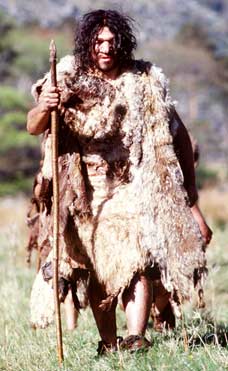
Indigenous peoples often used every part of an animal they trapped, including the meat, bones, and hide.
The fur trade led to the development of trade languages, such as Chinook Jargon in the Pacific Northwest.
Magnificent Furs from NYC
The fur trade influenced the design and construction of canoes used for transportation.
Hudson’s Bay Company employees were known as “servants” or “gentlemen” depending on their rank.
The fur trade had a significant impact on the fur-bearing animal populations of the Canadian North.
Many famous explorers, such as Lewis and Clark, were involved in the fur trade before their expeditions.
The fur trade contributed to the development of trading routes in the Canadian Arctic.
Fur trapping and trading became the subject of numerous books and films.
The fur trade is often associated with tales of adventure, wilderness survival, and exploration.
Today, the fur trade continues as a global industry, with regulations aimed at protecting animal welfare and conservation.
Magnificent Fox Cape NYC Background
This list highlights the rich and multifaceted history of the fur trade, which spans continents and centuries, impacting economies, cultures, and the environment.
Marc Kaufman Furs
History of the Fur Trade, Certainly! Here is a list of 100 key points and facts about the history of the fur trade.
Nutria Fur Coat: Nutria fur is similar in appearance to beaver fur and is often used for its warmth.
Squirrel Fur Coat: Squirrel fur is soft and lightweight, making it suitable for elegant and stylish coats.
Muskrat Fur Coat: Muskrat fur is known for its durability and is used in a variety of fur products, including coats.
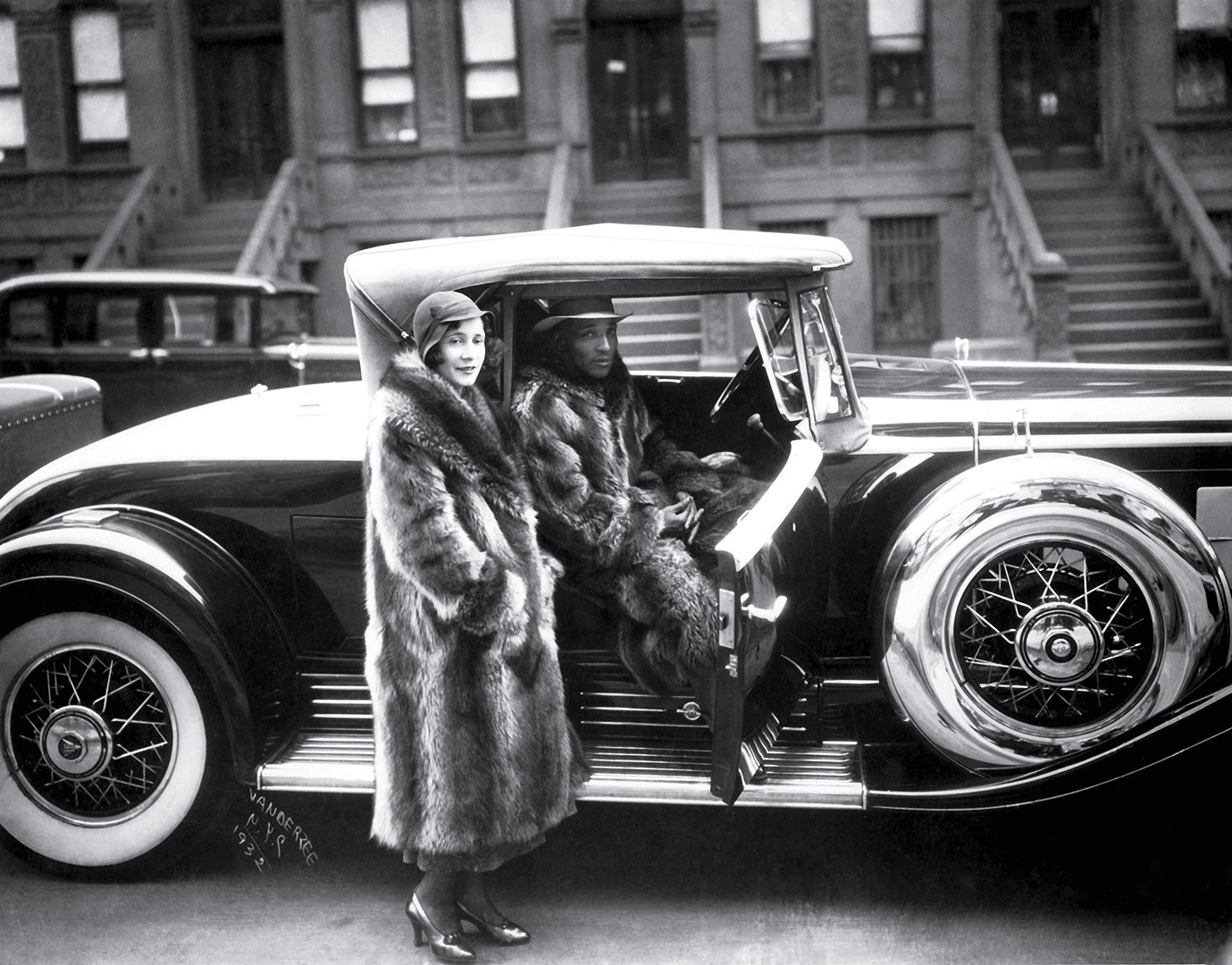
Raccoon Fur Coat: Raccoon, also known as Asiatic raccoon, is used for its warmth and distinctive coloration.
Ermine Fur Coat: Ermine fur, with its black-tipped tails, has been historically associated with royalty.
Wearing fur coats has been a practice with a long history, and people have various reasons for choosing to wear them. Here are some reasons people have given for wearing fur coats: Marc Kaufman Furs
Warmth: Fur is a natural insulator, and fur coats can provide exceptional warmth, making them suitable for cold climates and winter weather.
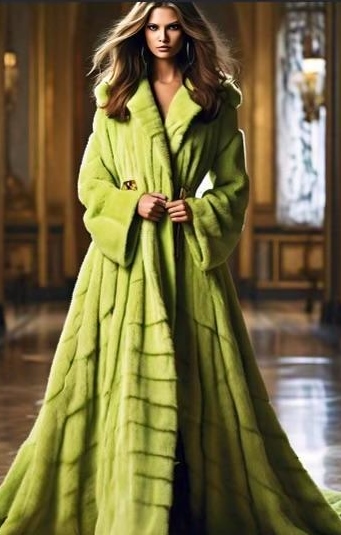
Style and Fashion: Fur coats have been considered a symbol of luxury, style, and sophistication for many years. Some individuals wear fur coats to make a fashion statement and express their personal style.
Tradition and Cultural Significance: In some cultures, fur garments hold cultural and traditional significance. They may be worn during specific ceremonies or as part of traditional dress.
Vintage and Heirloom Pieces: Some people inherit fur coats from family members and choose to wear them as vintage or heirloom pieces with sentimental value.
Durability: Fur is a durable material that can last for many years if properly cared for. Some individuals appreciate the longevity of fur garments.
Status and Social Standing: Historically, fur has been associated with wealth and social status, and some individuals wear fur coats to convey a sense of prestige.
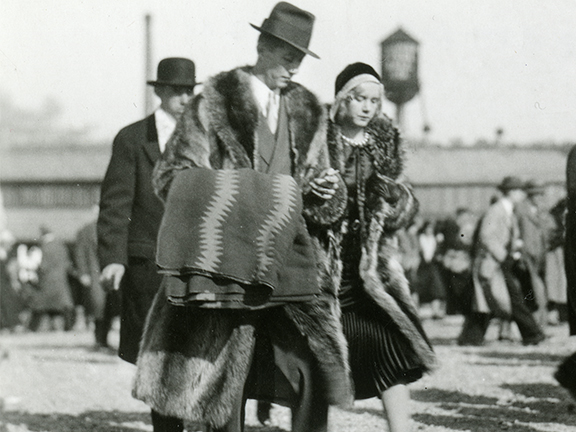
Historical and Artistic Value: Fur coats have been featured in historical photographs, paintings, and films, and some individuals may wear them as a nod to art and history.
Reasons to Wear Fur Coats in my opinion is Durability that can last for many years if properly cared for.