Posted on

Are Furs Back in Style? CNN & Vogue Discuss the Comeback

The New Golden Age of Fur: Why the World is Falling Back in Love with the Pelt

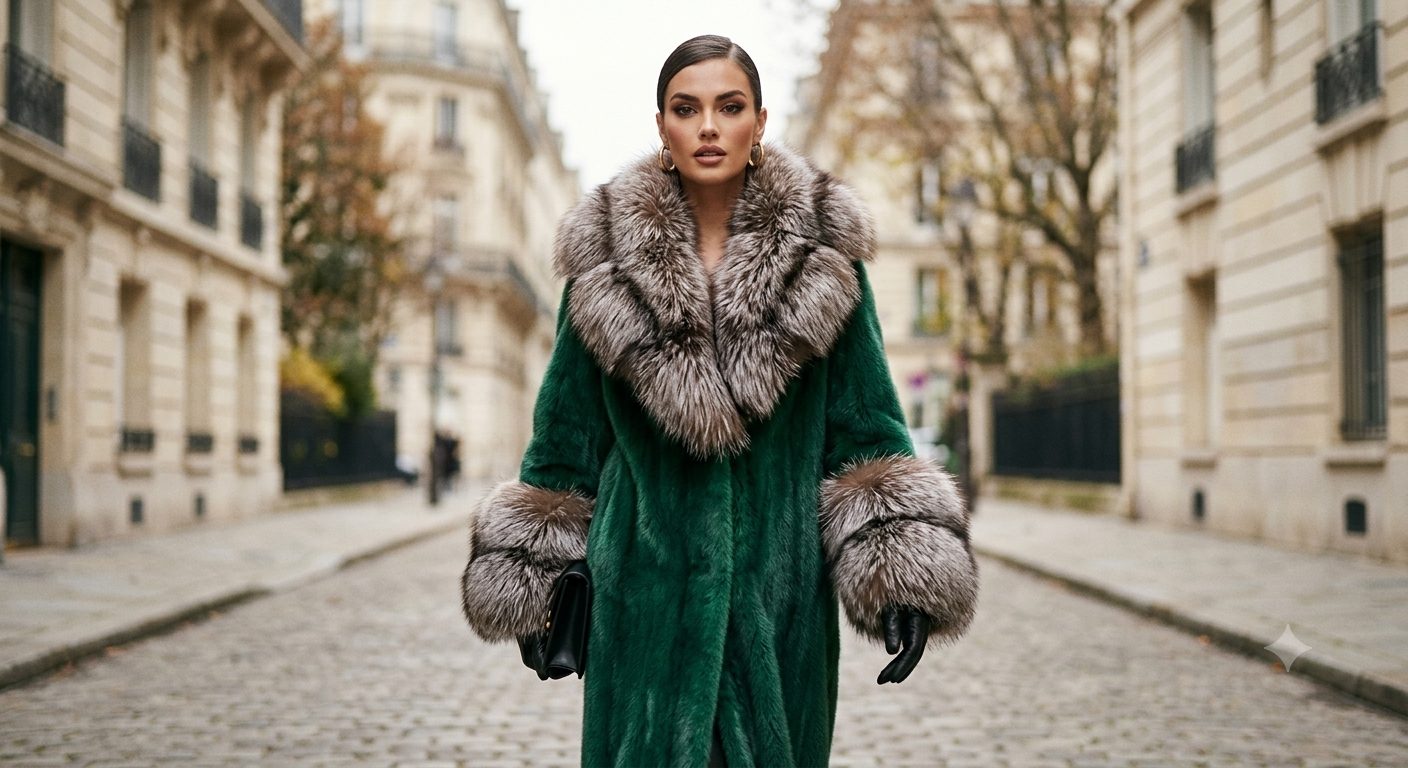
For years, the fashion industry treated animal fur as a relic of a bygone era—a controversial material destined for the back of the closet. But as we move through 2026, the narrative has shifted dramatically. Between the high-fashion endorsement of
Vogue’s debate on vintage fur
and the heritage-driven fashion movement highlighted by
CNN’s report on the vintage fur and shearling trend,
fur isn’t simply returning—it is being reinterpreted as a symbol of sustainable luxury and long-term craftsmanship.

At the epicenter of this resurgence stands Marc Kaufman Furs, a New York institution that has bridged the gap between 19th-century fur craftsmanship and the modern consumer’s focus on sustainability and longevity.

The Sustainability Pivot: Natural vs. Synthetic

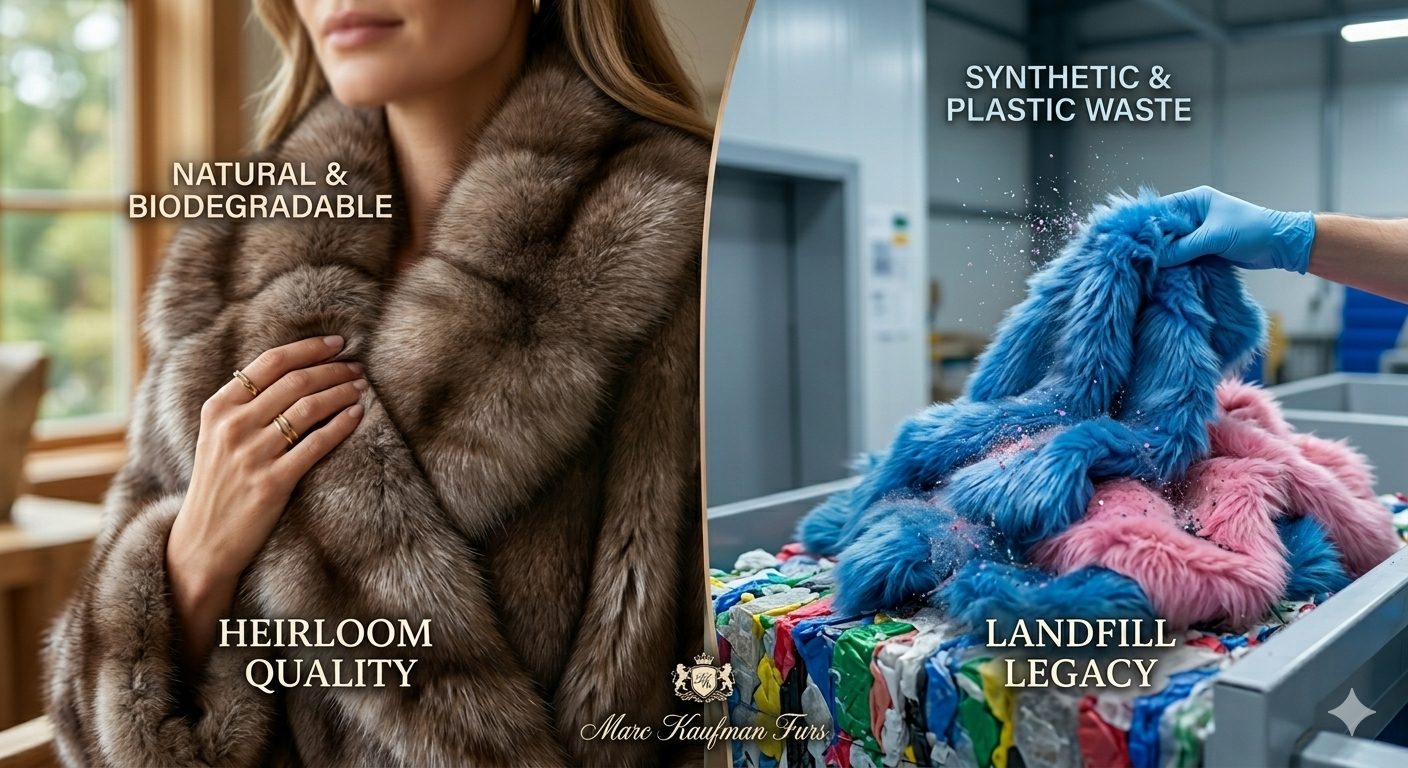
One of the biggest forces behind fur’s comeback is growing “plastic fatigue.” Many consumers are beginning to question the environmental impact of faux fur garments, which are commonly made from petroleum-based fibers. These materials can shed microplastics and remain in landfills for decades. Industry debates now increasingly compare the lifecycle of natural materials with synthetic alternatives.

Fashion publications like Vogue have highlighted that vintage or inherited fur garments may represent a more sustainable approach because they extend the life of existing garments rather than creating new synthetic waste. The magazine notes that many fashion insiders see vintage fur as an heirloom material whose durability and craftsmanship make it fundamentally different from disposable fast fashion. Classic garments such as
mink coats
and elegant
fox fur jackets
are often passed down through generations and restyled rather than replaced.

Meanwhile, reports across the fashion industry note that younger consumers are rediscovering the value of heritage garments. Vintage pieces—including shearling coats, reclaimed fur jackets, and other archival garments—have gained popularity among Gen Z shoppers who are increasingly drawn to retro aesthetics and long-lasting clothing.

According to fashion commentary surrounding the trend, many designers and stylists view reclaimed fur as a form of circular fashion—allowing historic garments to remain in use instead of becoming waste. This approach reflects a broader shift toward long-term wardrobe investment rather than short-term seasonal purchases.

Why Marc Kaufman Furs Remains an Industry Anchor

Within this evolving landscape of restoration and heritage fashion, Marc Kaufman Furs continues to play a unique role. With more than a century of craftsmanship behind it, the company represents the kind of legacy expertise that modern consumers increasingly value when maintaining or restyling heirloom garments.

1. Masters of Fur Remodeling

Today’s fashion trend is less about the oversized silhouettes of the 1980s and more about contemporary, wearable styles. Many vintage coats are now being redesigned through
fur remodeling and restyling,
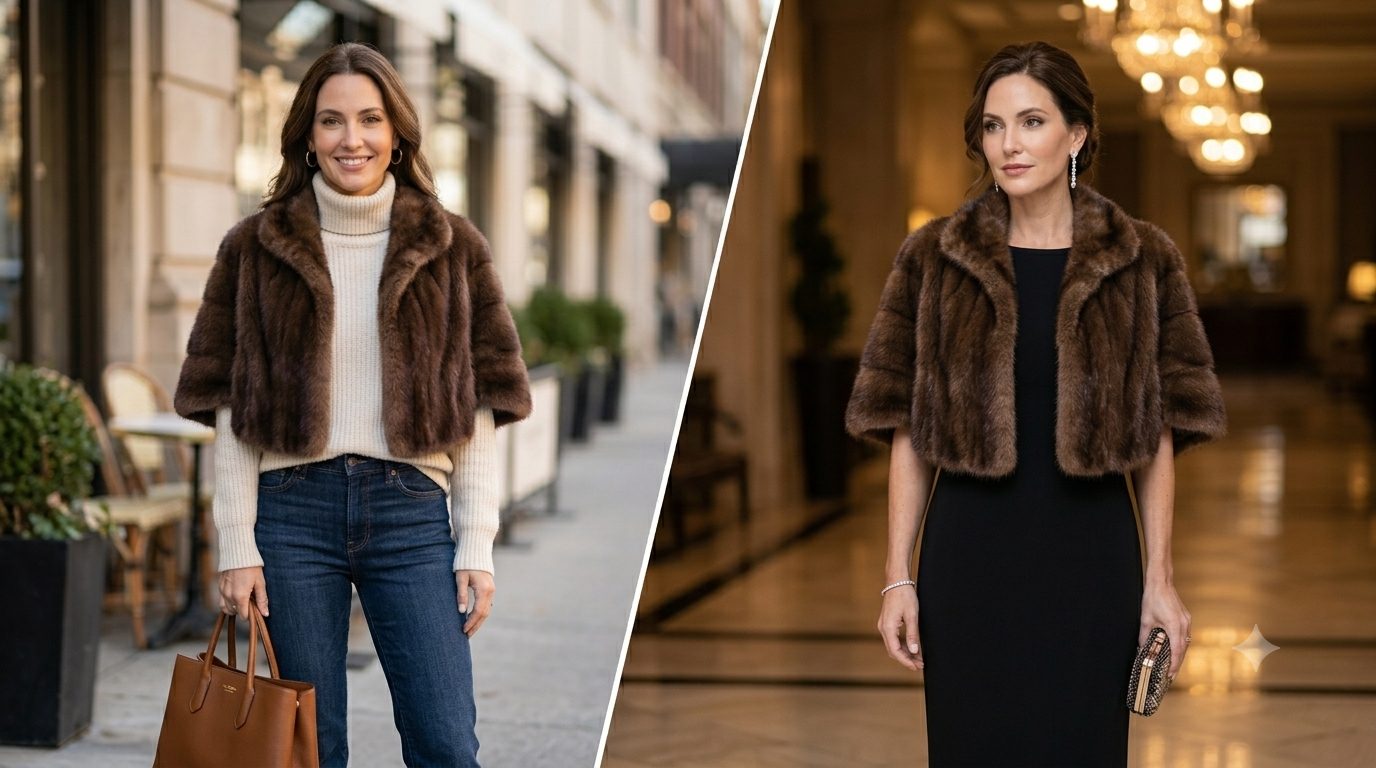
allowing heirloom garments to be transformed into modern vests, cropped jackets, or contemporary winter pieces while preserving the original material.

2. A Bridge to Fashion Heritage

Vintage fur garments are often deeply personal items passed down through generations. Professional furriers help preserve these pieces through specialized
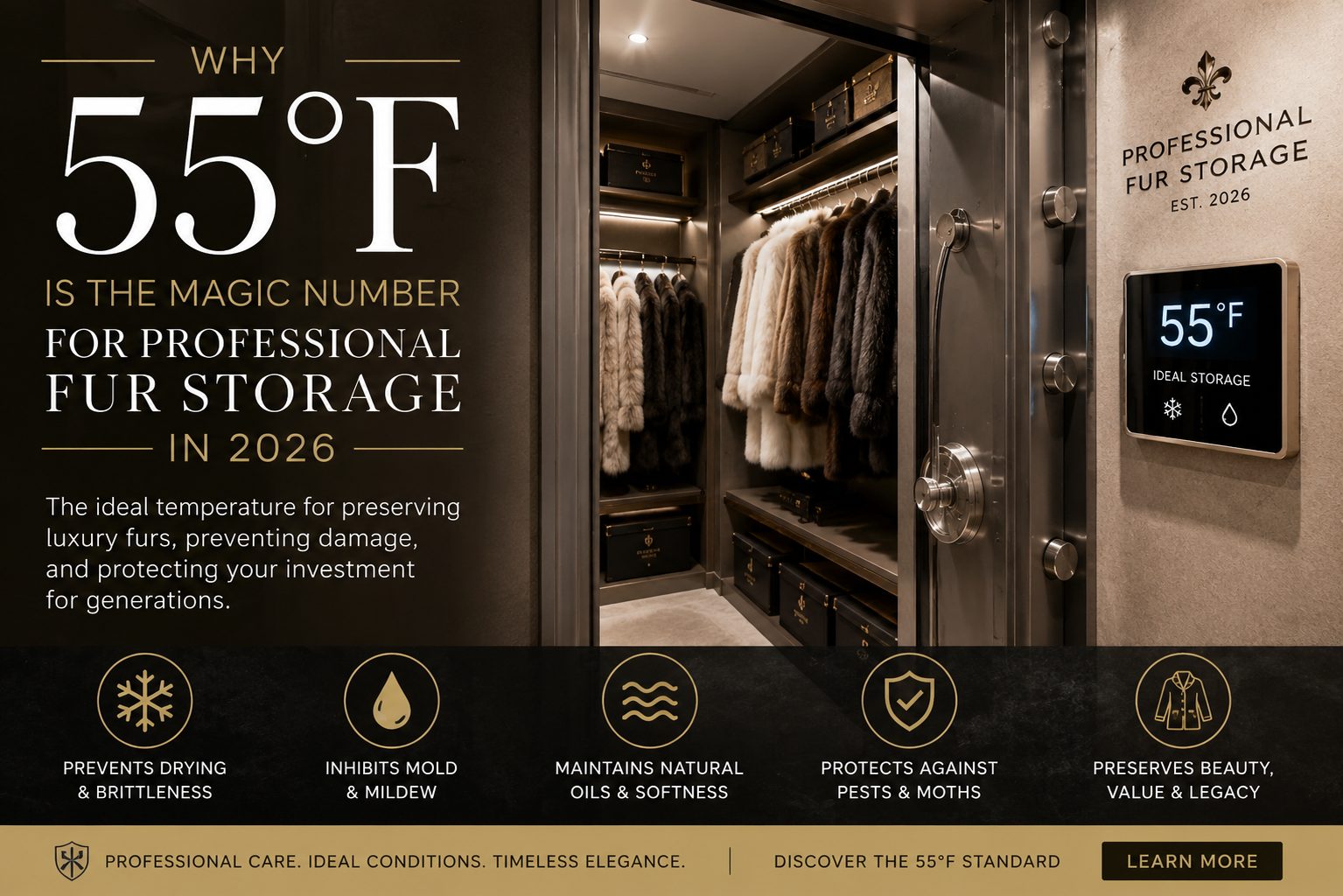
professional fur storage
services and climate-controlled vaults designed to maintain delicate pelts and prevent environmental damage.

3. The Long-Term Investment Approach

Unlike synthetic garments designed for short life cycles, natural fur garments can last decades when properly maintained. Regular
professional fur cleaning
and maintenance services help preserve softness, sheen, and structural integrity so that heirloom garments remain wearable for generations.

The Verdict

The resurgence of fur in modern fashion is not simply about luxury—it reflects broader cultural shifts toward sustainability, durability, and heritage craftsmanship. By focusing on restoration and the preservation of existing garments, the industry is redefining fur as part of a circular fashion economy rather than a disposable trend.

As fashion continues to evolve, heritage brands and skilled furriers remain central to maintaining these historic garments—ensuring that craftsmanship, longevity, and sustainability remain part of the conversation.

The Resurgence of Vintage Fur Among Younger Generations

Recent media coverage and fashion commentary suggest that younger consumers are playing a significant role in this revival. Social media trends, vintage fashion markets, and heritage aesthetics have brought renewed attention to fur garments that were once considered outdated.

This news segment explores how younger generations are rediscovering vintage fur and incorporating it into modern fashion—illustrating the cultural shift discussed throughout this article.

For additional perspective on the topic, readers can explore:

Related Articles

Posted on

Hair Is Falling Out of My Fur Coat !

— What’s Causing This?

Mink fur coat texture close up
Fur coat close up shedding detail
Professional garment cleaning process
Cold storage vault for fur coats

If you’ve noticed hair shedding from your fur coat, don’t panic. A small amount of shedding can be normal — especially with vintage or natural pelts — but consistent hair loss is a signal that something needs attention.

At Marc Kaufman Furs, we’ve seen every scenario over decades of professional fur care. Here’s what may be happening — and what to do next.


1. Natural Seasonal Shedding (Yes, It Happens)

Real fur is organic. Just like human hair, a few loose hairs can release over time — especially if the coat has been stored, transported, or recently handled.

  • ✔ A few hairs when shaken? Normal.
  • ✖ Clumps or bald patches? Not normal.

2. Drying Out (The Most Common Cause)

Fur needs controlled humidity. If stored:

  • In a regular closet
  • Near heat vents
  • In overly dry climates
  • Inside plastic garment bags

The leather backing (called the “pelt”) can dry out and become brittle. When that happens, the hair slips out easily. This is known as hair slippage — the most common reason for excessive shedding.

Professional cold storage prevents this entirely.


3. Improper Cleaning

If a fur coat has been:

  • Dry cleaned like regular clothing
  • Exposed to harsh chemicals
  • Cleaned at home

The pelt can weaken. Fur requires specialized cleaning processes — not standard garment treatment.


4. Age & Vintage Wear

Older furs (especially 20+ years old) may begin to shed if they were not climate stored consistently throughout their life.

The good news? Many vintage pieces can be:

  • Rehydrated
  • Reconditioned
  • Restyled
  • Fully remodeled

5. Moisture Damage

Rain, snow, or high humidity won’t immediately ruin fur — but repeated exposure without proper drying can weaken the skin underneath.

If your coat got wet:

  • Never use heat to dry it
  • Hang it in a well-ventilated space
  • Bring it to a fur specialist for inspection

How to Tell If It’s Serious

Gently tug a small hidden area:

  • If only 1–2 hairs release → likely normal
  • If multiple hairs slide out easily → professional conditioning is recommended

If you notice cracking sounds when bending the coat, that’s a sign the pelt has dried.


Can It Be Fixed?

In many cases, yes.

Marc Kaufman Furs offers:

The earlier shedding is addressed, the better the outcome.


Prevention Tips for the Future

  • Store in professional cold storage during off-season
  • Avoid plastic covers
  • Never hang fur in a cramped closet
  • Have it professionally cleaned once per season
  • Avoid perfume or hairspray contact

Final Thought

Shedding doesn’t automatically mean your fur coat is ruined. Most cases are preventable and repairable when handled correctly.

If you’re unsure about your coat’s condition, bring it in for a complimentary evaluation. With over a century of expertise, our specialists can determine exactly what’s happening — and how to preserve your investment for generations.

Posted on

Vintage Fur Is Rewriting Luxury – And Fashion Is Finally Admitting It

The fashion industry is reexamining vintage fur through a new lens. A recent feature by
Vogue explores how pre-owned fur garments are returning to the sustainability conversation.But this isn’t about revival. It’s about recognition.

Luxury That Lasts Decades

A well-constructed mink coat is designed to endure. With professional maintenance and storage, it can remain elegant for generations.

Unlike petroleum-based synthetic alternatives, natural fur is biodegradable and long-lasting when responsibly cared for.

Explore our collection of
vintage mink coats and discover craftsmanship built to stand the test of time.

The Rise of Sustainable Luxury

Modern consumers are shifting away from disposable fashion and toward investment pieces that retain value. Vintage fur aligns naturally with this mindset.

Our clients often choose to restyle heirloom garments through our
fur remodeling services, creating contemporary silhouettes from classic foundations.

Circular Fashion in Practice

Luxury today is not about constant replacement — it is about circulation. Preservation, restyling, and professional
fur cleaning extend the lifespan of each garment.

Proper cold fur storage protects natural fibers and maintains structural integrity season after season.

Vintage Fur and Ethical Ownership

Owning vintage fur shifts the focus from production to longevity. It keeps existing garments in use and reduces the demand for disposable alternatives.

Luxury is no longer seasonal. It is enduring.

Conclusion

Vintage fur is not making a comeback. It never left.

It is simply being viewed through a more thoughtful lens — one that values permanence over trend cycles.

Answers to common questions about sustainability, longevity, and modern restyling.

Is vintage fur considered sustainable?

Vintage fur is often viewed as sustainable because it extends the lifecycle of an existing garment rather than requiring new production. Proper storage and care allow natural fur to last for decades.

How long can a mink coat last?

A professionally maintained mink coat can last 30 years or more when stored in climate-controlled conditions and cleaned regularly.

Is real fur biodegradable?

Yes. Unlike petroleum-based synthetic alternatives, natural fur is biodegradable when responsibly maintained and stored.

Can vintage fur be restyled?

Yes. Through professional fur remodeling, vintage coats can be redesigned into modern silhouettes while preserving the original craftsmanship.

Posted on

Can You Buy a Fur Coat Online? Here’s How It Really Works

For years, buying a fur coat meant visiting a boutique in person. Today, clients often ask us one simple question:

Can you buy a fur coat online?

The answer is yes — and when done correctly, it can feel just as personal as visiting the store.

At Marc Kaufman Furs, we’ve modernized the luxury buying experience while preserving the craftsmanship and personal service that define fine fur.


Step 1: Submit Your Request Online

Our Request to Order feature allows clients to:

  • Submit their contact information
  • Describe the desired style
  • Select preferred fur types (mink, sable, chinchilla, fox, etc.)
  • Provide height, weight, and fit preferences

Once submitted, your request goes directly to our store manager for review.


Step 2: Personal Phone Consultation

Luxury isn’t about clicking “Add to Cart.” It’s about getting it right.

Our store manager personally calls you to:

  • Discuss style preferences
  • Refine sizing details
  • Understand how the coat will be worn
  • Recommend silhouettes and cuts

Step 3: Real In-Store Photos — Not Stock Images

Unlike mass retailers, we provide live, in-store photos of the exact design you are considering.

  • Close-ups of fur texture
  • Multiple angles of the coat
  • Detailed craftsmanship shots

Explore some of our collections:


Step 4: Measuring Without Visiting the Store

While we welcome in-store visits, many clients complete their purchase remotely.

Option A: Guided Phone Measurements

We walk you step-by-step through simple measurement instructions.

Option B: Live Video Consultation

Our in-house experts conduct a video consultation and assess:

  • Posture
  • Body proportions
  • Height and weight
  • Overall silhouette

With over 100 years of combined experience, our specialists can determine accurate sizing with exceptional precision.


Why Buying Fur Online Works

  • Personalized consultation
  • Live product visuals
  • Expert fit assessment
  • In-house alterations
  • Direct communication with specialists

This is not fast fashion. This is luxury tailoring delivered digitally.


Is It Safe to Buy a Fur Coat Online?

Yes — when purchasing from an established retailer with a physical showroom and decades of expertise.

For general online purchasing safety guidance, you can review recommendations from the
Federal Trade Commission.


Final Thoughts

So, can you buy a fur coat online?

Absolutely.

At Marc Kaufman Furs, our online process mirrors the in-store luxury experience — personal, precise, and professional.

Ready to begin? Submit your
Request to Order today and let us guide you through a seamless luxury buying experience.

Posted on

The Psychology of Fur: Why Mob Wives Wore It Like Armor

The Psychology of Fur: Why Mob Wives Wore It Like Armor

Luxury has always been about more than materials—it is about message. In
Mob Wives, fur was never just outerwear; it was visual strategy.
The women who wore it understood something instinctively powerful: before you speak,
your silhouette already has. Presence is projected long before conversation begins.

Fur functioned as armor—not defensive, but declarative. It expanded presence,
commanded space, and projected control. A sweeping coat entered the room first.
The posture shifted. The energy followed. What viewers witnessed on screen was
not simply styling—it was psychological positioning.

Fur as Spatial Power

Psychologically, volume alters perception. Across cultures, larger silhouettes are
associated with dominance and authority. Full-length coats, dramatic collars,
structured shoulders—these elements increase perceived stature. Fur naturally
amplifies that effect through density and movement.

Unlike fabrics that cling or collapse, fur holds space. It frames the body and
extends its outline, creating visual territory. In highly visible environments,
that territorial presence communicates hierarchy instantly. In Mob Wives,
this was never accidental—it was symbolic.

Texture and Status Signaling

Texture communicates status faster than logos ever could. Mink reflects light with
a rich depth. Sable carries a softness that feels rare and reserved. Chinchilla’s
feather-light density signals refinement. Fox commands attention through bold texture
and volume.

Humans process tactile cues subconsciously. Dense, plush materials signal protection,
wealth, and historical privilege. Fur has long been associated with power structures—
royalty, leadership, influence. That symbolism did not disappear; it evolved.

Movement as Attention Control

Fur moves differently than any other material. It flows with air, responds to motion,
and catches light dynamically. That movement draws the eye naturally. In filmed or
public environments, movement becomes focus.

A sweeping hemline or a dramatic fox collar shifts attention without effort.
It slows visual processing and redirects it. This is not merely fashion—it is
attention control through silhouette.

Category Psychology: The Meaning Behind Each Fur

Whiskey Directional Mink Jacket

Mink: The Language of Dominance

Few garments project authority like a full-length mink coat. Structured, smooth,
and unmistakably powerful, mink has long been associated with leadership and permanence.
Its weight and presence create immediate stature.

Explore full-length mink styles here:
Full-Length Mink Coats

Designer Sable Fur Coats and Jackets

Sable: Legacy and Quiet Wealth

Sable represents restraint. It is rare, understated, and historically reserved
for those who did not need to announce their influence. Its softness carries depth
rather than flash.

Discover refined sable pieces here:
Sable Coats & Jackets

Silver Red White Fox Vest

Fox: Drama and Expression

Fox fur is movement, dimension, and bold identity. It expands silhouette dramatically
and creates visual rhythm with every step. For those who embrace presence rather than
avoid it, fox becomes expressive armor.

View statement fox styles here:
Fox Coats & Jackets

Horizontal Chinchilla Jacket

Chinchilla: Refinement and Precision

Chinchilla communicates luxury through softness rather than volume. It is tactile,
lightweight, and visually refined. Its impact lies in subtlety—the kind of elegance
that speaks without spectacle.

Explore chinchilla designs here:
Chinchilla Coats & Jackets

Finnish Raccoon Coat Hood

Armor in a Modern Context

Today’s renewed interest in fur is not rooted in nostalgia—it is rooted in presence.
In an era of minimalist layering and muted palettes, bold outerwear disrupts sameness.
It reclaims individuality.

Modern wearers are not replicating television moments; they are adopting a mindset.
Strength expressed through silhouette. Confidence expressed through material.
Identity expressed without apology.

Fur remains one of the few garments that transforms posture instantly. Shoulders
square. Gait slows. Energy shifts. That transformation is psychological as much
as aesthetic.

Mahogany Mink Poncho

Why It Still Resonates

Television amplified what fashion history has long understood—outerwear can be power.
Whether in cultural storytelling or modern luxury wardrobes, fur consistently
symbolizes control, confidence, and self-possession.

Trends rotate. Presence endures. And that enduring presence is why fur continues
to resonate—not as costume, not as nostalgia—but as modern armor for those who
understand that authority is often silent, yet always visible.

Posted on

Mob Wives and the Resurgence of Fur

Mob Wives and the Resurgence of Fur

Once synonymous with power, confidence, and unapologetic presence, fur has re-emerged at the center of modern luxury—and pop culture played a decisive role in its return. Mob Wives didn’t just showcase bold personalities; it reintroduced fur as a visual language of dominance, legacy, and status. Draped in statement coats that commanded attention, these women reframed fur not as a relic of the past, but as an enduring symbol of authority. Today’s renewed interest in fur reflects that same mindset: fashion that doesn’t ask for permission, and style rooted in presence rather than trend.

Full Length Ranch Mink Coat


Mob Wives and the Resurgence of Fur Coats

Full-length fur coats have long been the ultimate symbol of authority, and no modern pop-culture moment reinforced that image more than Mob Wives. Draped over the shoulders of women who commanded attention before they spoke, these coats weren’t just fashion—they were armor. Mink, in particular, embodied permanence, dominance, and unapologetic luxury.

Today, that same energy is driving renewed interest in full-length mink coats. Buyers aren’t chasing trends; they’re reclaiming presence. Whether restored, remodeled, or worn as-is, these coats echo a timeless power aesthetic that transcends decades—proof that true status never goes out of style.


Why Fur Coats Are Back: The Mob Wives Influence

The Mob Wives era didn’t just celebrate excess—it reshaped how softness could signal strength. Chinchilla fur, prized for its feather-light feel and dense texture, emerged as a quieter expression of luxury. It wasn’t about intimidation; it was about refinement paired with confidence.

As modern consumers gravitate toward tactile luxury with visual restraint, chinchilla coats and jackets are seeing renewed attention. They offer elegance without spectacle—an editorial favorite for those who understand that influence doesn’t always need to announce itself loudly.

Taupe Mink With Sable Collar Jacket


Mob Wives Style Trends: The Return of Fur

Sable has always lived in the uppermost tier of fur—reserved, rare, and unmistakably elite. In Mob Wives, sable symbolized legacy wealth: the kind that doesn’t chase approval. These were coats worn by women who understood that restraint can be more powerful than excess.

That philosophy resonates strongly today. As fashion pivots toward timeless investment pieces, sable coats are being rediscovered by collectors and connoisseurs alike. Their understated sheen and unmatched softness make them a modern emblem of quiet authority.

Indigo Fox Coat
Indigo Fox Coat


Mob Wives Fashion Legacy and the Rise of Fur

Fox fur brought drama to the Mob Wives aesthetic—volume, movement, and unmistakable flair. Whether oversized collars or bold silhouettes, fox coats were statements designed to be seen. They embodied confidence, individuality, and a fearless approach to personal style.

That same spirit fuels fox fur’s resurgence today. Designers and buyers alike are embracing fox for its versatility and visual impact, making it a favorite for those who want their outerwear to speak before they do.

Posted on

Quiet Luxury is Over – Fur Is Back in the Spotlight

Floral Mink Stroller

Why Fur Never Needed Permission

For the past few years, fashion has been whispering.

Neutral palettes. Minimal silhouettes. Luxury that blended into the background rather than stood apart. This movement—often labeled “quiet luxury”—had its moment, driven by uncertainty and a desire for understatement.

But that era is ending.

In 2026, fashion is no longer interested in hiding. It is reclaiming confidence, permanence, and presence. And fur—long misunderstood, debated, and prematurely written off—is stepping back into the spotlight where it has always belonged.

Luxury Is Speaking Again

Quiet luxury thrived on subtlety. Today’s consumer is moving differently. People are no longer dressing to disappear—they’re dressing to express identity, authority, and intention.

Fur represents that shift perfectly.

It is not trend-driven. It does not ask for permission. It does not expire at the end of a season. Fur is worn with purpose, not performance.

Lavender Fox Coat
Lavender Fox Coat

As leading voices in fashion note,

luxury is shifting away from minimalism

and toward materials that communicate substance, confidence, and craftsmanship.

Fur Never Left — It Endured

While trends cycled through fast fashion shortcuts and synthetic alternatives, authentic fur never vanished. It remained rooted in craftsmanship, longevity, and heritage.

What changed was the conversation.

Today, the focus is no longer on whether fur is acceptable—it’s on how it is made, how it is styled, and how it stands the test of time. That shift marks a return to substance over slogans and values permanence over performative trends.

Modern Fur Is About Craft, Not Excess

Pink and blue mink jacket Fox hood

The fur of today is refined, tailored, and intentional—grounded in

timeless fur craftsmanship

that prioritizes precision, fit, and longevity.

Clean lines. Thoughtful design. Reversible constructions. Modern colors. Pieces created to integrate seamlessly into contemporary wardrobes while lasting for decades.

This is not a comeback fueled by shock value. It is a re-emergence driven by craftsmanship reclaiming relevance in a world oversaturated with disposable fashion.

Timelessness in a Disposable World

In an industry dominated by temporary solutions, fur stands apart. A well-made fur garment can outlast countless trend-based alternatives—both physically and aesthetically.

That durability is not just about materials. It’s about meaning.

Unlike fast-turn fashion,

luxury fur garments designed to last

represent investment, care, and continuity—qualities increasingly valued by discerning clients.

As

fashion returns to craftsmanship and permanence
,
fur naturally reclaims its place in the conversation.

Available in resilient furs like rex rabbit and mink, these jackets feature elastic cuffs and waistbands for a comfortable, tailored fit.
Command attention with our selection of full-length and statement furs. We offer magnificent men’s fox fur coats and durable coyote fur parkas, designed to handle the most extreme cold weather with rugged sophistication. Experience the pinnacle of luxury with our men’s mink coats, cut specifically for a broader, masculine silhouette.

Fashion moves fast, but true luxury waits. Quiet luxury had its season. Now, fashion is ready to speak again.

And fur—timeless, confident, and unapologetic—never needed permission to be heard.

Posted on

How a Let Out Mink Coat Is Made

Inside the World of Marc Kaufman Furs Luxurious Craft Techniques

At Kaufman Furs, creating a let-out mink coat has never been about mass production.
It has always been about mastery.

As Marc Kaufman often says, a true mink coat should move with the body—not sit on it.
That philosophy is why we continue to use the traditional let-out construction technique,
one of the most labor-intensive and respected craft methods in the world of luxury fashion.

Unlike skin-to-skin mink coats, where whole pelts are stitched together in visible blocks,
this is how we make ours: each pelt is sliced, shifted, and rebuilt into long,
flowing vertical panels that create elegance, flexibility, and exceptional longevity.


Phase 1: Preparation & Matching

Before a single cut is made, every mink pelt must be perfectly synchronized.
A full-length let-out mink coat typically requires 40 to 60 pelts.

  • Sorting: Pelts are matched by sex, color tone, density, and nap direction.
  • Dressing (Tanning): Each pelt is professionally treated to ensure soft, durable leather.
  • Squaring: Pelts are dampened and stretched into uniform rectangular shapes.

Phase 2: The Let-Out Technique

This is where craftsmanship becomes art.

  • Diagonal Slicing: Each pelt is fed through a specialized let-out machine
    that slices the skin into ultra-thin diagonal strips, kept in exact order.
  • Shifting: The strips are staggered downward, forming a chevron pattern on the leather side
    and transforming a short pelt into a long vertical ribbon.
  • Precision Sewing: Using a specialized fur sewing machine, the strips are stitched back together.
    These micro-seams allow natural flexibility and movement.

The result is a let-out pelt with a continuous dark center line
(known as the grotzen) running from collar to hem—one of the hallmarks of premium mink construction.


Phase 3: Assembly & Blocking

  • Panel Assembly: Long let-out pelts are sewn side-by-side to form the back, fronts, and sleeves.
  • Blocking (Nailing): Sections are dampened and stretched leather-side up onto large wooden boards
    using paper patterns.
  • Drying: The fur remains on the boards for 24–48 hours, permanently setting the coat’s silhouette.

Phase 4: Finishing Touches

  • Trimming excess fur along pattern lines
  • Reinforcing edges with starched cotton tape
  • Final body and sleeve assembly
  • Glazing with steam and heat to restore natural oils and sheen
  • Hand-sewn silk or satin lining, with optional interlinings for warmth

Marc Kaufman’s Let-Out Mink vs. Traditional Skin-to-Skin Construction

Feature Let-Out Mink (Our Method) Skin-to-Skin Mink
Appearance Seamless vertical flow Blocked pattern
Movement Fluid, elegant swing More rigid structure
Longevity Generational quality Shorter lifespan
Remodeling Potential Excellent Limited

Why This Method Still Matters

Because let-out construction distributes stress across hundreds of seams,
the leather flexes naturally instead of cracking. This makes our coats lighter,
longer-lasting, and ideal for future restyling.

Explore our Mink Coats collection to see true let-out craftsmanship.
Protect your investment with professional cold fur storage,
and discover how expert fur remodeling
can transform a vintage coat into a modern silhouette.

“A mink coat should never feel stiff or dated. If it’s made correctly,
it should move, breathe, and live with you.”

Skill-Specific Training Periods
Within a traditional furrier workshop, different roles require varying lengths of dedicated “on-the-job” training:

Finishers (Liners/Machinists): ~2 years. They focus on the interior silk linings and hand-sewn closures.

Nailers: ~3 years. They learn the critical “blocking” process—using moisture and thousands of staples to stretch fur sections into the precise shape of a pattern.

Cutters: ~3 years. This is the most technical role, involving the slicing and “letting out” of skins without damaging the hair or creating visible seams.

Modern Requirements & Education
While historical furriers learned strictly through family apprenticeships, today’s path often involves a mix of formal education and trade experience:

Formal Education: Many modern furriers begin with a 2–4 year degree in Fashion Design or Textiles. This provides a foundation in garment construction and “the eye” for fashion trends.

Specialized Internships: Because fur-working machines (like the Bonis fur sewer) are different from standard sewing machines, most designers spend 1–2 years interning at a heritage fur house to learn the equipment.

Pelt Selection Mastery: It can take 5+ years just to develop the “eye” for pelt matching. A master must be able to look at 100 skins and identify the 40 that have the exact same color depth, hair density, and nap length to ensure a coat looks like a single piece of fabric.

Key Challenges in Training
Irreversibility: Unlike fabric, once you cut a fur skin, you cannot “un-cut” it. Mistakes are extremely expensive, which is why apprenticeship periods are so long.

Niche Equipment: You must learn to use circular-needle machines, glazing irons, and steam-tensioning tools that aren’t found in standard tailor shops.

— Marc Kaufman