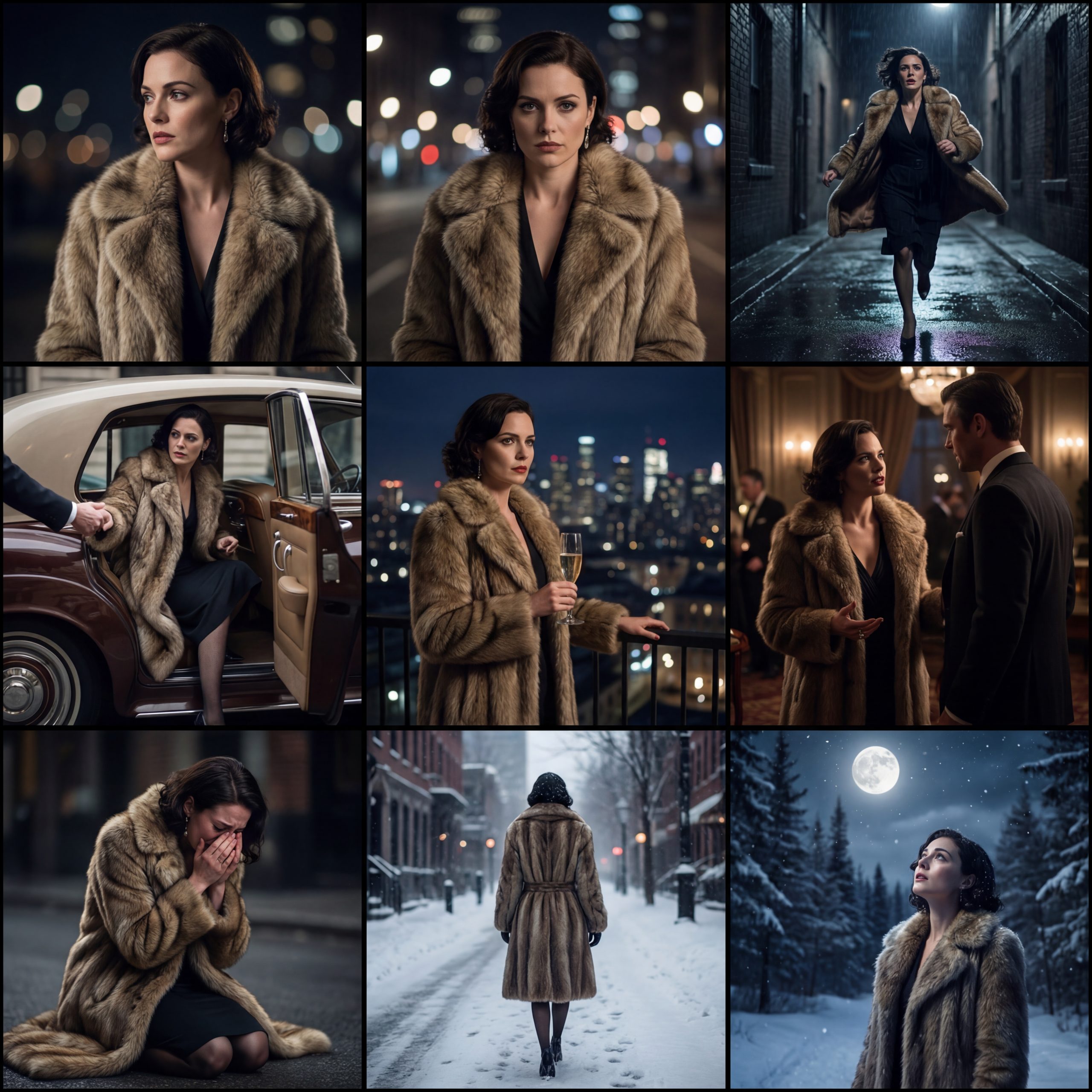
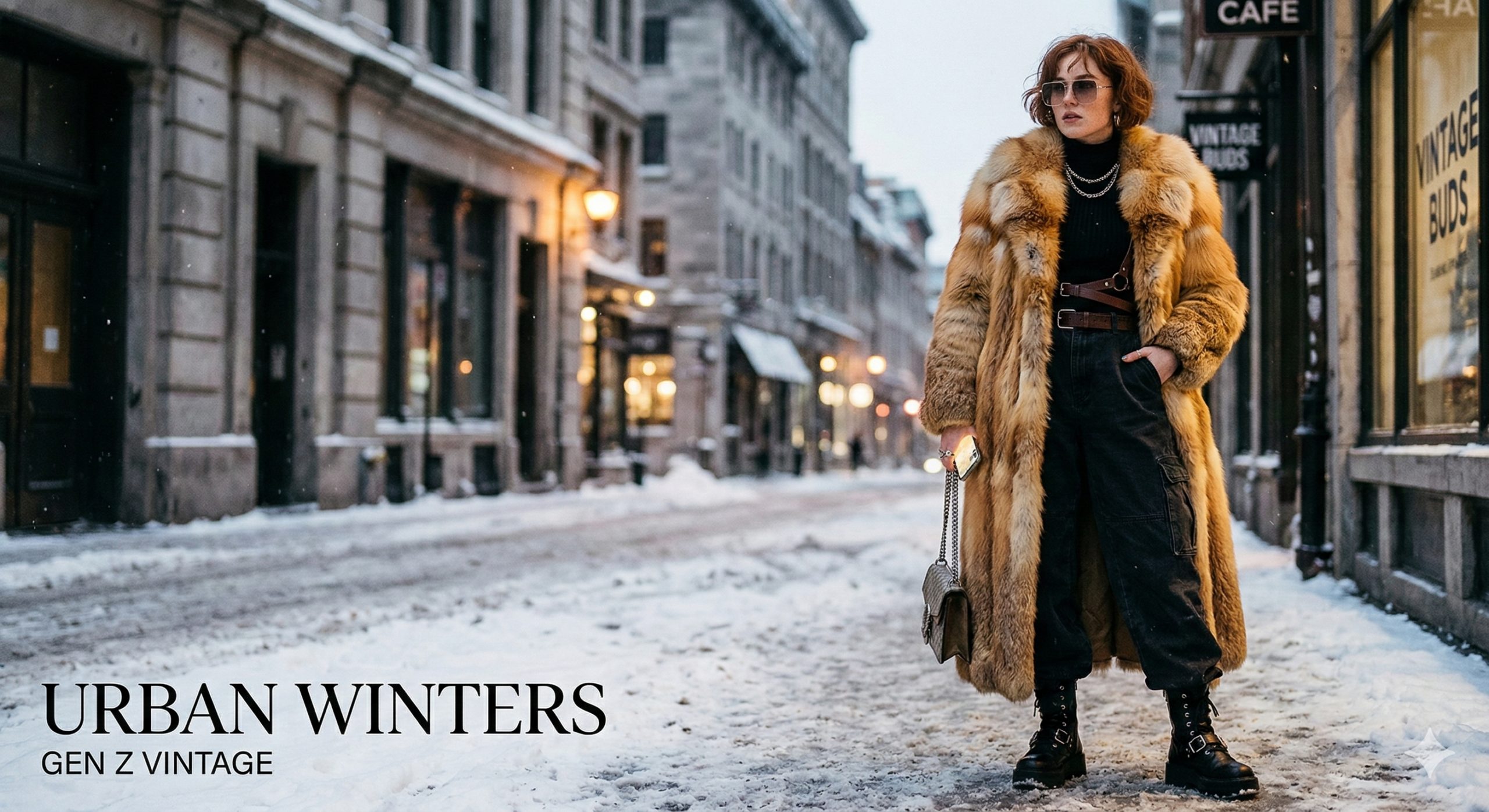
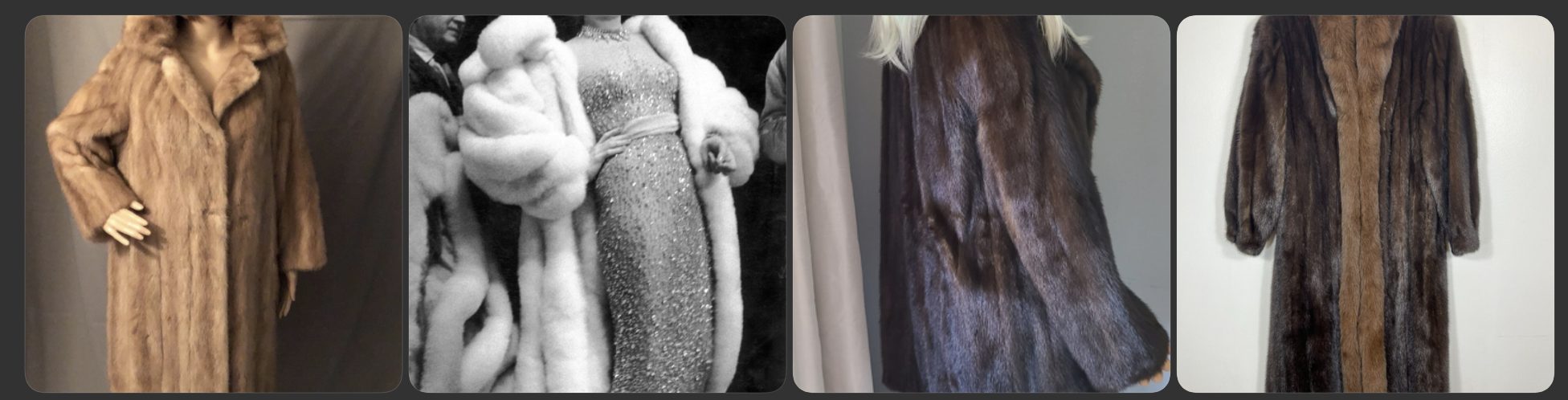
Once synonymous with power, confidence, and unapologetic presence, fur has re-emerged at the center of modern luxury—and pop culture played a decisive role in its return. Mob Wives didn’t just showcase bold personalities; it reintroduced fur as a visual language of dominance, legacy, and status. Draped in statement coats that commanded attention, these women reframed fur not as a relic of the past, but as an enduring symbol of authority. Today’s renewed interest in fur reflects that same mindset: fashion that doesn’t ask for permission, and style rooted in presence rather than trend.
Full-length fur coats have long been the ultimate symbol of authority, and no modern pop-culture moment reinforced that image more than Mob Wives. Draped over the shoulders of women who commanded attention before they spoke, these coats weren’t just fashion—they were armor. Mink, in particular, embodied permanence, dominance, and unapologetic luxury.
Today, that same energy is driving renewed interest in full-length mink coats. Buyers aren’t chasing trends; they’re reclaiming presence. Whether restored, remodeled, or worn as-is, these coats echo a timeless power aesthetic that transcends decades—proof that true status never goes out of style.
The Mob Wives era didn’t just celebrate excess—it reshaped how softness could signal strength. Chinchilla fur, prized for its feather-light feel and dense texture, emerged as a quieter expression of luxury. It wasn’t about intimidation; it was about refinement paired with confidence.
As modern consumers gravitate toward tactile luxury with visual restraint, chinchilla coats and jackets are seeing renewed attention. They offer elegance without spectacle—an editorial favorite for those who understand that influence doesn’t always need to announce itself loudly.
Sable has always lived in the uppermost tier of fur—reserved, rare, and unmistakably elite. In Mob Wives, sable symbolized legacy wealth: the kind that doesn’t chase approval. These were coats worn by women who understood that restraint can be more powerful than excess.
That philosophy resonates strongly today. As fashion pivots toward timeless investment pieces, sable coats are being rediscovered by collectors and connoisseurs alike. Their understated sheen and unmatched softness make them a modern emblem of quiet authority.
Fox fur brought drama to the Mob Wives aesthetic—volume, movement, and unmistakable flair. Whether oversized collars or bold silhouettes, fox coats were statements designed to be seen. They embodied confidence, individuality, and a fearless approach to personal style.
That same spirit fuels fox fur’s resurgence today. Designers and buyers alike are embracing fox for its versatility and visual impact, making it a favorite for those who want their outerwear to speak before they do.
For the past few years, fashion has been whispering.
Neutral palettes. Minimal silhouettes. Luxury that blended into the background rather than stood apart. This movement—often labeled “quiet luxury”—had its moment, driven by uncertainty and a desire for understatement.
But that era is ending.
In 2026, fashion is no longer interested in hiding. It is reclaiming confidence, permanence, and presence. And fur—long misunderstood, debated, and prematurely written off—is stepping back into the spotlight where it has always belonged.
Luxury Is Speaking Again
Quiet luxury thrived on subtlety. Today’s consumer is moving differently. People are no longer dressing to disappear—they’re dressing to express identity, authority, and intention.
Fur represents that shift perfectly.
It is not trend-driven. It does not ask for permission. It does not expire at the end of a season. Fur is worn with purpose, not performance.
While trends cycled through fast fashion shortcuts and synthetic alternatives, authentic fur never vanished. It remained rooted in craftsmanship, longevity, and heritage.
What changed was the conversation.
Today, the focus is no longer on whether fur is acceptable—it’s on how it is made, how it is styled, and how it stands the test of time. That shift marks a return to substance over slogans and values permanence over performative trends.
Modern Fur Is About Craft, Not Excess
Pink and blue mink jacket Fox hood
The fur of today is refined, tailored, and intentional—grounded in
timeless fur craftsmanship
that prioritizes precision, fit, and longevity.
Clean lines. Thoughtful design. Reversible constructions. Modern colors. Pieces created to integrate seamlessly into contemporary wardrobes while lasting for decades.
This is not a comeback fueled by shock value. It is a re-emergence driven by craftsmanship reclaiming relevance in a world oversaturated with disposable fashion.
Timelessness in a Disposable World
In an industry dominated by temporary solutions, fur stands apart. A well-made fur garment can outlast countless trend-based alternatives—both physically and aesthetically.
That durability is not just about materials. It’s about meaning.
Unlike fast-turn fashion,
luxury fur garments designed to last
represent investment, care, and continuity—qualities increasingly valued by discerning clients.
Command attention with our selection of full-length and statement furs. We offer magnificent men’s fox fur coats and durable coyote fur parkas, designed to handle the most extreme cold weather with rugged sophistication. Experience the pinnacle of luxury with our men’s mink coats, cut specifically for a broader, masculine silhouette.
Fashion moves fast, but true luxury waits. Quiet luxury had its season. Now, fashion is ready to speak again.
And fur—timeless, confident, and unapologetic—never needed permission to be heard.
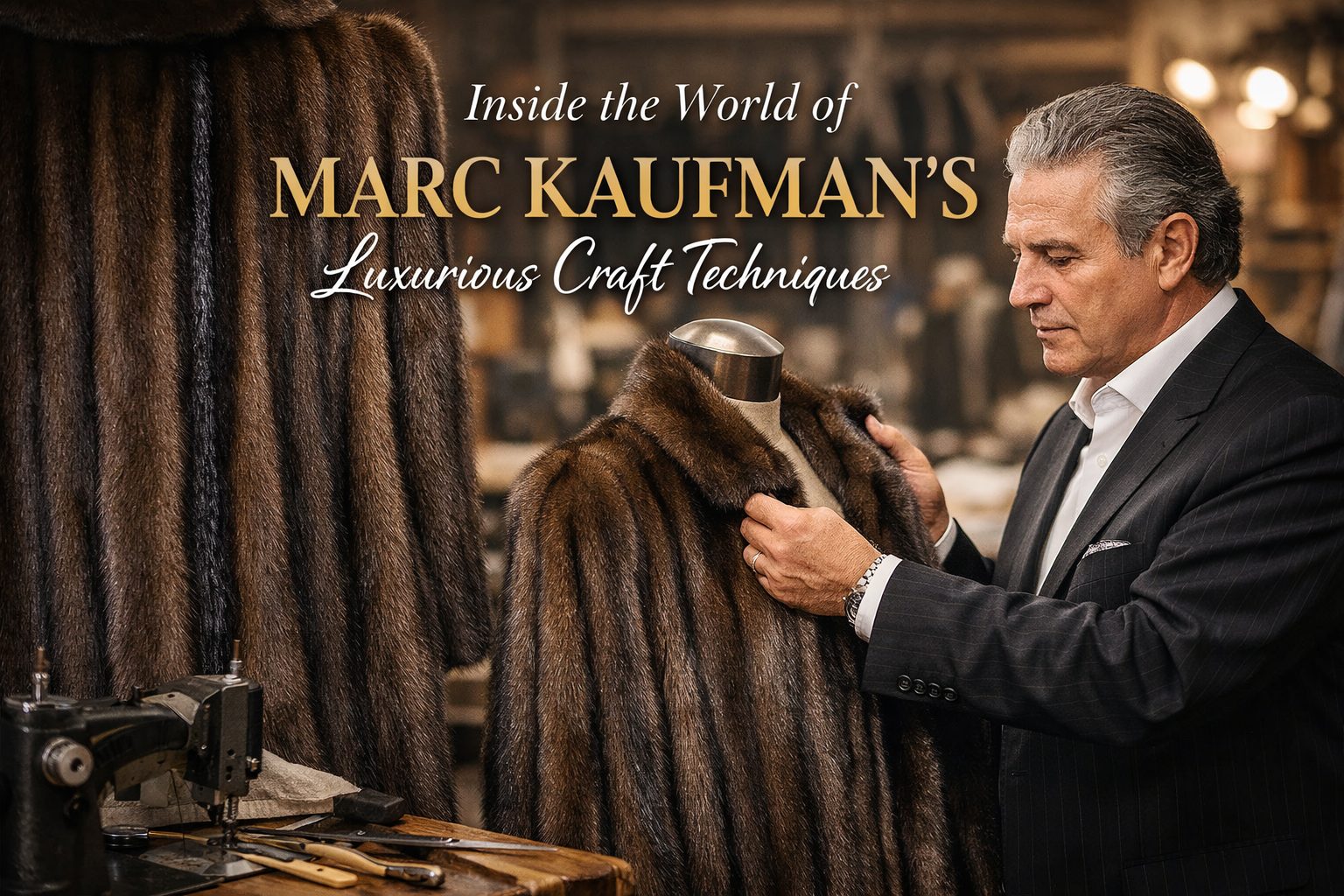
Inside the World of Marc Kaufman Furs Luxurious Craft Techniques
At Kaufman Furs, creating a let-out mink coat has never been about mass production.
It has always been about mastery.
As Marc Kaufman often says, a true mink coat should move with the body—not sit on it.
That philosophy is why we continue to use the traditional let-out construction technique,
one of the most labor-intensive and respected craft methods in the world of luxury fashion.
Unlike skin-to-skin mink coats, where whole pelts are stitched together in visible blocks, this is how we make ours: each pelt is sliced, shifted, and rebuilt into long,
flowing vertical panels that create elegance, flexibility, and exceptional longevity.
Phase 1: Preparation & Matching
Before a single cut is made, every mink pelt must be perfectly synchronized.
A full-length let-out mink coat typically requires 40 to 60 pelts.
Sorting: Pelts are matched by sex, color tone, density, and nap direction.
Dressing (Tanning): Each pelt is professionally treated to ensure soft, durable leather.
Squaring: Pelts are dampened and stretched into uniform rectangular shapes.
Phase 2: The Let-Out Technique
This is where craftsmanship becomes art.
Diagonal Slicing: Each pelt is fed through a specialized let-out machine
that slices the skin into ultra-thin diagonal strips, kept in exact order.
Shifting: The strips are staggered downward, forming a chevron pattern on the leather side
and transforming a short pelt into a long vertical ribbon.
Precision Sewing: Using a specialized fur sewing machine, the strips are stitched back together.
These micro-seams allow natural flexibility and movement.
The result is a let-out pelt with a continuous dark center line
(known as the grotzen) running from collar to hem—one of the hallmarks of premium mink construction.
Phase 3: Assembly & Blocking
Panel Assembly: Long let-out pelts are sewn side-by-side to form the back, fronts, and sleeves.
Blocking (Nailing): Sections are dampened and stretched leather-side up onto large wooden boards
using paper patterns.
Drying: The fur remains on the boards for 24–48 hours, permanently setting the coat’s silhouette.
Phase 4: Finishing Touches
Trimming excess fur along pattern lines
Reinforcing edges with starched cotton tape
Final body and sleeve assembly
Glazing with steam and heat to restore natural oils and sheen
Hand-sewn silk or satin lining, with optional interlinings for warmth
Marc Kaufman’s Let-Out Mink vs. Traditional Skin-to-Skin Construction
Feature
Let-Out Mink (Our Method)
Skin-to-Skin Mink
Appearance
Seamless vertical flow
Blocked pattern
Movement
Fluid, elegant swing
More rigid structure
Longevity
Generational quality
Shorter lifespan
Remodeling Potential
Excellent
Limited
Why This Method Still Matters
Because let-out construction distributes stress across hundreds of seams,
the leather flexes naturally instead of cracking. This makes our coats lighter,
longer-lasting, and ideal for future restyling.
“A mink coat should never feel stiff or dated. If it’s made correctly,
it should move, breathe, and live with you.”
Skill-Specific Training Periods
Within a traditional furrier workshop, different roles require varying lengths of dedicated “on-the-job” training:
Finishers (Liners/Machinists): ~2 years. They focus on the interior silk linings and hand-sewn closures.
Nailers: ~3 years. They learn the critical “blocking” process—using moisture and thousands of staples to stretch fur sections into the precise shape of a pattern.
Cutters: ~3 years. This is the most technical role, involving the slicing and “letting out” of skins without damaging the hair or creating visible seams.
Modern Requirements & Education
While historical furriers learned strictly through family apprenticeships, today’s path often involves a mix of formal education and trade experience:
Formal Education: Many modern furriers begin with a 2–4 year degree in Fashion Design or Textiles. This provides a foundation in garment construction and “the eye” for fashion trends.
Specialized Internships: Because fur-working machines (like the Bonis fur sewer) are different from standard sewing machines, most designers spend 1–2 years interning at a heritage fur house to learn the equipment.
Pelt Selection Mastery: It can take 5+ years just to develop the “eye” for pelt matching. A master must be able to look at 100 skins and identify the 40 that have the exact same color depth, hair density, and nap length to ensure a coat looks like a single piece of fabric.
Key Challenges in Training
Irreversibility: Unlike fabric, once you cut a fur skin, you cannot “un-cut” it. Mistakes are extremely expensive, which is why apprenticeship periods are so long.
Niche Equipment: You must learn to use circular-needle machines, glazing irons, and steam-tensioning tools that aren’t found in standard tailor shops.
Store Location Notice:
The front portion of this store is operated by Furs by George, which is a separate and independent business entity and is solely responsible for its own
services and customer interactions.Clients seeking the elegant, elite services of Marc Kaufman Furs should proceed to the end of the store, where Marc Kaufman Furs’ showroom and consultations are located.
The Marc Kaufman Standard: Elegance, Craftsmanship, and Accountability
Luxury is not defined by perfection it is defined by responsibility.
At Marc Kaufman Furs, every garment, consultation, and restoration is guided by
one principle: long-term trust matters more than short-term transactions. For decades, clients
have relied on Marc Kaufman not simply to purchase fine furs, but to experience clarity,
craftsmanship, and accountability at every stage of the process.
A Focused, Private Experience
Marc Kaufman Furs operates with a deliberately personal approach. Every client interaction is
handled directly and thoughtfully from the initial consultation to final delivery. There are no
hand-offs and no ambiguity about responsibility only clear ownership of the experience.
Transparent consultations and realistic timelines
One-on-one attention tailored to each client
Rigorous quality checks before completion
Open communication when refinements are required
Luxury garments are personal investments. They deserve time, precision, and respect.
Craftsmanship You Can See
Unlike online-only retailers, Marc Kaufman Furs offers a space where craftsmanship is visible and
tangible. Clients can examine materials, understand construction techniques, and appreciate the
attention that goes into both new creations and expert restorations.
This transparency builds confidence and minimizes uncertainty because informed clients are
satisfied clients.
Growth Through Listening
Every respected atelier evolves. Over time, Marc Kaufman Furs has refined its processes by
listening carefully, improving communication, and ensuring expectations are aligned from the very
beginning.
This is not done as a reaction, but as a commitment to continuous improvement.
The objective remains simple: every client should leave feeling confident not only in their
garment, but in the professional relationship behind it.
Reputation Built Beyond Screens
Online ratings fluctuate. Algorithms change. What endures is a reputation built through repeat
clients, referrals, and garments worn and admired year after year.
Many clients return season after season because they know exactly what to expect honesty,
discretion, and uncompromising quality.
That consistency defines the Marc Kaufman standard.
An Invitation Defined by Confidence
Whether visiting for the first time or returning for restoration, storage, or a new piece,
clients are invited to experience Marc Kaufman Furs directly. Take your time. Ask questions. See
the process.
Trust does not need to be advertised it reveals itself through work.
And that work continues quietly and meticulously, every day.
Fashion evolves, trends fade, and silhouettes change—but fur has remained a constant symbol of elegance for centuries. From royal courts and Old Hollywood glamour to today’s refined, modern wardrobes, fur continues to hold its place as a statement of luxury, craftsmanship, and enduring style.
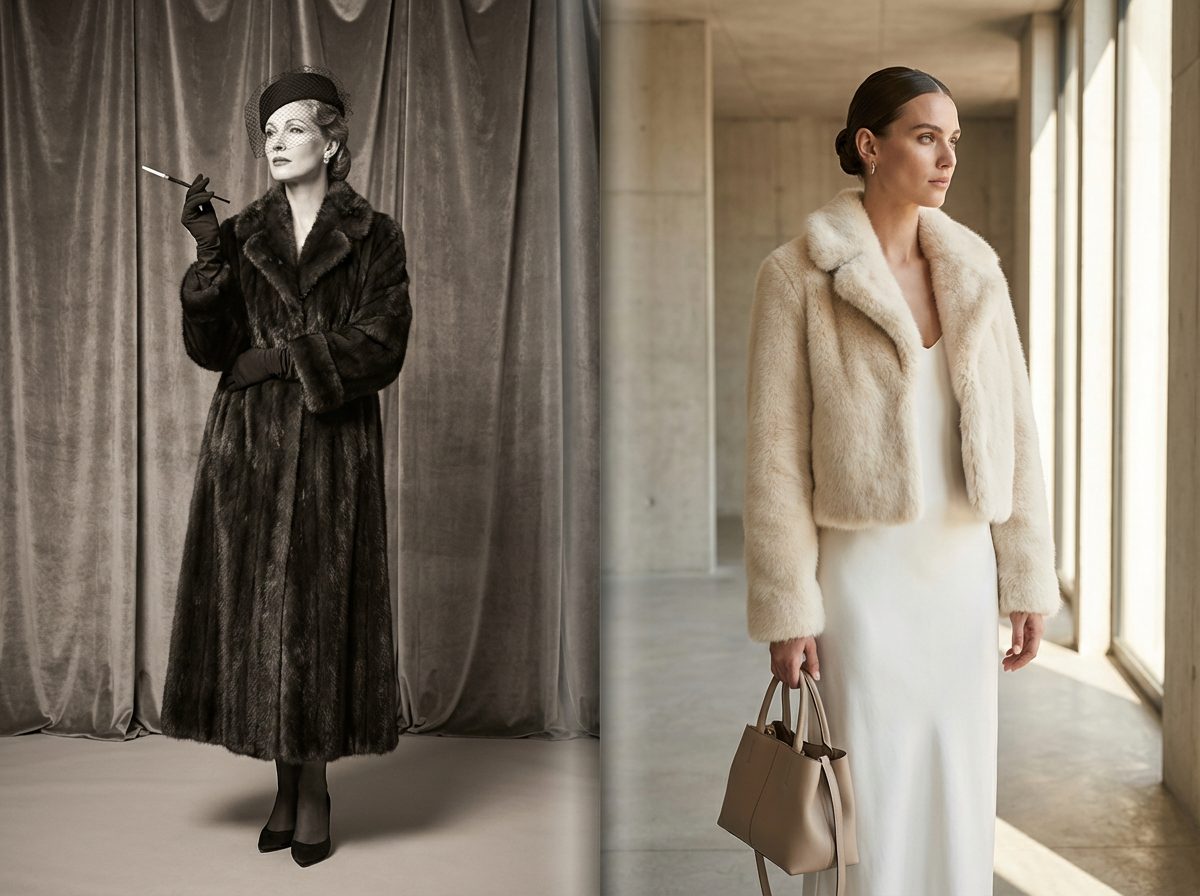
Then: Fur as Status and Heritage
Historically, fur represented far more than warmth. It was a symbol of prestige, success, and refinement. In the early and mid-20th century, fur coats were designed to be bold and unmistakable—full-length mink coats, dramatic fox collars, and voluminous silhouettes defined the era.
Women wore fur as an expression of achievement and sophistication. Each piece was handcrafted, tailored, and built to last for decades. Fur wasn’t seasonal fashion—it was an investment, often passed from one generation to the next.
Full-length, dramatic silhouettes
Natural volume and rich texture
Neutral, elegant tones
Emphasis on longevity and craftsmanship
Classic styles like mink coats
and statement fox fur designs
defined luxury fashion for generations.
Now: Fur as Timeless Luxury with a Modern Voice
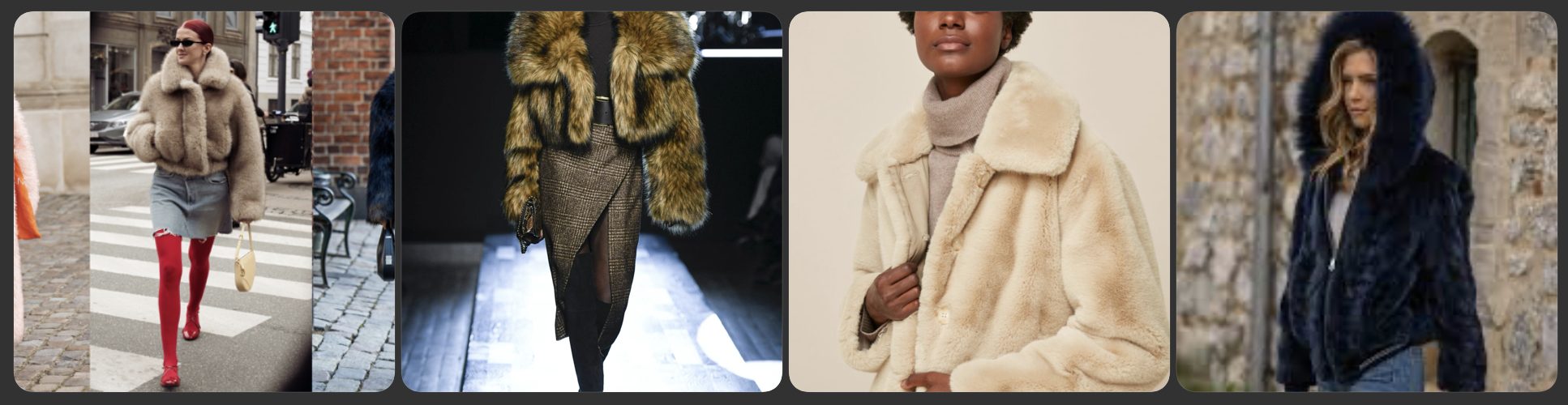
Today’s fur fashion embraces the same craftsmanship—but with a refined, contemporary approach. Modern designs focus on versatility, lighter silhouettes, and everyday elegance. Cropped jackets, fur-trimmed coats, and reimagined classics allow fur to blend seamlessly into modern lifestyles.
Rather than being reserved for formal occasions, fur is now styled effortlessly—paired with denim, tailored trousers, or minimalist outerwear. The emphasis has shifted from excess to intentional luxury.
While styles evolve, the essence of fur remains unchanged. A well-crafted fur piece still offers unmatched warmth, durability, and elegance. Unlike fast fashion, fur garments are designed to last decades when properly cared for.
Professional fur storage,
expert cleaning, and skilled maintenance ensure that a fur coat retains its beauty year after year—adapting effortlessly from one era to the next.
Fur Is Not a Trend—It’s a Legacy
Fur does not follow fashion cycles—it transcends them. Whether styled in a vintage silhouette or a modern cut, fur continues to represent timeless beauty, heritage craftsmanship, and enduring luxury.
From then to now, one truth remains clear: style may change, but true elegance never fades.
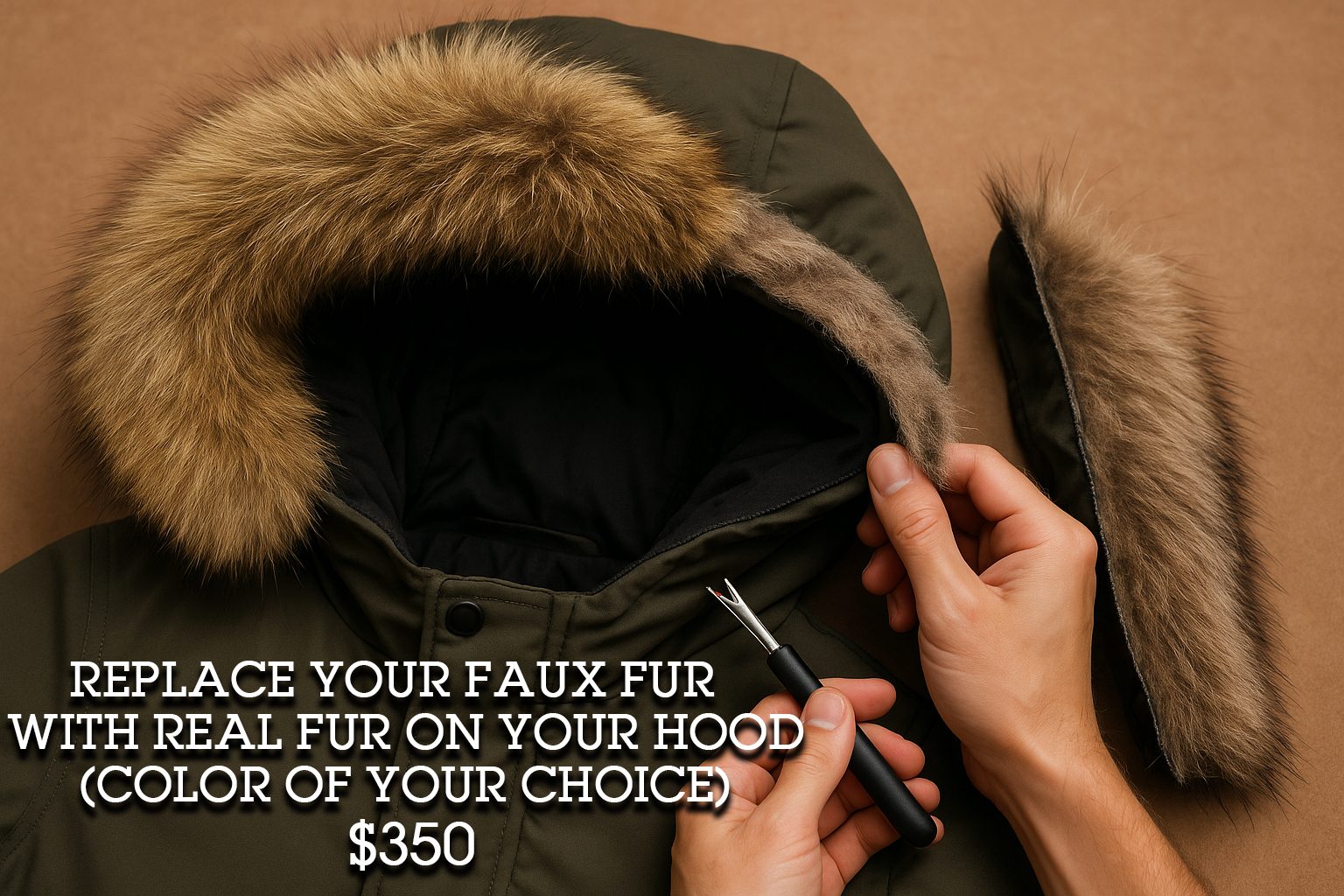
Many winter jackets come with factory-made faux fur trims that flatten, tangle, or lose their shape after just one season. While faux fur is inexpensive, it cannot match the warmth, durability, or natural beauty of genuine fur. This is why thousands of customers choose to remove their faux fur trim and upgrade to a real fur hood trim — a simple change that dramatically transforms the entire jacket.
This complete guide explains why upgrading to real fur is worth it and how the replacement process works.
Replace Faux Fur Trim on Hood Real Fur
Why Replace Faux Fur with Real Fur?
1. Real Fur Looks More Luxurious
Real fur has natural movement, shine, and depth that synthetic fiber simply cannot mimic.
It frames the face beautifully and instantly gives a jacket a richer, high-end appearance.
Popular upgrade options include:
Replace Faux Fur Trim with Real Fur
Finn Raccoon
Silver Fox
Blue Fox
Coyote
Mink
Each fur type offers its own personality, from bold and fluffy to soft and elegant.
2. Superior Warmth and Wind Protection
Real fur provides unmatched insulation. The natural guard hairs block cold wind, snow, and moisture, making winter jackets significantly warmer and more protective in harsh temperatures.
This is why genuine fur trims are preferred by explorers, skiers, and cold-weather professionals worldwide.
3. Long-Lasting Durability
Where faux fur mats, sheds, or becomes dull, real fur maintains its:
Softness
Volume
Shape
Natural insulation
With proper care, a real fur trim can last for many years and still look beautiful.
How the Replacement Process Works
1. Remove the Old Faux Fur Trim
Our fur specialists carefully detach the factory faux fur trim from the hood.
Whether it’s stitched, snapped, or zippered, we remove it cleanly without damaging the jacket.
2. Choose Your Fur Type
Based on your jacket color and personal style, you can select the perfect fur:
Light and flowy (Finn Raccoon)
Thick and luxurious (Fox)
Sleek and elegant (Mink)
Natural and rugged (Coyote)
We match the trim length, width, and curve to your specific hood.
3. Custom Crafting Your New Real Fur Trim
Each trim is handmade to fit your jacket precisely. Our team shapes the fur so it lays naturally around the face and enhances the jacket’s silhouette.
4. Attaching the New Trim
You can choose:
Permanent attachment, or
Detachable installation using a zipper or snap system
Detachable trims are popular because customers can remove the fur for travel or cleaning.
The Transformation Is Instant
The difference after replacing faux fur with real fur is dramatic:
The hood looks fuller
The jacket appears more expensive
The warmth is immediately noticeable
The style becomes timeless and premium
Most customers say it feels like they bought a brand-new winter jacket.
Final Thoughts
Upgrading from faux fur to real fur is one of the most effective ways to enhance the appearance, value, and comfort of any winter jacket. If your faux fur trim is flat, worn out, or simply not warm enough, a genuine fur replacement will make all the difference.
For custom fur trim replacements, Marc Kaufman Furs offers professional removal, custom crafting, and expert installation to give your jacket a luxurious new life.
From Cave to Catwalk: The Epic Saga of Fur, How it Forged Nations
Designer Black White Mink Coat
The story of fur is etched into the very DNA of human civilization. It predates currency, empire, and even agriculture, woven into the earliest chapters of our survival and ascent. More than just a commodity, fur has been a fundamental force in shaping economies, igniting exploration, altering global maps, and defining luxury through millennia. From the raw practicality of Ice Age survival to the opulent glamour of modern high fashion, the fur business has left an indelible mark on history. This sprawling narrative takes us from primeval shelters to the sophisticated ateliers of today, charting the pivotal shifts in its trade and manufacturing, and shining a spotlight on how an iconic American name, Marc Kaufman Furs, evolved with and helped to redefine an industry.
Mink Fur Mystique Equals Desire Marc Kaufman Furs
The Dawn of Fur: Survival, Status, and the First Global Trade
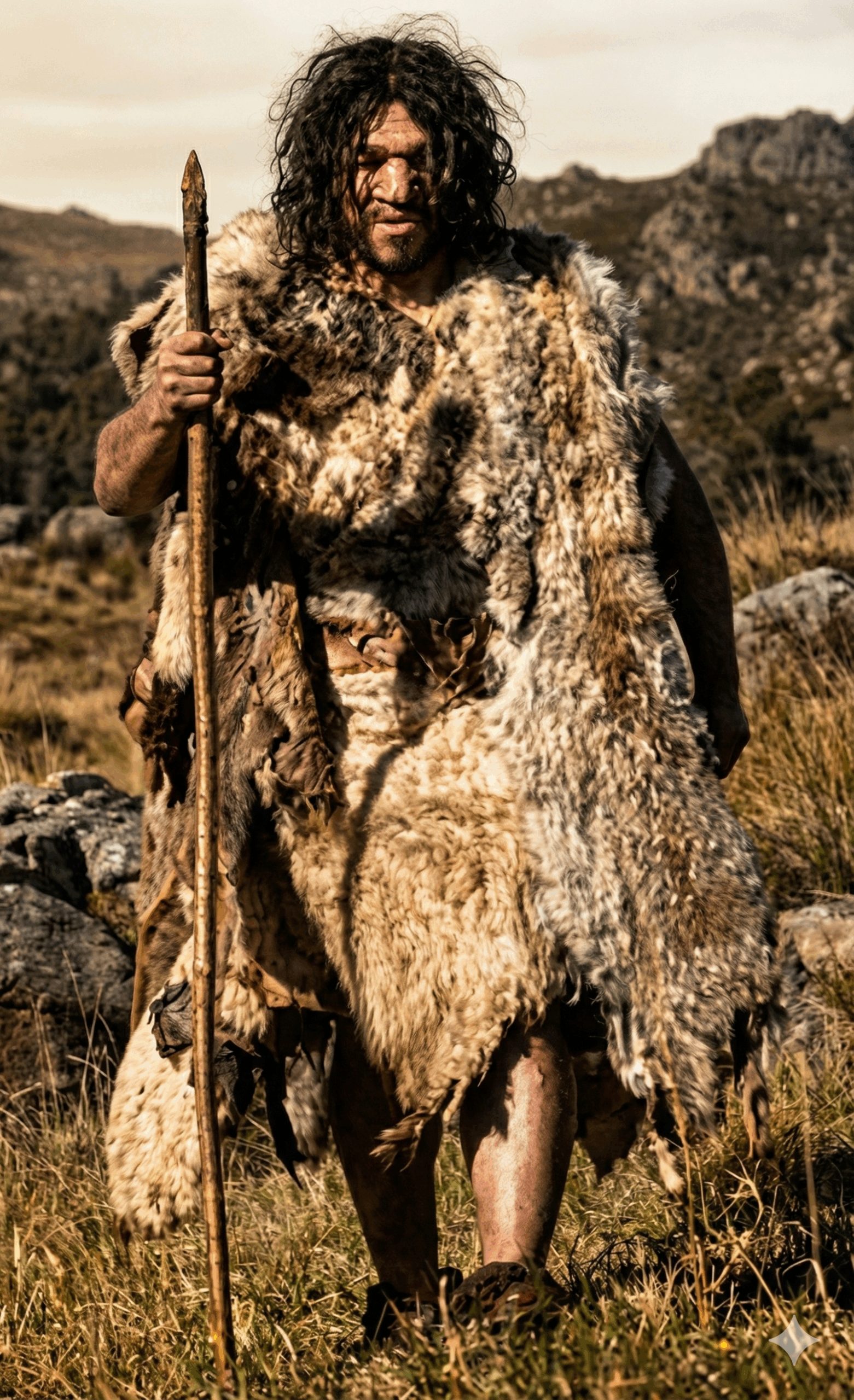
Our journey begins in the frigid epochs of the Stone Age. For early Homo sapiens, fur was not a luxury but a lifeline. Animal pelts provided crucial insulation against brutal ice age temperatures, enabling our ancestors to survive and eventually migrate out of Africa and colonize colder continents. Beyond mere survival, archaeological evidence suggests that fur quickly acquired symbolic meaning. The pelts of formidable predators like bears and wolves were worn by tribal leaders and shamans, signifying strength, wisdom, and spiritual power. This marked fur’s earliest role as a powerful indicator of status and authority.
As human societies developed, so did the sophistication of fur processing. Early techniques involved scraping, drying, and softening hides, transforming raw pelts into durable and wearable garments. The inherent value of fur, its portability, and its wide demand in colder climates naturally led to its emergence as one of the world’s first true trade commodities. Ancient civilizations across Europe, Asia, and the Americas engaged in rudimentary fur exchanges, laying the groundwork for complex trade networks that would eventually span continents.
Fur coats for men
The Middle Ages and Renaissance: Fur as the Fabric of Power
NYC Fur Market History
By the Middle Ages, fur’s role as a status symbol was firmly entrenched. European royalty and nobility adorned themselves in lavish fur-lined cloaks, ermine-trimmed robes, and sable collars. Sumptuary laws were often enacted to restrict the wearing of certain furs to specific social classes, underscoring their immense value and the desire to visually differentiate the aristocracy from the common folk. Ermine, with its stark white fur and black tips, became synonymous with royalty, particularly in Great Britain. Sable, imported from the vast forests of Russia, was revered for its extraordinary softness and deep luster, commanding exorbitant prices.
The demand for exotic and high-quality furs spurred significant economic activity. Cities like Bruges and Venice became important fur trading centers, facilitating the flow of precious pelts from the colder north and east to the wealthy elites of Western Europe. The acquisition and display of fur became a clear indicator of a family’s wealth, influence, and connection to far-flung trade routes, contributing to the burgeoning global economy of the Renaissance era.
The Age of Exploration: Fur Ignites Global Empires and Colonial Expansion
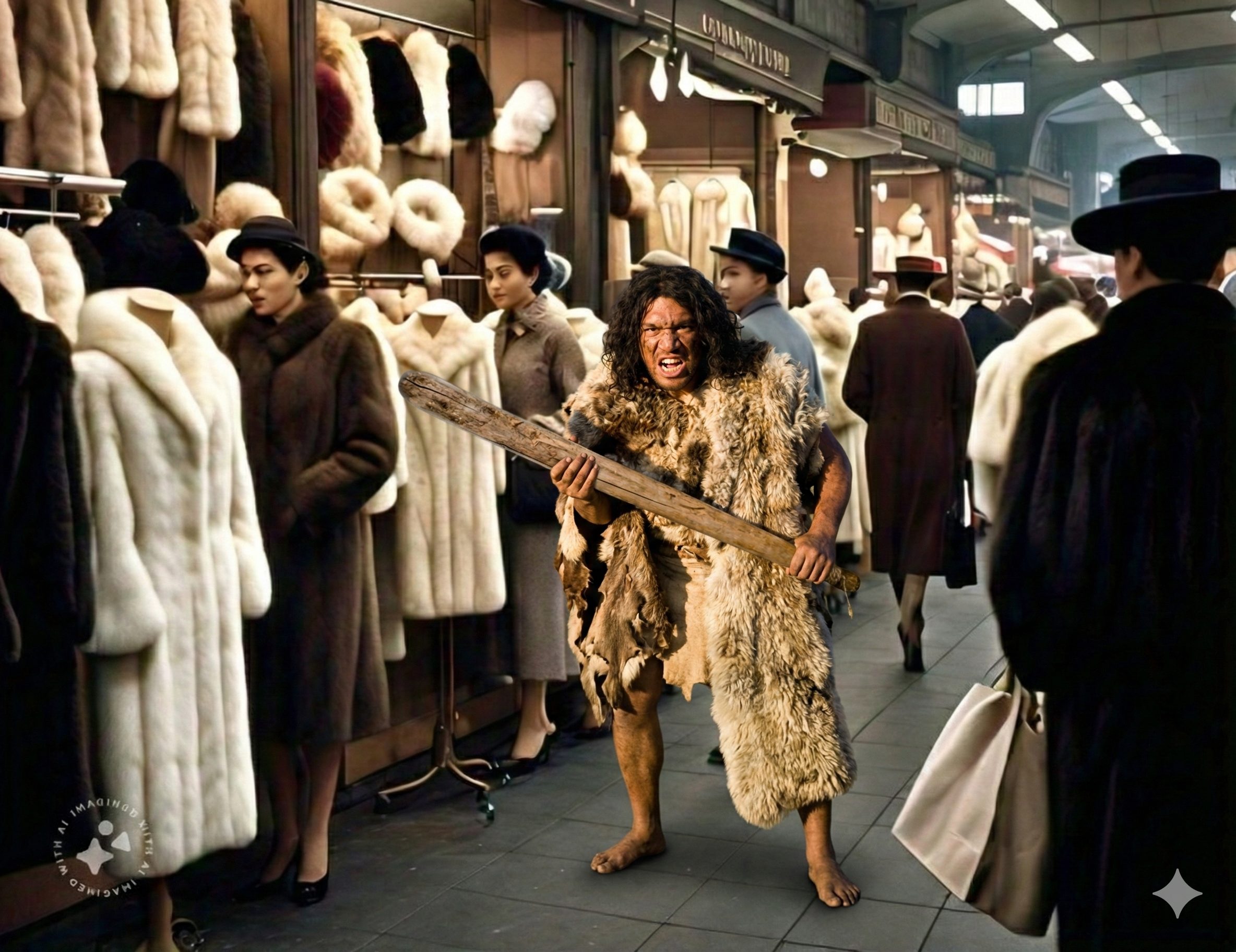
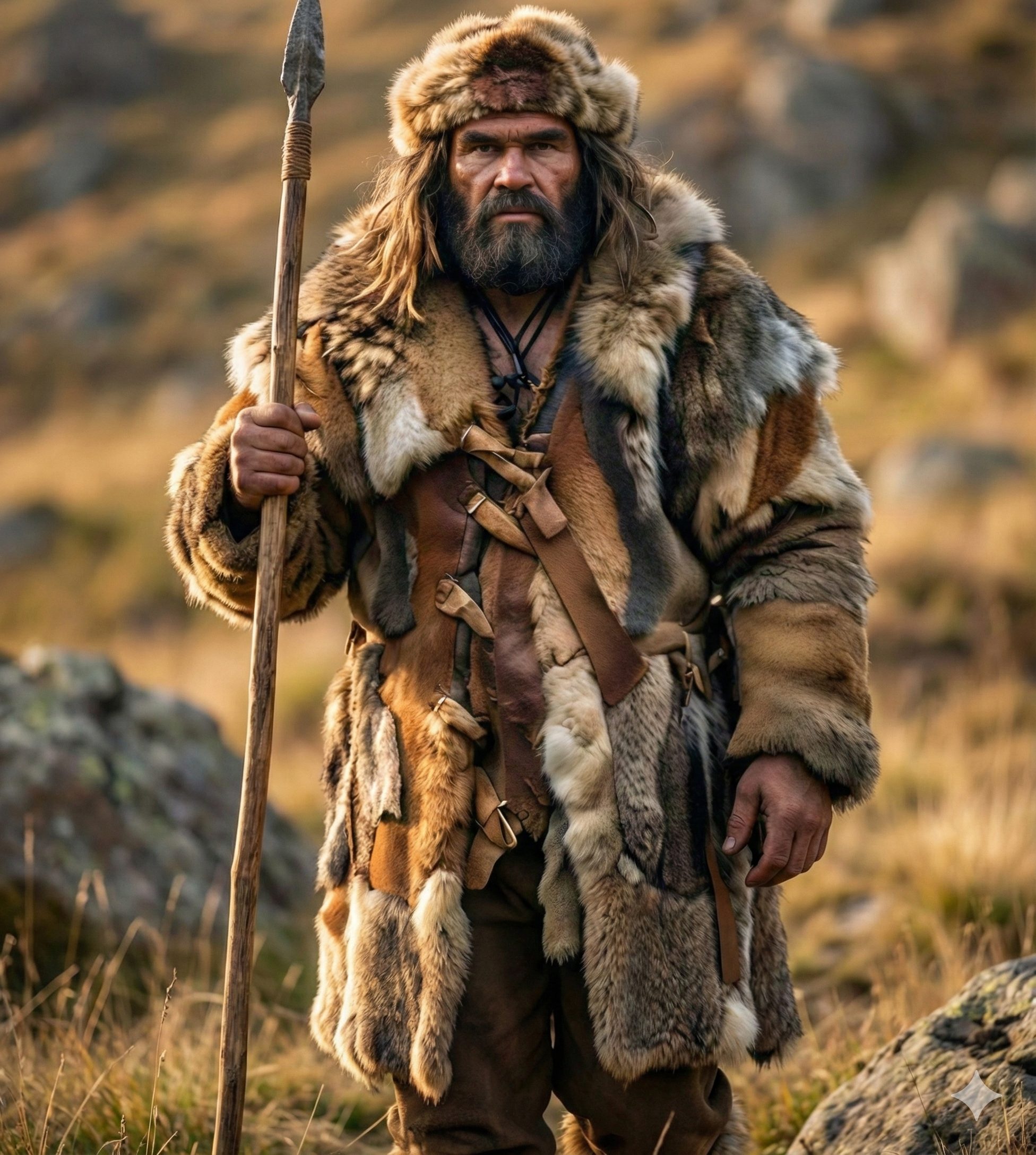
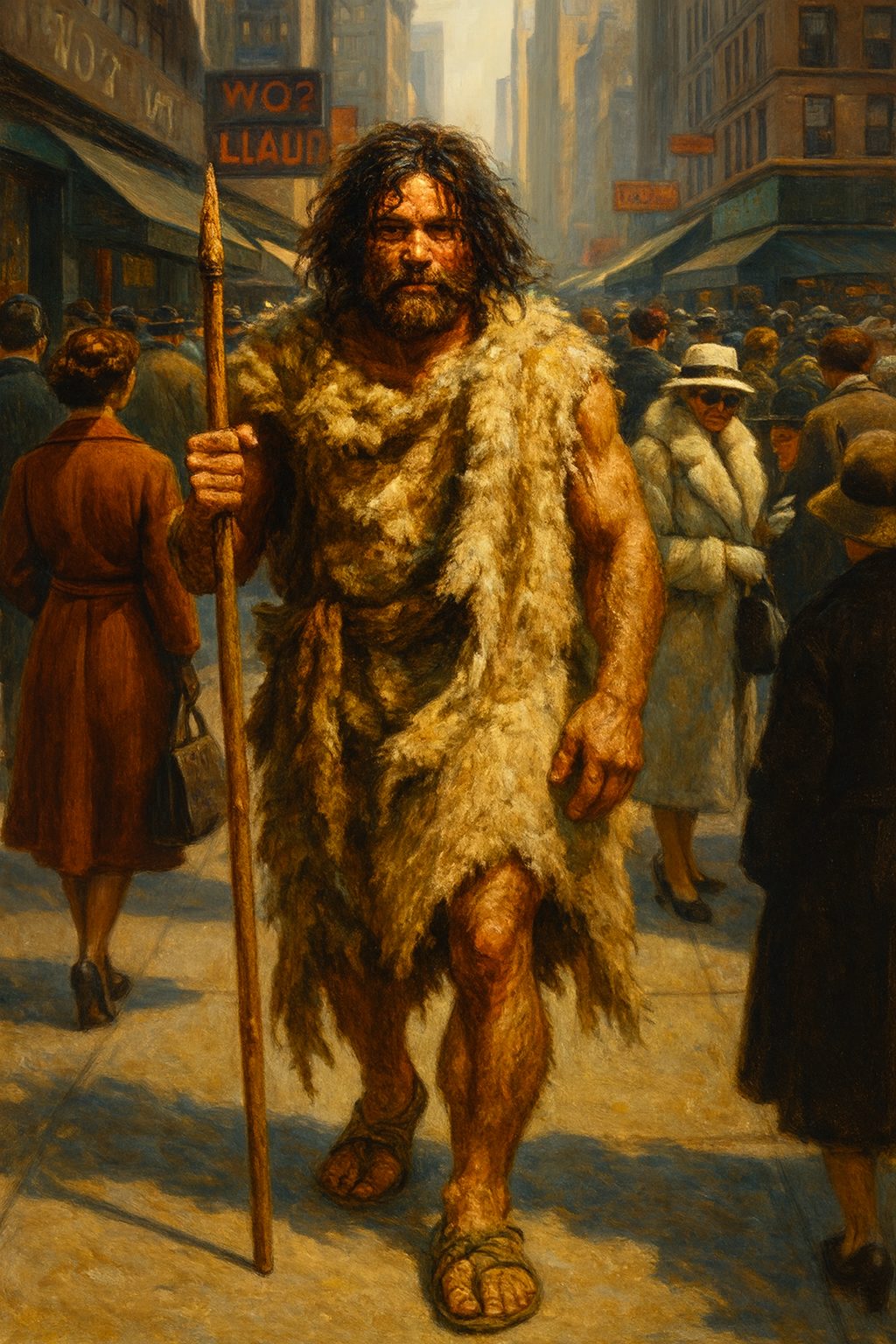
Caveman Fur Coat
The true turning point in the global fur business arrived with the Age of Exploration. European powers, driven by a thirst for new resources, trade routes, and territorial expansion, stumbled upon a treasure trove of untapped fur resources in North America. The dense forests of what would become Canada and the United States teemed with beaver, fox, mink, and other furbearing animals – species often more abundant and of superior quality than their European counterparts, which had been hunted to near-extinction in many regions.
The fur trade became the primary economic engine behind the colonization of vast swathes of North America. Companies like the Hudson’s Bay Company (chartered in 1670 by the English crown) and the North West Company in Canada, alongside numerous French and American fur trading enterprises, established sprawling networks of trading posts, trapping routes, and transportation systems. Indigenous peoples, who possessed invaluable knowledge of the land and trapping techniques, became indispensable partners (and sometimes victims) in this burgeoning industry. They traded pelts for European goods like tools, firearms, and blankets, profoundly altering their traditional economies and social structures.
The pursuit of fur directly led to:
Geographical Exploration: Fur traders and “voyageurs” pushed deeper into unknown territories, mapping rivers, mountains, and plains, often preceding government surveyors and settlers.
Colonial Rivalries: Control over lucrative fur territories fueled conflicts between the British, French, and later the Americans, shaping national borders and political landscapes.
Economic Empires: Fortunes were amassed by fur magnates, and the profits from the trade flowed back to Europe, funding further exploration, industrial development, and sustaining vast commercial empires.
Early American Development: Cities like Montreal, Quebec, and St. Louis grew into major hubs because of their strategic importance in the fur trade.
The demand for beaver pelts, in particular, was driven by the European fashion for felt hats, which were both stylish and practical. This single fashion trend had monumental consequences for global history.
The Industrial Revolution and Beyond: Shifting Tides and Modernization
History Chicago Fur Market
As the 19th and 20th centuries dawned, the fur industry continued to evolve. The demand for felt hats eventually waned, but was replaced by a burgeoning market for fur coats, stoles, and accessories as ready-to-wear fashion became more accessible. The rise of industrialization brought new technologies for tanning, dressing, and manufacturing fur garments, making them more affordable (though still a luxury) for a wider segment of the population.
However, the late 20th and early 21st centuries presented new challenges and transformations:
Animal Welfare Concerns: Growing awareness and activism around animal welfare led to significant ethical debates surrounding real fur. This resulted in a decline in demand in some markets and a strong push for high-quality faux fur alternatives.
Economic Shifts: The globalization of manufacturing and the increasing interconnectedness of markets led to new production hubs emerging.
The Manufacturing Migration: Greece and the United States
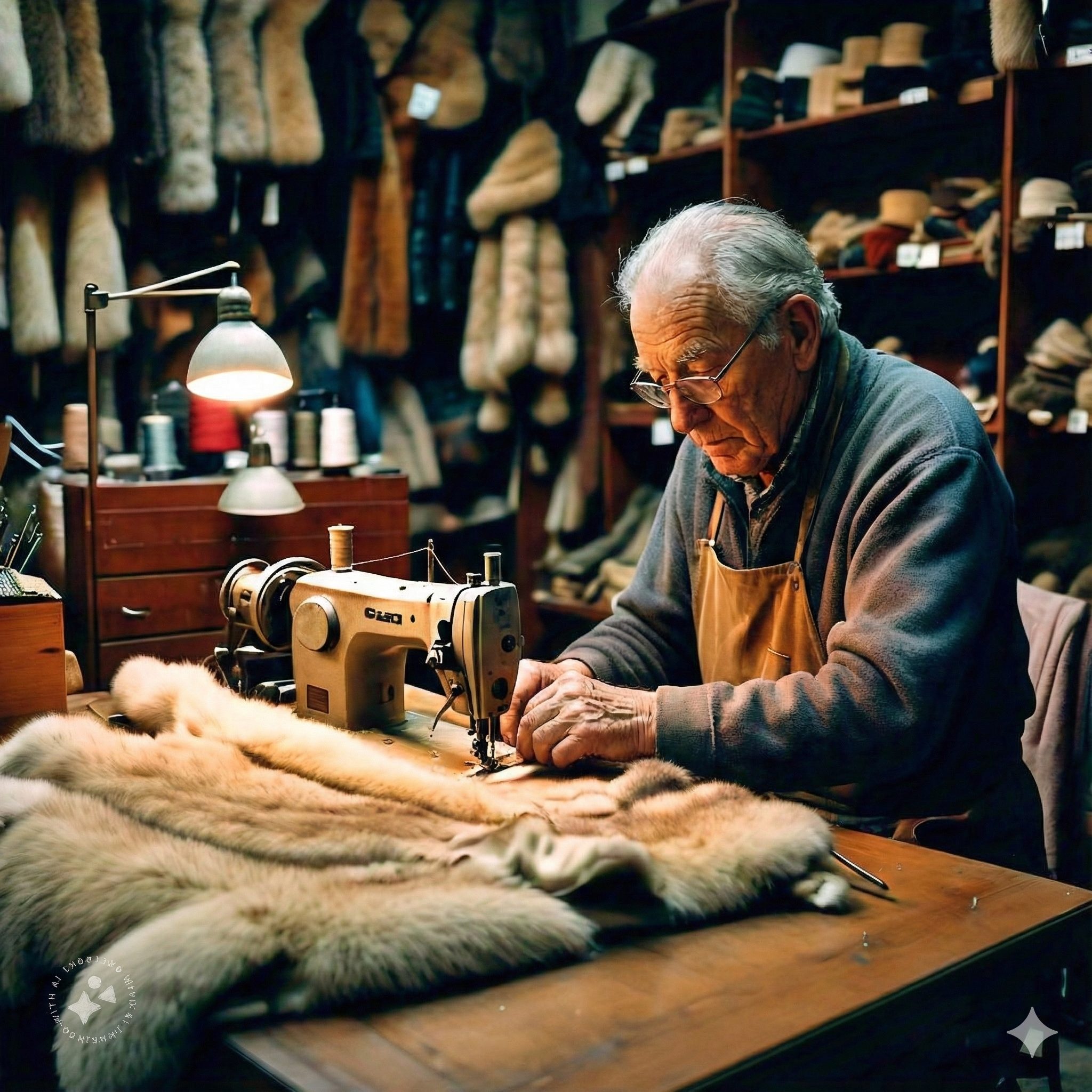
Expert Fur Repairs
Historically, fur processing and garment manufacturing were often centralized near the sources of pelts or in major European fashion capitals. However, several factors led to important shifts:
Greece (Kastoria and Siatista): Greece, particularly the towns of Kastoria and Siatista, developed a unique and highly specialized expertise in fur craftsmanship, especially in the art of “let-out” processing, where pelts are cut into thin strips and re-sewn to create longer, more fluid garments. Greek furriers became renowned for their skill, attention to detail, and ability to handle the most luxurious furs. They built strong trade relationships with major fur auctions (like NAFA and Saga Furs) and became a global hub for sophisticated fur manufacturing, exporting high-quality garments worldwide. Their deep-rooted, multi-generational knowledge allowed them to thrive even as other manufacturing sectors struggled.
United States (New York City): New York City, particularly the Garment District, was historically a dominant center for fur manufacturing, especially during the 20th century. American furriers developed a reputation for innovative designs and efficient production. Brands like Marc Kaufman Furs (discussed below) were at the heart of this vibrant industry. While much of the mass manufacturing eventually moved overseas due to cost, the US, and specifically NYC, remained a crucial center for:
High-End, Custom Work: For bespoke pieces, unique designs, and specialized alterations/remodeling, American (and particularly New York) furriers continue to excel.
Retail and Service: NYC remains a major retail hub for luxury fur, offering comprehensive services like cold storage, cleaning, repair, and restyling.
Auction Houses: North American Fur Auctions (NAFA) was a major global player, processing and auctioning pelts from North American trappers and farmers, though its operations have seen significant changes recently.
This migration highlighted a differentiation: Greece became synonymous with high-volume, expert manufacturing for export, while the US retained a strong presence in direct retail, custom work, and service.
Marc Kaufman Furs: An American Legacy and Evolution
Designer Whiskey Mink Swing Stroller
Amidst these sweeping changes, the story of Marc Kaufman Furs stands as a testament to resilience, adaptation, and an unwavering commitment to quality and luxury within the American fur industry. With roots dating back to 1870, Marc Kaufman Furs is not just a company; it’s a living archive of American fur history, spanning over 150 years and five generations.
Evolution and Contribution:
From Humble Beginnings to NYC Icon: The Kaufman family tradition began with skilled furriers and merchants, building a reputation for quality and craftsmanship. As New York City solidified its position as a global fashion capital, Marc Kaufman Furs grew alongside it, becoming a prominent name in the highly competitive Garment District. They supplied discerning clients and were known for their exquisite selection and expert tailoring.
Adapting to Changing Tastes: The longevity of Marc Kaufman Furs is a direct result of their ability to adapt. As fashion trends shifted from heavy, opulent coats to lighter, more versatile styles, the company embraced these changes. They incorporated new techniques, offered more contemporary designs, and understood the evolving needs of their clientele, maintaining relevance across decades.
Emphasis on Service and Remodeling: Recognizing the changing landscape of the fur industry, Marc Kaufman Furs placed a strong emphasis on comprehensive services. In an era where many might inherit or own vintage furs, the ability to remodel, restyle, repair, and clean fur garments became crucial. This service-oriented approach not only generated business but also helped to extend the life and fashion relevance of existing furs, providing a sustainable aspect to luxury. For many, transforming an old coat into a modern vest, jacket, or even a blanket (as we’ve discussed) offers both emotional and practical value.
Embracing the Digital Age: In the 21st century, Marc Kaufman Furs understood the necessity of a strong online presence. They invested in a robust e-commerce platform, enabling them to reach a global customer base far beyond their physical showroom. Their digital strategy includes high-quality product photography, detailed descriptions, engaging content (including celebrity features), and targeted marketing, effectively bringing their luxurious offerings into the homes of potential clients worldwide. This digital innovation allowed them to maintain a prominent position even as traditional brick-and-mortar retail faced challenges.
Maintaining a Standard of Luxury: Throughout their history, Marc Kaufman Furs has remained committed to ethical sourcing (working with reputable auction houses like NAFA and Saga Furs, when applicable) and unparalleled quality. They represent the pinnacle of luxury fur craftsmanship, ensuring that each garment is a work of art, a testament to enduring style, and a cherished heirloom.
The Enduring Legacy of Fur
Pastel Mink Jacket with Belt
From its primal origins as essential survival gear to its role in fueling exploration and empire-building, and finally to its place as a symbol of luxury and sartorial elegance, the history of fur is a profound reflection of human endeavor and aspiration. The industry has navigated vast geographical shifts, technological advancements, and evolving ethical landscapes.
Companies like Marc Kaufman Furs, with their deep historical roots and forward-thinking approach, exemplify how the fur business continues to thrive. By blending timeless craftsmanship with modern adaptation, by offering not just products but also services that preserve and renew, they ensure that the legacy of fur – its warmth, its beauty, and its undeniable connection to our past – remains a vibrant part of the luxury landscape, continuing its epic saga from the cave to the contemporary couture runway.
Sustainability is no longer a fashion trend; it’s a cultural expectation. Modern consumers want clothing that’s long-lasting, ethically sourced, and environmentally conscious. Surprisingly, real fur checks those boxes more naturally than synthetic alternatives.
Below, we explore why responsibly sourced fur remains one of nature’s most sustainable materials and how it challenges assumptions in the eco-fashion conversation.
Wrapped in Sustainability: The Unlikely Eco-Benefits of Buying Fur
1. Fur is 100% Biodegradable
Real fur is composed of keratin proteins, meaning it returns to nature without leaving toxins behind. When eventually discarded, the fibers decompose just like any other organic material.
Compare that to faux fur, which is made from:
plastics
petroleum derivatives
chemical polymers
These synthetic fibers can take hundreds of years to break down, shedding microplastics into oceans and soil.