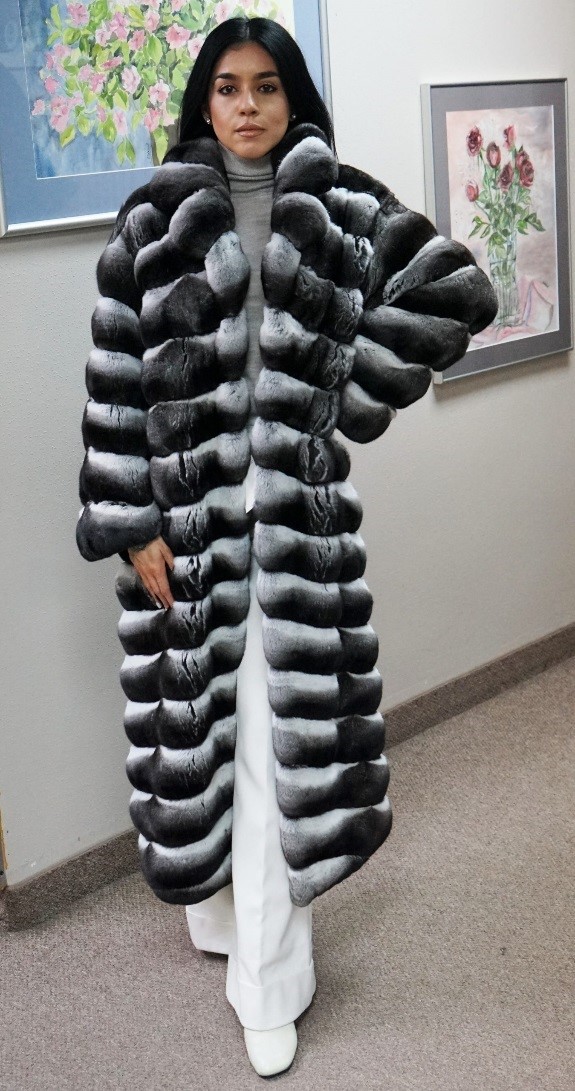
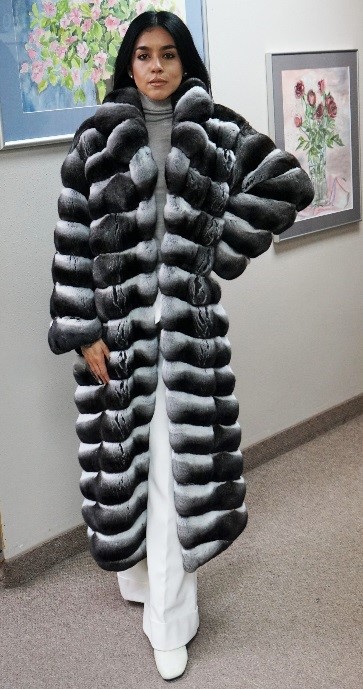
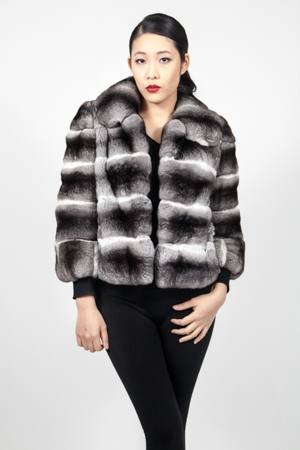
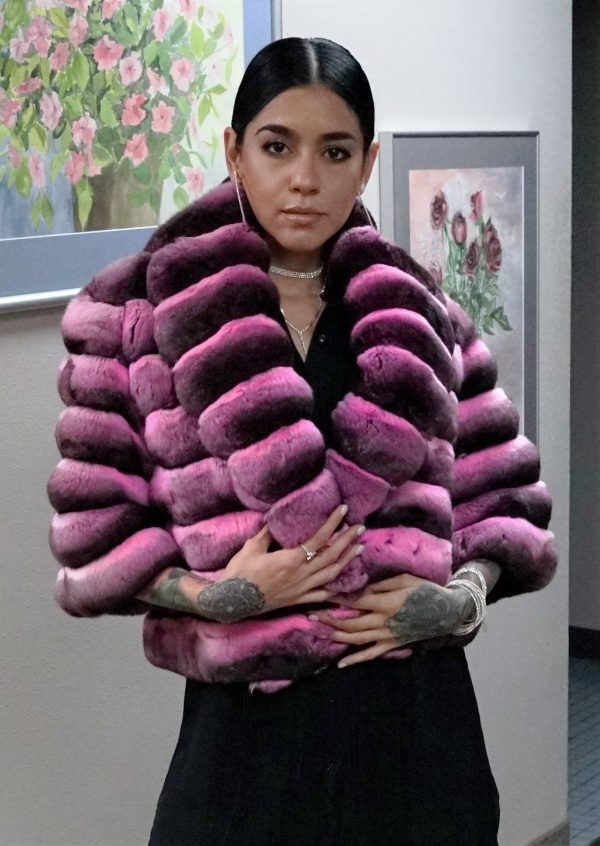
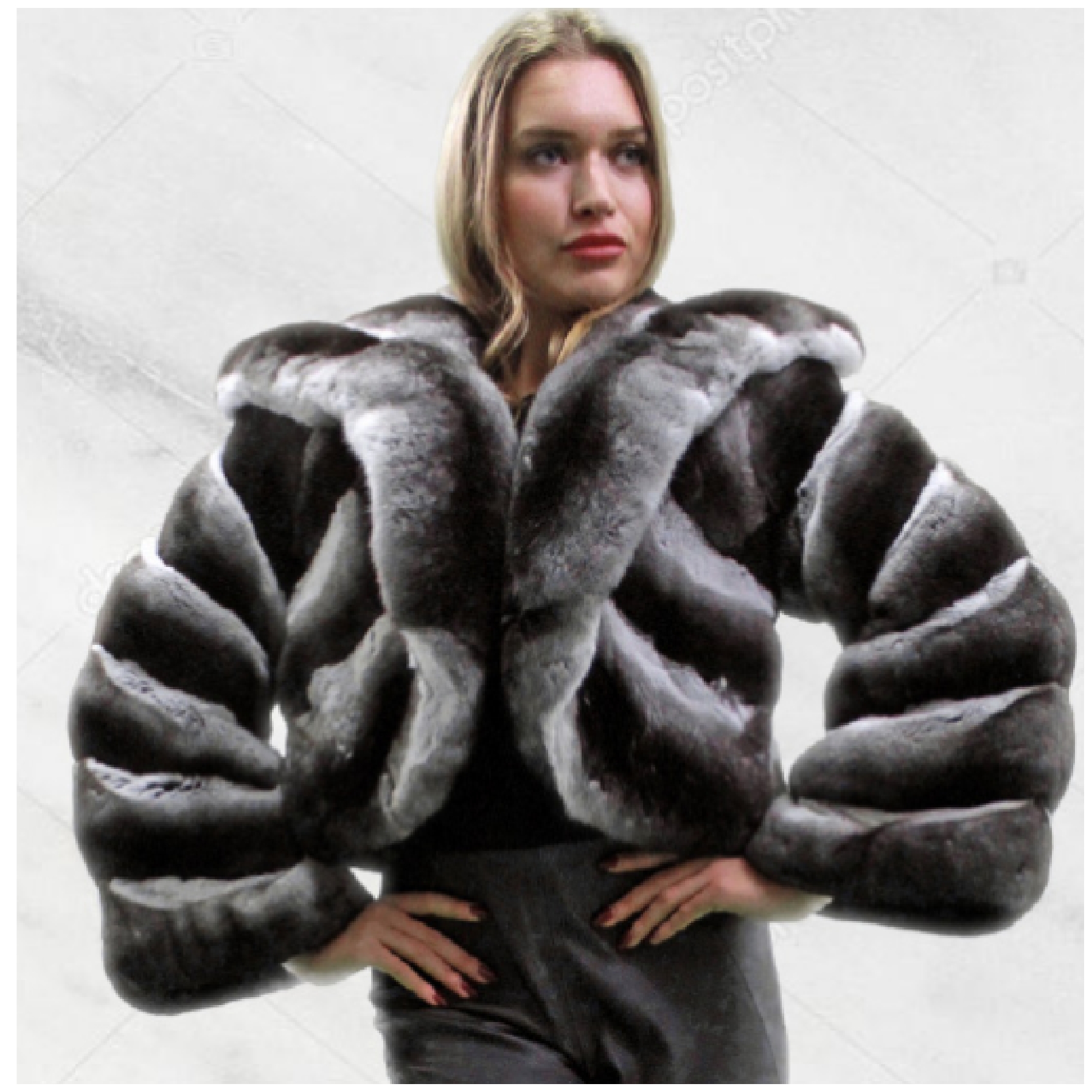
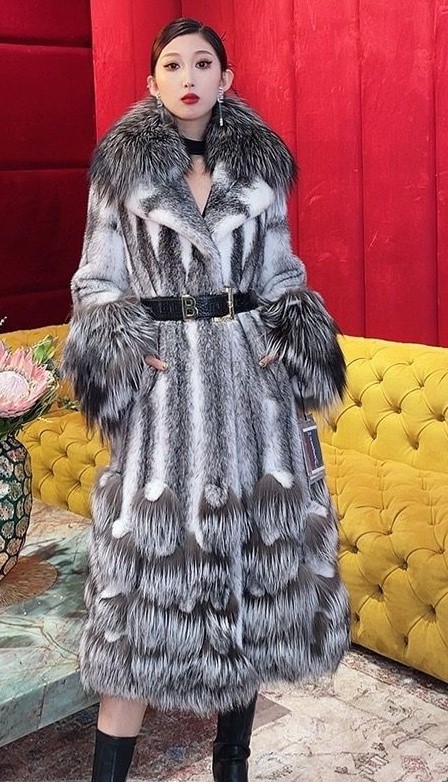
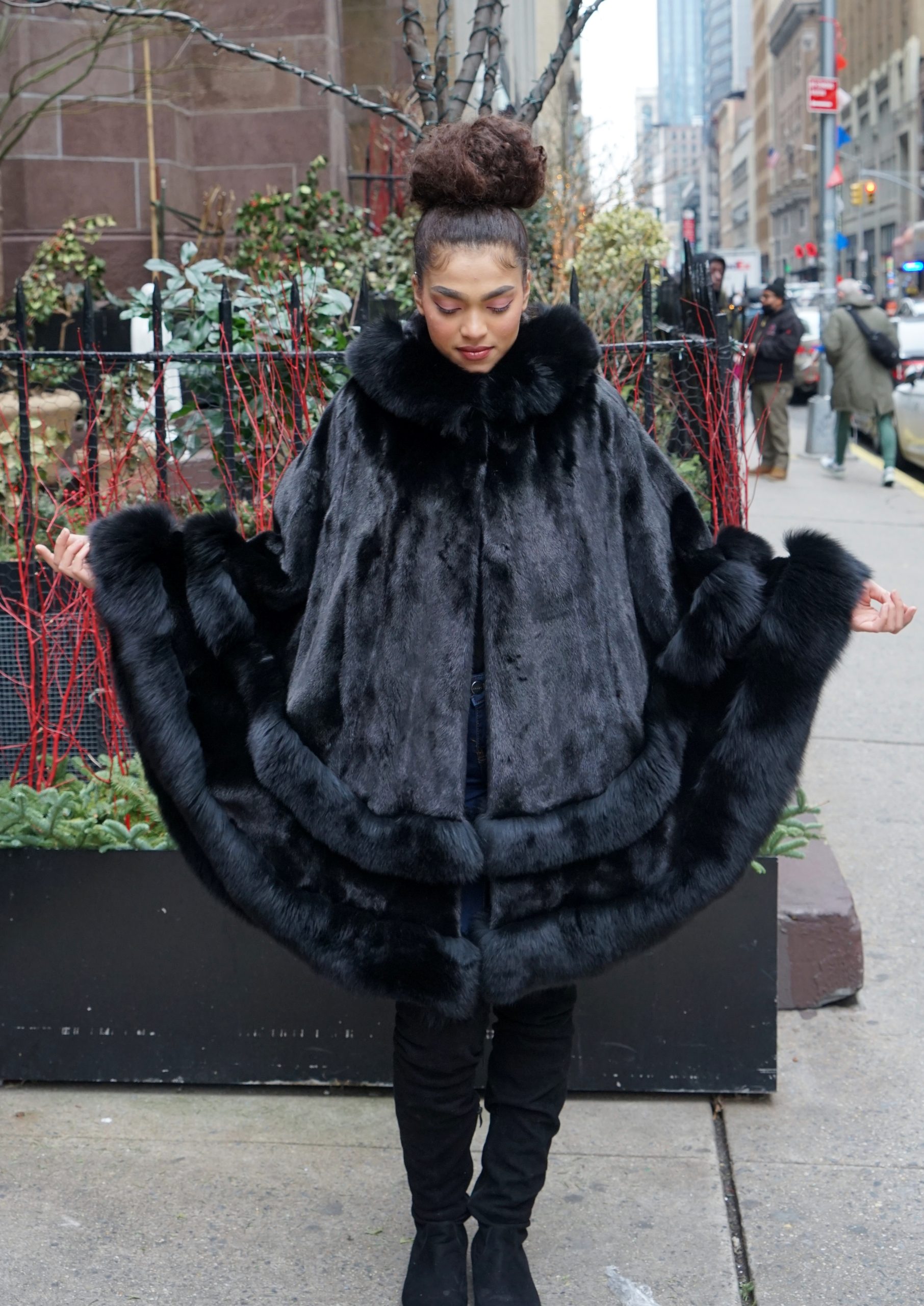
Chinchilla coats are known for their exquisite softness, opulence, and eye-catching beauty, but their price tags often raise eyebrows. These luxurious fur garments are among the most expensive in the world. The reasons behind their steep cost are multifaceted, encompassing factors related to the chinchilla fur itself, the intricate process of production, ethical concerns, craftsmanship, and branding. In this comprehensive explanation, we will delve into the myriad of reasons why chinchilla coats are so expensive.
Chinchillas are small, nocturnal rodents native to the Andes Mountains in South America. Their fur is exceptionally soft, dense, and luxurious, making it highly desirable for fur garments.
However, chinchillas are not only small animals, but they are also relatively scarce in the wild. Due to overhunting in the past, chinchillas are now listed as a vulnerable species and are protected by international regulations.
Because of their size and the need for high-quality fur, it takes a substantial number of chinchilla pelts to create a single coat, contributing to the rarity and expense of chinchilla fur.
Difficult Farming Process:
Given the limitations on harvesting chinchilla fur from the wild, the fur industry primarily relies on chinchilla farms for their fur supply.
Chinchilla farming, however, is a complex and time-consuming process. Chinchillas are sensitive animals that require specialized care, including proper diet, living conditions, and veterinary attention.
Breeding and raising chinchillas in captivity can be challenging, as they have specific requirements for temperature, humidity, and social interaction. This necessitates significant investments in infrastructure and expertise.
Chinchilla fur is renowned for its exceptional quality. Its fur is incredibly soft, lightweight, and warm, providing a luxurious feel and outstanding insulation.
The uniqueness of chinchilla fur, characterized by its velvety texture and distinctive coloration, contributes to its desirability and high price. The fur is often described as “liquid silver” due to its striking grayish-white hue with dark stripes.
The rarity and high-quality attributes of chinchilla fur make it a sought-after material in the fashion industry.
Labor-Intensive Production:
Crafting a chinchilla coat requires meticulous and labor-intensive processing. Each chinchilla pelt is carefully examined, treated, and sewn together to create a consistent and luxurious texture.
Furriers must ensure that the final product is free of imperfections and blemishes, which requires significant time and expertise. This attention to detail is a hallmark of chinchilla fur coats.
Chinchilla fur production is not without ethical and environmental considerations. The overexploitation of wild chinchilla populations led to their endangerment, prompting the establishment of international regulations.
Today, most chinchilla fur comes from farms where the animals are raised specifically for their fur. These farms must adhere to ethical and humane standards to ensure the well-being of the animals.
Ethical practices and compliance with environmental regulations can increase the cost of chinchilla fur production.
Craftsmanship and Expertise:
Crafting chinchilla coats requires skilled craftsmanship and expertise. Furriers with extensive experience must work delicately with the fur to create a stunning and durable final product.
The sewing, tailoring, and finishing of chinchilla coats demand precision and attention to detail, further adding to the labor costs associated with these garments.
Many luxury fashion brands incorporate chinchilla fur into their high-end collections. The association with renowned fashion houses can significantly drive up the price of chinchilla coats.
The exclusivity of owning a chinchilla coat from a prestigious brand can also contribute to its high price. Buyers may be willing to pay a premium for the cachet and prestige associated with such garments.
Maintenance and Care:
Chinchilla fur coats require specialized care and maintenance to preserve their pristine condition. This includes proper storage in temperature and humidity-controlled environments, regular cleaning, and professional fur services.
The ongoing maintenance costs associated with chinchilla fur add to the overall expense of owning and preserving these luxurious garments.
In summary, chinchilla coats are expensive due to a combination of factors, including the rarity and limited supply of chinchilla fur, the labor-intensive farming and production process, the exceptional quality and uniqueness of the fur, ethical and environmental considerations, skilled craftsmanship, association with luxury brands, and the ongoing costs of maintenance. These factors collectively contribute to the allure and exclusivity of chinchilla coats, making them a symbol of opulence and sophistication in the world of fashion.
Sensory pleasure: The sensory experience of fur can be pleasurable.
Timeless elegance: Fur adds a touch of timeless elegance.
Feminine allure: Fur can accentuate feminine features and curves.
Customizable fashion: Fur can be customized to fit individual preferences.
Versatile dressing: Fur can be dressed up or down for various occasions.
Environmental adaptability: Fur is naturally adapted to different climates.
Nature’s beauty: Fur celebrates the beauty of animals in nature.
Resilient fashion: High-quality fur can withstand the test of time.
Confidence enhancer: Feeling attractive in fur can boost one’s confidence.
Reasons to Own a Fur Coat
The history of fur coats reflects changes in fashion, culture, and societal attitudes over time. While fur coats have a rich and diverse history, they have also been the subject of ethical debates and evolving fashion preferences in contemporary times. The industry has responded by developing sustainable practices and alternative materials to meet changing consumer demands.
Fur Coats for cavemen
Fur coats have a long history dating back thousands of years and have been used by various cultures around the world for various reasons, including protection from the elements, status symbols, and fashion. Here is an overview of the history of fur coats:
Humans wear fur garments to protect them from cold climates and wind chill, but documented evidence of fur as a marker of social status exists as far back as 2,000 years ago with ancient Egyptian emperors and high priests wearing the skins of leopards
Ancient Times: Fur clothing can be traced back to prehistoric times when early humans relied on animal hides and fur for warmth and protection. These early fur garments were likely simple pelts worn for practical purposes.
Ancient Civilizations: Fur clothing was common in ancient civilizations like Egypt, where it was used for both practical and decorative purposes. The wealthy often wore elaborate fur garments as a symbol of their social status.
Classical Greece and Rome: Fur coats and capes were popular in ancient Greece and Rome, especially among the aristocracy. They were often made from a variety of fur types, including mink, fox, and sable.
Middle Ages: Fur continued to be a symbol of wealth and status during the Middle Ages in Europe. Nobility and royalty wore fur-lined robes and cloaks, while peasants used more modest fur garments.
Renaissance: In the Renaissance era, fur fashion became even more elaborate. Fur-trimmed clothing was highly fashionable, and fur-lined gowns, mantles, and hats were common among the European upper class.
17th and 18th Centuries: Fur coats and accessories remained popular among the European aristocracy, with sable, ermine, and mink being highly prized. Fur-trimmed clothing became a symbol of opulence.
19th Century: Fur fashion continued to evolve in the 19th century. The fur trade in North America, with beaver and other animals, played a significant role in European and American fur fashion. Fur became more accessible to the middle class.
Early 20th Century: Fur coats reached new heights of popularity during the early 20th century. They became a staple of high fashion in Europe and North America, with designers creating luxurious fur garments.
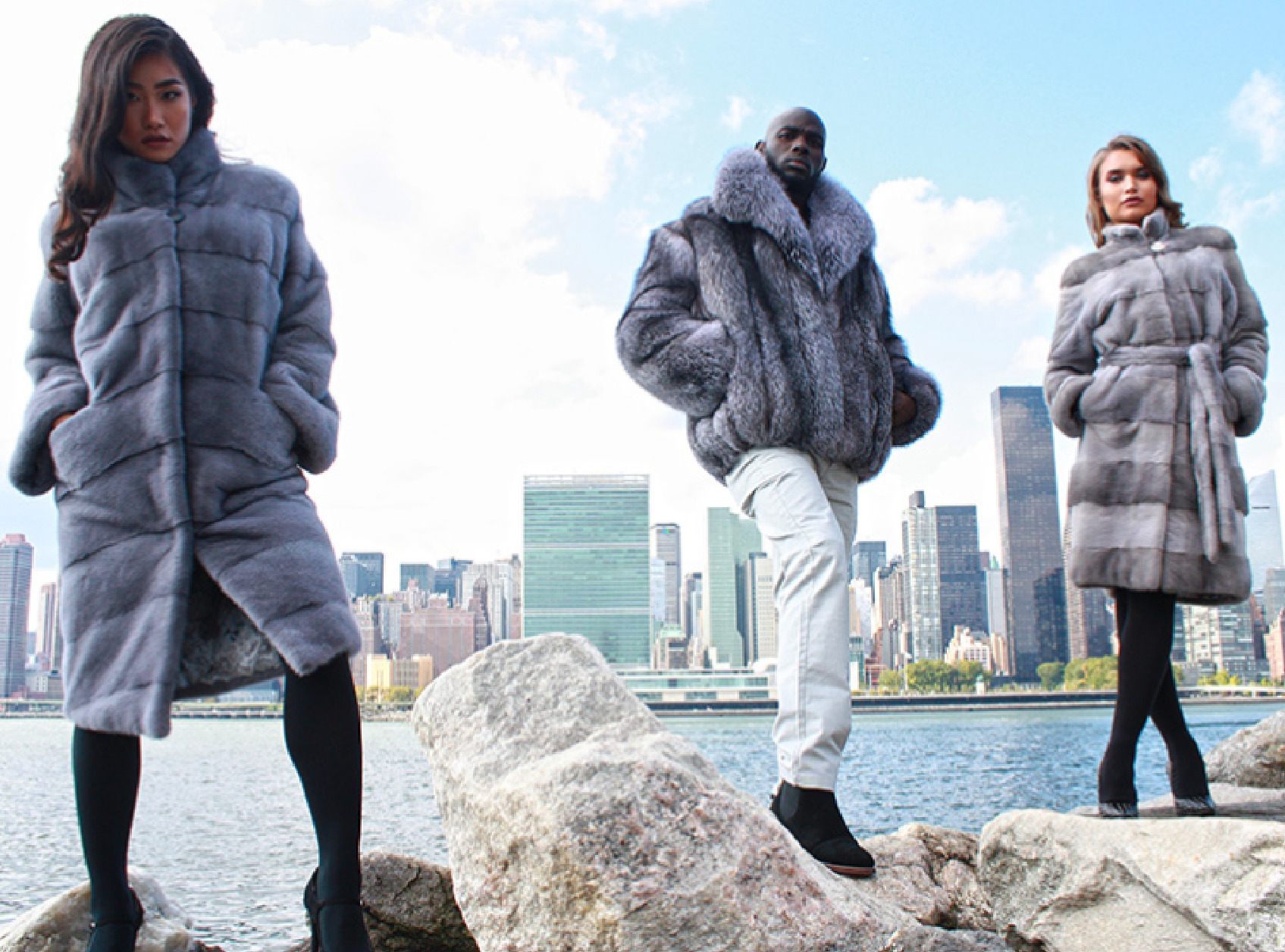
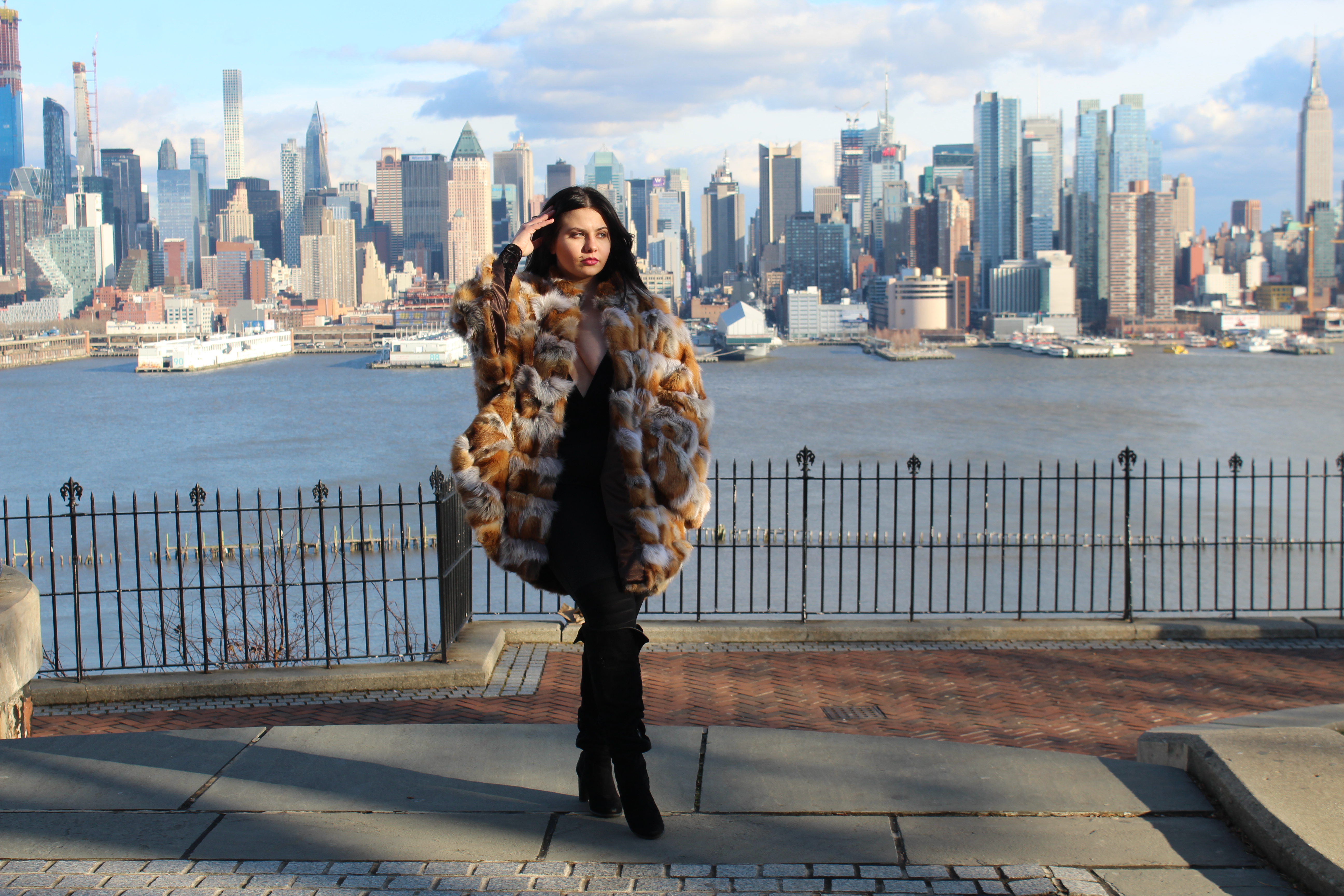
Mink Fur Mystique Equals Desire Marc Kaufman Furs
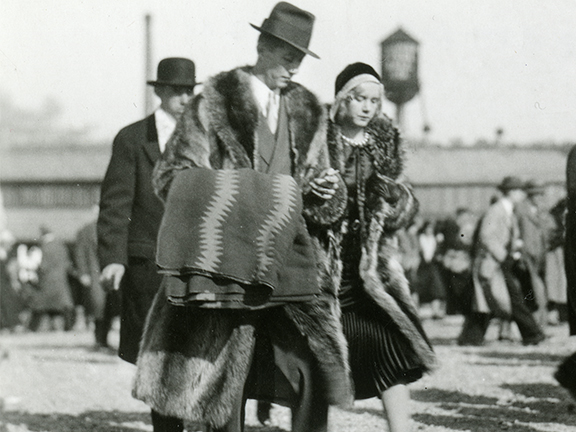
1920s and 1930s: The Roaring Twenties and the Art Deco era saw the emergence of extravagant fur fashion. Movie stars and socialites embraced fur coats, and fur became synonymous with glamour and luxury.
Mid-20th Century: After World War II, fur fashion continued to thrive. Fur coats were considered a status symbol and were commonly worn by women as a sign of sophistication and wealth.
Late 20th Century: In the late 20th century, fur fashion faced increasing scrutiny and controversy due to concerns about animal welfare and conservation. Activist groups campaigned against the use of fur, leading to a decline in its popularity.
21st Century: In the 21st century, fur fashion has evolved to address ethical and environmental concerns.
The above is a list of reasons to wear a fur coat.