Posted on

LEARN THE FUR TRADE

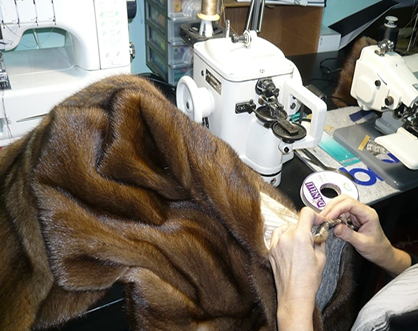
Fur sewing machine
Learning about the fur trade involves understanding its historical significance, economic aspects, social impact, and the various players involved. Here’s a step-by-step guide on how to learn about the fur trade:
  1. Start with Background Research:
    • Begin by researching the fur trade’s history, which spans several centuries and regions. Understand the different eras, locations, and key players involved.
  2. Read Books and Articles:
    • Look for reputable books and academic articles on the fur trade. Some classic texts include “The Fur Trade in Canada” by Harold Innis and “Empire of the Bay” by Peter C. Newman.
  3. Visit Museums and Exhibits:
    • Many museums, especially in regions with a strong fur trade history (such as Canada and the American Midwest), have exhibits dedicated to the fur trade. These can provide a hands-on learning experience.
  4. Online Resources:
    • Explore online resources, including websites, documentaries, and academic papers. Websites like the Canadian Museum of History and the Hudson’s Bay Company Archives offer valuable information.

Fur Coat Repairs Are Us Marc Kaufman Furs
  • Join a Historical Society:
    • Consider joining a local historical society or fur trade reenactment group. These organizations often offer educational programs, events, and access to experts.
  • Watch Documentaries and Films:
    • There are several documentaries and historical films that cover the fur trade. Examples include “The Fur Trade” by PBS and “The Revenant” (though it’s a fictionalized account, it provides some insights).
  • Study the Economics:
    • Understand the economic aspects of the fur trade, including its impact on global trade, the role of fur companies like the Hudson’s Bay Company and the North West Company, and the development of trading posts.
    • Learn About Indigenous Involvement:
      • Recognize the vital role that Indigenous peoples played in the fur trade. Study their cultures, languages, and the treaties and agreements that shaped their interactions with European fur traders.
  • Read Primary Sources:
    • Delve into primary sources such as journals, diaries, and letters from fur traders and explorers. These can offer firsthand accounts of the fur trade.
  • Visit Historic Sites:
    • If possible, visit historic fur trade sites like trading posts, forts, and rendezvous locations. Walking in the footsteps of fur traders can provide a deeper understanding.
  • Attend Lectures and Seminars:
    • Look for lectures, seminars, and conferences related to the fur trade. These events often feature experts who can provide valuable insights.
  • Engage in Discussions:
    • Join online forums, discussion groups, or social media communities dedicated to fur trade history. Engaging in conversations with others who share your interest can enhance your learning.
  • Take Courses or Classes:
    • If you’re particularly passionate about the fur trade, consider enrolling in courses or workshops offered by universities or educational institutions.
  • Write or Create:
    • Summarize what you’ve learned through writing articles, essays, or creating presentations or videos. This can help reinforce your knowledge and share it with others.

LEARN THE FUR TRADE involves understanding its historical significance, economic aspects, social impact, and the various players involved.

Fur sewing machine
Fur sewing machine
  • Stay Updated:
    • Keep up with new research and discoveries related to the fur trade. The field of historical studies is continually evolving.

Remember that learning about the fur trade is a multi-faceted journey that can involve a combination of historical research, cultural exploration, and engagement with experts and enthusiasts. Be open to different perspectives and interpretations as you deepen your understanding of this important historical phenomenon.
Posted on

100 Reasons to Purchase a Fox Fur Coat

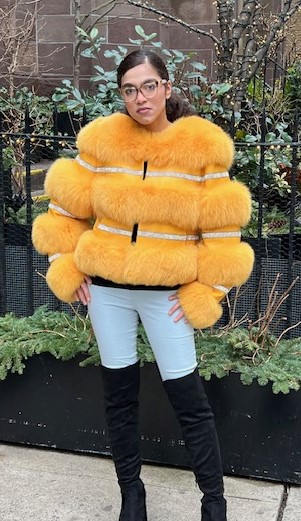
Yellow Fox Jacket Horizontal Rhinestones

100 Reasons to Purchase a Fox Fur Coat

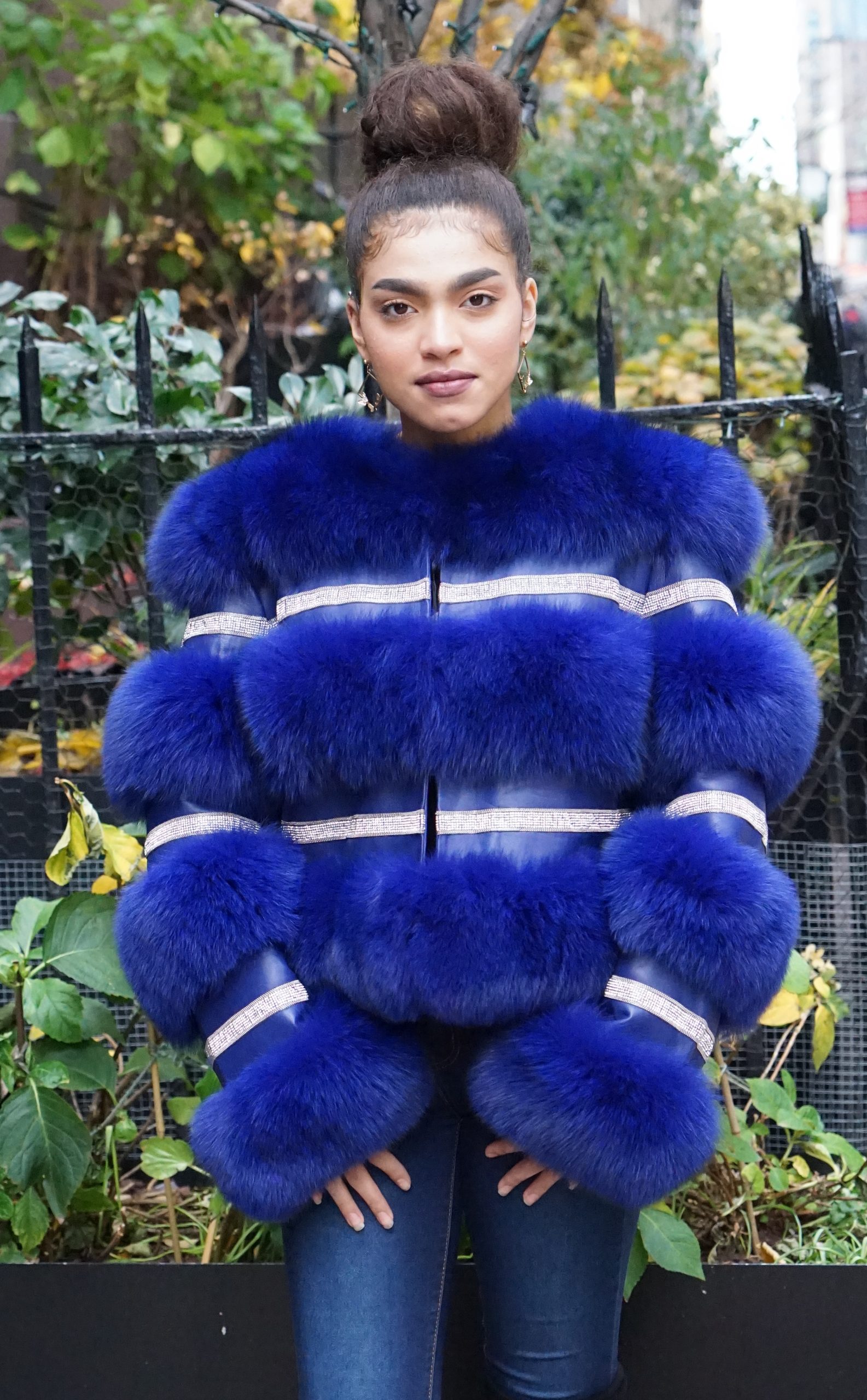
Royal Blue Fox jacket Rhinestones

The absolute truth why fox fur garments are so warm and elegant.

  1. Luxurious appearance: Real fox fur coats are often considered luxurious and can have an elegant, high-end look.
  2. Warmth: Fox fur is known for its warmth and insulating properties.
  3. Longevity: Well-maintained real fur coats can last for many years, potentially making them a durable investment.
  4. Classic style: Fur coats, including fox fur, have been a part of classic fashion for centuries.
  5. Timeless fashion: Real fur coats can be timeless pieces that never go out of style.
  6. Cultural and historical significance: Fur has been used in various cultures for centuries and can hold cultural and historical value.
  7. Customization: Real fur can be tailored to fit individual preferences and styles.
  8. Natural beauty: Some people appreciate the natural appearance and texture of real fur.
  9. Artisan craftsmanship: Crafting real fur garments can involve skilled craftsmanship.
  10. Heritage: Real fur coats may be handed down as family heirlooms.
  11. Collectability: Some people collect vintage fur coats as collectible items.
  12. Unique patterns: Fox fur has distinctive patterns and colors that can be visually appealing.
  13. Versatility: Fur coats can be dressed up or down for various occasions.
  14. Durability: Real fur can withstand wear and tear and maintain its appearance.
  15. Texture variety: Different types of fur, such as fox, offer different textures and tactile sensations.
  16. Temperature adaptability: Fur can help keep you warm in cold weather and cool in warmer conditions.
  17. Natural insulation: Fur provides natural insulation against cold temperatures.
  18. Breathability: Fur allows for air circulation, reducing overheating.
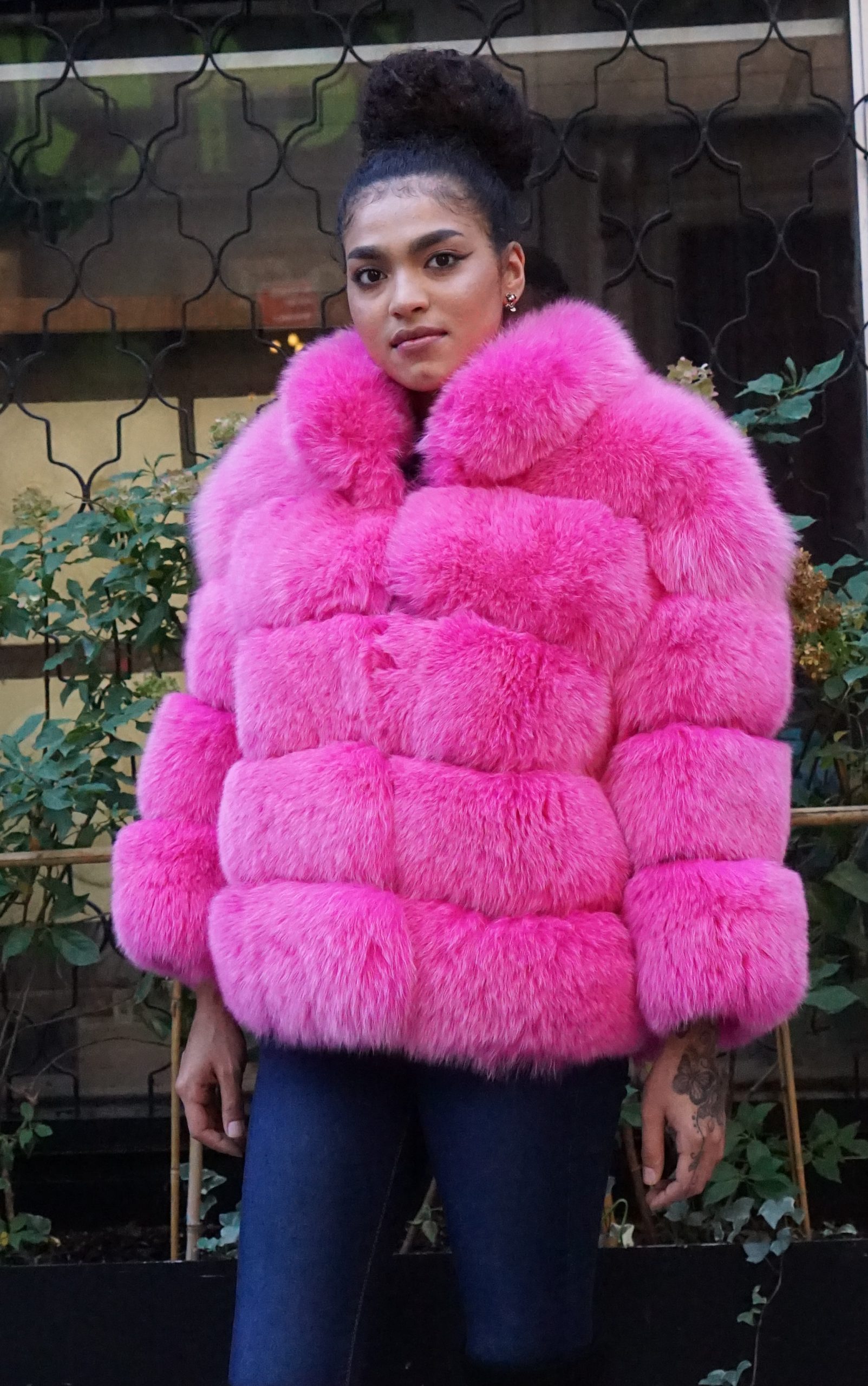
Hot Pink Fox Jacket
Hot Pink Fox Jacket
  • Softness and comfort: Fur coats can be incredibly soft and comfortable to wear.
  • Weight distribution: Fur coats distribute their weight evenly, reducing pressure points.
  • Stress reduction: The comfort of a fur coat can reduce stress and promote well-being.
  • Positive psychological impact: Wearing a fur coat can make some individuals feel more confident and glamorous.
  • Celebrity endorsements: Some celebrities have worn fur coats, influencing fashion trends.
  • Social status: Owning a real fur coat has historically been associated with a certain social status.
  • Eco-friendliness: Some argue that fur is a renewable and biodegradable resource.
  • Sustainable sourcing: Fur can be sourced from responsibly managed fur farms or as a byproduct of the food industry.
  • Biodegradability: Real fur decomposes naturally over time.
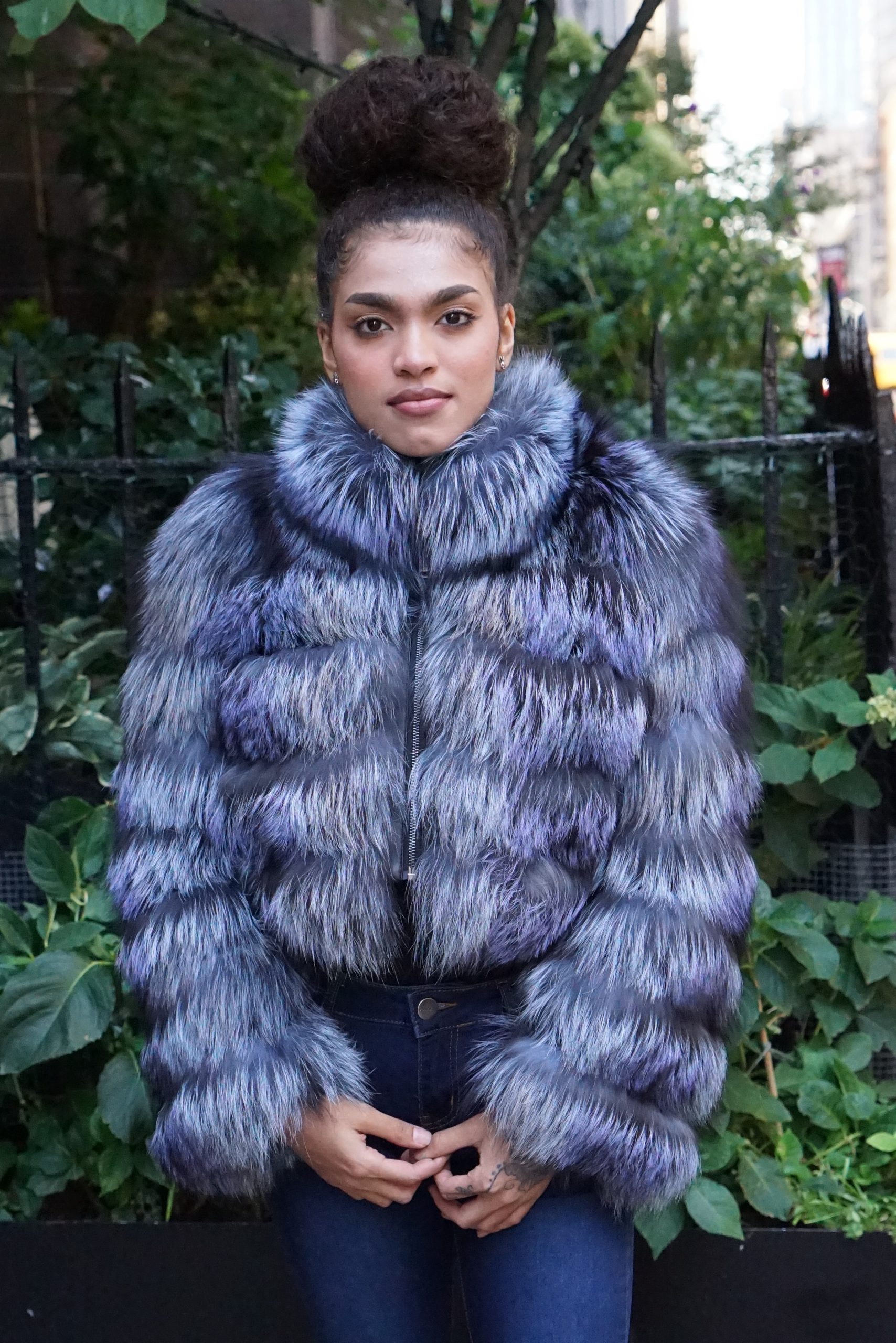
Multi Colored Silver Fox Jacket
  • Natural product: Fur is a natural material, which some people prefer over synthetic alternatives.
  • Resistance to wear: Fur is resistant to wear and tear when properly cared for.
  • Warmth in static conditions: Fur can keep you warm even when you’re not moving.
  • Thermal regulation: Fur can help regulate your body temperature in cold conditions.
  • Moisture-wicking: Fur can wick away moisture from the skin, keeping you dry and warm.
  • Thermal efficiency: Fur provides efficient insulation, reducing the need for bulky clothing.
  • Adaptability to temperature changes: Fur can expand and contract to adapt to temperature fluctuations.
  • Insulation for extremities: Fur can be used in gloves, hats, and boots for added insulation.
  • Warmth for infants: Fur can provide warmth and comfort for infants in cold weather.
  • Protection against cold rain: Some fur types repel moisture and maintain warmth even in rainy conditions.
  • Warmth for winter vacations: Fur garments can be essential for staying warm during winter getaways.
  • Warmth for elderly individuals: Fur coats can provide essential warmth for the elderly who are more susceptible to cold.
  • Warmth for pets: Fur coats can provide warmth and comfort for pets during cold weather.
  • Warmth for wildlife: Some wildlife benefits from fur for warmth during harsh winters.
  • Warmth for livestock: Fur can protect livestock from the cold, improving their welfare.
  • Warmth for working animals: Fur can provide warmth for working animals in cold conditions.
  • Comfort during winter commutes: Fur coats can make daily commutes in cold weather more comfortable.
  • Warmth for outdoor events: Fur coats can provide warmth during outdoor events in cold seasons.
  • Warmth for religious and cultural ceremonies: Fur may play a role in traditional ceremonies where warmth is needed.
  • Warmth for winter weddings: Fur accessories can provide warmth and elegance for winter brides.
  • Warmth for winter festivals: Fur coats and accessories can be essential for enjoying winter festivals and celebrations.
  • Warmth for winter sports: Fur-lined sports gear can provide added warmth during winter activities.
  • Warmth for outdoor dining: Fur coats can make outdoor dining more comfortable in cold weather.
  • Enhanced comfort for pets: Pets can benefit from fur bedding during cold weather.
  • Warmth for winter fishing: Fur-lined clothing can keep fishermen warm during cold fishing trips.
  • Warmth for winter photography: Photographers can stay warm while capturing outdoor shots in winter.
  • Protection against wind chill: Fur can block wind chill and maintain warmth.
  • Warmth for winter camping: Fur can provide essential warmth for winter camping trips.
  • Warmth for winter gardening: Gardeners can stay warm while tending to plants in the cold.
  • Protection against cold air conditioning: Fur can help individuals stay warm in heavily air-conditioned spaces.
  • Warmth for emergency situations: Fur coats can provide life-saving warmth in emergencies.
  • Enhanced energy efficiency: Fur insulation can contribute to energy-efficient building design.
  • Warmth for outdoor work: Fur coats can improve comfort and productivity for outdoor workers in cold environments.
  • Warmth for winter construction: Construction workers can stay warm and safe in winter with fur-lined clothing.
  • Warmth for winter sports coaching: Coaches can stay warm while coaching outdoor sports in winter.
  • Warmth for winter farming: Farmers can work comfortably in cold conditions with fur-lined clothing.
  • Warmth for winter livestock care: Fur-lined clothing can enhance the well-being of animals in cold conditions.
  • Warmth for winter gardening: Gardeners can stay warm while tending to plants in cold weather.
  • Warmth for winter wildlife photography: Wildlife photographers can stay warm while capturing outdoor shots in winter.
  • Warmth for winter birdwatching: Birdwatchers can stay warm while observing birds in cold weather.
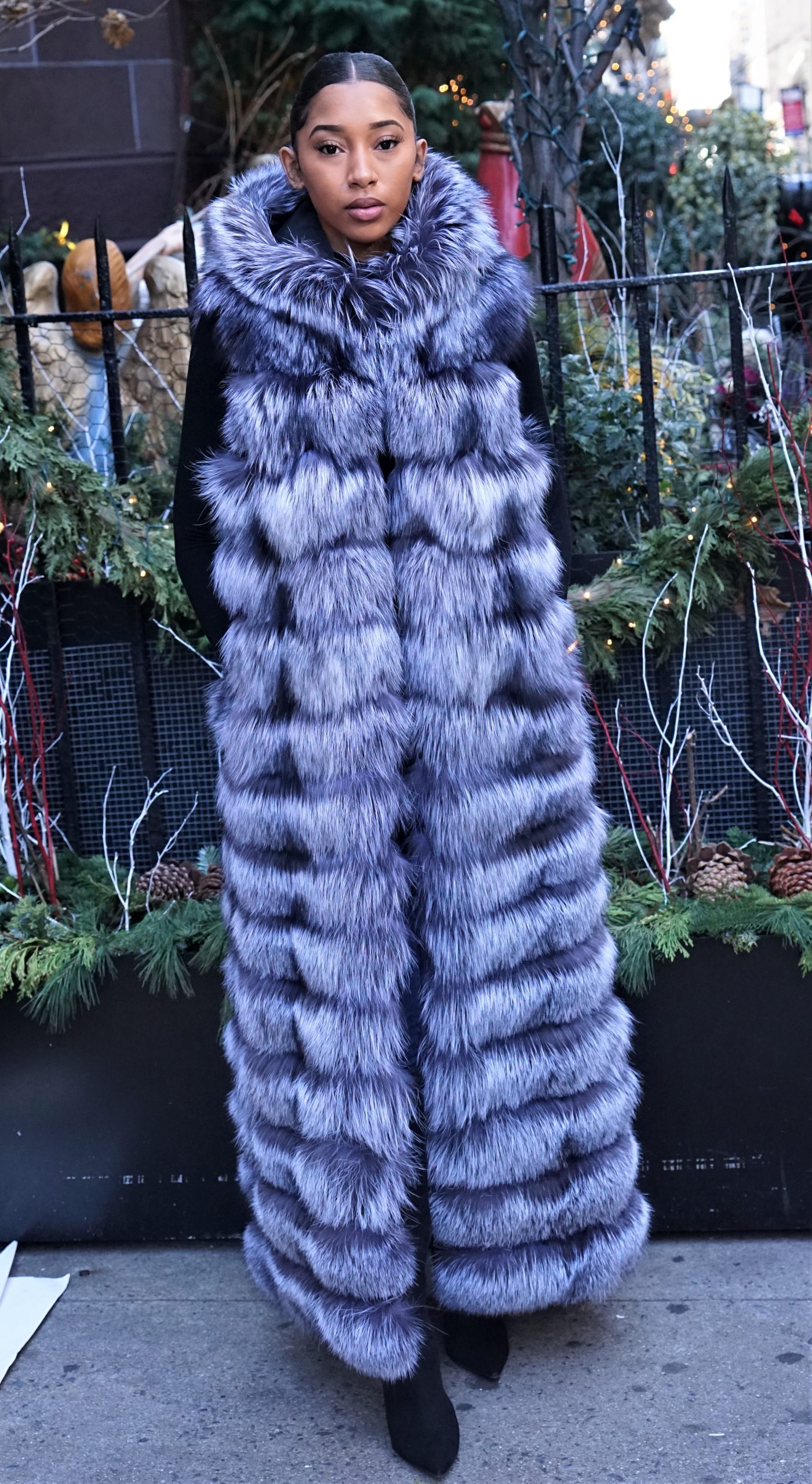
Horizontal Silver Fox Long Vest
  • Warmth for outdoor adventuring: Outdoor enthusiasts can enjoy winter adventures comfortably with fur-lined gear.
  • Warmth for winter stargazing: Stargazers can stay warm while observing the night sky in winter.
  • Warmth for winter astronomy: Astronomers can stay warm during outdoor observations in winter.
  • Warmth for winter wildlife research: Wildlife researchers can stay warm during fieldwork in winter.
  • Warmth for winter geology: Geologists can work comfortably in cold conditions with fur-lined clothing.
  • Warmth for winter archaeology: Archaeologists can stay warm during outdoor excavations in winter.
  • Warmth for winter ecology: Ecologists can conduct fieldwork comfortably in cold conditions with fur-lined gear.
  • Warmth for winter botany: Botanists can study plants in cold conditions with fur-lined clothing.
  • Warmth for winter biology: Biologists can conduct outdoor research comfortably in cold weather with fur-lined gear.
  • Warmth for winter zoology: Zoologists can study animals in cold conditions with fur-lined clothing.
  • Warmth for winter environmental science: Environmental scientists can conduct research in cold conditions with fur-lined gear.
  • Warmth for winter anthropology: Anthropologists can work comfortably in cold conditions with fur-lined clothing.
  • Warmth for winter archaeology: Archaeologists can stay warm during outdoor excavations in winter.
  • Warmth for winter paleontology: Paleontologists can work comfortably in cold conditions with fur-lined clothing.
  • Warmth for winter sociology: Sociologists can conduct outdoor research in cold conditions with fur-lined gear.
  • Warmth for winter psychology: Psychologists can conduct outdoor research comfortably in cold weather with fur-lined clothing.
  • Warmth for winter education: Educators can teach outdoor lessons in cold conditions with fur-lined gear.
  • Warmth for winter team-building: Team-building activities can be conducted outdoors in cold conditions with fur-lined clothing.
  • Warmth for winter retreats: Retreats and workshops can be held outdoors in cold weather with fur-lined gear.
  • Warmth for winter seminars: Seminars and conferences can be conducted outdoors in cold conditions with fur-lined clothing.
  • Warmth for winter training: Training sessions can be held outdoors in cold weather with fur-lined gear.
  • Warmth for winter workshops: Workshops and team-building activities can be conducted outdoors in cold conditions with fur-lined clothing.
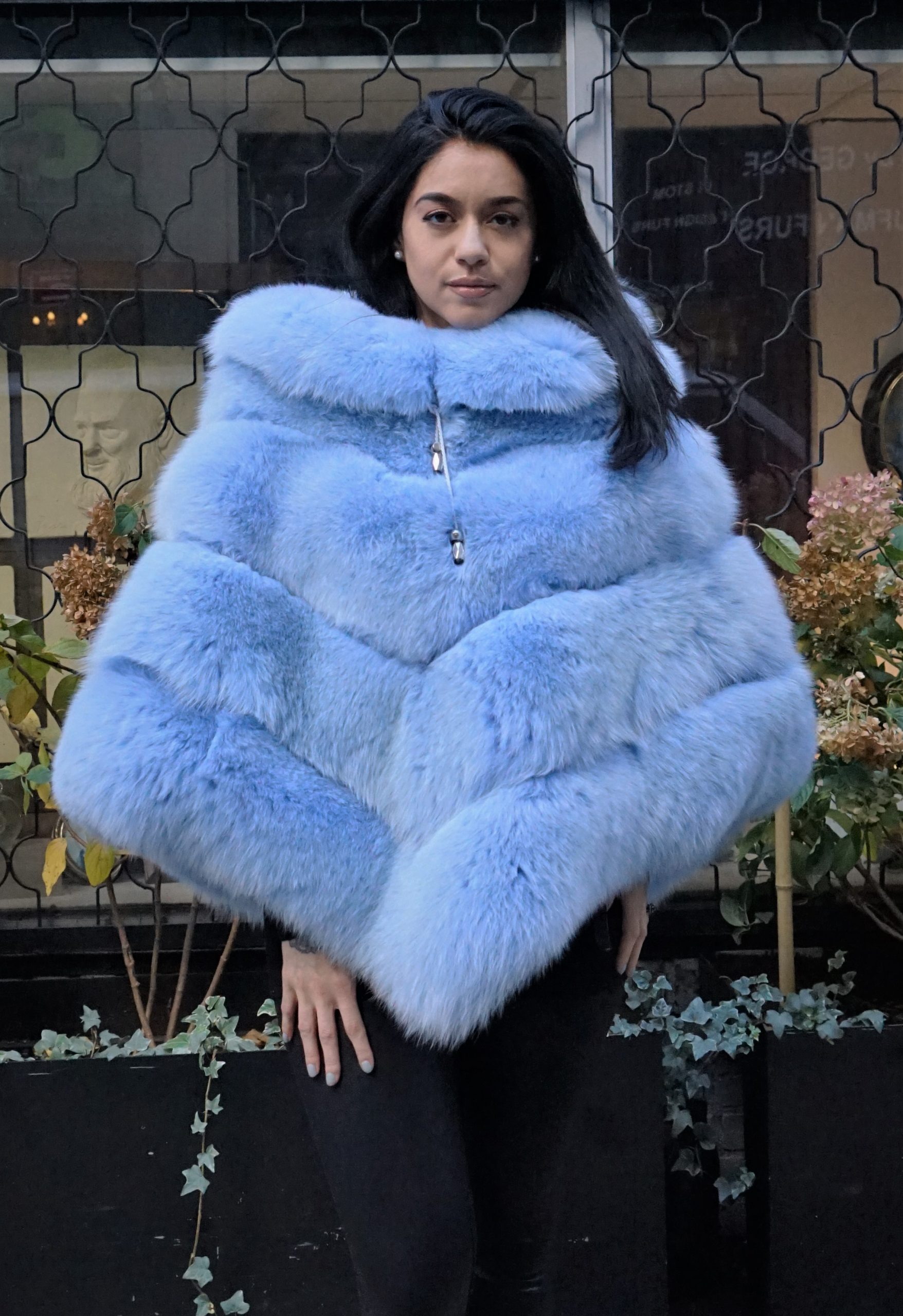
Fluffy Powder Blue Fox Poncho
  • Warmth for winter meetings: Business meetings and conferences can be held outdoors in cold weather with fur-lined gear.
  • Warmth for winter incentive programs: Incentive programs can be conducted outdoors in cold conditions with fur-lined clothing.
  • Warmth for winter corporate events: Corporate events can be held outdoors in cold weather with fur-lined gear.
  • Warmth for winter company retreats: Company retreats can be conducted outdoors in cold conditions with fur-lined clothing.
  • Warmth for winter conventions: Conventions and trade shows can be held outdoors in cold weather with fur-lined gear.
  • Warmth for winter product launches: Product launches can be conducted outdoors in cold conditions with fur-lined clothing.
  • Warmth for winter marketing events: Marketing events and promotions can be held outdoors in cold weather with fur-lined gear.
  • Warmth for winter charity events: Charity events can be conducted outdoors in cold conditions with fur-lined clothing.

100 Reasons to Purchase a Fox Fur Coat, The absolute truth is why fox fur garments are so warm and elegant.

Posted on

Chinchilla Coats are Luxurious and Versatile

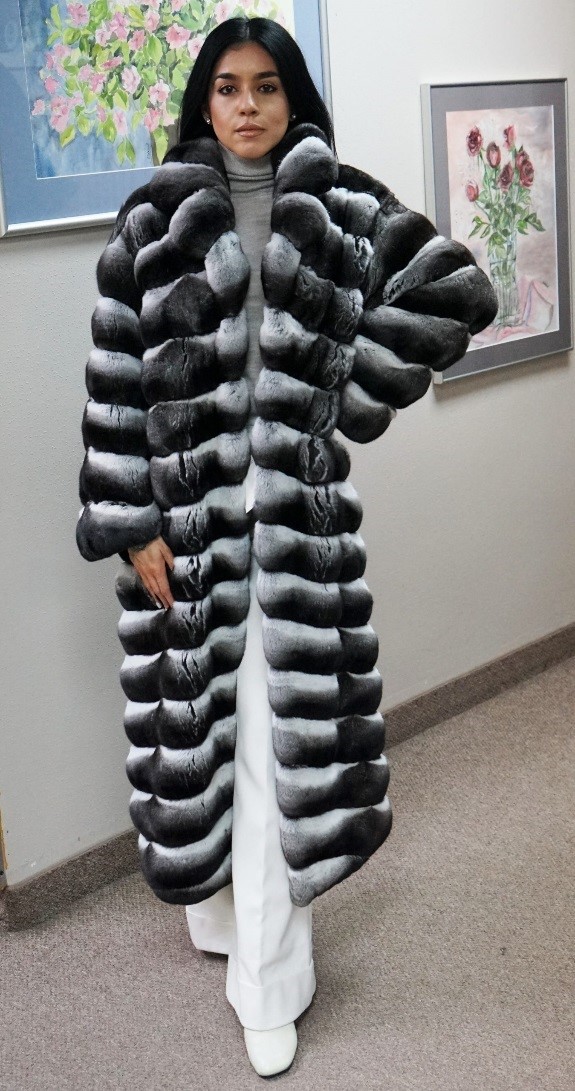
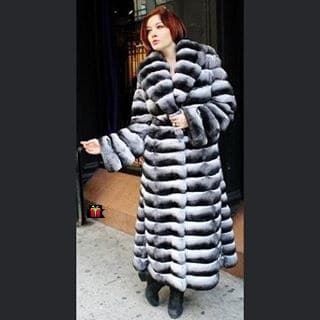
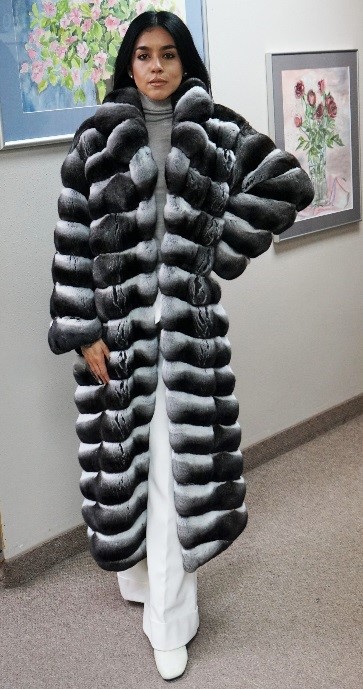
Chinchilla Full Length Fur Coat

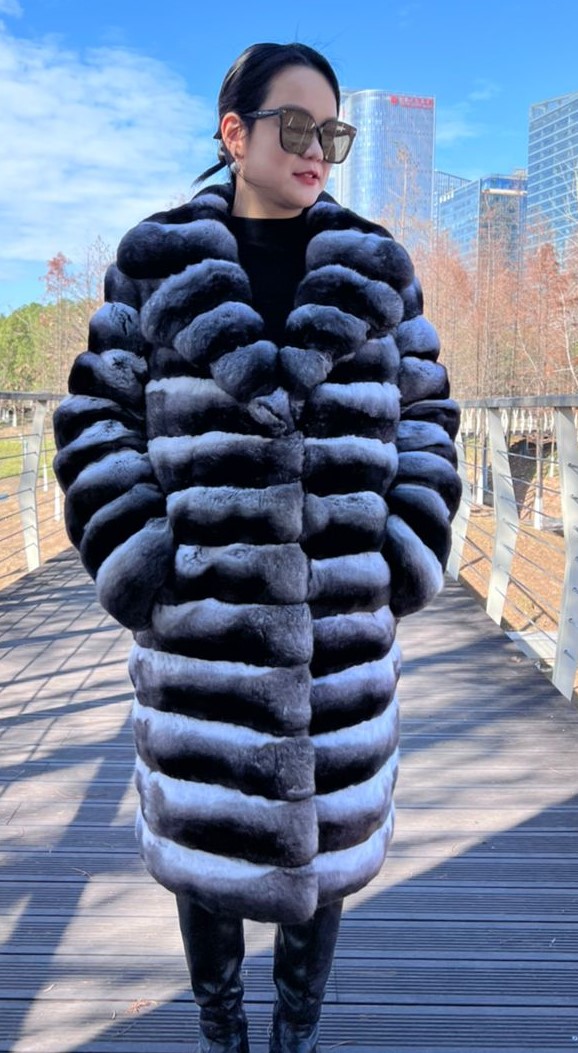
Chinchilla coats are luxurious and versatile, and there are many creative ways to wear them. Here are 100 different ways you can style a chinchilla coat:

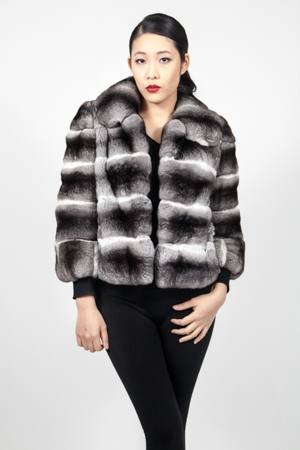
Horizontal Chinchilla Coat
  1. Classic draped over the shoulders.
  2. With a little black dress for a formal look.
  3. Paired with skinny jeans and ankle boots.
  4. Layered over a turtleneck sweater.
  5. Belted at the waist for a cinched silhouette.
  6. Worn with leather leggings and heels.
A Magnificent Chinchilla Fur Horizontal Stroller
  • With a cashmere sweater and pencil skirt.
  • Over a silk blouse and tailored trousers.
  • Draped over a cocktail dress.
  • With knee-high boots and a mini skirt.
  • Styled with a statement belt.
  • Paired with a beret for a Parisian look.
  • With a long scarf for added warmth.
  • Belted and worn as a dress.
  • With a fur collar for extra glamour.
  • Over a sequin top for a festive outfit.
  • Worn open over a lace camisole.
  • With a matching chinchilla hat.
  • Layered over a plaid shirt and jeans.
  • Styled with a leather skirt.
  • Belted and worn with over-the-knee boots.
  • With a statement necklace.
  • Over a velvet jumpsuit.
  • Draped over a white blouse and black slacks. Worn with a tulle skirt for a ballerina look.
  • Styled with a wide-brimmed hat.
  • Paired with a maxi dress.
  • Layered over a fur-trimmed sweater.
  • Belted and worn with a maxi skirt.
  • With a bodycon dress for a bold look.
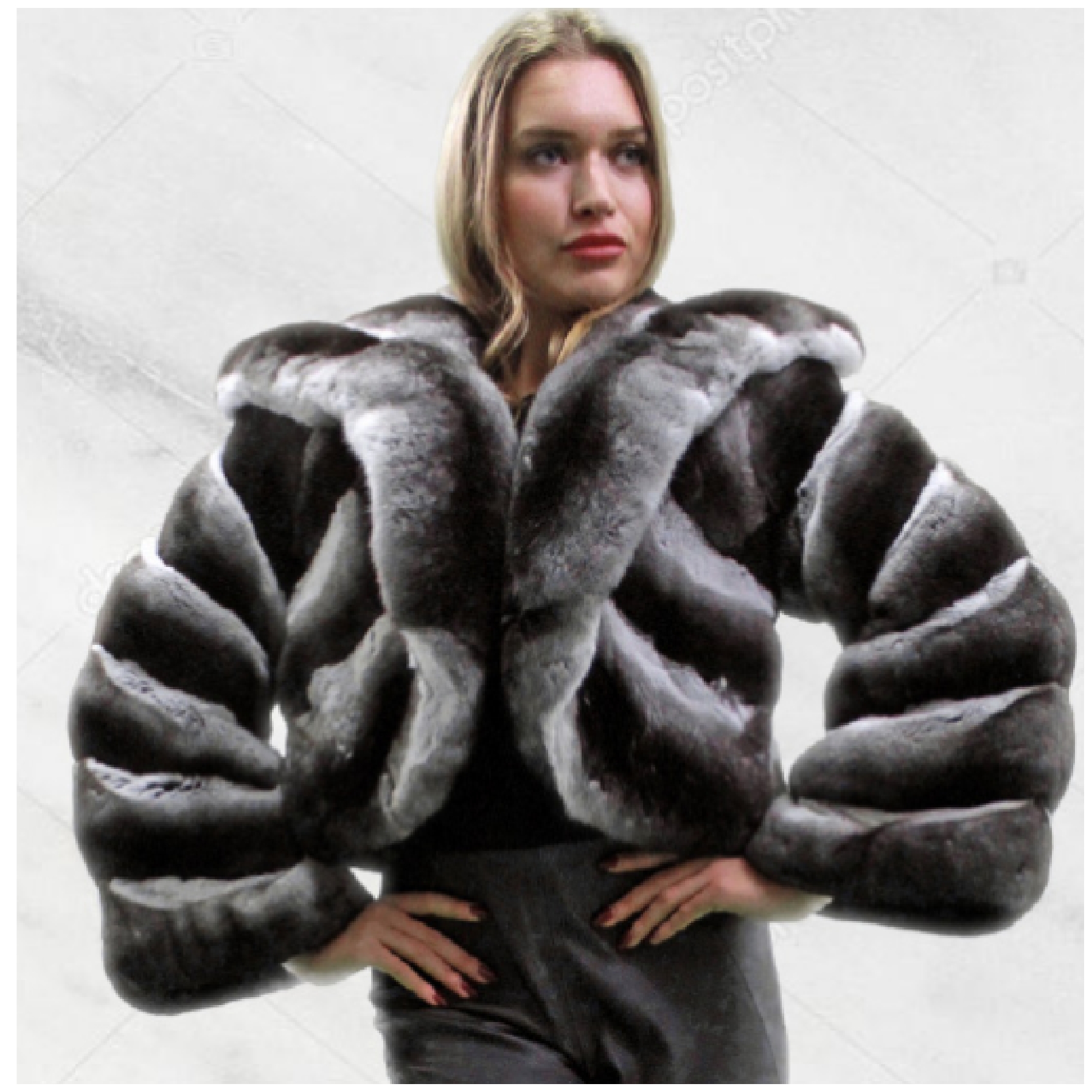
Chinchilla Fur Bolero Jacket
  • Over a monochromatic outfit for contrast.
  • Styled with a vintage brooch.
  • With a silk slip dress.
  • Worn open over a graphic tee and jeans.
  • Layered over a plaid blazer and slacks.
  • Belted and worn with thigh-high boots.
  • With a fur stole for added drama.
  • Over a lace romper.
  • Styled with a top hat for a whimsical look.
  • Worn with a tulle ball gown.
  • Paired with a corset top.
  • Belted and worn as a cape.
  • With a feathered headpiece for a glamorous event.
  • Layered over a leather jumpsuit.
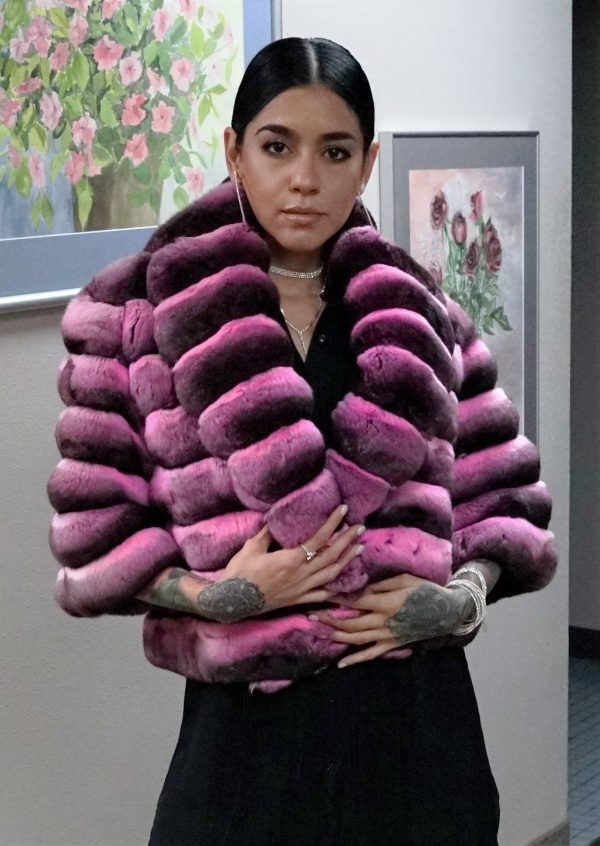
Pink Chinchilla Horizontal Jacket 4838
Pink Chinchilla Horizontal Jacket
  • Over a metallic mini dress.
  • Styled with a crystal choker.
  • With a leather corset dress.
  • Worn open over a bodysuit and leggings.
  • Belted and worn as a trench coat.
  • With a sequin blazer and wide-leg pants.
  • Paired with a lace bodysuit and skirt.
  • Layered over a velvet blazer.
  • Styled with a fur headband.
  • With a satin slip skirt.
  • Worn over a velvet tuxedo.
  • Belted and worn with a feathered skirt.
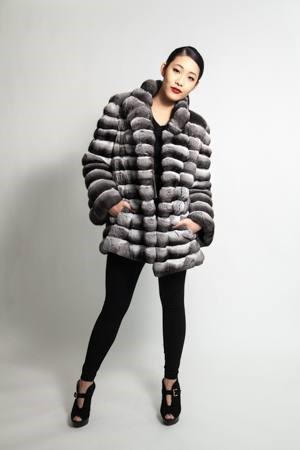
Chinchilla Fur Jacket
Warm chinchilla fur jacket.
  • With a crystal tiara for a princess look.
  • Over a sheer maxi dress.
  • Styled with opera-length gloves.
  • With a leather bustier and flared pants.
  • Paired with a metallic bodysuit.
  • Layered over a satin kimono.
  • Belted and worn as a robe.
  • With a jeweled belt for extra sparkle.
  • Over a beaded flapper dress.
  • Styled with a vintage fur stole.
  • With a lace capelet.
  • Worn open over a lace-up bodysuit.
  • Belted and worn with a feathered boa.
  • With a crystal-embellished headpiece.
  • Over a feathered cocktail dress.
  • Styled with a sequin clutch.
  • With a velvet cape.
  • Worn open over a silk slip.
  • Belted and worn with a velvet choker.
  • With a crystal-encrusted belt.
  • Over a beaded fringe dress.
  • Styled with a fur muff.
  • With a lace-trimmed camisole and skirt.
Chinchilla Fur Shrug

Chinchilla Coats are Luxurious and Versatile and there are many creative ways to wear them. Here are 100 different ways you can style a chinchilla coat.

  • Worn open over a satin chemise.
  • Belted and worn with crystal earrings.
  • With a jeweled brooch.
  • Over a sequin skirt suit.
  • Styled with a rhinestone headpiece.
  • With a feathered bolero jacket.
  • Worn open over a lace-up corset.
  • Belted and worn with a feathered headdress.
  • With a crystal-embellished sash.
  • Over a metallic evening gown.
  • Styled with a beaded clutch.
  • With a lace bodice and tulle skirt.
  • Worn open over a velvet jumpsuit.
  • Belted and worn with a statement necklace.
Marc Kaufman Furs presents a chinchilla fur coat from Marc Kaufman Furs USA,Fur coats in Argentina, fur coats in Chile, fur coats in Venezuela, fur coats in Australia, fur coats in Belgium,fur coats in Netherlands, fur coats in Norway,fur coats in Sweden,fur coats in Dubais,fur coats in Egypt,fur coats in Egypt,fur coats in Kuwait, fur coats in South Africa,fur coats in Tunisia,fur coats in the Falklands
Color outside the lines in this fashionable chinchilla fur coat from Marc Kaufman Furs New York City
Kaufmanfurs.com
  • With a feathered cape.
  • Over a satin ball gown.
  • Styled with a fur stole and gloves.
  • With a crystal-encrusted belt.
  • Worn open over a sequin blazer and shorts.
  • Belted and worn with a feathered skirt.
  • With a tiara and long gloves for a regal look.

These are just some ideas to inspire your chinchilla coat styling, but the possibilities are endless. Mix and match to create your own unique looks and make the most of this luxurious wardrobe piece.

Marc Kaufman Furs

Designer Furs

Fur Fashion News

Posted on

Why are Chinchilla Coats Expensive

Chinchilla Full Length Fur Coat

Why are Chinchilla Coats Expensive

Chinchilla coats are known for their exquisite softness, opulence, and eye-catching beauty, but their price tags often raise eyebrows. These luxurious fur garments are among the most expensive in the world. The reasons behind their steep cost are multifaceted, encompassing factors related to the chinchilla fur itself, the intricate process of production, ethical concerns, craftsmanship, and branding. In this comprehensive explanation, we will delve into the myriad of reasons why chinchilla coats are so expensive.

Chinchilla Full-Length Fur Coat

  1. Rare and Limited Supply:
    • Chinchillas are small, nocturnal rodents native to the Andes Mountains in South America. Their fur is exceptionally soft, dense, and luxurious, making it highly desirable for fur garments.
    • However, chinchillas are not only small animals, but they are also relatively scarce in the wild. Due to overhunting in the past, chinchillas are now listed as a vulnerable species and are protected by international regulations.
    • Because of their size and the need for high-quality fur, it takes a substantial number of chinchilla pelts to create a single coat, contributing to the rarity and expense of chinchilla fur.
  2. Difficult Farming Process:
    • Given the limitations on harvesting chinchilla fur from the wild, the fur industry primarily relies on chinchilla farms for their fur supply.
    • Chinchilla farming, however, is a complex and time-consuming process. Chinchillas are sensitive animals that require specialized care, including proper diet, living conditions, and veterinary attention.
    • Breeding and raising chinchillas in captivity can be challenging, as they have specific requirements for temperature, humidity, and social interaction. This necessitates significant investments in infrastructure and expertise.

      Chinchilla Fur Jacket
      Warm chinchilla fur jacket.
  3. Quality and Uniqueness:
    • Chinchilla fur is renowned for its exceptional quality. Its fur is incredibly soft, lightweight, and warm, providing a luxurious feel and outstanding insulation.
    • The uniqueness of chinchilla fur, characterized by its velvety texture and distinctive coloration, contributes to its desirability and high price. The fur is often described as “liquid silver” due to its striking grayish-white hue with dark stripes.
    • The rarity and high-quality attributes of chinchilla fur make it a sought-after material in the fashion industry.
  4. Labor-Intensive Production:
    • Crafting a chinchilla coat requires meticulous and labor-intensive processing. Each chinchilla pelt is carefully examined, treated, and sewn together to create a consistent and luxurious texture.
    • Furriers must ensure that the final product is free of imperfections and blemishes, which requires significant time and expertise. This attention to detail is a hallmark of chinchilla fur coats.

      Pink Chinchilla Horizontal Jacket 4838
      Pink Chinchilla Horizontal Jacket
  5. Ethical and Environmental Concerns:
    • Chinchilla fur production is not without ethical and environmental considerations. The overexploitation of wild chinchilla populations led to their endangerment, prompting the establishment of international regulations.
    • Today, most chinchilla fur comes from farms where the animals are raised specifically for their fur. These farms must adhere to ethical and humane standards to ensure the well-being of the animals.
    • Ethical practices and compliance with environmental regulations can increase the cost of chinchilla fur production.
  6. Craftsmanship and Expertise:
    • Crafting chinchilla coats requires skilled craftsmanship and expertise. Furriers with extensive experience must work delicately with the fur to create a stunning and durable final product.
    • The sewing, tailoring, and finishing of chinchilla coats demand precision and attention to detail, further adding to the labor costs associated with these garments.

      chinchilla fur coats
      chinchilla fur jackets
  7. Branding and Exclusivity:
    • Many luxury fashion brands incorporate chinchilla fur into their high-end collections. The association with renowned fashion houses can significantly drive up the price of chinchilla coats.
    • The exclusivity of owning a chinchilla coat from a prestigious brand can also contribute to its high price. Buyers may be willing to pay a premium for the cachet and prestige associated with such garments.
  8. Maintenance and Care:
    • Chinchilla fur coats require specialized care and maintenance to preserve their pristine condition. This includes proper storage in temperature and humidity-controlled environments, regular cleaning, and professional fur services.
    • The ongoing maintenance costs associated with chinchilla fur add to the overall expense of owning and preserving these luxurious garments.

In summary, chinchilla coats are expensive due to a combination of factors, including the rarity and limited supply of chinchilla fur, the labor-intensive farming and production process, the exceptional quality and uniqueness of the fur, ethical and environmental considerations, skilled craftsmanship, association with luxury brands, and the ongoing costs of maintenance. These factors collectively contribute to the allure and exclusivity of chinchilla coats, making them a symbol of opulence and sophistication in the world of fashion.

Marc Kaufman Furs