Posted on

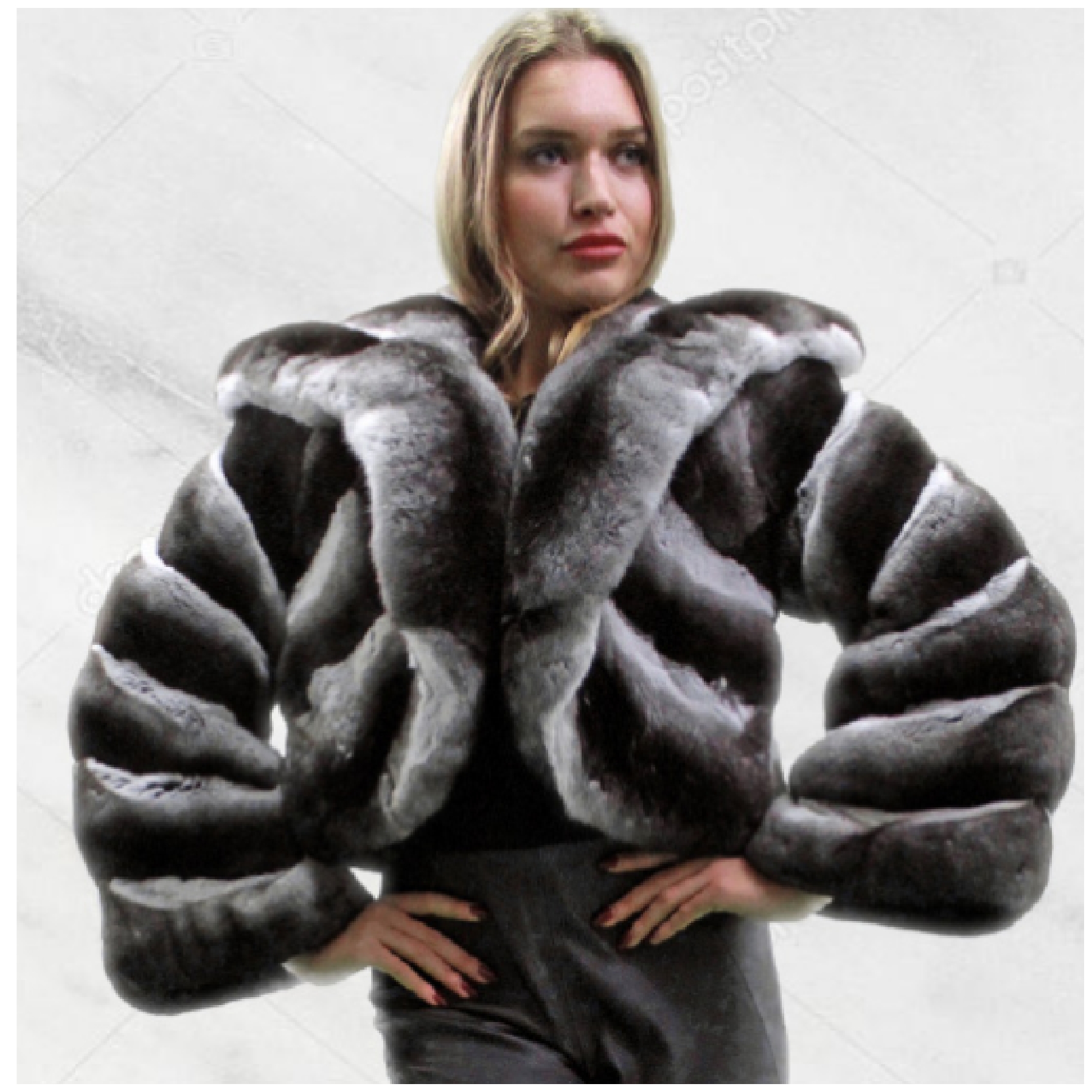
Chinchilla Coats are Luxurious and Versatile

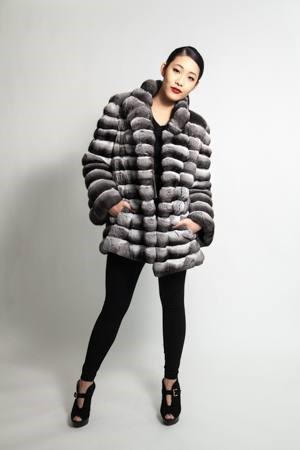
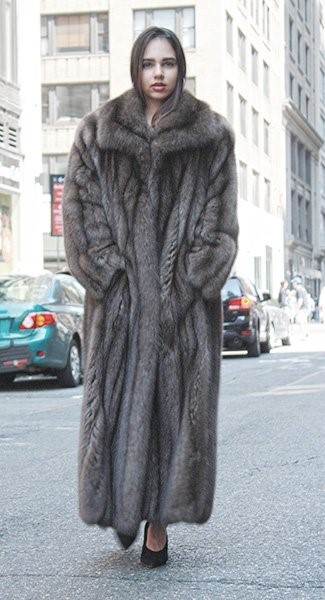
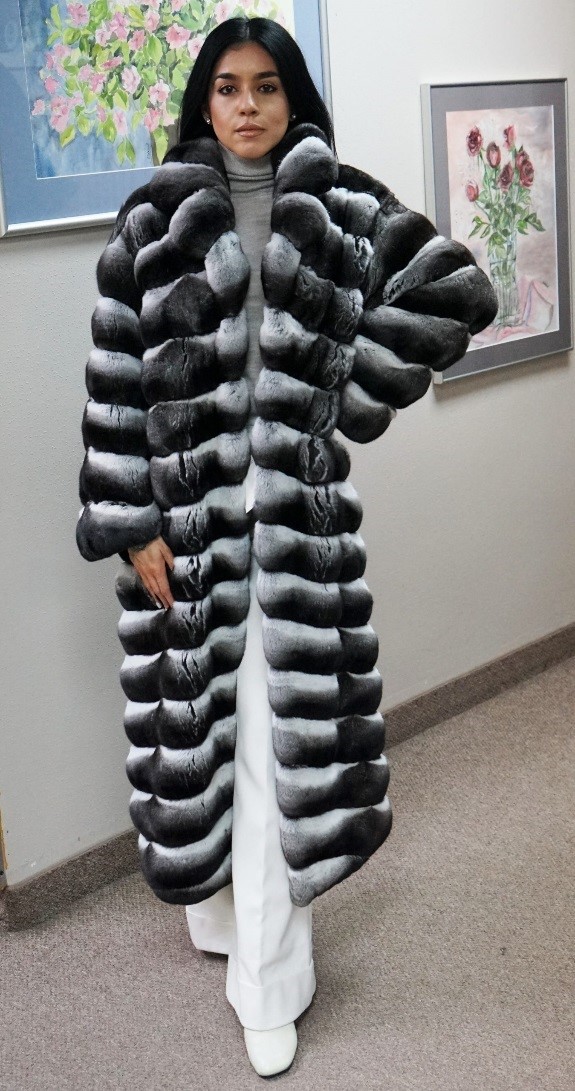
Chinchilla Full Length Fur Coat

Chinchilla coats are luxurious and versatile, and there are many creative ways to wear them. Here are 100 different ways you can style a chinchilla coat:
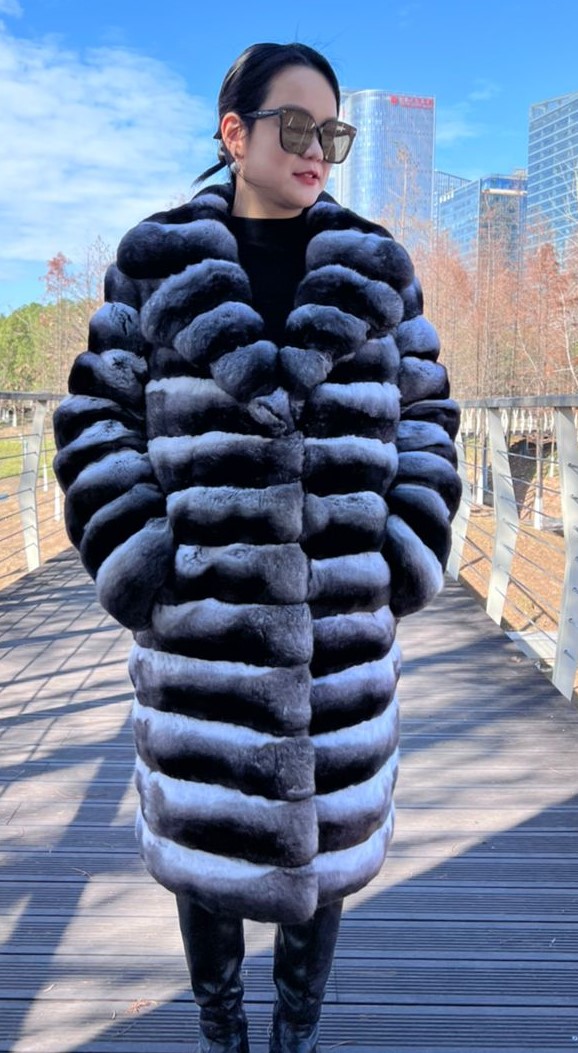
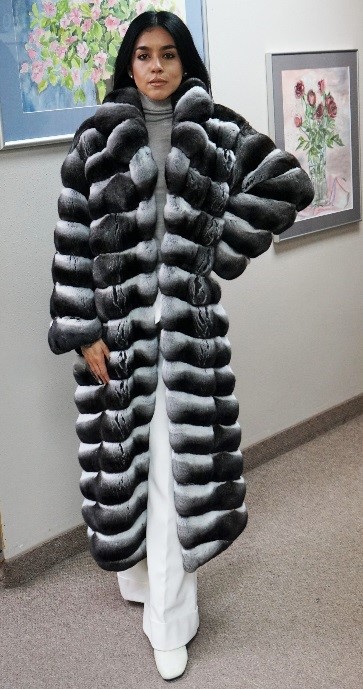
Horizontal Chinchilla Coat
  1. Classic draped over the shoulders.
  2. With a little black dress for a formal look.
  3. Paired with skinny jeans and ankle boots.
  4. Layered over a turtleneck sweater.
  5. Belted at the waist for a cinched silhouette.
  6. Worn with leather leggings and heels.
A Magnificent Chinchilla Fur Horizontal Stroller
  • With a cashmere sweater and pencil skirt.
  • Over a silk blouse and tailored trousers.
  • Draped over a cocktail dress.
  • With knee-high boots and a mini skirt.
  • Styled with a statement belt.
  • Paired with a beret for a Parisian look.
  • With a long scarf for added warmth.
  • Belted and worn as a dress.
  • With a fur collar for extra glamour.
  • Over a sequin top for a festive outfit.
  • Worn open over a lace camisole.
  • With a matching chinchilla hat.
  • Layered over a plaid shirt and jeans.
  • Styled with a leather skirt.
  • Belted and worn with over-the-knee boots.
  • With a statement necklace.
  • Over a velvet jumpsuit.
  • Draped over a white blouse and black slacks. Worn with a tulle skirt for a ballerina look.
  • Styled with a wide-brimmed hat.
  • Paired with a maxi dress.
  • Layered over a fur-trimmed sweater.
  • Belted and worn with a maxi skirt.
  • With a bodycon dress for a bold look.
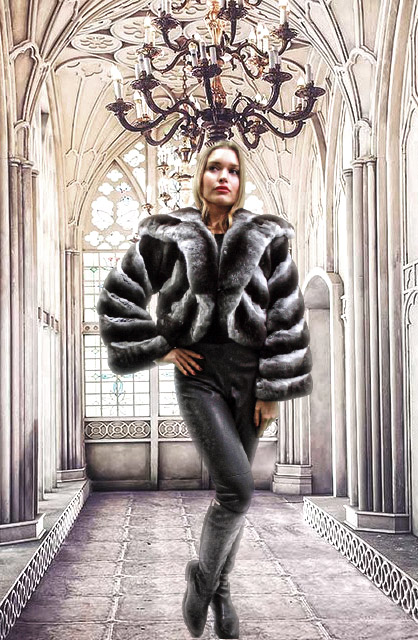
Chinchilla Fur Bolero Jacket
  • Over a monochromatic outfit for contrast.
  • Styled with a vintage brooch.
  • With a silk slip dress.
  • Worn open over a graphic tee and jeans.
  • Layered over a plaid blazer and slacks.
  • Belted and worn with thigh-high boots.
  • With a fur stole for added drama.
  • Over a lace romper.
  • Styled with a top hat for a whimsical look.
  • Worn with a tulle ball gown.
  • Paired with a corset top.
  • Belted and worn as a cape.
  • With a feathered headpiece for a glamorous event.
  • Layered over a leather jumpsuit.
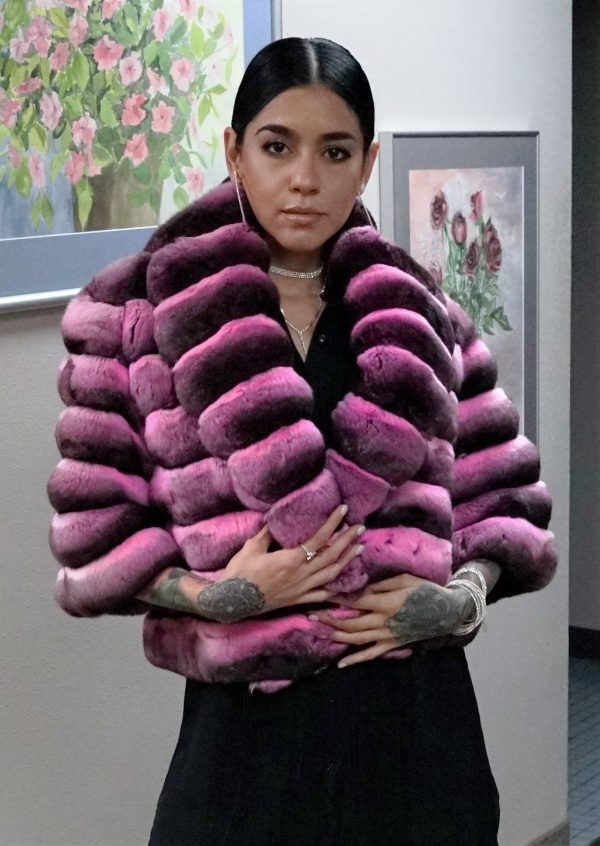
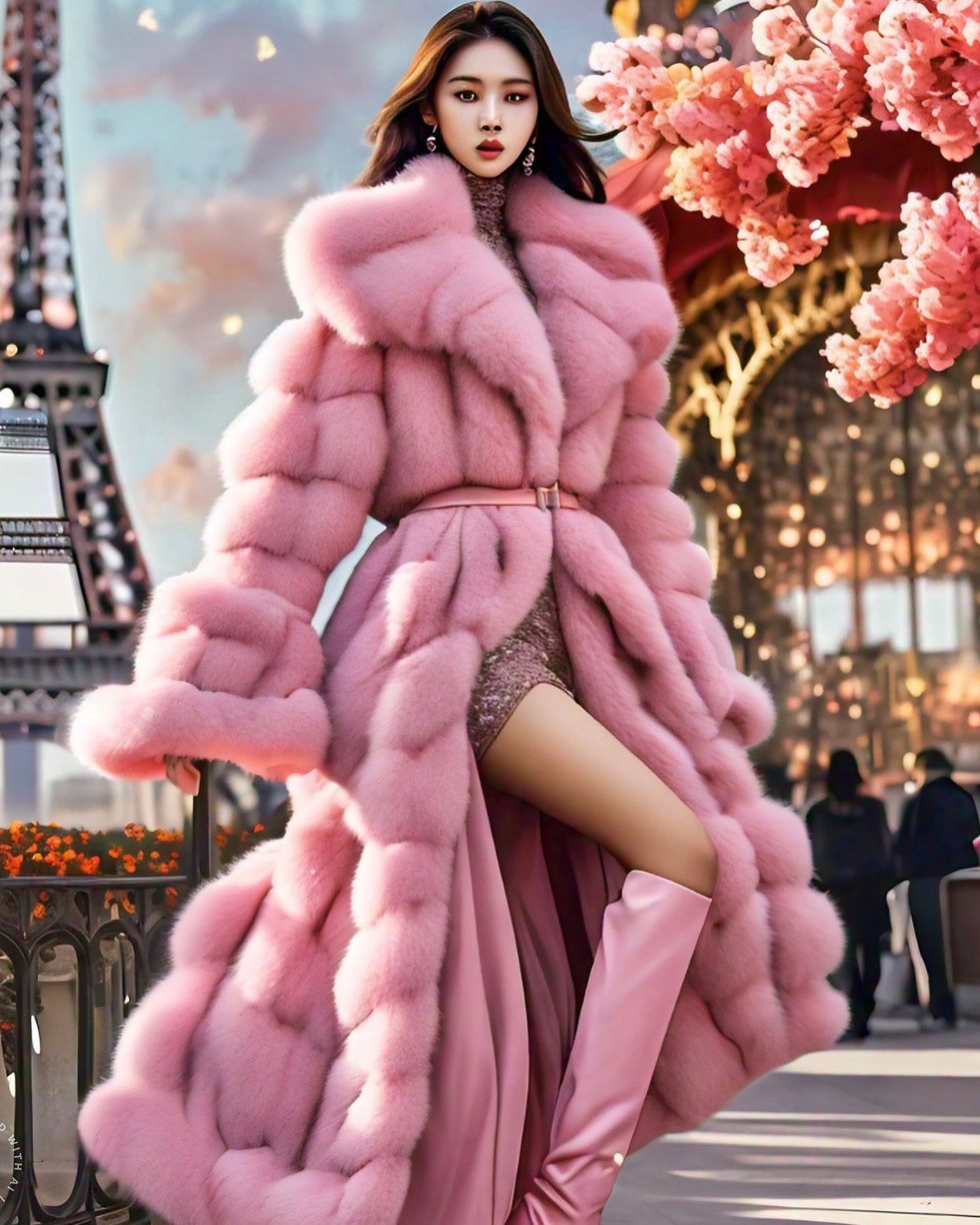
Pink Chinchilla Horizontal Jacket 4838
Pink Chinchilla Horizontal Jacket
  • Over a metallic mini dress.
  • Styled with a crystal choker.
  • With a leather corset dress.
  • Worn open over a bodysuit and leggings.
  • Belted and worn as a trench coat.
  • With a sequin blazer and wide-leg pants.
  • Paired with a lace bodysuit and skirt.
  • Layered over a velvet blazer.
  • Styled with a fur headband.
  • With a satin slip skirt.
  • Worn over a velvet tuxedo.
  • Belted and worn with a feathered skirt.
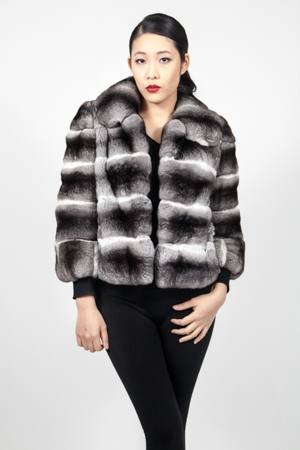
Chinchilla Fur Jacket
Warm chinchilla fur jacket.
  • With a crystal tiara for a princess look.
  • Over a sheer maxi dress.
  • Styled with opera-length gloves.
  • With a leather bustier and flared pants.
  • Paired with a metallic bodysuit.
  • Layered over a satin kimono.
  • Belted and worn as a robe.
  • With a jeweled belt for extra sparkle.
  • Over a beaded flapper dress.
  • Styled with a vintage fur stole.
  • With a lace capelet.
  • Worn open over a lace-up bodysuit.
  • Belted and worn with a feathered boa.
  • With a crystal-embellished headpiece.
  • Over a feathered cocktail dress.
  • Styled with a sequin clutch.
  • With a velvet cape.
  • Worn open over a silk slip.
  • Belted and worn with a velvet choker.
  • With a crystal-encrusted belt.
  • Over a beaded fringe dress.
  • Styled with a fur muff.
  • With a lace-trimmed camisole and skirt.
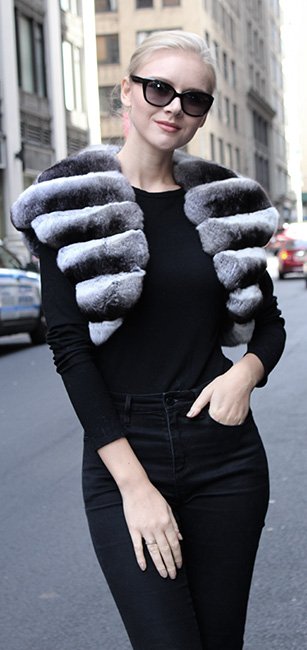
Chinchilla Fur Shrug

Chinchilla Coats are Luxurious and Versatile and there are many creative ways to wear them. Here are 100 different ways you can style a chinchilla coat.

  • Worn open over a satin chemise.
  • Belted and worn with crystal earrings.
  • With a jeweled brooch.
  • Over a sequin skirt suit.
  • Styled with a rhinestone headpiece.
  • With a feathered bolero jacket.
  • Worn open over a lace-up corset.
  • Belted and worn with a feathered headdress.
  • With a crystal-embellished sash.
  • Over a metallic evening gown.
  • Styled with a beaded clutch.
  • With a lace bodice and tulle skirt.
  • Worn open over a velvet jumpsuit.
  • Belted and worn with a statement necklace.
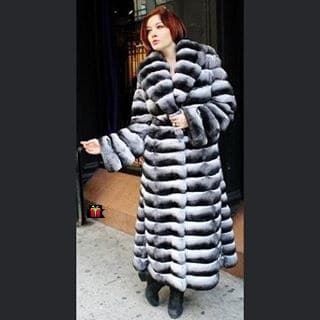
Marc Kaufman Furs presents a chinchilla fur coat from Marc Kaufman Furs USA,Fur coats in Argentina, fur coats in Chile, fur coats in Venezuela, fur coats in Australia, fur coats in Belgium,fur coats in Netherlands, fur coats in Norway,fur coats in Sweden,fur coats in Dubais,fur coats in Egypt,fur coats in Egypt,fur coats in Kuwait, fur coats in South Africa,fur coats in Tunisia,fur coats in the Falklands
Color outside the lines in this fashionable chinchilla fur coat from Marc Kaufman Furs New York City
Kaufmanfurs.com
  • With a feathered cape.
  • Over a satin ball gown.
  • Styled with a fur stole and gloves.
  • With a crystal-encrusted belt.
  • Worn open over a sequin blazer and shorts.
  • Belted and worn with a feathered skirt.
  • With a tiara and long gloves for a regal look.

These are just some ideas to inspire your chinchilla coat styling, but the possibilities are endless. Mix and match to create your own unique looks and make the most of this luxurious wardrobe piece.

Marc Kaufman Furs

Designer Furs

Fur Fashion News

Posted on

100 Reasons Real Fur Warmer Than Faux Fur

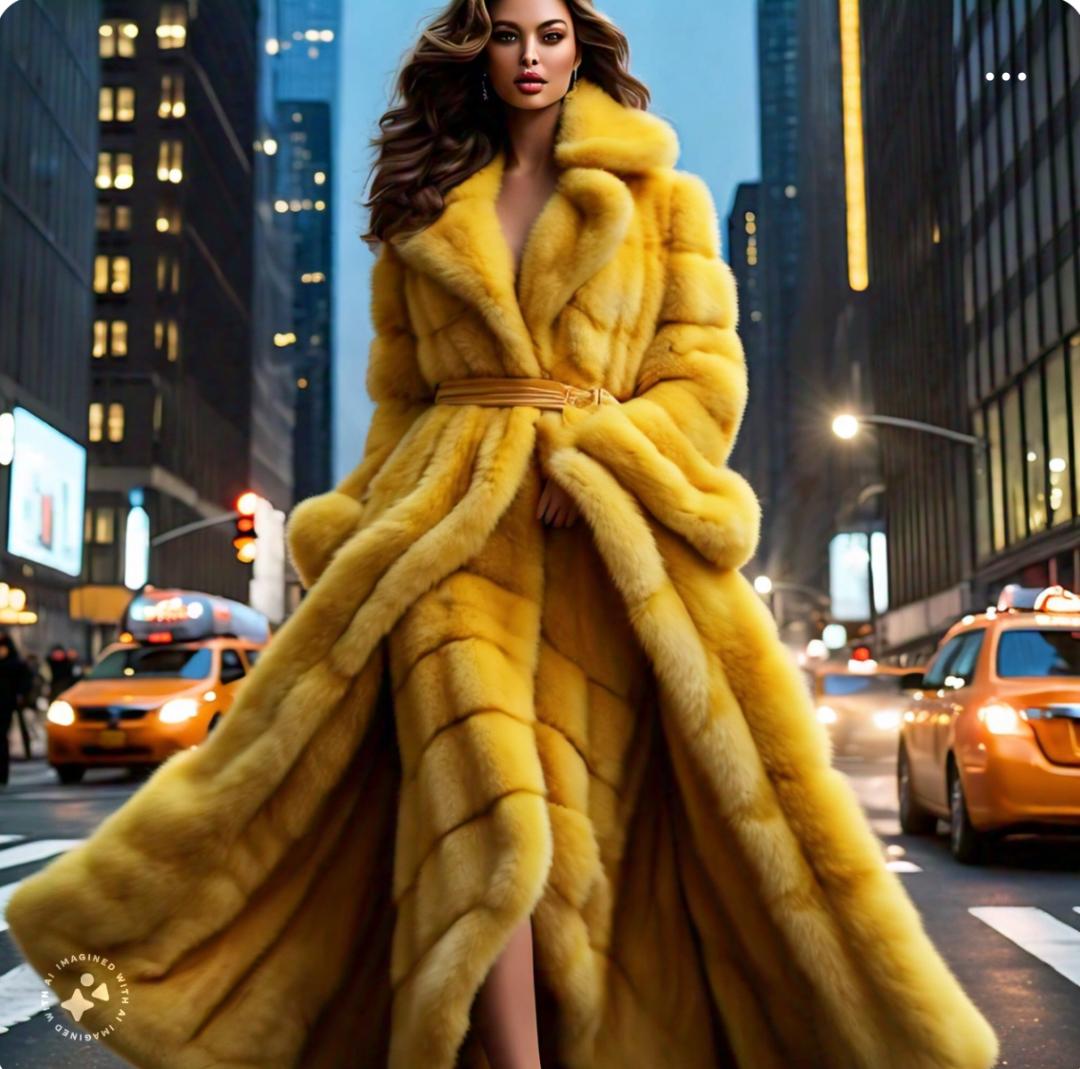
Full Length Yellow Mink Coat
Horizontal Chinchilla Coat

Fur coats, made from genuine animal fur, have several characteristics that can make them warmer than faux fur coats.  Here are 100 reasons why fur coats can be warmer than faux fur coats:

  1. Natural Insulation: Fur is an excellent natural insulator, thanks to the air trapped within its fibers.
  2. Density: Fur is densely packed with fibers, creating a thick insulating layer.
  3. Thermal Efficiency: Fur traps and retains heat efficiently.
  4. Breathability: Fur allows moisture to escape while keeping you warm.
  5. Moisture Resistance: Some fur types, like mink, are naturally resistant to moisture, helping to keep you dry and warm.
  6. Wind Resistance: Fur’s natural density provides protection against cold winds.
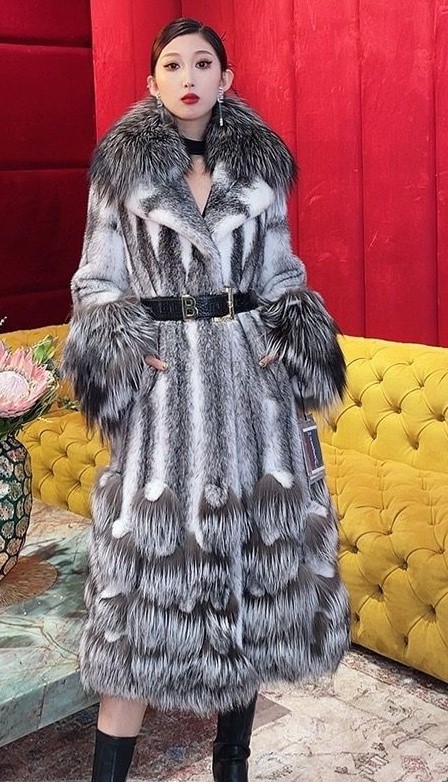
Black Cross Mink Coat Silver Fox Trim
  • Regulates Temperature: Fur helps regulate body temperature, preventing overheating.
  • Lightweight: Fur provides warmth without the bulkiness of some synthetic materials.
  • Softness: Fur’s softness and plushness enhance warmth and comfort.
  • Layering: Fur allows for layering, increasing warmth.
  • Longevity: High-quality fur coats can last for decades, providing consistent warmth.
  • Biodegradable: Fur is a natural, biodegradable material.
  • Sustainability: Ethical fur farming practices can be sustainable and environmentally responsible.
  • Natural Variations: Different fur types have varying warmth properties, allowing for customization.
  • Draping: Fur coats drape well, minimizing heat loss.
  • Reflective: Fur reflects heat back to the body.
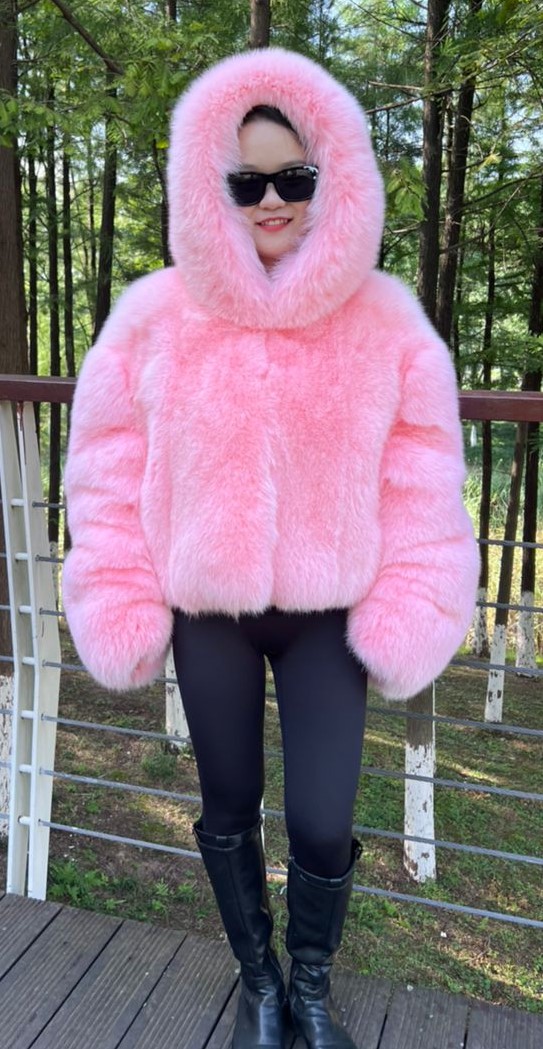
Pink Fox Hooded Jacket
  • Adaptability: Fur can adapt to a range of temperatures.
  • Traditional Insulation: Fur has been used for warmth for centuries.
  • Microclimate: Fur creates a microclimate close to the skin, maintaining warmth.
  • Multi-Layered Fur: Some fur coats have multiple layers for enhanced insulation.
  • Winter-Ready: Fur is well-suited for extreme cold.
  • Natural Lining: Fur-lined coats provide warmth from the inside.
  • No Synthetic Fibers: No synthetic fibers that may not insulate as effectively.
  • Minimal Seams: Fewer seams mean fewer opportunities for cold air to enter.
  • Natural Oil Layer: Fur retains a natural oil layer for added insulation.
  • Custom Sizing: Fur coats can be custom-fitted for maximum warmth.
  • Pelts: Fur pelts are strategically placed for warmth and comfort.
  • Pelt Thickness: The thickness of fur pelts contributes to insulation.
  • Temperature Range: Fur coats are designed for specific temperature ranges.
  • Fur Layers: Fur coats may have multiple fur layers for added warmth.
  • Hood Options: Fur-trimmed hoods offer added warmth for the head.
  • Collar Styles: High collars in fur coats protect against cold drafts.
  • Resistant to Compression: Fur doesn’t lose its insulating properties when compressed.
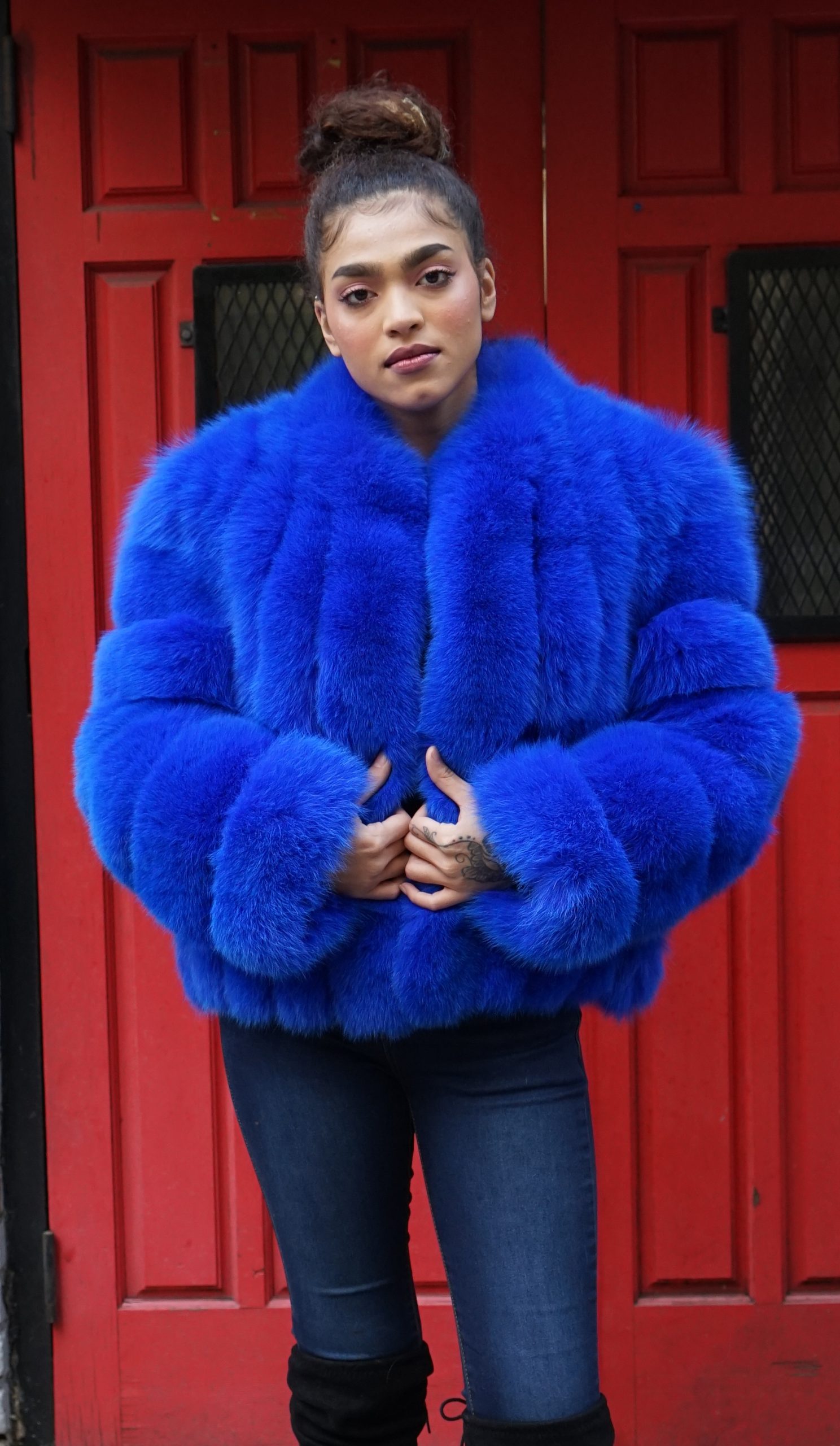
Royal Blue Fox Jacket
  • Low Maintenance: Fur coats require minimal care to maintain warmth.
  • Versatile Styles: Fur coats come in various styles suitable for different cold conditions.
  • Heritage Craftsmanship: Expert craftsmanship ensures maximum warmth.
  • Natural Texture: Fur’s texture enhances warmth by trapping air.
  • Vintage Warmth: Vintage fur coats retain their warmth over time.
  • Consistent Warmth: Fur provides even warmth across the body.
  • Warmth at Sub-Zero Temperatures: Fur excels in extreme cold.
  • Non-Allergenic: Natural fur is generally non-allergenic, reducing skin irritation.
  • Low Thermal Conductivity: Fur has low thermal conductivity, minimizing heat loss.
  • Heat Retention: Fur retains heat even when exposed to cold conditions.
  • Inherent Properties: Fur’s natural properties contribute to warmth.
  • Natural Color Options: Different fur colors absorb heat differently, offering customization.
  • Sustainable Sourcing: Ethical fur sourcing can support sustainability.
  • Vintage Elegance: Vintage fur coats exude timeless elegance while providing warmth.
  • Cold-Weather Fashion: Fur is synonymous with cold-weather fashion.
  • Fur Lining: Fur-lined gloves, hats, and accessories add warmth.
  • Traditional Luxury: Fur is associated with luxury and opulence.
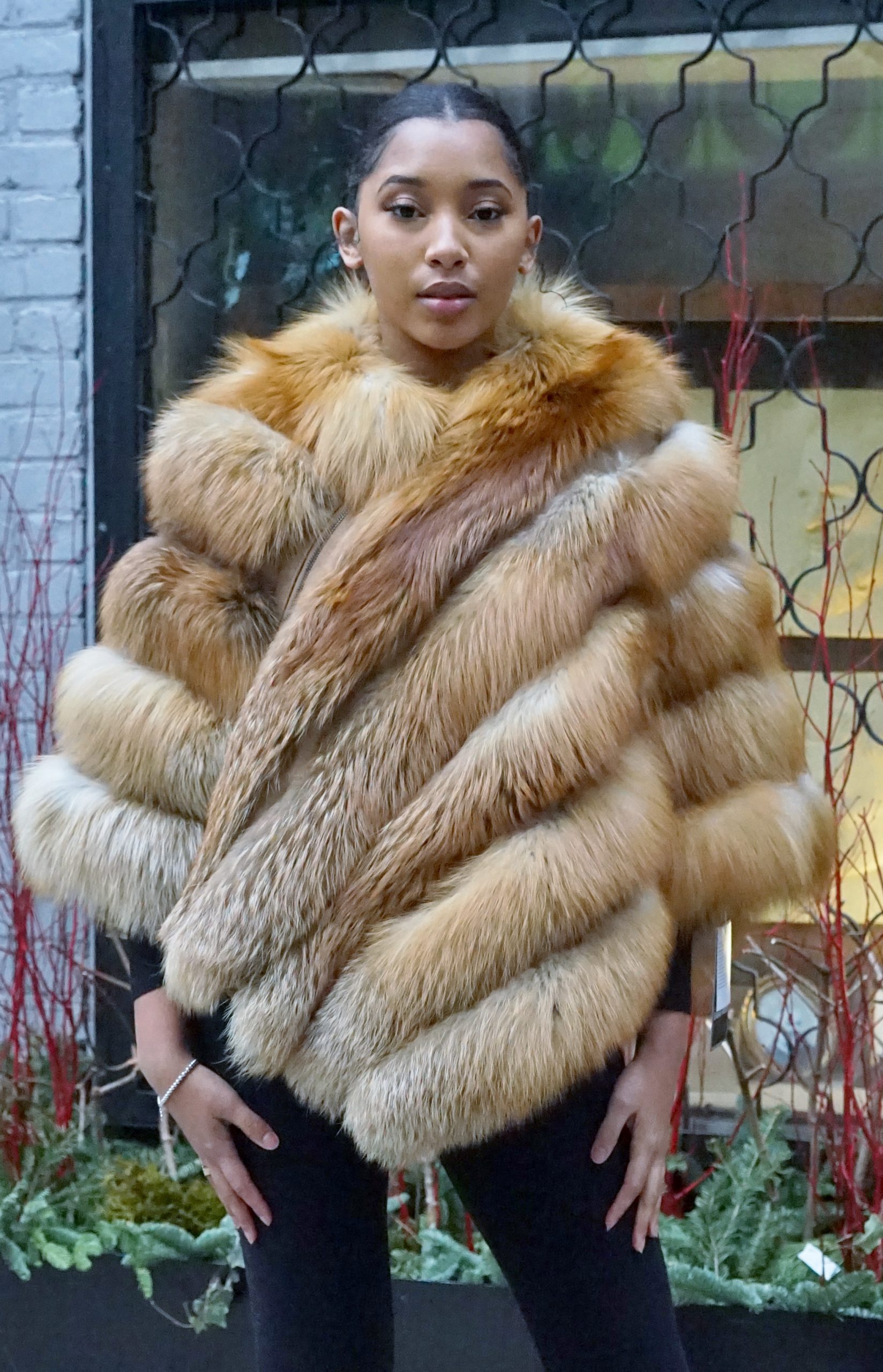
Red Fox Diagonal Poncho
  • Artisanal Quality: Artisans create fur coats with a focus on warmth.
  • Cold-Weather Formalwear: Fur is ideal for formal occasions in winter.
  • Texture Variations: Fur textures offer unique warmth experiences.
  • Body Heat Retention: Fur helps the body retain its heat.
  • Customizable Lengths: Fur coat lengths can be tailored for maximum warmth.
  • Microclimate Control: Fur regulates a personal microclimate for warmth.
  • Classic Elegance: Fur is a classic choice for timeless warmth.
  • Wearable Heirlooms: Fur coats can be passed down through generations.
  • Indulgent Warmth: Wearing fur feels indulgent due to its warmth.
  • Natural Resistance to Odors: Fur resists retaining odors, staying fresh.
  • Cold-Weather Accessories: Fur accessories enhance warmth in cold conditions.
  • Natural Sheen: Fur’s natural sheen enhances warmth.
  • Natural Water Resistance: Some fur types are naturally water-resistant, enhancing warmth in wet conditions.
  • Breathable Layer: Fur acts as a breathable insulating layer.
  • Enhanced Elegance: Fur adds an element of elegance to warmth.
  • Minimal Heat Transfer: Fur minimizes heat transfer to the environment.
  • Cold-Weather Luxury: Fur is synonymous with luxury in cold climates.
  • Temperature Regulation: Fur regulates temperature fluctuations for warmth.
  • Eco-Friendly Sourcing: Ethical fur sourcing supports eco-friendly practices.
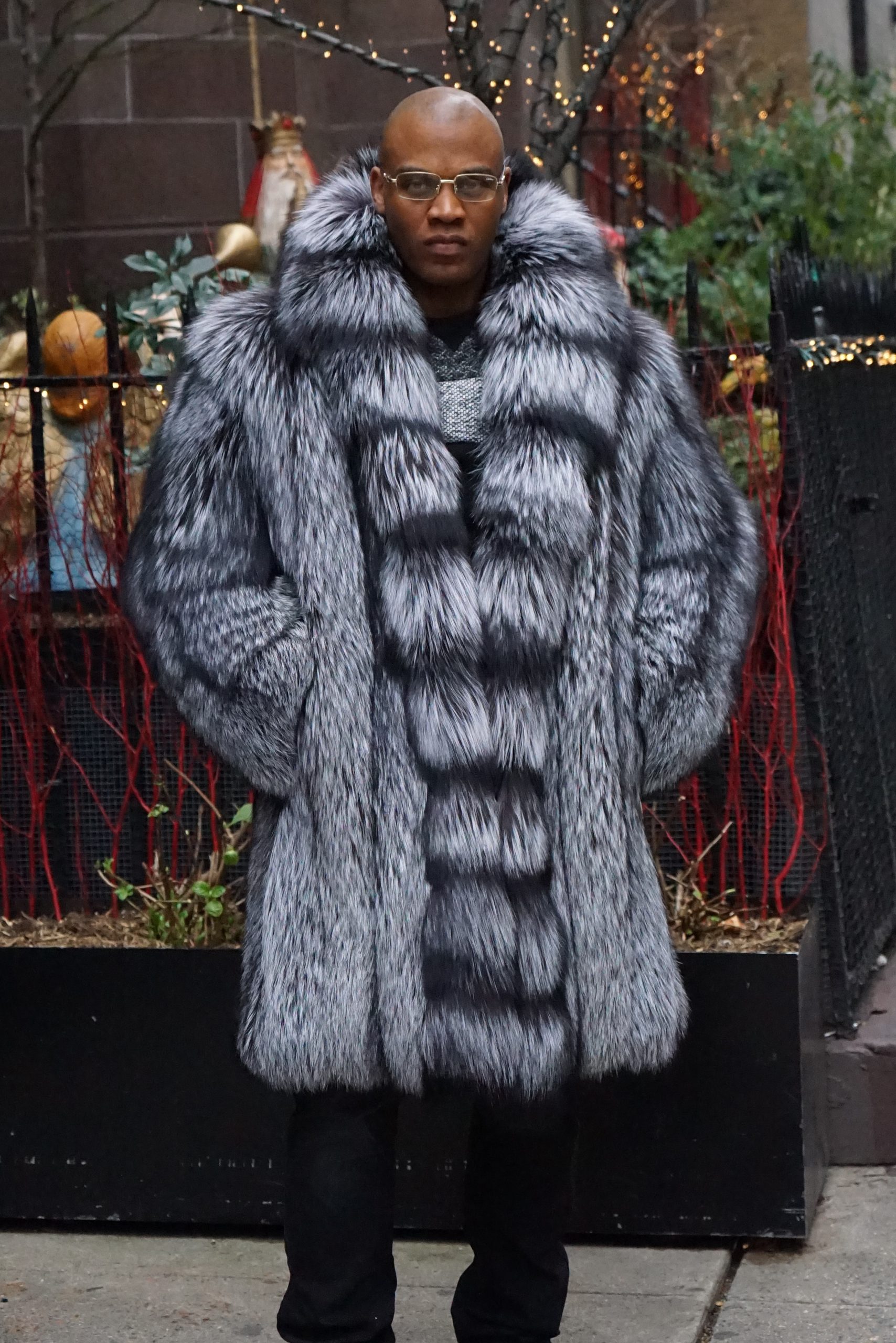
Men's Silver Fox Stroller
Men’s Silver Fox Stroller
  • Reduced Carbon Footprint: Fur’s durability reduces the need for frequent replacements, lowering the carbon footprint.
  • Custom Fur Blends: Some fur coats blend different fur types for optimal warmth.
  • Full-Coverage Protection: Fur coats provide full-body warmth and coverage.
  • Exceptional Draping: Fur drapes well for heat retention.
  • Tailored for Warmth: Fur coats can be tailored for warmth and style.
  • Artistry in Fur Craftsmanship: Fur craftsmanship focuses on creating warmth.
  • Low Environmental Impact: Properly cared-for fur coats have a low environmental impact.
  • Naturally Hypoallergenic: Fur is naturally hypoallergenic, reducing skin irritations.
  • Effortless Warmth: Fur offers warmth without extra effort.
  • Exceptional Cold-Weather Protection: Fur is designed for cold-weather protection.
  • Warmth Without Bulk: Fur provides warmth without feeling bulky.
  • Natural Warmth Retention: Fur naturally retains warmth.
  • Reduces Need for Layering: Fur coats eliminate the need for excessive layering.
  • Classic Hollywood Warmth: Fur embodies Hollywood glamour and warmth.
  • Ethical Fur Farming: Ethical fur farming practices promote warmth.
  • Customizable Warmth: Fur coat designs can be customized for maximum warmth.
  • Resale Value: Vintage fur coats retain their warmth and resale value.
  • Symbol of Opulence: Fur is a symbol of opulence and warmth.
  • Reflects Refined Taste: Fur reflects a refined sense of warmth and style.
  • Biodegradable Warmth: Fur is biodegradable, contributing to eco-friendly warmth.
  • Sustainable Fur Industry: Ethical fur industry practices support sustainability.
  • Warmth for Future Generations: Fur coats can be heirlooms, passing warmth to future generations.
  • Personalized Warmth: Fur offers personalized warmth experiences.
  • Warmth for All Genders: Fur is suitable for both men and women.
  • Warmth from the Inside: Fur-lined coats provide warmth from within.
  • Warmth with Versatility: Fur offers warmth for various occasions.

100 Reasons Real Fur Warmer Than Faux Fur, Fur coats, made from genuine animal fur, have several characteristics that can make them warmer than faux fur coats.

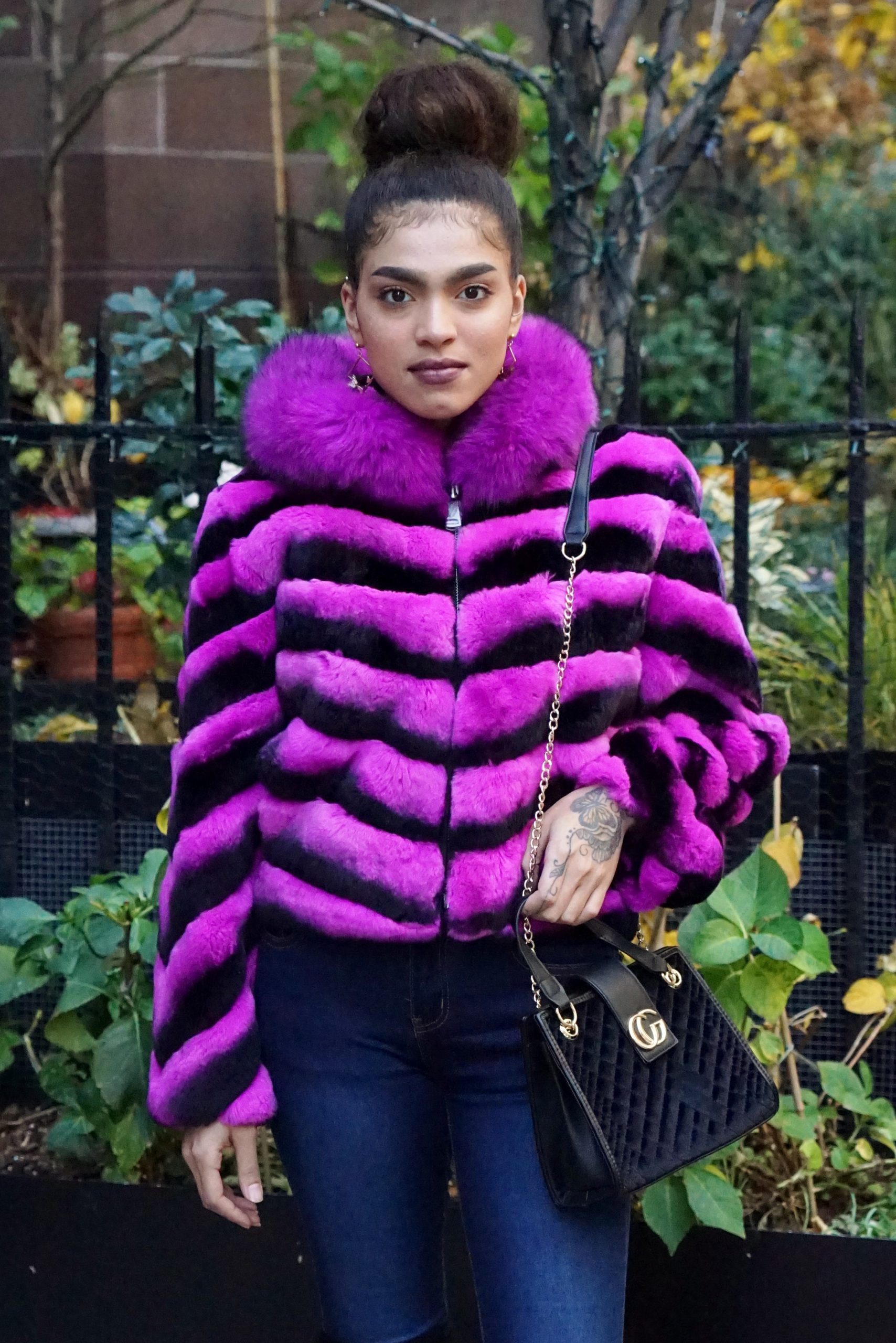
Fuchsia Rex Rabbit Hooded Jacket Fox Trim
  • Vintage Warmth Preservation: Vintage fur coats preserve their warmth over time.
  • Warmth for Cold-Weather Adventures: Fur is ideal for cold-weather adventures.
  • Reduced Heat Loss: Fur minimizes heat loss, maximizing warmth.
  • Naturally Warm Colors: Natural fur colors provide additional warmth.
  • Effortless Warmth Enhancement: Adding fur trims enhances warmth effortlessly.

It’s important to remember that while fur coats have unique qualities that contribute to warmth, faux fur, and other synthetic materials have made significant advancements in replicating the warmth and comfort of genuine fur.

Marc Kaufman Furs

Posted on

Reasons to Wear Fur Coats

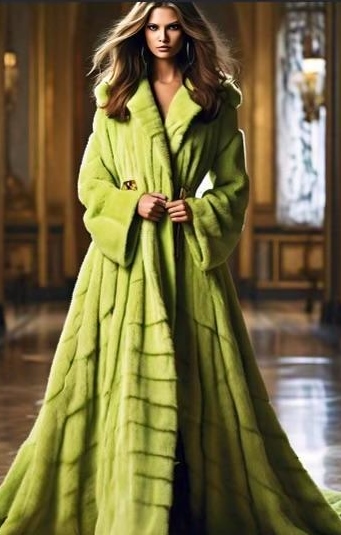
Chartreuse Green Mink Coat

Reasons to Wear Fur Coats

Fur coats come in various types, each made from the fur of different animals. Here’s a list of some of the most common types of fur coats:

  1. Mink Fur Coat: Mink fur is known for its luxurious softness and is one of the most popular choices for fur coats.
Mahogany Mink Horizontal Coat
  • Fox Fur Coat: Fox fur coats come in various colors, including silver fox and red fox, and are known for their long, fluffy fur.
  • Chinchilla Fur Coat: Chinchilla fur is extremely soft and is considered one of the most luxurious and expensive furs.
  • Sable Fur Coat: Sable fur is highly prized for its silky texture and is among the most luxurious furs available.
Full-length Russian Sable Coat    
Full-length Russian Sable Coat
  • Rabbit Fur Coat: Rabbit fur is soft and lightweight, making it a popular choice for fur coats.
  • Lynx Fur Coat: Lynx fur coats feature the distinctive spotted pattern of the lynx and are known for their elegance.
  • Beaver Fur Coat: Beaver fur is durable and warm, making it suitable for cold climates.
  • Raccoon Fur Coat: Raccoon fur is often used for trim or collars on coats and accessories.
  • Coyote Fur Coat: Coyote fur is known for its warmth and durability and is sometimes used in parka-style coats.
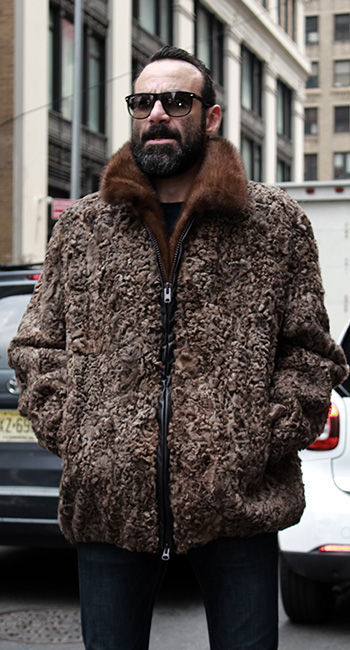
  • Persian Lamb Fur Coat: Persian lamb fur comes from the karakul sheep and is characterized by its curly texture.
MENS BROWN PERSIAN JACKET
  • Nutria Fur Coat: Nutria fur is similar in appearance to beaver fur and is often used for its warmth.
  • Squirrel Fur Coat: Squirrel fur is soft and lightweight, making it suitable for elegant and stylish coats.
  • Muskrat Fur Coat: Muskrat fur is known for its durability and is used in a variety of fur products, including coats.
  • Raccoon Fur Coat: Raccoon, also known as Asiatic raccoon, is used for its warmth and distinctive coloration.
  • Ermine Fur Coat: Ermine fur, with its black-tipped tails, has been historically associated with royalty.

    Wearing fur coats has been a practice with a long history, and people have various reasons for choosing to wear them. Here are some reasons people have given for wearing fur coats: Marc Kaufman Furs

Fabulous Pink Fox Coat
  1. Warmth: Fur is a natural insulator, and fur coats can provide exceptional warmth, making them suitable for cold climates and winter weather.
  2. Style and Fashion: Fur coats have been considered a symbol of luxury, style, and sophistication for many years. Some individuals wear fur coats to make a fashion statement and express their personal style.
  3. Tradition and Cultural Significance: In some cultures, fur garments hold cultural and traditional significance. They may be worn during specific ceremonies or as part of traditional dress.
  4. Vintage and Heirloom Pieces: Some people inherit fur coats from family members and choose to wear them as vintage or heirloom pieces with sentimental value.
  5. Durability: Fur is a durable material that can last for many years if properly cared for. Some individuals appreciate the longevity of fur garments.
  6. Status and Social Standing: Historically, fur has been associated with wealth and social status, and some individuals wear fur coats to convey a sense of prestige.
  7. Historical and Artistic Value: Fur coats have been featured in historical photographs, paintings, and films, and some individuals may wear them as a nod to art and history.

Reasons to Wear Fur Coats in my opinion is Durability that can last for many years if properly cared for.

Posted on

Why are Chinchilla Coats Expensive

Chinchilla Full Length Fur Coat

Why are Chinchilla Coats Expensive

Chinchilla coats are known for their exquisite softness, opulence, and eye-catching beauty, but their price tags often raise eyebrows. These luxurious fur garments are among the most expensive in the world. The reasons behind their steep cost are multifaceted, encompassing factors related to the chinchilla fur itself, the intricate process of production, ethical concerns, craftsmanship, and branding. In this comprehensive explanation, we will delve into the myriad of reasons why chinchilla coats are so expensive.

Chinchilla Full-Length Fur Coat

  1. Rare and Limited Supply:
    • Chinchillas are small, nocturnal rodents native to the Andes Mountains in South America. Their fur is exceptionally soft, dense, and luxurious, making it highly desirable for fur garments.
    • However, chinchillas are not only small animals, but they are also relatively scarce in the wild. Due to overhunting in the past, chinchillas are now listed as a vulnerable species and are protected by international regulations.
    • Because of their size and the need for high-quality fur, it takes a substantial number of chinchilla pelts to create a single coat, contributing to the rarity and expense of chinchilla fur.
  2. Difficult Farming Process:
    • Given the limitations on harvesting chinchilla fur from the wild, the fur industry primarily relies on chinchilla farms for their fur supply.
    • Chinchilla farming, however, is a complex and time-consuming process. Chinchillas are sensitive animals that require specialized care, including proper diet, living conditions, and veterinary attention.
    • Breeding and raising chinchillas in captivity can be challenging, as they have specific requirements for temperature, humidity, and social interaction. This necessitates significant investments in infrastructure and expertise.

      Chinchilla Fur Jacket
      Warm chinchilla fur jacket.
  3. Quality and Uniqueness:
    • Chinchilla fur is renowned for its exceptional quality. Its fur is incredibly soft, lightweight, and warm, providing a luxurious feel and outstanding insulation.
    • The uniqueness of chinchilla fur, characterized by its velvety texture and distinctive coloration, contributes to its desirability and high price. The fur is often described as “liquid silver” due to its striking grayish-white hue with dark stripes.
    • The rarity and high-quality attributes of chinchilla fur make it a sought-after material in the fashion industry.
  4. Labor-Intensive Production:
    • Crafting a chinchilla coat requires meticulous and labor-intensive processing. Each chinchilla pelt is carefully examined, treated, and sewn together to create a consistent and luxurious texture.
    • Furriers must ensure that the final product is free of imperfections and blemishes, which requires significant time and expertise. This attention to detail is a hallmark of chinchilla fur coats.

      Pink Chinchilla Horizontal Jacket 4838
      Pink Chinchilla Horizontal Jacket
  5. Ethical and Environmental Concerns:
    • Chinchilla fur production is not without ethical and environmental considerations. The overexploitation of wild chinchilla populations led to their endangerment, prompting the establishment of international regulations.
    • Today, most chinchilla fur comes from farms where the animals are raised specifically for their fur. These farms must adhere to ethical and humane standards to ensure the well-being of the animals.
    • Ethical practices and compliance with environmental regulations can increase the cost of chinchilla fur production.
  6. Craftsmanship and Expertise:
    • Crafting chinchilla coats requires skilled craftsmanship and expertise. Furriers with extensive experience must work delicately with the fur to create a stunning and durable final product.
    • The sewing, tailoring, and finishing of chinchilla coats demand precision and attention to detail, further adding to the labor costs associated with these garments.

      chinchilla fur coats
      chinchilla fur jackets
  7. Branding and Exclusivity:
    • Many luxury fashion brands incorporate chinchilla fur into their high-end collections. The association with renowned fashion houses can significantly drive up the price of chinchilla coats.
    • The exclusivity of owning a chinchilla coat from a prestigious brand can also contribute to its high price. Buyers may be willing to pay a premium for the cachet and prestige associated with such garments.
  8. Maintenance and Care:
    • Chinchilla fur coats require specialized care and maintenance to preserve their pristine condition. This includes proper storage in temperature and humidity-controlled environments, regular cleaning, and professional fur services.
    • The ongoing maintenance costs associated with chinchilla fur add to the overall expense of owning and preserving these luxurious garments.

In summary, chinchilla coats are expensive due to a combination of factors, including the rarity and limited supply of chinchilla fur, the labor-intensive farming and production process, the exceptional quality and uniqueness of the fur, ethical and environmental considerations, skilled craftsmanship, association with luxury brands, and the ongoing costs of maintenance. These factors collectively contribute to the allure and exclusivity of chinchilla coats, making them a symbol of opulence and sophistication in the world of fashion.

Marc Kaufman Furs