Surviving the Deep Freeze
Why Diana Finally Chose Real Fur for the 2026 Winter
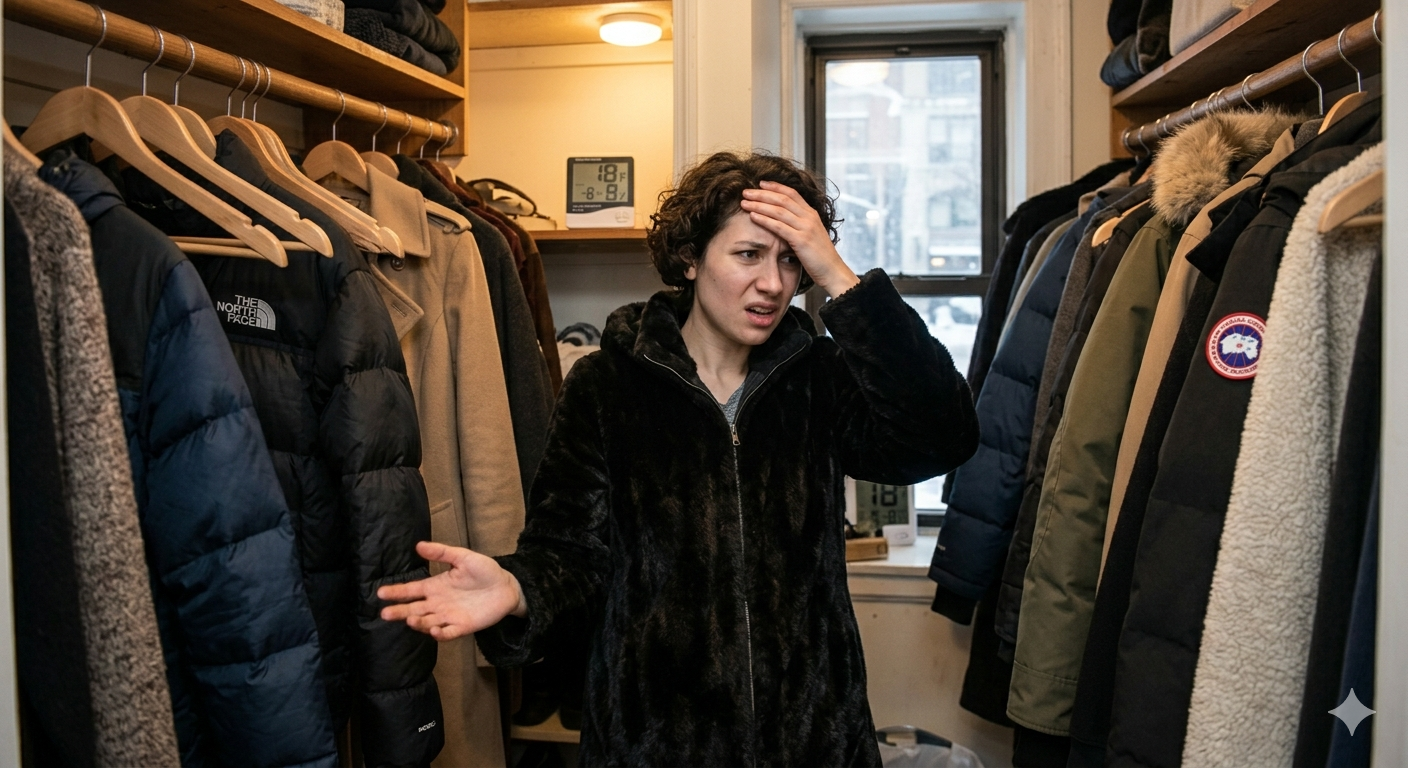
The winter of 2025/2026 wasn’t just “cold”—it was historic. In New York, the wind didn’t just blow; it cut through layers with precision.
For Diana, staying warm became less about fashion—and more about survival.
The Failure of Synthetic and Textile Insulation
Diana’s closet was filled with “high-performance” promises that failed her.
- Down Parkas: Light, but useless against piercing winds.
- Wool & Cashmere: Elegant—but no real protection.
- Faux Fur: Trapped moisture, making things worse.
“It’s not just about fashion anymore… it’s about survival.”
She realized something simple—nature had already solved this problem.
The Pilgrimage to Marc Kaufman Furs
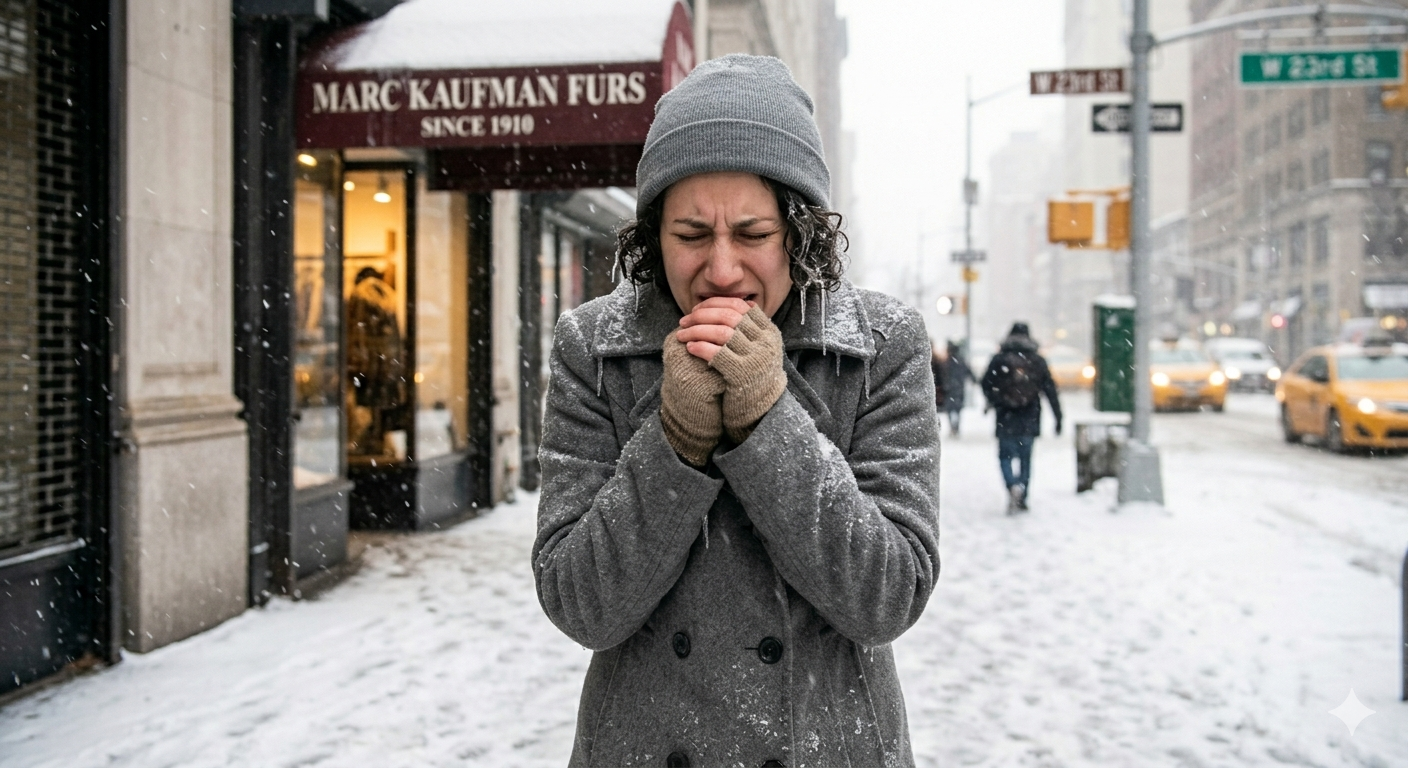
Diana turned to real craftsmanship—seeking warmth that performs, not promises that fade.
Comparing the Warmest Furs
| Fur Type | Insulation | Wind | Best For |
|---|---|---|---|
Sable |
Extreme | High | Lightweight, breathable warmth |
Long-Haired Mink |
High | Excellent | Durable daily wear |
Lynx |
Very High | High | Soft with thick underwool |
| Sheared Beaver | High | Superior | Water-resistant & dense |
Each material offers a different balance of warmth, weight, and protection—refined through decades of craftsmanship.
Making the Final Choice
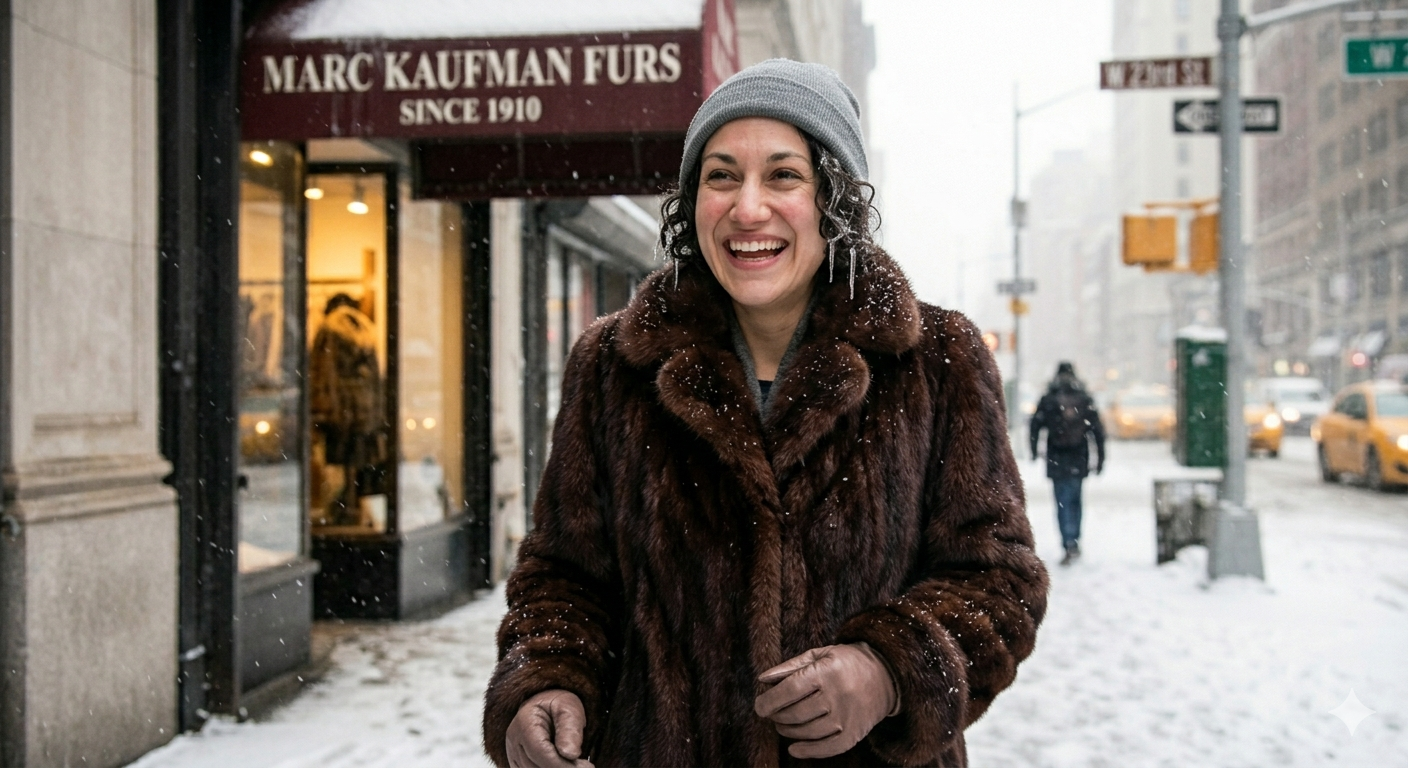
The difference was immediate. Real fur didn’t just insulate—it adapted.
For the first time in months, winter didn’t feel like a burden.
It felt like freedom.
Protect your investment.
Explore fur storage, cleaning & repair services →
Frequently Asked Questions
Is real fur warmer?
Yes. It traps heat while staying breathable.
Which fur is warmest?
Sable, lynx, and beaver are among the warmest furs, prized for their exceptional insulation in extreme cold climates.
Does fur handle moisture?
Yes. Natural oils help repel water.
How do I maintain it?
Professional storage and cleaning are essential.