The Psychology of Fur: Why Mob Wives Wore It Like Armor
The Psychology of Fur: Why Mob Wives Wore It Like Armor
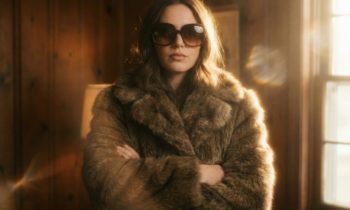
Luxury has always been about more than materials—it is about message. In
Mob Wives, fur was never just outerwear; it was visual strategy.
The women who wore it understood something instinctively powerful: before you speak,
your silhouette already has. Presence is projected long before conversation begins.
Fur functioned as armor—not defensive, but declarative. It expanded presence,
commanded space, and projected control. A sweeping coat entered the room first.
The posture shifted. The energy followed. What viewers witnessed on screen was
not simply styling—it was psychological positioning.

Fur as Spatial Power
Psychologically, volume alters perception. Across cultures, larger silhouettes are
associated with dominance and authority. Full-length coats, dramatic collars,
structured shoulders—these elements increase perceived stature. Fur naturally
amplifies that effect through density and movement.
Unlike fabrics that cling or collapse, fur holds space. It frames the body and
extends its outline, creating visual territory. In highly visible environments,
that territorial presence communicates hierarchy instantly. In Mob Wives,
this was never accidental—it was symbolic.

Texture and Status Signaling
Texture communicates status faster than logos ever could. Mink reflects light with
a rich depth. Sable carries a softness that feels rare and reserved. Chinchilla’s
feather-light density signals refinement. Fox commands attention through bold texture
and volume.
Humans process tactile cues subconsciously. Dense, plush materials signal protection,
wealth, and historical privilege. Fur has long been associated with power structures—
royalty, leadership, influence. That symbolism did not disappear; it evolved.

Movement as Attention Control
Fur moves differently than any other material. It flows with air, responds to motion,
and catches light dynamically. That movement draws the eye naturally. In filmed or
public environments, movement becomes focus.
A sweeping hemline or a dramatic fox collar shifts attention without effort.
It slows visual processing and redirects it. This is not merely fashion—it is
attention control through silhouette.
Category Psychology: The Meaning Behind Each Fur

Mink: The Language of Dominance
Few garments project authority like a full-length mink coat. Structured, smooth,
and unmistakably powerful, mink has long been associated with leadership and permanence.
Its weight and presence create immediate stature.
Explore full-length mink styles here:
Full-Length Mink Coats
Sable: Legacy and Quiet Wealth
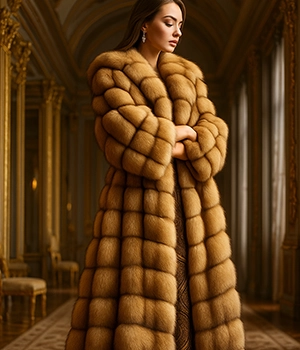
Sable represents restraint. It is rare, understated, and historically reserved
for those who did not need to announce their influence. Its softness carries depth
rather than flash.
Discover refined sable pieces here:
Sable Coats & Jackets

Fox: Drama and Expression
Fox fur is movement, dimension, and bold identity. It expands silhouette dramatically
and creates visual rhythm with every step. For those who embrace presence rather than
avoid it, fox becomes expressive armor.
View statement fox styles here:
Fox Coats & Jackets

Chinchilla: Refinement and Precision
Chinchilla communicates luxury through softness rather than volume. It is tactile,
lightweight, and visually refined. Its impact lies in subtlety—the kind of elegance
that speaks without spectacle.
Explore chinchilla designs here:
Chinchilla Coats & Jackets

Armor in a Modern Context
Today’s renewed interest in fur is not rooted in nostalgia—it is rooted in presence.
In an era of minimalist layering and muted palettes, bold outerwear disrupts sameness.
It reclaims individuality.
Modern wearers are not replicating television moments; they are adopting a mindset.
Strength expressed through silhouette. Confidence expressed through material.
Identity expressed without apology.
Fur remains one of the few garments that transforms posture instantly. Shoulders
square. Gait slows. Energy shifts. That transformation is psychological as much
as aesthetic.

Why It Still Resonates
Television amplified what fashion history has long understood—outerwear can be power.
Whether in cultural storytelling or modern luxury wardrobes, fur consistently
symbolizes control, confidence, and self-possession.
Trends rotate. Presence endures. And that enduring presence is why fur continues
to resonate—not as costume, not as nostalgia—but as modern armor for those who
understand that authority is often silent, yet always visible.
Get our fur guides first. One tap tells Google to show Marc Kaufman Furs at the top of your own Top Stories, Discover feed and AI Overviews.