Posted on

How to Store a Fur Coat

Cold Fur Storage

How to Store a Fur Coat?

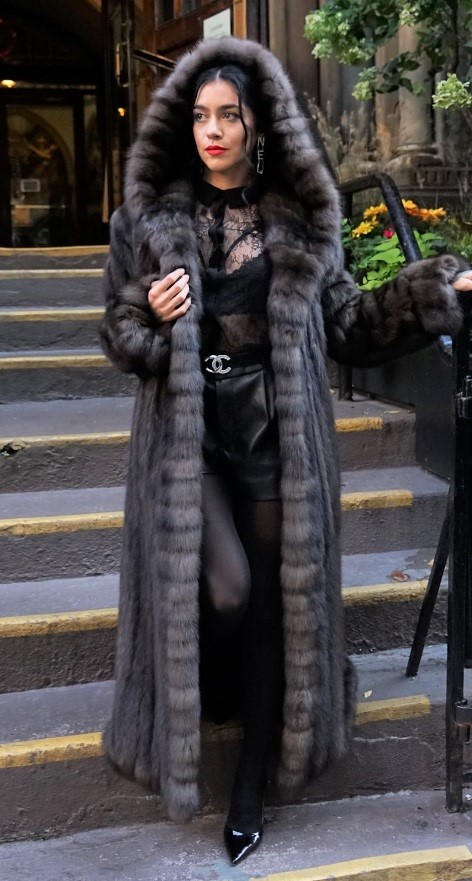
How to Store a Fur Coat? Proper storage of a fur coat is crucial to ensure that it retains its quality and longevity.

How to Store a Fur Coat

Proper storage of a fur coat is crucial to ensure that it retains its quality and longevity. Here are some steps you can take to store a fur coat properly:

  1. Avoid plastic bags: Fur coats need to breathe, so avoid storing them in plastic bags. Instead, use a breathable garment bag.
  2. Store in a cool, dry place: Avoid storing your fur coat in a place that is exposed to heat or moisture. A cool, dry place with good ventilation is ideal.
  3. Avoid direct sunlight: Sunlight can cause the fur to fade or discolor, so avoid storing your fur coat in direct sunlight.
 
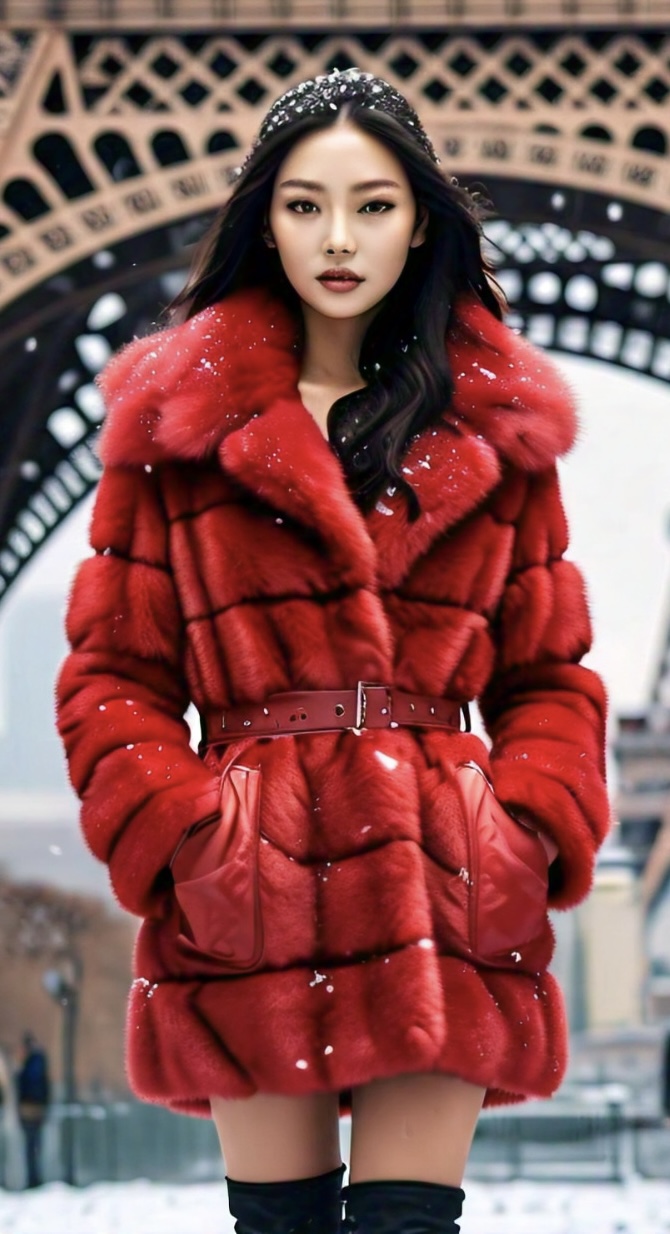
Red Mink Jacket
Red Mink Jacket
 
  1. Clean the fur coat before storage

The first step to storing your fur coat properly is to ensure that it’s clean. Dirt, dust, and other debris can attract moths and other pests, which can cause damage to your fur coat. So before storing it, take it to a professional cleaner to have it cleaned and conditioned. A professional cleaner will remove any dirt or stains and apply a special conditioner to the fur, which will help prevent it from drying out.

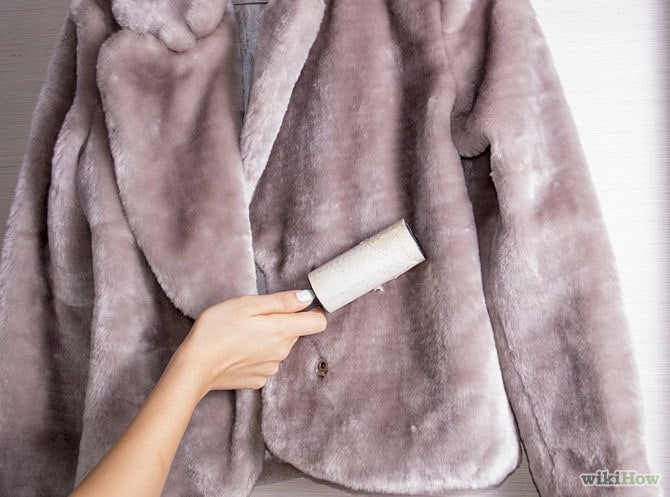
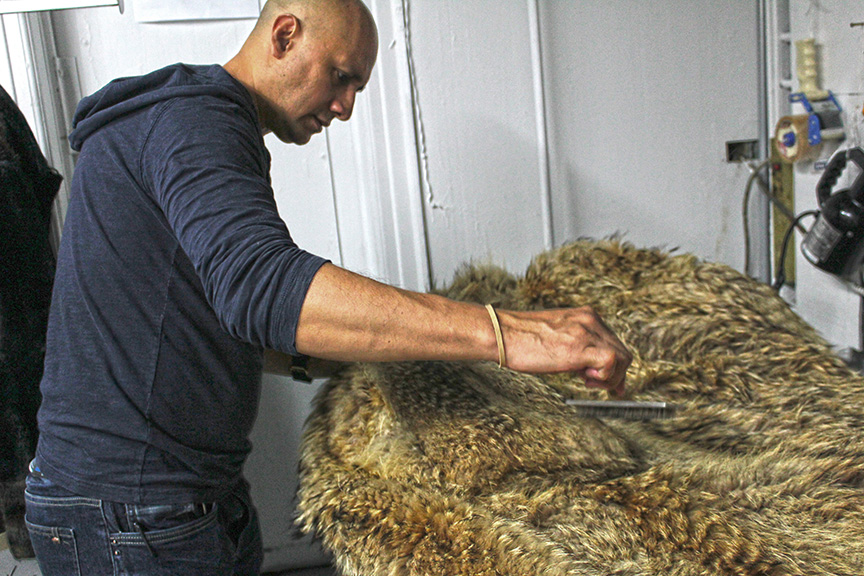
Fur Cleaning
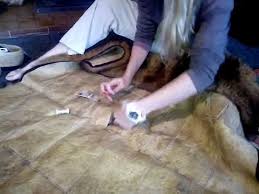
Modelling fur cleaning at a furrier’s shop
  1. Use a breathable garment bag

Once your fur coat is clean and conditioned, it’s time to store it. Avoid storing your fur coat in plastic bags, as they can trap moisture and cause the fur to become musty. Instead, use a breathable garment bag that allows air to circulate. A good garment bag should be made of natural materials, such as cotton or linen, and should be large enough to accommodate your fur coat.

  1. Store the fur coat in a cool, dry place

The environment in which you store your fur coat is crucial. Avoid storing it in a place that’s exposed to heat or humidity, such as a basement or attic. Instead, store it in a cool, dry place with good ventilation, such as a closet. Ideally, the temperature should be between 45 and 55 degrees Fahrenheit, with a humidity level of 50 percent.

ColdFur Storage
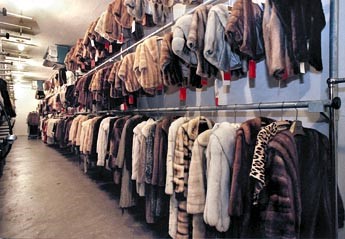
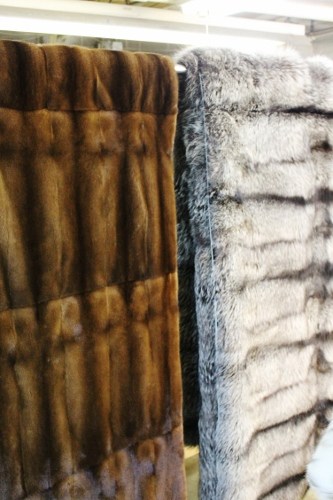
Fur Storage vault
  1. Avoid direct sunlight

Sunlight can cause the fur to fade or discolor, so avoid storing your fur coat in direct sunlight. If you must store it in a room with windows, use curtains or blinds to block out the sunlight.

  1. Use a proper hanger

When hanging your fur coat, use a padded hanger that’s wide enough to support the shoulders. Avoid using wire hangers, as they can damage the fur. A good hanger should be made of sturdy material, such as wood or plastic, and should have a wide, contoured shape to mimic the shape of your shoulders.

  1. Don’t store anything on top of the fur coat

Avoid storing anything on top of your fur coat, as it can crush the fur and cause it to lose its shape. If you need to stack items on top of it, place a piece of cardboard or a plastic sheet between the items and the fur coat to protect it.

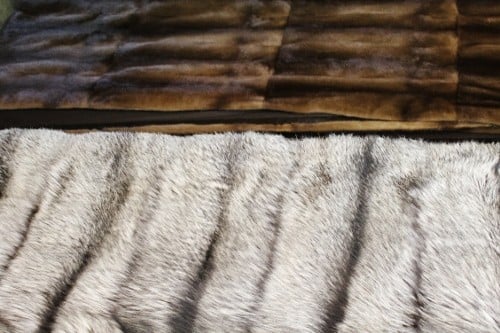
Fur cleaning and storage
Fur cleaning and storage time is here
  1. Brush regularly

Brushing your fur coat regularly is essential to keep it looking its best. Use a soft-bristled brush to gently remove any dirt or debris from the fur. Always brush in the direction of the fur, and avoid brushing too vigorously, as this can damage the fur.

  1. Protect against moths

Moths can be a major problem for fur coats, as they’re attracted to the natural fibers in the fur. To protect your fur coat against moths, place a few mothballs or cedar chips in the garment bag. Alternatively, you can use a moth-repellent spray, which is available at most home goods stores.

Fur Cleaning Experts
  1. Have it professionally cleaned and stored once a year

Finally, it’s important to have your fur coat professionally cleaned and stored once a year. A professional cleaner will remove any stains and help maintain the quality of the fur. They’ll also inspect the coat for any signs of damage, such as rips or tears, and make any necessary repairs. After cleaning, your fur coat will be stored in a temperature-controlled vault to protect it against damage.

In conclusion, proper storage is crucial to ensure the longevity of your fur coat. By following these tips, you can keep your fur coat looking its best for many years to come. Remember to clean it

How to Store a Fur Coat? Proper storage of a fur coat is crucial to ensure that it retains its quality and longevity.

Posted on

What is the Warmest Fur Coat

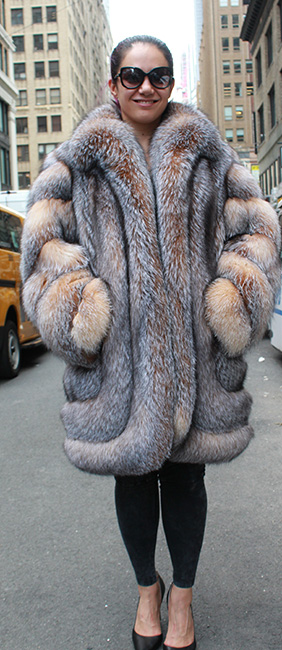
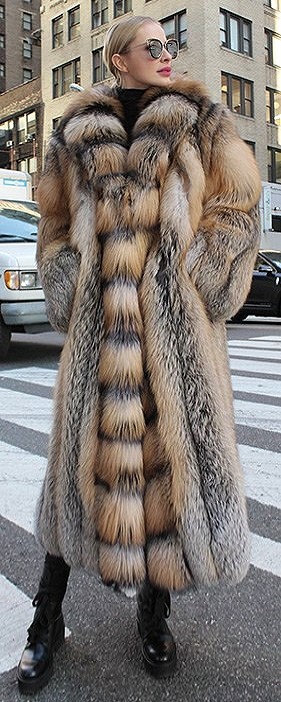
Full-Length Cross Fox Fur Coat Tuxedo Cross Fox Fur

What is the Warmest Fur Coat

What is the Warmest Fur Coat? The warmest fur depends on several factors, including the type of fur used, the thickness of the pelt, the density of the fur.

The warmest fur depends on several factors, including the type of fur used, the thickness of the pelt, the density of the fur, and the construction of the coat itself. Some of the warmest furs include Canadian lynx, Russian sable, chinchilla, and red fox.

Russian Sable Coat
Russian Barguzin Sable Coat

Canadian lynx fur is considered one of the warmest and softest furs available, with a density of around 25,000 hairs per square inch. The fur is also quite thick, with long, soft guard hairs that trap air close to the body, providing excellent insulation.

Russian sable fur is also very warm, with a density of around 40,000 hairs per square inch. It is typically made from the belly fur of the animal, which is the softest and most desirable part of the pelt.

Chinchilla fur is one of the softest and most luxurious furs available, with a density of around 60,000 hairs per square inch. It is quite warm, with a thick, dense pelt that traps air close to the body.

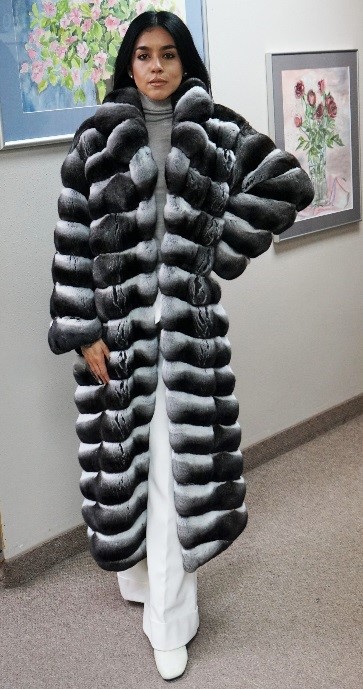
Chinchilla Full-Length Fur Coat
chinchilla coat

Red fox fur is one of the warmest and most durable furs available, with a density of around 20,000 hairs per square inch. The fur is also quite thick, with long, soft guard hairs that provide excellent insulation.

It is important to note that fur coats are typically very warm and are designed to provide insulation against cold weather. However, there are many alternatives to fur that are just as warm and comfortable, such as synthetic or faux fur, down, and other materials. These options are often more affordable and do not involve the use of animal products, making them a popular choice for many consumers.

The coldest temperature at which a fur coat can be worn depends on several factors, including the type of fur used, the thickness of the pelt, the density of the fur, and the construction of the coat itself, as well as the individual’s tolerance to cold.

Fur coats are designed to provide insulation and warmth, so they are typically well-suited for cold weather. However, it is important to note that different types of fur have varying degrees of warmth and insulation, and some furs may be more suitable for extremely cold temperatures than others.

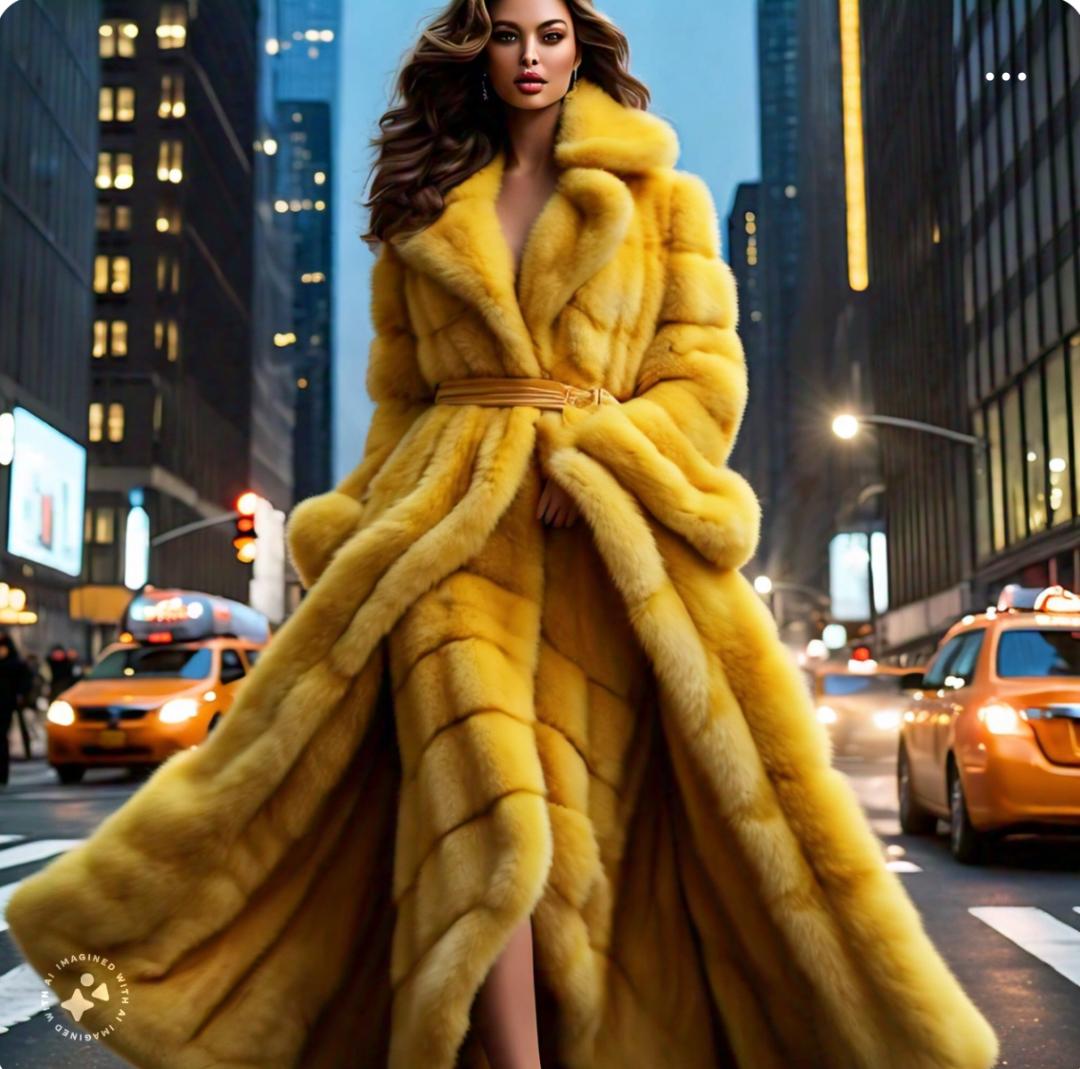
Yellow Mink Coat
Full Length Yellow Mink Coat

For example, a fur coat made from a thick, dense pelt such as chinchilla or Canadian lynx may be more suitable for extremely cold temperatures than a coat made from a lighter-weight fur such as rabbit or mink. Similarly, a coat with a high collar and a hood may provide more protection against the cold than a coat with a lower collar.

Generally speaking, fur coats can be worn in very cold temperatures, such as those found in Arctic or subarctic regions. However, it is important to dress in layers and to take other precautions to stay warm and safe in extreme cold, such as wearing insulated boots, gloves, and hats, and avoiding prolonged exposure to the cold.

For example, a high-quality fur coat made from Canadian lynx, Russian sable, chinchilla, or red fox can provide warmth and comfort in temperatures as low as -40 degrees Fahrenheit or even colder. However, it is important to note that the temperature rating of a fur coat also depends on individual preferences, body type, and activity level.

Tourmaline Mink Coat Horizontal Full Length
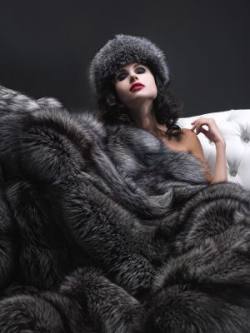
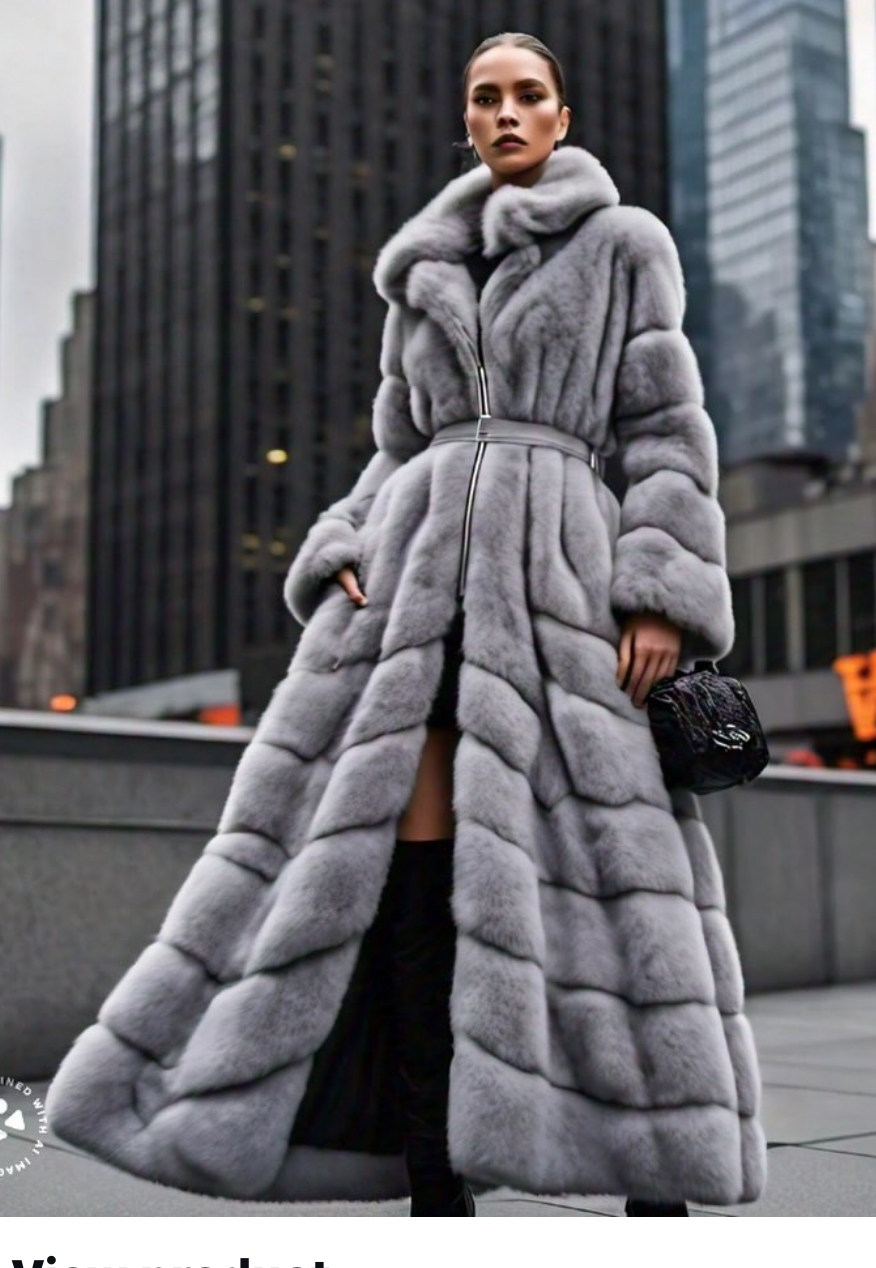
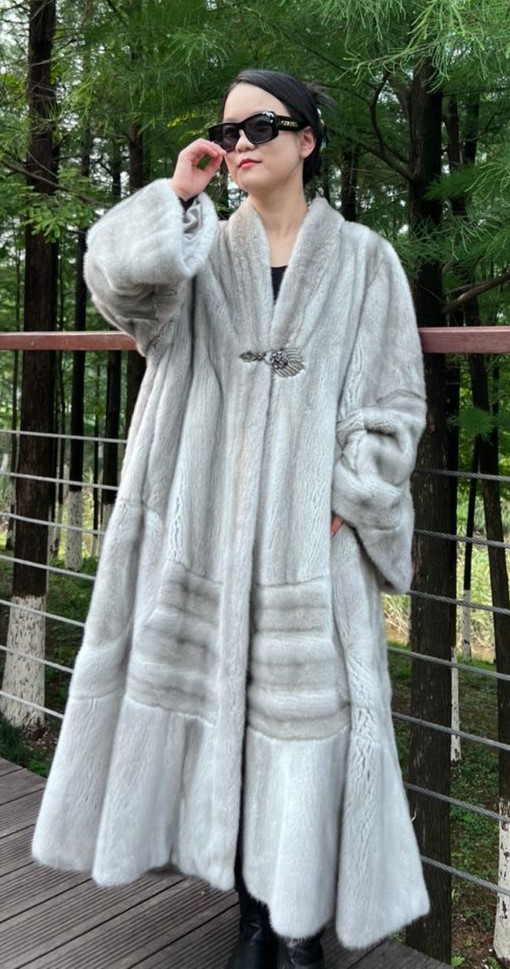
A woman in a fur coat

In extremely cold temperatures, it is important to wear additional layers of clothing and accessories such as gloves, hats, and scarves to provide extra insulation and protection. It is also important to take breaks and warm up indoors frequently to prevent hypothermia and other cold-related health issues.

Additionally, it is important to note that fur coats are not suitable for all climates and situations. They are typically heavy and bulky, making them uncomfortable to wear in milder temperatures or in situations where a lot of physical activity is involved. In such cases, lighter and more breathable materials such as down or synthetic insulation may be more appropriate.

Posted on

How to Buy a Mink Coat

Tourmaline Mink Coat Horizontal Full Length

How to Buy a Mink Coat

How to Buy a Mink Coat Start by gathering inspiration for your fur coat design. Look at fashion magazines, runway shows, and online sources for ideas.

Sapphire Directional Mink Coat

Designing a fur coat involves several steps, from conceptualization to execution. Here’s a general outline of the process:

Tourmaline Mink Coat Horizontal Full Length
  1. Conceptualization and Inspiration:
    • Start by gathering inspiration for your fur coat design. Look at fashion magazines, runway shows, and online sources to get ideas.
    • Consider the purpose of the fur coat. Is it for everyday wear, a special occasion, or a fashion statement?
  2. Material Selection:
    • Choose the type of fur you want to use. Common fur choices include mink, fox, rabbit, chinchilla, and faux fur for ethical and sustainable options.
    • Select the color of fur that fits your design concept.
  3. Sketching and Design:
    • Create detailed sketches of your fur coat design, including front and back views, as well as any special features or embellishments you want to add.
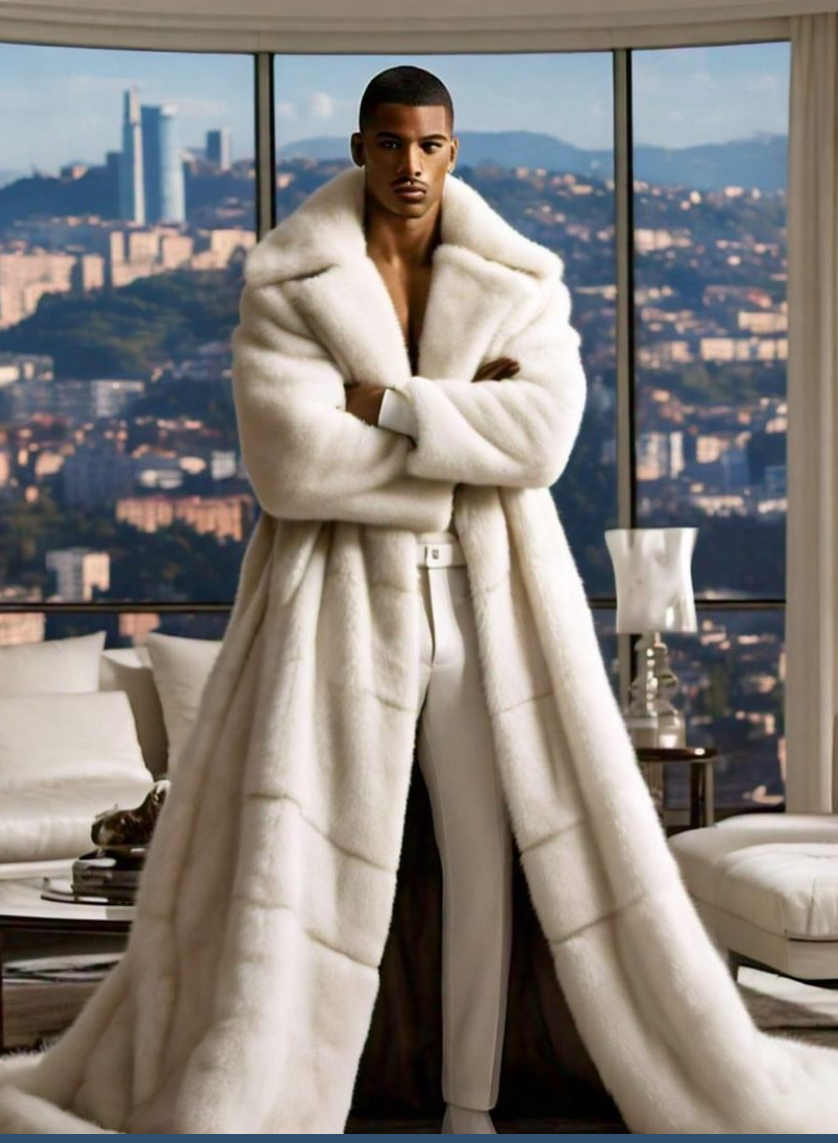
Custom Designed White Mink Men's Fur Coat
Custom Designed White Mink Men’s Fur Coat
  • Pattern Making:
    • Develop a pattern for your fur coat based on your sketches. This pattern will serve as a blueprint for cutting and sewing the fur.
    • Consider the size, fit, and style of the coat as you create the pattern.
  • Sourcing and Cutting:
    • Purchase the necessary amount of fur for your coat. Pay attention to the grain and direction of the fur for consistency.
    • Lay out your pattern pieces on the fur and carefully cut them out, ensuring that the fur is facing in the right direction.
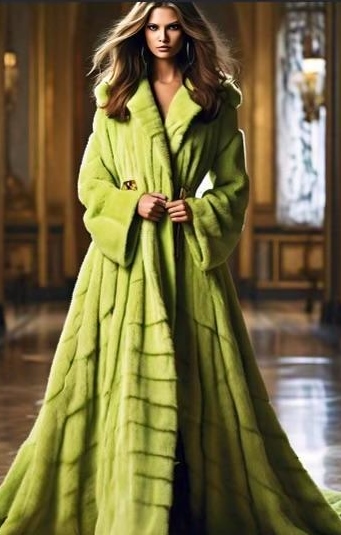
Chartreuse Green Mink Coat
  • Sewing and Assembly:
    • Sew the pieces together using a strong, appropriate thread for fur.
    • Pay attention to the seams and make sure they are well-constructed to avoid shedding and ensure durability.
  • Fitting and Adjustments:
    • Try on the fur coat or use a fitting model to check for fit and comfort.
    • Make any necessary adjustments to ensure a perfect fit.
  • Finishing Touches:
    • Add any embellishments, such as buttons, clasps, or a lining, to enhance the coat’s aesthetics and functionality.
Designer Lavender Mink Coat
  • Quality Control:
    • Inspect the fur coat thoroughly for any defects, loose seams, or irregularities.
    • Trim any excess fur or threads and ensure the lining is properly attached.
  • Cleaning and Maintenance:
    • Provide care instructions to the customer if you are selling the fur coat.
    • Advise on proper storage and cleaning methods, as fur requires special care to maintain its quality.
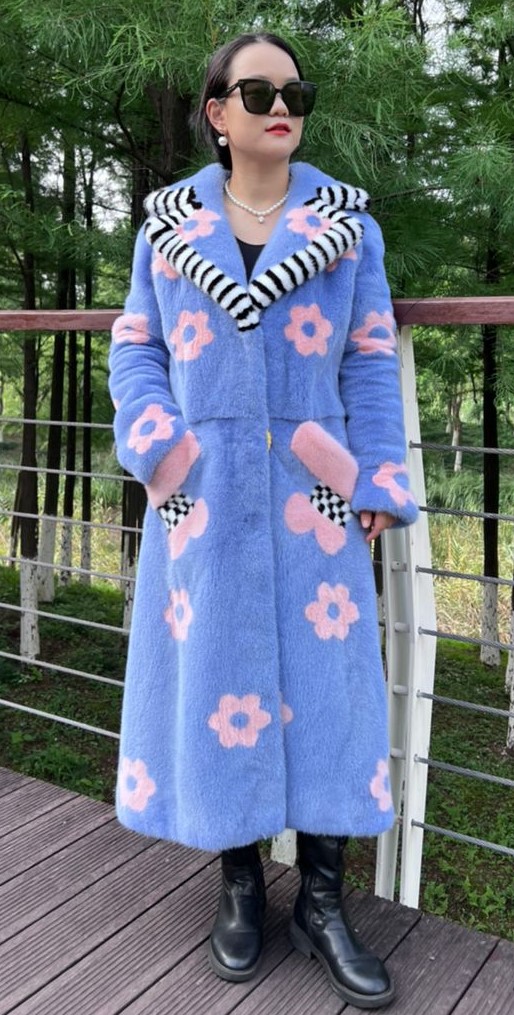
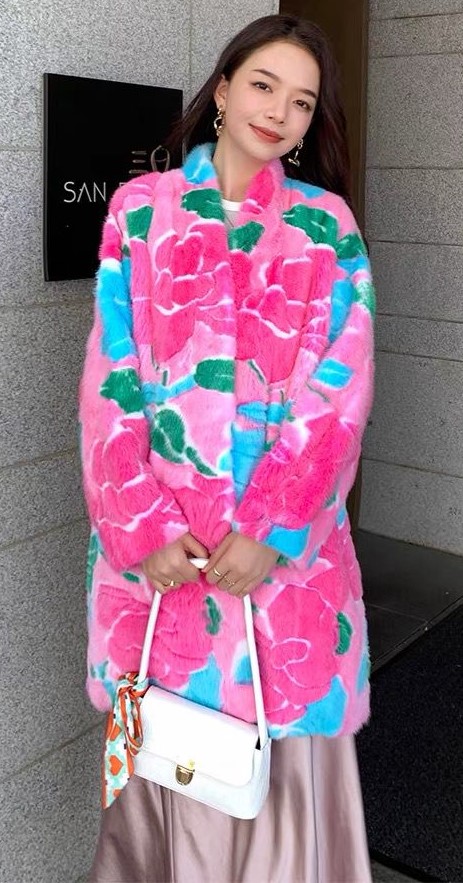
Pink Floral Mink Coat
  • Presentation and Packaging:
    • If you’re selling the fur coat, package it in an attractive and protective manner.
    • Consider including a care guide and information about the fur used.
  • Marketing and Sales:
    • If you’re planning to sell your fur coats, create a marketing plan to reach your target audience.
    • Establish sales channels, whether through your own website, a physical store, or online marketplaces.
  • Marc Kaufman Furs    https://kaufmanfurs.com/

How to Buy a Mink Coat Start by gathering inspiration for your fur coat design. Look at fashion magazines, runway shows, and online sources for ideas.

Posted on

Fur Coat Remodeling

Fur Blanket Remodel

Fur Coat Remodeling

Fur Coat Remodeling is a great way to update an old or inherited fur garment or to repurpose fur from a vintage coat.

Fur Blanket Remodel
Fur Blanket Remodel

Remodeling a fur coat is a great way to update an old or inherited fur garment or to repurpose fur from a vintage coat. Here are some steps to consider if you want to remodel a fur coat:

Fur Coat Repairs Are Us Marc Kaufman Furs
  1. Set Your Goals: Determine what you want to achieve with the remodeling. Are you looking to modernize the style, resize it, or repurpose the fur into a different type of garment or accessory?
  2. Consult a Furrier: It’s essential to consult with a professional furrier who specializes in fur coat remodeling. They can assess the condition of the fur, provide design suggestions, and give you an estimate for the cost of the project.
  3. Choose a New Style: If you’re updating the style of the coat, work with the furrier to decide on the new design. You can change the length, collar, cuffs, and other features to suit your preferences and current fashion trends.
  4. Resizing: If the coat is too large or too small, it can be resized to fit you better. Keep in mind that resizing a fur coat can be a complex process, and it’s crucial to work with an experienced furrier to ensure the fur remains intact.
  5. Repurposing: If you want to repurpose the fur into a different garment or accessory, discuss your ideas with the furrier. Fur can be transformed into various items like vests, scarves, hats, or even blankets.
Fur Blanket Remodel
Fur Blanket Remodel
  • Repair and Maintenance: In the remodeling process, any damaged or worn parts of the fur should be repaired. The furrier will also perform maintenance tasks like cleaning and conditioning the fur to ensure it looks its best.
  • Ethical Considerations: Be mindful of ethical and environmental concerns associated with fur. If you’re uncomfortable with using real fur, consider exploring faux fur alternatives or repurposing the fur for non-wearable items.
  • Cost Considerations: Fur remodeling can be expensive, depending on the complexity of the project and the quality of the fur. Make sure you understand the costs involved before proceeding.
  • Time Frame: The remodeling process may take some time, so be prepared for your coat to be with the furrier for a while.
  • Care and Storage: Once your remodeled fur coat is ready, be sure to follow proper care and storage guidelines to maintain its beauty and longevity.
  •  
make fur balnket
Repair Fur

Remember that the quality of the work largely depends on the skill and expertise of the furrier you choose. It’s crucial to work with a reputable professional to ensure that your remodeled fur coat meets your expectations.

art of fur indigo fox blanket
Art of fur indigo fox blanket

Marc Kaufman Furs

MARC KAUFMAN FURS | Fur storage,fur cleaning and repairs NYC

Fur clothing – Wikipedia

List of types of fur – Wikipedia

Posted on

How to Choose the Right Color Mink Coat

Sapphire Full Length Mink Coat

How to Choose the Right Color Mink Coat

How to Choose the Right Color Mink Coat depends on your personal preferences, skin tone, style, and the occasions you plan to wear it for.

Choosing the right color for a mink coat depends on your personal preferences, skin tone, style, and the occasions you plan to wear it for. Here are some steps to help you select the perfect color for your mink coat:

royal blue mink coat
  1. Consider your skin tone:
    • Cool-toned skin: If you have cool undertones in your skin, you may look great in colors like silver, gray, sapphire blue, or pastel shades.
    • Warm-toned skin: If you have warm undertones, colors such as rich browns, deep burgundies, golden yellows, and forest greens may complement your complexion.
Sapphire Directional Mink Coat
  • Think about your wardrobe:
    • Choose a mink coat color that will harmonize with your existing wardrobe. Neutral colors like black, brown, and gray are versatile and easy to pair with various outfits.
    • If you want a statement piece, consider bold colors like red, royal blue, or emerald green.
  • Occasion and purpose:
    • Consider where and how often you plan to wear the mink coat. If it’s for formal events, a classic color like black or dark brown may be suitable. For casual wear, you could explore lighter or more vibrant colors.
    • If it’s for everyday use, think about practicality. Darker colors tend to hide stains and wear better over time.Personal style:
      • Your personal style and taste should play a significant role in color selection. If you have a preference for classic and timeless pieces, neutral colors might be your best choice. On the other hand, if you love making a fashion statement, bold and unique colors can be appealing.
White Mink Coat Full Length
  • Trend vs. Timelessness:
    • Consider whether you want a mink coat that follows current fashion trends or one that will remain stylish for many years. Classic colors like black, brown, and gray are less likely to go out of style.
  • Try before you buy:
    • Whenever possible, try on different mink coat colors to see how they look against your skin and how they make you feel.
  • Seek advice:
    • Don’t hesitate to ask for advice from friends, family members, or a professional stylist if you’re uncertain about which color suits you best.
  • Quality matters:
    • Regardless of the color you choose, prioritize the quality of the mink fur. A well-made mink coat will not only look better but also last longer.
Tourmaline Mink Coat Horizontal Full Length

Remember that the choice of color ultimately depends on your personal preferences and what makes you feel confident and comfortable. Whether you opt for a classic, neutral color or something more unique, make sure the mink coat complements your style and enhances your overall appearance.

Designer Lavender Mink Coat

Marc Kaufman Furs

212 West 30th St

NYC NY 10001

212-563-3877

Posted on

Places to Wear Your Fur Coat

Demi Mink Jacket Notched Collar
Hypnotic Girls Marc Kaufman Party NYC Baltimore detroit
The Hypnotic Girls at Marc Kaufman Furs NYC Party
  • Fashion Events: Fur coats can make a stylish choice for fashion shows, runway events, or fashion-related gatherings.

Places to Wear Your Fur Coat

  • Cold Weather Destinations: In cold climates or during the winter season, a fur coat can be a practical and fashionable choice for staying warm while exploring the outdoors.
  • Theater or Opera: Dressing up for a night at the theater or opera can be a fun occasion to wear a fur coat.
Marc Kaufman Furs Fur Party
  • Art Galleries and Museums: If you’re looking to make a statement while appreciating art, a fur coat can add a touch of glamour to your visit.
  • Exclusive Parties: Some upscale parties and events may have a dress code that allows for luxurious attire like fur coats.
Violet fox jacket
Violet fox jacket
  • Vintage Shopping: When browsing vintage shops or attending vintage-themed events, a fur coat can complement the aesthetic.
  • Themed Parties: Depending on the theme of a party, a fur coat could fit in well. For example, a 1920s Gatsby-themed party might call for fur.
  • Charity Galas: High-end charity events often have a formal dress code, making a fur coat an appropriate choice.
White Mink Coat Full Length
  • Cruises: Some cruise vacations, particularly those in colder regions, may offer opportunities to wear a fur coat on formal nights.
  • Special Occasions: If you have a special occasion like an anniversary dinner or a milestone birthday celebration at an upscale restaurant, a fur coat can be a glamorous choice.
  • Marc Kaufman Furs  

Places to Wear Your Fur Coat make a stylish choice for fashion shows, runway events, or fashion-related gatherings.

Places to Wear Your Fur Coat

Posted on

Remodel Mink Coat Into Fur Blanket

red fox fur blanket

Remodel Mink Coat Into Fur Blanket

Remodel Mink Coat Into Fur Blanket Repurposing a mink coat into a blanket is a creative and sustainable way to give new life to an old or unused garment.

Repurposing a mink coat into a blanket is a creative and sustainable way to give new life to an old or unused garment. However, it’s important to approach this project with care, as mink fur is delicate and requires special handling. Here’s a general guide on how you might go about transforming a mink coat into a blanket:

A professional Furrier is Recommended.

red fox fur blanket
red fox fur blanket

Materials and Tools Needed:

  1. Mink coat
  2. Lining fabric (optional)
  3. Sewing machine or needle and thread
  4.  
  5. Measuring tape
  6. Pins
  7. Fabric marker or chalk
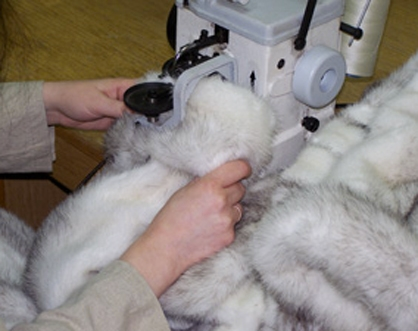
Fur sewing machine
Fur sewing machine

Steps:

  1. Assess the Coat: Examine the mink coat to determine its size and condition. Make sure it’s clean and in good shape, as you don’t want to use damaged fur for your blanket.
  2. Decide on the Size: Decide how large you want your blanket to be. You can choose to use the entire coat or just a portion of it, depending on your preferences and the size of the coat.
  3. Cut the Coat: Using a furrier knife, carefully cut the mink coat according to your desired size and shape. Be precise and take your time to ensure even edges.
  4. Lining (Optional): If you want to add a lining to your blanket for extra warmth or to enhance its appearance, cut a piece of lining fabric to the same size as your mink fur piece.
  5. Pin and Sew: If you’re using a lining, pin the mink fur piece and the lining fabric together with the fur side facing inwards. Leave a small opening for turning the blanket right side out. If you’re not using a lining, skip this step.
  6. Sew the Edges: Using a sewing machine or hand stitching, sew along the edges, leaving the small opening you created in step 5. Make sure to use a strong and appropriate needle and thread for sewing fur.
  7. Turn Right Side Out: Carefully turn the blanket right side out through the opening you left. Be gentle with the mink fur to avoid damaging it.
  8. Close the Opening: Hand stitch or machine sew the opening closed.
  9. Re-block Coat: Lay coat on table, slightly dampen coat and stretch until garment is flat or in the shape that you are looking for. Do not over dampen, because fur can tear easily
  10. Finish the Edges (Optional): If desired, you can add a decorative border or trim to the edges of your mink fur blanket for a polished look.
  11. Care and Maintenance: Mink fur requires special care. Avoid exposing it to direct sunlight, excess moisture, and heat. Store it in a cool, dry place and consider professional cleaning when necessary.

Please note that repurposing a mink coat into a blanket may not be to everyone’s taste, as it involves altering a luxury item. Consider the sentimental and ethical aspects of such a project before proceeding. Additionally, if you’re unsure about any of the steps or lack the necessary sewing skills, it’s a good idea to consult a professional furrier or tailor for guidance and assistance.

Expert Fur Repairs
Expert Fur Repairs

Marc Kaufman Furs 

212 West 30th St

NYC NY 10001

212-563-3877

Fur expert in fur remodeling and repairs

Posted on

LEARN THE FUR TRADE

Fur sewing machine
Learning about the fur trade involves understanding its historical significance, economic aspects, social impact, and the various players involved. Here’s a step-by-step guide on how to learn about the fur trade:
  1. Start with Background Research:
    • Begin by researching the fur trade’s history, which spans several centuries and regions. Understand the different eras, locations, and key players involved.
  2. Read Books and Articles:
    • Look for reputable books and academic articles on the fur trade. Some classic texts include “The Fur Trade in Canada” by Harold Innis and “Empire of the Bay” by Peter C. Newman.
  3. Visit Museums and Exhibits:
    • Many museums, especially in regions with a strong fur trade history (such as Canada and the American Midwest), have exhibits dedicated to the fur trade. These can provide a hands-on learning experience.
  4. Online Resources:
    • Explore online resources, including websites, documentaries, and academic papers. Websites like the Canadian Museum of History and the Hudson’s Bay Company Archives offer valuable information.
Fur Coat Repairs Are Us Marc Kaufman Furs
  • Join a Historical Society:
    • Consider joining a local historical society or fur trade reenactment group. These organizations often offer educational programs, events, and access to experts.
  • Watch Documentaries and Films:
    • There are several documentaries and historical films that cover the fur trade. Examples include “The Fur Trade” by PBS and “The Revenant” (though it’s a fictionalized account, it provides some insights).
  • Study the Economics:
    • Understand the economic aspects of the fur trade, including its impact on global trade, the role of fur companies like the Hudson’s Bay Company and the North West Company, and the development of trading posts.
    • Learn About Indigenous Involvement:
      • Recognize the vital role that Indigenous peoples played in the fur trade. Study their cultures, languages, and the treaties and agreements that shaped their interactions with European fur traders.
  • Read Primary Sources:
    • Delve into primary sources such as journals, diaries, and letters from fur traders and explorers. These can offer firsthand accounts of the fur trade.
  • Visit Historic Sites:
    • If possible, visit historic fur trade sites like trading posts, forts, and rendezvous locations. Walking in the footsteps of fur traders can provide a deeper understanding.
  • Attend Lectures and Seminars:
    • Look for lectures, seminars, and conferences related to the fur trade. These events often feature experts who can provide valuable insights.
  • Engage in Discussions:
    • Join online forums, discussion groups, or social media communities dedicated to fur trade history. Engaging in conversations with others who share your interest can enhance your learning.
  • Take Courses or Classes:
    • If you’re particularly passionate about the fur trade, consider enrolling in courses or workshops offered by universities or educational institutions.
  • Write or Create:
    • Summarize what you’ve learned through writing articles, essays, or creating presentations or videos. This can help reinforce your knowledge and share it with others.

LEARN THE FUR TRADE involves understanding its historical significance, economic aspects, social impact, and the various players involved.

Fur sewing machine
Fur sewing machine
  • Stay Updated:
    • Keep up with new research and discoveries related to the fur trade. The field of historical studies is continually evolving.

Remember that learning about the fur trade is a multi-faceted journey that can involve a combination of historical research, cultural exploration, and engagement with experts and enthusiasts. Be open to different perspectives and interpretations as you deepen your understanding of this important historical phenomenon.