Posted on

100 Reasons to Wear Fur Coats in Chicago

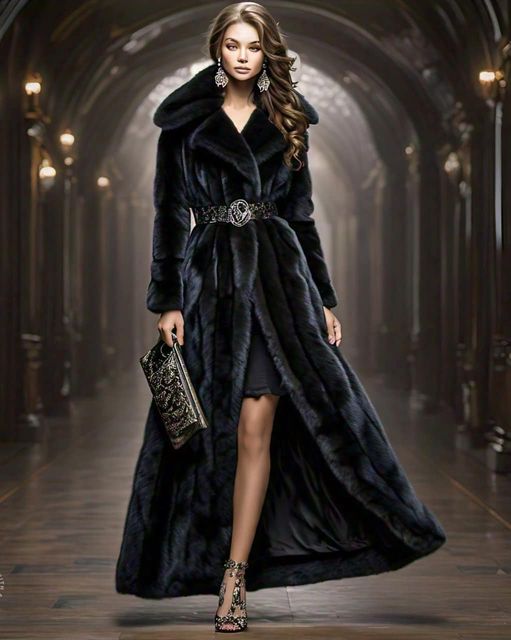
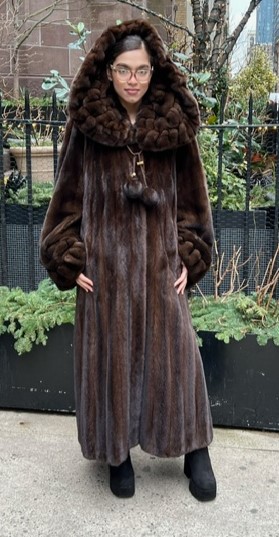
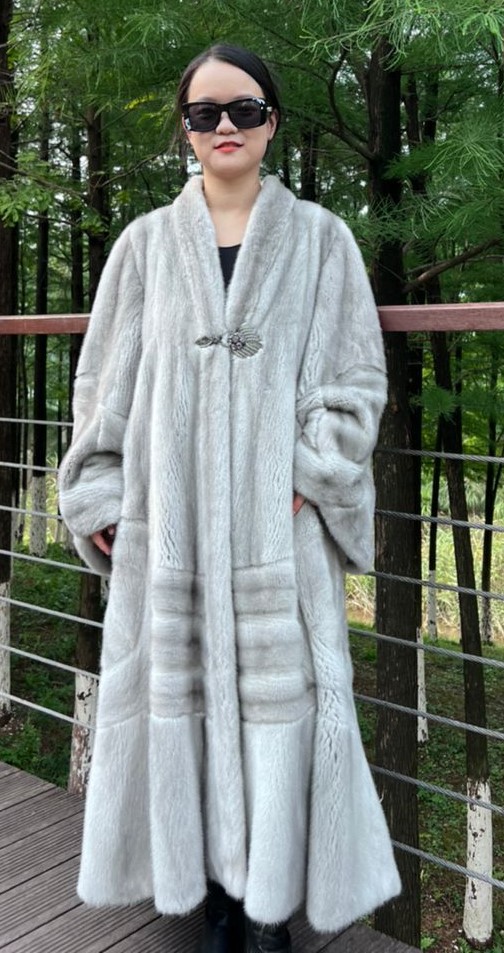
full length mahogany mink coat

Reasons to Wear Fur Coats in Chicago

Wearing a fur coat in Chicago, or any cold climate, can provide warmth and comfort during the harsh winter months. However, it’s essential to consider ethical and environmental factors when making fashion choices involving fur. Here are 100 reasons people might choose to wear a fur coat in Chicago, keeping in mind that some may prioritize warmth and style.

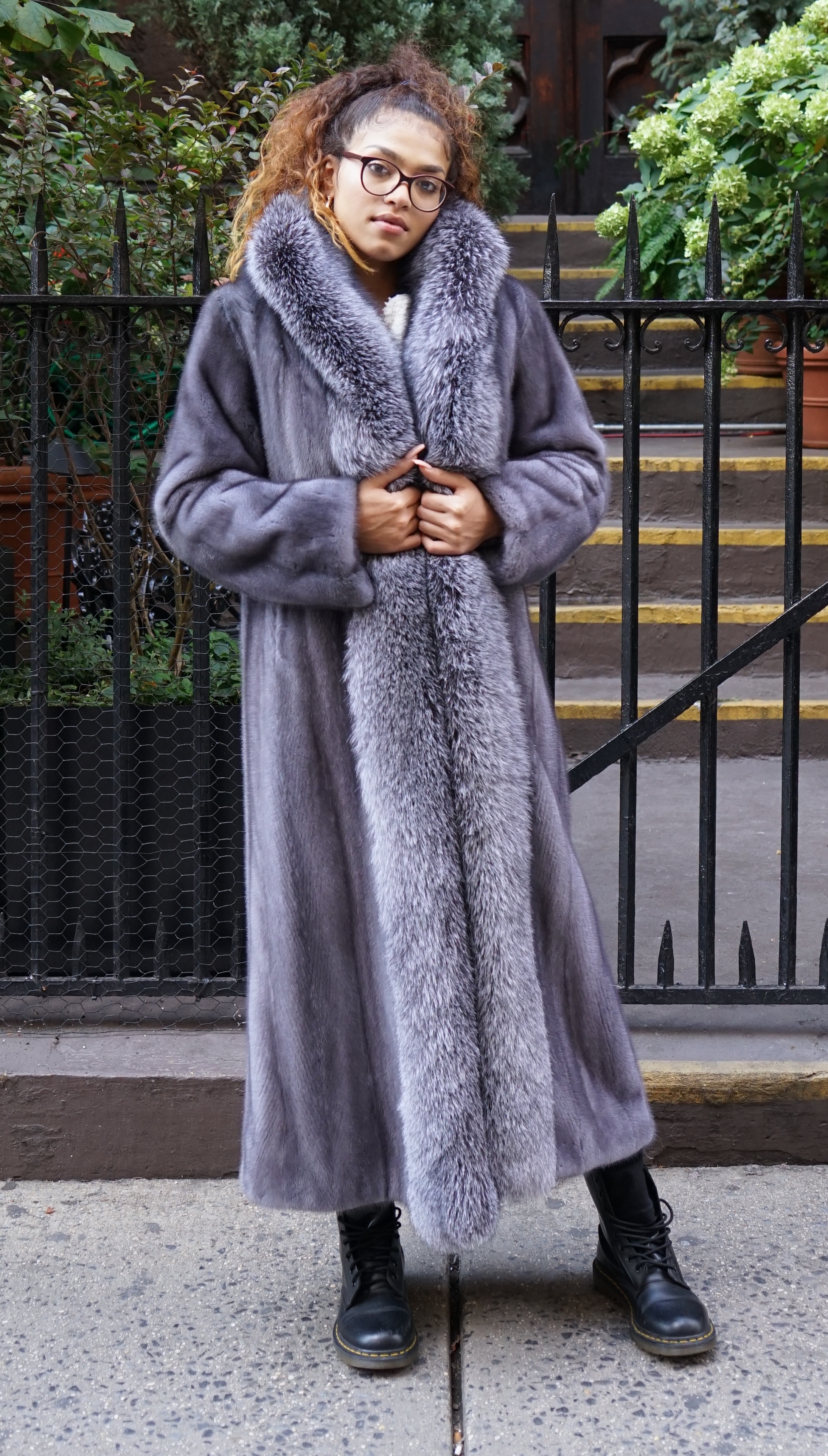
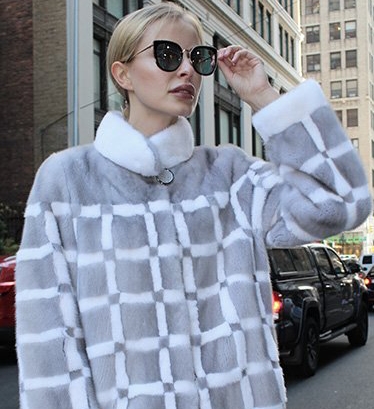
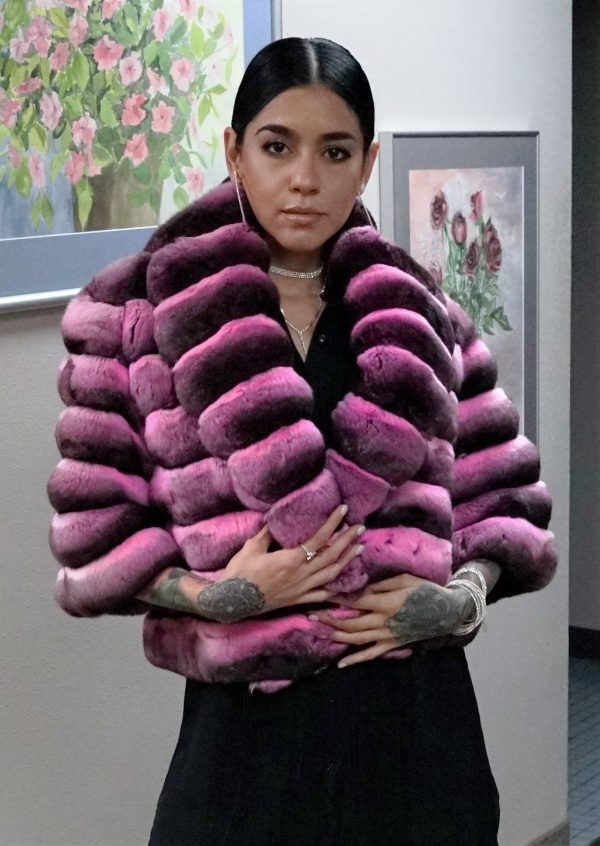
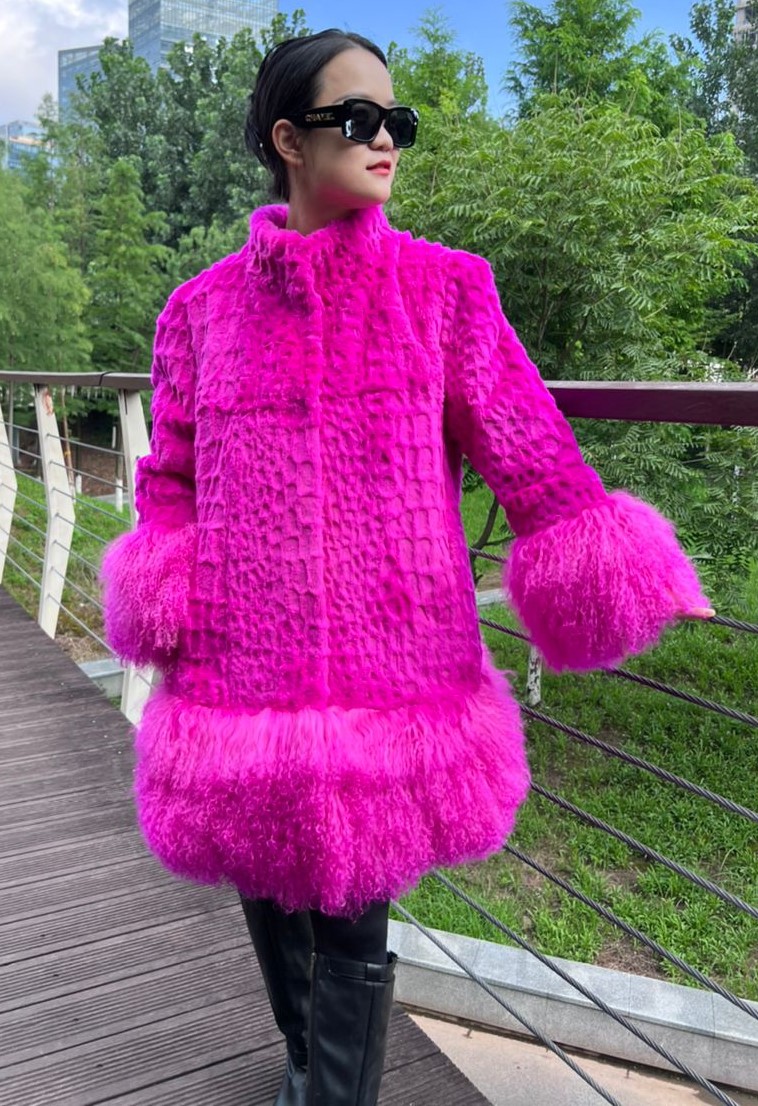
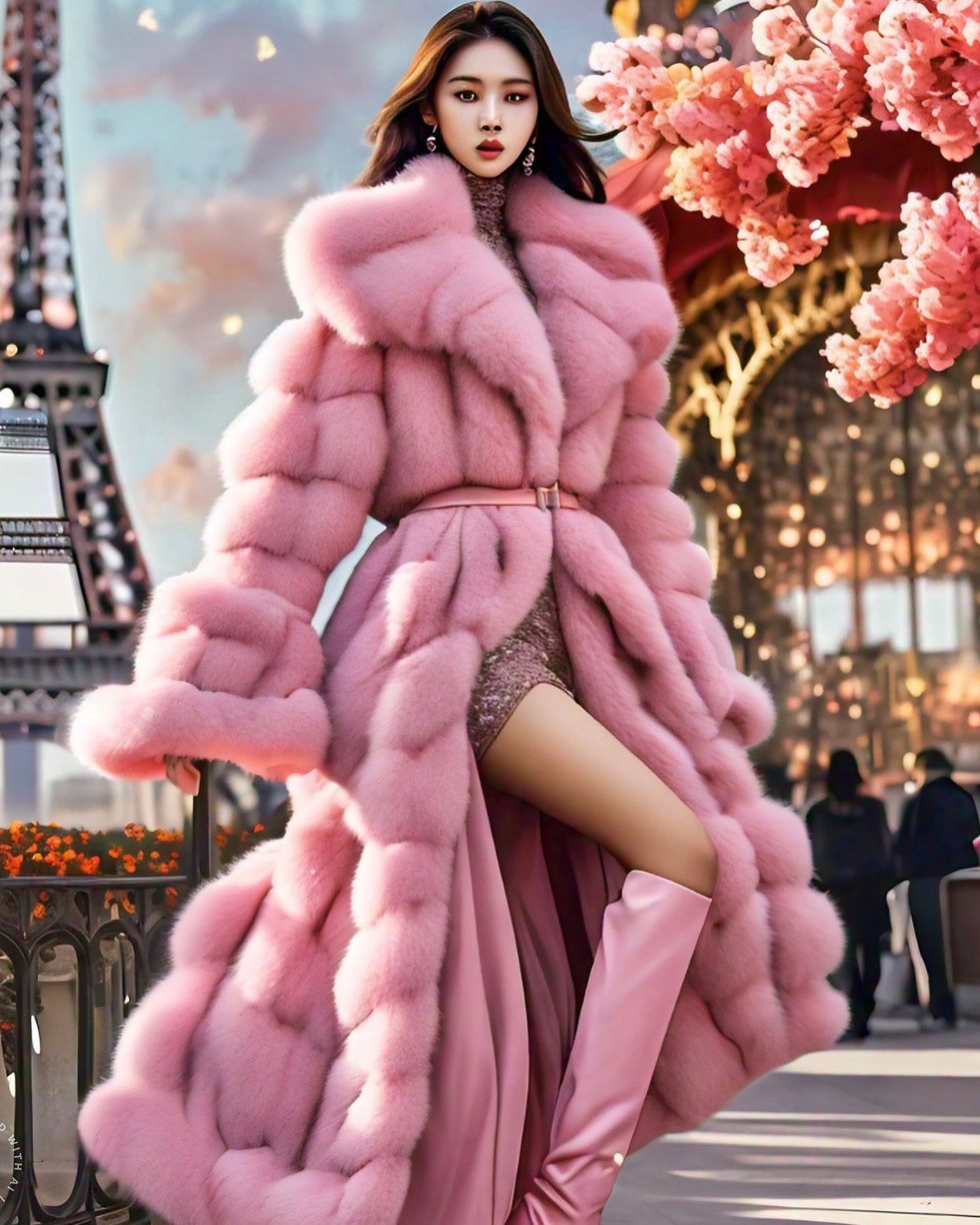
Pink Rex Rabbit Jacket Tibetan Lamb
  1. Exceptional warmth during Chicago’s cold winters.
  2. Protection against biting wind and frigid temperatures.
  3. Luxurious and classic style statement.
  4. Timeless fashion that doesn’t go out of style.
  5. Durability, as high-quality fur coats can last for many years.
  6. A sense of elegance and sophistication.
  7. Status symbol, denoting wealth and luxury.
  8. Comfort and coziness.
  9. Historical fashion tradition in cold climates.
  10. Practicality for surviving extreme cold.
  11. Enhanced insulation compared to synthetic materials.
  12. Natural insulating properties of fur.
  13. Soft and tactile texture.

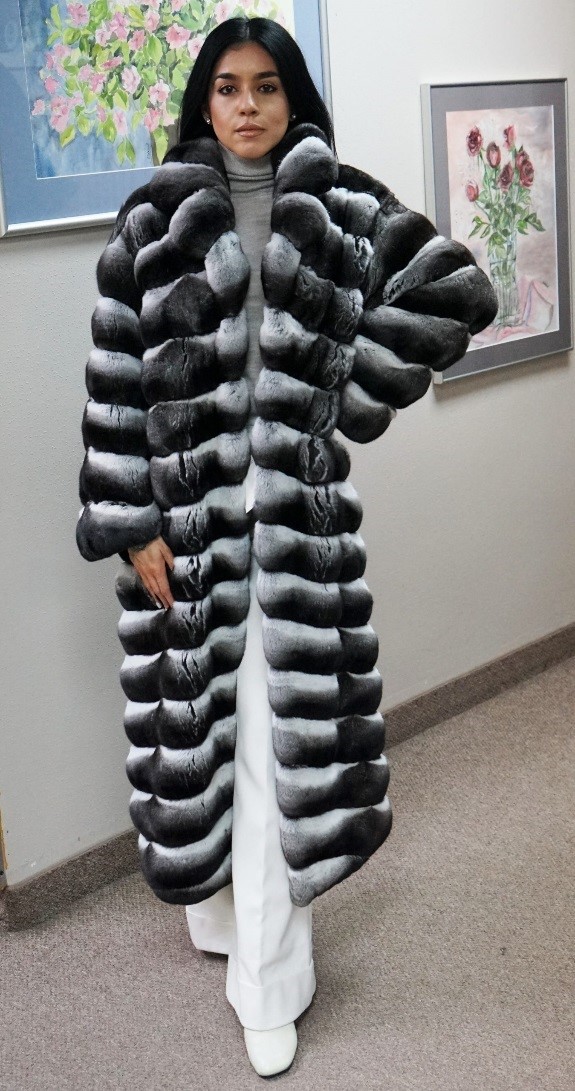
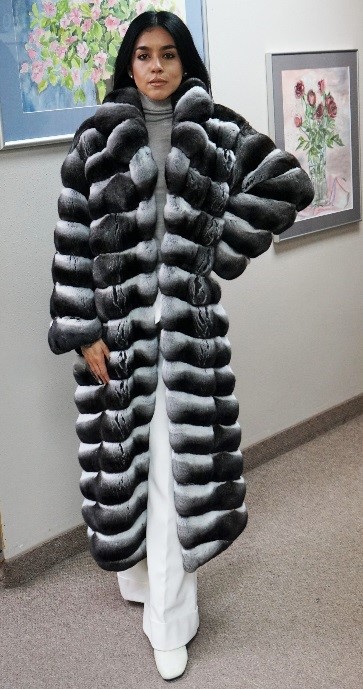
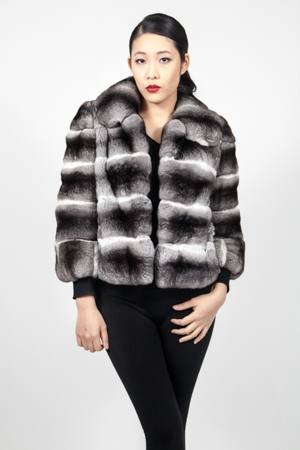
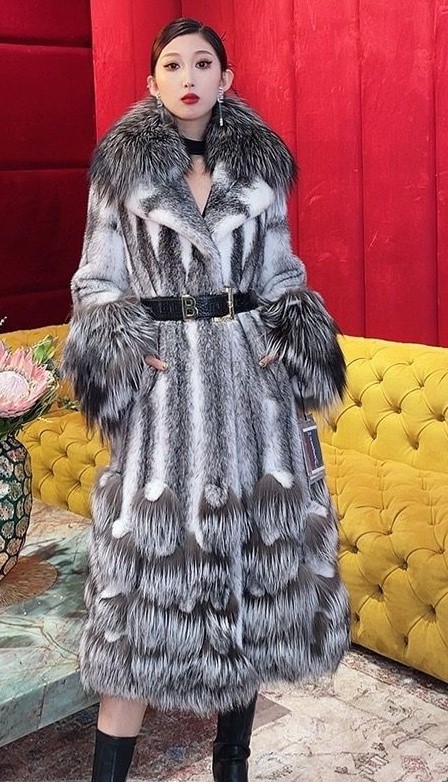
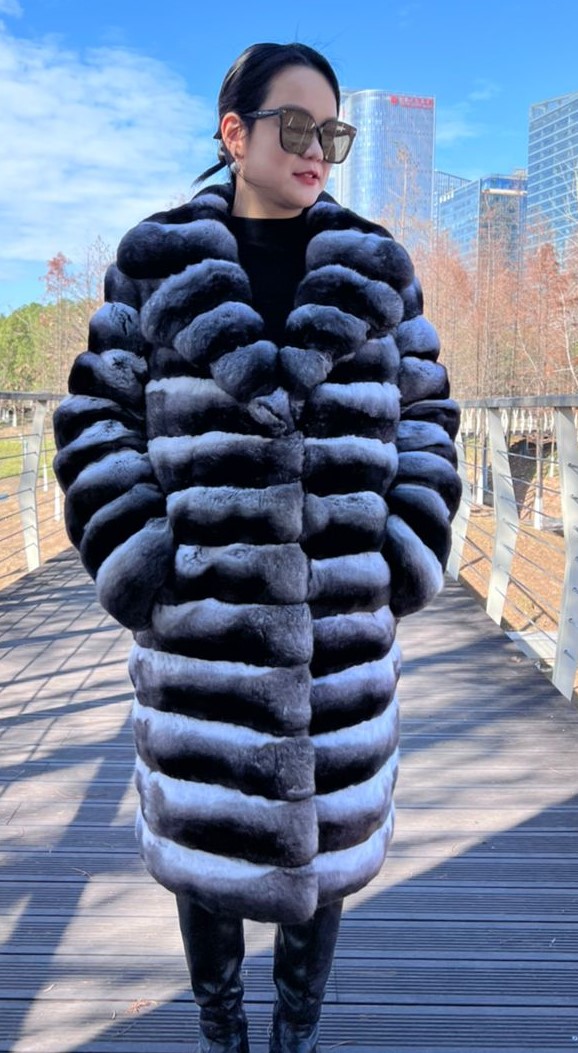
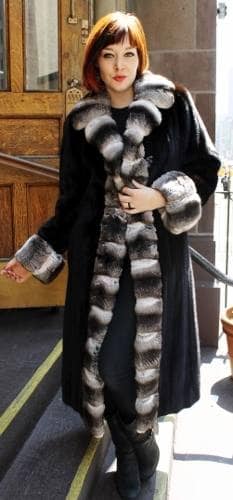
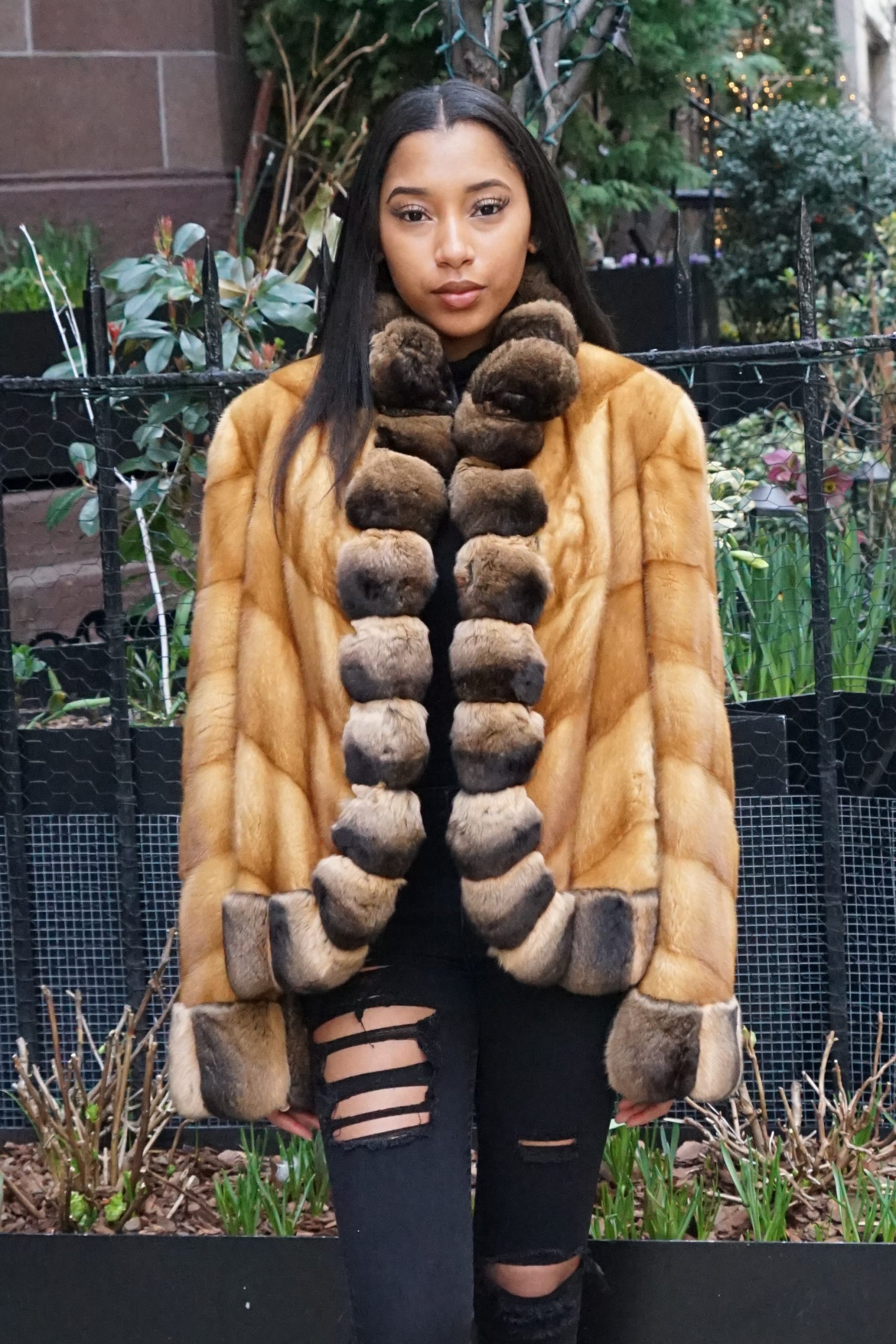
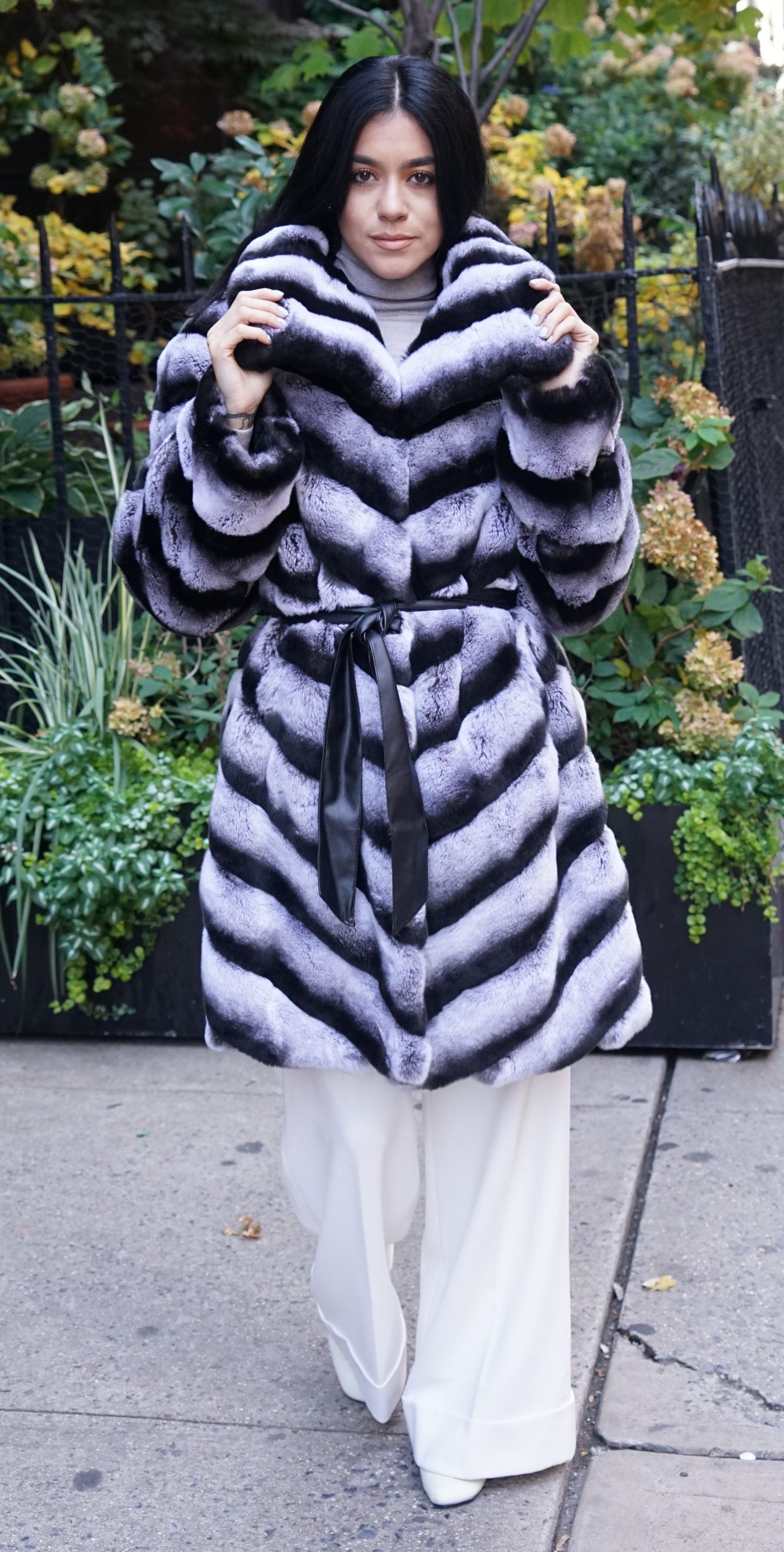
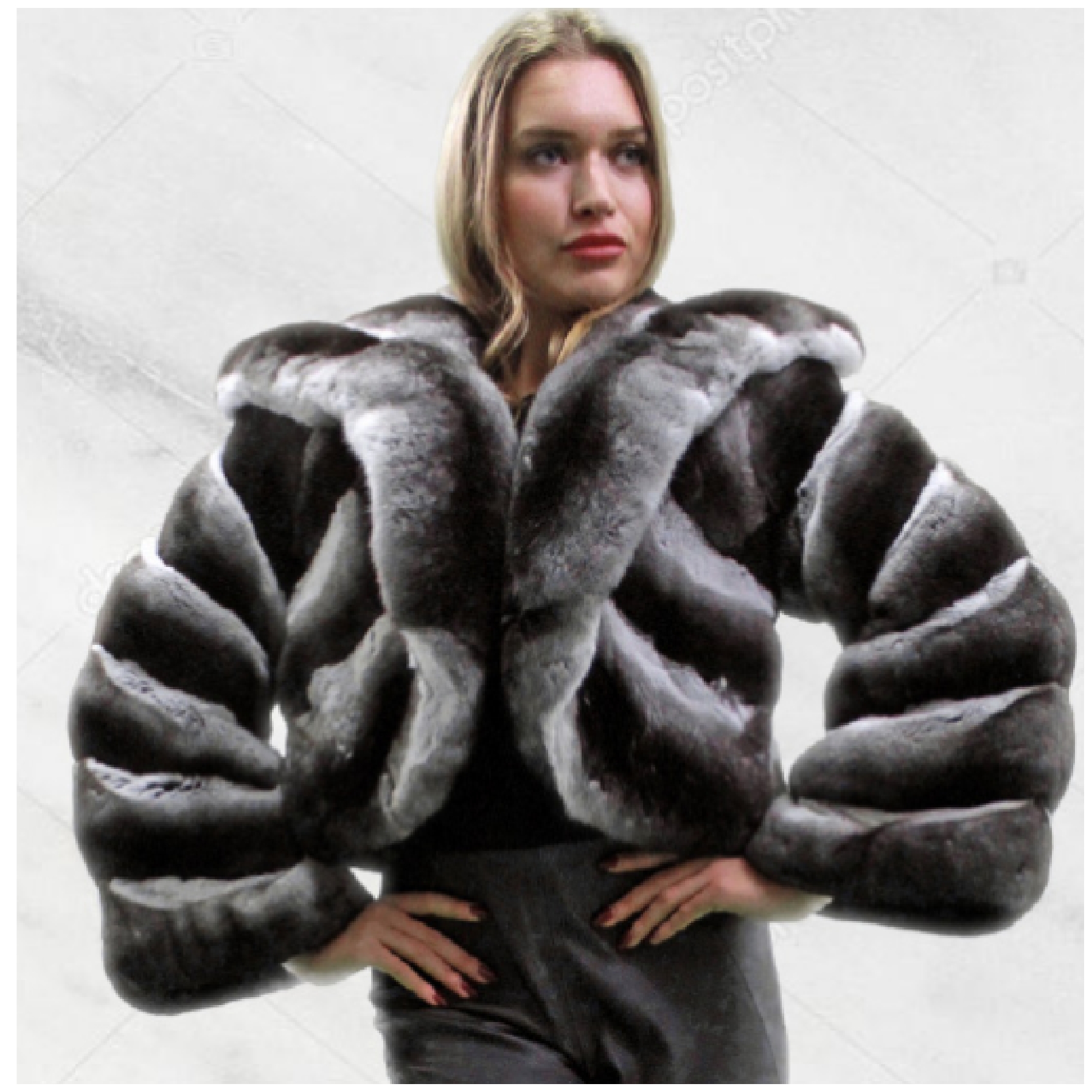
    Horizontal Chinchilla Coat
    Horizontal Chinchilla Coat
  14. Unique fashion choice that stands out.
  15. Vintage charm and appeal.
  16. Remembrance of past generations.
  17. Resistance to frost and moisture.
  18. Ability to layer underneath for added warmth.
  19. Iconic fashion choice for Chicago’s elite.
  20. Classic Hollywood glamour associated with fur.
  21. Support for traditional craftsmanship.
  22. Natural, biodegradable material.
  23. Customizable fur options to suit personal style.
  24. Variety of fur types and colors to choose from.
  25. Red carpet-worthy fashion for special occasions.
  26. Investment in a long-lasting wardrobe piece.
  27. Ability to dress up or down with different outfits.
  28. A symbol of opulence and extravagance.
  29. Timeless investment that retains value.
  30. Versatility in styling options.
  31. Sensual and soft to the touch.
  32. Ethereal elegance that fur can add to an outfit.
  33. Symbol of social status and success.
  34. Resistance to wear and tear.
  35. The craftsmanship involved in fur production.

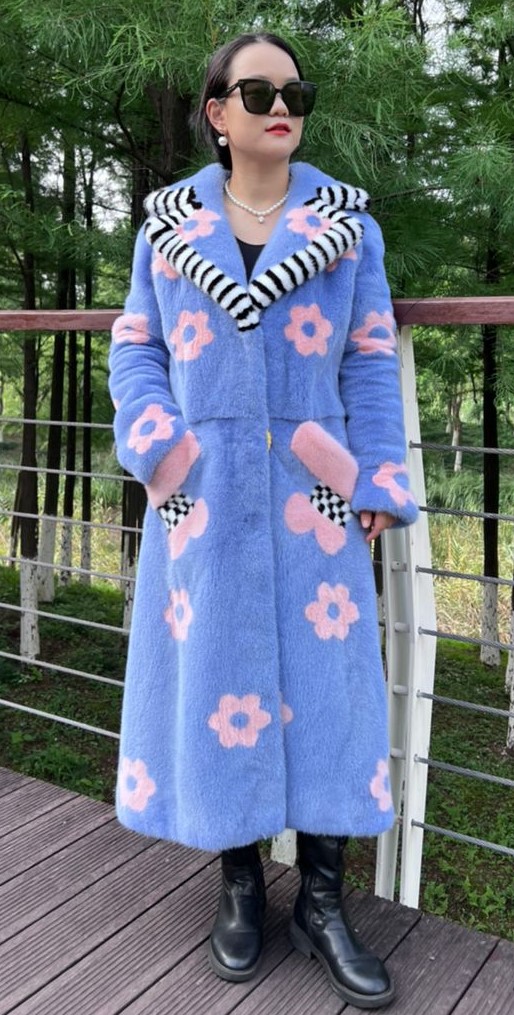
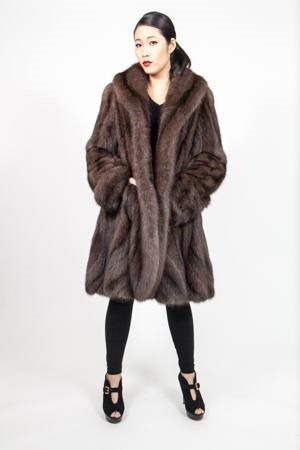
    Sapphire Directional Mink Coat
    Sapphire Directional Mink Coat
  36. Ability to create unique and eye-catching looks.
  37. Confidence boost when wearing luxurious fur.
  38. Effortless way to make a fashion statement.
  39. Allure and attention-grabbing quality.
  40. Contribution to the local fur industry.
  41. Warmth without the bulk of heavy winter clothing.
  42. Ability to withstand Chicago’s extreme weather.
  43. Support for traditional furriers and artisans.
  44. Soft and silky texture.
  45. Complementing various winter accessories.
  46. Comfort in sub-zero temperatures.
  47. Ability to retain body heat efficiently.
  48. Protection against freezing rain and snow.
  49. Unique and one-of-a-kind fur patterns.
  50. Symbol of elegance during Chicago’s social events.
  51. Contribution to the local economy.
  52. Soft colors that are pleasing to the eye.

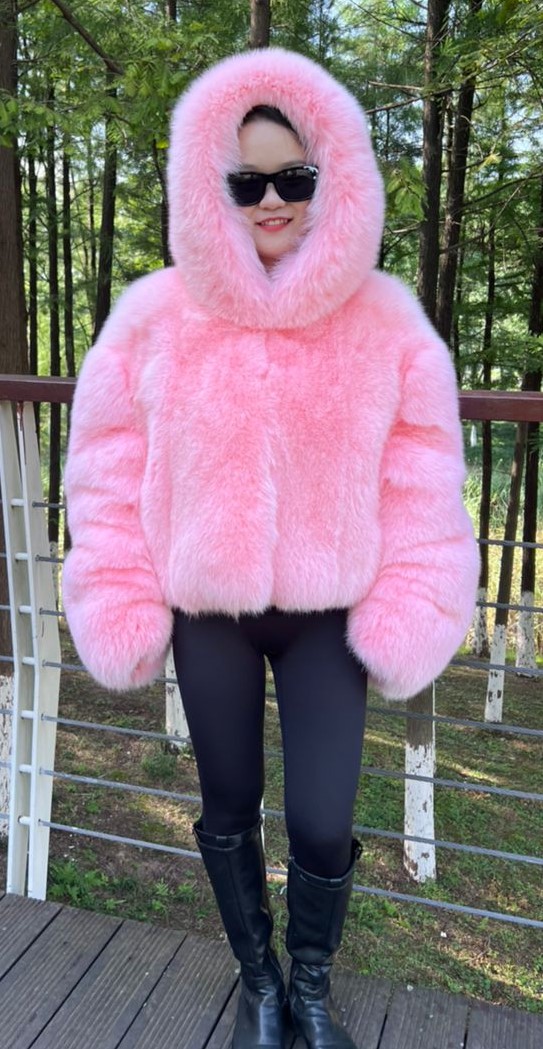
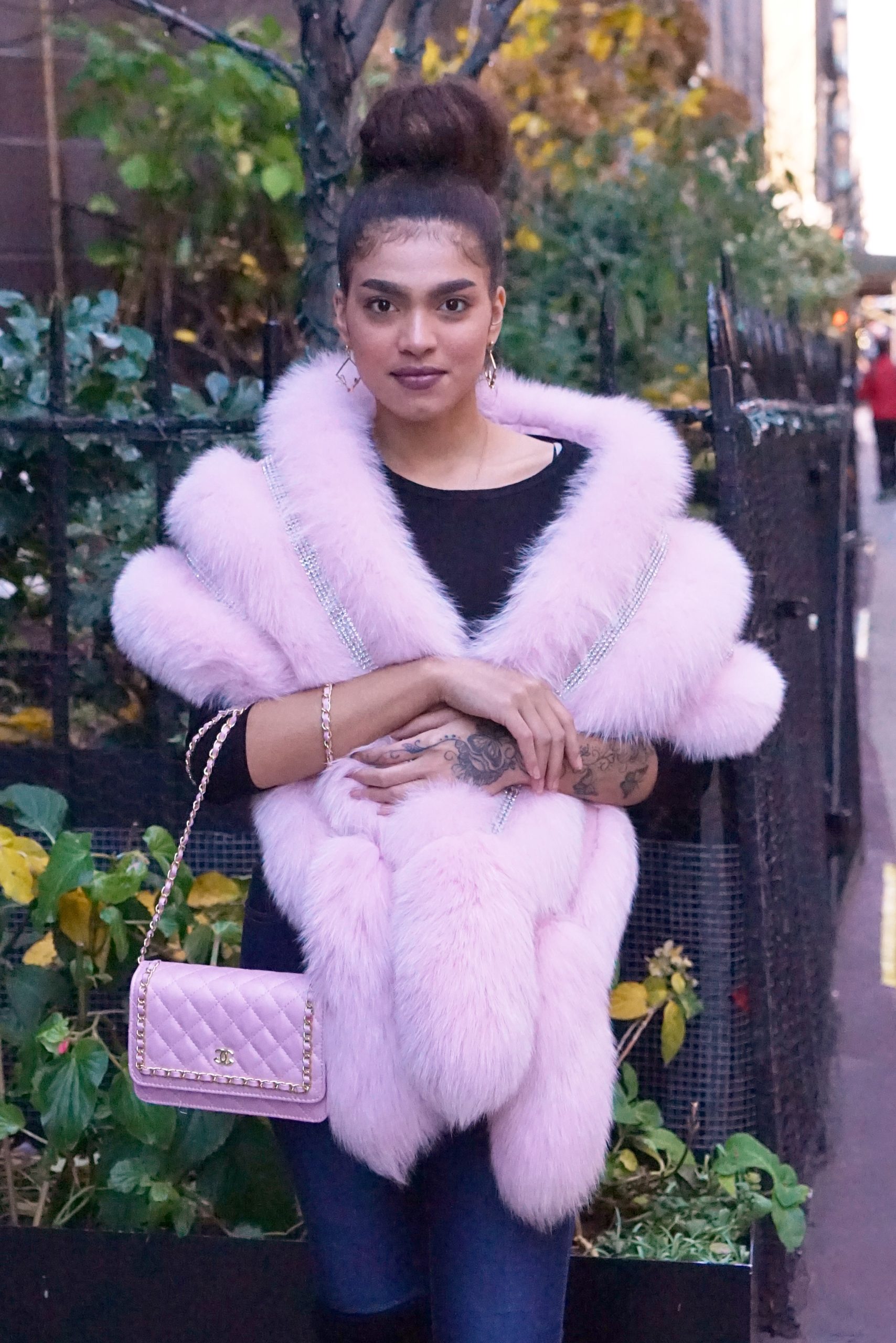
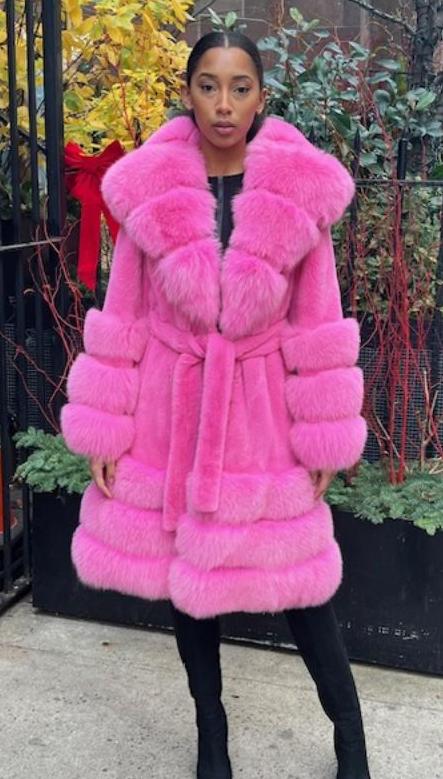
    Pink Fox Hooded Jacket
    Pink Fox Hooded Jacket
  53. A sense of indulgence and pampering.
  54. Environmental adaptability in varying conditions.
  55. Soft caress of fur against the skin.
  56. Ability to make a memorable fashion statement.
  57. Reduces the need for layering multiple garments.
  58. Opportunity to express personal style.
  59. Ethical and sustainable fur sourcing practices.
  60. Exceptional craftsmanship that goes into fur coats.
  61. Opportunity to support fur trade regulations.
  62. Tradition of fur fashion in cold climates.
  63. The luxurious feel of fur against the body.
  64. Ability to embrace Chicago’s winter fashion scene.
  65. Insulation that keeps you warm, even in blizzards.
  66. Traditional fur farming practices.
  67. Stylish and practical choice for formal events.
  68. Soft and supple fur textures.
  69. Dramatic flair that fur can add to an outfit.
  70. Proud representation of the fur industry.
  71. Opportunity to choose fur from ethically raised animals.
  72. Unique fur accessories like hats and scarves.
  73. Ability to invest in a family heirloom.
  74. Ability to appreciate the beauty of nature.
  75. Association with luxury brands and designers.
  76. Unique textures and patterns in fur.

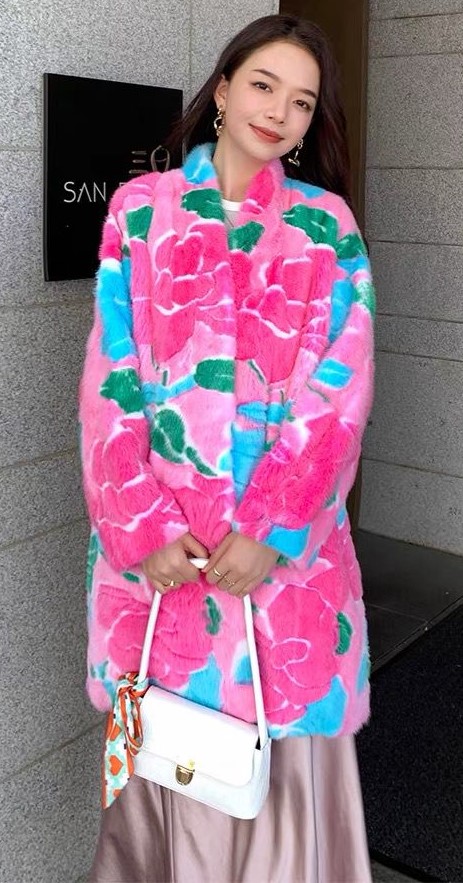
    Pink Floral Mink Coat
    Pink Floral Mink Coat
  77. Support for fur conservation and responsible sourcing.
  78. Elevated appearance in the workplace.
  79. Ability to stay warm without compromising style.
  80. Practicality for outdoor winter activities.
  81. Symbolism of prestige and exclusivity.
  82. Historic charm and cultural significance.
  83. Unique and exotic fur types.
  84. Soft and lustrous fur qualities.
  85. Ability to create a regal and majestic look.
  86. Sensual movement and gracefulness of fur.
  87. Contribution to sustainable fur farming practices.
  88. High-quality fur as an investment.
  89. Opportunities to mix and match fur accessories.
  90. The tactile pleasure of touching fur.
  91. Stylish addition to your winter wardrobe.
  92. Association with iconic fashion moments.
  93. Ability to choose from various fur treatments.
  94. Classic silhouette enhancement with fur.
  95. Pride in wearing a time-honored material.
  96. Opportunity to support ethical fur brands.
  97. A classic and enduring choice for Chicago winters.
  98. Natural beauty and texture of fur.
  99. Glamorous fashion option for the Windy City.
  100. Ability to celebrate the artistry of fur fashion.

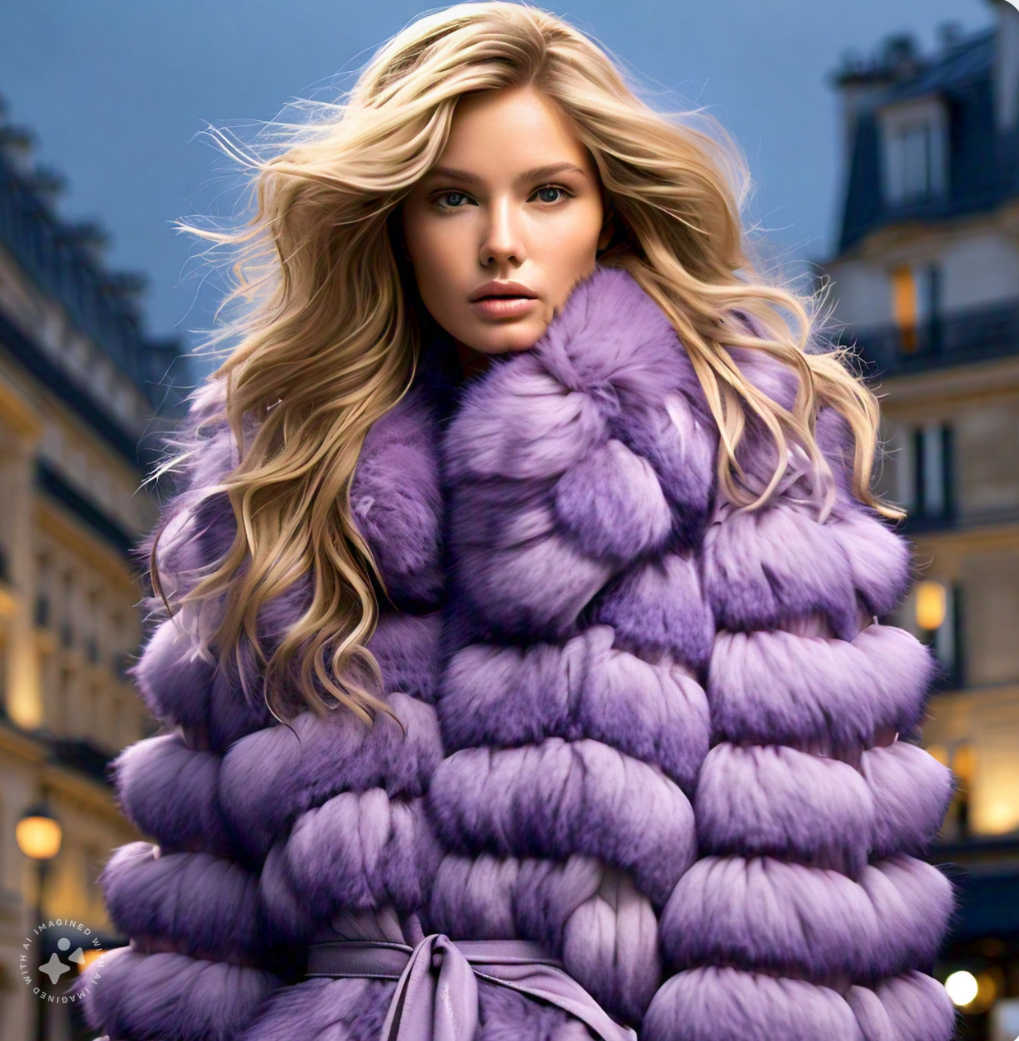
    Designer Lavender Mink Coat
    Designer Lavender Mink Coat

Please note that while fur coats may provide warmth and have been a part of fashion traditions in cold climates, there are ethical and environmental considerations related to the use of fur. There are many reasons to wear a fur coat in Chicago.

A day for a woman in Chicago wearing her mink coat would vary depending on her personal preferences, activities, and the specific occasion. However, here’s a fictional representation of what a day might look like for someone wearing a mink coat during the colder months in Chicago:

Morning:

  1. Wake Up: The woman starts her day by waking up in the warmth of her cozy home in Chicago.
  2. Dressing: After a hot shower, she selects a stylish outfit to complement her mink coat. She opts for a knee-length black mink coat, a cashmere sweater, fitted jeans, and knee-high leather boots.
  3. Breakfast: She enjoys a hearty breakfast of oatmeal and a hot cup of coffee while catching up on the morning news.
  4. Preparing for the Day: She checks the weather forecast, which indicates a cold and windy day in Chicago.

Late Morning: 5. Leaving Home: She puts on her mink coat and wraps a matching scarf around her neck for added warmth. Before leaving, she grabs her leather gloves, designer handbag, and heads out the door.

  1. Errands: Her morning might include running errands, such as grocery shopping, visiting a local café for a latte, and stopping by the post office.

Afternoon: 7. Lunch: For lunch, she meets a friend at a chic downtown restaurant. She enjoys a delicious meal and conversation, all the while staying warm in her mink coat, which she drapes over her chair.

  1. Shopping: After lunch, she explores some of Chicago’s upscale boutiques, trying on clothes, and enjoying the luxurious shopping experience.
  2. Cultural Activities: In the afternoon, she might attend a cultural event, such as a museum exhibition, art gallery opening, or a performance at the Chicago Symphony Orchestra.

Evening: 10. Dinner Reservations: She has dinner reservations at a trendy restaurant in the city with her partner. Her mink coat adds an air of elegance to the evening.

  1. Evening Out: After dinner, they might choose to attend a theater show, concert, or a nightcap at a stylish cocktail bar.
  2. Returning Home: Upon returning home, she carefully hangs her mink coat in her closet and reflects on a day well spent in the vibrant city of Chicago.

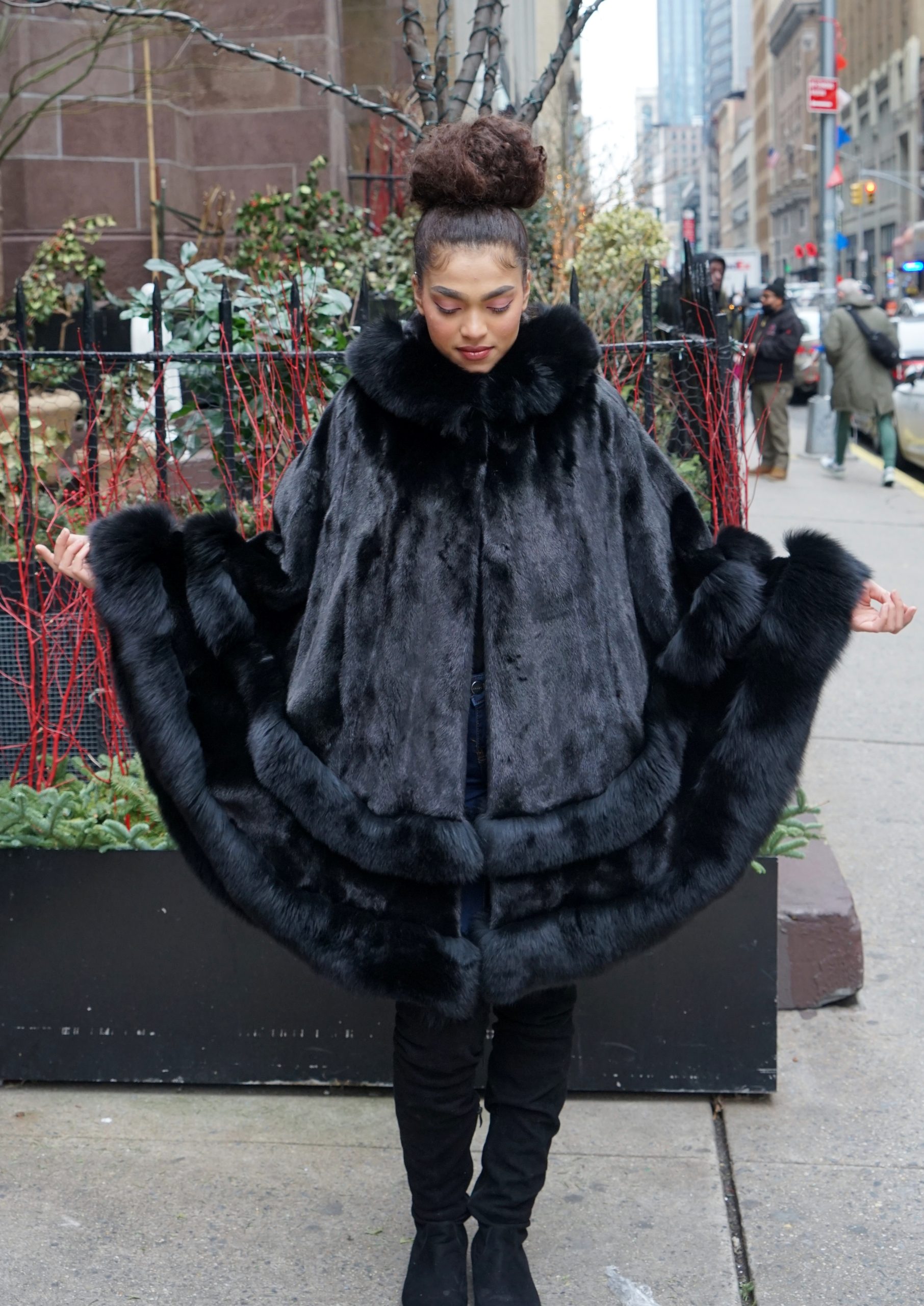
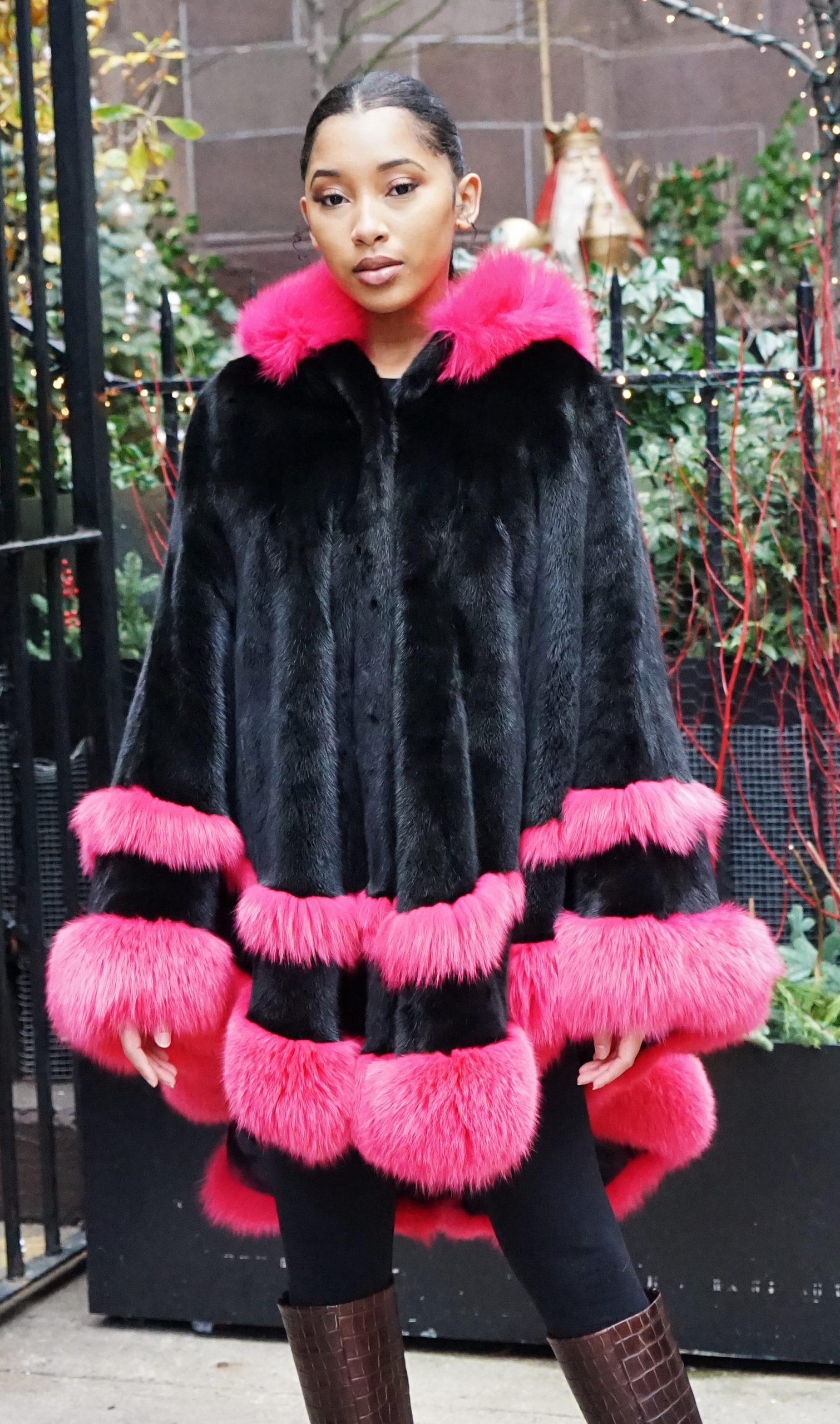
    Black Mink Poncho Fuchsia Fox Trim Hooded
    Black Mink Poncho Fuchsia Fox Trim Hooded

This fictional day for a woman in Chicago wearing her mink coat highlights how such a garment can be both functional and fashionable, providing warmth and style throughout a busy day in a cold climate.

There are many reasons to wear a fur coat in Chicago.

The history of the fur business in Europe spans centuries and has been intertwined with fashion, economics, exploration, and the development of trade routes. Here is an overview of the history of the fur business in Europe:

Reasons to wear fur in Chicago

  1. Early Fur Trade: Fur trading was prevalent in Europe during ancient times. Indigenous peoples in northern regions, such as the Sami in Scandinavia and various tribes in Siberia, traded fur pelts with neighboring communities. These early fur trades primarily focused on warmth and protection from harsh climates.

    Vintage Furs
    Vintage Furs
  2. Roman Empire: The Roman Empire’s expansion brought access to new fur resources, such as the beaver, and fur became a symbol of status and luxury among the Roman elite. Fur garments were worn by emperors, generals, and aristocrats.
  3. Middle Ages: In medieval Europe, fur continued to be associated with wealth and social status. Nobility and clergy often wore fur-trimmed clothing and accessories. Fur pelts from animals like ermine, mink, and sable were highly prized.
  4. Renaissance: The Renaissance era saw a resurgence of interest in fur fashion. Fur-lined clothing, capes, and accessories were popular among European nobility and the emerging middle class. Fur became more accessible to a wider range of people.
  5. Age of Exploration: European exploration of the New World in the 15th and 16th centuries opened up new sources of fur, particularly in North America. Fur trading with indigenous peoples in North America became a lucrative business, with beaver pelts being highly sought after for hat production.
  6. Fur Trade Companies: European powers, such as the Dutch, French, and English, established fur trading companies, including the Dutch West India Company and the Hudson’s Bay Company, to exploit the fur resources of North America and Canada.
  7. Russian Fur Trade: Russia played a significant role in the fur trade, particularly in Siberia, where trappers, known as Siberian hunters, collected vast quantities of fur, including sable, fox, and marten. The fur trade was essential to the Russian economy.
  8. 17th and 18th Centuries: Fur fashion continued to flourish in Europe during the 17th and 18th centuries. Fur coats, cloaks, and accessories were worn by both men and women. Russian sable and other high-quality furs were highly coveted.
  9. North American Fur Trade: The North American fur trade continued to thrive, with European fur traders working closely with indigenous tribes to acquire furs. This trade played a role in the westward expansion of European settlers in North America.
  10. Furriers and Fashion: The fur industry supported the growth of furriers who specialized in designing and producing fur garments. Furrier guilds were established in many European cities, such as London, Paris, and Amsterdam.
  11. Industrialization and Mass Production: The 19th century saw the mechanization of fur processing, making fur garments more accessible to a broader range of consumers. The fur business began to expand globally.
  12. Decline and Resurgence: The mid-20th century saw a decline in fur fashion due to changing tastes, social concerns about animal welfare, and environmental awareness. However, fur fashion experienced a resurgence in the late 20th century, with designers incorporating fur into their collections
  13. Sustainable Fur Farming: In response to ethical and environmental concerns, the fur industry has evolved with an emphasis on sustainable and responsible fur sourcing. Fur farms in Europe and elsewhere have adopted practices aimed at improving animal welfare and conservation.

The history of the fur business in Europe reflects its cultural significance, economic importance, and evolution over time. While fur fashion remains a part of European heritage, it has adapted to address ethical and environmental considerations, reflecting changing societal values and preferences.

Mink Fur Mystique Equals Desire Marc Kaufman Furs

There are so many reasons to wear fur in Chicago

Marc Kaufman Furs NYC 212-563-3877
Posted on

History of the Fur Business Plymouth Massachusetts

Marc Kaufman Furs through the ages

History of the Fur Business Plymouth Massachusetts

The fur trade played a significant role in the early history of Plymouth, Massachusetts, and the broader New England region. When the Pilgrims arrived on the Mayflower in 1620, they encountered a landscape teeming with wildlife, including beavers, otters, minks, and other animals whose fur was highly sought after in Europe.

Vintage Furs
Vintage Furs

Here is a brief overview of the history of the fur trade in Plymouth, Massachusetts:

  1. Early Fur Trade: Upon their arrival, the Pilgrims quickly realized the potential for profit in the fur trade. They established trading relationships with the indigenous Wampanoag people, who were experienced hunters and trappers. The Pilgrims traded European goods such as metal tools, cloth, and weapons for valuable furs.
  2. Beaver Fur: Beaver fur, in particular, was highly prized in Europe for its warmth and water-resistant properties. The demand for beaver pelts was so high that it led to the establishment of fur trading posts and settlements throughout New England.
  3. Fur Trading Posts: Plymouth became a center for fur trading in the early 17th century. Trading posts and forts were built along rivers and coastlines to facilitate the fur trade. These trading posts, such as Plymouth Trading House, were essential for both the English settlers and the indigenous people, as they provided a place for exchanging goods.
  4. Impact on Indigenous People: The fur trade had a significant impact on the indigenous peoples of the region. While it provided them with access to European goods, it also disrupted their traditional ways of life and led to conflicts over land and resources.
  5. Decline of the Fur Trade: Over time, the fur trade in Plymouth and New England began to decline. Beaver populations were depleted due to overhunting, and changing fashion trends in Europe led to a decreased demand for fur. Additionally, as the English colonies grew, the focus shifted to other industries such as agriculture and trade.
  6. Transition to Other Industries: As Plymouth and the surrounding areas transitioned to other economic activities, such as farming, fishing, and shipbuilding, the fur trade became less central to the region’s economy.

In summary, the fur trade played a significant role in the early history of Plymouth, Massachusetts, and contributed to the economic development of the region. However, overhunting and changing market conditions eventually led to its decline, and Plymouth shifted its focus to other industries as it continued to grow and evolve.

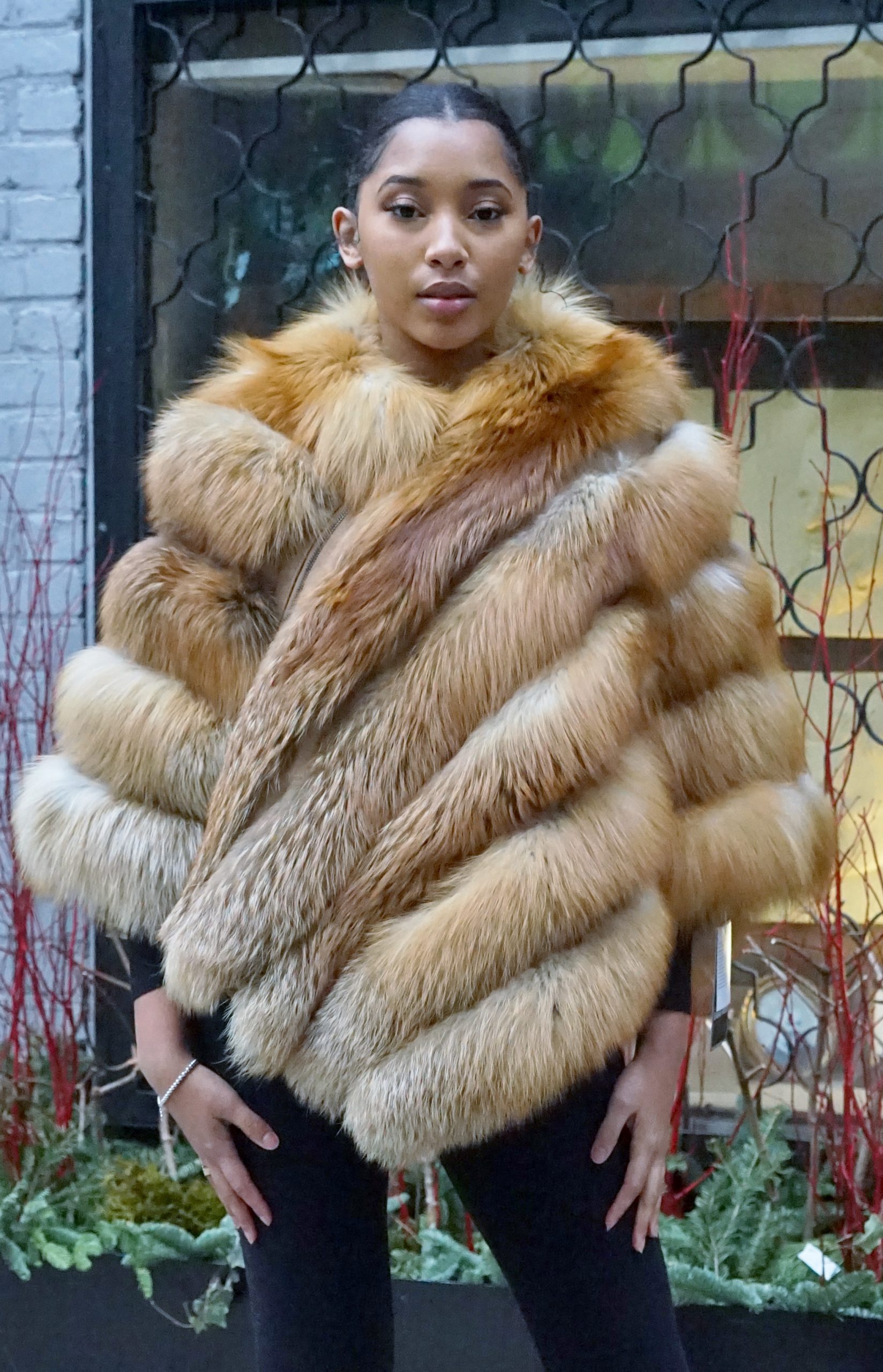
Red Fox Diagonal Poncho

The Pilgrims engaged in the fur trade in Plymouth, Massachusetts, as one of the early economic activities to support their colony’s survival and growth. Here’s how they conducted the fur trade in Plymouth:

  1. Trading with Indigenous Peoples: The Pilgrims established contact and trade relationships with the indigenous Wampanoag people, who were experienced hunters and trappers. These interactions were crucial because the Wampanoag possessed knowledge of the local environment and the fur-bearing animals in the region.
  2. Exchange of Goods: The Pilgrims and the Wampanoag engaged in a system of barter, exchanging European goods brought from England for furs obtained by the Wampanoag through hunting and trapping. The English traded items such as metal tools, cloth, beads, weapons, and other goods that were highly valued by the indigenous people.
  3. Fur Collection: The Wampanoag and other Native American groups in the area would trap and hunt animals like beavers, otters, minks, foxes, and other fur-bearing creatures. These furs were then collected and prepared for trade.
  4. Fur Processing: Once the furs were obtained, they needed to be processed to make them suitable for trade. This involved skinning the animals, cleaning the pelts, and often curing them to preserve their quality. Some of the furs were also tanned and prepared for use in making clothing or other items.
  5. Trading Posts: To facilitate the fur trade, the Pilgrims established trading posts and trading houses in Plymouth and other locations in the region. These posts served as central points for trade, where both English settlers and indigenous people could bring their goods for exchange.
  6. Fur as a Commodity: Beaver fur was particularly prized during this time because it was used to make felt hats in Europe. Beaver fur was highly valued for its warmth and water-resistant properties, making it a valuable commodity in the fur trade.
  7. Economic Importance: The fur trade played a significant role in the early economy of Plymouth and helped the colony acquire necessary supplies and goods from Europe. It also allowed the Pilgrims to maintain peaceful relations with the indigenous people by establishing mutually beneficial trading relationships.
  8. Fur Trade Decline: Over time, the beaver population in the region declined due to overhunting, and changing fashion trends in Europe reduced the demand for fur. As a result, the fur trade in Plymouth and the surrounding area eventually declined

The fur trade was an essential economic activity for the early Plymouth colony, helping the Pilgrims acquire essential goods and fostering cooperation with the indigenous Wampanoag people. However, as other economic activities and industries developed in the region, the fur trade’s significance diminished, leading to its decline in importance over time.

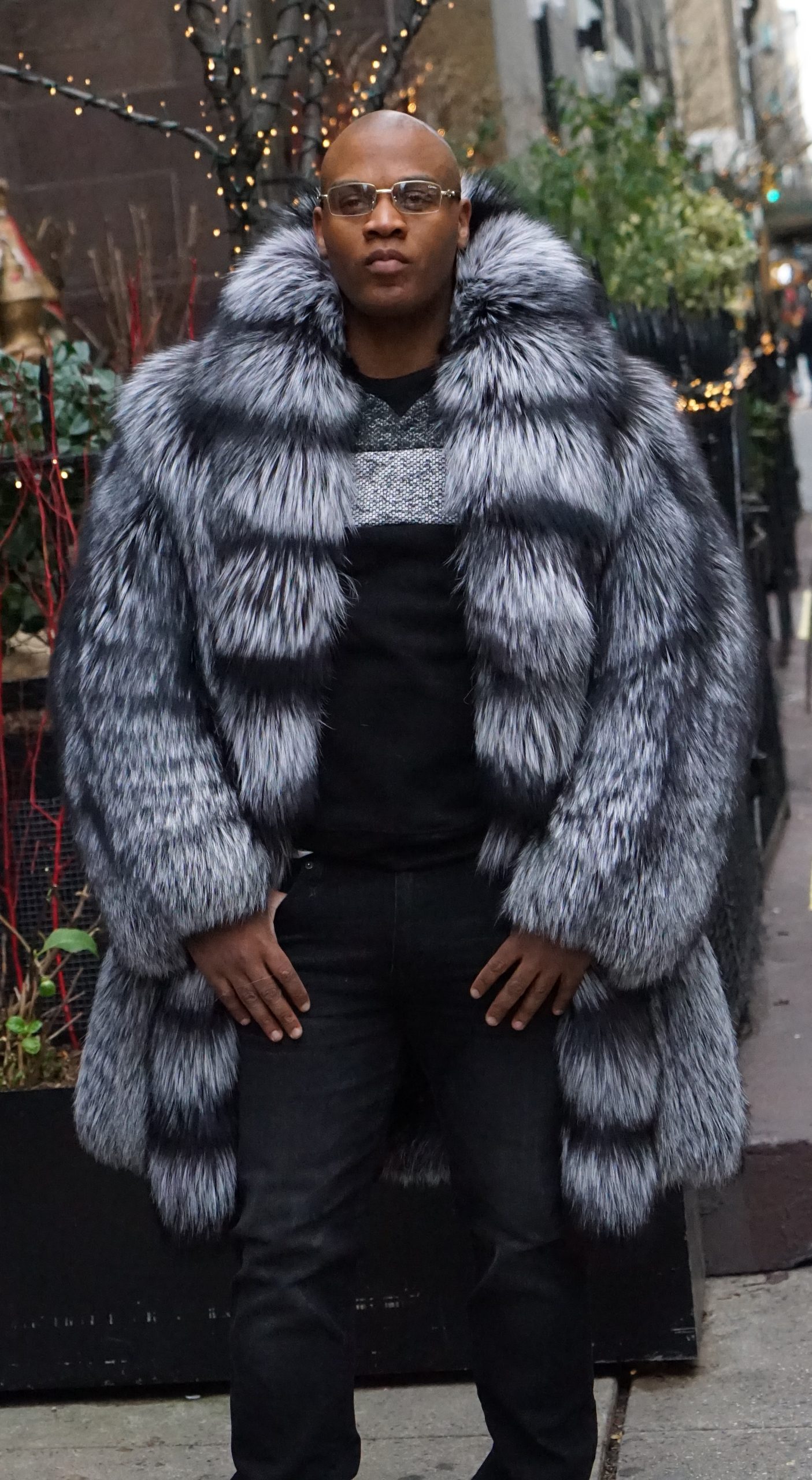
Men's Silver Fox Stroller
Men’s Silver Fox Stroller

History of the Fur Business Plymouth Massachusetts

The Native Americans, including the Wampanoag people, who lived in the Plymouth area, and the Pilgrims engaged in a system of barter when trading fur pelts and other goods. Barter was the primary method of exchange between the Pilgrims and the indigenous people, and it worked as follows:

  1. Goods in Exchange: The Pilgrims brought a variety of European goods with them on the Mayflower, including metal tools, cloth, beads, weapons, and other items. These goods were highly valued by the indigenous people because they were not readily available in the region.
  2. Trading Posts: The Pilgrims established trading posts and trading houses in Plymouth and other locations in the region. These trading posts served as central points for trade, where both English settlers and indigenous people could bring their goods for exchange.
  3. Negotiation: When Native American hunters and trappers brought fur pelts and other goods to the trading posts, negotiations would take place. The value of the furs and the European goods being exchanged would be discussed and agreed upon.
  4. Barter System: The actual exchange involved a direct swap of goods. For example, a Native American might trade a beaver pelt for metal tools, blankets, or other European items deemed of equivalent value.
  5. Fair Trade: The goal was to ensure that both parties felt they received fair value for their goods. Fair trading practices were important to maintain peaceful and mutually beneficial relationships between the Pilgrims and the indigenous people.
  6. Cultural Exchange: These trading interactions also facilitated cultural exchange, as the Pilgrims and the indigenous people learned about each other’s customs, languages, and way of life during these encounters.

It’s important to note that while barter was the primary method of trade between the Pilgrims and the indigenous people, it was not a one-sided exchange. The indigenous people had valuable knowledge of the local environment, hunting techniques, and resources, which they also shared with the Pilgrims in addition to trading furs. These trade relationships were essential for both parties’ survival and well-being during the early years of the Plymouth Colony.

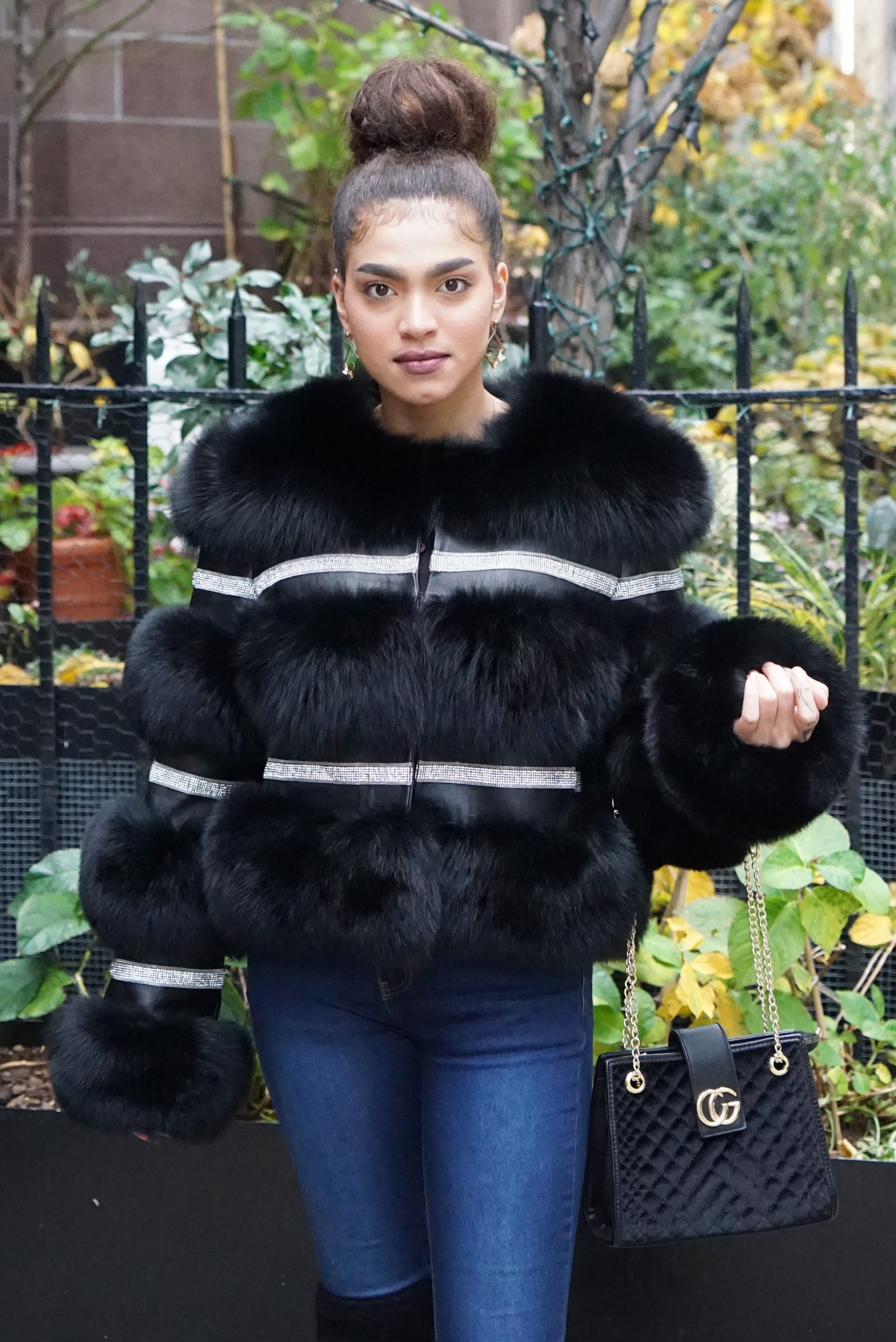
Evening Black Fox jacket Rhinestones

History of the Fur Business Plymouth Massachusetts

The Native Americans, including the Wampanoag people, who lived in the Plymouth area, and the Pilgrims engaged in a system of barter when trading fur pelts and other goods. Barter was the primary method of exchange between the Pilgrims and the indigenous people, and it worked as follows:

  1. Goods in Exchange: The Pilgrims brought a variety of European goods with them on the Mayflower, including metal tools, cloth, beads, weapons, and other items. These goods were highly valued by the indigenous people because they were not readily available in the region.
  2. Trading Posts: The Pilgrims established trading posts and trading houses in Plymouth and other locations in the region. These trading posts served as central points for trade, where both English settlers and indigenous people could bring their goods for exchange.
  3. Negotiation: When Native American hunters and trappers brought fur pelts and other goods to the trading posts, negotiations would take place. The value of the furs and the European goods being exchanged would be discussed and agreed upon.
  4. Barter System: The actual exchange involved a direct swap of goods. For example, a Native American might trade a beaver pelt for metal tools, blankets, or other European items deemed of equivalent value.
  5. Fair Trade: The goal was to ensure that both parties felt they received fair value for their goods. Fair trading practices were important to maintain peaceful and mutually beneficial relationships between the Pilgrims and the indigenous people.
  6. Cultural Exchange: These trading interactions also facilitated cultural exchange, as the Pilgrims and the indigenous people learned about each other’s customs, languages, and way of life during these encounters.

It’s important to note that while barter was the primary method of trade between the Pilgrims and the indigenous people, it was not a one-sided exchange. The indigenous people had valuable knowledge of the local environment, hunting techniques, and resources, which they also shared with the Pilgrims in addition to trading furs. These trade relationships were essential for both parties’ survival and well-being during the early years of the Plymouth Colony.

In the 1920s through the 1950s, fur fashion trends in Plymouth, Massachusetts, were influenced by the broader fashion trends of the time. During this period, several types of fur became popular for both practical and fashionable purposes. Some of the furs that were trendy during this era included:

  1. Mink Fur: Mink fur, particularly the luxurious and soft pelts of ranch-raised minks, became extremely popular in the mid-20th century. Mink coats, stoles, and other garments were considered high fashion items and were coveted by many women. Mink fur was known for its warmth, durability, and the ability to create elegant and glamorous looks.
  2. Fox Fur: Fox fur was another fur type that gained popularity during this period. Fox fur coats and accessories, often in a variety of colors, were fashionable choices for those seeking a stylish and eye-catching look.
  3. Rabbit Fur: Rabbit fur, because of its affordability and versatility, was commonly used for trim on clothing and accessories. Rabbit fur-lined gloves, collars, and cuffs were popular additions to various outfits.
  4. Squirrel Fur: Squirrel fur, often used for small fur accessories like hats and muffs, gained popularity in the 1940s. It was considered practical for winter wear and could add a touch of elegance to a winter ensemble.
  5. Raccoon Fur: Raccoon fur coats and jackets, particularly those featuring the strikingly marked pelts of raccoon dogs, were stylish choices for colder climates.
  6. Beaver Fur: Beaver fur, once highly prized for its warmth and water-resistant properties, continued to be used for coats and accessories during this era, albeit to a lesser extent than in previous centuries.
  7. Nutria Fur: Nutria, a large rodent originally native to South America, became a popular fur choice during World War II due to the scarcity of other furs. It was often used for coats and accessories during this time.
Posted on

Fur Coats in Detroit Necessary

red fox full length coat

Fur Coats in Detroit

Horizontal Whiskey mink Jacket

While fur coats in Detroit can provide warmth in colder climates like Detroit, Here are 100 reasons some individuals might choose to wear a fur coat in Detroit, keeping in mind that personal preferences vary:

  1. Exceptional warmth during Detroit’s cold winters.
  2. Protection against freezing temperatures and strong winds.
  3. Classic and timeless style.
  4. Durability, as high-quality fur coats can last for many years.
  5. A sense of elegance and sophistication.
  6. Status symbol, denoting wealth and luxury.
  7. Comfort and coziness.
  8. Historical fashion tradition in cold climates.
  9. Practicality for surviving extreme cold.
  10. Enhanced insulation compared to synthetic materials.
  11. Natural insulating properties of fur.
  12. Soft and tactile texture.

    Horizontal Chinchilla Coat
    Horizontal Chinchilla Coat
  13. Unique fashion choice that stands out.
  14. Vintage charm and appeal.
  15. Remembrance of past generations.
  16. Resistance to frost and moisture.
  17. Ability to layer underneath for added warmth.
  18. Iconic fashion choice for Detroit’s elite.
  19. Classic Hollywood glamour associated with fur.
  20. Support for traditional craftsmanship.
  21. Natural, biodegradable material.
  22. Customizable fur options to suit personal style.
  23. Variety of fur types and colors to choose from.
  24. Red carpet-worthy fashion for special occasions.
  25. Investment in a long-lasting wardrobe piece.
  26. Ability to dress up or down with different outfits.
  27. A symbol of opulence and extravagance.
  28. Timeless investment that retains value.
  29. Versatility in styling options.
  30. Sensual and soft to the touch.
  31. Ethereal elegance that fur can add to an outfit.
  32. Symbol of social status and success.
  33. Resistance to wear and tear.
  34. The craftsmanship involved in fur production.
  35. Ability to create unique and eye-catching looks.
  36. Confidence boost when wearing luxurious fur.
  37. Effortless way to make a fashion statement.
  38. Allure and attention-grabbing quality.
  39. Contribution to the local fur industry.
  40. Warmth without the bulk of heavy winter clothing.
  41. Ability to withstand Detroit’s extreme weather.
  42. Support for traditional furriers and artisans.
  43. Soft colors that are pleasing to the eye.

    Designer Lavender Mink Coat
    Designer Lavender Mink Coat
  44. A sense of indulgence and pampering.
  45. Environmental adaptability in varying conditions.
  46. Soft caress of fur against the skin.
  47. Ability to make a memorable fashion statement.
  48. Reduces the need for layering multiple garments.
  49. Opportunity to express personal style.
  50. Ethical and sustainable fur sourcing practices.
  51. Exceptional craftsmanship that goes into fur coats.
  52. Opportunity to support fur trade regulations.
  53. Tradition of fur fashion in cold climates.
  54. The luxurious feel of fur against the body.
  55. Association with luxury brands and designers.
  56. Unique textures and patterns in fur.
  57. Support for fur conservation and responsible sourcing.
  58. Elevated appearance in the workplace.
  59. Ability to stay warm without compromising style.
  60. Practicality for outdoor winter activities.
  61. Symbolism of prestige and exclusivity.
  62. Historic charm and cultural significance.
  63. Unique and exotic fur types.
  64. Soft and lustrous fur qualities.

    Sexy Horizontal Red Fox Vest
    Sexy Horizontal Red Fox Vest
  65. Ability to create a regal and majestic look.
  66. Sensual movement and gracefulness of fur.
  67. Contribution to sustainable fur farming practices.
  68. High-quality fur as an investment.
  69. Opportunities to mix and match fur accessories.
  70. The tactile pleasure of touching fur.
  71. Stylish addition to your winter wardrobe.
  72. Association with iconic fashion moments.
  73. Ability to choose from various fur treatments.
  74. Classic silhouette enhancement with fur.
  75. Pride in wearing a time-honored material.
  76. Opportunity to support ethical fur brands.
  77. A classic and enduring choice for Detroit winters.
  78. Natural beauty and texture of fur.
  79. Glamorous fashion option for the Motor City.
  80. Ability to celebrate the artistry of fur fashion.
  81. Reduces the need for heavy layering.

    Canadian Lynx Stroller
    Canadian Lynx Stroller
  82. Time-honored tradition of fur craftsmanship.
  83. Environmental adaptability in varying temperatures.
  84. Soft and silky textures.
  85. Opportunity to embrace Detroit’s winter fashion scene.
  86. Ability to create a warm and stylish look.
  87. Resistance to harsh winter conditions.
  88. Celebrates the beauty of animals in nature.
  89. Association with luxury events and galas.
  90. Ability to support ethical fur farming.
  91. A classic choice for formal events.
  92. Soft and supple fur textures.
  93. Dramatic flair that fur can add to an outfit.
  94. Proud representation of the fur industry.
  95. Opportunity to choose from ethically raised animals.
  96. Unique fur accessories like hats and scarves.
  97. Ability to invest in a family heirloom.
  98. Contribution to sustainable fur farming.
  99. Opportunity to make a fashion statement.
  100. Confidence boost when wearing fur in Detroit’s chilly winters.

Fur Coats in Detroit

Men's Lynx and White Fox Stroller
Men’s Lynx and White Fox Stroller

It’s important to note that while fur coats in Detroit may provide warmth and have been a part of fashion traditions in cold climates, they have also been the subject of ethical and environmental debates, leading some individuals to opt for alternative materials like faux fur. Fashion choices should consider these factors and personal values.

A day for a woman in Detroit wearing her mink coat would vary depending on her personal preferences, activities, and the specific occasion. Here’s a fictional representation of what a day might look like for someone wearing a mink coat during the colder months in Detroit:

Morning:

  1. Wake Up: The woman begins her day by waking up to a chilly Detroit morning.
  2. Dressing: After a warm shower, she selects a chic outfit to complement her mink coat. Her ensemble includes a knee-length brown mink coat, a cashmere turtleneck sweater, fitted slacks, and knee-high leather boots.
  3. Breakfast: She enjoys a hot breakfast with her family, sipping on tea and having a hearty meal to start her day.
  4. Weather Check: She checks the weather forecast, which indicates cold temperatures and the possibility of snow, reinforcing her decision to wear her mink coat. ate Morning: 5. Leaving Home: She wraps herself in her mink coat, fastening the buttons and draping a matching scarf around her neck for added warmth. Before heading out, she slips on leather gloves and grabs her designer handbag.
  1. Errands: Her morning may include running errands, such as grocery shopping, visiting the local farmers’ market, and picking up dry cleaning.
  2. Coffee Break: While running errands, she takes a coffee break at a cozy café, savoring a cappuccino and a pastry.A woman wearing a coat with a mink fur lining

Afternoon: 8. Lunch Meeting: She meets a colleague for a business lunch at a downtown restaurant. Her mink coat adds a touch of elegance to her professional attire.

  1. Shopping: After the lunch meeting, she indulges in some retail therapy at Detroit’s upscale boutiques, exploring the latest fashion trends and accessories.
  2. Cultural Activities: In the afternoon, she might attend a museum exhibition, art gallery, or explore Detroit’s cultural scene.

Evening: 11. Dinner Reservation: She has a dinner reservation at a trendy restaurant in the city with friends. Her mink coat is a stylish choice for a night out.

  1. Entertainment: After dinner, she and her friends decide to attend a concert or a live performance in Detroit, enjoying the city’s vibrant cultural offerings.
  2. Return Home: Upon returning home, she carefully hangs her mink coat in her closet, reflecting on a day filled with warmth, style, and cultural exploration in Detroit.

This fictional day for a woman in Detroit wearing her mink coat highlights how such a garment can provide both practical warmth and timeless style, making it a suitable choice for a busy day in a cold climate. However, it’s essential to consider ethical and environmental factors when making fashion choices involving fur, as fur coats have been the subject of debate and changing consumer preferences in recent years.

The history of fur trading and fur use in Detroit, like much of North America, is intertwined with indigenous peoples, European explorers, settlers, and the fur trade. Here is an overview of the history of furs in Detroit:

Vintage Furs
Vintage Furs
  1. Indigenous Peoples: The region now known as Detroit was inhabited by various indigenous tribes, including the Potawatomi, Ojibwa, and Huron, who had a long history of trapping and using furs for clothing, trade, and cultural purposes.
  2. French Exploration: French explorers, including Antoine Laumet de La Mothe, sieur de Cadillac, established Fort Pontchartrain du Détroit in 1701, marking the beginning of European settlement in the area. The French traded with indigenous peoples for fur pelts, particularly beaver, which were highly sought after for hat production.
  3. Fur Trading Posts: Detroit, strategically located at the confluence of the Detroit River and Lake St. Clair, became a vital fur trading post. French and later British traders established posts in the area to conduct the fur trade.
  4. British Control: After the British acquired Detroit in 1760, they continued to engage in the fur trade with indigenous tribes. British fur trading companies, such as the North West Company and the Hudson’s Bay Company, established a presence in the region.
  5. American Fur Trade: Following the American Revolution and the United States’ acquisition of Detroit, American fur traders expanded their activities in the area. The fur trade became a significant economic driver for the region.
  6. Fur-Bearing Animals: The Detroit area was rich in fur-bearing animals, including beaver, mink, otter, and muskrat. These animals were trapped and their pelts traded by both indigenous peoples and European settlers.
  7. Transition to Agriculture: As Detroit and the surrounding region developed, there was a shift from a fur-based economy to one based on agriculture. The fertile soil of the region attracted settlers who established farms.
  8. Decline of Fur Trade: The fur trade in Detroit declined in the 19th century due to overtrapping, changes in fashion, and the depletion of fur-bearing animal populations.
  9. 19th Century: Detroit’s economy diversified, with the growth of industries such as manufacturing, shipping, and automobile production, leading to the city’s nickname, the “Motor City.”
  10. Urban Development: Detroit’s urban development and industrial growth in the 20th century overshadowed its fur trading history. The city became known for its automobile industry and Motown music scene.
  11. Contemporary Fur Industry: In contemporary times, the fur industry continues to exist in Detroit, with furriers and retailers offering fur products. However, the industry has evolved to address ethical and environmental concerns, with an increasing focus on sustainability and responsible sourcing.

While the fur trade played a significant role in Detroit’s early history, the city’s development in the 20th century as an industrial and cultural hub shifted the focus away from fur.

Fur Coats in Detroit

History of men wearing fur coats in Detroit

Men's Silver Fox Stroller
Men’s Silver Fox Stroller

The history of men wearing fur coats in Detroit, like in many cold-weather regions, has been shaped by practical considerations, fashion trends, and cultural influences. Here is an overview of the history of men wearing fur coats in Detroit:

  1. Indigenous Peoples: Long before European settlers arrived, indigenous tribes in the Detroit region used fur from animals they trapped and hunted, such as beavers, for practical clothing to stay warm in the harsh winters.
  2. European Influence: When French and later British settlers established fur trading posts and forts in Detroit in the 18th century, they adopted indigenous fur garments, such as beaver-skin hats, mittens, and coats, to protect themselves from the cold.
  3. Fur Trade: Detroit was a significant hub in the fur trade, with fur traders, both European and indigenous, wearing fur clothing to stay warm while engaging in trapping and trading activities.
  4. Practicality: During the 18th and 19th centuries, fur coats and accessories were worn by men in Detroit and other cold climates primarily for their exceptional warmth and insulation properties.
  5. Frontier Fashion: In the early 19th century, fur coats became a symbol of rugged masculinity and were adopted by fur trappers, traders, and frontiersmen as part of their attire.
  6. Evolution of Fashion: As Detroit and the United States continued to grow and urbanize, fur coats transitioned from practical outerwear to a fashionable statement, with men wearing them as status symbols and signs of prosperity.
  7. 20th Century: In the early to mid-20th century, men’s fur coats, often made of furs like mink, fox, and beaver, became more widely available and popular among affluent individuals in Detroit, reflecting their social status and success.
  8. Mid-Century Glamour: Fur coats, including full-length fur overcoats and stoles, were seen as a symbol of luxury and opulence, especially during the golden age of Hollywood.
  9. Decline: The fur industry, including the market for men’s fur coats, faced challenges in the late 20th century and early 21st century. Changing fashion trends, ethical concerns, and environmental considerations led to a decline in fur’s popularity.
  10. Modern Era: In contemporary times, some men in Detroit continue to wear fur coats, but the industry has evolved to address ethical and environmental concerns. There is a growing emphasis on sustainable and responsible fur sourcing practices.
  11. Diversity of Fur Types: Men have a wide range of fur choices, including mink, fox, sable, chinchilla, and more. The choice often reflects personal style and fashion preferences.
  12. Ethical and Environmental Awareness: The fur industry has adapted to concerns related to animal welfare, leading to the development of fur farming practices that emphasize responsible and sustainable fur production.
  13. Customization: Men can have fur coats and accessories tailored to their preferences, with different fur types, colors, and styles to choose from.

The history of men wearing fur coats in Detroit reflects the changing dynamics of the fur industry, from its origins as practical winter wear to its status as a luxury fashion statement. Today, men who choose to wear fur coats often do so for the warmth, comfort, and style they provide.

Posted on

How to Select the Perfect Mink Jacket

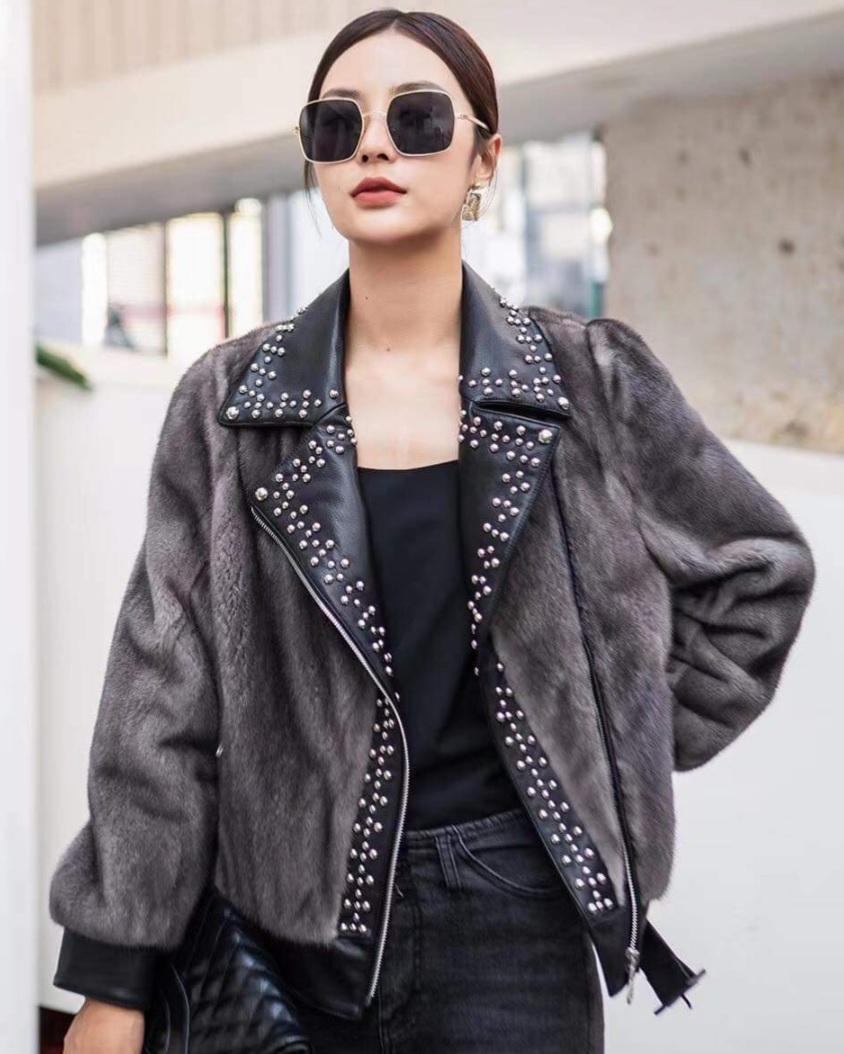
Blue Iris Mink Motorcycle Jacket Leather Trim

How to Select the Perfect Mink Jacket

Selecting the perfect mink jacket involves considering factors like style, quality, budget, and personal preferences. Mink jackets are luxurious and can be a significant investment, so it’s important to make an informed decision. Here are steps to help you select the perfect mink jacket:

Horizontal Whiskey Mink Jacket
  1. Determine your budget:
    • Mink jackets can vary widely in price, depending on the quality of the fur, brand, and design. Set a budget that you are comfortable with to narrow down your options.
  2. Decide on the style:
    • Mink jackets come in various styles, from classic full-length coats to shorter jackets and vests. Consider the occasion and your personal style preferences when choosing a style.
  3. Understand fur quality:
    • The quality of mink fur plays a crucial role in the jacket’s overall look and feel. Mink fur is graded based on factors like color, density, sheen, and softness. Higher-quality mink fur tends to be softer, more lustrous, and more uniform in color.

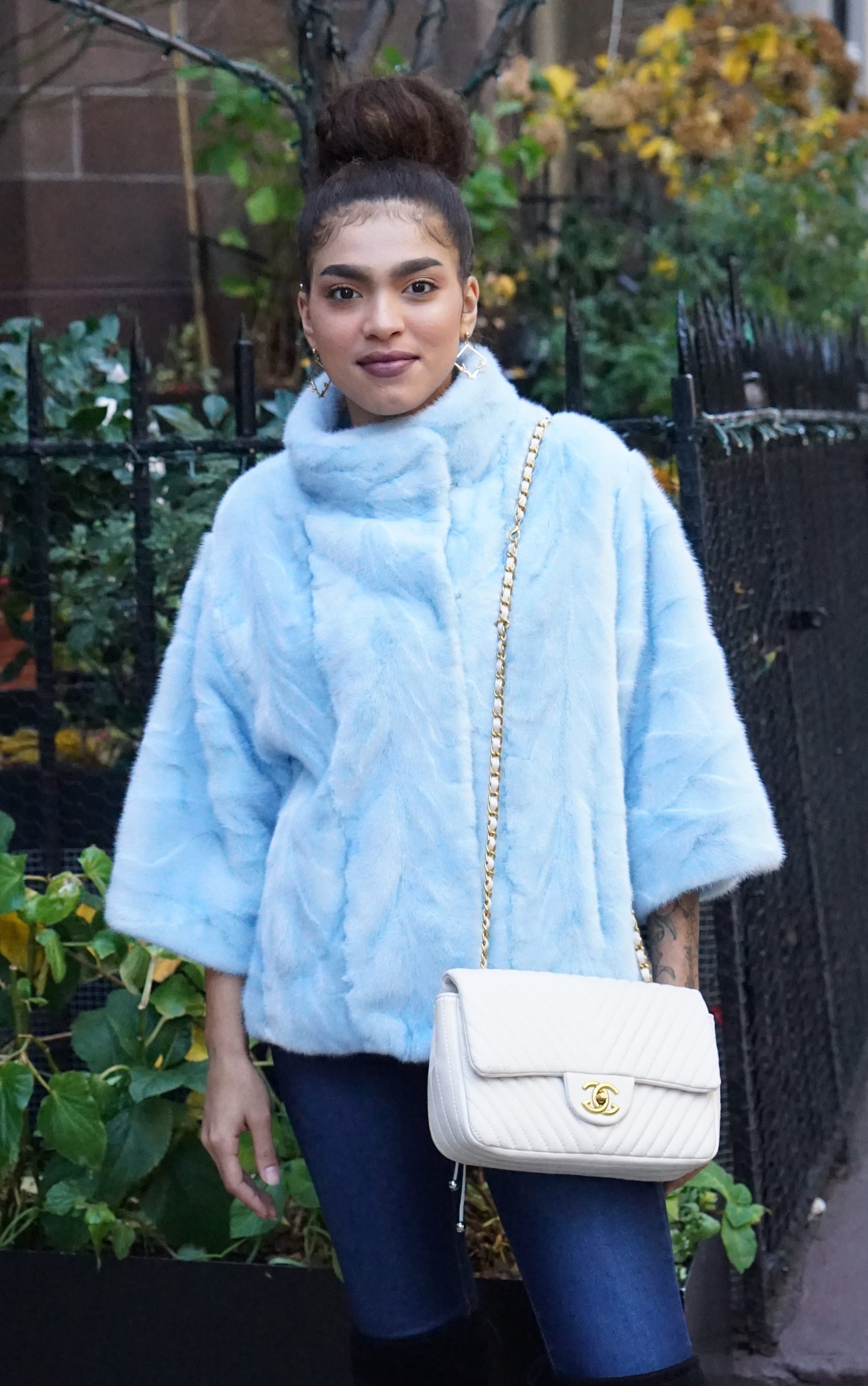
      Powder Blue Mink Jacket
      Powder Blue Mink Jacket
  4. Choose between real and faux fur:
    • Decide whether you want a real mink jacket or a faux (imitation) mink jacket. Real mink is more expensive but offers a luxurious feel and durability, while faux fur is a more ethical and budget-friendly option.
  5. Consider the color:
    • Mink fur can come in various natural colors, including brown, black, white, and more. Choose a color that complements your skin tone and matches your wardrobe.
  6. Check for craftsmanship:
    • Inspect the jacket’s construction, stitching, and lining. High-quality mink jackets should be well-crafted, with strong seams and a comfortable lining.

      Whiskey Mink Jacket Chinchilla Trim
      Whiskey Mink Jacket Chinchilla Trim
  7. Pay attention to sizing:
    • Ensure that the jacket fits you well. It should be neither too tight nor too loose. If purchasing online, refer to the size chart provided by the manufacturer and consider getting measurements taken by a professional.
  8. Research reputable brands and stores:
    • Buy from reputable brands or stores that specialize in fur garments. They are more likely to offer high-quality products and provide proper care instructions.
  9. Read customer reviews:
    • Look for reviews and testimonials from other buyers to get insights into the quality and customer satisfaction of the jacket you’re interested in.
  10. Consider maintenance and care:
    • Mink jackets require regular maintenance and care to keep them looking their best. Ask about the recommended cleaning and storage methods before making a purchase.
  11. Compare prices and options:
  12. Trust your instincts:
    • Ultimately, choose a mink jacket that you feel comfortable and confident wearing. It should not only look good on you but also make you feel good.

Remember that purchasing a mink jacket is a long-term investment, so take your time to make an informed decision that aligns with your style, budget, and ethical considerations.

Choosing the Right Fur Store

Choosing the best fur store to make a purchase is crucial to ensure you receive a high-quality product and a positive shopping experience. Here are some tips to help you pick the best fur store:

  1. Research and reputation:
    • Start by researching fur stores in your area or online. Look for stores with a solid reputation for selling genuine, high-quality fur products. You can check reviews on websites, ask for recommendations from friends or family, or consult online forums and social media groups dedicated to fur enthusiasts.
  2. Verify authenticity:
    • Ensure that the fur store sells authentic fur products and complies with all relevant legal and ethical standards. Reputable furriers should provide information about the origin of their fur, including details about fur farming and trapping practices.
  3. Check for certifications:
    • Look for fur stores that are associated with industry organizations or certifications, such as the Fur Information Council of America (FICA) or the International Fur Federation (IFF). These affiliations can be indicators of a store’s commitment to quality and ethical standards.
  4. Visit the store in person:
    • If possible, visit the fur store in person to inspect the products firsthand. This allows you to assess the quality of the fur, craftsmanship, and the store’s overall presentation. It also provides an opportunity to ask questions and receive personalized assistance.
  5. Ask about fur types and quality:
    • Inquire about the types of fur they offer and the grading system they use to assess fur quality. A knowledgeable salesperson should be able to explain the differences between fur types and help you choose the one that suits your needs and budget.
  6. Check the variety of products:
    • A good fur store should offer a range of fur products, including coats, jackets, vests, accessories, and more. This variety allows you to explore different options and find the perfect item for your preferences.
  7. Inquire about customization:
    • If you have specific preferences or require a custom-fit fur garment, ask if the store offers customization services. A reputable furrier should be able to accommodate your needs and provide expert advice on custom designs.
  8. Ask about care and maintenance:
    • Find out if the fur store provides information and services for fur care and maintenance. Proper care is essential to keep fur products in excellent condition, so it’s important to know how to care for your purchase.
  9. Compare prices and policies:
    • Compare prices and return/exchange policies between different fur stores. Ensure that the store’s pricing is transparent and competitive, and understand their policies for returns, repairs, and alterations.
  10. Trust your instincts:
    • Trust your instincts and choose a fur store where you feel comfortable, well-informed, and confident about your purchase. A reputable fur store should prioritize customer satisfaction and provide excellent customer service.
  11. Seek recommendations:
    • If you’re unsure about which fur store to choose, seek recommendations from fur enthusiasts, fashion experts, or fur trade organizations. They may have insights into the best stores in your region.

Remember that purchasing fur is a significant investment, so take your time to research, compare, and make an informed decision when selecting a fur store for your purchase.

Marc Kaufman Furs

212 563 3877
Posted on

How to Buy a Fur Coat

Violet fox jacket

How to Buy a Fur Coat

Designer Mink Coat 

Choosing the best designer mink coat requires careful consideration of various factors, as these are high-end luxury items. Here are some steps to help you make an informed decision:

Black Cross Mink Stroller Silver Fox Trim
How to Buy a Fur Coat Black Cross Mink Stroller Silver Fox Trim
  1. Determine Your Budget: First, establish a budget for your designer mink coat. High-quality mink coats can be quite expensive, so knowing your budget will help narrow down your options.
  2. Research Designer Brands: Familiarize yourself with reputable designer brands that specialize in fur coats. Some well-known brands include Fendi, Prada, Gucci, and others. Research their collections and see which aligns with your style preferences.
  3. Know the Types of Mink: Mink fur comes in different varieties, including ranch mink and wild mink. Ranch mink is more common and tends to be softer and more consistent in quality. Wild mink is considered more luxurious due to its natural variations in color and texture. Decide which type of mink appeals to you.
  4. Check the Fur Quality: Pay attention to the quality of the mink fur. Look for coats with soft, silky, and glossy fur. High-quality mink should have a plush, dense feel when you touch it.
  5. Understand the Fur Origin: Ask the seller or check the label to know the origin of the mink fur. Some regions, like Scandinavia, are known for producing premium-quality mink fur. Make sure the fur meets ethical and sustainable standards.
  6. Inspect the Stitching and Lining: Carefully examine the stitching and lining of the coat. Ensure that the stitches are even and secure and that the lining is well-made. A well-constructed coat will last longer and maintain its appearance.
  7. Consider Style and Fit: Choose a mink coat style that suits your personal taste and body type. Common styles include full-length coats, strollers, and shorter jacket-style coats. Ensure that the fit is comfortable and flattering.
  8. Pay Attention to Details: Look for additional features such as buttons, closures, and pockets. These details can add to the overall appeal and functionality of the coat.

    Pink Mink Stroller Pink Fox Trim
    Pink Mink Stroller Pink Fox Trim
  9. Consult with an Expert How to Buy a Fur: If you are unsure about your choice, consult with a fur specialist or a reputable furrier. They can provide valuable guidance and help you make an informed decision.
  10. Check the Warranty and Care Instructions: Inquire about the warranty and care instructions for the mink coat. High-quality designer coats often come with maintenance and storage recommendations to ensure the fur’s longevity.
  11. Try It On If possible, try on the mink coat before purchasing to ensure it fits well and complements your style.
  12. Evaluate the Source: Ensure that the fur has been sourced and produced ethically. Some consumers prefer faux fur or vintage fur coats to avoid contributing to the fur industry’s environmental and ethical concerns.
  13. Consider Storage: Plan for proper storage and maintenance of your mink coat. These coats require cool, dry storage during warmer months to prevent damage.

Remember that buying a designer mink coat is an investment, and it’s essential to make an informed decision to ensure you get the best quality and value for your money.

How to Choose the Best Designer Chinchilla Coat

Choosing the best designer chinchilla coat is a luxurious and expensive endeavor. Chinchilla fur is known for its softness and exclusivity, so careful consideration is crucial. Here’s how to select the best one:

Chinchilla Full-Length Fur Coat
  1. Set a Budget: Determine your budget for the chinchilla coat. Chinchilla fur is among the most expensive fur types, so having a clear budget will help you narrow down your options.
  2. Research Designer Brands: Identify reputable designer brands known for their chinchilla fur coats. Some well-known names in the industry include Dennis Basso, J. Mendel, and Roberto Cavalli. Research their collections to find a style that suits you.
  3. Verify Fur Quality: Chinchilla fur should be exceptionally soft, plush, and dense. Run your fingers through the fur to ensure it feels silky and luxurious. Quality chinchilla fur should have a consistent, uniform appearance without matting or shedding.
  4. Fur Origin: Ask about the origin of the chinchilla fur. The finest chinchilla fur often comes from South America, particularly Chile and Peru. Make sure the fur meets ethical and sustainable standards.
  5. Check for Pelt Consistency: Examine the coat to ensure that the chinchilla pelts are uniform in color and texture. High-quality chinchilla coats should have a consistent appearance throughout.
  6. Assess the Lining and Stitching: Inspect the lining and stitching of the coat. High-end chinchilla coats should have well-crafted, durable linings and precision stitching to ensure longevity and comfort.
  7. Choose a Style: Determine the style of chinchilla coat that suits your preferences, whether it’s a full-length coat, jacket, cape, or vest. Select a style that complements your body type and fashion sense.
  8. Examine Details: Pay attention to the coat’s details, including closures, buttons, and pockets. These features can enhance the coat’s overall aesthetics and functionality.

    Pink Chinchilla Horizontal Jacket 4838
    Pink Chinchilla Horizontal Jacket
  9. Consult with an Expert Expert How to Buy a Fur: Seek advice from a fur specialist or a reputable furrier who can guide you through the selection process. They can provide insights into fur quality and craftsmanship.
  10. Try It On Whenever possible, try on the chinchilla coat to ensure it fits well and flatters your body shape. Take your time to evaluate how it looks and feels on you.
  11. Warranty and Care Instructions: Inquire about any warranties and care instructions that come with the coat. Chinchilla fur requires special care to maintain its quality and appearance, so make sure you understand the maintenance requirements.
  12. Ethical Considerations: Consider your ethical stance on fur. Chinchillas are a vulnerable species, and their fur can raise ethical concerns. Some buyers prefer faux fur or vintage chinchilla coats as an alternative.
  13. Storage and Maintenance: Plan for proper storage and maintenance of your chinchilla coat. These coats require cool, dry storage during the warmer months to prevent damage.

Keep in mind that purchasing a designer chinchilla coat is a substantial investment, and thorough research and consideration are essential to ensure you get the highest quality and value for your money.

How to Choose the Best Designer Sable Coat

Selecting the best designer sable coat is a significant investment, as sable fur is among the most luxurious and expensive fur types available. Here are steps to help you choose the best designer sable coat:

  1. Establish a Budget: Determine your budget for the sable coat. Sable fur is known for its high cost, so having a clear budget will help you narrow down your options.
  2. Research Designer Brands: Identify renowned designer brands known for their sable fur coats. Some of the top names in the industry include Fendi, Loro Piana, and Saks Potts. Explore their collections and find a style that aligns with your taste.
  3. Verify Fur Quality: High-quality sable fur should be exceptionally soft, dense, and silky. Run your fingers through the fur to ensure it feels luxurious and plush. Look for consistent coloring and texture without matting or shedding.
  4. Fur Origin: Ask about the origin of the sable fur. The best sable fur typically comes from Siberia, Russia, and North America. Make sure the fur is ethically sourced and adheres to sustainable standards.
  5. Check for Consistency: Examine the coat to ensure that the sable pelts are uniform in color and texture. The best sable coats have pelts that are consistent throughout the entire garment.
  6. Assess the Lining and Stitching: Inspect the lining and stitching of the coat. High-end sable coats should feature well-crafted, durable linings and precise stitching for longevity and comfort.
  7. Choose a Style: Determine the style of sable coat that suits your preferences, whether it’s a full-length coat, jacket, cape, or vest. Select a style that complements your body type and fashion sense.
  8. Examine Details: Pay attention to the coat’s details, including closures, buttons, and pockets. These features can enhance the coat’s overall aesthetics and functionality.
  9. Consult with an Expert: Seek advice from a fur specialist or reputable furrier who can guide you in the selection process. They can provide insights into fur quality and craftsmanship.

    Russian Sable Princess Fur Swing Stroller Directional 256
    Russian Sable Princess Fur Swing Stroller Directional
  10. Try It On Whenever possible, try on the sable coat to ensure it fits well and flatters your body shape. Take your time to evaluate how it looks and feels on you.
  11. Warranty and Care Instructions: Inquire about any warranties and care instructions provided with the coat. Sable fur requires special care to maintain its quality and appearance, so make sure you understand the maintenance required.
  12. Storage and Maintenance: Plan for proper storage and maintenance of your sable coat. These coats require cool, dry storage during the warmer months to prevent damage.

Choosing the best designer sable coat is a substantial decision, and it’s important to conduct thorough research and take your time to ensure you select the highest quality and value for your investment.

How to Choose the Best Fox Coat for Me

Choosing the best fox coat for you involves considering various factors, including your style preferences, body type, budget, and ethical considerations. Here are steps to help you make an informed choice:

Pink Fox Boa Rhinestone Inserts
  1. Determine Your Budget: Decide how much you’re willing to spend on a fox coat. Fox fur coats vary in price, so knowing your budget will help narrow down your options.
  2. Know the Types of Fox Fur: Fox fur comes in various types, including red fox, silver fox, and arctic fox. Each has its unique color and texture. Research the different types to determine which appeals to you the most.
  3. Consider Ethical and Sustainable Sourcing: Some people have ethical concerns about wearing fur. If this is a consideration for you, look for fur that comes from farms or sources that adhere to ethical and sustainable practices.
  4. Choose a Style: Decide on the style of fox coat that suits your taste and body type. Common styles include full-length coats, strollers, jackets, vests, and capes. Select a style that flatters your figure and aligns with your fashion preferences.
  5. Verify Fur Quality: When shopping for a fox coat, examine the fur’s quality. Look for fur that is soft, dense, and has a consistent texture. Run your fingers through the fur to ensure it feels plush and luxurious.
  6. Check Lining and Stitching: Inspect the lining and stitching of the coat. A well-made fox coat should have durable, high-quality lining and precise stitching to ensure longevity and comfort.
  7. Evaluate Details: Pay attention to the coat’s details, such as buttons, closures, and pockets. These features can enhance both the aesthetics and functionality of the coat.

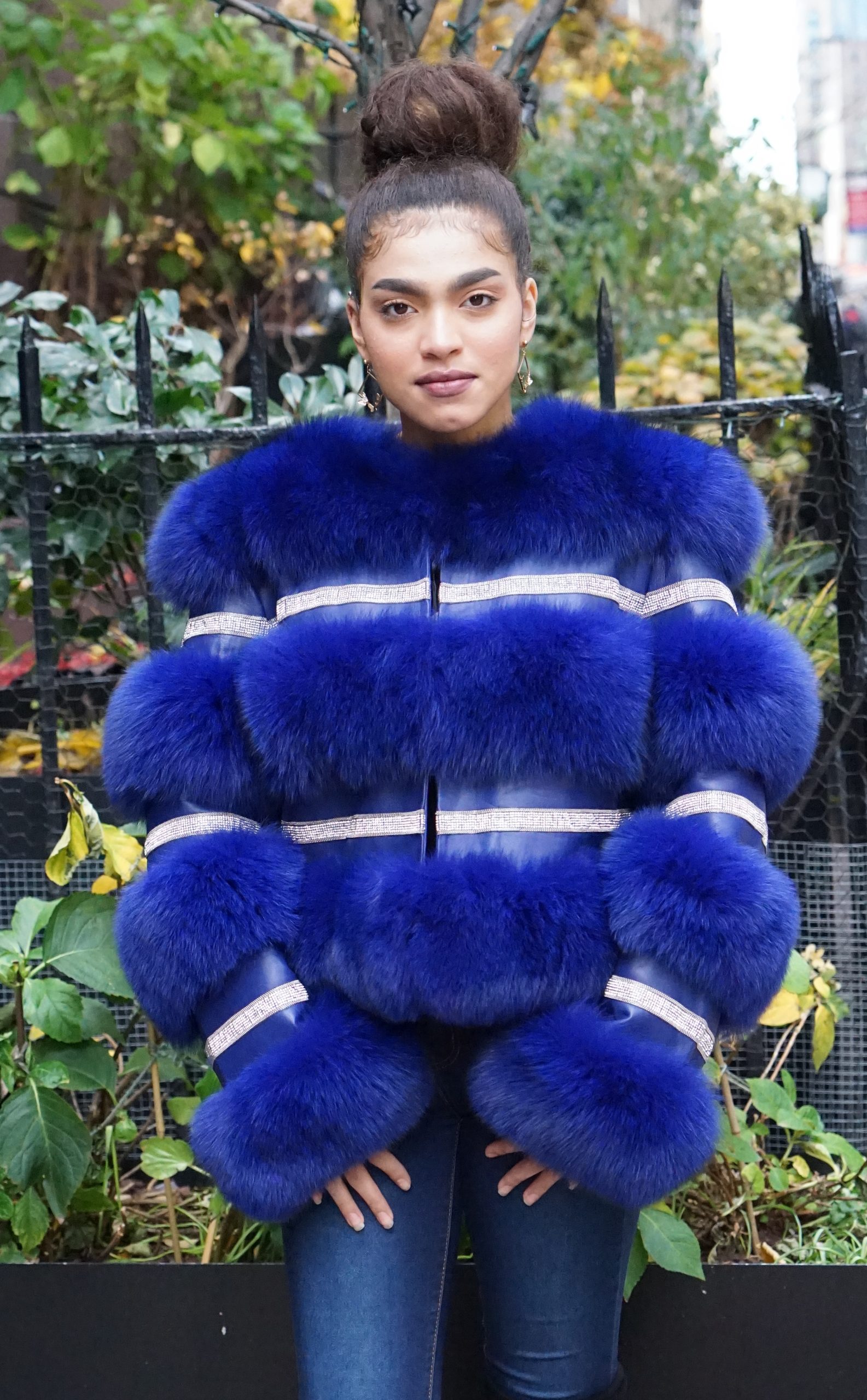
    Royal Blue Fox jacket Rhinestones
    Royal Blue Fox jacket Rhinestones
  8. Consult with a Fur Expert: Seek advice from a fur specialist or furrier who can guide you in the selection process. They can provide valuable insights into fur quality, craftsmanship, and style.
  9. Try It On Whenever possible, try on the fox coat to see how it fits and looks on you. Consider how it complements your body shape and whether it suits your style.
  10. Understand Maintenance Requirements: Fox fur requires special care to maintain its quality and appearance. Inquire about care instructions and storage recommendations provided with the c0at.
  11. Storage and Maintenance: Plan for proper storage and maintenance of your fox coat. Fur coats should be stored in a cool, dry place during warmer months to prevent damage.

Ultimately, choosing the best fox coat for you is a personal decision that depends on your style, preferences, and values. Take your time, conduct thorough research, and ensure that the coat aligns with your budget and ethical considerations to make a choice that you will be satisfied with for years to come.

How to Choose the Best Lynx Coat for Me

Choosing the best lynx coat involves careful consideration of various factors, including your style preferences, body type, budget, and ethical considerations. Here are steps to help you make an informed choice:

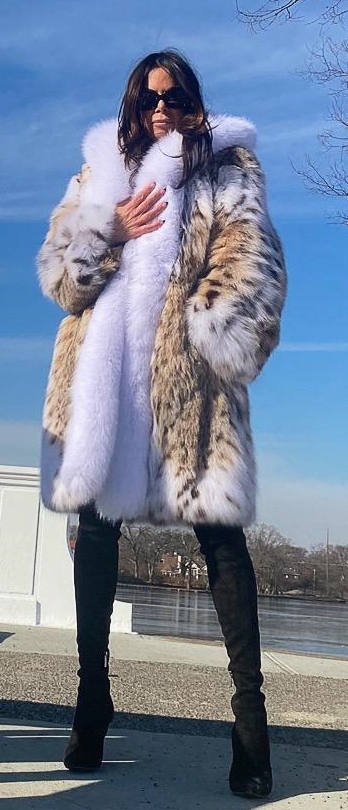
Fabulous Montana Lynx Parker White Fox Trim
  1. Determine Your Budget: Start by setting a budget for your lynx coat. Lynx fur is considered a luxury item and can be quite expensive, so knowing your budget will help you narrow down your options.
  2. Know the Types of Lynx: Lynx fur comes in different varieties, such as Canadian lynx, Siberian lynx, and American lynx. Each type has unique characteristics, so research them to determine which appeals to you the most.
  3. Consider Ethical Sourcing: Some people have ethical concerns about wearing fur. If this is a consideration for you, look for lynx fur sourced from ethical and sustainable practices. Ensure that it adheres to wildlife conservation guidelines and regulations.
  4. Choose a Style: Decide on the style of lynx coat that suits your taste and body type. Common styles include full-length coats, strollers, jackets, vests, and capes. Select a style that flatters your figure and aligns with your fashion preferences.
  5. Verify Fur Quality: When shopping for a lynx coat, examine the quality of the fur. Look for fur that is soft, dense, and has a consistent texture. Run your fingers through the fur to ensure it feels plush and luxurious.
  6. Check Lining and Stitching: Inspect the lining and stitching of the coat. A well-made lynx coat should have durable, high-quality lining and precise stitching to ensure longevity and comfort.
  7. Evaluate Details: Pay attention to the coat’s details, such as buttons, closures, and pockets. These features can enhance both the aesthetics and functionality of the coat.

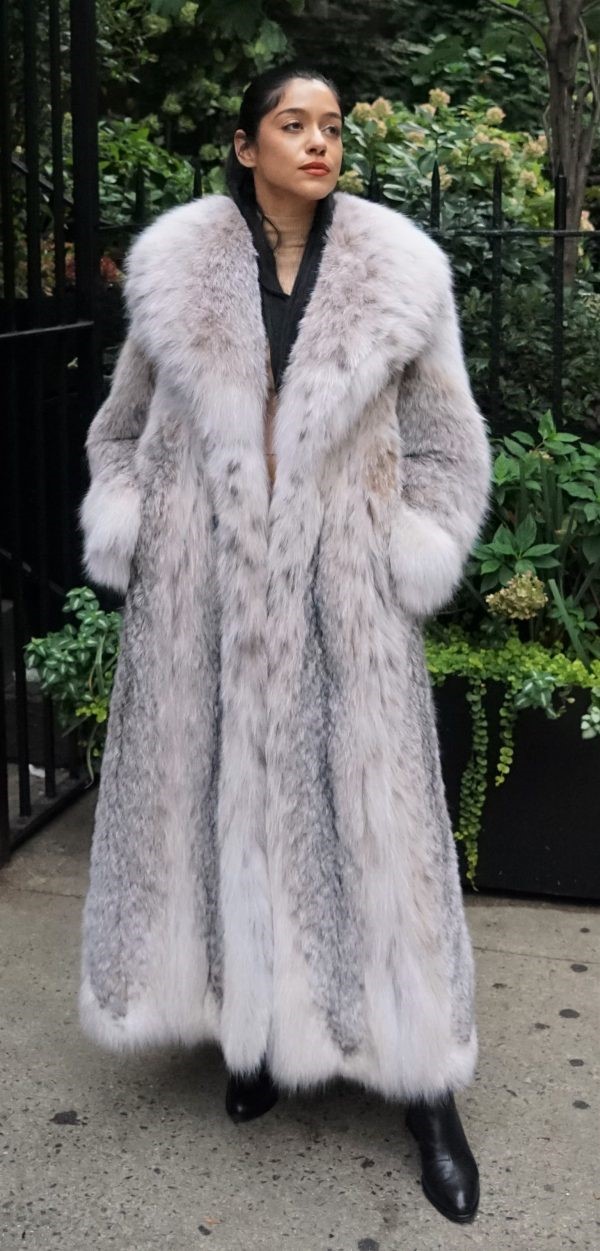
    Canadian Lynx Coat
    Canadian Lynx Coat
  8. Consult with a Fur Expert: Seek advice from a fur specialist or furrier who can guide you in the selection process. They can provide valuable insights into fur quality, craftsmanship, and style.
  9. Try It On Whenever possible, try on the lynx coat to see how it fits and looks on you. Consider how it complements your body shape and whether it suits your style.
  10. Understand Maintenance Requirements: Lynx fur requires special care to maintain its quality and appearance. Inquire about care instructions and storage recommendations provided with the coat
  11. Storage and Maintenance: Plan for proper storage and maintenance of your lynx coat. Fur coats should be stored in a cool, dry place during warmer months to prevent damage.

Choosing the best lynx coat for you is a personal decision that depends on your style, preferences, and values. Take your time, conduct thorough research, and ensure that the coat aligns with your budget and ethical considerations to make a choice that you will be satisfied with for years to come.

How to Choose the Best Rex Rabbit Coat for Me

Selecting the best rex rabbit coat involves considering factors like your style preferences, body type, budget, and ethical considerations. Rex rabbit fur is known for its softness and affordability. Here are steps to help you make an informed choice:

Chinchilla Rex Fur Jacket
  1. Determine Your Budget: Start by establishing a budget for your Rex rabbit coat. Rex rabbit fur is more affordable than many other fur types, but prices can still vary significantly.
  2. Understand Rex Rabbit Fur: Rex rabbit fur is known for its velvety texture and softness. It is typically shorter and denser than some other furs. Research the characteristics of rex rabbit fur to ensure it aligns with your preferences.
  3. Consider Ethical Sourcing: Some people have ethical concerns about wearing fur. If this is important to you, inquire about the sourcing and production practices of the rex rabbit fur. Look for coats that use fur from ethical and sustainable sources.
  4. Choose a Style: Decide on the style of Rex rabbit coat that suits your taste and body type. Common styles include full-length coats, jackets, vests, and capes. Select a style that flatters your figure and complements your fashion preferences.
  5. Verify Fur Quality: When shopping for a Rex rabbit coat, examine the quality of the fur. High-quality rex rabbit fur should be soft, dense, and have a consistent texture. Ensure it feels plush and luxurious to the touch.
  6. Check Lining and Stitching: Inspect the lining and stitching of the coat. A well-made rex rabbit coat should have durable, high-quality lining and precise stitching to ensure longevity and comfort.

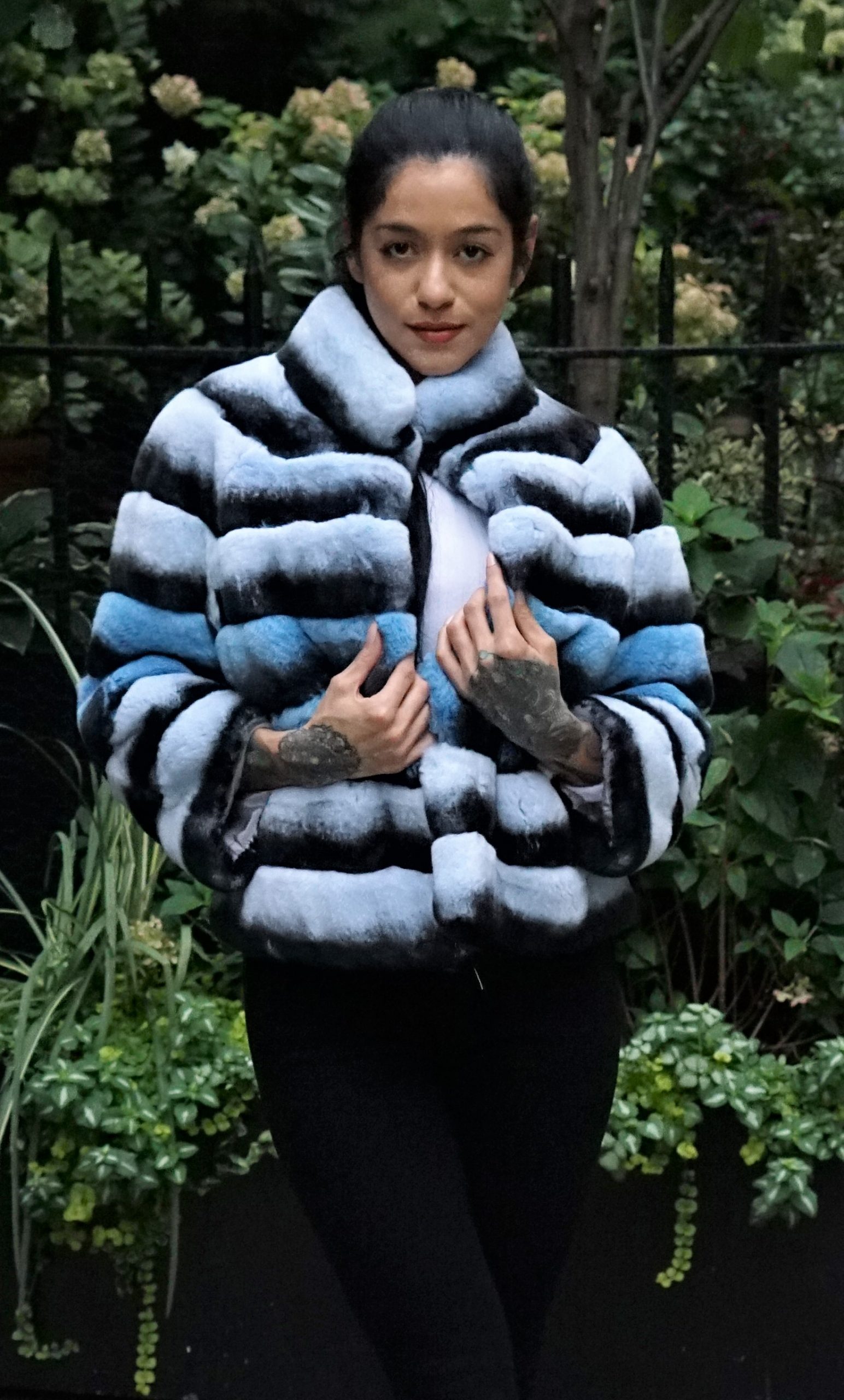
    Blue Horizontal Rex Chinchilla Jacket
    Blue Horizontal Rex Chinchilla Jacket
  7. Evaluate Details: Pay attention to the coat’s details, such as buttons, closures, and pockets. These features can enhance both the aesthetics and functionality of the coat.
  8. Try It On Whenever possible, try on the Rex rabbit coat to see how it fits and looks on you. Consider how it complements your body shape and whether it suits your style.
  9. Understand Maintenance Requirements: Rex rabbit fur requires special care to maintain its quality and appearance. Inquire about care instructions and storage recommendations provided with the coat.
  10. Consider Ethical Alternatives: If you have ethical concerns about wearing real fur, consider faux fur or vintage fur coats as an alternative.
  11. Storage and Maintenance: Plan for proper storage and maintenance of your Rex rabbit coat. Fur coats should be stored in a cool, dry place during warmer months to prevent damage.

Choosing the best Rex rabbit coat for you is a personal decision that depends on your style, preferences, and values. Take your time, conduct thorough research, and ensure that the coat aligns with your budget and ethical considerations to make a choice that you will be satisfied with for years to come.

List of 100 Places to Wear Fur

Wearing a fur coat can be appropriate in various settings, but it’s important to consider factors like climate and personal style.  Here’s a list of 100 places and occasions where you might choose to wear a fur coat:

Fabulous Pink Fox Coat
  1. Opera performance
  2. Ballet show
  3. Symphony concert
  4. Art gallery opening
  5. Red carpet event
  6. Gala dinner
  7. High-end theater
  8. Luxury cruise
  9. Fine dining restaurant

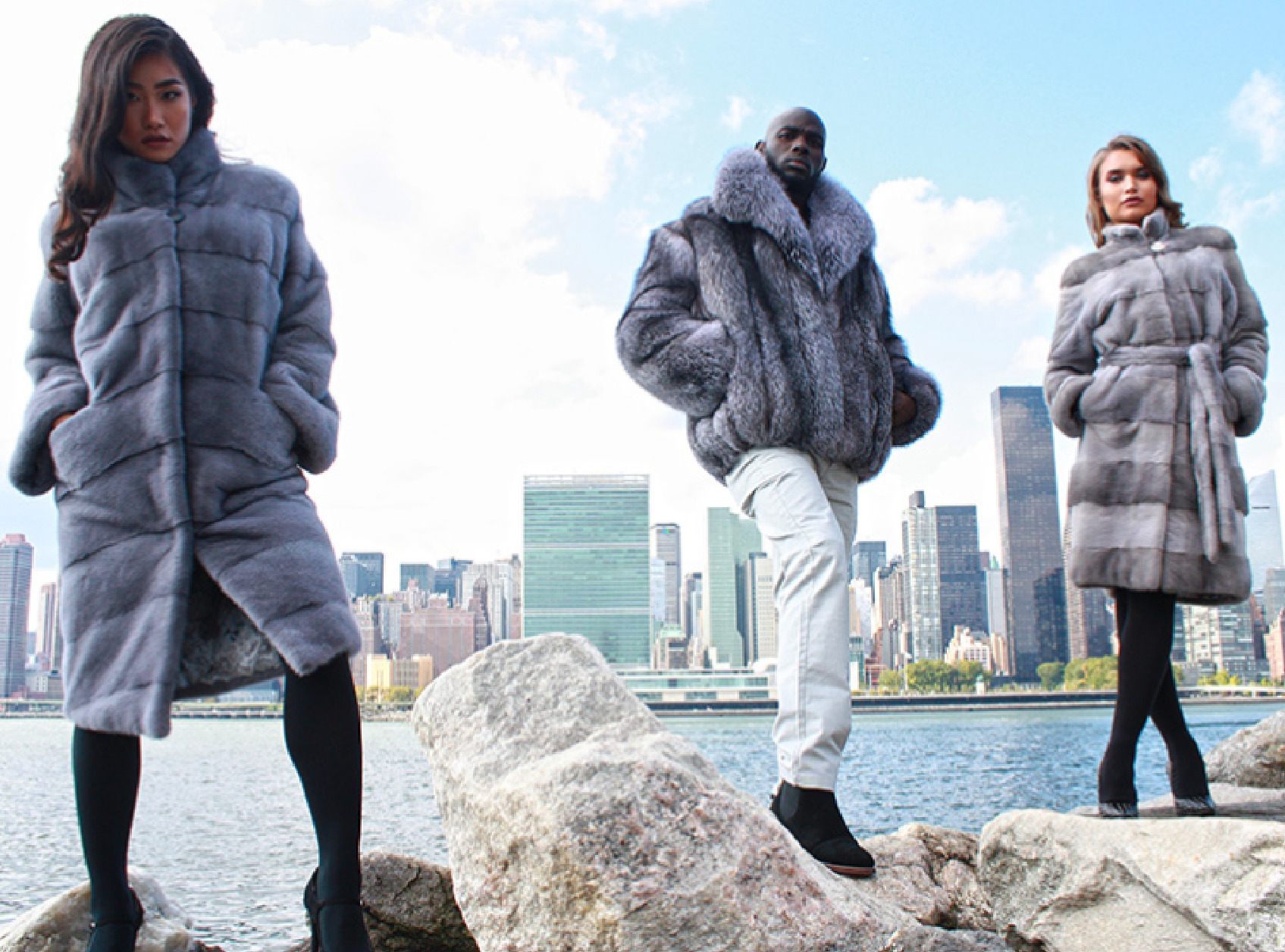
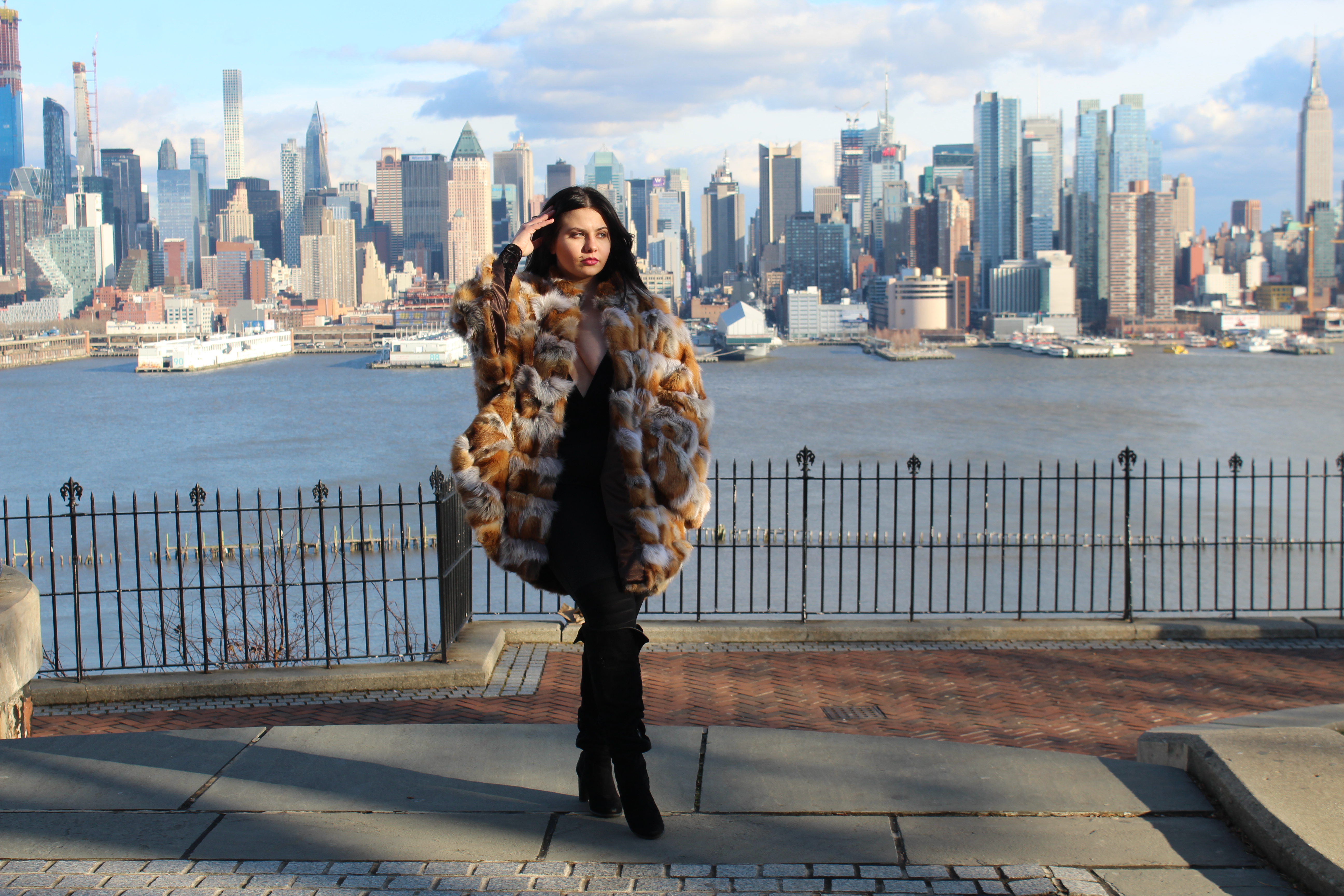
    Fur Coats NYC Skyline
    Magnificent Furs from NYC
  10. Winter Wedding
  11. New Year’s Eve party
  12. Holiday gala
  13. Luxury hotel stay
  14. VIP nightclub
  15. VIP lounge at the airport
  16. Charity fundraiser
  17. Anniversary celebration
  18. Milestone birthday party
  19. Wine tasting event
  20. Private yacht party
  21. High-stakes casino
  22. Ski resort
  23. Horse racing event
  24. Polo match
  25. Luxury spa day
  26. Awards ceremony
  27. Exclusive fashion show
  28. Celebrity event
  29. Exclusive private party
  30. Presidential inauguration
  31. International film festival
  32. Art auction
  33. Private mansion party
  34. Luxury car show
  35. Champagne brunch
  36. VIP movie premiere
  37. High-end shopping spree
  38. Luxury golf club
  39. Luxury vacation destination
  40. European royal palace visit
  41. Private jet travel
  42. Royal Ascot
  43. High-end jewelry store visit
  44. Luxury car dealership visit
  45. Horseback riding excursion
  46. Exclusive art exhibit
  47. Private island vacation
  48. Private helicopter tour
  49. Luxury ski chalet
  50. Polo club match
  51. Fashion week event
  52. Exclusive rooftop bar
  53. Art museum visit
  54. Presidential ball
  55. Luxury beach resort
  56. Private wine cellar tasting
  57. International fashion event
  58. VIP backstage pass at a concert
  59. Private art collector’s home
  60. Michelin-starred restaurant
  61. Luxury train journey
  62. Celebrity chef’s restaurant
  63. Luxury casino resort
  64. Luxury fashion boutique
  65. Champagne cruise
  66. Polo club members’ lounge
  67. VIP theater box
  68. Luxury safari vacation
  69. Vineyard tour and tasting
  70. Exclusive nightclub
  71. Private island wedding
  72. VIP suite at a sporting event
  73. Luxury desert resort
  74. High-end cigar lounge
  75. Exclusive private beach
  76. Horse-drawn carriage ride
  77. Royal garden party
  78. Luxury penthouse suite
  79. Exclusive members’ club
  80. Private art studio tour
  81. Luxury real estate tour
  82. High-end jewelry launch event
  83. Private fashion designer fitting
  84. Luxury ski vacation
  85. Artisan craft fair
  86. VIP horse race viewing
  87. Luxury wedding venue
  88. Exclusive yacht club
  89. Private vineyard estate
  90. Luxury whiskey tasting
  91. Exclusive theater box seats
  92. Celebrity-owned restaurant
  93. High-end cocktail lounge
  94. VIP casino penthouse
  95. Luxury wellness retreat
  96. Exclusive wine auction
  97. Designer fashion launch party
  98. Private fashion show
  99. Luxury wellness spa
  100. Private aviation event

    White Fox Coat
    White Fox Coat

Keep in mind that social and cultural norms regarding fur can vary widely, so always consider the appropriateness of wearing fur in a specific location and be respectful of differing viewpoints on fur use. Additionally, ensure that your fur coat is suitable for the climate and the occasion.

Posted on

MARC KAUFMAN FURS: A LEGACY OF LUXURY

White Mink Stroller

MARC KAUFMAN FURS: A LEGACY OF LUXURY

Spectacular Russian Sable Coat

Marc Kaufman Furs, a renowned luxury furrier, has been a staple in the fashion industry for over 140 years. With a rich history dating back to 1870, the company has established itself as a premier destination for high-quality, exquisite furs.

 Early Years

Marc Kaufman Furs was founded by Marc Kaufman’s great-great-great- great-grandfather, who immigrated to the United States from Europe in the late 19th century. The company started as a small fur shop in New York City, catering to the local community. Over the years, the business grew, and the Kaufman family expanded their operations to become one of the largest and most respected furriers in the country.

JLo Lynx Coat
JLO Lynx Coat Constance Wu
Legacy and Impact
Marc Kaufman Furs has not only dressed some of the most famous people in the world but has also played a significant role in shaping the fashion industry. The company’s commitment to quality, craftsmanship, and innovation has raised the bar for luxury furriers worldwide.
Today, Marc Kaufman Furs continues to be a family-owned and operated business, with Marc Kaufman at the helm. The company remains dedicated to providing exceptional customer service, unparalleled quality, and timeless style to its discerning clientele.
Cocoa Dyed Chinchilla Jacket
Marc Kaufman Furs, a renowned luxury furrier, has been a staple in the fashion industry for over 140 years. With a rich history dating back to 1870, the company has established itself as a premier destination for high-quality, exquisite furs. From its humble beginnings as a small fur shop in New York City to its current status as a global luxury brand, Marc Kaufman Furs has been privileged to serve some of the most iconic and stylish celebrities of their time.
Early Years (1870-1920)
Marc Kaufman Furs was founded by Marc Kaufman’s great-great-great-grandfather, who immigrated to the United States from Europe in the late 19th century. The company started as a small fur shop in New York City, catering to the local community. During this period, Marc Kaufman Furs focuses on providing high-quality, bespoke fur coats to its clients. The company’s commitment to excellence and customer satisfaction quickly earned it a reputation as one of the finest furriers in the city.
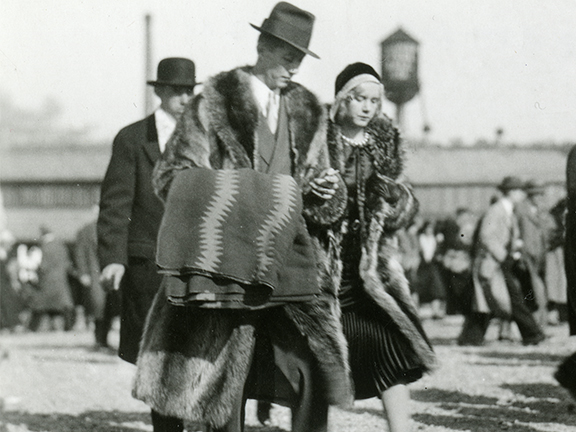
Men's Raccoon Coat 1920's
Men’s Raccoon Coat 1920’s
The Golden Age (1920-1960)
The 1920s to the 1960s are often referred to as the “Golden Age” of Kaufman Furs. During this period, the company experienced rapid growth and expansion, thanks in part to its association with some of the most iconic celebrities of the time. Marilyn Monroe, Elizabeth Taylor, and Frank Sinatra were just a few of the many famous clients who frequented Kaufman Furs during this era.
One of the most notable celebrity clients of Marc Kaufman Furs during this period was Marilyn Monroe. The legendary actress was often seen wearing Kaufman Furs’ creations, including a famous white fox coat that she wore in the 1954 film “Gentlemen Prefer Blondes.” Monroe’s association with Kaufman Furs helped to cement the company’s reputation as a premier luxury furrier.

Modern Era (1960-Present)

Ladies on a Cruise Fur Lifestyle
In the 1960s, Kaufman Furs began to expand its operations, opening new stores in major cities across the United States. The company also started to cater to a wider range of clients, including international celebrities and business leaders.
In recent years, Marc Kaufman Furs has continued to evolve and adapt to changing fashion trends. The company has introduced new and innovative designs, such as its signature ” Kaufman Furs” collection, which features a range of stylish and versatile fur coats.
Celebrity Clients
Throughout its history, The Kaufman Fur Family has been privileged to serve some of the most iconic and stylish celebrities of their time. Here are just a few examples of the many famous clients who have purchased furs from Marc Kaufman Furs:
  • Marilyn Monroe: As mentioned earlier, Monroe was a longtime client of Marc Kaufman Furs, often wearing their creations on screen and off.

    Fur coats on the red carpet Marilyn Monroe
    Fur coats on the red carpet Marilyn Monroe
  • Elizabeth Taylor: The Hollywood starlet frequently purchased furs from Marc Kaufman Furs, including a stunning sable coat that she wore to the 1961 Academy Awards.
  • Frank Sinatra: Ol’ Blue Eyes himself was a longtime client of Marc Kaufman Furs, often wearing their bespoke fur coats on stage and screen.
  • Audrey Hepburn: The beloved actress was a fan of Marc Kaufman Furs’ elegant and sophisticated designs, often wearing their furs in her iconic movie roles.
  • Jennifer Lopez: The pop star has been spotted wearing Marc Kaufman Furs’ creations on several occasions, including a glamorous white fox coat that she wore to the 2001 Academy Awards.

    JLo Golden Island Fox Coat Hustler Movie
    JLo Golden Island Fox Coat Hustler Movie
  • Liberace: The Pianist has been a longtime client of Kaufman Furs, often wearing their furs on the runway and concerts.

    Liberace Fox Coat
    Liberace Fox Coat
  • 50 Cent : The pop star has been known to wear Marc Kaufman Furs’ creations on stage and off, including a stunning Chinchilla Jacket that he wore in the Candy Shop Video.

    50 Cent Marc Kaufman Furs Celebrity Furrier
    50 Cent Marc Kaufman Furs Celebrity Furrier
  • Safari: The reality TV star has been spotted wearing Marc Kaufman Furs’ creations on several occasions, including a glamorous red fox coat that he wore to the BET Awards.

    Safaree Samuels Sporting Fox Fur Coat
    Safaree-Samuels-fox-fur-
Legacy and Impact
Marc Kaufman Furs has not only dressed some of the most famous people in the world but has also played a significant role in shaping the fashion industry. The company’s commitment to quality, craftsmanship, and innovation has raised the bar for luxury furriers worldwide.
Today, Marc Kaufman Furs continues to be a family-owned and operated business, with Marc Kaufman at the helm. The company remains dedicated to providing exceptional customer service, unparalleled quality, and timeless style to its discerning clientele.
As a testament to its enduring legacy, Kaufman Fur Family has been featured in numerous publications, including Vogue, Harper’s Bazaar, and The New York Times. 
Posted on

Fabulous Fox Coats & Jackets

JLo Golden Island Fox Coat Hustler Movie

Fabulous Fox Coats & Jackets

Pink Fox Jacket Lipstick

The Timeless Elegance of Fabulous Fox Coats & Jackets

When it comes to luxury outerwear, few pieces rival the majesty and sophistication of fabulous fox coats and jackets. These stunning garments have been a staple of high-end fashion for centuries, gracing the shoulders of royalty, celebrities, and fashion connoisseurs alike. In this blog, we’ll delve into the many uses and places to wear fabulous fox coats and jackets, exploring their versatility, elegance, and timeless appeal.

Winter Wonderland

White Fox Stroller
White Fox Stroller
Fabulous fox coats and jackets are tailor-made for the cold winter months. Whether you’re strolling through snow-covered streets, hitting the slopes, or attending a festive holiday party, these coats are sure to keep you warm and stylish. Their thick, plush fur provides unparalleled insulation, while their sleek designs ensure you look polished and refined.

Formal Affairs

Ladies on a Cruise Fur Lifestyle
Fox coats and jackets are natural showstoppers at formal events. Imagine wearing a sumptuous fox fur coat to a black-tie gala, wedding, or opera performance. The dramatic flair and opulence of these pieces elevate any outfit, commanding attention and admiration. Pair your fabulous fox coat with a sleek evening gown or tailored tuxedo for an unforgettable red-carpet look.

Everyday Chic

Men's Red Fox Coat
Men’s Red Fox Coat
While fabulous fox coats and jackets shine at formal events, they’re also surprisingly versatile for everyday wear. Throw on a fox-trimmed denim jacket for a casual lunch date or pair a fox-fur vest with distressed jeans for a chic, weekend look. These statement pieces instantly elevate your wardrobe, adding a touch of glamour to even the most mundane outfits.

Outdoor Adventures

Peach Ski Fox Jacket
Fox coats and jackets aren’t just for city dwellers; they’re also perfect for outdoor enthusiasts. Whether you’re skiing, hiking, or exploring the wilderness, these durable, water-resistant pieces keep you warm and protected from the elements. Look for styles with adjustable cuffs and hemlines to ensure a secure fit.

Cultural Significance

Red Fox Vest
Red Fox Vest
Fabulous fox coats and jackets hold cultural significance in various societies. In some Indigenous cultures, fox fur is revered for its spiritual symbolism, representing cunning, adaptability, and wisdom. In luxury fashion, fox fur is prized for its exceptional softness, warmth, and lightness. By wearing a fabulous fox coat or jacket, you’re not only making a style statement but also honoring the rich heritage behind these extraordinary pieces.
Violet fox jacket
Violet fox jacket
Fabulous fox coats and jackets have become staples in streetwear fashion. Influencers and style enthusiasts incorporate fox-trimmed hoodies, bombers, and parkas into their edgy, urban outfits. These statement pieces add a bold, eye-catching touch to any ensemble, instantly elevating your street style cred.

Historical Roots

The allure of fabulous fox coats and jackets dates back centuries. In ancient Greece and Rome, fox fur was highly valued for its warmth and luxury. During the Renaissance, European nobility donned elaborate fox-trimmed cloaks and capes. Today, designers continue to draw inspiration from these historical styles, crafting modern masterpieces that blend heritage with haute couture.

Key Looks

Men's Multiple Colored Fox Bomber Jacket
Men’s Multiple Colored Fox Bomber Jacket
To incorporate fabulous fox coats and jackets into your wardrobe, consider these key looks:
  • Monochromatic Majesty: Pair a solid-colored fox coat with matching trousers and boots for a cohesive, high-fashion statement.
  • Contrasting Chic: Combine a vibrant fox jacket with neutral-toned basics for a pop of color and visual interest.
  • Layered Luxe: Layer a fox-trimmed vest over a crisp white shirt and tailored trousers for a sophisticated, textured look.

Styling Tips

Yellow Fox Coat Directional
To maximize the impact of your fabulous fox coat or jacket:
  • Balance Volume: Offset the bulk of a fox coat with streamlined silhouettes and minimalist accessories.
  • Play with Texture: Mix fox fur with contrasting textures like suede, velvet, or lace for added depth.
  • Accessories Matter: Choose understated accessories that won’t compete with your show-stopping fox coat.

Care and Maintenance

To ensure your fabulous fox coat or jacket remains a treasured possession for years to come:
  • Professional Cleaning: Entrust cleaning to reputable, specialized cleaners.
  • Storage: Store your fox coat in a cool, dry environment, away from direct sunlight.
  • Handling: Handle fox fur with care, avoiding excessive pulling or tugging.

Conclusion

Fabulous fox coats and jackets embody the essence of luxury fashion, offering unparalleled style, warmth, and sophistication. Whether you’re attending a high-society gala or simply running errands, these extraordinary pieces promise to turn heads and make lasting impressions. With their rich history, versatility, and timeless appeal, fabulous fox coats and jackets are truly worthy of their status as fashion icons.
Posted on

luxury Fur Coats

Exquisite Russian Golden Sable Full Length Coat

luxury Fur Coats

Spectacular Russian Sable Coat

Luxury fur coats are perfect for making a statement at high-end events and destinations. Imagine wearing your luxurious mink or sable fur coat to the opera house, such as the Metropolitan Opera in New York City or the Royal Opera House in London. Red-carpet events like movie premieres, award shows, and charity galas are also ideal venues, including the Oscars, Golden Globes, or Cannes Film Festival.

Horizontal Chinchilla Stroller
Fashion weeks in cities like Paris, Milan, and New York provide additional opportunities to showcase your luxurious fur.
Upscale restaurants and hotels, such as the Four Seasons or Ritz-Carlton, offer elegant settings to display your fur coat. Attend exclusive parties, like those hosted by luxury brands or celebrities, or visit posh nightclubs in cities like Las Vegas, Miami, or Dubai. Luxury cruises, private yachts, or ski resorts in Aspen, St. Moritz, or Courchevel provide unique backdrops for your fur coat.
Blue Mink Jacket
Blue Mink Jacket
High-end shopping destinations, such as Rodeo Drive, Fifth Avenue, or Bond Street, are perfect for wearing your luxury fur coat while browsing designer boutiques. Art galleries, museums, and exhibitions, like the Met or Tate Modern, showcase your refined taste. Attend sporting events, such as polo matches or horse racing, at esteemed venues like Windsor or Belmont Park.
In addition to these destinations, consider wearing your luxury fur coat to:
Alaskan Fur Cruise
Alaskan Fur Cruise
  • Luxury weddings and anniversaries
  • Black-tie events and galas
  • Fashion photography shoots
  • High-end networking events
  • Exclusive golf courses or country clubs
  • Private jets or helicopters
  • Luxury ski chalets or mountain lodges
  • Yacht clubs or marinas

    Furs on an Alaskan Cruise Fur Lifestyle
    Furs on an Alaskan Cruise
    Fur Lifestyle
Some popular cities to wear luxury fur coats include:
  • New York City (Manhattan, Upper East Side)
  • Los Angeles (Beverly Hills, Rodeo Drive)
  • London (Mayfair, Knightsbridge)
  • Paris (Champs-Élysées, Avenue Montaigne)
  • Milan (Via Montenapoleone)
  • Dubai (Dubai Mall, Burj Khalifa)
  • Las Vegas (The Strip)
  • Miami (South Beach)
  • Aspen (Ski Resort)

    Ski Pink Fox Jacket
    Ski Pink Fox Jacket
Seasonal events and holidays also provide opportunities to wear luxury fur coats:
  • Christmas and New Year’s Eve parties
  • Valentine’s Day dinners
  • Easter parades
  • Thanksgiving and holiday gatherings
  • Winter festivals (e.g., Aspen’s Wintersköl)

    Mink Coat Christmas Gift
    Mink Coat Christmas Gift
When traveling, consider packing your luxury fur coat for:
  • Winter getaways to cold climates
  • Ski trips to European resorts
  • Luxury cruises to Arctic or Antarctic regions
  • Visits to iconic winter destinations (e.g., Ice Hotel, Lapland)

    Blackglama Mink Coat
    Blackglama Mink Coat
Remember to store your luxury fur coat properly when not in use, using climate-controlled storage or professional fur storage services.
Maintaining luxury fur coats requires meticulous care to preserve their softness, shine, and durability. Here’s a comprehensive guide:
Fur storage
Fur storage
Storage:
Store your luxury fur coat in a climate-controlled environment, away from direct sunlight and moisture. Use a breathable storage bag or box with acid-free tissue paper to prevent damage. Consider professional fur storage services, which maintain optimal temperature (around 40°F) and humidity levels. 
Fur cleaning and storage
Fur cleaning and storage time is here
Cleaning:
Avoid washing or dry cleaning your luxury fur coat, as this can damage the fur or remove natural oils. Instead:
  • Brush your fur coat regularly with a soft-bristled brush to prevent matting.
  • Use a damp cloth to gently remove surface stains.
  • For oil-based stains, apply a small amount of talcum powder and gently brush off.
  • For more stubborn stains, consult a professional fur cleaner.

    FUR CLEANING
    BEST FUR CLEANING
Conditioning:
Regular conditioning maintains your luxury fur coat’s softness and shine:
  • Use a fur-specific conditioner or glaze to moisturize and protect the fur.
  • Apply a small amount to a soft cloth and gently rub into the fur.
  • Allow the conditioner to absorb fully before wearing.
Handling:
Handle your luxury fur coat with care:
  • Avoid pulling or tugging on the fur, as this can cause breakage.
  • Hold the coat by the shoulders or sleeves, not the fur.
  • Avoid wearing your fur coat in rainy or humid conditions.
Inspections:
Regular inspections help identify potential issues:
  • Check for signs of wear, such as thinning or breakage.
  • Inspect seams and linings for damage.
  • Look for stains or discoloration.

    Expert Fur Repairs
    Expert Fur Repairs
Repairs:
Address repairs promptly to prevent further damage:
  • Consult a professional furrier for repairs, alterations, or restyling.
  • Use matching materials and techniques to maintain authenticity.
Protection:
Protect your luxury fur coat from:
  • Moths and pests: use natural deterrents like cedar chips or lavender sachets.
  • Sun damage: use UV-filtering window treatments or store in shaded areas.
  • Accidental spills: keep a cleaning kit handy.
Seasonal Tips:
  • Before storing your fur coat for the season, clean and condition it.
  • Consider having your fur coat professionally cleaned and conditioned annually.
  • In colder climates, wear a scarf or wrap to protect your fur coat from wind and snow.
Professional Care:
Consider consulting a professional furrier for:
  • Annual cleaning and conditioning
  • Repairs and alterations
  • Restyling or remodeling
  • Storage and maintenance advice
Some recommended products for maintaining luxury fur coats include:
  • Fur-specific conditioners and glazes
  • Soft-bristled brushes
  • Acid-free tissue paper
  • Breathing storage bags or boxes
  • Cedar chips or lavender sachets
By following these guidelines, you’ll ensure your luxury fur coat remains a timeless and stunning piece for generations.