Posted on

List of 100 Places to Wear Fur

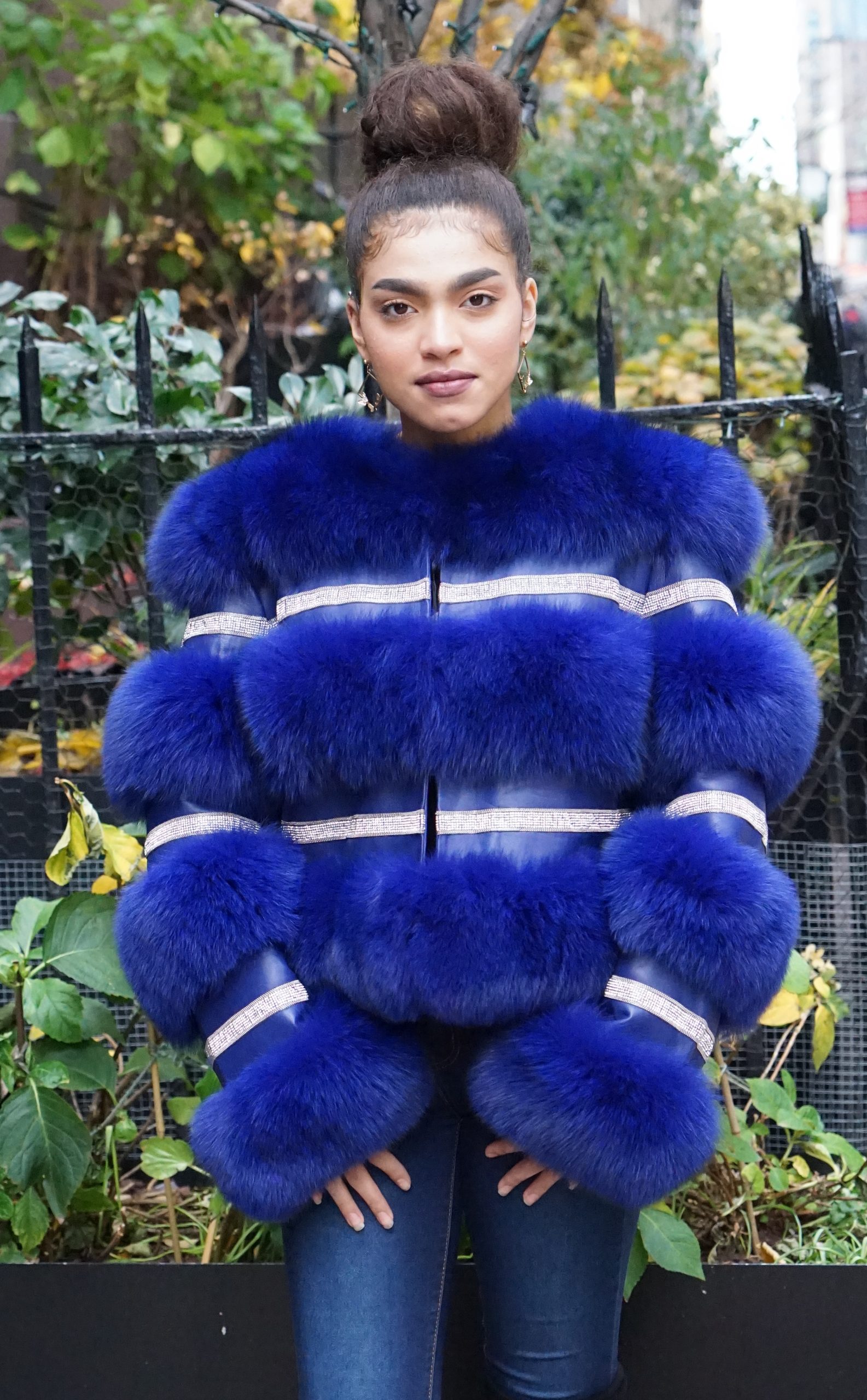
Royal Blue Full Length Fox Coat

Best Places to Wear a Fur Coat

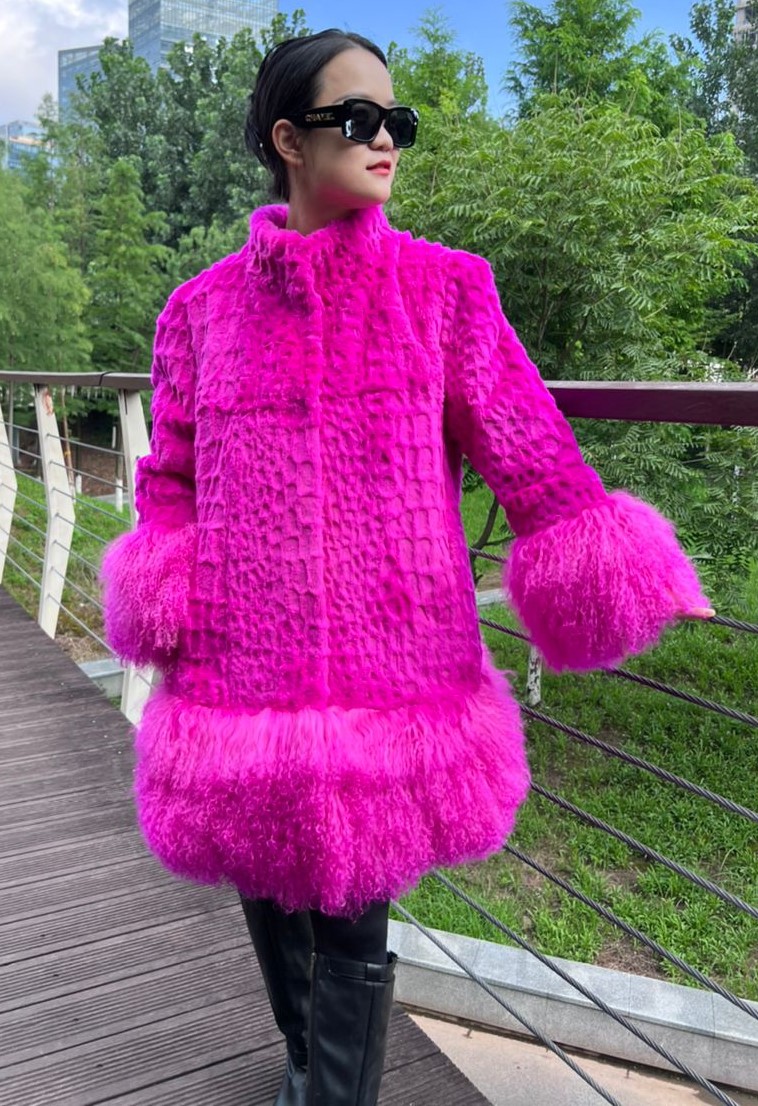
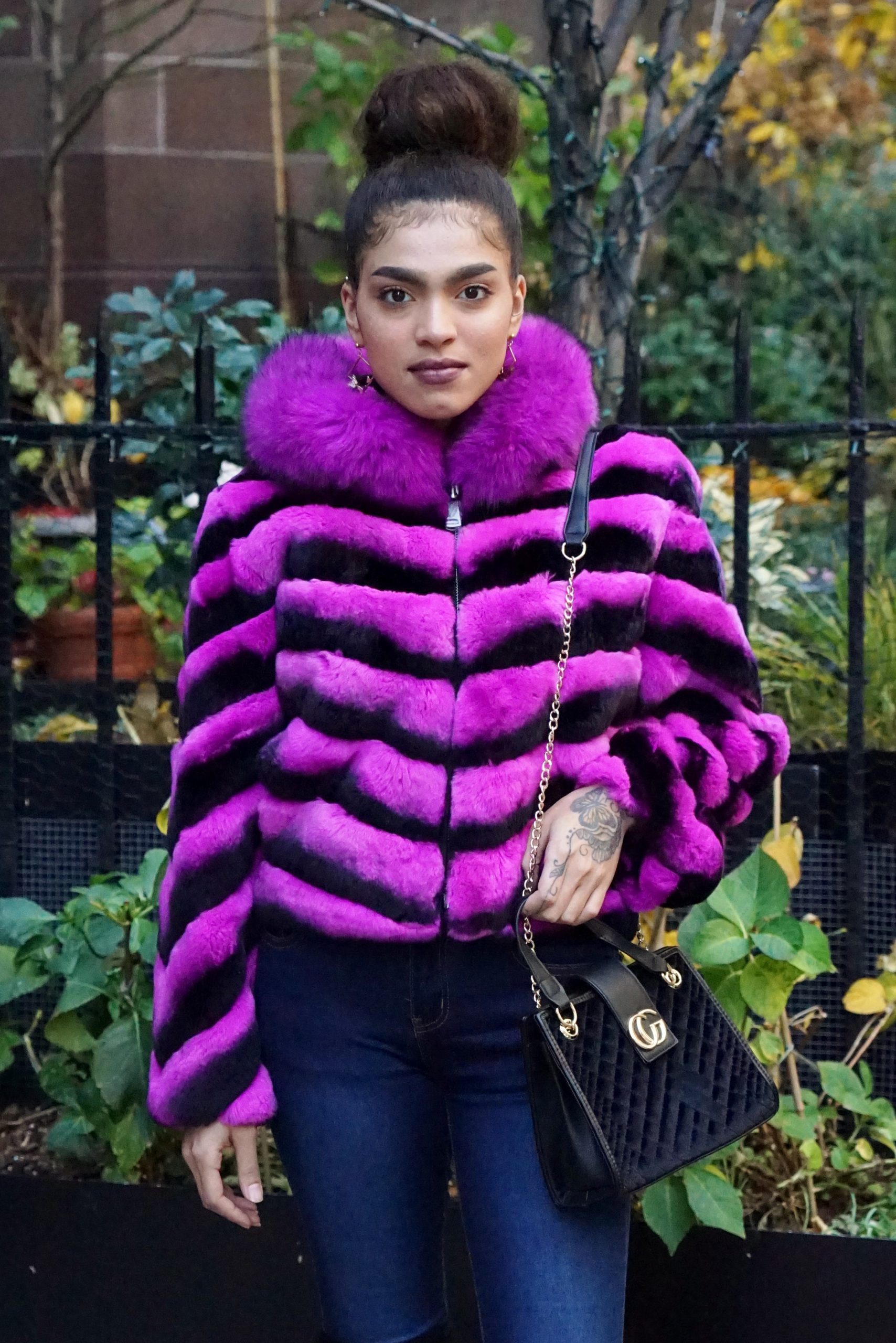
Pink Rex Rabbit Jacket Tibetan Lamb

Best Places to Wear a Fur Coat

  1. Cold winter days
  2. Ski resorts
  3. Ice skating rinks
  4. Snowy mountain getaways
  5. Arctic expeditions
  6. Polar bear tours
  7. Alaska or Siberia
  8. Ice hotels
  9. New York Fashion Week
  10. Paris Fashion Week
  11. Milan Fashion Week
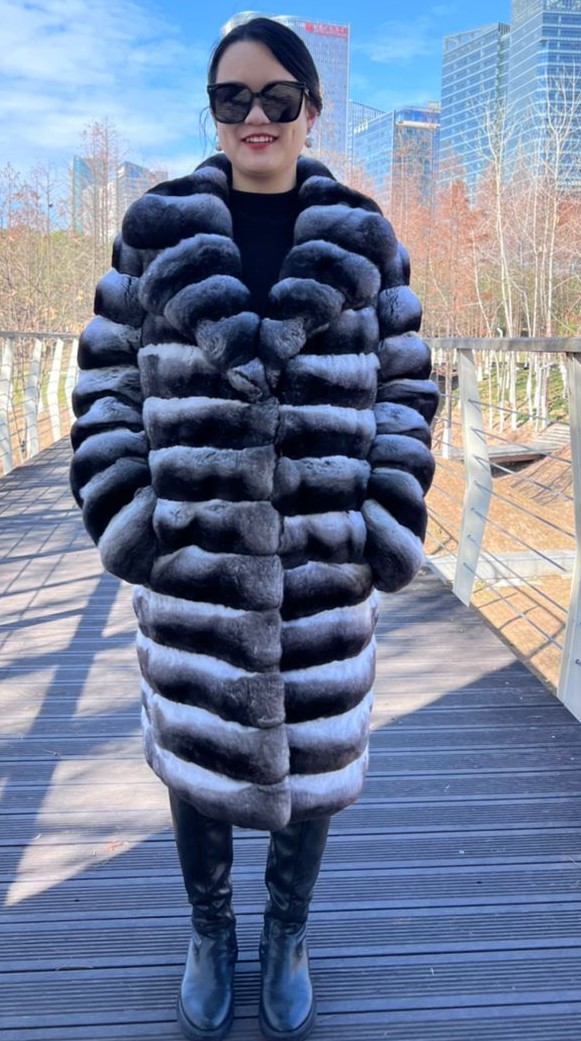
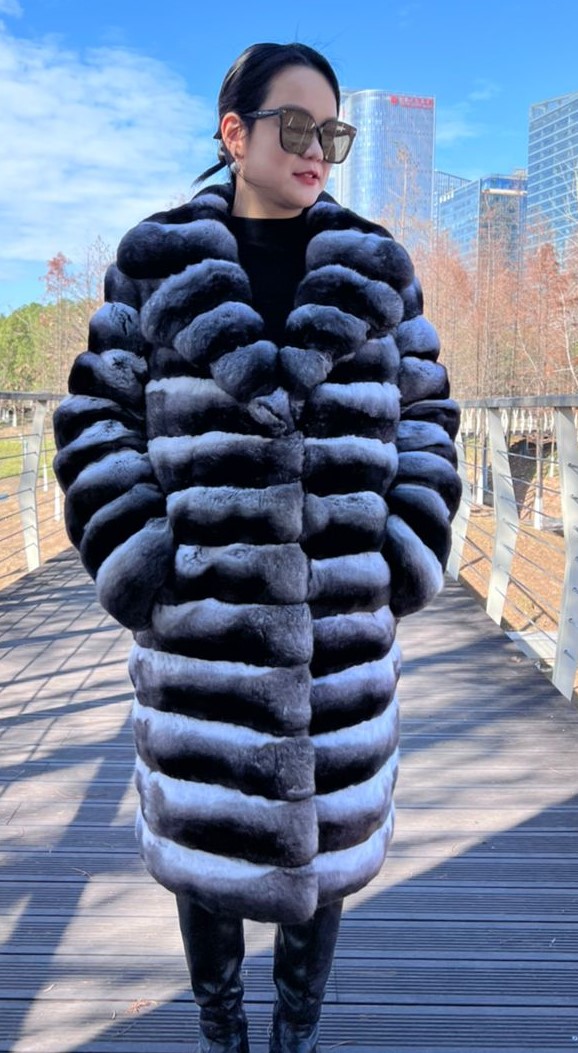
Horizontal Chinchilla Coat
  • London Fashion Week
  • Couture fashion shows
  • Red carpet events
  • Charity galas
  • Opera performances
  • Ballet performances
  • Symphony orchestra concerts
  • VIP parties
  • Luxury yacht cruises
  • Upscale casinos
  • High-stakes poker games
  • Art gallery openings
  • Wine tastings
  • Michelin-starred restaurants
  • Exclusive nightclubs
  • Private jets
  • Limousine rides
  • VIP movie premieres
  • Award ceremonies
  • Charity auctions
  • Luxury spa retreats
  • Private island vacations
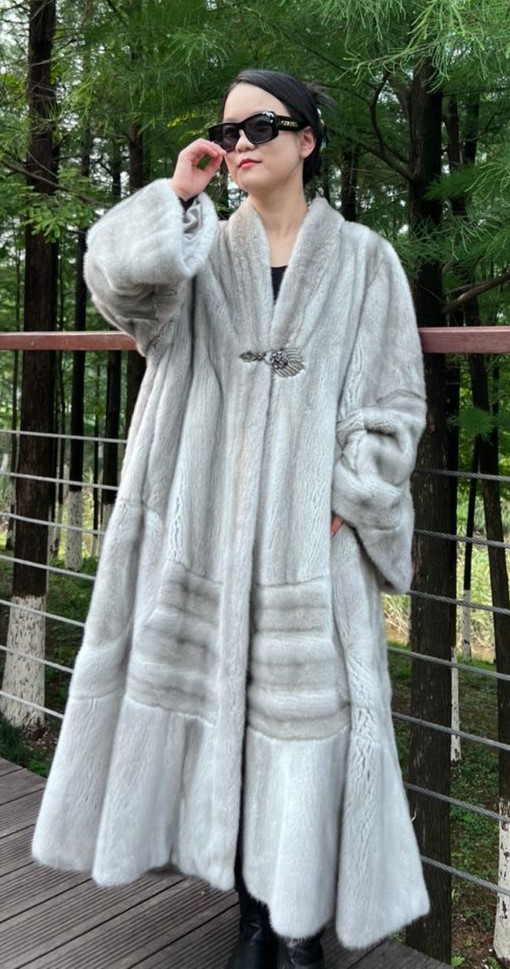
Sapphire Directional Mink Coat
  • Luxury train journeys
  • Horse-drawn carriage rides
  • Polo matches
  • Royal ascot
  • High-end jewelry stores
  • Luxury shopping districts
  • Opera houses
  • Historical theaters
  • Vintage car shows
  • Luxury car dealerships
  • VIP suites at sports events
  • Champagne tastings
  • Luxury cruises
  • VIP art exhibitions
  • Private art collections
  • Fashion photo shoots
  • VIP airport lounges
  • Five-star hotels
  • Luxury resorts
  • Exclusive beach clubs
  • Private beach villas
  • Celebrity weddings
  • Private garden parties
  • Luxury golf courses
  • High-end ski chalets
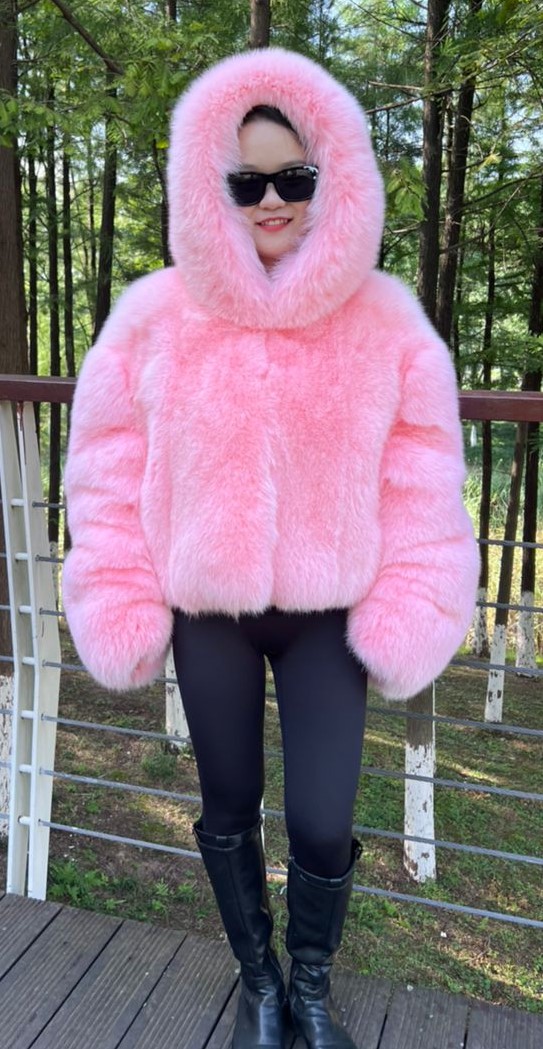
Pink Fox Hooded Jacket
  • Polo club events
  • Private masquerade balls
  • Destination weddings
  • Anniversary celebrations
  • Luxury train journeys
  • Wine and dine events
  • Horse racing events
  • Private islands
  • Vintage fashion expos
  • Opera galas
  • Exclusive social clubs
  • Luxury penthouse parties
  • New Year’s Eve in Times Square
  • The Cannes Film Festival
  • Monaco Grand Prix
  • The Met Gala
  • Royal weddings
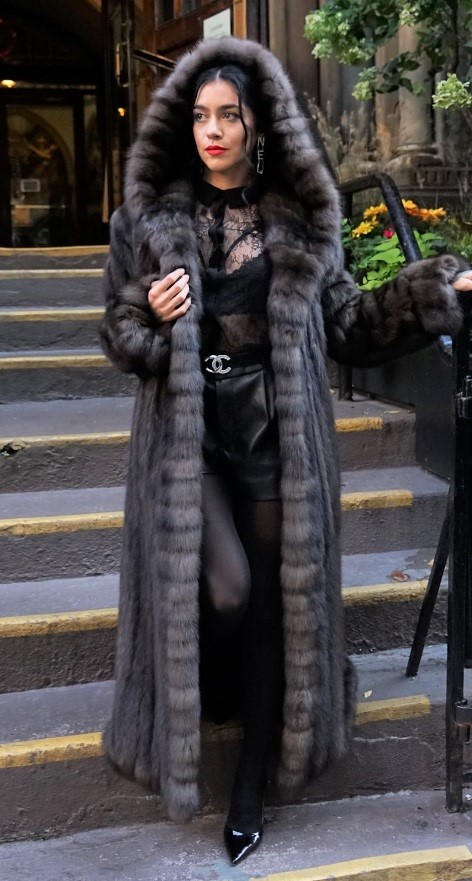
Russian Sable Coat
Russian Barguzin Sable Coat
  • Kentucky Derby
  • High-end department stores
  • VIP casino suites
  • Luxury art auctions
  • High-end real estate showings
  • Rooftop bars with stunning views
  • High tea at luxury hotels
  • VIP backstage access at concerts
  • Artisanal chocolate tastings
  • Exquisite dessert restaurants
  • Winter wonderland events
  • Luxury penthouse apartments
  • Vintage fashion shops
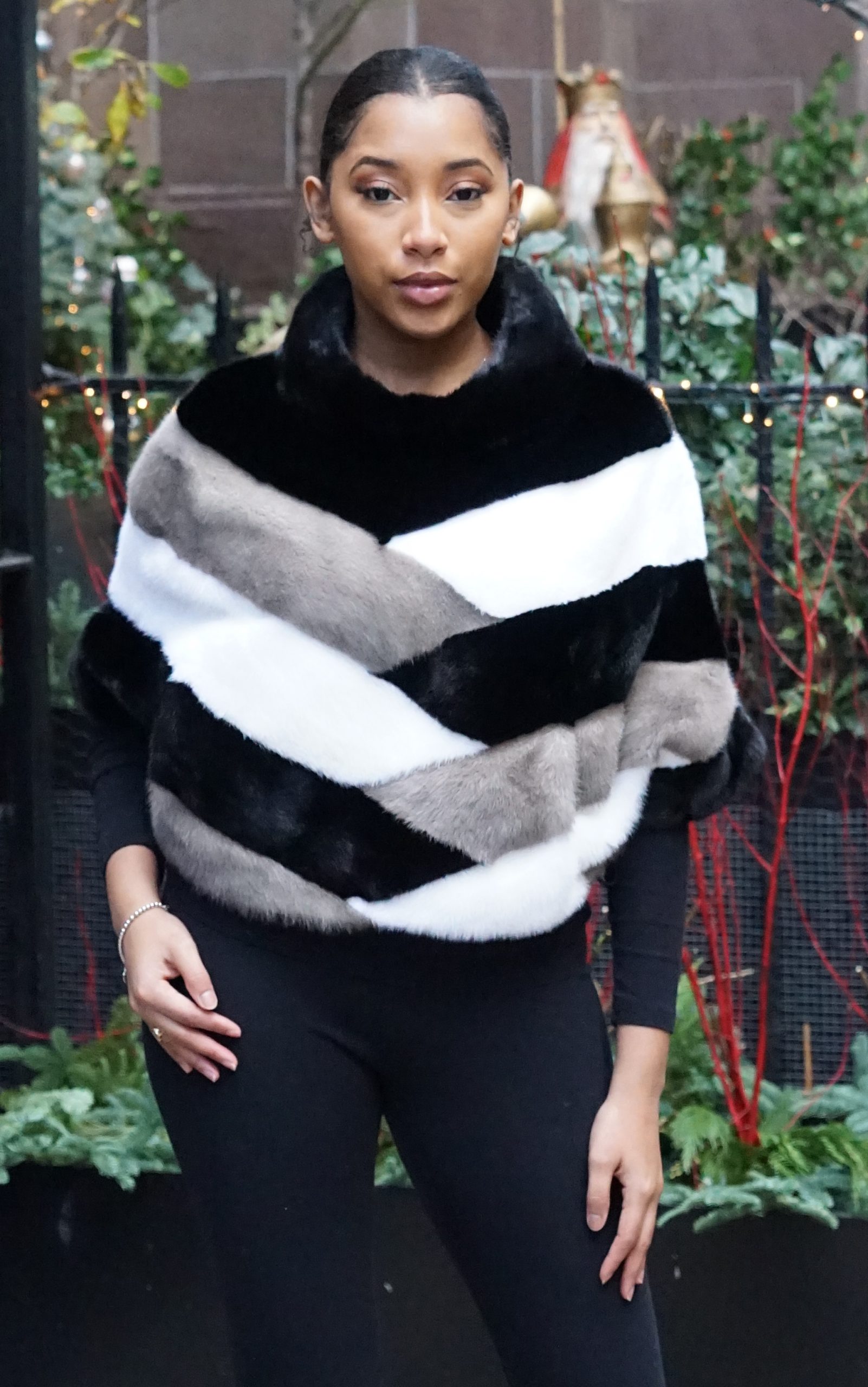
Multi Colored Mink Pullover
  • Themed costume parties
  • Gatsby-themed parties
  • VIP lounges at music festivals
  • Luxury jewelry exhibitions
  • Private vineyard tours
  • Fine art auctions
  • Private art studios
  • Charity fashion shows
  • Marc Kaufman Furs
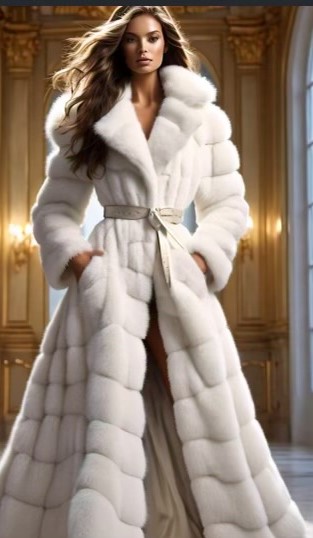
White Fox Coat
White Fox Coat

List of 100 Places to Wear Fur Cold winter days, Ski resorts, Snowy mountain getaways, Arctic expeditions, Alaska or Siberia, Ice hotels, New York Fashion Week.

Posted on

100 Things I Need to Know About Purchasing a Fur Coat

White Mink Coat Full Length

Things I Need to Know About Purchasing a Fur Coat

Purchasing a fur coat can be a significant investment, and it’s essential to make an informed decision. Here are 100 things you need to know about purchasing a fur coat:

Pink Rex Rabbit Jacket Tibetan Lamb
  1. Budget: Determine your budget for buying a fur coat.
  2. Types of Fur: Familiarize yourself with various fur types like mink, fox, chinchilla, rabbit, and more.
  3. Fur Origin: Know where the fur comes from and consider ethical sourcing.
  4. Fur Quality: Understand fur quality grades, like “pelt quality” and “garment quality.”
  5. Research: Gather information about fur, its care, and maintenance.
  6. Retailer Reputation: Buy from a reputable and ethical fur retailer.
  7. Try Before You Buy: Always try the coat on before purchasing.
  8. Fit: Ensure the coat fits you well and allows for layering underneath.
  9. Style: Choose a style that suits your body type and fashion preferences.
  10. Length: Decide on the length of the fur coat (short, mid-length, or full-length).
  11. Color: Select a fur color that complements your skin tone and wardrobe.
  12. Warmth: Consider the warmth of the fur coat for your climate.
Horizontal Chinchilla Coat
  • Brand: Research fur designers and brands known for quality.
  • Insulation: Check if the coat has proper insulation for colder weather.
  • Weather Resistance: Assess whether the fur is weather-resistant.
  • Maintenance: Understand the care and cleaning requirements of fur.
  • Lining Material: Learn about the lining material (silk, satin, etc.).
  • Alterations: Inquire about the possibility of alterations if needed.
  • Store Policies: Familiarize yourself with the store’s return and exchange policies.
  • Warranty: Ask if there’s a warranty or guarantee for the fur.
  • Vintage vs. New: Decide if you want a vintage or new fur coat.
  • Storage: Know how to properly store your fur coat during off-seasons.
  • Appraisal: Get the fur coat appraised for insurance purposes.
  • Fur Labels: Look for labels indicating fur type and origin.
Black Cross Mink Coat Silver Fox Trim
  • Trim vs. Full Fur: Decide if you want a full fur coat or one with fur trim.
  • Sheared Fur: Explore sheared fur options for a sleeker look.
  • Natural vs. Dyed: Consider whether you want natural or dyed fur.
  • Fur Alternatives: Explore faux fur options if you can’t afford real fur
  • Be aware of proper sizing, a fur should not fit too tight
  • Fur Density: Check the density of the fur for warmth.
  • Fur Quality Certifications: Look for certifications like NAFA or Saga.
  • Weight: Consider the weight of the coat for comfort.
  • Tanning Process: Learn about the tanning process used on the fur.
  • Fur Accessories: Explore fur accessories like scarves and hats.
  • Feel comfortable with the source you are buying from.
  • Weatherproofing: Ask if the fur coat has been weatherproofed.
  • Vintage Fur Care: Research how to care for vintage fur.
  • Budget for Maintenance: Allocate a budget for fur coat maintenance.
  • Compare Prices: Compare prices from different retailers.
  • Seasonal Sales: Look for discounts during the offseason.
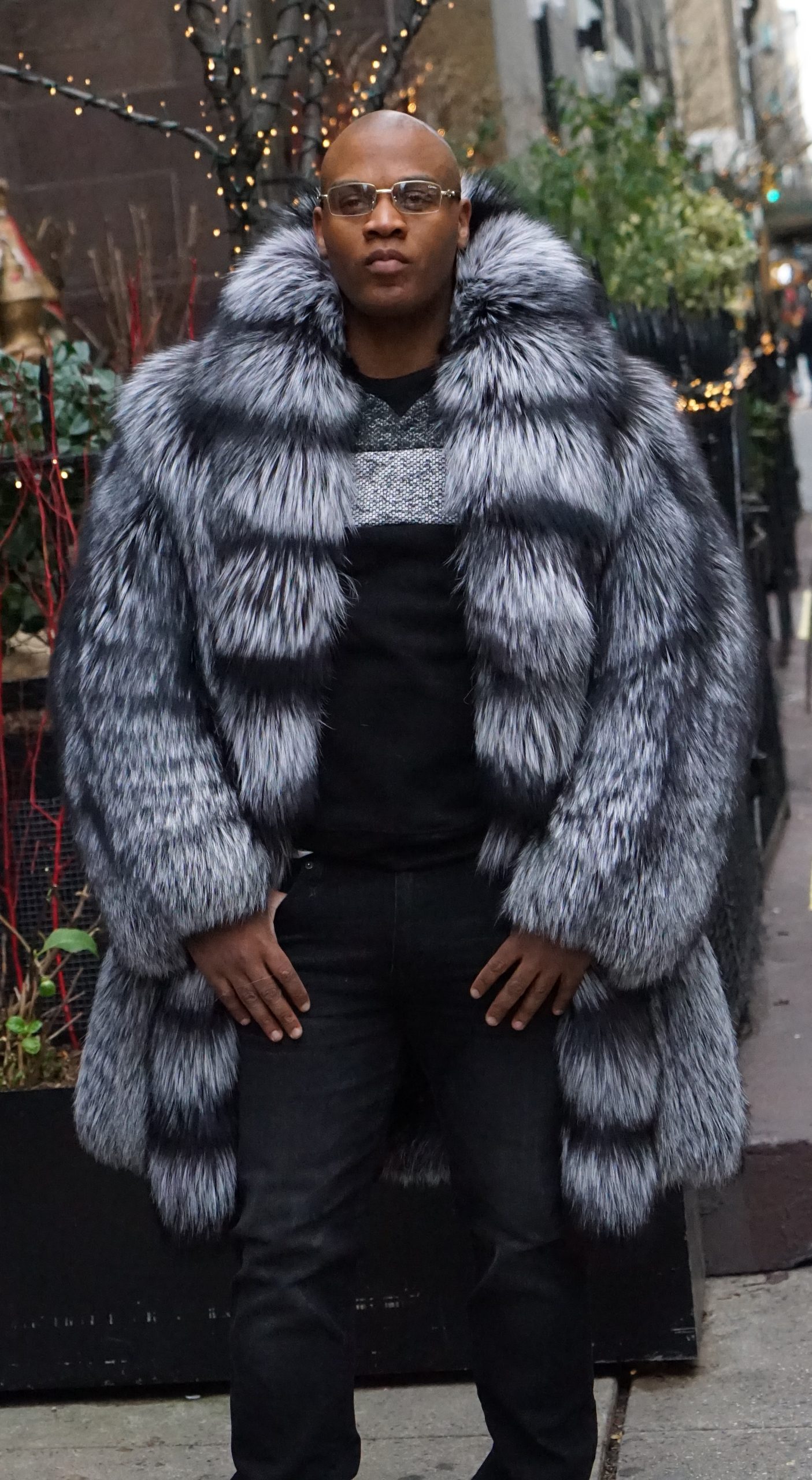
Men's Silver Fox Stroller
Men’s Silver Fox Stroller
  • Payment Plans: Inquire about payment plans or financing options.
  • Proper Storage: Invest in a fur storage facility if necessary.
  • Fur-Trimmed vs. Full Fur Hood: Decide on the type of hood.
  • Proper Handling: Learn how to handle your fur coat to avoid damage.
  • Sunlight Exposure: Avoid prolonged exposure to direct sunlight.
  • Rain Protection: Carry an umbrella to protect your fur from rain.
  • Pet Care: Be cautious around pets that may damage fur.
  • Professional Cleaning: Only trust professionals for fur cleaning.
  • Brushing: Brush your fur coat regularly to maintain its appearance.
  • Avoid Moisture: Keep fur away from damp environments.
  • Fur Reversibility: Check if the coat is reversible for versatility.
  • Fur Collar: Decide on a fur collar’s style (shawl, notched, etc.).
  • Body Shape: Consider how the coat complements your body shape.
  • Age: Keep in mind that fur coats can last for decades.
Fuchsia Rex Rabbit Hooded Jacket Fox Trim
  • Vintage Sizing: Vintage sizes may differ from modern ones.
  • Decide if you want a total fur garment or a trimmed fur garment
  • Local Craftsmen: Consider supporting local furriers.
  • Seasonal Sales: Look for end-of-season sales for discounts.
  • Return Policy: Understand the store’s return policy in case you change your mind.
  • Customization: Inquire if the fur coat can be customized.
  • Vintage Patina: Embrace the vintage patina if you opt for a vintage fur.
  • Designer Collaboration: Check if any designers collaborated on the fur coat.
  • Vintage Marketplaces: Explore vintage fur options at specialized marketplaces.
  • Trade-Ins: Some retailers offer trade-ins for old fur coats.
  • Pet Hair: Be mindful of pet hair sticking to the fur.
  • Special Occasions: Consider if the fur coat is for special occasions or daily wear.
  • Cold Storage: Use cold storage for long-term fur storage.
  • Fur Care Products: Invest in appropriate fur care products.
  • Fur Scarves: Fur scarves can be a versatile accessory.
Royal Blue Fox jacket Rhinestones
  • Sustainability: Explore fur brands committed to sustainability.
  • Negotiation: Negotiate the price if possible.
  • Fur Associations: Join fur associations for resources and support.
  • Legality: Ensure that the fur you’re buying is legal in your area.
  • Transportation: Plan how to transport the fur coat safely.
  • Pet Allergies: Be cautious if you or someone close has pet allergies.
  • Vintage Condition: Assess the vintage coat’s condition.
  • Repairs: Find a reputable furrier for repairs if needed.
  • Fur Events: Attend fur events to learn more about the industry.
  • Investment: Recognize that fur coats can be an investment.
  • Body Temperature: Fur regulates body temperature well.
  • Color Fading: Be aware that fur colors may fade over time.
  • Fur Hats: Explore fur hat options for added style and warmth.
  • International Shipping: Check shipping regulations if buying online.
  • Local Regulations: Comply with local fur ownership laws.
  • Photo Documentation: Document the coat’s condition with photos.
  • Vintage Buttons: Vintage coats may have unique buttons or closures.
  • Down Payment: Some retailers may require a down payment.
Pink Floral Mink Stroller

100 Things I Need to Know About Purchasing a Fur Coat, Purchasing a fur coat can be a significant investment, and it’s essential to make an informed decision.

  • Scented Storage: Avoid storing fur near strongly scented items.
  • Reversible Linings: Consider reversible linings for style variety.
  • Aging Process: Understand how fur ages and changes over time.
  • Collar Styling: Choose a collar style that complements your neck and face.
  • Value Retention: Recognize that well-maintained fur retains its value.
  • Fur Trade Shows: Attend fur trade shows for a wide selection.
  • Vintage Care Labels: Vintage coats may have different care instructions.
  • Sale Timing: Buy during sales or clearance for savings.
  • Fur-Trimmed Boots: Explore fur-trimmed footwear for a coordinated look.
  • Love and Enjoy: Finally, cherish and enjoy your fur coat responsibly.

Remember that purchasing a fur coat is a personal choice, and it’s essential to consider your values, budget, and preferences before making a decision. Additionally, staying informed about ethical and sustainable fur practices is important in today’s society.

White Fox Coat
White Fox Coat

Marc Kaufman Furs

Posted on

Fur Coats in Detroit Necessary

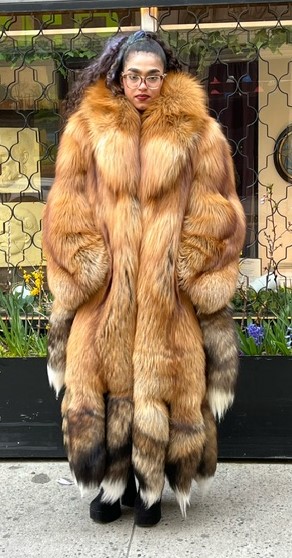
red fox full length coat

Fur Coats in Detroit

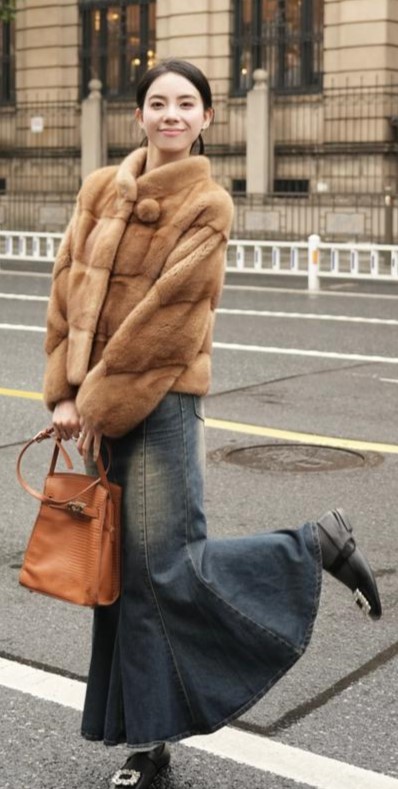
Horizontal Whiskey mink Jacket

While fur coats in Detroit can provide warmth in colder climates like Detroit, Here are 100 reasons some individuals might choose to wear a fur coat in Detroit, keeping in mind that personal preferences vary:

  1. Exceptional warmth during Detroit’s cold winters.
  2. Protection against freezing temperatures and strong winds.
  3. Classic and timeless style.
  4. Durability, as high-quality fur coats can last for many years.
  5. A sense of elegance and sophistication.
  6. Status symbol, denoting wealth and luxury.
  7. Comfort and coziness.
  8. Historical fashion tradition in cold climates.
  9. Practicality for surviving extreme cold.
  10. Enhanced insulation compared to synthetic materials.
  11. Natural insulating properties of fur.
  12. Soft and tactile texture.

    Horizontal Chinchilla Coat
    Horizontal Chinchilla Coat
  13. Unique fashion choice that stands out.
  14. Vintage charm and appeal.
  15. Remembrance of past generations.
  16. Resistance to frost and moisture.
  17. Ability to layer underneath for added warmth.
  18. Iconic fashion choice for Detroit’s elite.
  19. Classic Hollywood glamour associated with fur.
  20. Support for traditional craftsmanship.
  21. Natural, biodegradable material.
  22. Customizable fur options to suit personal style.
  23. Variety of fur types and colors to choose from.
  24. Red carpet-worthy fashion for special occasions.
  25. Investment in a long-lasting wardrobe piece.
  26. Ability to dress up or down with different outfits.
  27. A symbol of opulence and extravagance.
  28. Timeless investment that retains value.
  29. Versatility in styling options.
  30. Sensual and soft to the touch.
  31. Ethereal elegance that fur can add to an outfit.
  32. Symbol of social status and success.
  33. Resistance to wear and tear.
  34. The craftsmanship involved in fur production.
  35. Ability to create unique and eye-catching looks.
  36. Confidence boost when wearing luxurious fur.
  37. Effortless way to make a fashion statement.
  38. Allure and attention-grabbing quality.
  39. Contribution to the local fur industry.
  40. Warmth without the bulk of heavy winter clothing.
  41. Ability to withstand Detroit’s extreme weather.
  42. Support for traditional furriers and artisans.
  43. Soft colors that are pleasing to the eye.

    Designer Lavender Mink Coat
    Designer Lavender Mink Coat
  44. A sense of indulgence and pampering.
  45. Environmental adaptability in varying conditions.
  46. Soft caress of fur against the skin.
  47. Ability to make a memorable fashion statement.
  48. Reduces the need for layering multiple garments.
  49. Opportunity to express personal style.
  50. Ethical and sustainable fur sourcing practices.
  51. Exceptional craftsmanship that goes into fur coats.
  52. Opportunity to support fur trade regulations.
  53. Tradition of fur fashion in cold climates.
  54. The luxurious feel of fur against the body.
  55. Association with luxury brands and designers.
  56. Unique textures and patterns in fur.
  57. Support for fur conservation and responsible sourcing.
  58. Elevated appearance in the workplace.
  59. Ability to stay warm without compromising style.
  60. Practicality for outdoor winter activities.
  61. Symbolism of prestige and exclusivity.
  62. Historic charm and cultural significance.
  63. Unique and exotic fur types.
  64. Soft and lustrous fur qualities.

    Sexy Horizontal Red Fox Vest
    Sexy Horizontal Red Fox Vest
  65. Ability to create a regal and majestic look.
  66. Sensual movement and gracefulness of fur.
  67. Contribution to sustainable fur farming practices.
  68. High-quality fur as an investment.
  69. Opportunities to mix and match fur accessories.
  70. The tactile pleasure of touching fur.
  71. Stylish addition to your winter wardrobe.
  72. Association with iconic fashion moments.
  73. Ability to choose from various fur treatments.
  74. Classic silhouette enhancement with fur.
  75. Pride in wearing a time-honored material.
  76. Opportunity to support ethical fur brands.
  77. A classic and enduring choice for Detroit winters.
  78. Natural beauty and texture of fur.
  79. Glamorous fashion option for the Motor City.
  80. Ability to celebrate the artistry of fur fashion.
  81. Reduces the need for heavy layering.

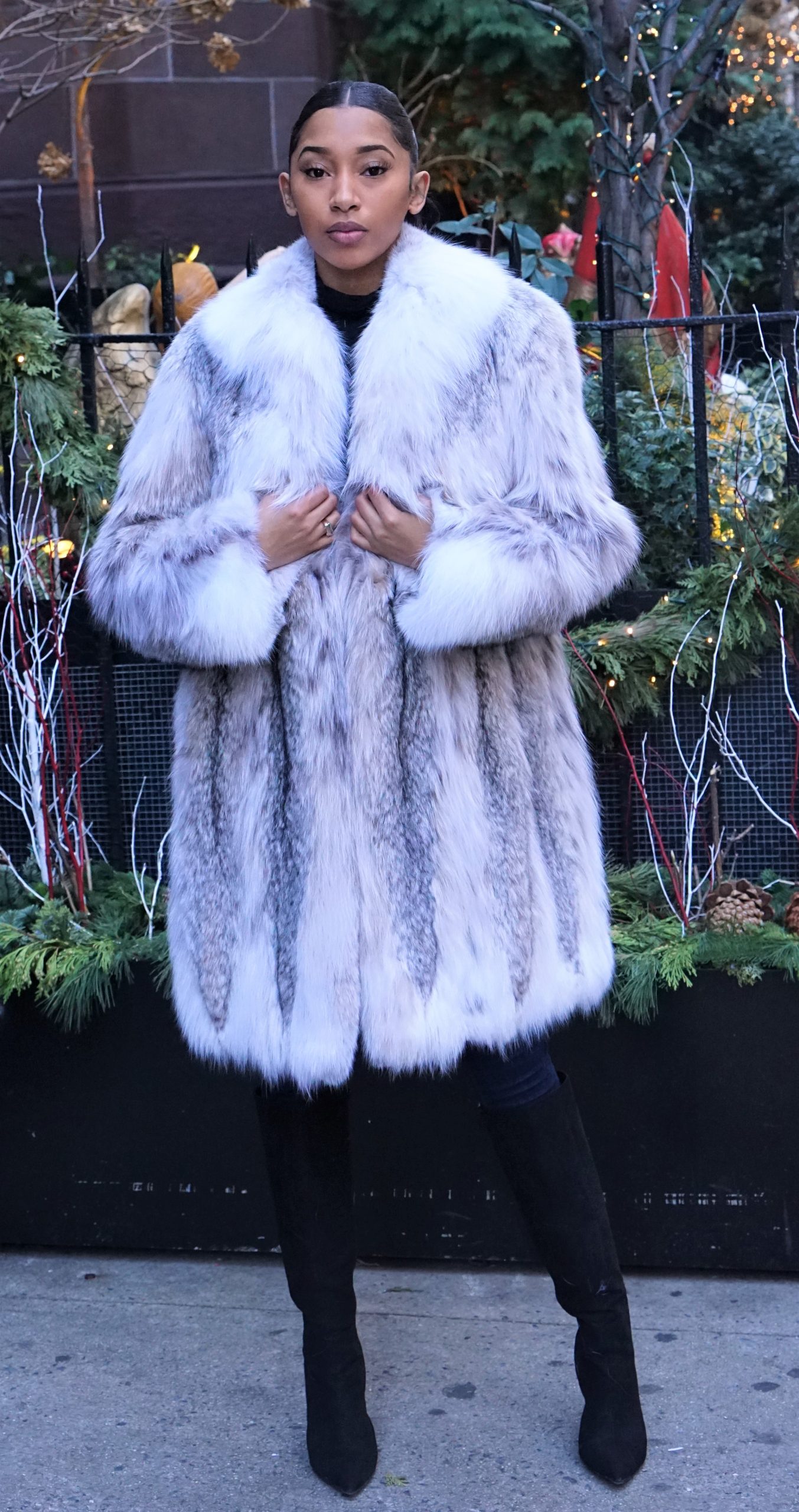
    Canadian Lynx Stroller
    Canadian Lynx Stroller
  82. Time-honored tradition of fur craftsmanship.
  83. Environmental adaptability in varying temperatures.
  84. Soft and silky textures.
  85. Opportunity to embrace Detroit’s winter fashion scene.
  86. Ability to create a warm and stylish look.
  87. Resistance to harsh winter conditions.
  88. Celebrates the beauty of animals in nature.
  89. Association with luxury events and galas.
  90. Ability to support ethical fur farming.
  91. A classic choice for formal events.
  92. Soft and supple fur textures.
  93. Dramatic flair that fur can add to an outfit.
  94. Proud representation of the fur industry.
  95. Opportunity to choose from ethically raised animals.
  96. Unique fur accessories like hats and scarves.
  97. Ability to invest in a family heirloom.
  98. Contribution to sustainable fur farming.
  99. Opportunity to make a fashion statement.
  100. Confidence boost when wearing fur in Detroit’s chilly winters.

Fur Coats in Detroit

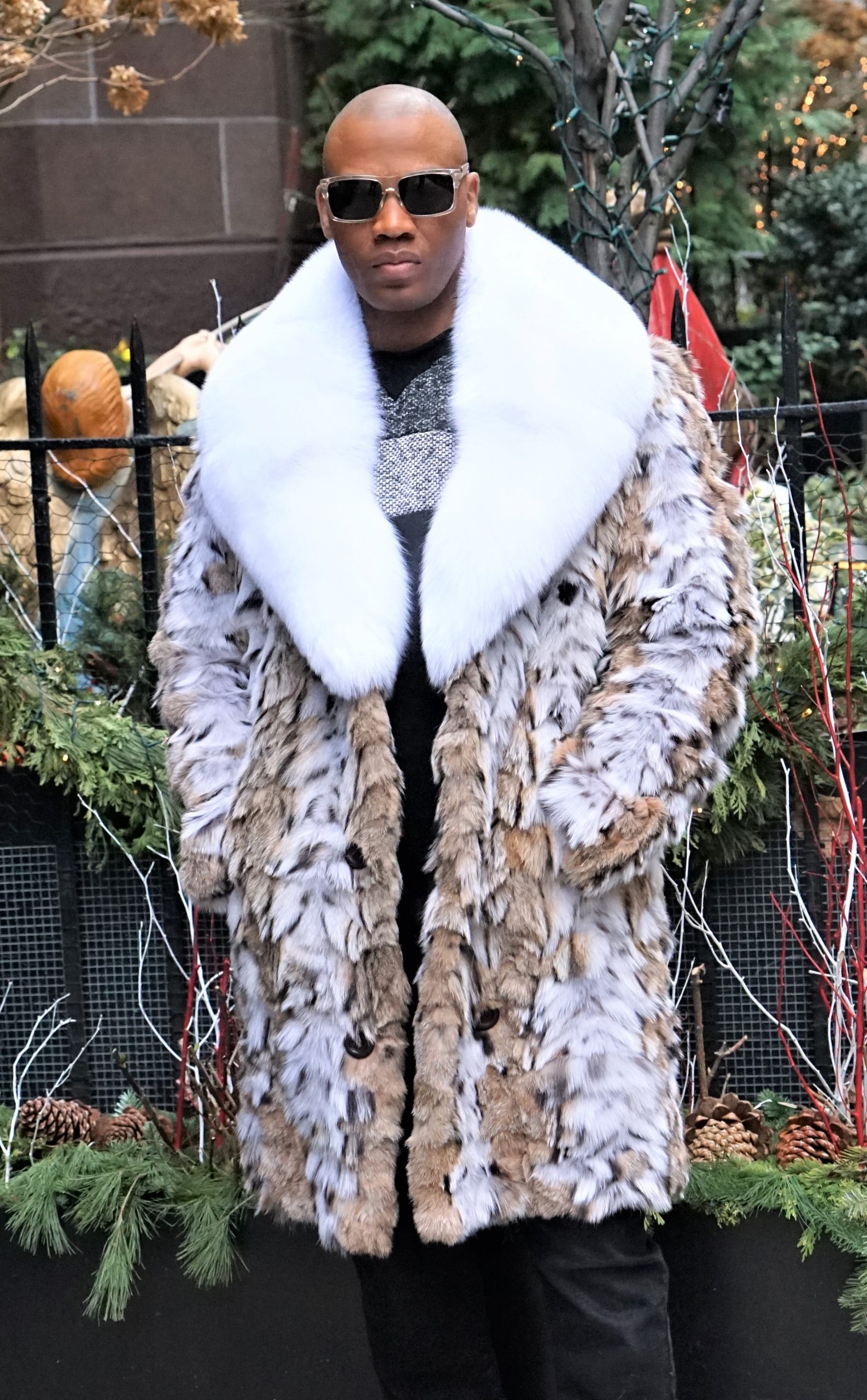
Men's Lynx and White Fox Stroller
Men’s Lynx and White Fox Stroller

It’s important to note that while fur coats in Detroit may provide warmth and have been a part of fashion traditions in cold climates, they have also been the subject of ethical and environmental debates, leading some individuals to opt for alternative materials like faux fur. Fashion choices should consider these factors and personal values.

A day for a woman in Detroit wearing her mink coat would vary depending on her personal preferences, activities, and the specific occasion. Here’s a fictional representation of what a day might look like for someone wearing a mink coat during the colder months in Detroit:

Morning:

  1. Wake Up: The woman begins her day by waking up to a chilly Detroit morning.
  2. Dressing: After a warm shower, she selects a chic outfit to complement her mink coat. Her ensemble includes a knee-length brown mink coat, a cashmere turtleneck sweater, fitted slacks, and knee-high leather boots.
  3. Breakfast: She enjoys a hot breakfast with her family, sipping on tea and having a hearty meal to start her day.
  4. Weather Check: She checks the weather forecast, which indicates cold temperatures and the possibility of snow, reinforcing her decision to wear her mink coat. ate Morning: 5. Leaving Home: She wraps herself in her mink coat, fastening the buttons and draping a matching scarf around her neck for added warmth. Before heading out, she slips on leather gloves and grabs her designer handbag.
  1. Errands: Her morning may include running errands, such as grocery shopping, visiting the local farmers’ market, and picking up dry cleaning.
  2. Coffee Break: While running errands, she takes a coffee break at a cozy café, savoring a cappuccino and a pastry.A woman wearing a coat with a mink fur lining

Afternoon: 8. Lunch Meeting: She meets a colleague for a business lunch at a downtown restaurant. Her mink coat adds a touch of elegance to her professional attire.

  1. Shopping: After the lunch meeting, she indulges in some retail therapy at Detroit’s upscale boutiques, exploring the latest fashion trends and accessories.
  2. Cultural Activities: In the afternoon, she might attend a museum exhibition, art gallery, or explore Detroit’s cultural scene.

Evening: 11. Dinner Reservation: She has a dinner reservation at a trendy restaurant in the city with friends. Her mink coat is a stylish choice for a night out.

  1. Entertainment: After dinner, she and her friends decide to attend a concert or a live performance in Detroit, enjoying the city’s vibrant cultural offerings.
  2. Return Home: Upon returning home, she carefully hangs her mink coat in her closet, reflecting on a day filled with warmth, style, and cultural exploration in Detroit.

This fictional day for a woman in Detroit wearing her mink coat highlights how such a garment can provide both practical warmth and timeless style, making it a suitable choice for a busy day in a cold climate. However, it’s essential to consider ethical and environmental factors when making fashion choices involving fur, as fur coats have been the subject of debate and changing consumer preferences in recent years.

The history of fur trading and fur use in Detroit, like much of North America, is intertwined with indigenous peoples, European explorers, settlers, and the fur trade. Here is an overview of the history of furs in Detroit:

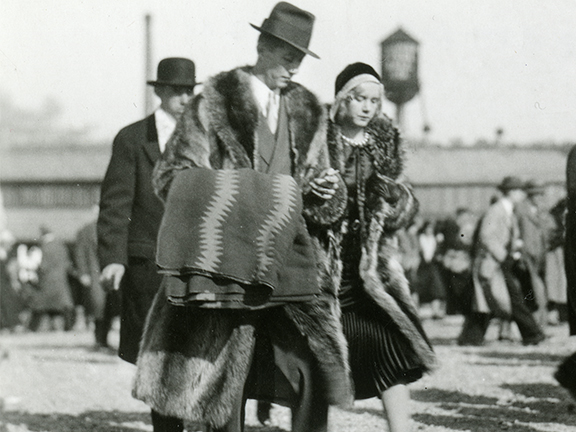
Vintage Furs
Vintage Furs

  1. Indigenous Peoples: The region now known as Detroit was inhabited by various indigenous tribes, including the Potawatomi, Ojibwa, and Huron, who had a long history of trapping and using furs for clothing, trade, and cultural purposes.
  2. French Exploration: French explorers, including Antoine Laumet de La Mothe, sieur de Cadillac, established Fort Pontchartrain du Détroit in 1701, marking the beginning of European settlement in the area. The French traded with indigenous peoples for fur pelts, particularly beaver, which were highly sought after for hat production.
  3. Fur Trading Posts: Detroit, strategically located at the confluence of the Detroit River and Lake St. Clair, became a vital fur trading post. French and later British traders established posts in the area to conduct the fur trade.
  4. British Control: After the British acquired Detroit in 1760, they continued to engage in the fur trade with indigenous tribes. British fur trading companies, such as the North West Company and the Hudson’s Bay Company, established a presence in the region.
  5. American Fur Trade: Following the American Revolution and the United States’ acquisition of Detroit, American fur traders expanded their activities in the area. The fur trade became a significant economic driver for the region.
  6. Fur-Bearing Animals: The Detroit area was rich in fur-bearing animals, including beaver, mink, otter, and muskrat. These animals were trapped and their pelts traded by both indigenous peoples and European settlers.
  7. Transition to Agriculture: As Detroit and the surrounding region developed, there was a shift from a fur-based economy to one based on agriculture. The fertile soil of the region attracted settlers who established farms.
  8. Decline of Fur Trade: The fur trade in Detroit declined in the 19th century due to overtrapping, changes in fashion, and the depletion of fur-bearing animal populations.
  9. 19th Century: Detroit’s economy diversified, with the growth of industries such as manufacturing, shipping, and automobile production, leading to the city’s nickname, the “Motor City.”
  10. Urban Development: Detroit’s urban development and industrial growth in the 20th century overshadowed its fur trading history. The city became known for its automobile industry and Motown music scene.
  11. Contemporary Fur Industry: In contemporary times, the fur industry continues to exist in Detroit, with furriers and retailers offering fur products. However, the industry has evolved to address ethical and environmental concerns, with an increasing focus on sustainability and responsible sourcing.

While the fur trade played a significant role in Detroit’s early history, the city’s development in the 20th century as an industrial and cultural hub shifted the focus away from fur.

Fur Coats in Detroit

History of men wearing fur coats in Detroit

Men's Silver Fox Stroller
Men’s Silver Fox Stroller

The history of men wearing fur coats in Detroit, like in many cold-weather regions, has been shaped by practical considerations, fashion trends, and cultural influences. Here is an overview of the history of men wearing fur coats in Detroit:

  1. Indigenous Peoples: Long before European settlers arrived, indigenous tribes in the Detroit region used fur from animals they trapped and hunted, such as beavers, for practical clothing to stay warm in the harsh winters.
  2. European Influence: When French and later British settlers established fur trading posts and forts in Detroit in the 18th century, they adopted indigenous fur garments, such as beaver-skin hats, mittens, and coats, to protect themselves from the cold.
  3. Fur Trade: Detroit was a significant hub in the fur trade, with fur traders, both European and indigenous, wearing fur clothing to stay warm while engaging in trapping and trading activities.
  4. Practicality: During the 18th and 19th centuries, fur coats and accessories were worn by men in Detroit and other cold climates primarily for their exceptional warmth and insulation properties.
  5. Frontier Fashion: In the early 19th century, fur coats became a symbol of rugged masculinity and were adopted by fur trappers, traders, and frontiersmen as part of their attire.
  6. Evolution of Fashion: As Detroit and the United States continued to grow and urbanize, fur coats transitioned from practical outerwear to a fashionable statement, with men wearing them as status symbols and signs of prosperity.
  7. 20th Century: In the early to mid-20th century, men’s fur coats, often made of furs like mink, fox, and beaver, became more widely available and popular among affluent individuals in Detroit, reflecting their social status and success.
  8. Mid-Century Glamour: Fur coats, including full-length fur overcoats and stoles, were seen as a symbol of luxury and opulence, especially during the golden age of Hollywood.
  9. Decline: The fur industry, including the market for men’s fur coats, faced challenges in the late 20th century and early 21st century. Changing fashion trends, ethical concerns, and environmental considerations led to a decline in fur’s popularity.
  10. Modern Era: In contemporary times, some men in Detroit continue to wear fur coats, but the industry has evolved to address ethical and environmental concerns. There is a growing emphasis on sustainable and responsible fur sourcing practices.
  11. Diversity of Fur Types: Men have a wide range of fur choices, including mink, fox, sable, chinchilla, and more. The choice often reflects personal style and fashion preferences.
  12. Ethical and Environmental Awareness: The fur industry has adapted to concerns related to animal welfare, leading to the development of fur farming practices that emphasize responsible and sustainable fur production.
  13. Customization: Men can have fur coats and accessories tailored to their preferences, with different fur types, colors, and styles to choose from.

The history of men wearing fur coats in Detroit reflects the changing dynamics of the fur industry, from its origins as practical winter wear to its status as a luxury fashion statement. Today, men who choose to wear fur coats often do so for the warmth, comfort, and style they provide.