20 Reasons to Purchase a Fur Coat, If you can find fur coats from ethical sources that prioritize animal welfare.
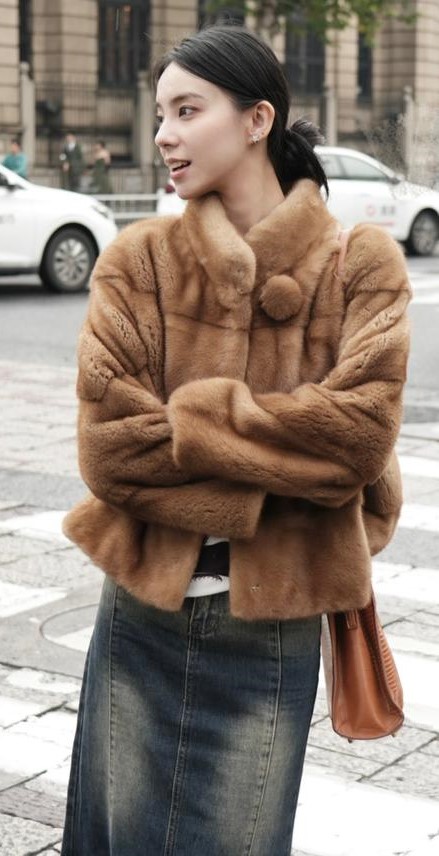
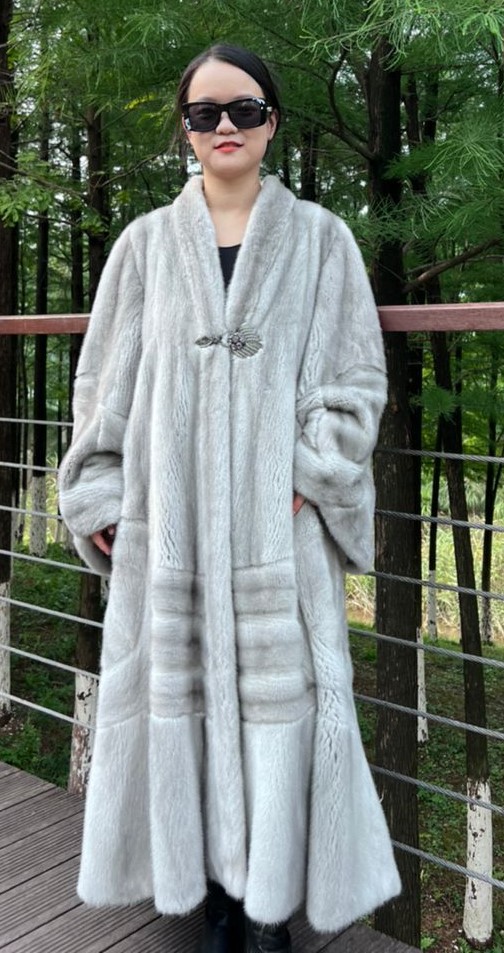
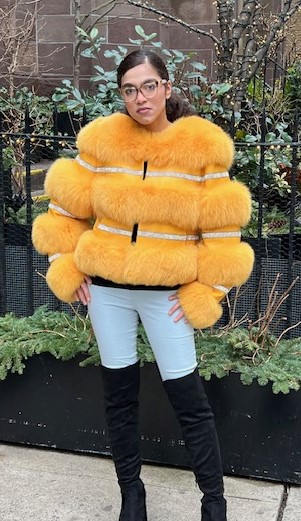
Horizontal Whiskey Mink Jacket
Real Fur is Biodegradable Which is Great For The Planet
Exceptional Warmth: Fur coats are renowned for their insulating properties, providing warmth in cold weather.
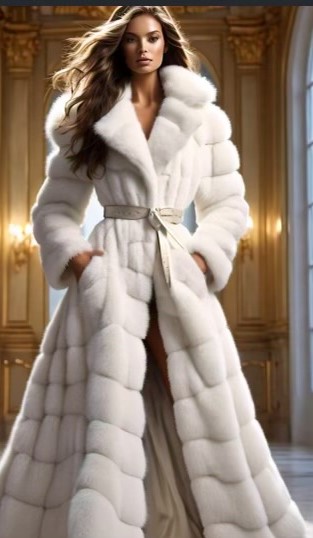
Timeless Elegance: Fur coats have a classic and luxurious aesthetic, adding sophistication to your wardrobe.
Durability: High-quality fur coats can last for years with proper care, making them an enduring investment.
Customization: Fur coats can be tailored to your preferences, allowing you to choose fur types, colors, and styles.
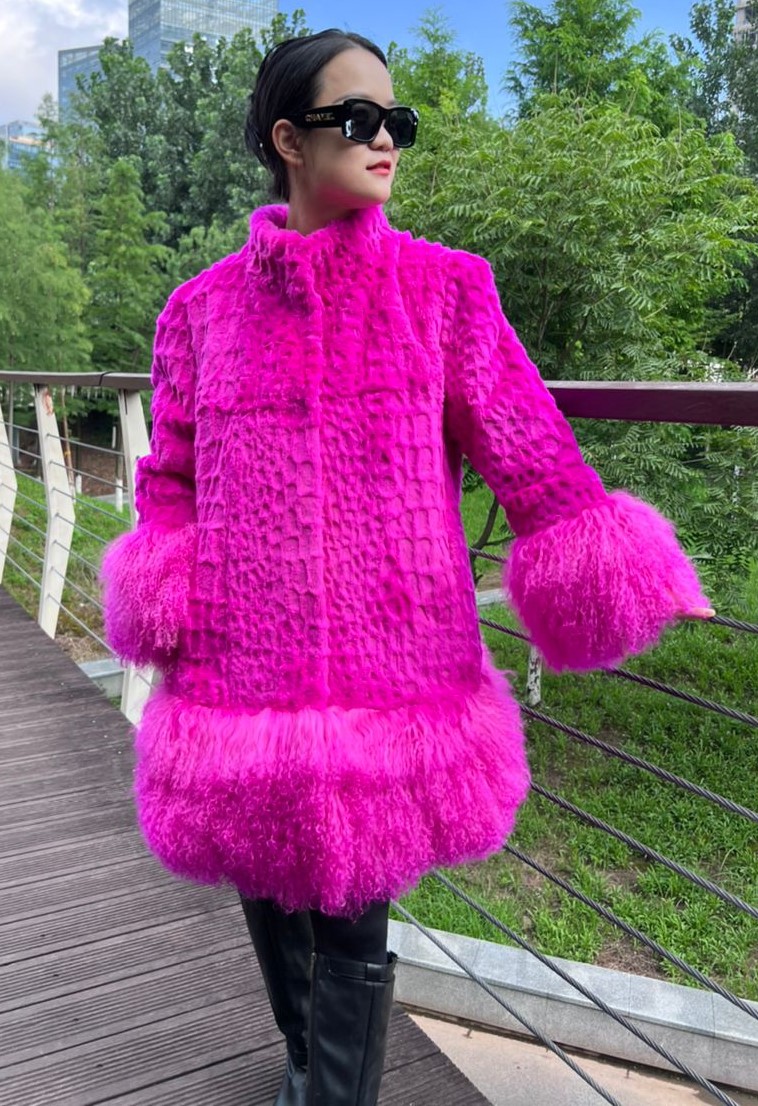
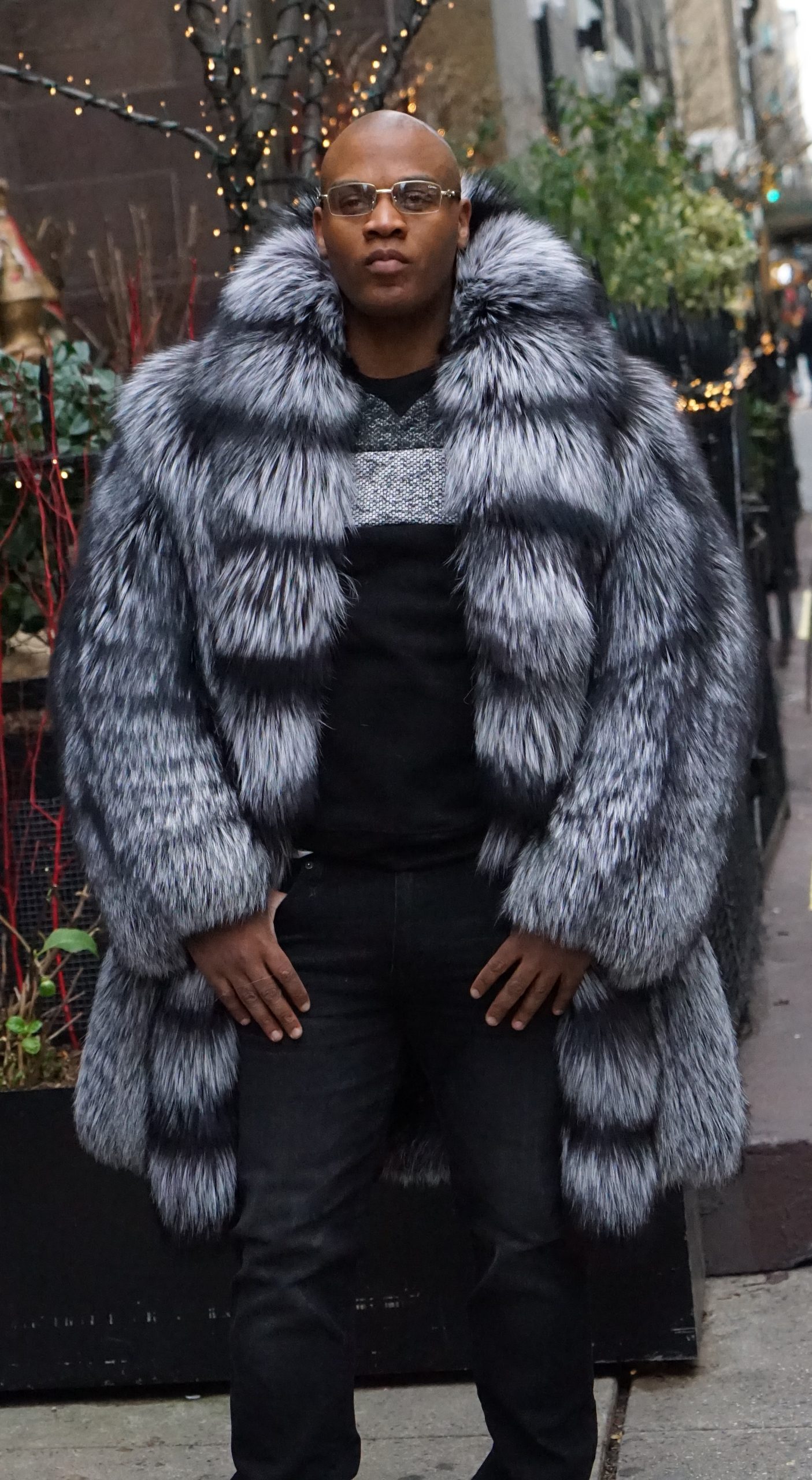
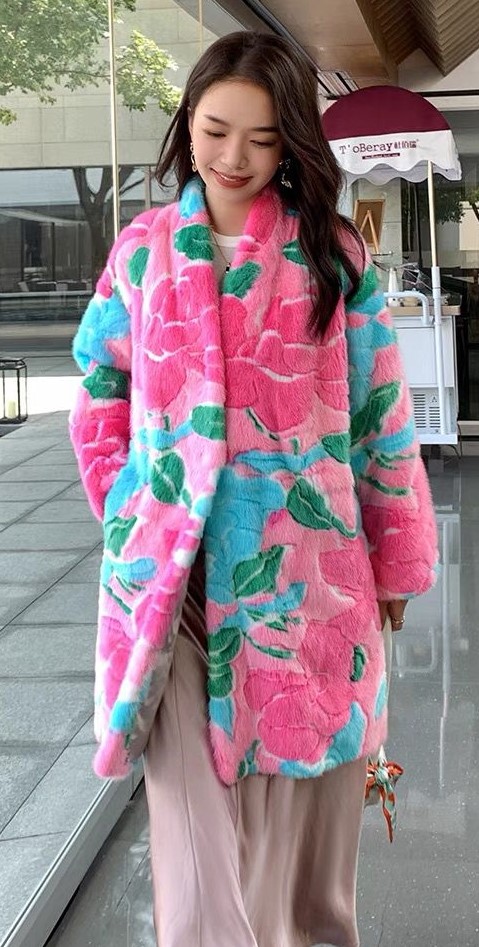
Unique and Eye-Catching: Wearing a fur coat can make a fashion statement and draw attention.
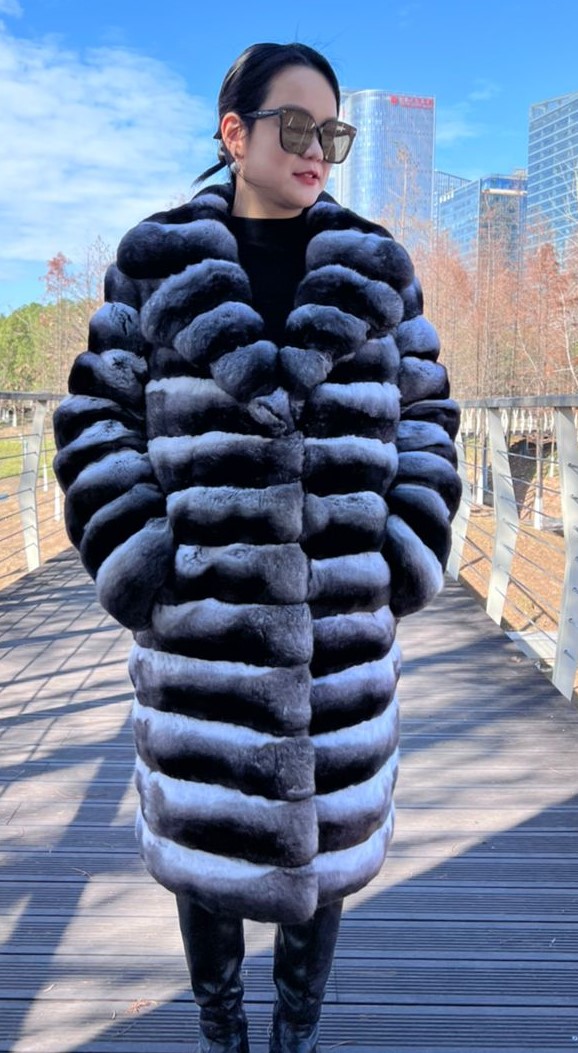
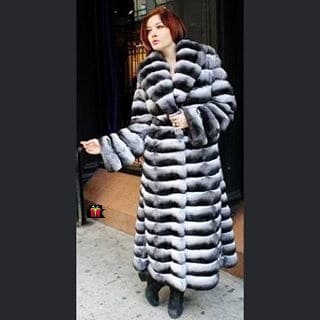
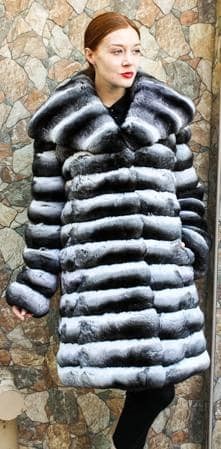
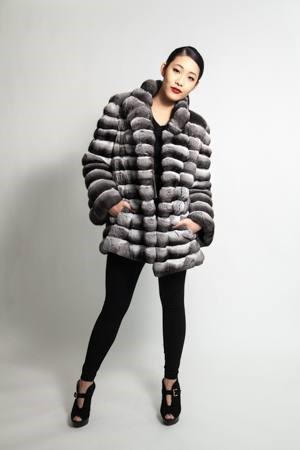
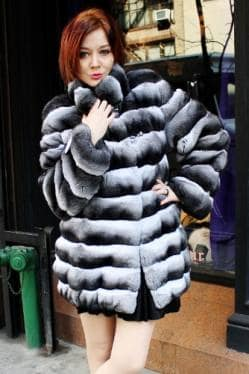
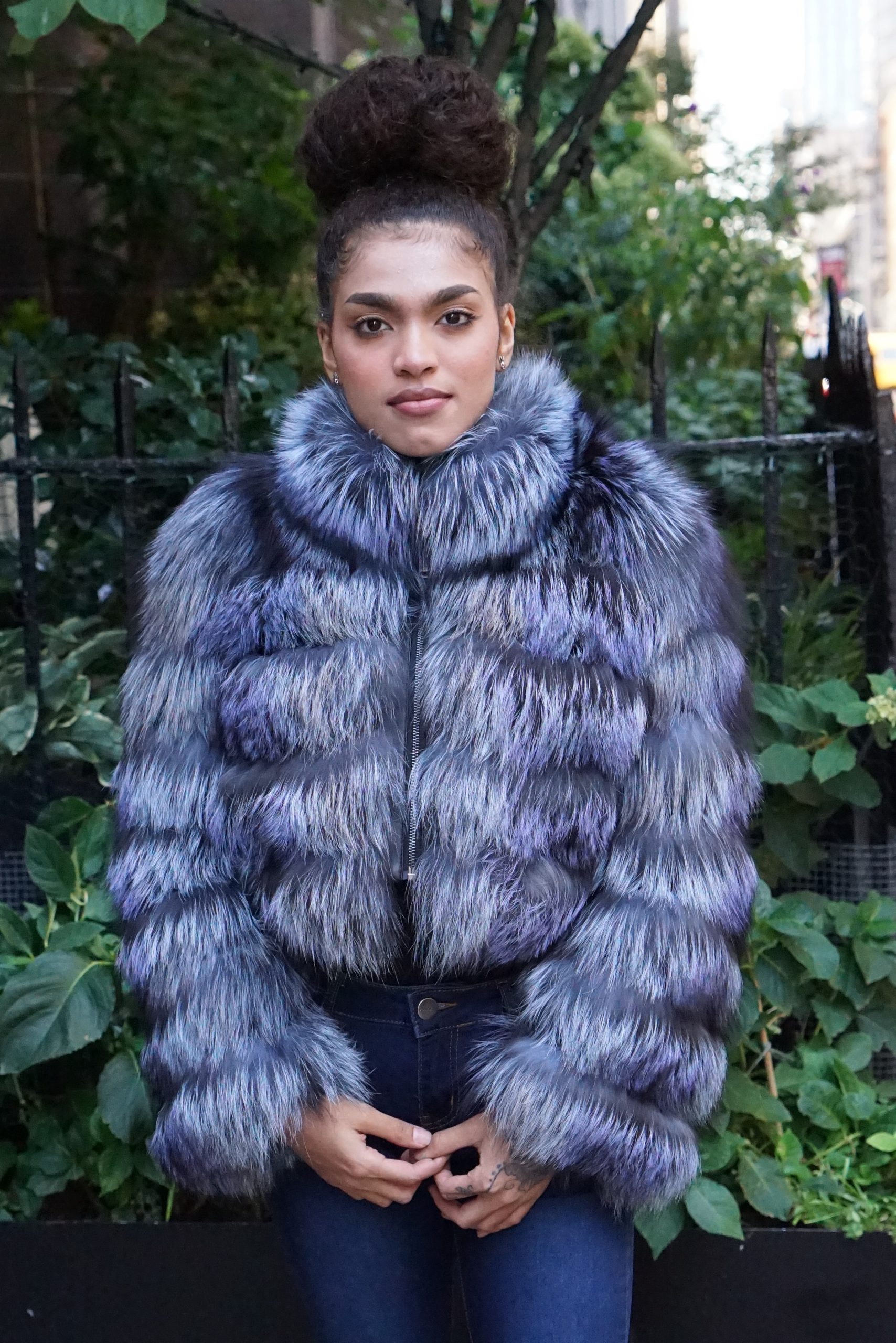
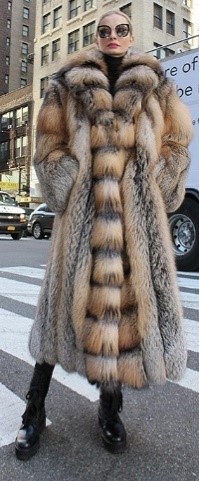
Horizontal Chinchilla Coat
Resale Value: Well-maintained fur coats can retain their value or even appreciate over time, potentially serving as a financial asset.
Cultural or Traditional Significance: Fur garments hold cultural or traditional importance in some societies and may be worn for specific occasions.
Sustainability Considerations: When sourced responsibly from ethical and regulated fur farms, fur can be considered sustainable, as it uses the entire animal and minimizes waste.
Natural Material: Fur is biodegradable, contrasting with synthetic alternatives made from petrochemicals.
Comfort: Fur coats are soft and comfortable to wear, providing a luxurious feel.
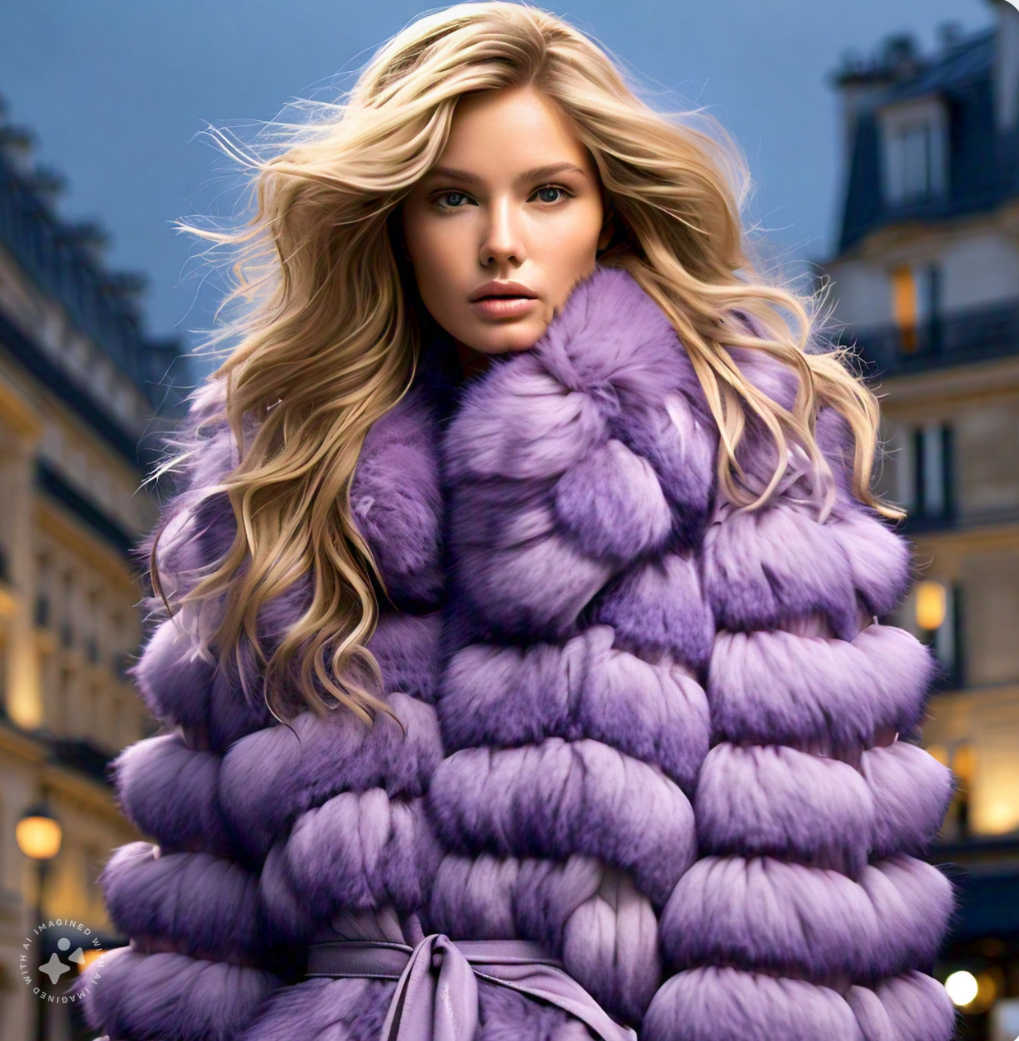
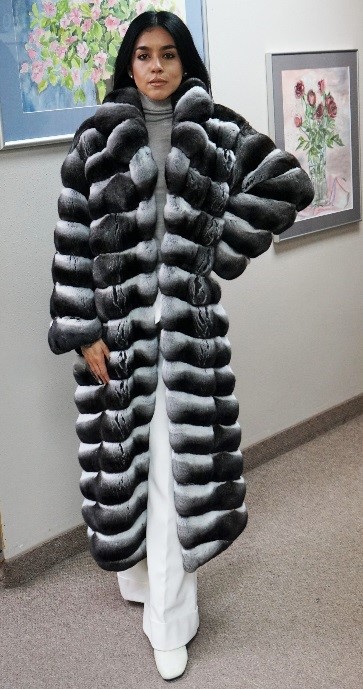
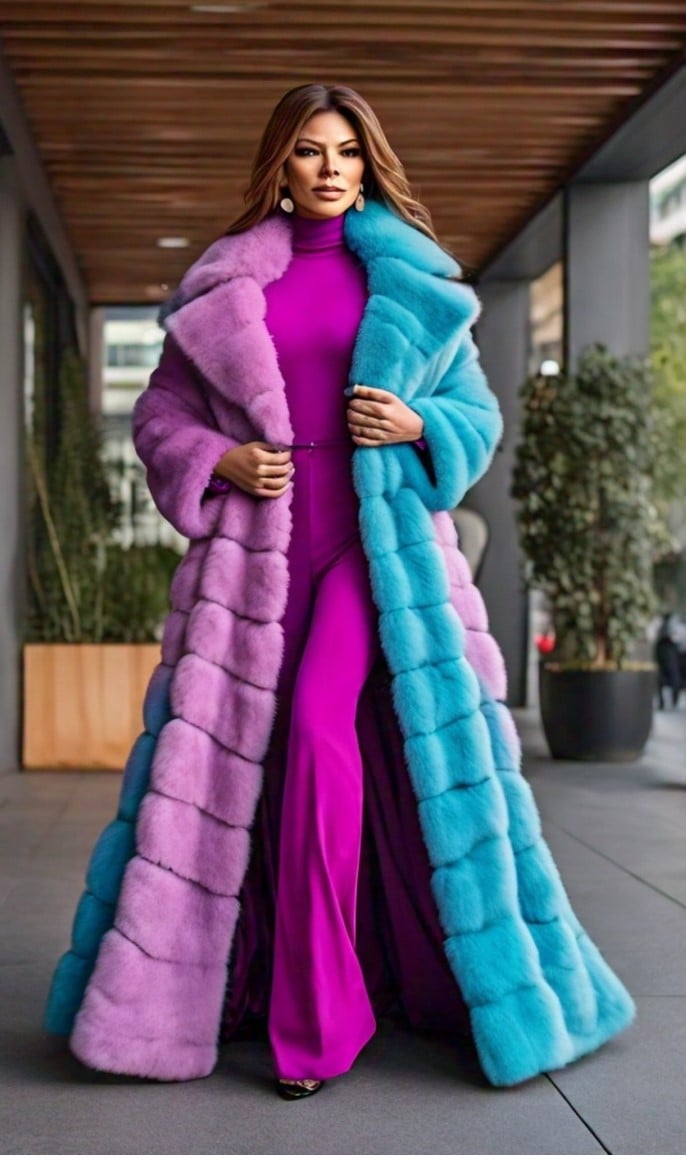
Designer Lavender Mink Coat
Vintage and Retro Appeal: Vintage fur coats are prized for their unique style and historical charm.
Status Symbol: Throughout history, fur has been a symbol of luxury and social status.
Photography and Film:Some individuals purchase fur coats for specific artistic projects, such as photography sessions or film productions.
Artistic Expression: Fur coats can be used in artistic and creative expressions, including fashion photography and art installations.
Personal Preference: Fashion choices are subjective, and if you genuinely appreciate the aesthetics and tactile sensation of fur, you may choose to buy a fur coat for personal enjoyment.
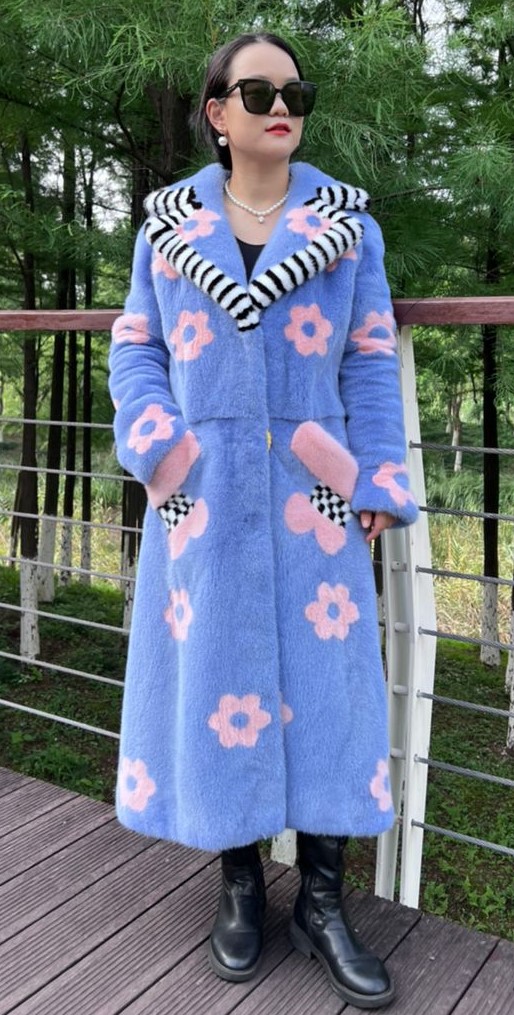
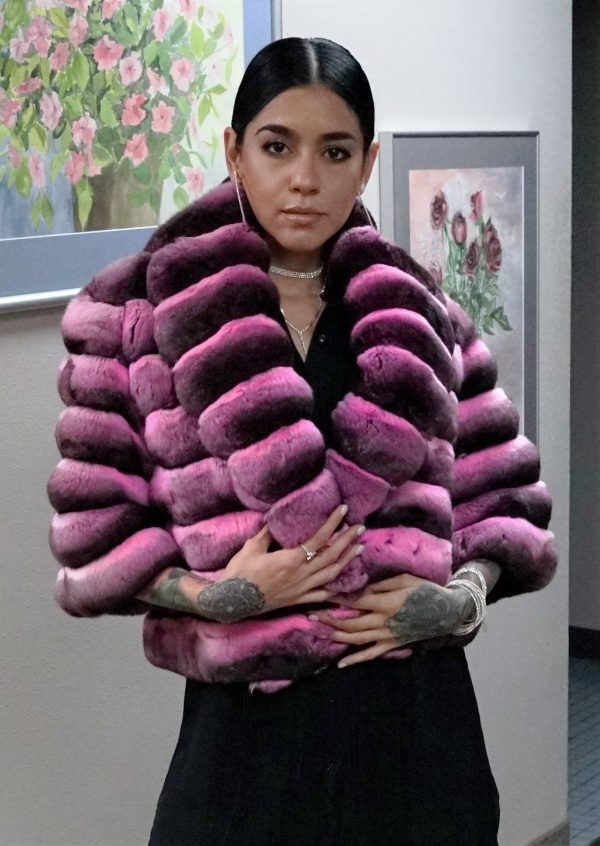
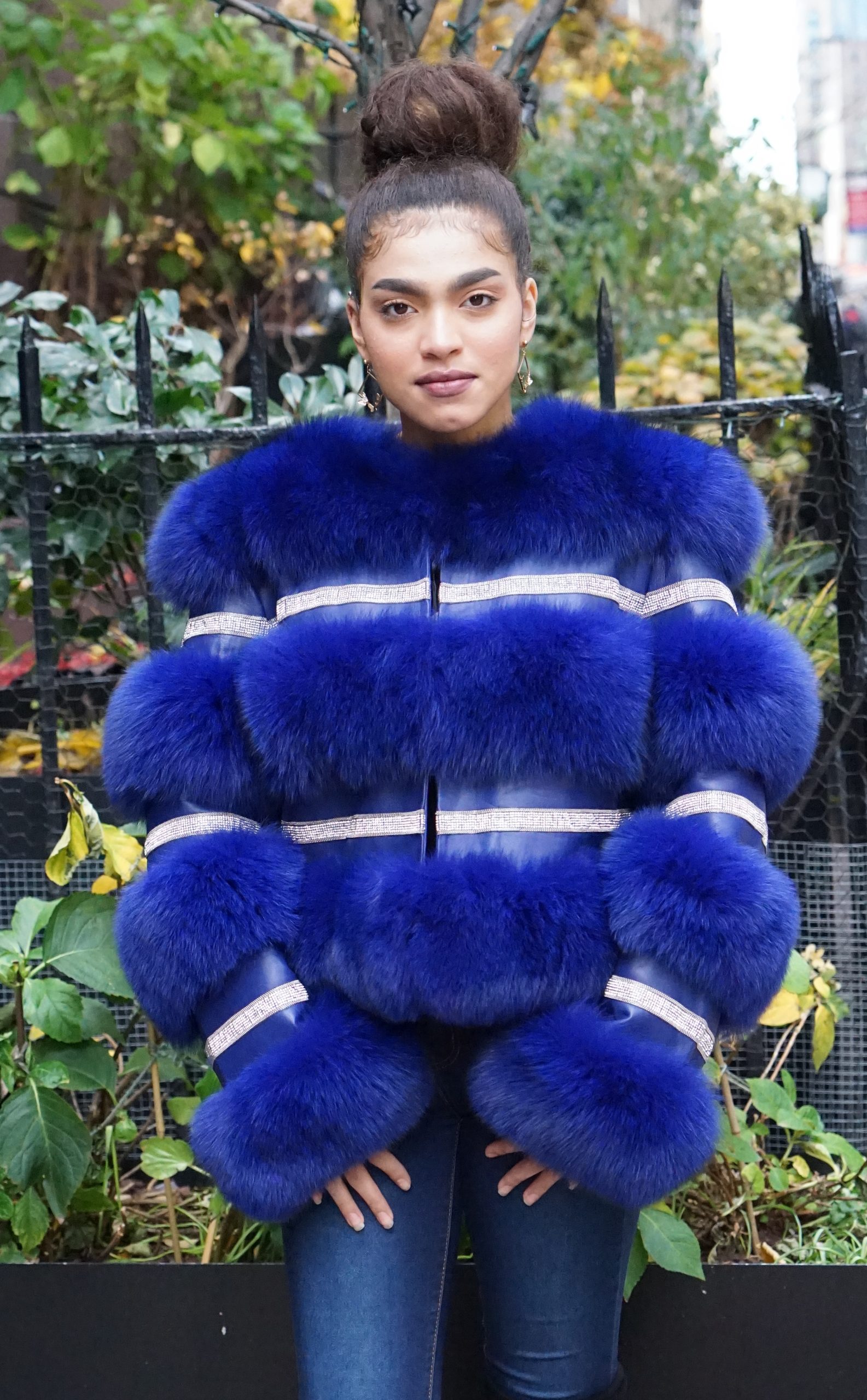
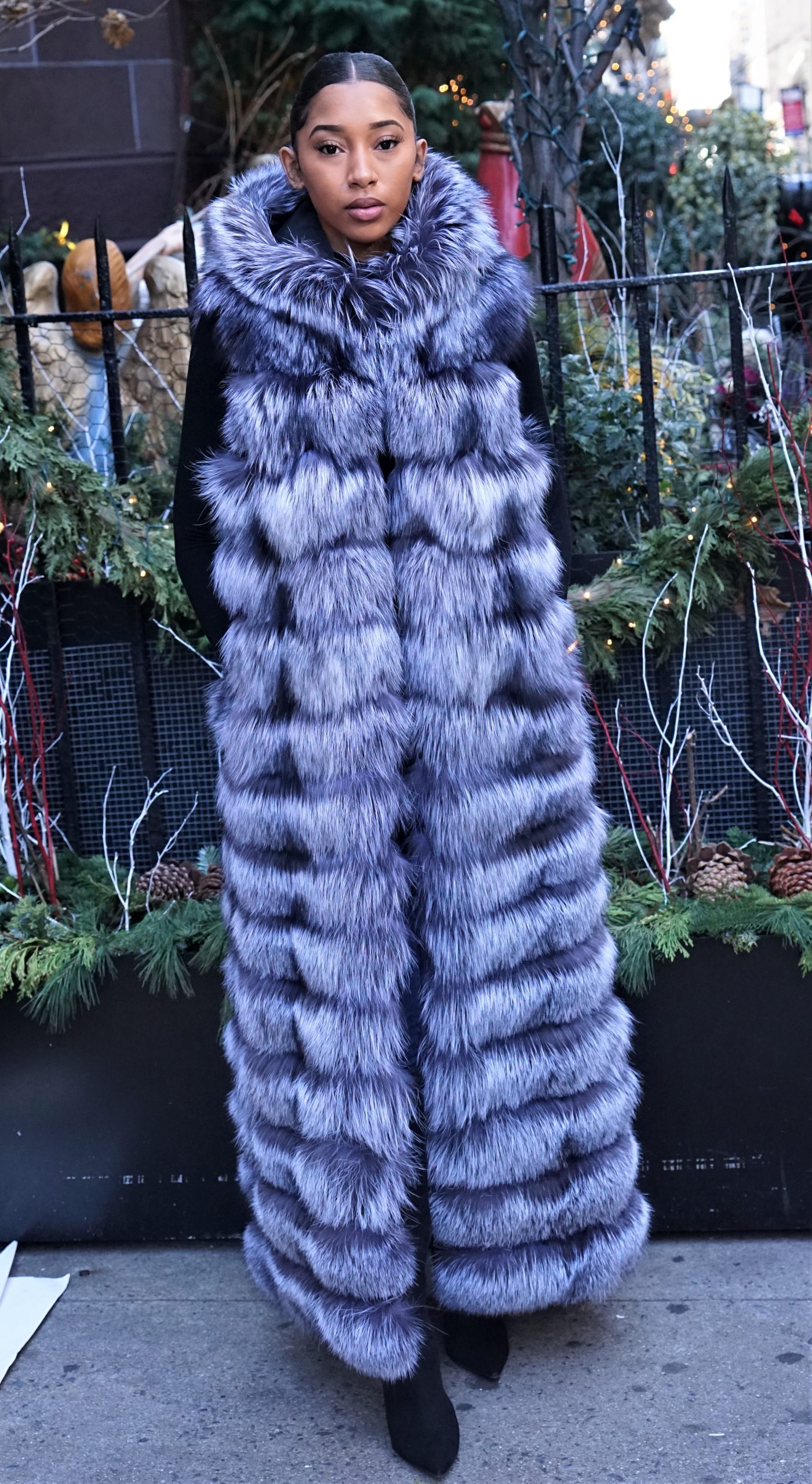
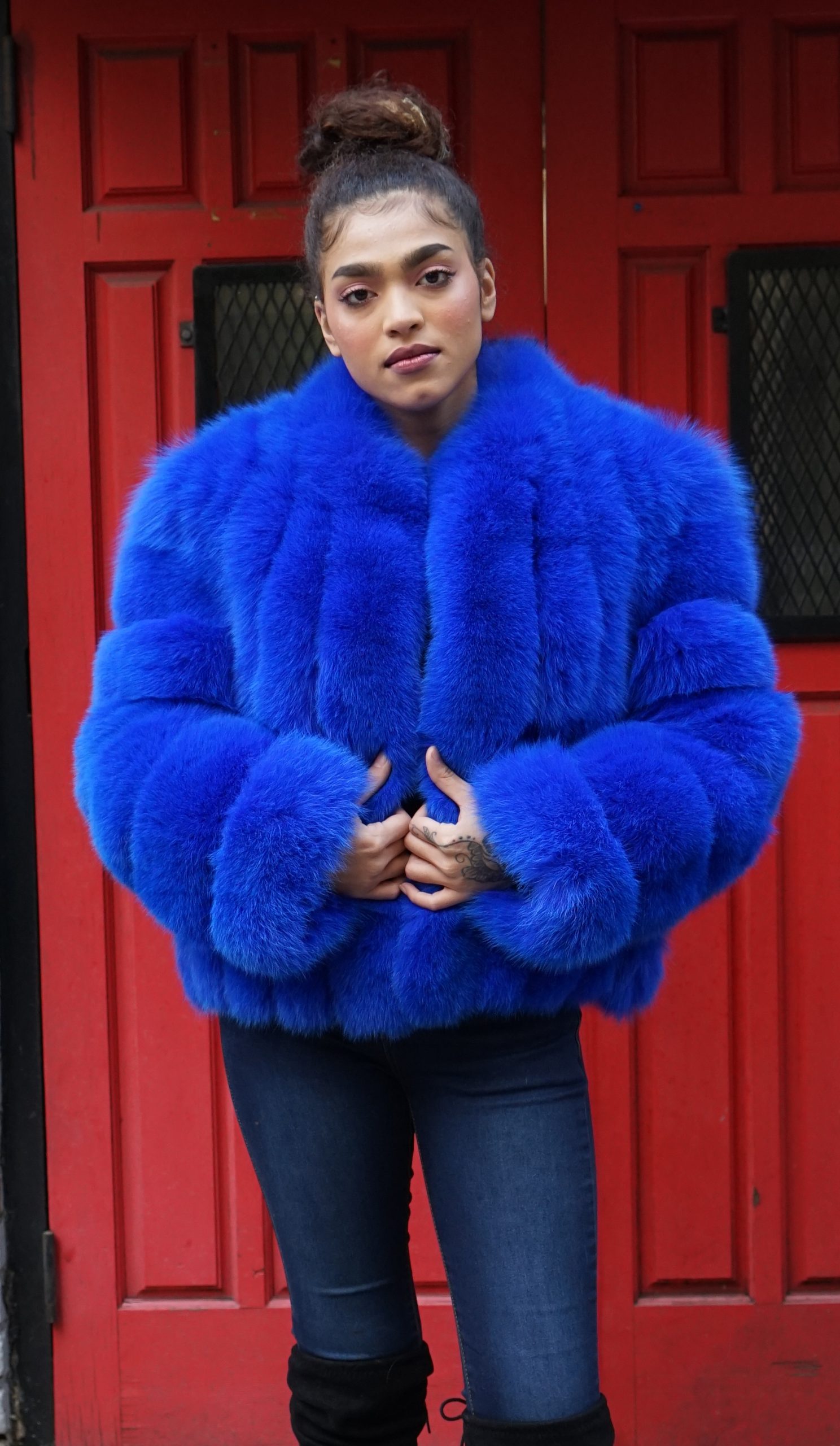
Sapphire Directional Mink Coat
Collectibility: Fur coats can be collectible items, appealing to enthusiasts and collectors.
Climate: In regions with extremely cold climates, fur coats can be practical for staying warm.
Vintage Fur: Some individuals prefer vintage fur coats, appreciating the history and craftsmanship associated with older pieces.
Generational Heirloom: Fur coats can be passed down through generations, becoming family heirlooms.
Supporting Ethical Practices: If you can find fur coats from ethical sources that prioritize animal welfare, you may feel more comfortable with your purchase.
Marc Kaufman Furs
20 Reasons to Purchase a Fur Coat, If you can find fur coats from ethical sources that prioritize animal welfare.
Signature Style: Incorporating chinchilla fur into your signature style.
Long-Lasting Investment: Viewing chinchilla fur as a long-lasting and valuable investment.
Elevated Taste: Reflecting an elevated sense of taste and appreciation for luxury. onversation Starter: Chinchilla coats can be excellent conversation starters.
Aesthetic Appeal: The aesthetic appeal of chinchilla fur’s natural patterns.
Ethical Sourcing: Choosing chinchilla fur that is ethically sourced and cruelty-free.
Sustainable Practices: Supporting sustainable and eco-conscious chinchilla fur farms.
Local Craftsmanship: Encouraging local craftsmanship in fur production.
Fashion Innovation: Exploring innovative fashion trends in chinchilla fur.
Vintage Revival: Embracing the revival of vintage chinchilla fur fashion.
Artistic Freedom: Using chinchilla fur as a canvas for artistic expression.
Comprehensive Wardrobe: Adding a diverse range of materials to your wardrobe.
Enhanced Beauty: The enhancement of your natural beauty when wearing chinchilla fur.
Occasional Luxury: Reserving chinchilla coats for special and memorable occasions.
Mystique and Allure: The mystique and allure associated with chinchilla fur.
Practical Investment: Viewing a chinchilla coat as both practical and luxurious.
Exquisite Craftsmanship: The painstaking craftsmanship required for chinchilla fur.
Unique Fashion Statement: Making a unique and lasting fashion statement.
Rarity Factor: The rarity and exclusivity of chinchilla fur.
Stunning Chinchilla Fur Jacket
Connection to Nature: Feeling connected to the natural world through chinchilla fur.
Sustainable Luxury: Embracing sustainable luxury in your fashion choices.
Artisanal Details: The intricate details and artistry in chinchilla fur coats.
Elegance in Simplicity: The understated elegance of chinchilla fur in simple designs.
Incredible Softness: The unparalleled softness and comfort of chinchilla fur.
Legacy Piece: Viewing a chinchilla coat as a legacy piece to be cherished by future generations.
Personal Expression: Using fashion as a means of personal expression.
Tactile Pleasure: The tactile pleasure of running one’s fingers through chinchilla fur.
Admiration: Enjoying the admiration and compliments received when wearing chinchilla.
Investment Diversification: Diversifying your investment portfolio with tangible assets like fur.
Luxury Travel: Wearing chinchilla fur during luxury travel experiences.
Climate Adaptability: Adapting to changing climates with chinchilla fur’s versatility.
Comfortable Chic: Striking a balance between comfort and chic style.
Winter Fashion: Embracing chinchilla fur as a staple in your winter fashion wardrobe.
Natural Splendor: The splendor of nature reflected in chinchilla fur.
Personal Satisfaction: Ultimately, if owning a chinchilla coat brings you personal satisfaction and aligns with your values, it can be a valid reason for ownership.
Personal Satisfaction: Ultimately, if owning a chinchilla coat brings you personal satisfaction and aligns with your values, it can be a valid reason for ownership.
Marc Kaufman Furs NYC
100 Reasons to Purchase a Chinchilla Coat, Personal Satisfaction: Ultimately, if owning a Chinchilla coat brings you personal satisfaction.
Fur coats, made from genuine animal fur, have several characteristics that can make them warmer than faux fur coats. Here are 100 reasons why fur coats can be warmer than faux fur coats:
Natural Insulation: Fur is an excellent natural insulator, thanks to the air trapped within its fibers.
Density: Fur is densely packed with fibers, creating a thick insulating layer.
Thermal Efficiency: Fur traps and retains heat efficiently.
Breathability: Fur allows moisture to escape while keeping you warm.
Moisture Resistance: Some fur types, like mink, are naturally resistant to moisture, helping to keep you dry and warm.
Wind Resistance: Fur’s natural density provides protection against cold winds.
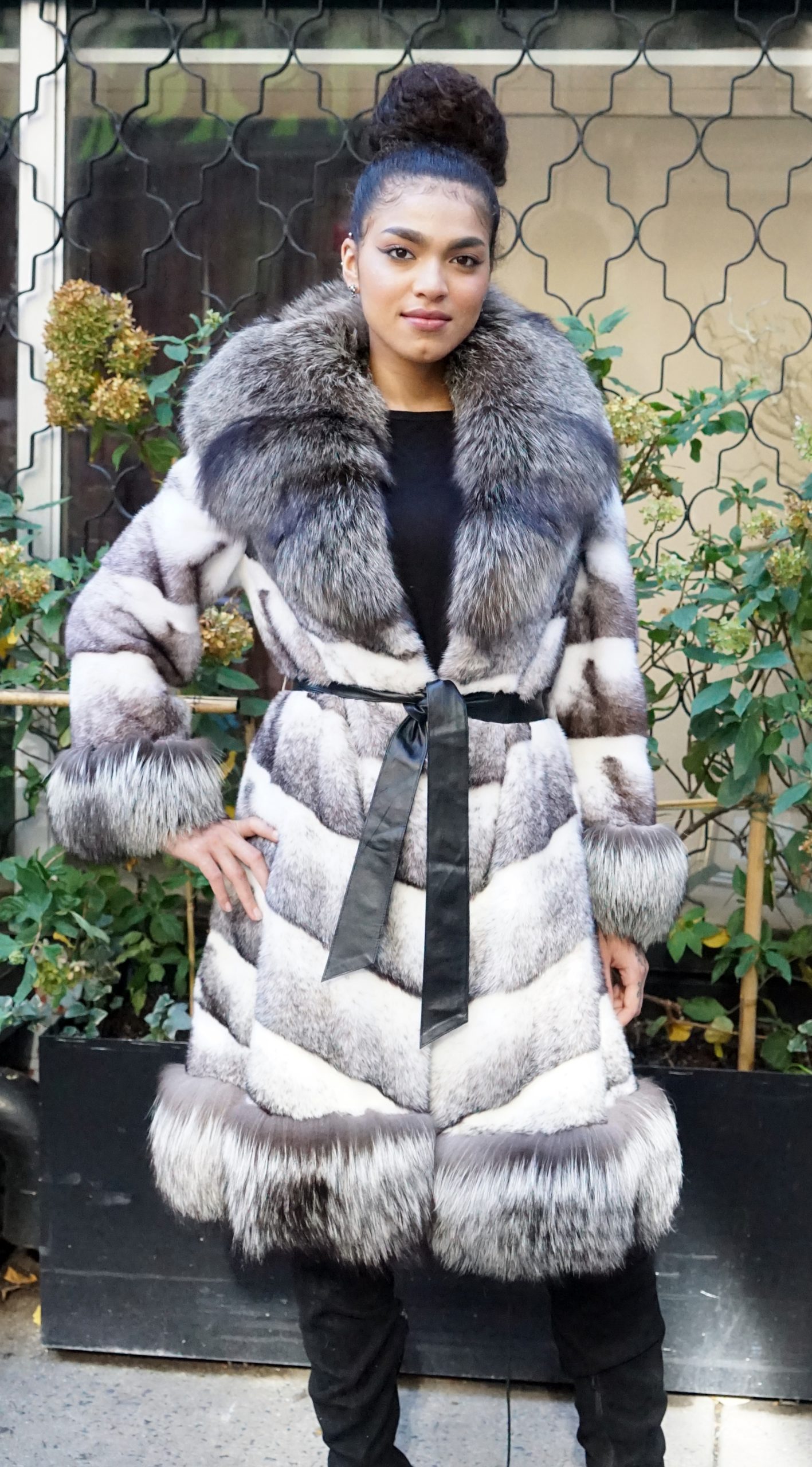
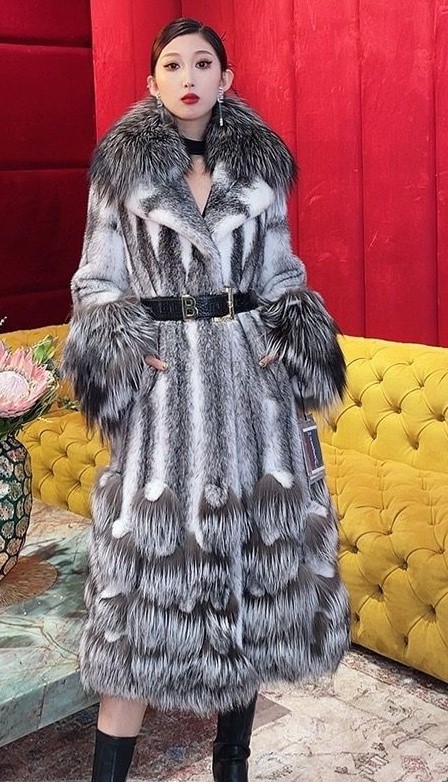
Black Cross Mink Coat Silver Fox Trim
Regulates Temperature: Fur helps regulate body temperature, preventing overheating.
Lightweight: Fur provides warmth without the bulkiness of some synthetic materials.
Softness: Fur’s softness and plushness enhance warmth and comfort.
Layering: Fur allows for layering, increasing warmth.
Longevity: High-quality fur coats can last for decades, providing consistent warmth.
Biodegradable: Fur is a natural, biodegradable material.
Sustainability: Ethical fur farming practices can be sustainable and environmentally responsible.
Natural Variations: Different fur types have varying warmth properties, allowing for customization.
Warmth for All Genders: Fur is suitable for both men and women.
Warmth from the Inside: Fur-lined coats provide warmth from within.
Warmth with Versatility: Fur offers warmth for various occasions.
100 Reasons Real Fur Warmer Than Faux Fur, Fur coats, made from genuine animal fur, have several characteristics that can make them warmer than faux fur coats.
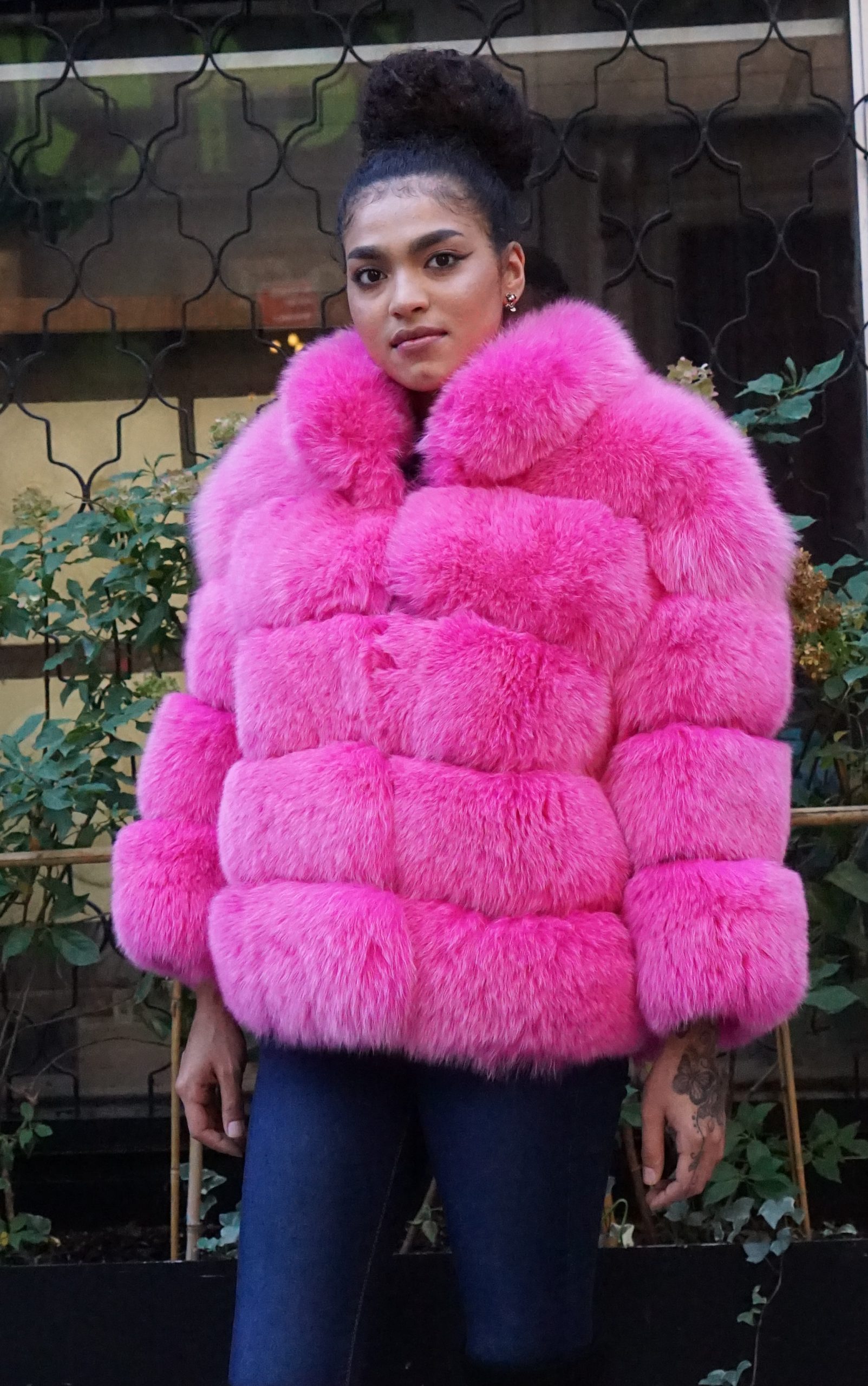
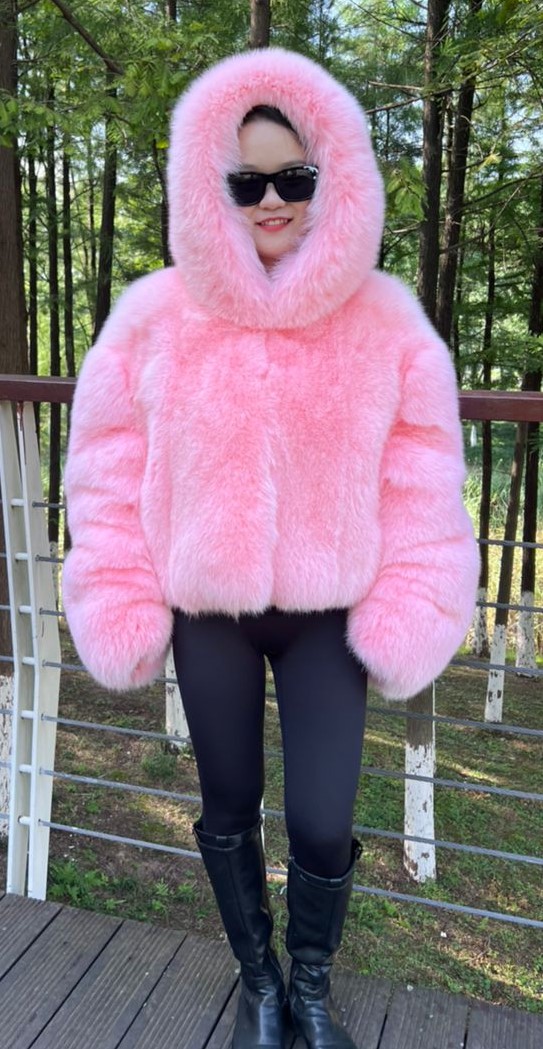
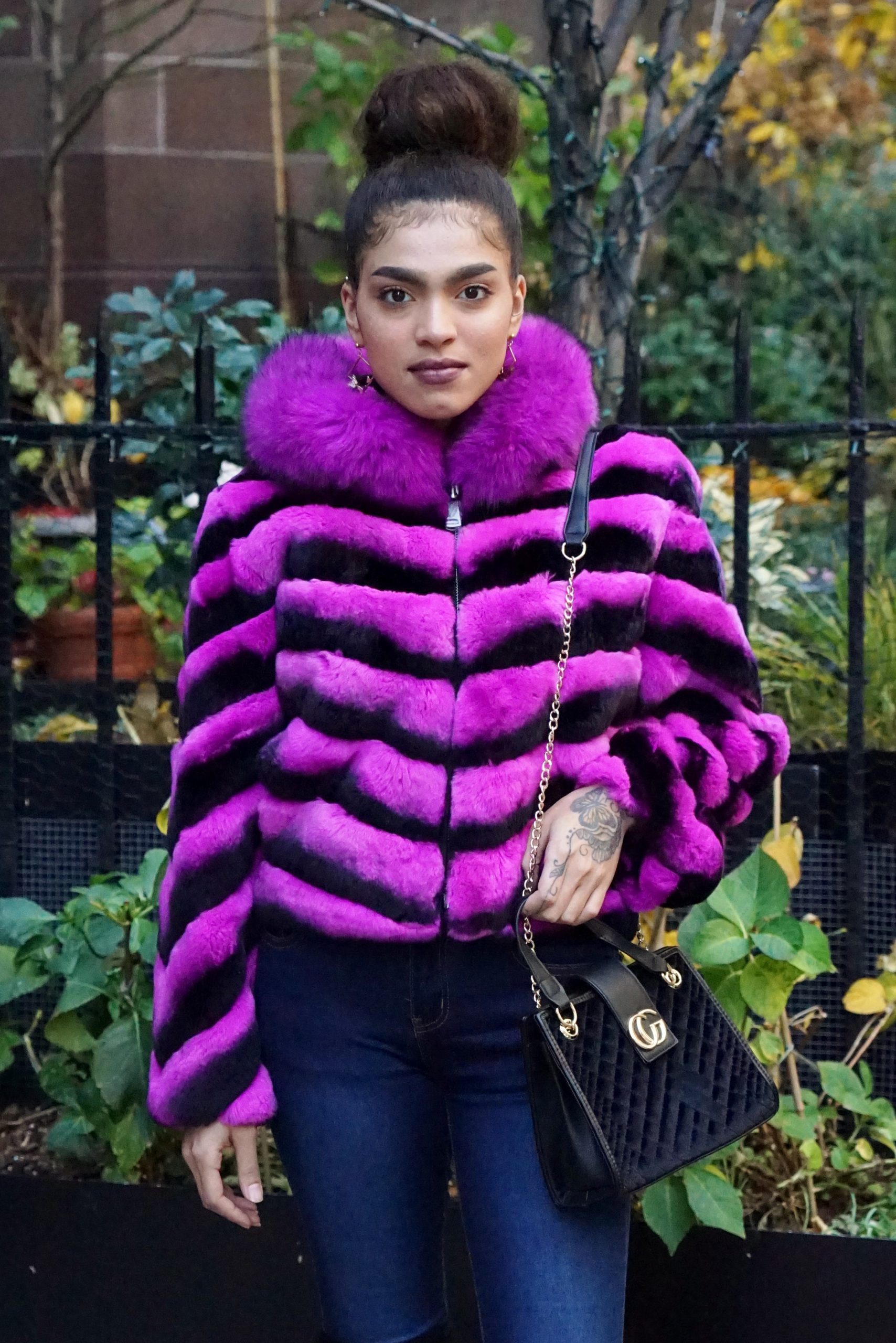
Fuchsia Rex Rabbit Hooded Jacket Fox Trim
Vintage Warmth Preservation: Vintage fur coats preserve their warmth over time.
Warmth for Cold-Weather Adventures: Fur is ideal for cold-weather adventures.
It’s important to remember that while fur coats have unique qualities that contribute to warmth, faux fur, and other synthetic materials have made significant advancements in replicating the warmth and comfort of genuine fur.
Cold Winter Days: Fur coats can provide warmth during the cold winter months in NYC.
Broadway Shows: Attending a Broadway play or musical during the winter can be an opportunity to wear fur.
Lincoln Center: Whether it’s a ballet performance, a symphony concert, or an opera, Lincoln Center offers a cultural setting where a fur coat might be appropriate.
Fashion Events: During New York Fashion Week, some attendees wear fur as a fashion statement.
Museum Visits: NYC has numerous museums and art galleries where you can wear a fur coat, such as MoMA or The Met.
Fine Dining: High-end restaurants in NYC often have dress codes that encourage formal attire, providing an opportunity to wear fur.
Opera and Ballet: The Metropolitan Opera and other venues host performances where dressing up is common.
Nightclubs: Some exclusive nightclubs and VIP parties might be suitable for fur attire.
Luxury Shopping: Fifth Avenue and upscale boutiques in NYC can be places to showcase fur fashion.
Special Events: Charity galas, art gallery openings, and fashion industry events may provide opportunities to wear fur.
Holiday Events: NYC’s holiday festivities, such as tree lighting ceremonies or New Year’s Eve in Times Square, can be occasions for fur coats.
Cultural Celebrations: Attending cultural celebrations and festivals in the city can provide opportunities for fur fashion.
Opera Galas: Special events and galas at opera houses in NYC are known for their elegant dress code.
VIP Parties: Exclusive parties and private events might be places to wear fur if the dress code permits.
High-End Shopping Districts: Exploring luxury shopping districts like Madison Avenue or SoHo can be an opportunity to wear fur.
Private Art Exhibitions: Exclusive art exhibitions and private viewings are places where you can showcase your style.
Luxury Hotels: Staying at or dining in luxury hotels like The Plaza or The Ritz-Carlton can provide a fitting atmosphere for fur fashion.
Art Openings: Attend art gallery openings and art-related events in the city where creative fashion choices are often celebrated.
Purchasing a fur coat can be a significant investment, and it’s essential to make an informed decision. Here are 100 things you need to know about purchasing a fur coat:
100 Things I Need to Know About Purchasing a Fur Coat, Purchasing a fur coat can be a significant investment, and it’s essential to make an informed decision.
Scented Storage: Avoid storing fur near strongly scented items.
Reversible Linings: Consider reversible linings for style variety.
Aging Process: Understand how fur ages and changes over time.
Collar Styling: Choose a collar style that complements your neck and face.
Value Retention: Recognize that well-maintained fur retains its value.
Fur Trade Shows: Attend fur trade shows for a wide selection.
Vintage Care Labels: Vintage coats may have different care instructions.
Sale Timing: Buy during sales or clearance for savings.
Fur-Trimmed Boots: Explore fur-trimmed footwear for a coordinated look.
Love and Enjoy: Finally, cherish and enjoy your fur coat responsibly.
Remember that purchasing a fur coat is a personal choice, and it’s essential to consider your values, budget, and preferences before making a decision. Additionally, staying informed about ethical and sustainable fur practices is important in today’s society.
The fur trade influenced the design of trading post buildings, which often featured distinctive architecture.
Fur traders often married indigenous women, leading to the development of the Métis culture in Canada.
The fur trade declined in the mid-19th century but experienced a revival in the late 19th century.
The fur trade in the American West involved trapping animals such as beavers, muskrats, and raccoons.
Trappers and mountain men operated in the Rocky Mountains and other western regions.
The fur trade played a role in the early history of California, where sea otters were hunted for their fur.
The fur trade had a significant impact on the fur-bearing animal populations of the Great Lakes region.
The fur trade influenced literature and art, including the works of James Fenimore Cooper and Charles M. Russell.
The fur trade had a lasting impact on the cultural identity of indigenous peoples in North America.
Indigenous art often incorporates motifs related to the fur trade, such as animal designs and trade goods.
The fur trade is portrayed in historical reenactments and festivals in North America.
French fur traders established fur trading posts in the Mississippi Valley, including Fort de Chartres and Cahokia.
The fur trade played a role in the exploration of the Mississippi River by European explorers.
The fur trade was closely tied to the fur fashion industry in Europe, which dictated the value of furs.
Russian fur traders established trading posts in Siberia and Alaska.
The fur trade influenced the development of trade networks and routes in North America.
European furriers were skilled craftsmen who processed and sewed furs into garments and accessories.
The fur trade contributed to the depletion of fur-bearing animal populations in many regions.
Fur traders often faced competition from other traders and companies.
The fur trade in Canada expanded into the interior of the continent, including the Rocky Mountains.
Indigenous peoples were often paid in trade goods such as blankets, beads, and metal tools.
Fur trading posts served as centers for barter and exchange between traders and indigenous peoples.
Indigenous peoples often used every part of an animal they trapped, including the meat, bones, and hide.
The fur trade led to the development of trade languages, such as Chinook Jargon in the Pacific Northwest.
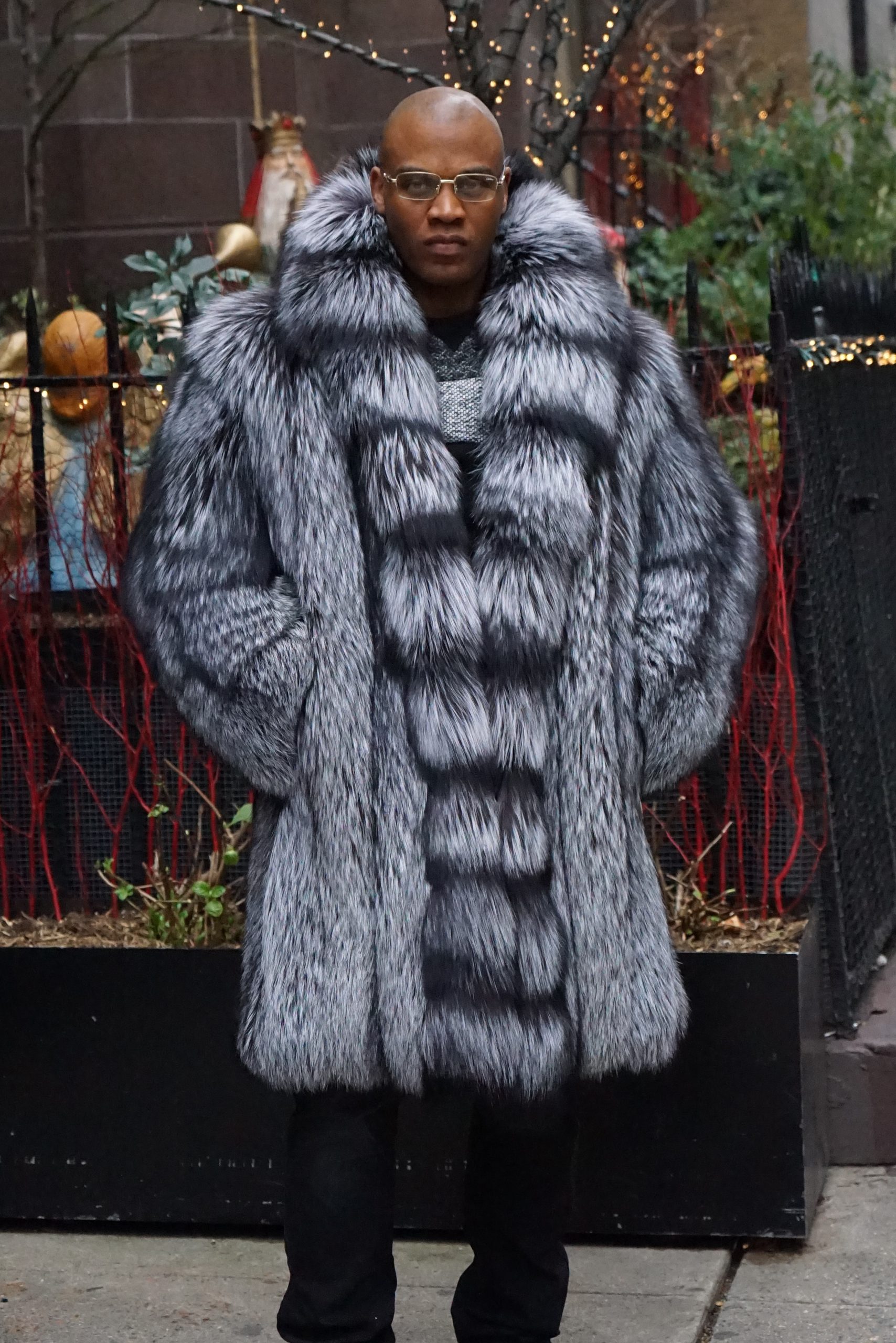
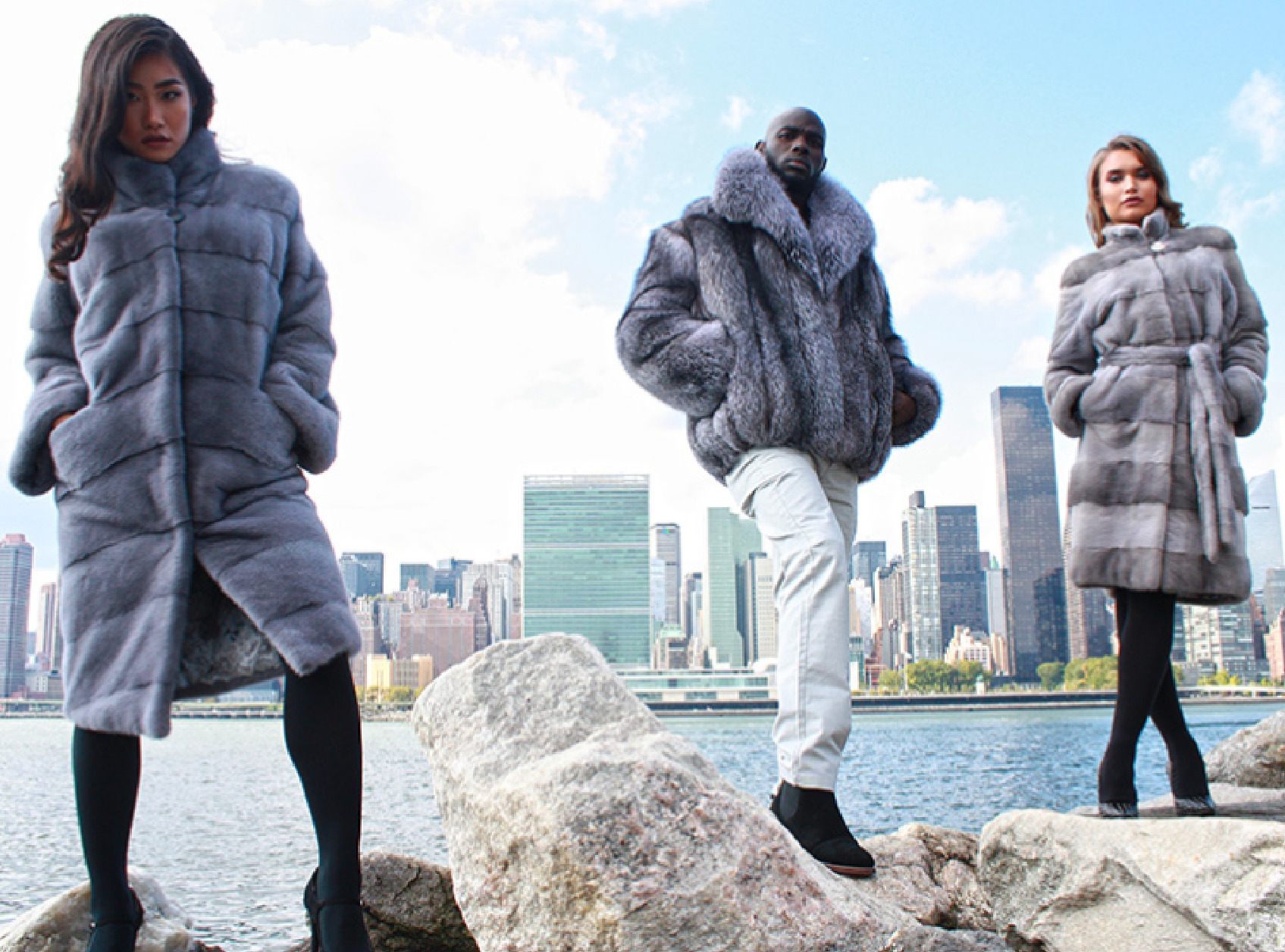
Magnificent Furs from NYC
The fur trade influenced the design and construction of canoes used for transportation.
Hudson’s Bay Company employees were known as “servants” or “gentlemen” depending on their rank.
The fur trade had a significant impact on the fur-bearing animal populations of the Canadian North.
Many famous explorers, such as Lewis and Clark, were involved in the fur trade before their expeditions.
The fur trade contributed to the development of trading routes in the Canadian Arctic.
Fur trapping and trading became the subject of numerous books and films.
The fur trade is often associated with tales of adventure, wilderness survival, and exploration.
Today, the fur trade continues as a global industry, with regulations aimed at protecting animal welfare and conservation.
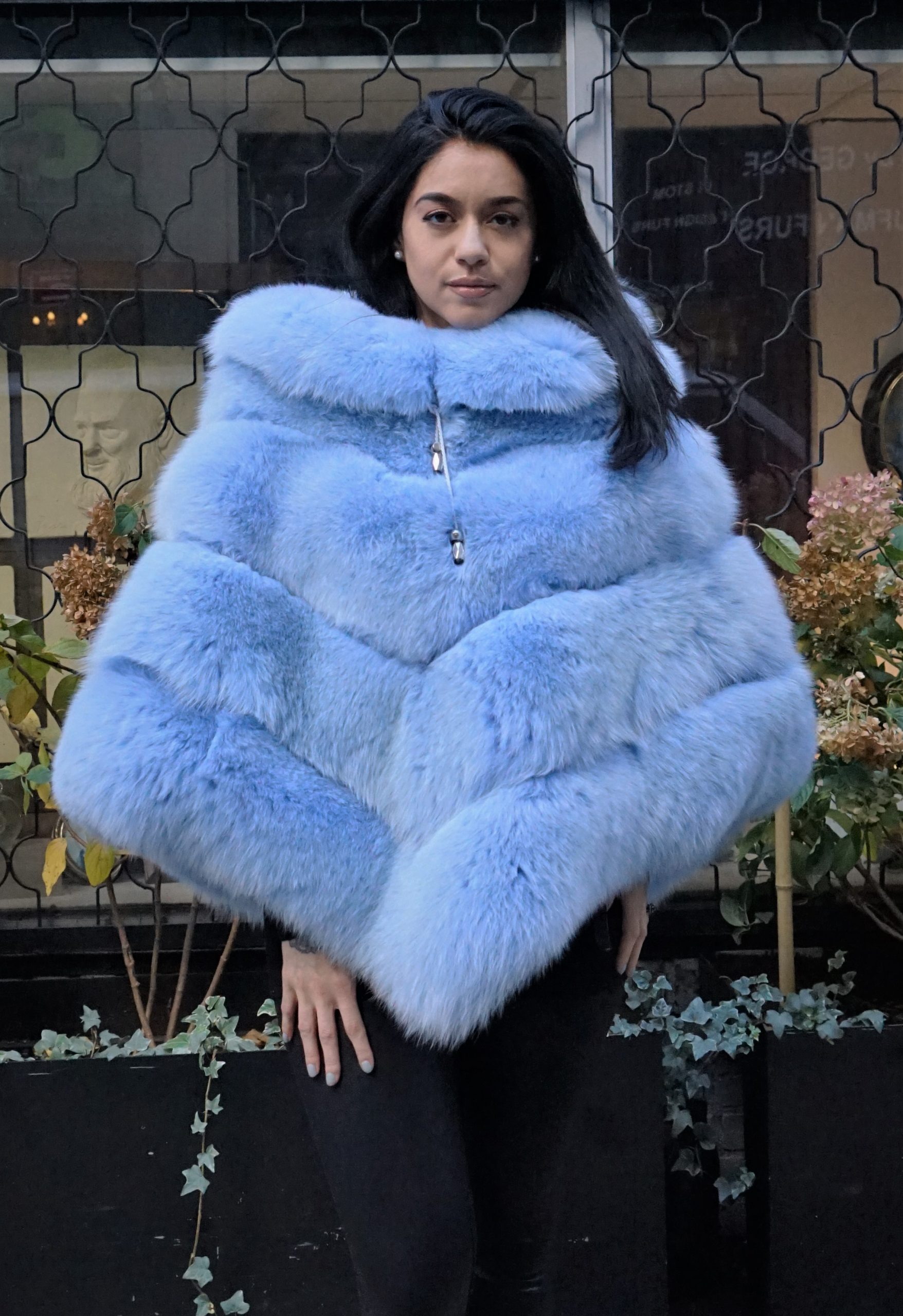
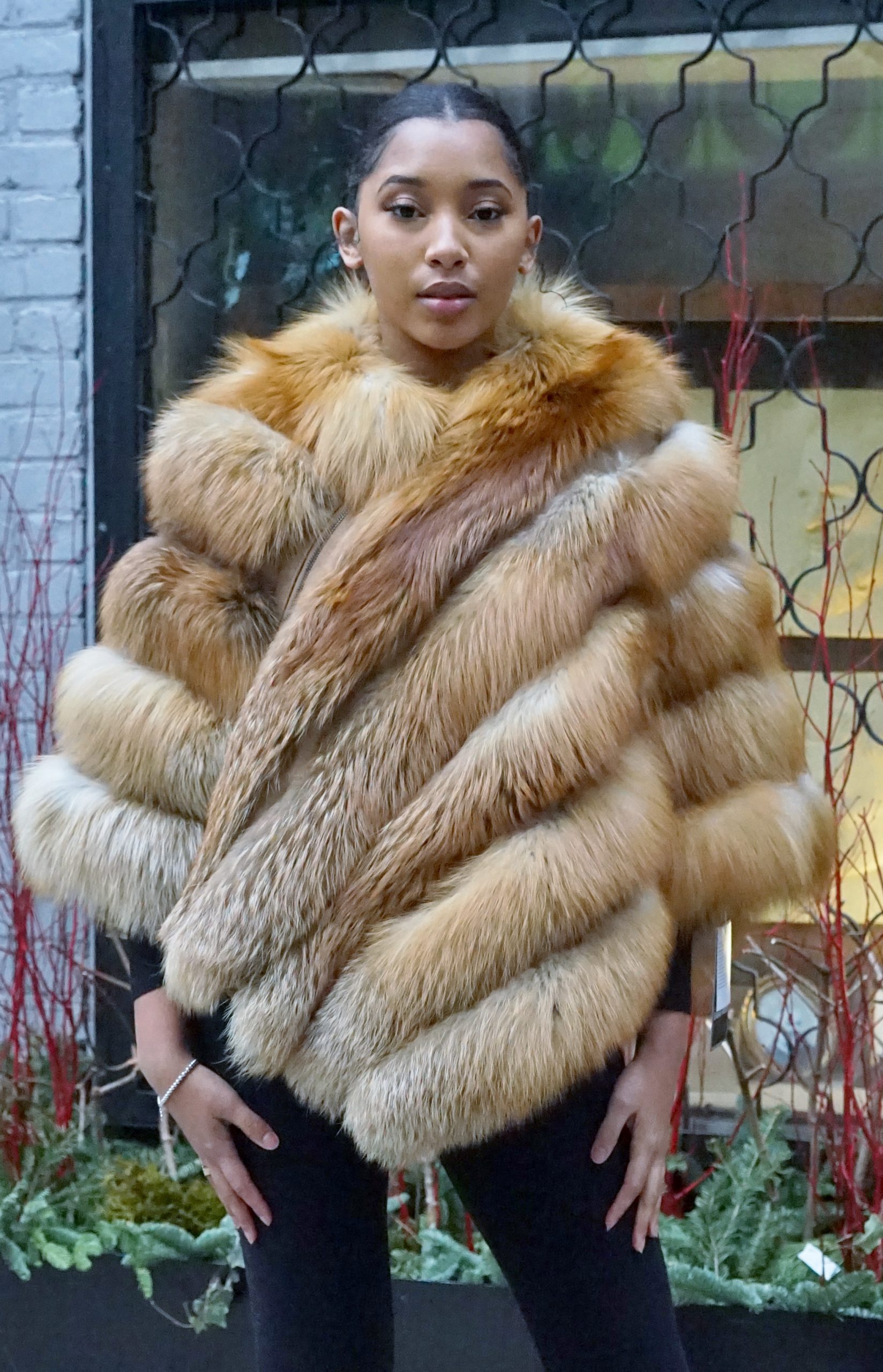
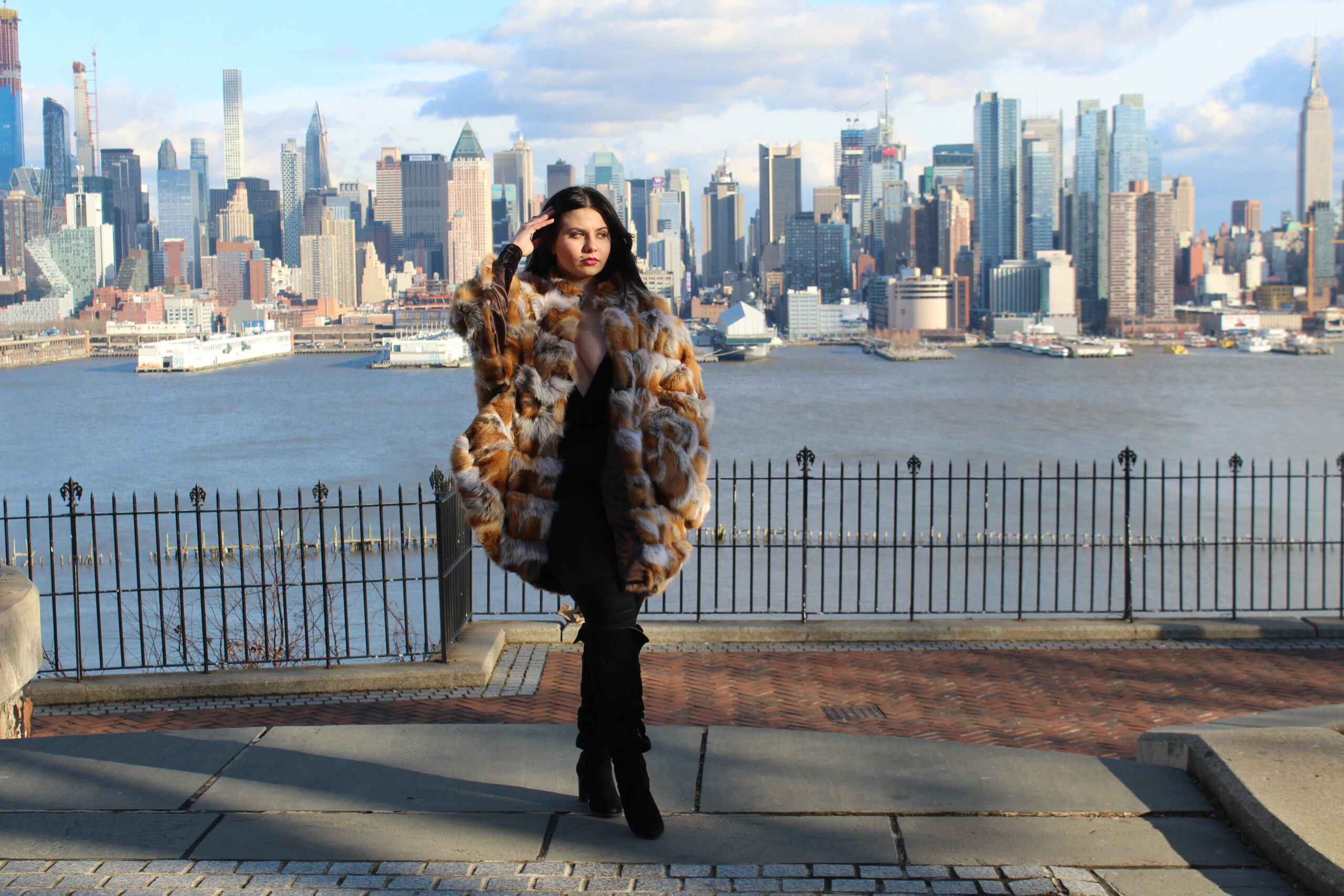
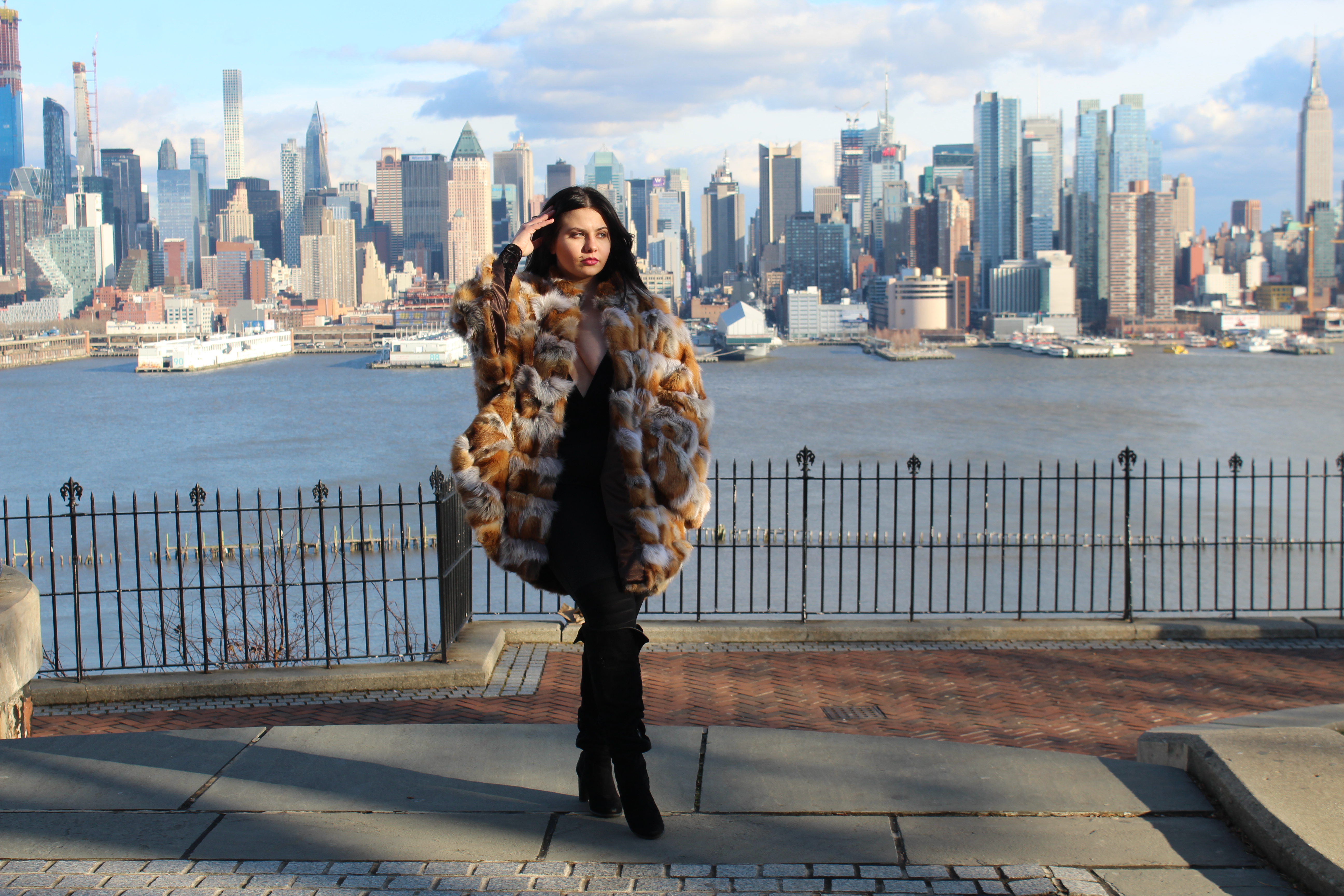
Magnificent Fox Cape NYC Background
This list highlights the rich and multifaceted history of the fur trade, which spans continents and centuries, impacting economies, cultures, and the environment.
Marc Kaufman Furs
History of the Fur Trade, Certainly! Here is a list of 100 key points and facts about the history of the fur trade.