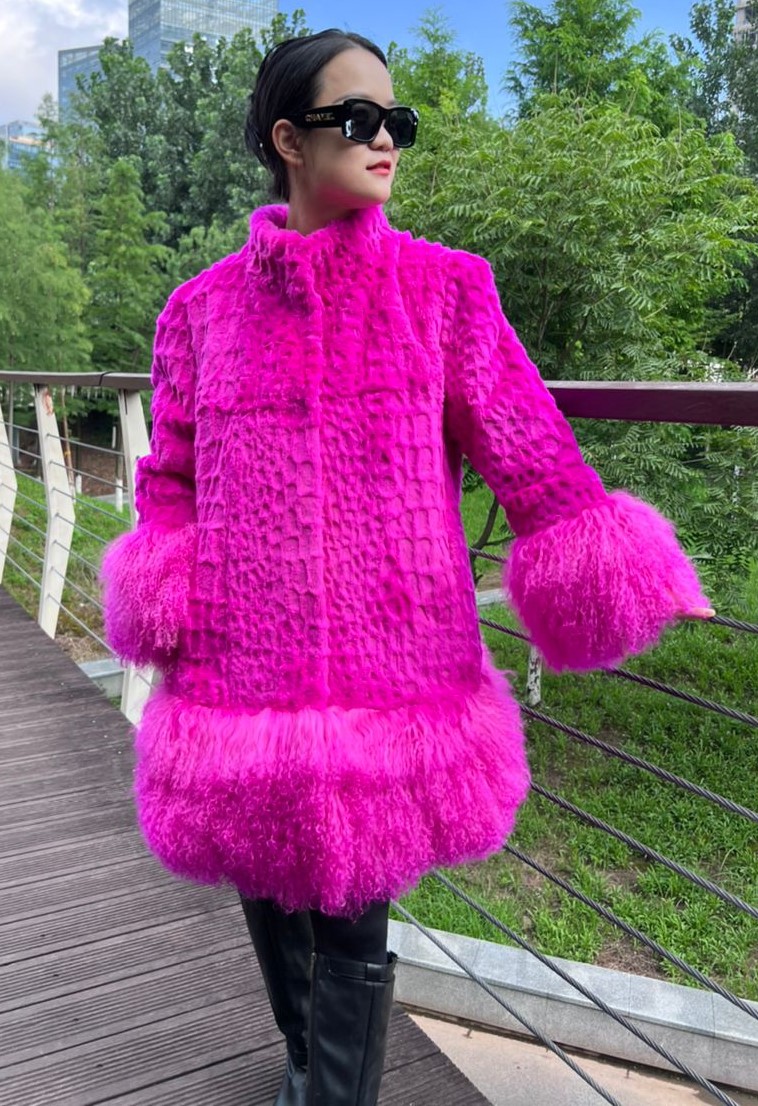
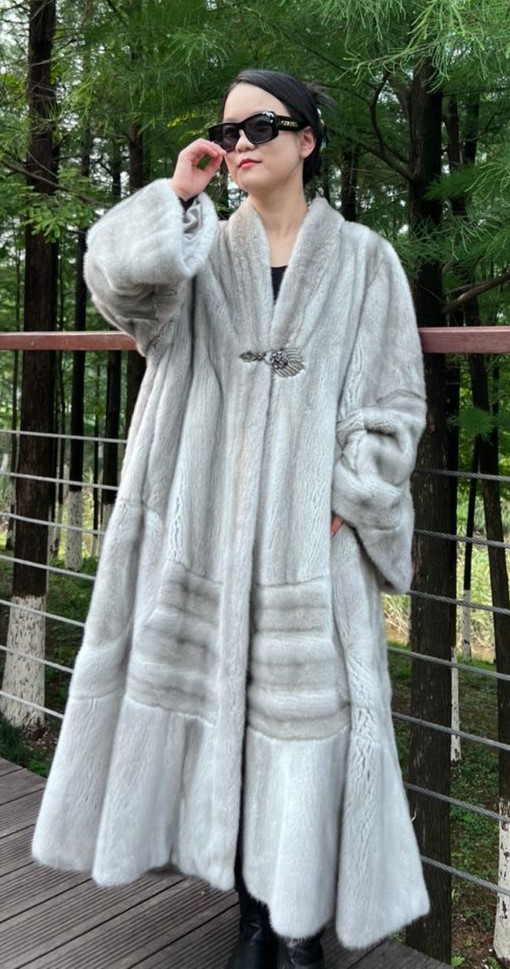
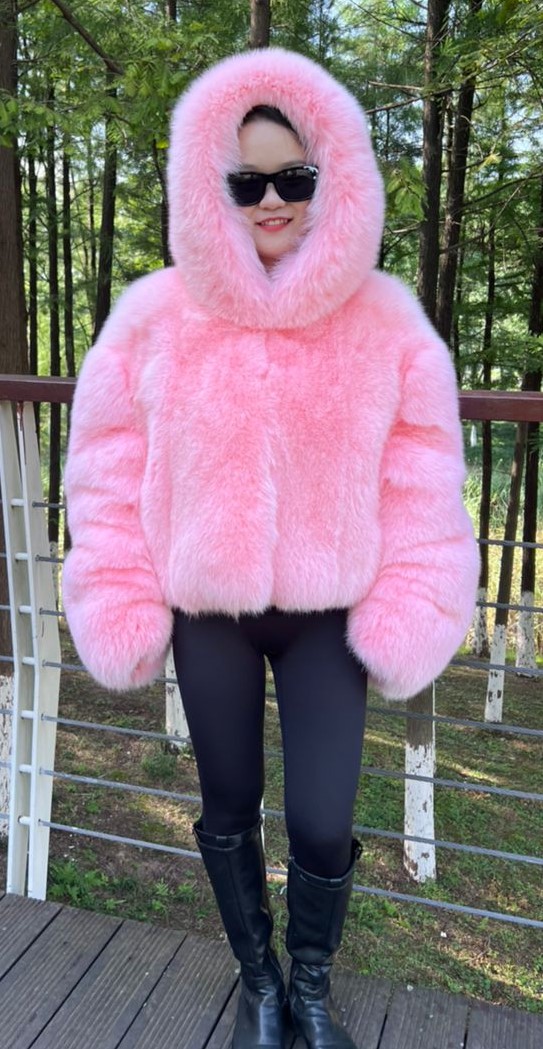
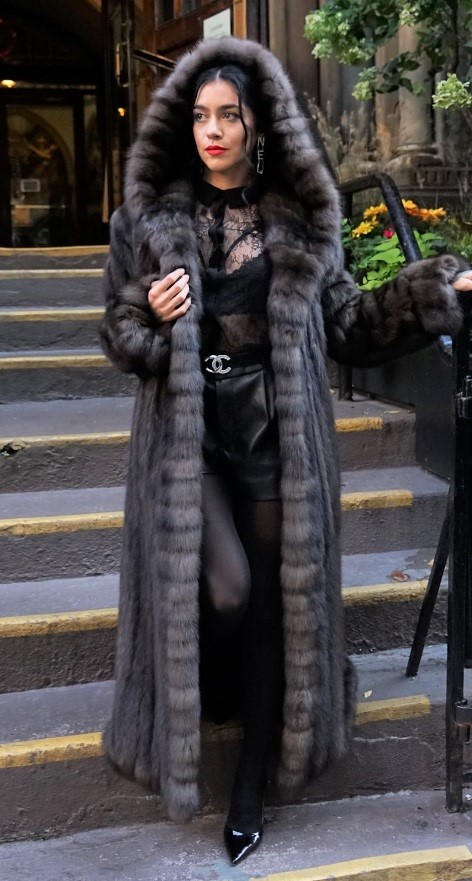
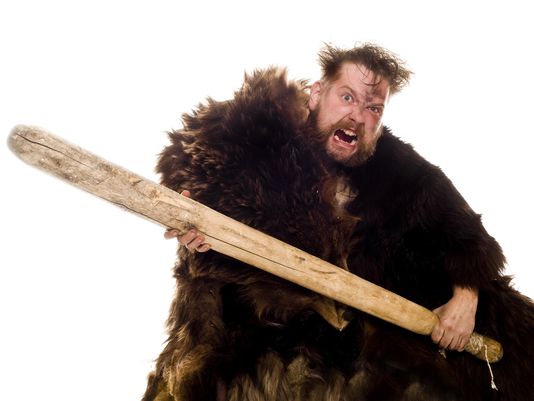
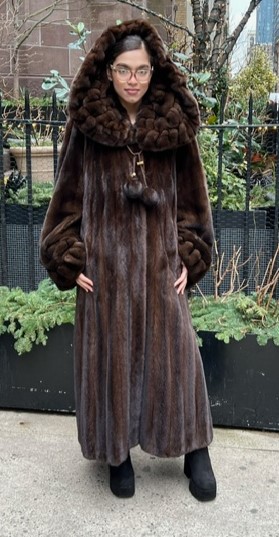
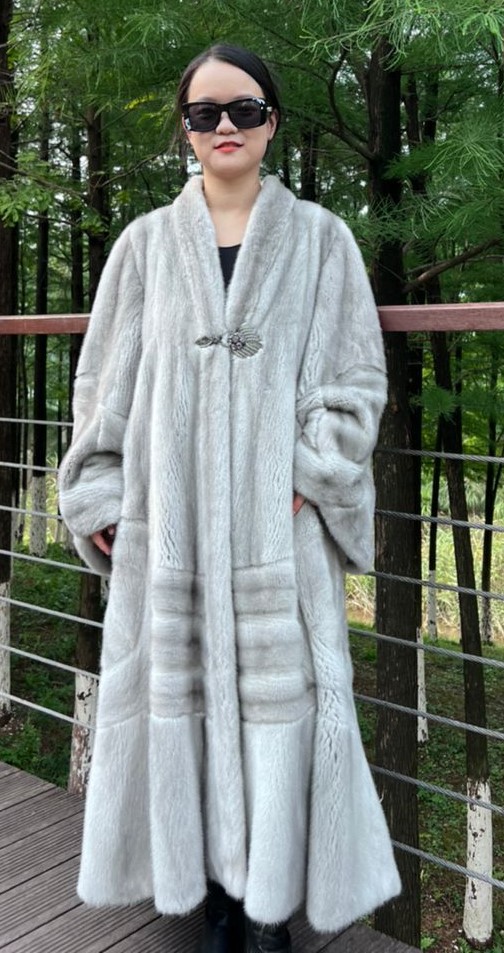
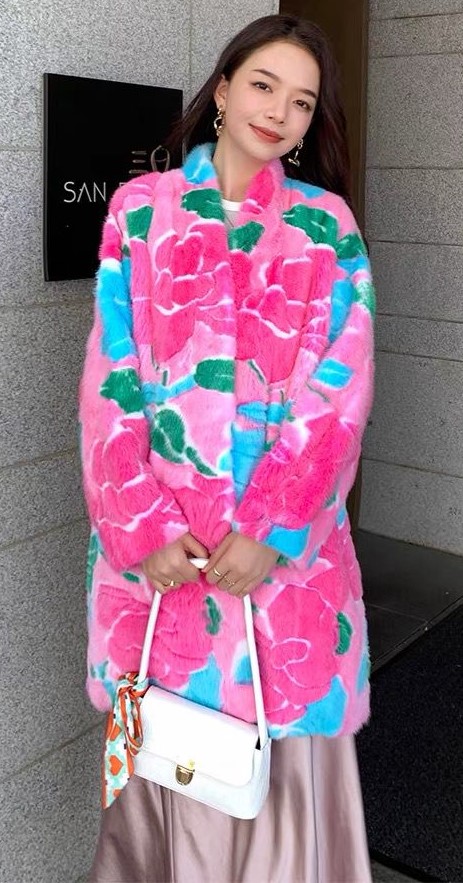
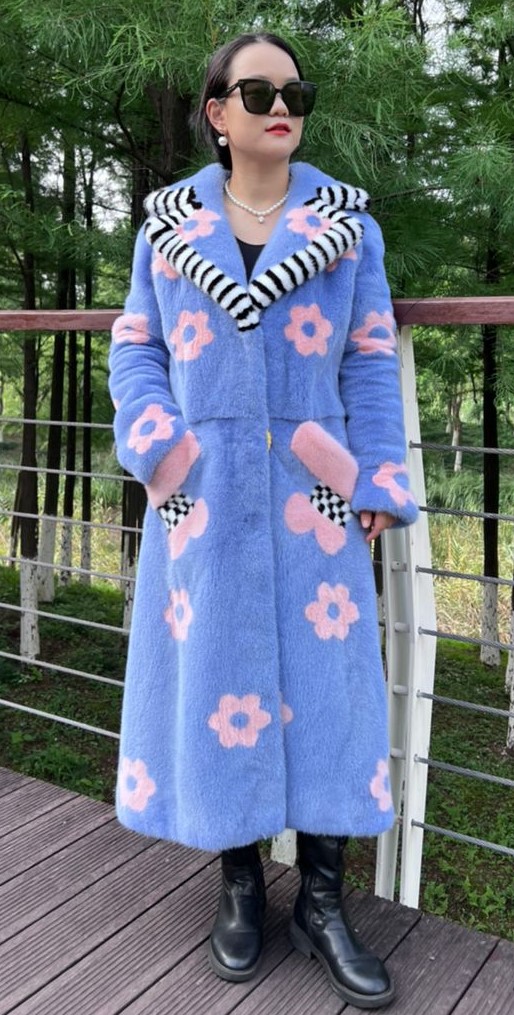
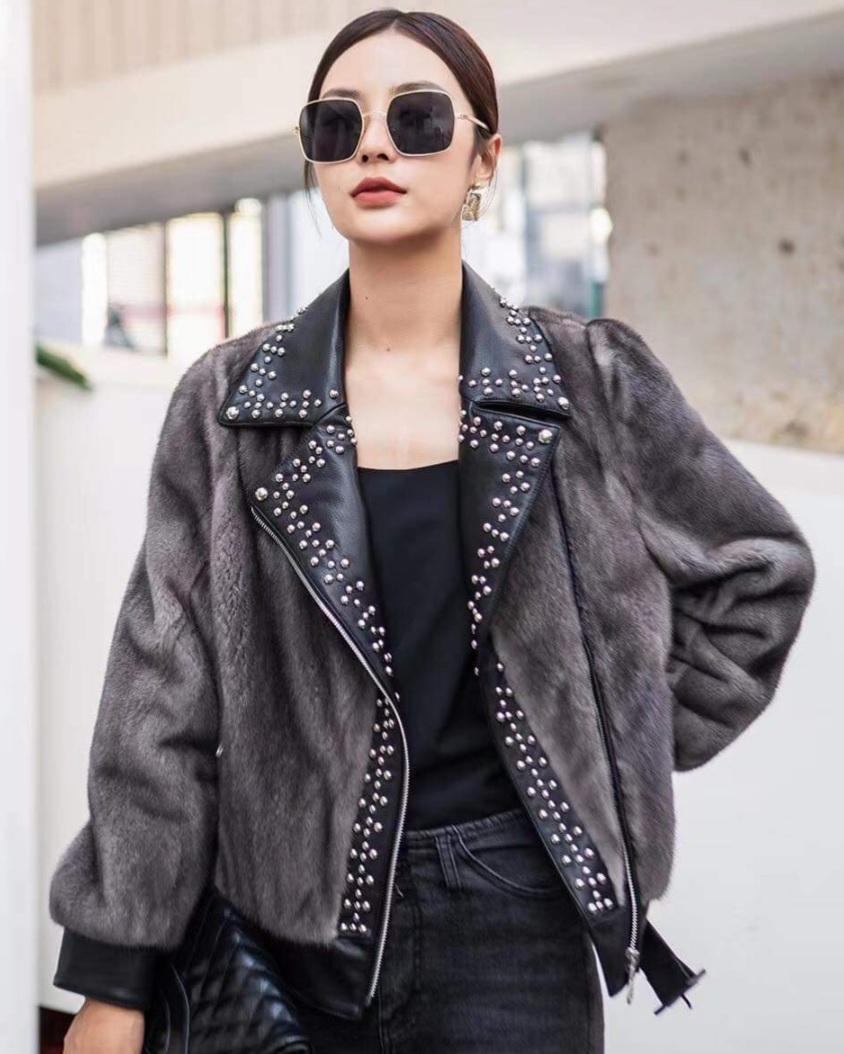
List of 100 Places to Wear Fur Cold winter days, Ski resorts, Snowy mountain getaways, Arctic expeditions, Alaska or Siberia, Ice hotels, New York Fashion Week.
The fur trade influenced the design of trading post buildings, which often featured distinctive architecture.
Fur traders often married indigenous women, leading to the development of the Métis culture in Canada.
The fur trade declined in the mid-19th century but experienced a revival in the late 19th century.
The fur trade in the American West involved trapping animals such as beavers, muskrats, and raccoons.
Trappers and mountain men operated in the Rocky Mountains and other western regions.
The fur trade played a role in the early history of California, where sea otters were hunted for their fur.
The fur trade had a significant impact on the fur-bearing animal populations of the Great Lakes region.
The fur trade influenced literature and art, including the works of James Fenimore Cooper and Charles M. Russell.
The fur trade had a lasting impact on the cultural identity of indigenous peoples in North America.
Indigenous art often incorporates motifs related to the fur trade, such as animal designs and trade goods.
The fur trade is portrayed in historical reenactments and festivals in North America.
French fur traders established fur trading posts in the Mississippi Valley, including Fort de Chartres and Cahokia.
The fur trade played a role in the exploration of the Mississippi River by European explorers.
The fur trade was closely tied to the fur fashion industry in Europe, which dictated the value of furs.
Russian fur traders established trading posts in Siberia and Alaska.
The fur trade influenced the development of trade networks and routes in North America.
European furriers were skilled craftsmen who processed and sewed furs into garments and accessories.
The fur trade contributed to the depletion of fur-bearing animal populations in many regions.
Fur traders often faced competition from other traders and companies.
The fur trade in Canada expanded into the interior of the continent, including the Rocky Mountains.
Indigenous peoples were often paid in trade goods such as blankets, beads, and metal tools.
Fur trading posts served as centers for barter and exchange between traders and indigenous peoples.
Indigenous peoples often used every part of an animal they trapped, including the meat, bones, and hide.
The fur trade led to the development of trade languages, such as Chinook Jargon in the Pacific Northwest.
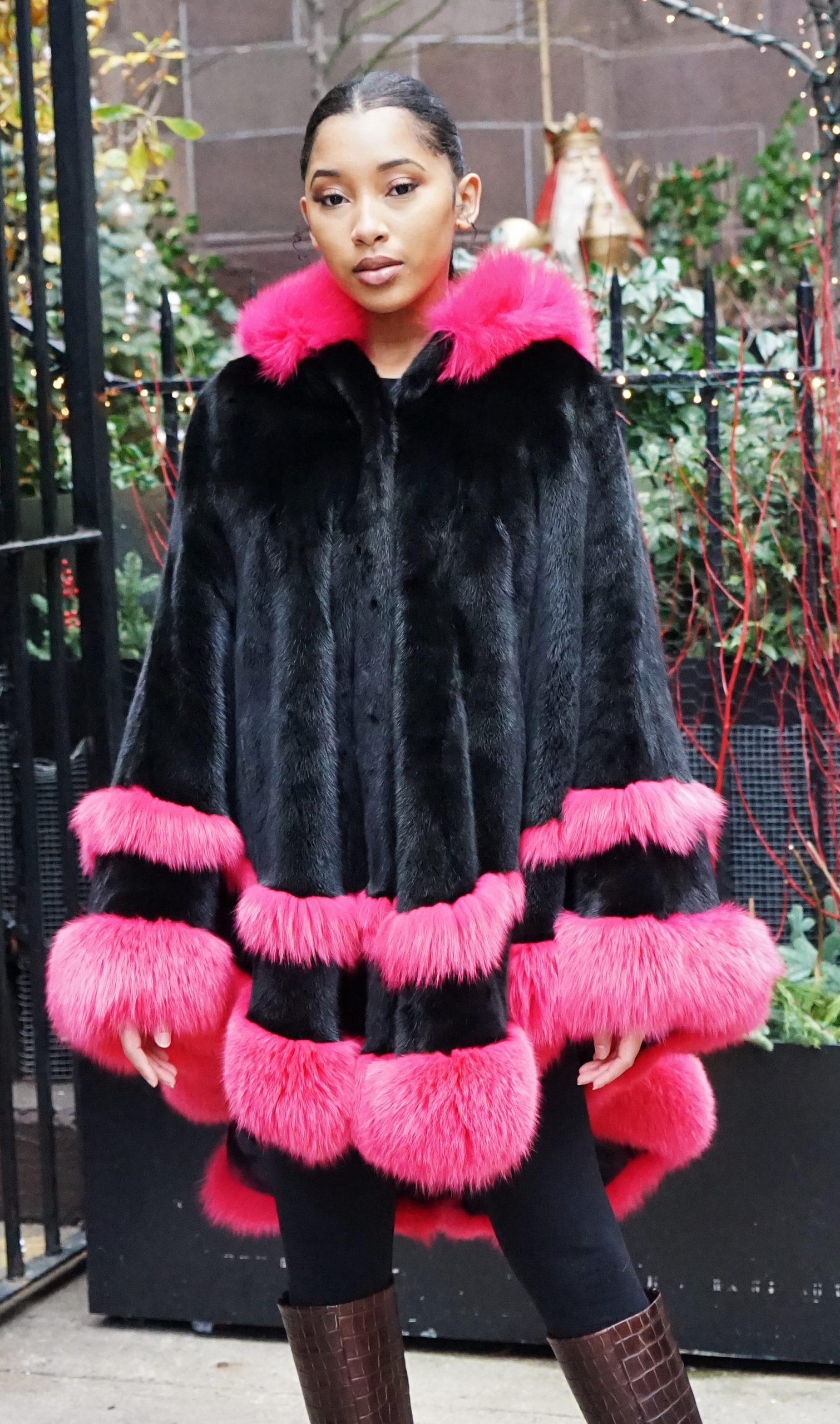
Magnificent Furs from NYC
The fur trade influenced the design and construction of canoes used for transportation.
Hudson’s Bay Company employees were known as “servants” or “gentlemen” depending on their rank.
The fur trade had a significant impact on the fur-bearing animal populations of the Canadian North.
Many famous explorers, such as Lewis and Clark, were involved in the fur trade before their expeditions.
The fur trade contributed to the development of trading routes in the Canadian Arctic.
Fur trapping and trading became the subject of numerous books and films.
The fur trade is often associated with tales of adventure, wilderness survival, and exploration.
Today, the fur trade continues as a global industry, with regulations aimed at protecting animal welfare and conservation.
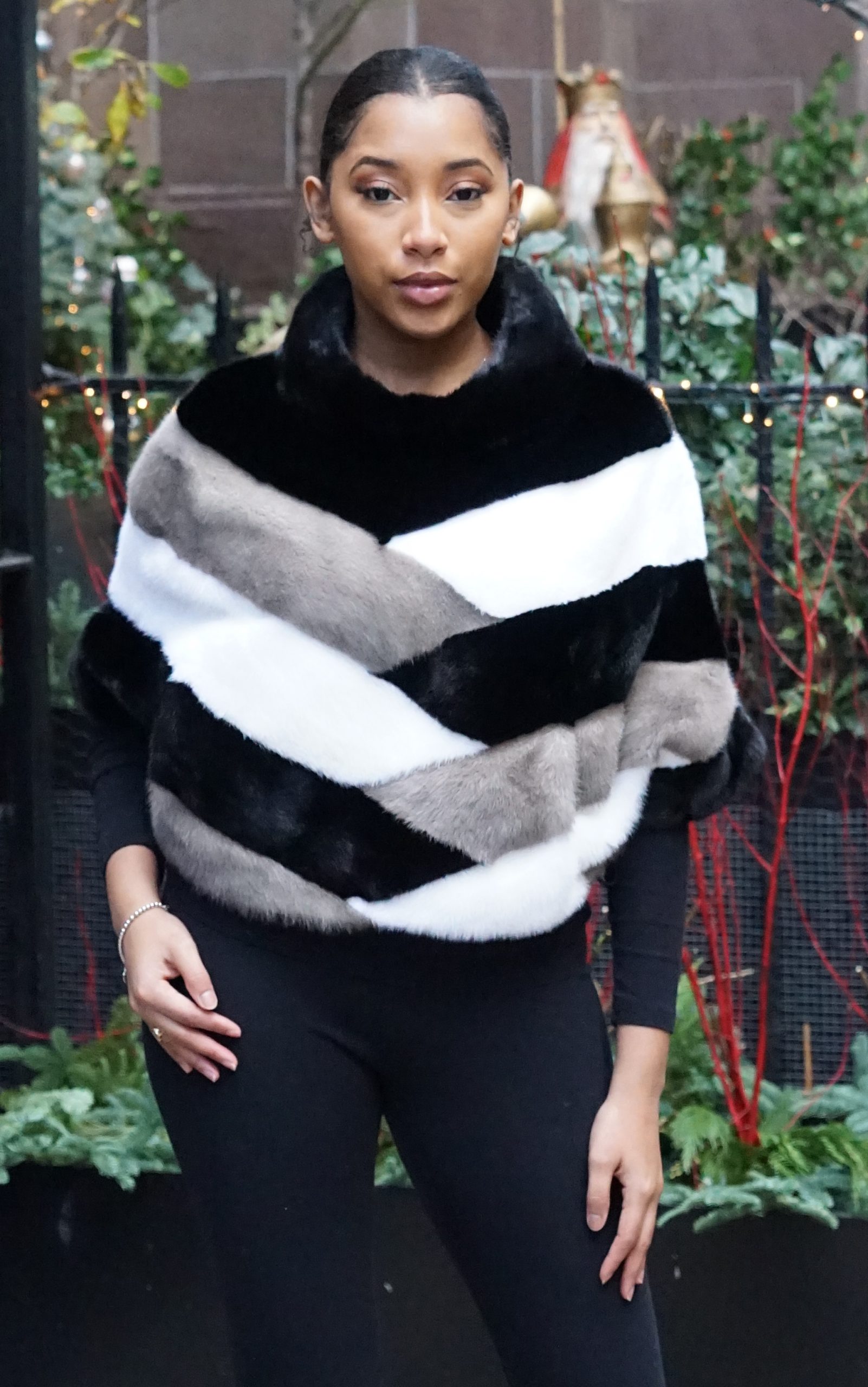
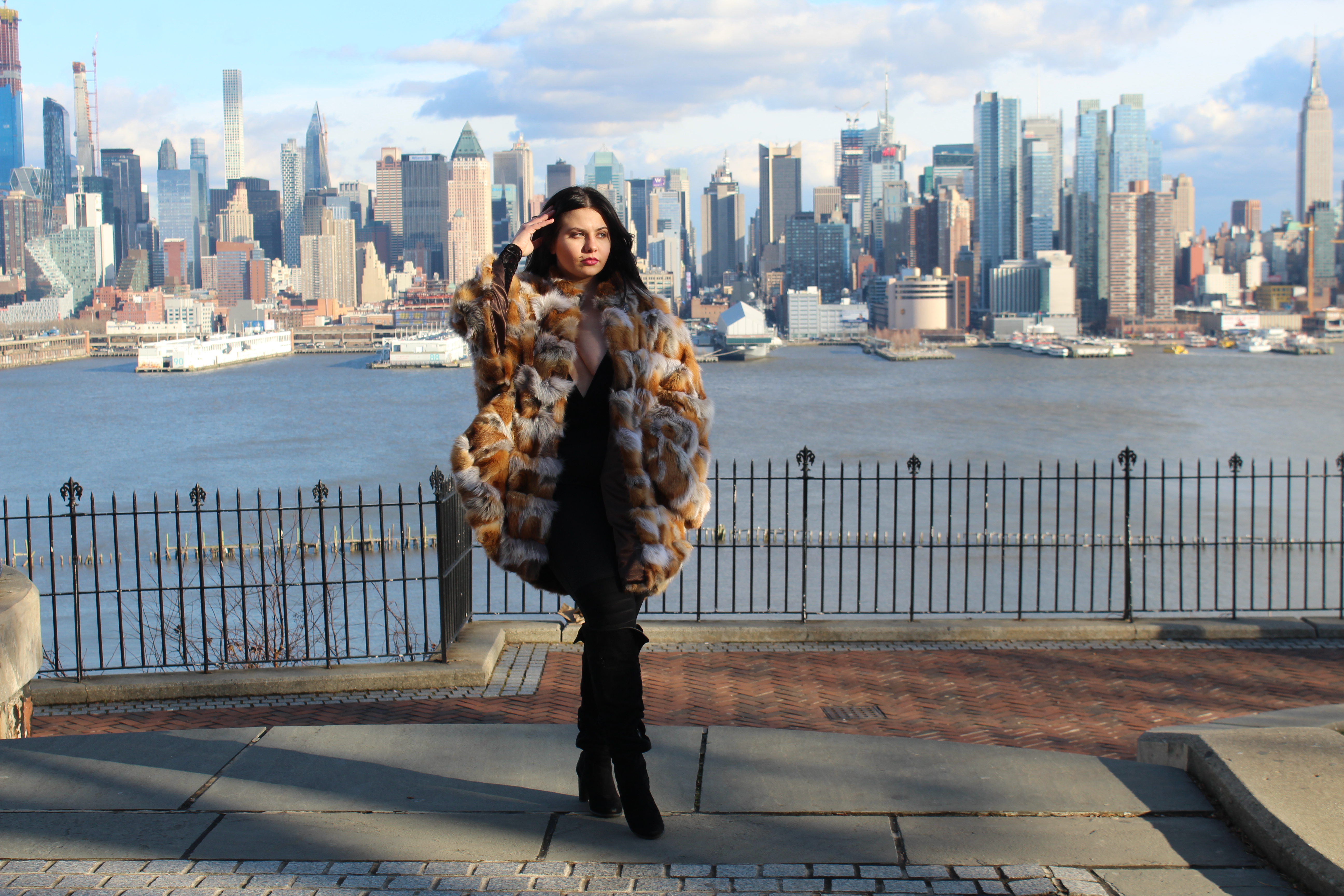
Magnificent Fox Cape NYC Background
This list highlights the rich and multifaceted history of the fur trade, which spans continents and centuries, impacting economies, cultures, and the environment.
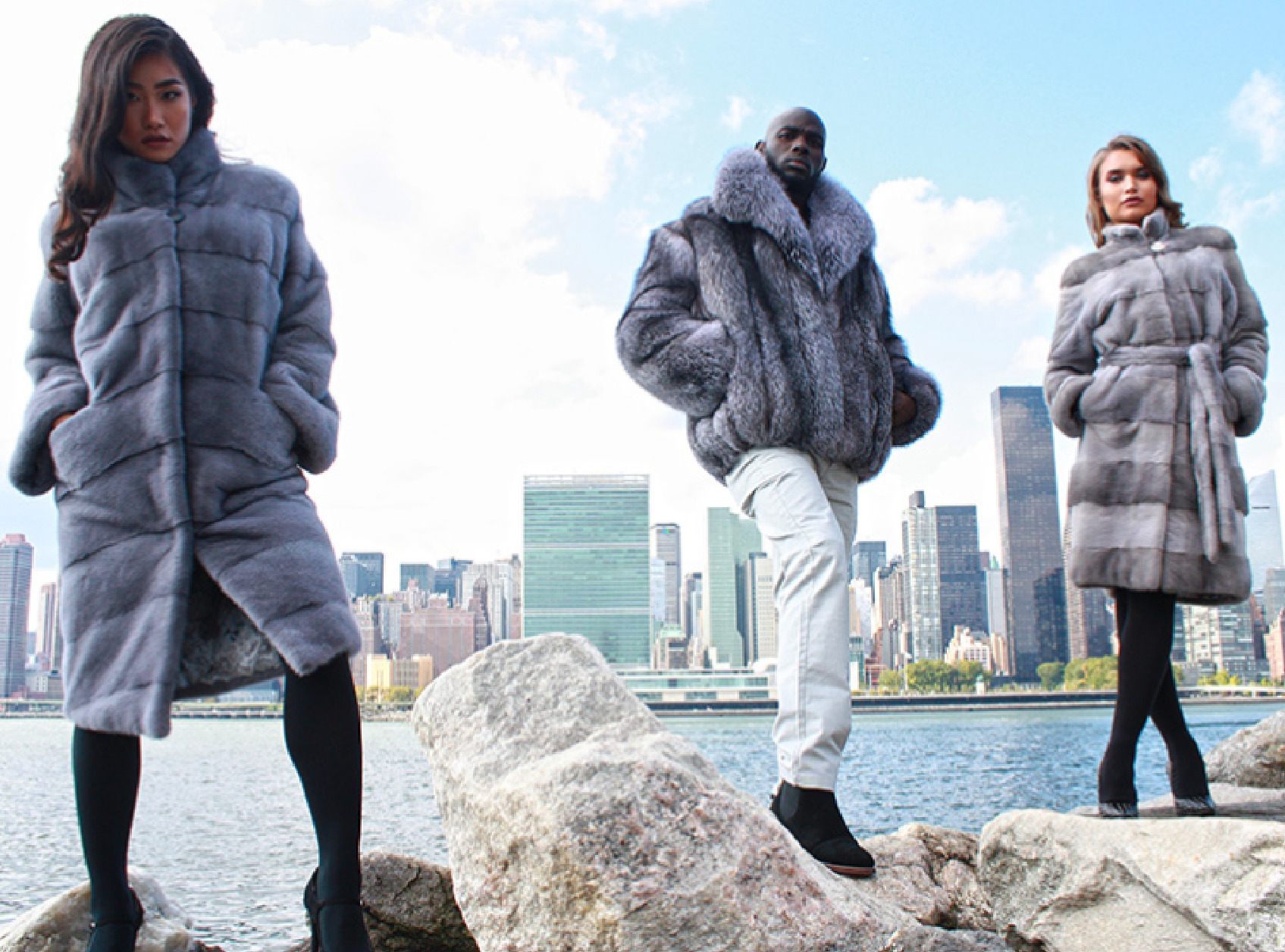
Marc Kaufman Furs
History of the Fur Trade, Certainly! Here is a list of 100 key points and facts about the history of the fur trade.
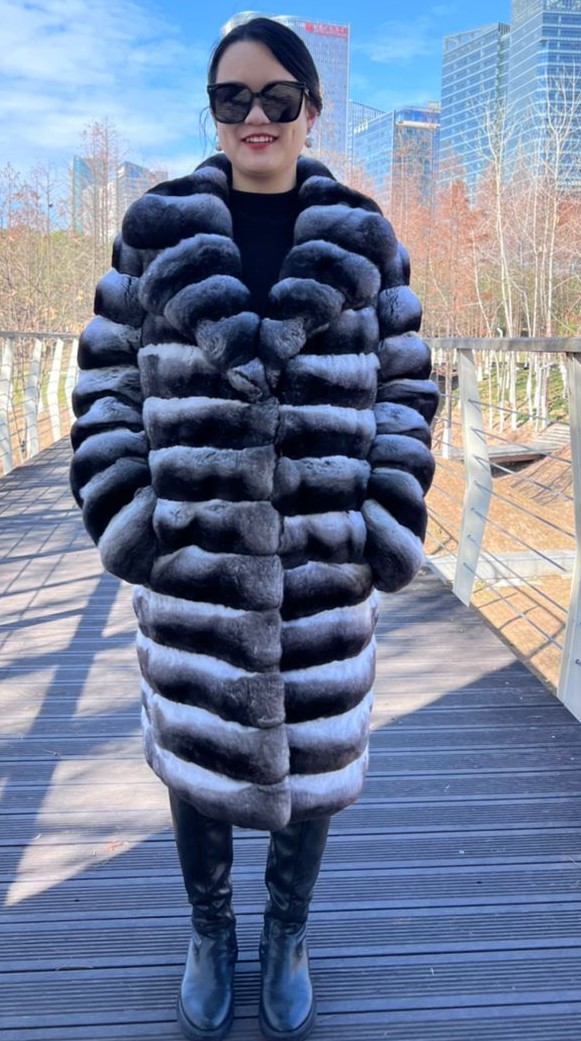
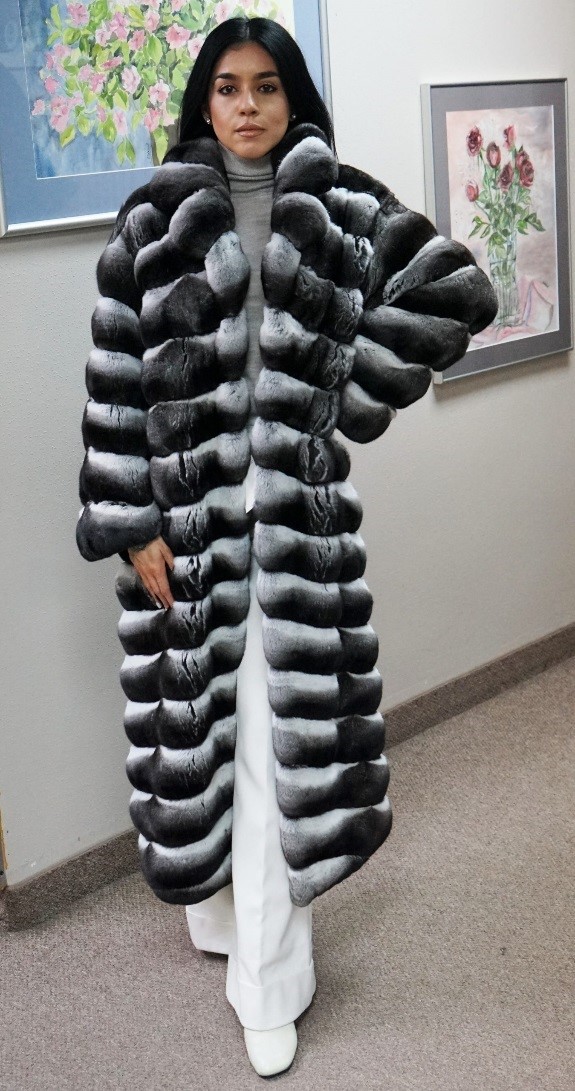
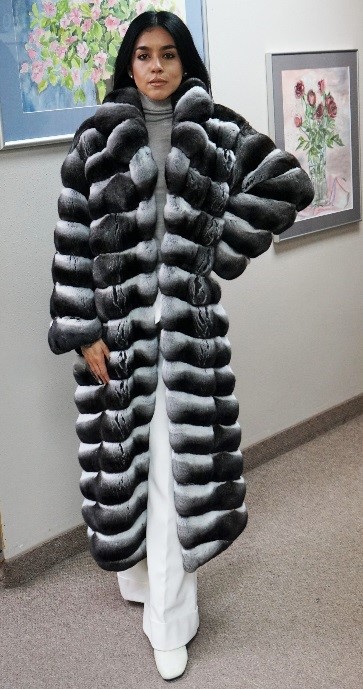
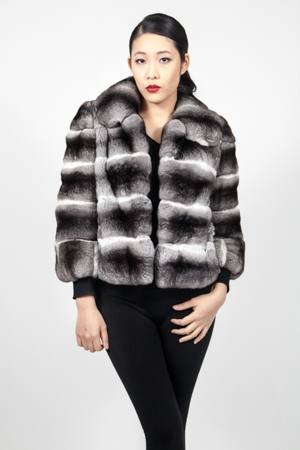
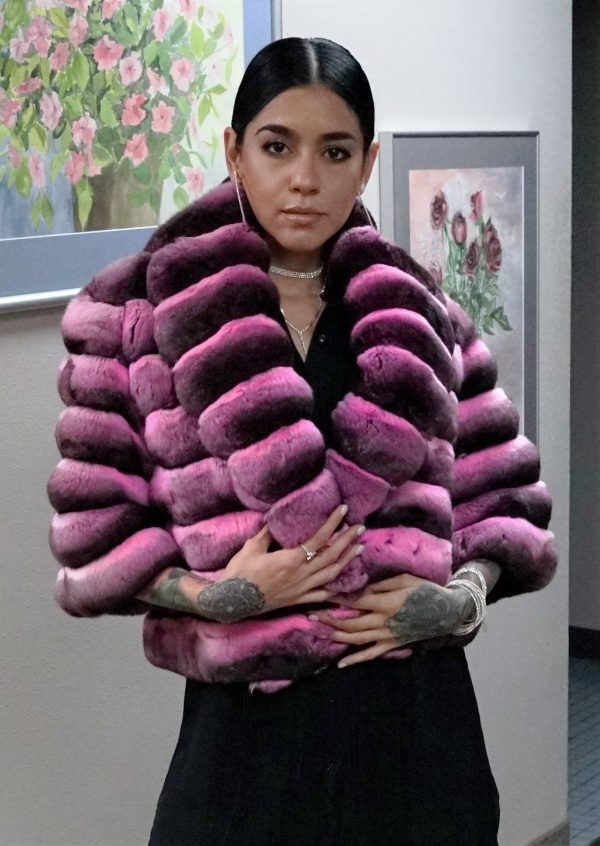
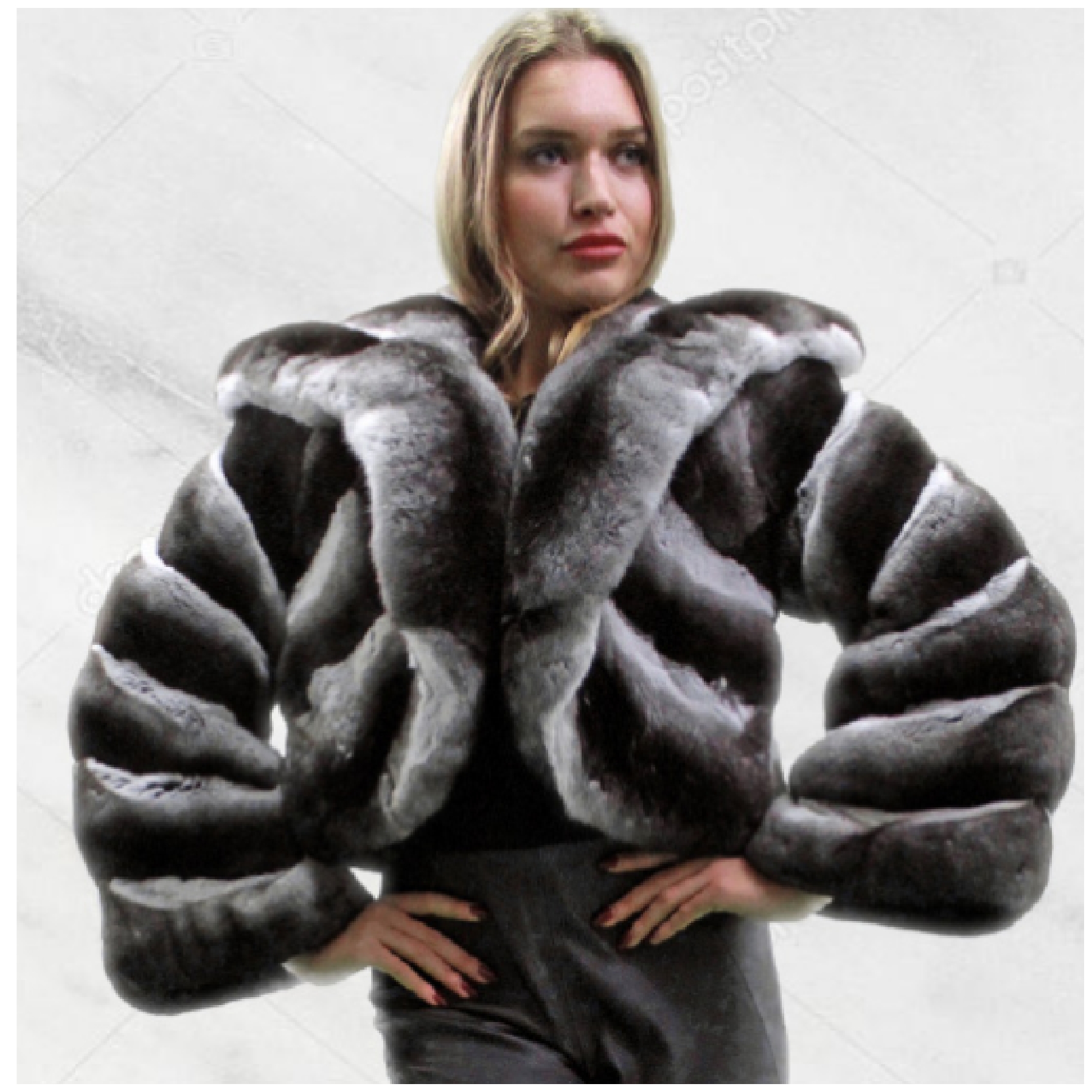
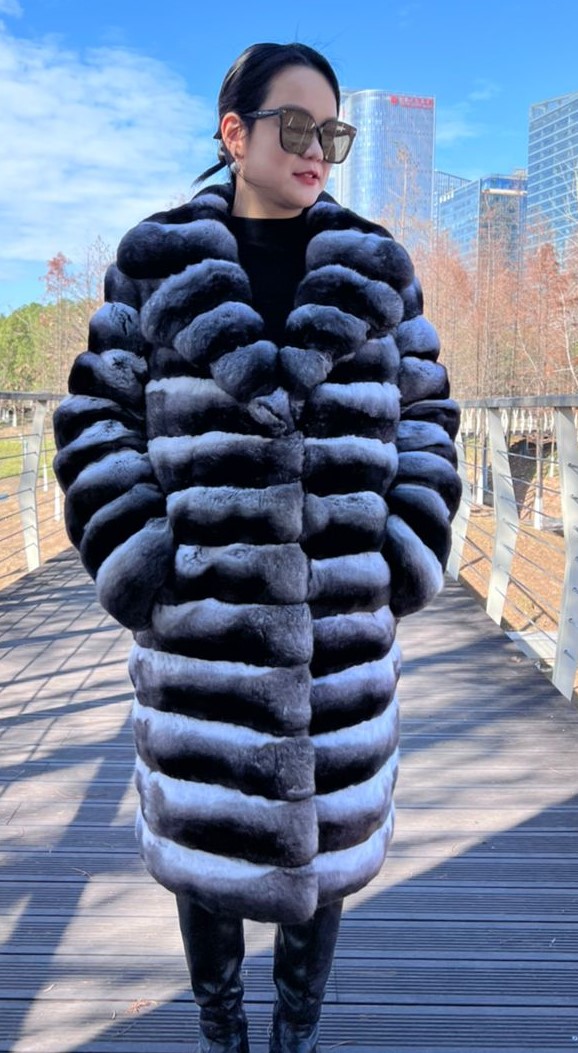
Chinchilla coats are known for their exquisite softness, opulence, and eye-catching beauty, but their price tags often raise eyebrows. These luxurious fur garments are among the most expensive in the world. The reasons behind their steep cost are multifaceted, encompassing factors related to the chinchilla fur itself, the intricate process of production, ethical concerns, craftsmanship, and branding. In this comprehensive explanation, we will delve into the myriad of reasons why chinchilla coats are so expensive.
Chinchillas are small, nocturnal rodents native to the Andes Mountains in South America. Their fur is exceptionally soft, dense, and luxurious, making it highly desirable for fur garments.
However, chinchillas are not only small animals, but they are also relatively scarce in the wild. Due to overhunting in the past, chinchillas are now listed as a vulnerable species and are protected by international regulations.
Because of their size and the need for high-quality fur, it takes a substantial number of chinchilla pelts to create a single coat, contributing to the rarity and expense of chinchilla fur.
Difficult Farming Process:
Given the limitations on harvesting chinchilla fur from the wild, the fur industry primarily relies on chinchilla farms for their fur supply.
Chinchilla farming, however, is a complex and time-consuming process. Chinchillas are sensitive animals that require specialized care, including proper diet, living conditions, and veterinary attention.
Breeding and raising chinchillas in captivity can be challenging, as they have specific requirements for temperature, humidity, and social interaction. This necessitates significant investments in infrastructure and expertise.
Chinchilla fur is renowned for its exceptional quality. Its fur is incredibly soft, lightweight, and warm, providing a luxurious feel and outstanding insulation.
The uniqueness of chinchilla fur, characterized by its velvety texture and distinctive coloration, contributes to its desirability and high price. The fur is often described as “liquid silver” due to its striking grayish-white hue with dark stripes.
The rarity and high-quality attributes of chinchilla fur make it a sought-after material in the fashion industry.
Labor-Intensive Production:
Crafting a chinchilla coat requires meticulous and labor-intensive processing. Each chinchilla pelt is carefully examined, treated, and sewn together to create a consistent and luxurious texture.
Furriers must ensure that the final product is free of imperfections and blemishes, which requires significant time and expertise. This attention to detail is a hallmark of chinchilla fur coats.
Chinchilla fur production is not without ethical and environmental considerations. The overexploitation of wild chinchilla populations led to their endangerment, prompting the establishment of international regulations.
Today, most chinchilla fur comes from farms where the animals are raised specifically for their fur. These farms must adhere to ethical and humane standards to ensure the well-being of the animals.
Ethical practices and compliance with environmental regulations can increase the cost of chinchilla fur production.
Craftsmanship and Expertise:
Crafting chinchilla coats requires skilled craftsmanship and expertise. Furriers with extensive experience must work delicately with the fur to create a stunning and durable final product.
The sewing, tailoring, and finishing of chinchilla coats demand precision and attention to detail, further adding to the labor costs associated with these garments.
Many luxury fashion brands incorporate chinchilla fur into their high-end collections. The association with renowned fashion houses can significantly drive up the price of chinchilla coats.
The exclusivity of owning a chinchilla coat from a prestigious brand can also contribute to its high price. Buyers may be willing to pay a premium for the cachet and prestige associated with such garments.
Maintenance and Care:
Chinchilla fur coats require specialized care and maintenance to preserve their pristine condition. This includes proper storage in temperature and humidity-controlled environments, regular cleaning, and professional fur services.
The ongoing maintenance costs associated with chinchilla fur add to the overall expense of owning and preserving these luxurious garments.
In summary, chinchilla coats are expensive due to a combination of factors, including the rarity and limited supply of chinchilla fur, the labor-intensive farming and production process, the exceptional quality and uniqueness of the fur, ethical and environmental considerations, skilled craftsmanship, association with luxury brands, and the ongoing costs of maintenance. These factors collectively contribute to the allure and exclusivity of chinchilla coats, making them a symbol of opulence and sophistication in the world of fashion.
Wearing a fur coat in Chicago, or any cold climate, can provide warmth and comfort during the harsh winter months. However, it’s essential to consider ethical and environmental factors when making fashion choices involving fur. Here are 100 reasons people might choose to wear a fur coat in Chicago, keeping in mind that some may prioritize warmth and style.
Please note that while fur coats may provide warmth and have been a part of fashion traditions in cold climates, there are ethical and environmental considerations related to the use of fur. There are many reasons to wear a fur coat in Chicago.
A day for a woman in Chicago wearing her mink coat would vary depending on her personal preferences, activities, and the specific occasion. However, here’s a fictional representation of what a day might look like for someone wearing a mink coat during the colder months in Chicago:
Morning:
Wake Up: The woman starts her day by waking up in the warmth of her cozy home in Chicago.
Dressing: After a hot shower, she selects a stylish outfit to complement her mink coat. She opts for a knee-length black mink coat, a cashmere sweater, fitted jeans, and knee-high leather boots.
Breakfast: She enjoys a hearty breakfast of oatmeal and a hot cup of coffee while catching up on the morning news.
Preparing for the Day: She checks the weather forecast, which indicates a cold and windy day in Chicago.
Late Morning: 5. Leaving Home: She puts on her mink coat and wraps a matching scarf around her neck for added warmth. Before leaving, she grabs her leather gloves, designer handbag, and heads out the door.
Errands: Her morning might include running errands, such as grocery shopping, visiting a local café for a latte, and stopping by the post office.
Afternoon: 7. Lunch: For lunch, she meets a friend at a chic downtown restaurant. She enjoys a delicious meal and conversation, all the while staying warm in her mink coat, which she drapes over her chair.
Shopping: After lunch, she explores some of Chicago’s upscale boutiques, trying on clothes, and enjoying the luxurious shopping experience.
Cultural Activities: In the afternoon, she might attend a cultural event, such as a museum exhibition, art gallery opening, or a performance at the Chicago Symphony Orchestra.
Evening: 10. Dinner Reservations: She has dinner reservations at a trendy restaurant in the city with her partner. Her mink coat adds an air of elegance to the evening.
Evening Out: After dinner, they might choose to attend a theater show, concert, or a nightcap at a stylish cocktail bar.
Returning Home: Upon returning home, she carefully hangs her mink coat in her closet and reflects on a day well spent in the vibrant city of Chicago.
This fictional day for a woman in Chicago wearing her mink coat highlights how such a garment can be both functional and fashionable, providing warmth and style throughout a busy day in a cold climate.
There are many reasons to wear a fur coat in Chicago.
The history of the fur business in Europe spans centuries and has been intertwined with fashion, economics, exploration, and the development of trade routes. Here is an overview of the history of the fur business in Europe:
Reasons to wear fur in Chicago
Early Fur Trade: Fur trading was prevalent in Europe during ancient times. Indigenous peoples in northern regions, such as the Sami in Scandinavia and various tribes in Siberia, traded fur pelts with neighboring communities. These early fur trades primarily focused on warmth and protection from harsh climates.
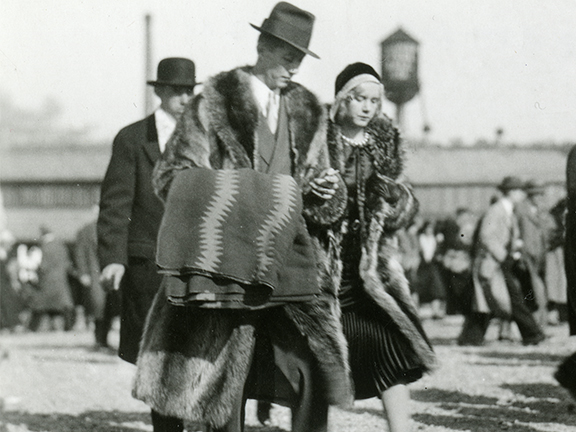
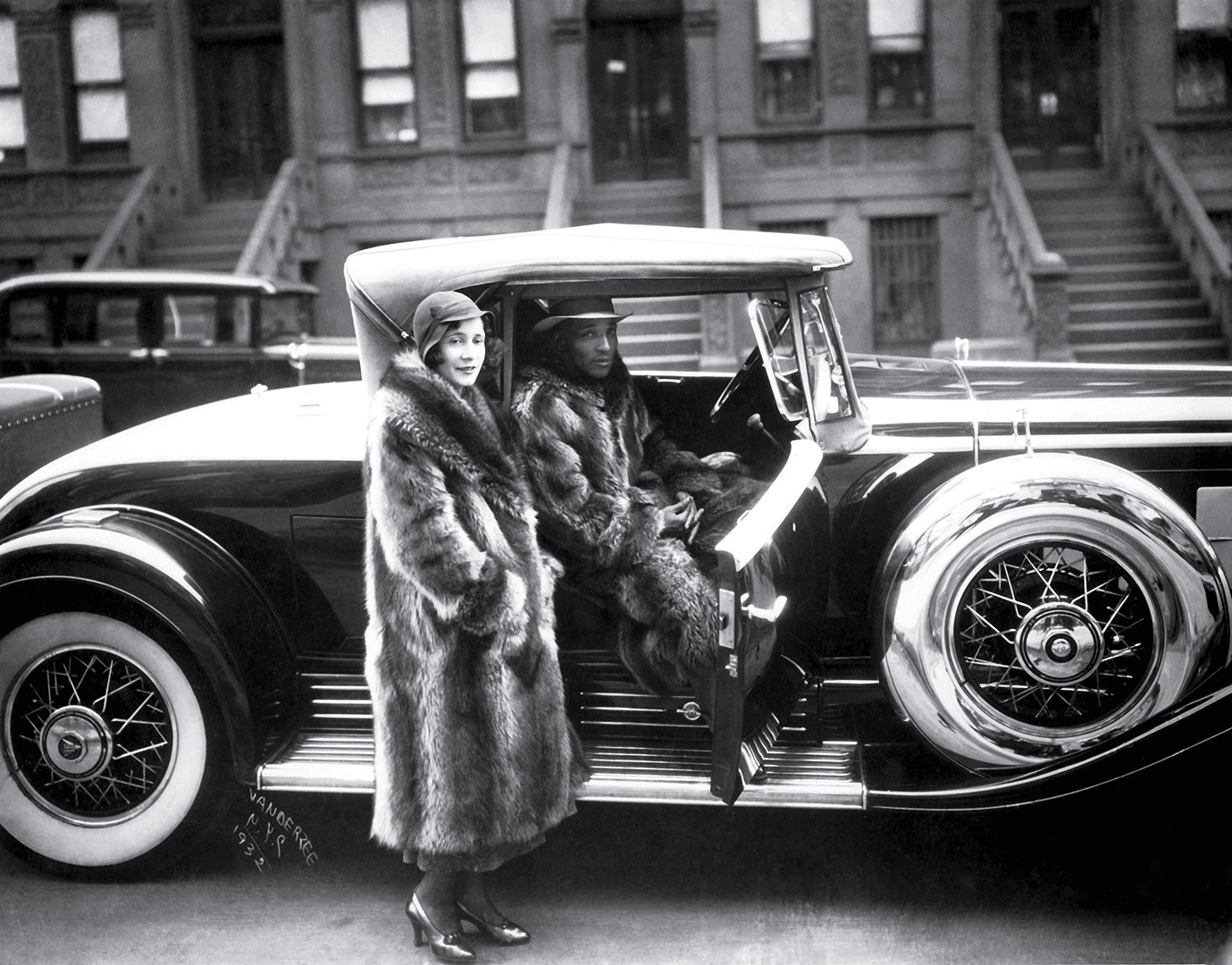
Vintage Furs
Roman Empire: The Roman Empire’s expansion brought access to new fur resources, such as the beaver, and fur became a symbol of status and luxury among the Roman elite. Fur garments were worn by emperors, generals, and aristocrats.
Middle Ages: In medieval Europe, fur continued to be associated with wealth and social status. Nobility and clergy often wore fur-trimmed clothing and accessories. Fur pelts from animals like ermine, mink, and sable were highly prized.
Renaissance: The Renaissance era saw a resurgence of interest in fur fashion. Fur-lined clothing, capes, and accessories were popular among European nobility and the emerging middle class. Fur became more accessible to a wider range of people.
Age of Exploration: European exploration of the New World in the 15th and 16th centuries opened up new sources of fur, particularly in North America. Fur trading with indigenous peoples in North America became a lucrative business, with beaver pelts being highly sought after for hat production.
Fur Trade Companies: European powers, such as the Dutch, French, and English, established fur trading companies, including the Dutch West India Company and the Hudson’s Bay Company, to exploit the fur resources of North America and Canada.
Russian Fur Trade: Russia played a significant role in the fur trade, particularly in Siberia, where trappers, known as Siberian hunters, collected vast quantities of fur, including sable, fox, and marten. The fur trade was essential to the Russian economy.
17th and 18th Centuries: Fur fashion continued to flourish in Europe during the 17th and 18th centuries. Fur coats, cloaks, and accessories were worn by both men and women. Russian sable and other high-quality furs were highly coveted.
North American Fur Trade: The North American fur trade continued to thrive, with European fur traders working closely with indigenous tribes to acquire furs. This trade played a role in the westward expansion of European settlers in North America.
Furriers and Fashion: The fur industry supported the growth of furriers who specialized in designing and producing fur garments. Furrier guilds were established in many European cities, such as London, Paris, and Amsterdam.
Industrialization and Mass Production: The 19th century saw the mechanization of fur processing, making fur garments more accessible to a broader range of consumers. The fur business began to expand globally.
Decline and Resurgence: The mid-20th century saw a decline in fur fashion due to changing tastes, social concerns about animal welfare, and environmental awareness. However, fur fashion experienced a resurgence in the late 20th century, with designers incorporating fur into their collections
Sustainable Fur Farming: In response to ethical and environmental concerns, the fur industry has evolved with an emphasis on sustainable and responsible fur sourcing. Fur farms in Europe and elsewhere have adopted practices aimed at improving animal welfare and conservation.
The history of the fur business in Europe reflects its cultural significance, economic importance, and evolution over time. While fur fashion remains a part of European heritage, it has adapted to address ethical and environmental considerations, reflecting changing societal values and preferences.
Selecting the perfect mink jacket involves considering factors like style, quality, budget, and personal preferences. Mink jackets are luxurious and can be a significant investment, so it’s important to make an informed decision. Here are steps to help you select the perfect mink jacket:
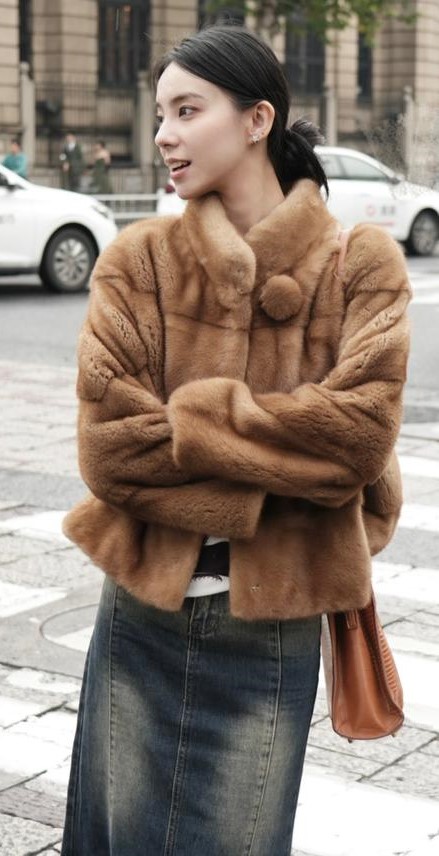
Horizontal Whiskey Mink Jacket
Determine your budget:
Mink jackets can vary widely in price, depending on the quality of the fur, brand, and design. Set a budget that you are comfortable with to narrow down your options.
Decide on the style:
Mink jackets come in various styles, from classic full-length coats to shorter jackets and vests. Consider the occasion and your personal style preferences when choosing a style.
Understand fur quality:
The quality of mink fur plays a crucial role in the jacket’s overall look and feel. Mink fur is graded based on factors like color, density, sheen, and softness. Higher-quality mink fur tends to be softer, more lustrous, and more uniform in color.
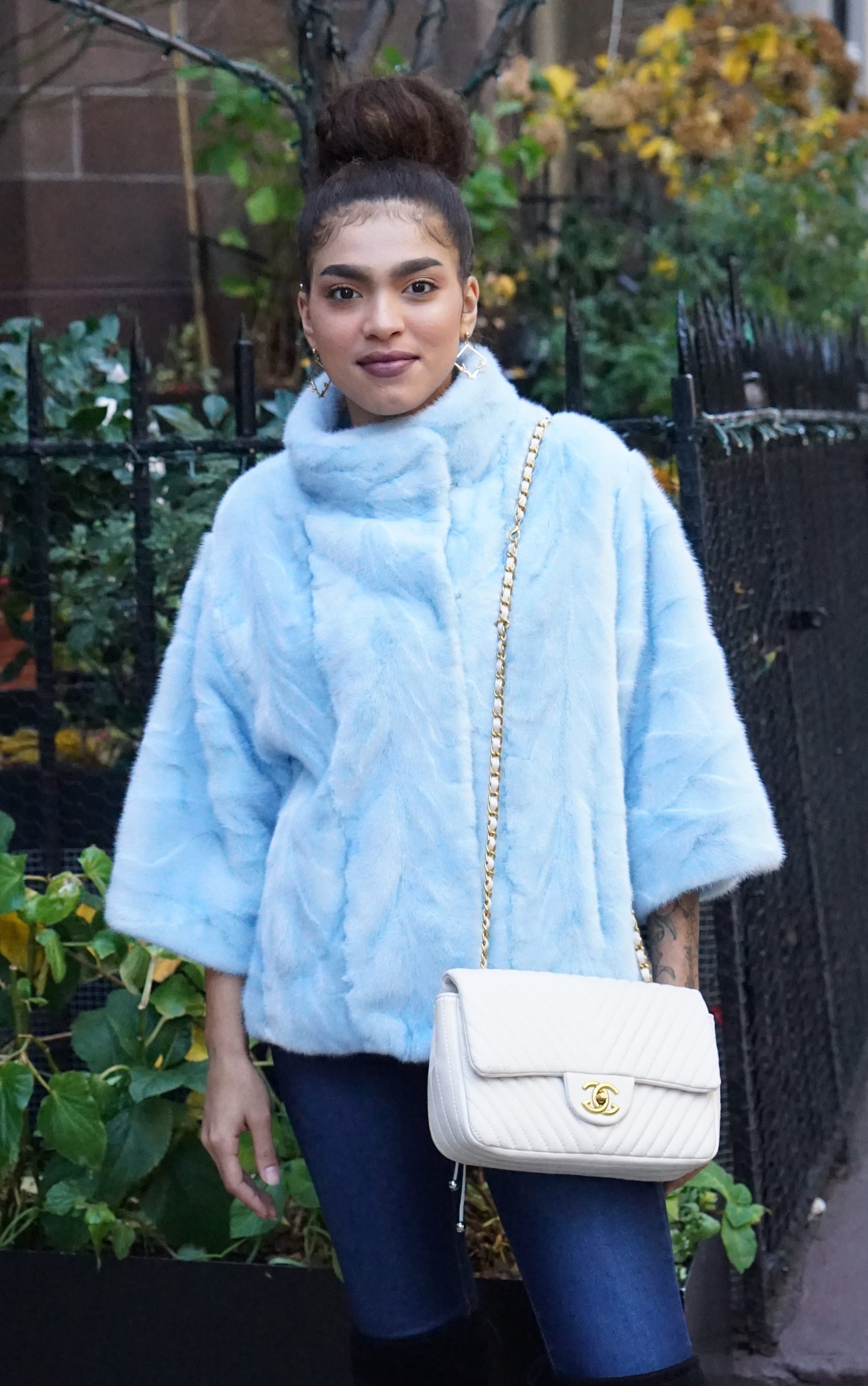
Powder Blue Mink Jacket
Choose between real and faux fur:
Decide whether you want a real mink jacket or a faux (imitation) mink jacket. Real mink is more expensive but offers a luxurious feel and durability, while faux fur is a more ethical and budget-friendly option.
Consider the color:
Mink fur can come in various natural colors, including brown, black, white, and more. Choose a color that complements your skin tone and matches your wardrobe.
Check for craftsmanship:
Inspect the jacket’s construction, stitching, and lining. High-quality mink jackets should be well-crafted, with strong seams and a comfortable lining.
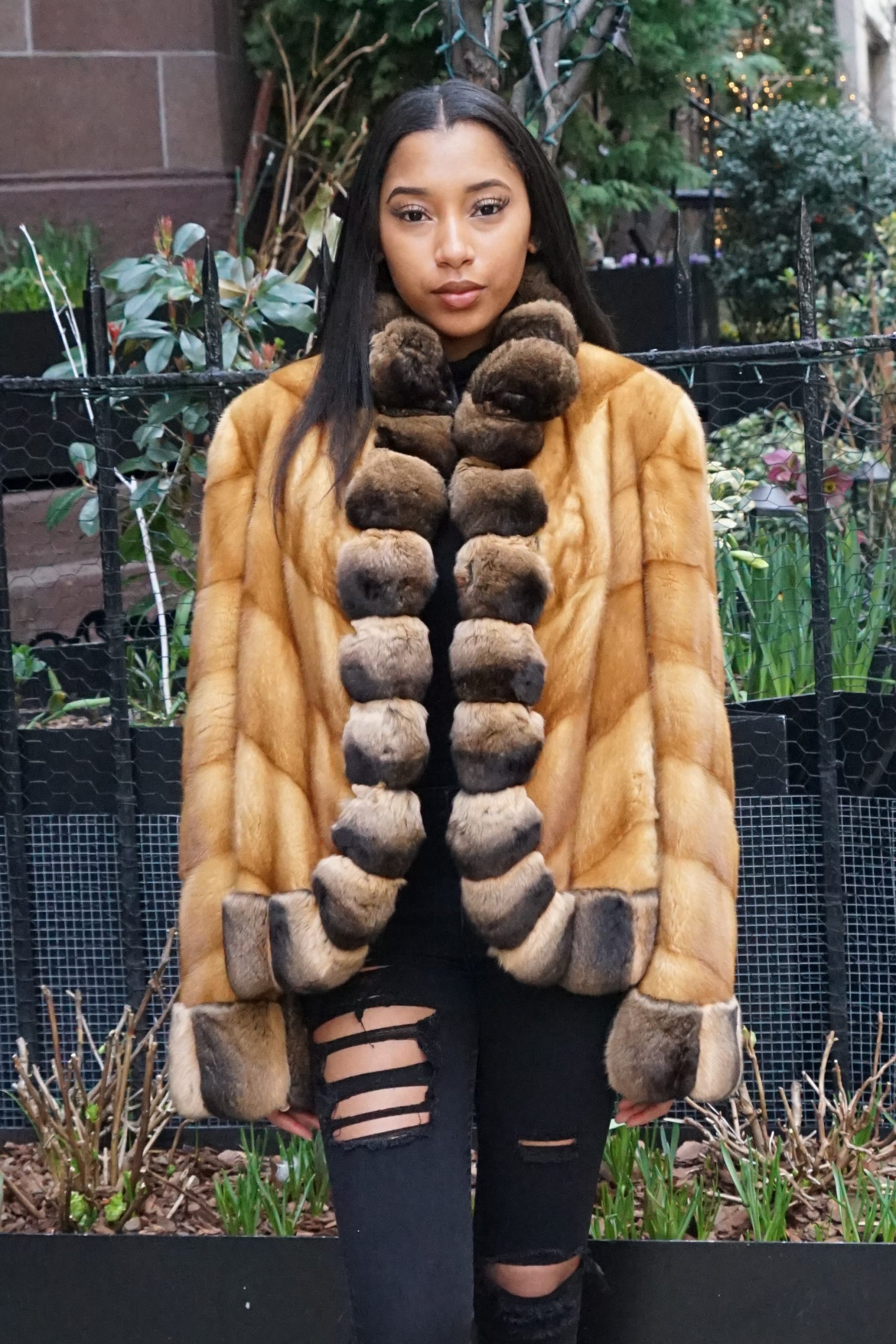
Whiskey Mink Jacket Chinchilla Trim
Pay attention to sizing:
Ensure that the jacket fits you well. It should be neither too tight nor too loose. If purchasing online, refer to the size chart provided by the manufacturer and consider getting measurements taken by a professional.
Research reputable brands and stores:
Buy from reputable brands or stores that specialize in fur garments. They are more likely to offer high-quality products and provide proper care instructions.
Read customer reviews:
Look for reviews and testimonials from other buyers to get insights into the quality and customer satisfaction of the jacket you’re interested in.
Consider maintenance and care:
Mink jackets require regular maintenance and care to keep them looking their best. Ask about the recommended cleaning and storage methods before making a purchase.
Compare prices and options:
Compare prices and options from different sellers to ensure you’re getting the best value for your budget.
Ultimately, choose a mink jacket that you feel comfortable and confident wearing. It should not only look good on you but also make you feel good.
Remember that purchasing a mink jacket is a long-term investment, so take your time to make an informed decision that aligns with your style, budget, and ethical considerations.
Choosing the Right Fur Store
Choosing the best fur store to make a purchase is crucial to ensure you receive a high-quality product and a positive shopping experience. Here are some tips to help you pick the best fur store:
Research and reputation:
Start by researching fur stores in your area or online. Look for stores with a solid reputation for selling genuine, high-quality fur products. You can check reviews on websites, ask for recommendations from friends or family, or consult online forums and social media groups dedicated to fur enthusiasts.
Verify authenticity:
Ensure that the fur store sells authentic fur products and complies with all relevant legal and ethical standards. Reputable furriers should provide information about the origin of their fur, including details about fur farming and trapping practices.
Check for certifications:
Look for fur stores that are associated with industry organizations or certifications, such as the Fur Information Council of America (FICA) or the International Fur Federation (IFF). These affiliations can be indicators of a store’s commitment to quality and ethical standards.
Visit the store in person:
If possible, visit the fur store in person to inspect the products firsthand. This allows you to assess the quality of the fur, craftsmanship, and the store’s overall presentation. It also provides an opportunity to ask questions and receive personalized assistance.
Ask about fur types and quality:
Inquire about the types of fur they offer and the grading system they use to assess fur quality. A knowledgeable salesperson should be able to explain the differences between fur types and help you choose the one that suits your needs and budget.
Check the variety of products:
A good fur store should offer a range of fur products, including coats, jackets, vests, accessories, and more. This variety allows you to explore different options and find the perfect item for your preferences.
Inquire about customization:
If you have specific preferences or require a custom-fit fur garment, ask if the store offers customization services. A reputable furrier should be able to accommodate your needs and provide expert advice on custom designs.
Ask about care and maintenance:
Find out if the fur store provides information and services for fur care and maintenance. Proper care is essential to keep fur products in excellent condition, so it’s important to know how to care for your purchase.
Compare prices and policies:
Compare prices and return/exchange policies between different fur stores. Ensure that the store’s pricing is transparent and competitive, and understand their policies for returns, repairs, and alterations.
Trust your instincts:
Trust your instincts and choose a fur store where you feel comfortable, well-informed, and confident about your purchase. A reputable fur store should prioritize customer satisfaction and provide excellent customer service.
Seek recommendations:
If you’re unsure about which fur store to choose, seek recommendations from fur enthusiasts, fashion experts, or fur trade organizations. They may have insights into the best stores in your region.
Remember that purchasing fur is a significant investment, so take your time to research, compare, and make an informed decision when selecting a fur store for your purchase.