Posted on

100 Reasons to Purchase a Chinchilla coat

Chinchilla Fur Coat from Marc Kaufman Furs New York City, Furs in Detroit,Furs in Baltimore,Furs in the Hamptons, furs in the Berkshires, Furs in Niagra Falls, Furs in Nova Scotia, Furs in Seattle, Furs in Palo Alto, Furs in Pacific Palisades, Furs in Ventura, Furs in Nappa Valley. Furs In San Diego, Furs in Dallas, Furs in las Vegas, Furs in Provo, Furs in Portland, Furs in fargo, Furs in Chicago, Furs in Springfield, Furs in Memphis, Furs in New Orleans, Furs in Charlotte, Furs in Durham, Furs in Boca Raton, Furs in Key West

100 Reasons to Purchase a Chinchilla Coat, Personal Satisfaction: Ultimately, if owning a Chinchilla coat brings you personal satisfaction.
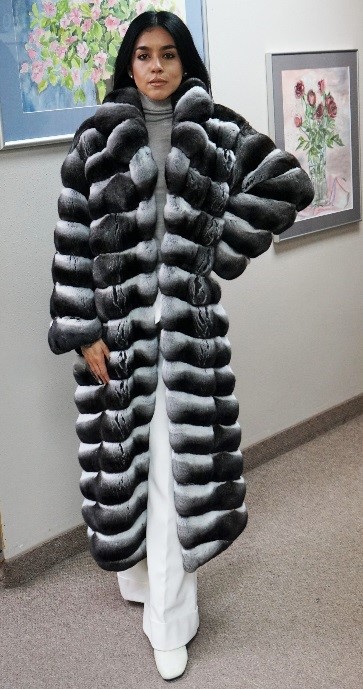
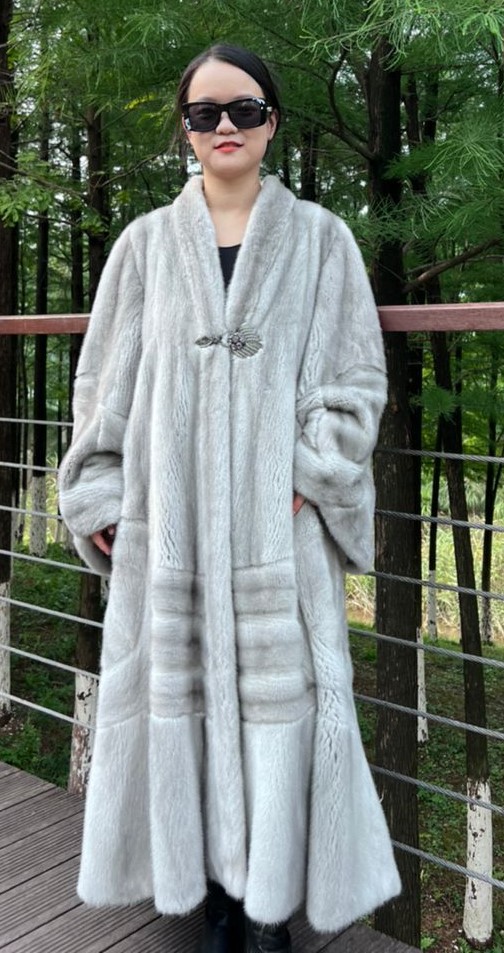
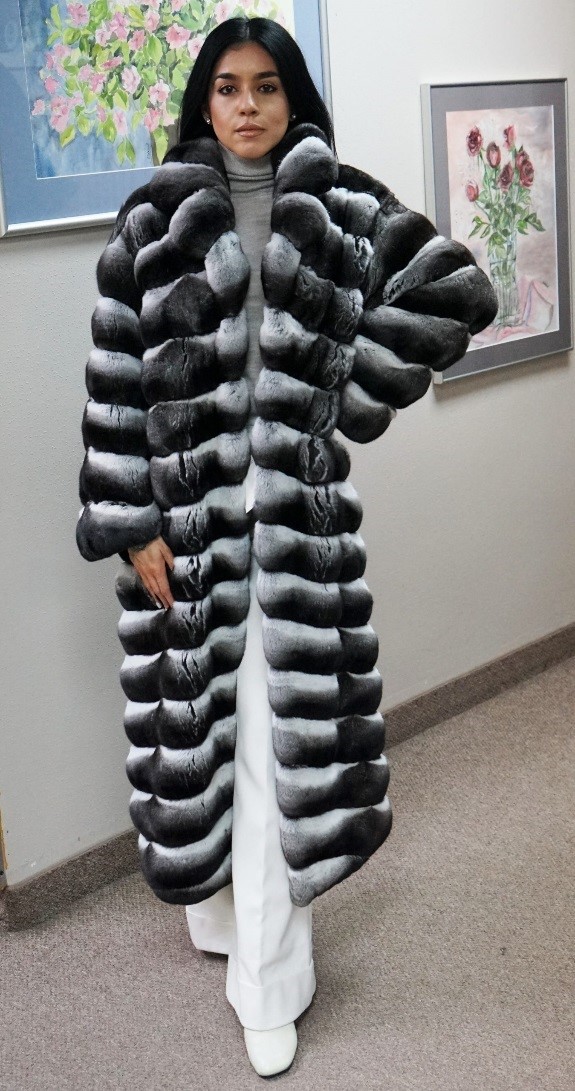
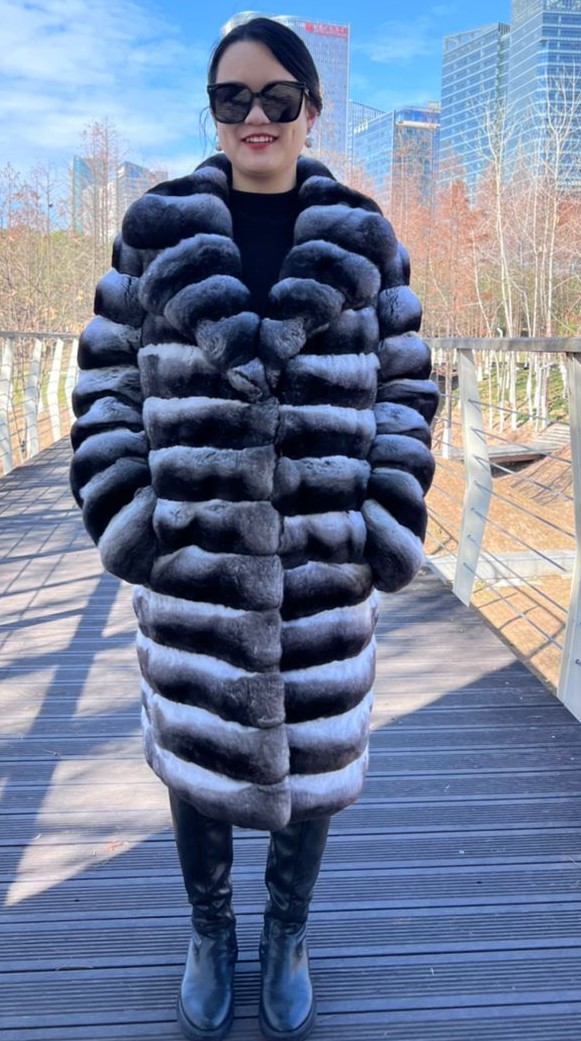
Chinchilla Full-Length Fur Coat
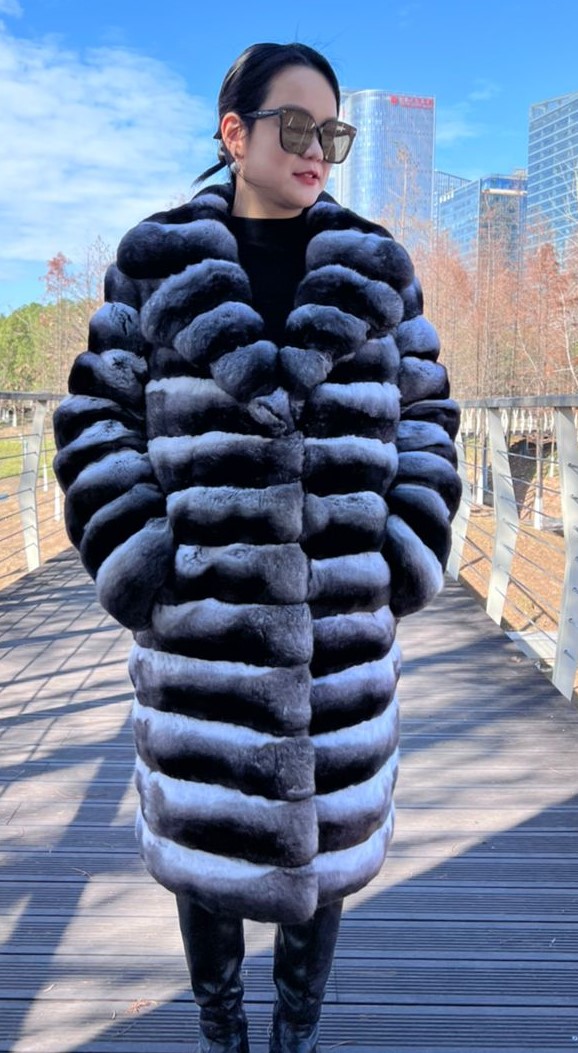
chinchilla coat

The Elegance of Chinchilla

  1. Luxurious Softness: Chinchilla fur is exceptionally soft and silky.
  2. Unique Texture: Chinchilla fur has a distinctive texture that sets it apart from other furs.
  3. Lightweight: Chinchilla fur is lightweight and comfortable to wear.
  4. Warmth: Chinchilla fur provides good insulation and warmth in cold weather.
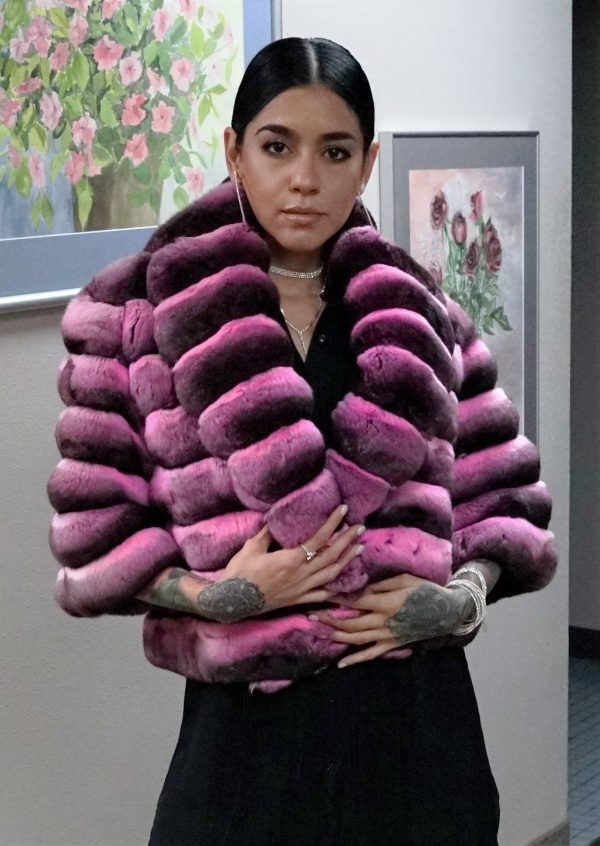
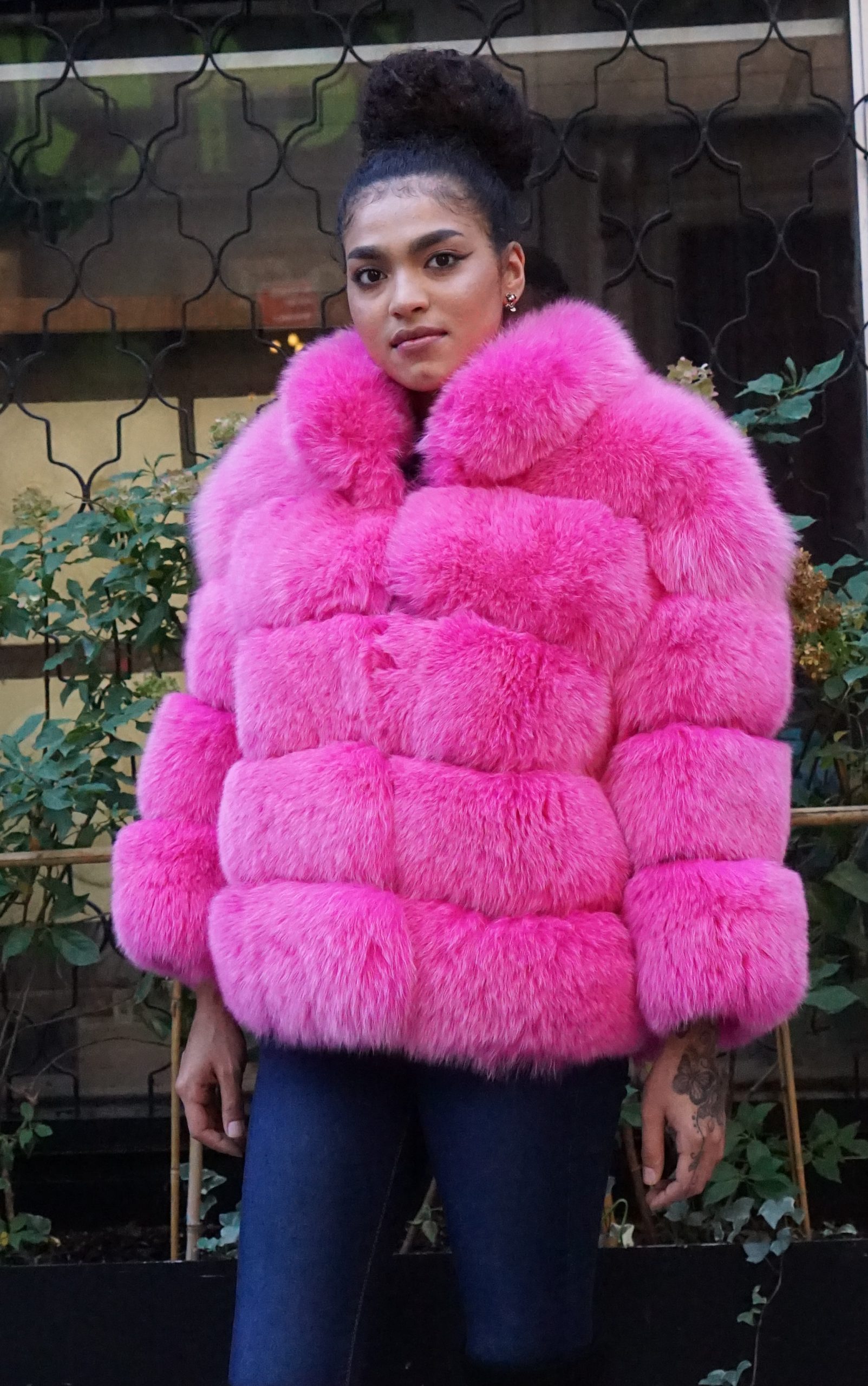
Pink Chinchilla Horizontal Jacket 4838
Pink Chinchilla Horizontal Jacket
  • Exclusivity: Chinchilla fur is relatively rare and not as commonly seen as other furs.
  • Timeless Elegance: Chinchilla coats have a classic, elegant appearance.
  • Durability: With proper care, chinchilla fur can be long-lasting.
  • Customization: Chinchilla coats can be tailored to fit your specific style and preferences.
  • Natural Beauty: Chinchilla fur has a natural luster and sheen that enhances its appearance.
  • Investment: Some view chinchilla coats as investments due to their potential to appreciate in value.
  • Status Symbol: Owning a chinchilla coat is often seen as a symbol of wealth and success.
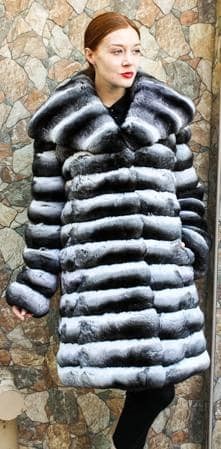
Horizontal Chinchilla Stroller
  • Hypoallergenic: Some people with fur allergies find chinchilla fur to be hypoallergenic.
  • Unique Patterns: Each chinchilla fur coat is unique, with distinctive patterns and markings.
  • Family Heirloom: Chinchilla coats can be passed down through generations as cherished heirlooms.
  • Artistic Expression: Some individuals see chinchilla coats as a form of artistic expression through fashion.
  • Special Occasions: Chinchilla coats are often chosen for weddings and other special events.
  • Natural Material: Chinchilla fur is a natural, biodegradable material.
  • Handmade: Many chinchilla coats are handcrafted, adding to their uniqueness.
  • Comfortable Fit: Chinchilla fur is comfortable to wear and drapes well.
  • Boosted Confidence: Wearing a luxurious chinchilla coat can boost your confidence and self-esteem.
  • Eco-friendly Options: Some chinchilla fur is sourced from farms and practices that prioritize sustainability and ethical treatment of animals.
  • Vintage Appeal: Vintage chinchilla coats can have a nostalgic and historical charm.
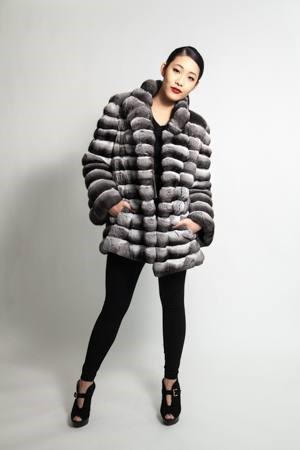
A Magnificent Chinchilla Fur Horizontal Stroller
  • Social Influence: Social circles and peers may influence the choice of owning a chinchilla coat.
  • Cultural Significance: In some cultures, chinchilla fur holds cultural significance and is a symbol of prestige.
  • Natural Insulation: Chinchilla fur provides natural insulation for colder climates.
  • Resilience: Chinchilla fur can withstand wear and tear over time.
  • Low Maintenance: Chinchilla fur requires minimal maintenance to keep it looking its best.
  • Unique Coloration: Chinchilla fur often features beautiful and unique color variations.
  • Coveted Material: Chinchilla fur is a highly sought-after material in the fashion industry.
  • Cold Weather Travel: Ideal for keeping warm during winter travel to cold destinations.
  • Enhanced Mood: Wearing luxurious items like chinchilla can elevate your mood.
  • Supporting Artisans: Purchasing a chinchilla coat can support skilled artisans and furriers.
  • Elegance and Sophistication: Chinchilla coats exude an air of elegance and sophistication.
  • Natural Luxury: Appreciating the luxury of natural materials.
  • Historical Connection: Feeling connected to the history of fur fashion.
  • Personal Tradition: Starting a tradition of owning chinchilla coats within your family.
  • Unique Craftsmanship: The craftsmanship involved in creating a chinchilla coat is highly skilled.
  • Comfortable Luxury: Chinchilla combines luxury with comfort.
  • Prestigious Events: Suitable for attending prestigious events and gatherings.
  • Environmental Responsibility: Some chinchilla fur is sourced from sustainable and responsibly managed populations.
  • Statement Piece: Chinchilla coats can serve as a statement piece in your wardrobe.
  • Natural Comfort: Chinchilla fur provides a naturally comfortable wearing experience.
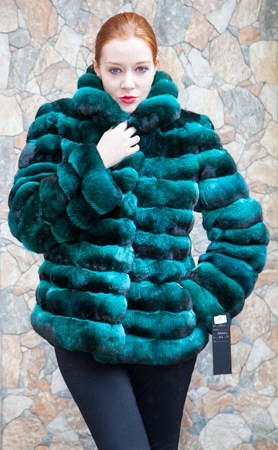
Emerald Green Chinchilla Horizontal Fur Jacket
  • Connection to Nature: Appreciating the beauty of nature through chinchilla fur.
  • Supporting Conservation: Some chinchilla fur purchases contribute to chinchilla conservation efforts.
  • High Resale Value: Chinchilla coats tend to retain their value.
  • Personal Enjoyment: Ultimately, if owning a chinchilla coat brings you personal enjoyment and satisfaction, it can be a valid reason for ownership.
  • Unique Craftsmanship: Chinchilla coats often involve intricate craftsmanship.
  • Tailored Fit: Chinchilla coats can be tailored to your exact measurements for a perfect fit.
  • Sensory Pleasure: The tactile pleasure of wearing chinchilla fur against the skin.
  • Weather Versatility: Suitable for both cold winters and milder seasons.
  • Versatile Styling: Chinchilla coats can be dressed up or down for various occasions.
  • Positive Associations: Enjoying the positive associations with luxury and indulgence.
  • Soft on the Skin: Chinchilla fur is gentle on the skin, providing comfort.
  • Trendsetter: Setting a unique fashion trend with chinchilla fur.
  • Heirloom Potential: Passing down a chinchilla coat as a treasured heirloom.
  • Social Prestige: Enhancing social status within certain circles.
  • Alluring Texture: The allure of the texture and touch of chinchilla fur.
  • Art of the Craft: Appreciating the artistry and craftsmanship of furriers.
  • Chic and Elegant: Chinchilla coats are known for their chic and elegant appearance.
  • Cultural Heritage: Embracing cultural heritage and traditions related to fur.
  • Celebrity Influence: Inspired by celebrities and fashion icons who wear chinchilla.
  • Thermal Efficiency: Chinchilla fur’s exceptional thermal efficiency in cold climates.
  • Soft Underfoot: Chinchilla fur can also be used for soft and luxurious rugs.
  • Innovative Designs: Exploring innovative chinchilla fur coat designs.
  • Signature Style: Incorporating chinchilla fur into your signature style.
  • Long-Lasting Investment: Viewing chinchilla fur as a long-lasting and valuable investment.
  • Elevated Taste: Reflecting an elevated sense of taste and appreciation for luxury. onversation Starter: Chinchilla coats can be excellent conversation starters.
  • Aesthetic Appeal: The aesthetic appeal of chinchilla fur’s natural patterns.
  • Ethical Sourcing: Choosing chinchilla fur that is ethically sourced and cruelty-free.
  • Sustainable Practices: Supporting sustainable and eco-conscious chinchilla fur farms.
  • Local Craftsmanship: Encouraging local craftsmanship in fur production.
  • Fashion Innovation: Exploring innovative fashion trends in chinchilla fur.
  • Vintage Revival: Embracing the revival of vintage chinchilla fur fashion.
  • Artistic Freedom: Using chinchilla fur as a canvas for artistic expression.
  • Comprehensive Wardrobe: Adding a diverse range of materials to your wardrobe.
  • Enhanced Beauty: The enhancement of your natural beauty when wearing chinchilla fur.
  • Occasional Luxury: Reserving chinchilla coats for special and memorable occasions.
  • Mystique and Allure: The mystique and allure associated with chinchilla fur.
  • Practical Investment: Viewing a chinchilla coat as both practical and luxurious.
  • Exquisite Craftsmanship: The painstaking craftsmanship required for chinchilla fur.
  • Unique Fashion Statement: Making a unique and lasting fashion statement.
  • Rarity Factor: The rarity and exclusivity of chinchilla fur.
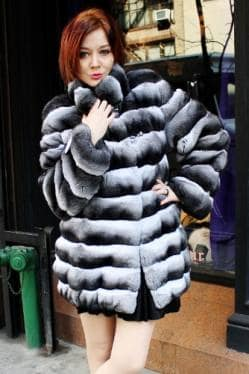
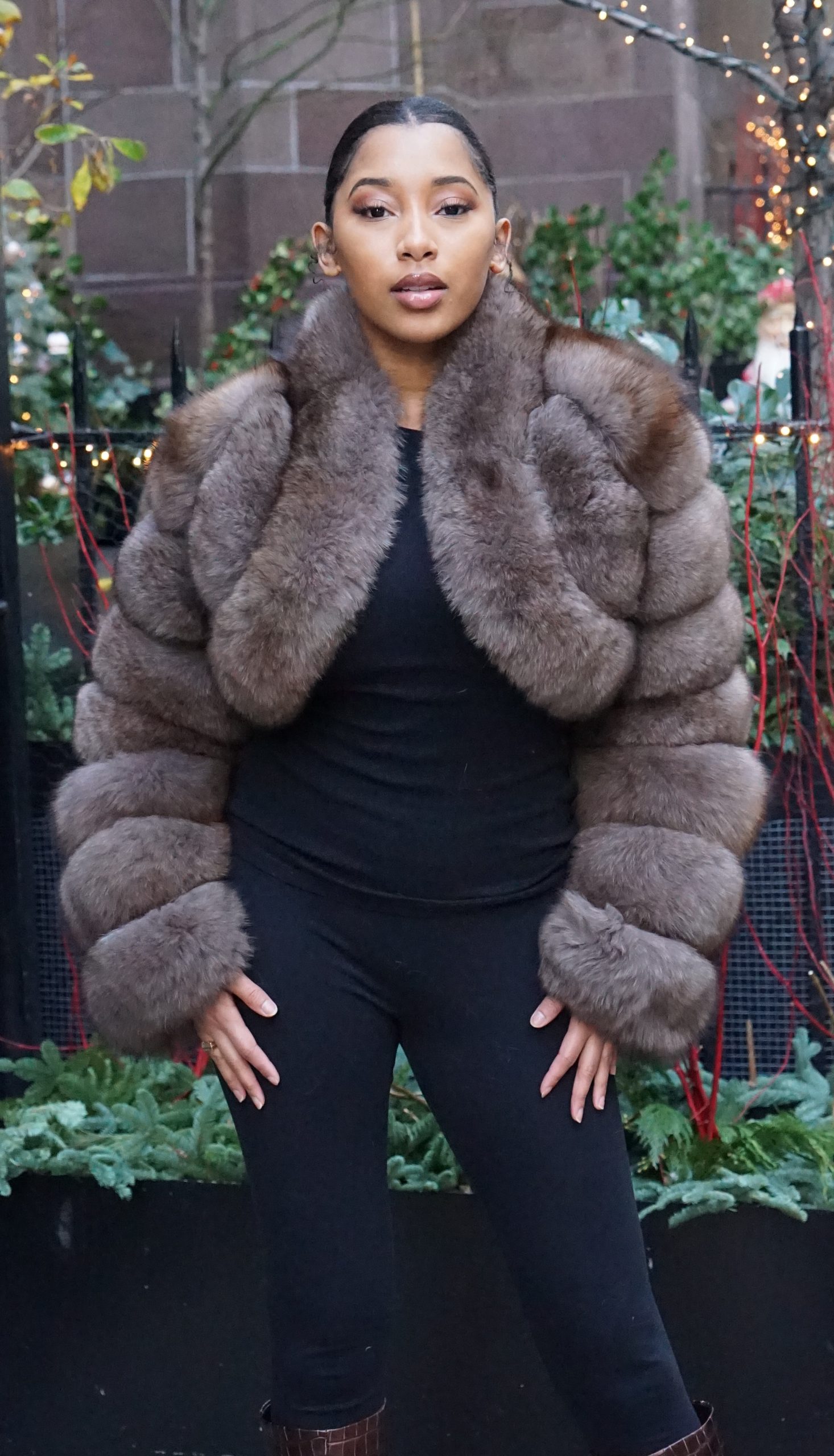
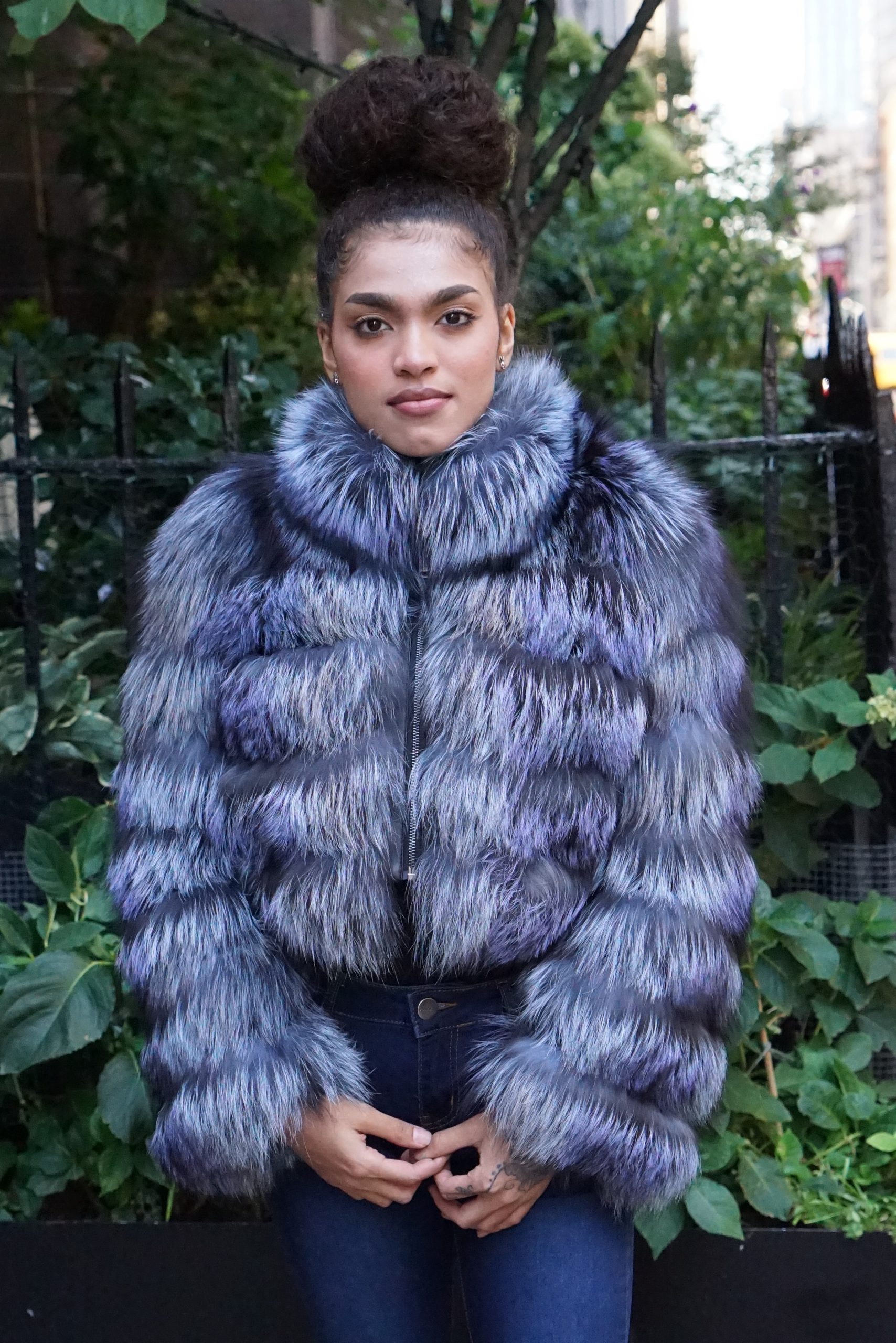
Stunning Chinchilla Fur Jacket
  • Connection to Nature: Feeling connected to the natural world through chinchilla fur.
  • Sustainable Luxury: Embracing sustainable luxury in your fashion choices.
  • Artisanal Details: The intricate details and artistry in chinchilla fur coats.
  • Elegance in Simplicity: The understated elegance of chinchilla fur in simple designs.
  • Incredible Softness: The unparalleled softness and comfort of chinchilla fur.
  • Legacy Piece: Viewing a chinchilla coat as a legacy piece to be cherished by future generations.
  • Personal Expression: Using fashion as a means of personal expression.
  • Tactile Pleasure: The tactile pleasure of running one’s fingers through chinchilla fur.
  • Admiration: Enjoying the admiration and compliments received when wearing chinchilla.
  • Investment Diversification: Diversifying your investment portfolio with tangible assets like fur.
  • Luxury Travel: Wearing chinchilla fur during luxury travel experiences.
  • Climate Adaptability: Adapting to changing climates with chinchilla fur’s versatility.
  • Comfortable Chic: Striking a balance between comfort and chic style.
  • Winter Fashion: Embracing chinchilla fur as a staple in your winter fashion wardrobe.
  • Natural Splendor: The splendor of nature reflected in chinchilla fur.
  • Personal Satisfaction: Ultimately, if owning a chinchilla coat brings you personal satisfaction and aligns with your values, it can be a valid reason for ownership.
  • Personal Satisfaction: Ultimately, if owning a chinchilla coat brings you personal satisfaction and aligns with your values, it can be a valid reason for ownership.
  • Marc Kaufman Furs NYC

100 Reasons to Purchase a Chinchilla Coat, Personal Satisfaction: Ultimately, if owning a Chinchilla coat brings you personal satisfaction.
 

Posted on

100 Reasons Fur is Warm

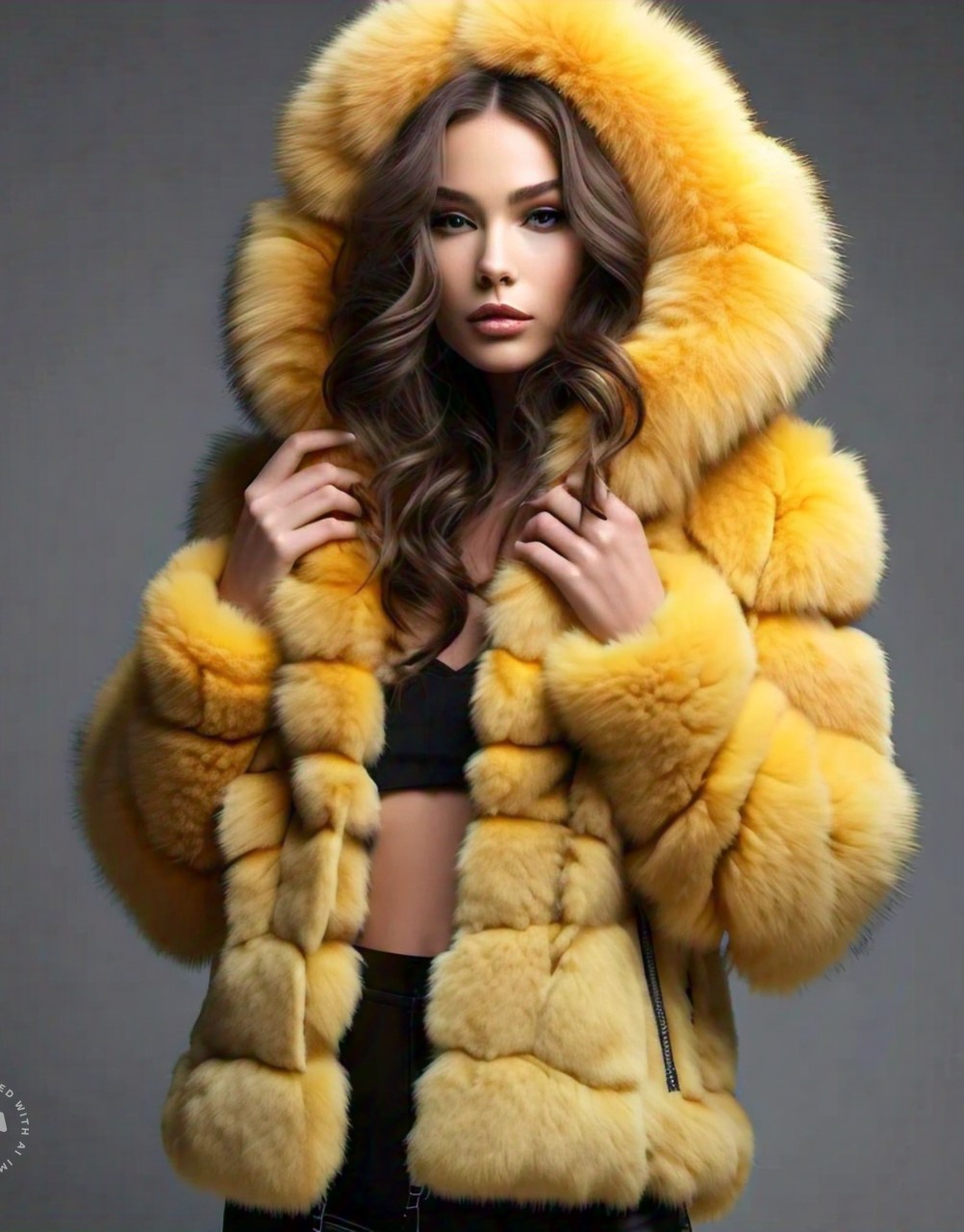
Yellow Fox Jacket

The Warmth of Fur

100 Reasons Fur is Warm due to several inherent properties and characteristics. Here are best reasons why furs are so warm:

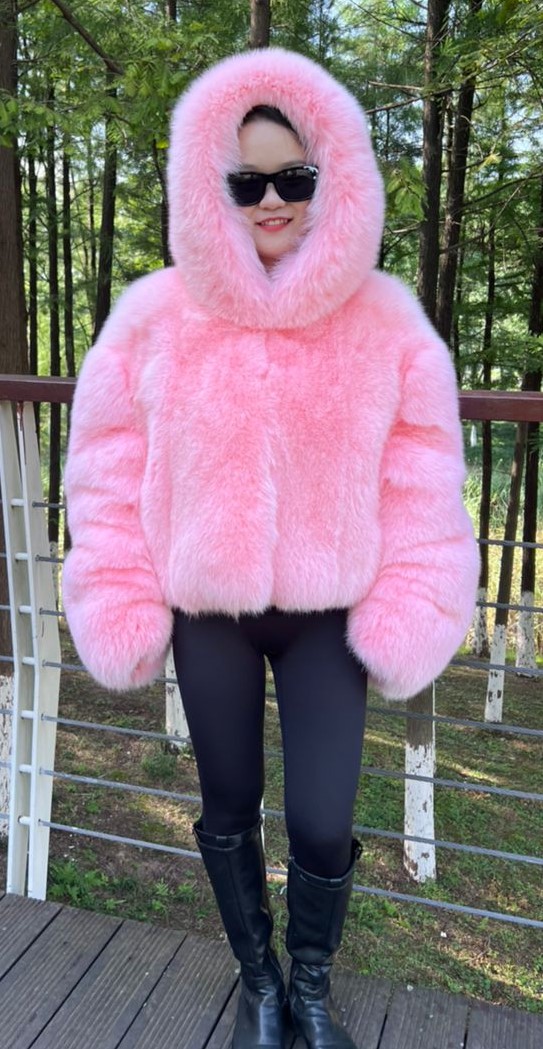
Pink Fox Hooded Jacket

100 Reasons Fur is Warm

Furs are known for their warmth due to several inherent properties and characteristics. Here are 50 reasons why furs are so warm:

  1. Insulating air pockets: Fur traps air within its fibers, creating insulating layers that retain warmth.
  2. Hollow hairs: Some fur types have hollow hairs that enhance insulation by trapping more air.
  3. Natural insulation: Fur is a natural insulator, keeping the body warm in cold conditions.
  4. Dense fur structure: Many fur-bearing animals have dense fur, which provides better insulation.
  5. Thickness: Fur can be thick, providing excellent insulation against the cold.
  6. Softness: Soft fur can trap air more effectively, improving insulation.
  7. Layering: Some animals have multiple layers of fur, increasing insulation.
  8. Underfur: Many fur-bearing animals have a soft underfur beneath the coarser outer fur, offering additional insulation.
  9. Natural oils: Fur often contains natural oils that help repel moisture and maintain warmth.
  10. Water resistance: Fur is naturally water-resistant, keeping the body dry and warm.
  11. Wind resistance: Fur can act as a barrier against wind, preventing cold air from penetrating.
  12. Fur density: High-density fur provides superior insulation.
  13. Loftiness: Fur can be fluffy and lofty, creating more air pockets for insulation.
  14. Adaptation to cold climates: Fur-bearing animals have evolved to thrive in cold environments, so their fur is naturally warm.
  15. Trapping heat: Fur effectively traps body heat close to the skin.
  16. Thermal regulation: Fur helps regulate body temperature by maintaining a consistent warmth.
  17. Natural warmth: Fur provides warmth without the need for added insulation or heating elements.
  18. Breathability: Fur is breathable, allowing moisture to escape while retaining warmth.
Sapphire Directional Mink Coat
  • Lightweight: Fur is lightweight, making it easy to wear without feeling bulky.
  • Flexibility: Fur is flexible and allows for ease of movement while still providing warmth.
  • Durability: Fur coats can last for many years, maintaining their insulating properties.
  • Camouflage: Fur helps animals blend into their environments, reducing heat loss due to predators.
  • Natural resilience: Fur fibers regain their shape after compression, preserving their insulating properties.
  • Adaptation to temperature changes: Fur adapts to temperature fluctuations, ensuring comfort.
  • Fur color: Dark fur absorbs more sunlight, adding extra warmth.
  • Sun reflection: Light-colored fur reflects sunlight, preventing overheating in warmer conditions.
  • Regrowth: Fur naturally regrows, ensuring consistent warmth for the animal.
  • Low conductivity: Fur has low thermal conductivity, which means it doesn’t readily conduct heat away from the body.
  • Resistance to heat loss: Fur minimizes heat loss through radiation, convection, and conduction.
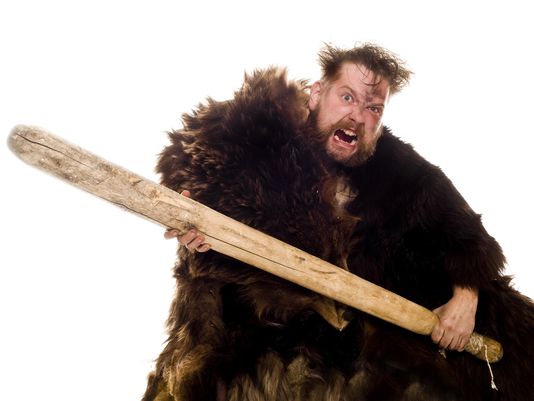
  • Layered design: Fur-bearing animals often have multiple layers of fur that work together to provide insulation.
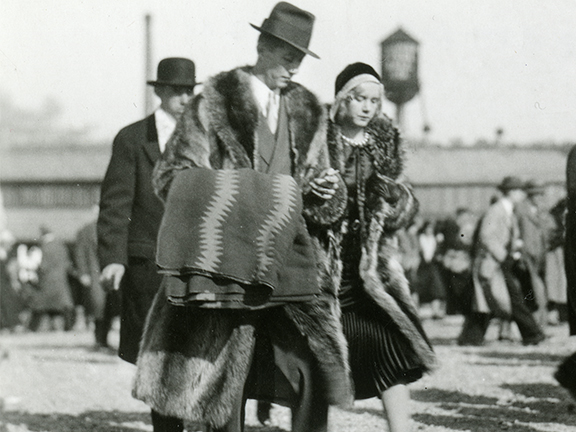
  • Windbreak: Fur acts as a natural windbreak, shielding the body from cold winds.
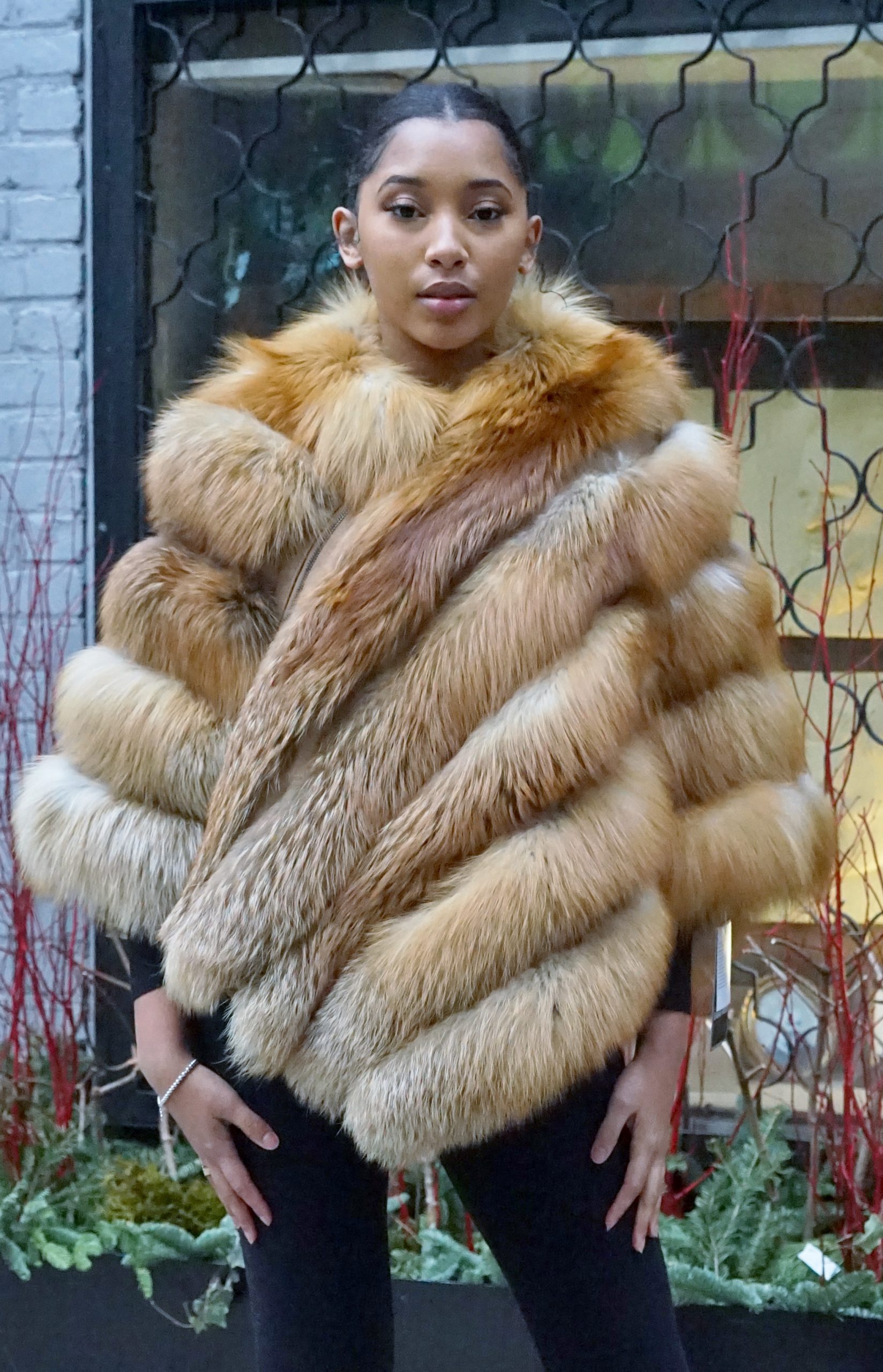
Red Fox Diagonal Poncho
  • Resistance to moisture: Fur repels moisture, preventing the body from getting wet and cold.
  • Adaptation to specific environments: Different fur types are adapted to specific climates and conditions.
  • Fur thickness distribution: Some areas of an animal’s body may have thicker fur, enhancing warmth.
  • Heat retention: Fur retains heat even in extremely cold conditions.
  • Heat reflection: Fur can reflect some body heat back towards the body.
  • Hydrophobic qualities: Many fur types resist water, which is critical for maintaining warmth.
  • Cold resistance: Fur adapts to extreme cold, making it suitable for harsh winters.
  • Soft underlayer: The soft underlayer of fur provides comfort and extra warmth.
  • Evolved design: Fur coats have evolved over generations to optimize warmth.
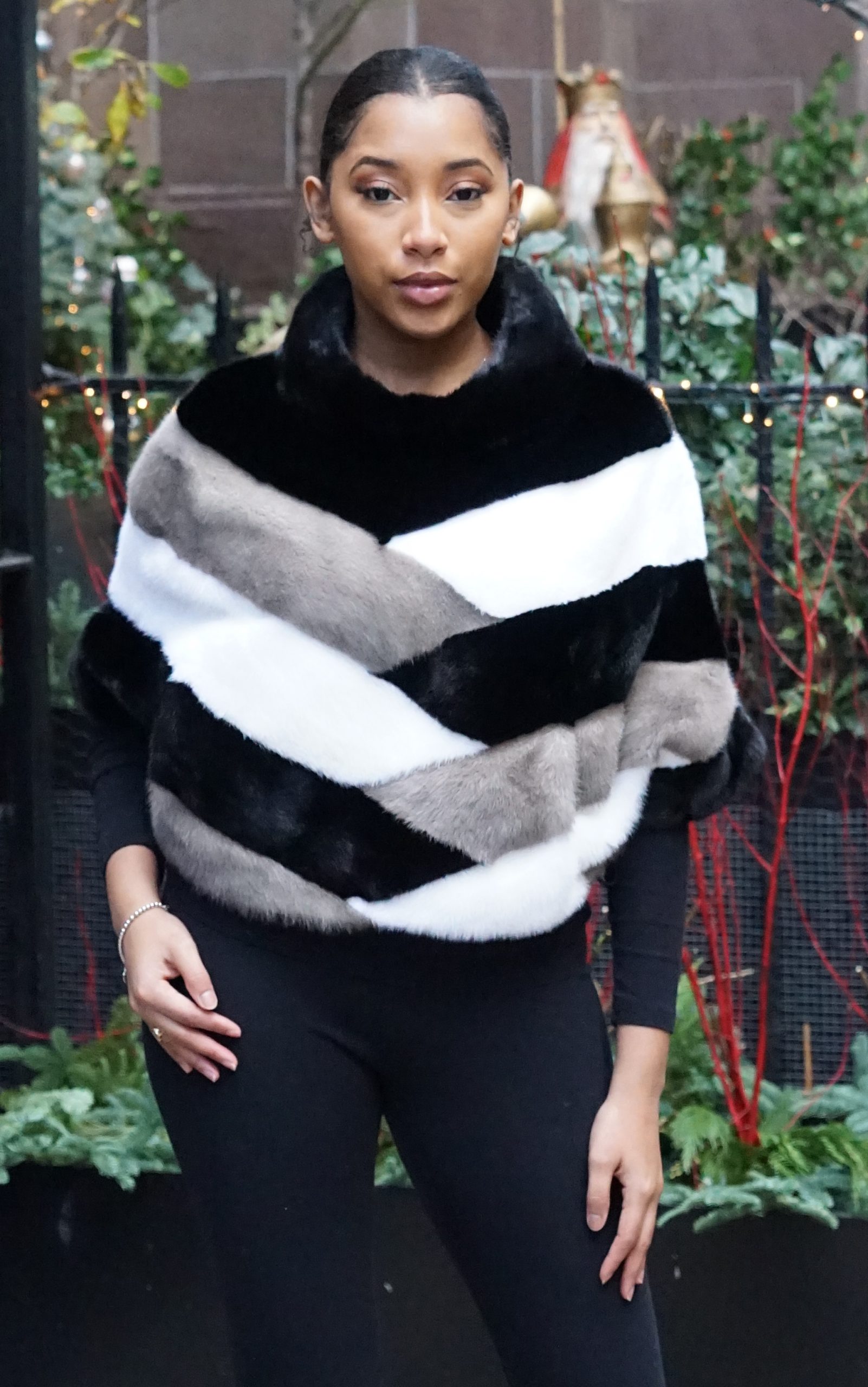
Multi Colored Mink Pullover
  • Natural movement: Fur moves with the body, preventing heat loss through gaps.
  • Weather resistance: Fur remains effective even in inclement weather.
  • Hair follicle design: Hair follicles are arranged to trap air and provide insulation.
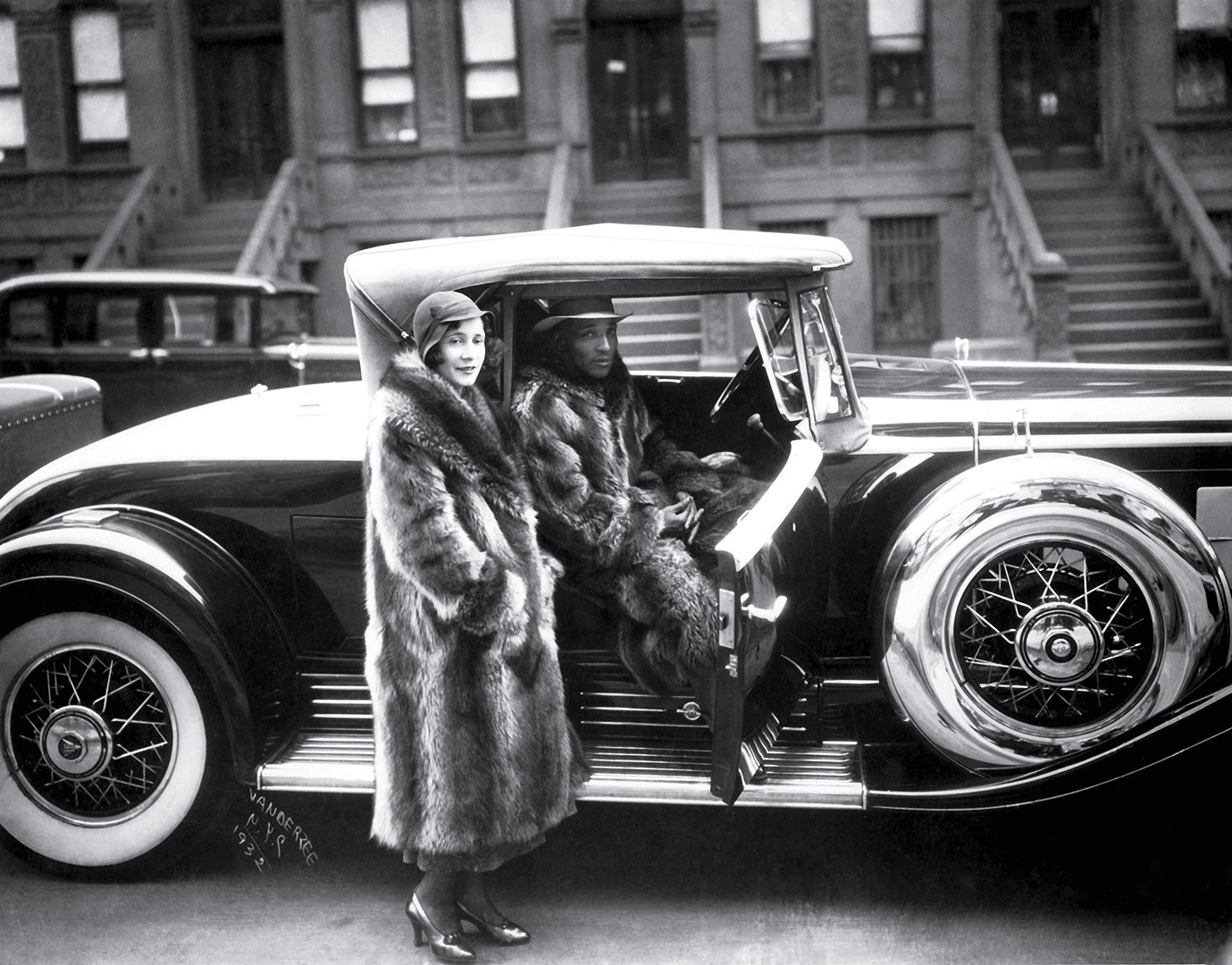
  • Fur texture: Soft, plush fur textures enhance warmth.
  • Lining properties: Some furs are used as linings to add warmth to clothing.
  • Layering potential: Fur can be layered for added insulation.
  • Minimal heat loss: Fur minimizes heat loss through radiation and convection.
  • Responsiveness to temperature: Fur adapts to temperature changes, providing comfort.
  • All-natural: Fur is a completely natural and renewable source of warmth.
  • Lightness: Fur is lightweight and doesn’t add unnecessary bulk to clothing.
  • Soft-to-touch: Fur feels comfortable against the skin, enhancing warmth.
  • Long-lasting: Well-maintained fur products can provide warmth for many years.
  • Versatility: Fur can be used in various clothing items, from coats to hats and gloves.
  • Thermal efficiency: Fur efficiently retains body heat without overheating.
fox jacket
fox jacket
  • Insulating properties: Fur is commonly used in cold-weather gear for its insulating qualities.
  • Temperature moderation: Fur helps maintain a stable body temperature in cold environments.
  • Easy maintenance: Fur requires minimal care to retain its insulating properties.
  • Non-irritating: Fur is gentle on the skin and does not cause irritation or discomfort.
  • Sustainable: Fur is a renewable resource, making it an eco-friendly choice for warmth.
  • Historical use: Fur has been used for centuries by various cultures as a warm and practical material.
  • Fashionable: Fur remains a popular choice for fashion due to its warmth and style.
  • High-quality craftsmanship: Fur garments are often meticulously crafted for maximum warmth.
  • Natural beauty: Fur products are prized for their natural, aesthetic appeal.
  • Texture variety: Fur comes in various textures, each with its own insulating qualities.
  • Comfortable fit: Fur clothing is often designed for a snug yet comfortable fit that maximizes warmth.
  • Insulating gloves: Fur-lined gloves provide exceptional warmth for the hands.
  • Luxurious feel: The softness and luxurious feel of fur add to its warmth.
  • Climate adaptation: Different fur types are suited to different climates, offering optimal warmth.
  • Skin-fitting: Fur can be designed to fit close to the body, minimizing heat loss.
  • Flexibility in design: Fur can be incorporated into various styles of clothing for different levels of warmth.
  • Insulating properties of fur-lined boots: Fur-lined boots provide warmth to the feet in cold conditions.
  • Thermal balance: Fur helps maintain a balanced body temperature in cold weather.
  • Comfortable microclimate: Fur creates a comfortable microclimate close to the skin.
  • Maintains warmth when wet: Some types of fur retain their insulating properties even when wet.
  • Resistance to frostbite: Fur can help prevent frostbite in extreme cold.
  • Aesthetic appeal: Fur adds a touch of elegance and sophistication to winter fashion.
  • Cold-weather tradition: Fur has been a traditional choice for staying warm in cold climates.
  • Effective windbreak: Fur can block the wind effectively, reducing heat loss.
  • Breathable: Fur allows moisture to escape while maintaining warmth.
  • Natural renewal: Fur regrows naturally, ensuring a consistent source of warmth for the animal.
  • Temperature adaptability: Fur adjusts to the body’s temperature needs, providing warmth as required.
  • Non-irritating to animals: Fur remains comfortable for animals and does not cause harm.
  • Customizable design: Fur garments can be tailored to individual preferences for warmth.
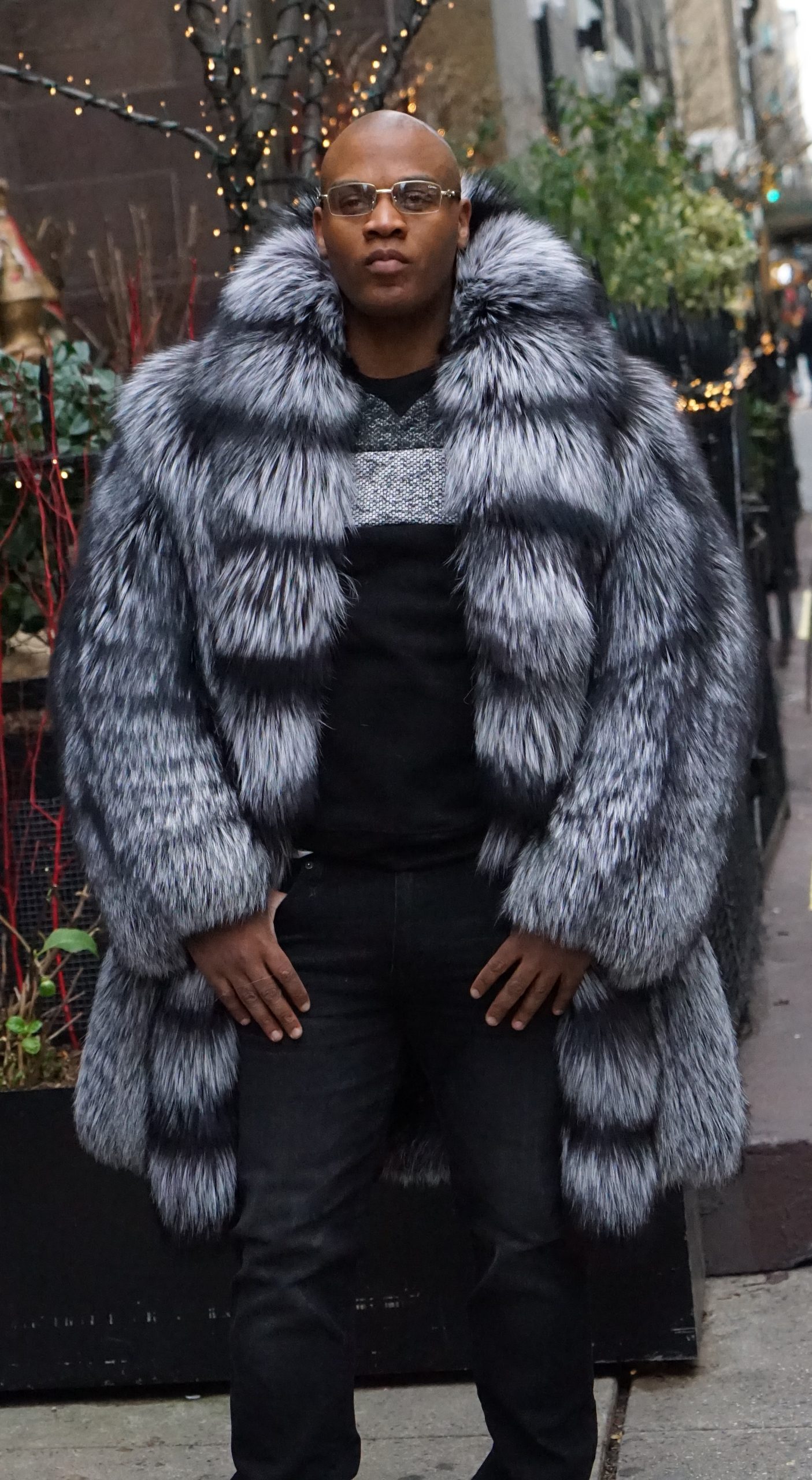
Men's Silver Fox Stroller
Men’s Silver Fox Stroller
  • Natural barrier: Fur acts as a barrier against the elements, keeping the body warm.
  • Cold-weather resilience: Fur remains effective in the harshest cold conditions.
  • Thermal comfort: Fur provides a high level of comfort in cold environments.
  • Layering options: Fur can be layered with other clothing items to increase warmth.
  • Minimal heat escape: Fur minimizes the escape of body heat, keeping the wearer warm.
  • Regulates heat loss: Fur helps regulate the body’s heat loss, preventing rapid cooling.
  • Evolved adaptation: Fur-bearing animals have evolved to optimize their fur for insulation.
  • Non-toxic: Fur is a safe, non-toxic material for clothing.
  • Soft padding: Fur can be used as padding in winter gear, adding warmth and comfort.
  • Windproof qualities: Fur can block cold winds, reducing the risk of hypothermia.
  • Durable in cold conditions: Fur remains durable and effective in freezing temperatures.
  • Multiple fur types: Different animals produce fur with varying insulating properties.
  • Effective heat trapping: Fur traps heat close to the body, preventing its escape.
  • Adaptable to fashion trends: Fur remains a timeless and fashionable choice for warmth.
  • Enduring popularity: Despite alternatives, fur continues to be valued for its exceptional warmth and natural beauty.
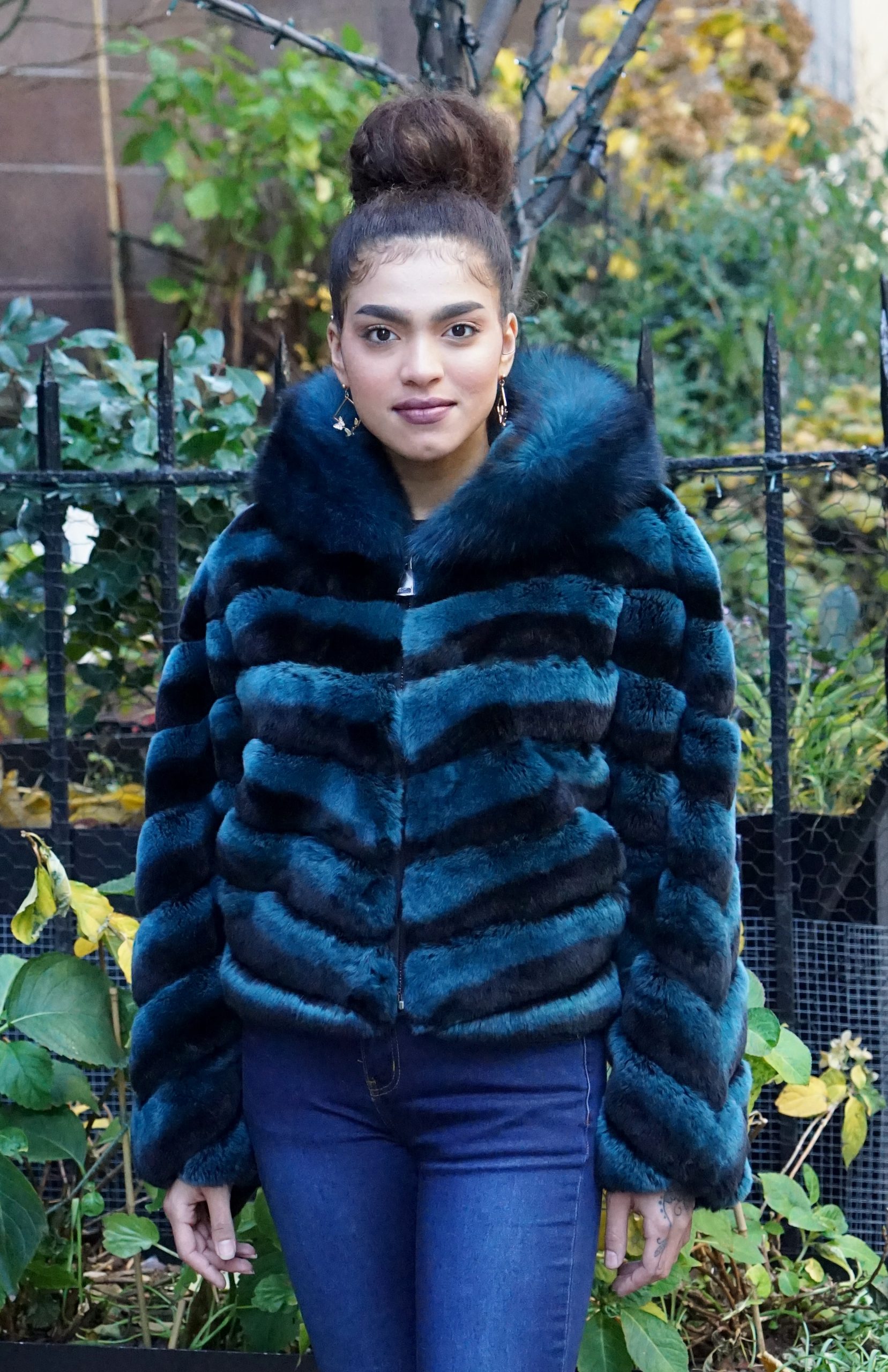
Turquoise Green Rex Rabbit jacket Hooded

Marc Kaufman Furs


Posted on

100 Reasons to Purchase a Fox Fur Coat

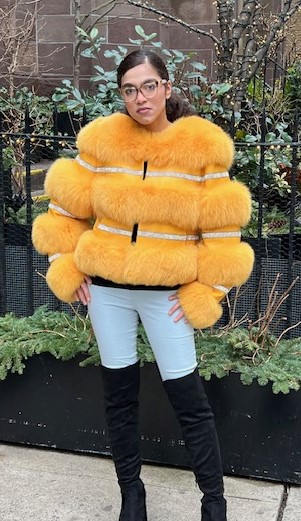
Yellow Fox Jacket Horizontal Rhinestones

100 Reasons to Purchase a Fox Fur Coat

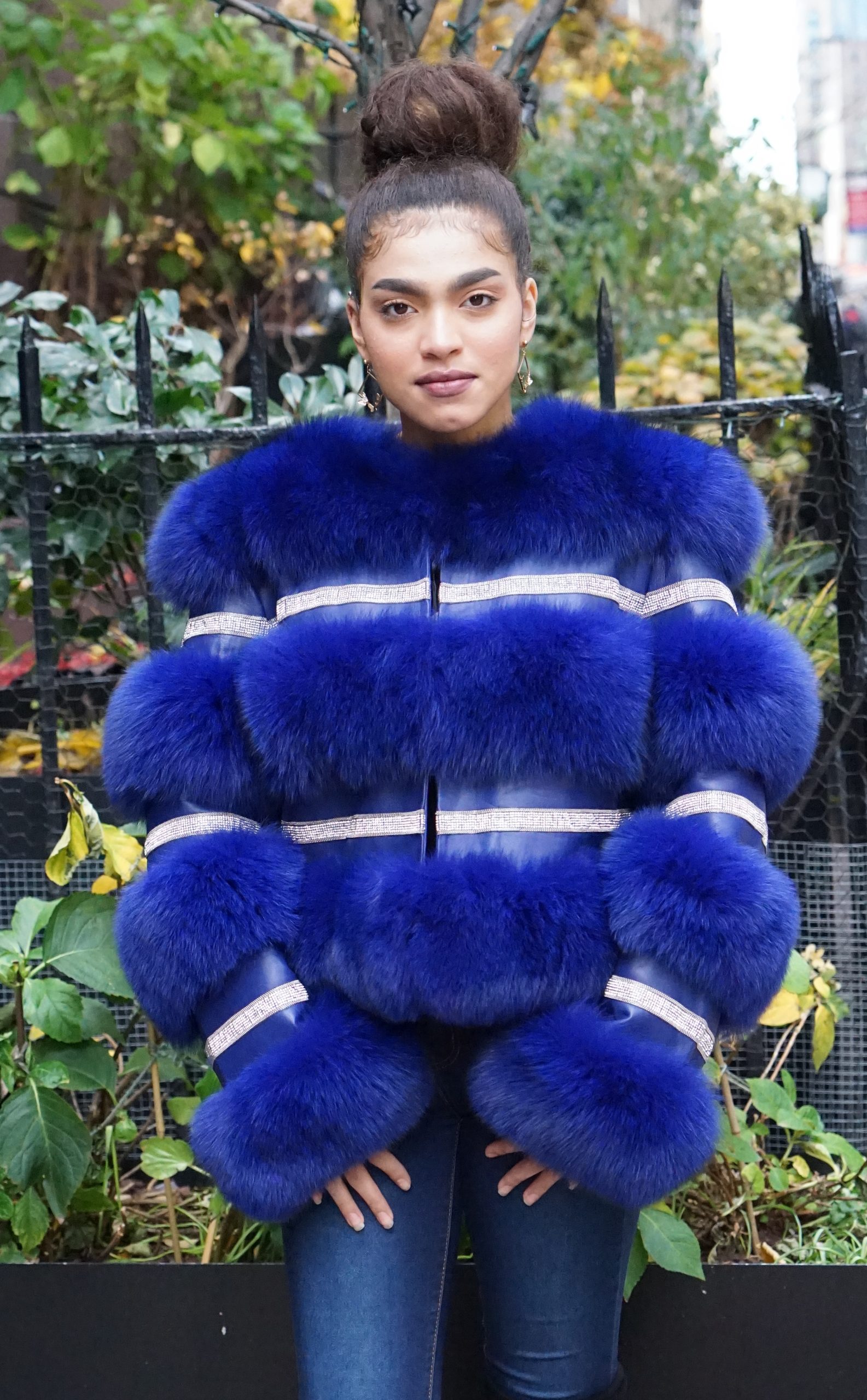
Royal Blue Fox jacket Rhinestones

The absolute truth why fox fur garments are so warm and elegant.

  1. Luxurious appearance: Real fox fur coats are often considered luxurious and can have an elegant, high-end look.
  2. Warmth: Fox fur is known for its warmth and insulating properties.
  3. Longevity: Well-maintained real fur coats can last for many years, potentially making them a durable investment.
  4. Classic style: Fur coats, including fox fur, have been a part of classic fashion for centuries.
  5. Timeless fashion: Real fur coats can be timeless pieces that never go out of style.
  6. Cultural and historical significance: Fur has been used in various cultures for centuries and can hold cultural and historical value.
  7. Customization: Real fur can be tailored to fit individual preferences and styles.
  8. Natural beauty: Some people appreciate the natural appearance and texture of real fur.
  9. Artisan craftsmanship: Crafting real fur garments can involve skilled craftsmanship.
  10. Heritage: Real fur coats may be handed down as family heirlooms.
  11. Collectability: Some people collect vintage fur coats as collectible items.
  12. Unique patterns: Fox fur has distinctive patterns and colors that can be visually appealing.
  13. Versatility: Fur coats can be dressed up or down for various occasions.
  14. Durability: Real fur can withstand wear and tear and maintain its appearance.
  15. Texture variety: Different types of fur, such as fox, offer different textures and tactile sensations.
  16. Temperature adaptability: Fur can help keep you warm in cold weather and cool in warmer conditions.
  17. Natural insulation: Fur provides natural insulation against cold temperatures.
  18. Breathability: Fur allows for air circulation, reducing overheating.
Hot Pink Fox Jacket
Hot Pink Fox Jacket
  • Softness and comfort: Fur coats can be incredibly soft and comfortable to wear.
  • Weight distribution: Fur coats distribute their weight evenly, reducing pressure points.
  • Stress reduction: The comfort of a fur coat can reduce stress and promote well-being.
  • Positive psychological impact: Wearing a fur coat can make some individuals feel more confident and glamorous.
  • Celebrity endorsements: Some celebrities have worn fur coats, influencing fashion trends.
  • Social status: Owning a real fur coat has historically been associated with a certain social status.
  • Eco-friendliness: Some argue that fur is a renewable and biodegradable resource.
  • Sustainable sourcing: Fur can be sourced from responsibly managed fur farms or as a byproduct of the food industry.
  • Biodegradability: Real fur decomposes naturally over time.
Multi Colored Silver Fox Jacket
  • Natural product: Fur is a natural material, which some people prefer over synthetic alternatives.
  • Resistance to wear: Fur is resistant to wear and tear when properly cared for.
  • Warmth in static conditions: Fur can keep you warm even when you’re not moving.
  • Thermal regulation: Fur can help regulate your body temperature in cold conditions.
  • Moisture-wicking: Fur can wick away moisture from the skin, keeping you dry and warm.
  • Thermal efficiency: Fur provides efficient insulation, reducing the need for bulky clothing.
  • Adaptability to temperature changes: Fur can expand and contract to adapt to temperature fluctuations.
  • Insulation for extremities: Fur can be used in gloves, hats, and boots for added insulation.
  • Warmth for infants: Fur can provide warmth and comfort for infants in cold weather.
  • Protection against cold rain: Some fur types repel moisture and maintain warmth even in rainy conditions.
  • Warmth for winter vacations: Fur garments can be essential for staying warm during winter getaways.
  • Warmth for elderly individuals: Fur coats can provide essential warmth for the elderly who are more susceptible to cold.
  • Warmth for pets: Fur coats can provide warmth and comfort for pets during cold weather.
  • Warmth for wildlife: Some wildlife benefits from fur for warmth during harsh winters.
  • Warmth for livestock: Fur can protect livestock from the cold, improving their welfare.
  • Warmth for working animals: Fur can provide warmth for working animals in cold conditions.
  • Comfort during winter commutes: Fur coats can make daily commutes in cold weather more comfortable.
  • Warmth for outdoor events: Fur coats can provide warmth during outdoor events in cold seasons.
  • Warmth for religious and cultural ceremonies: Fur may play a role in traditional ceremonies where warmth is needed.
  • Warmth for winter weddings: Fur accessories can provide warmth and elegance for winter brides.
  • Warmth for winter festivals: Fur coats and accessories can be essential for enjoying winter festivals and celebrations.
  • Warmth for winter sports: Fur-lined sports gear can provide added warmth during winter activities.
  • Warmth for outdoor dining: Fur coats can make outdoor dining more comfortable in cold weather.
  • Enhanced comfort for pets: Pets can benefit from fur bedding during cold weather.
  • Warmth for winter fishing: Fur-lined clothing can keep fishermen warm during cold fishing trips.
  • Warmth for winter photography: Photographers can stay warm while capturing outdoor shots in winter.
  • Protection against wind chill: Fur can block wind chill and maintain warmth.
  • Warmth for winter camping: Fur can provide essential warmth for winter camping trips.
  • Warmth for winter gardening: Gardeners can stay warm while tending to plants in the cold.
  • Protection against cold air conditioning: Fur can help individuals stay warm in heavily air-conditioned spaces.
  • Warmth for emergency situations: Fur coats can provide life-saving warmth in emergencies.
  • Enhanced energy efficiency: Fur insulation can contribute to energy-efficient building design.
  • Warmth for outdoor work: Fur coats can improve comfort and productivity for outdoor workers in cold environments.
  • Warmth for winter construction: Construction workers can stay warm and safe in winter with fur-lined clothing.
  • Warmth for winter sports coaching: Coaches can stay warm while coaching outdoor sports in winter.
  • Warmth for winter farming: Farmers can work comfortably in cold conditions with fur-lined clothing.
  • Warmth for winter livestock care: Fur-lined clothing can enhance the well-being of animals in cold conditions.
  • Warmth for winter gardening: Gardeners can stay warm while tending to plants in cold weather.
  • Warmth for winter wildlife photography: Wildlife photographers can stay warm while capturing outdoor shots in winter.
  • Warmth for winter birdwatching: Birdwatchers can stay warm while observing birds in cold weather.
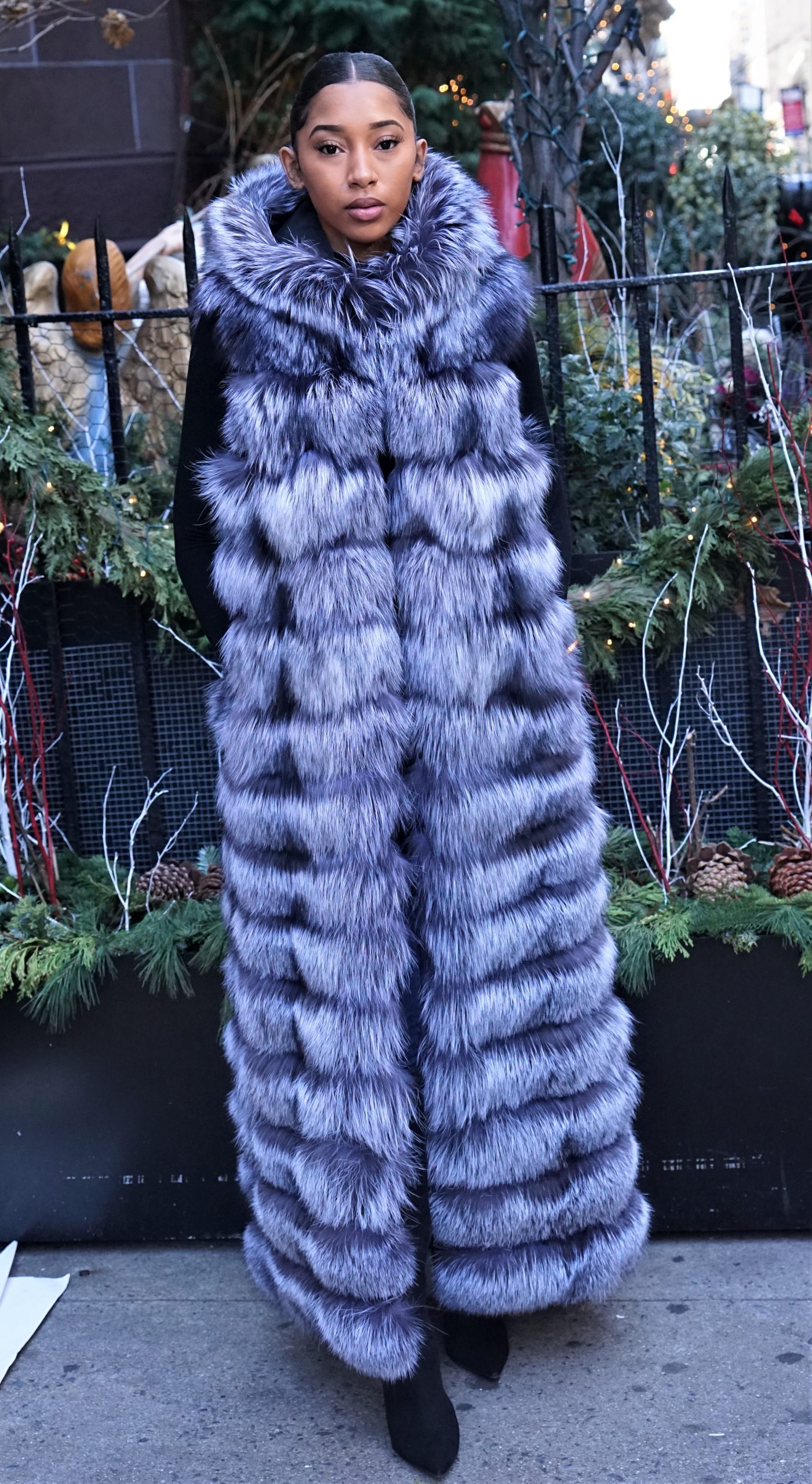
Horizontal Silver Fox Long Vest
  • Warmth for outdoor adventuring: Outdoor enthusiasts can enjoy winter adventures comfortably with fur-lined gear.
  • Warmth for winter stargazing: Stargazers can stay warm while observing the night sky in winter.
  • Warmth for winter astronomy: Astronomers can stay warm during outdoor observations in winter.
  • Warmth for winter wildlife research: Wildlife researchers can stay warm during fieldwork in winter.
  • Warmth for winter geology: Geologists can work comfortably in cold conditions with fur-lined clothing.
  • Warmth for winter archaeology: Archaeologists can stay warm during outdoor excavations in winter.
  • Warmth for winter ecology: Ecologists can conduct fieldwork comfortably in cold conditions with fur-lined gear.
  • Warmth for winter botany: Botanists can study plants in cold conditions with fur-lined clothing.
  • Warmth for winter biology: Biologists can conduct outdoor research comfortably in cold weather with fur-lined gear.
  • Warmth for winter zoology: Zoologists can study animals in cold conditions with fur-lined clothing.
  • Warmth for winter environmental science: Environmental scientists can conduct research in cold conditions with fur-lined gear.
  • Warmth for winter anthropology: Anthropologists can work comfortably in cold conditions with fur-lined clothing.
  • Warmth for winter archaeology: Archaeologists can stay warm during outdoor excavations in winter.
  • Warmth for winter paleontology: Paleontologists can work comfortably in cold conditions with fur-lined clothing.
  • Warmth for winter sociology: Sociologists can conduct outdoor research in cold conditions with fur-lined gear.
  • Warmth for winter psychology: Psychologists can conduct outdoor research comfortably in cold weather with fur-lined clothing.
  • Warmth for winter education: Educators can teach outdoor lessons in cold conditions with fur-lined gear.
  • Warmth for winter team-building: Team-building activities can be conducted outdoors in cold conditions with fur-lined clothing.
  • Warmth for winter retreats: Retreats and workshops can be held outdoors in cold weather with fur-lined gear.
  • Warmth for winter seminars: Seminars and conferences can be conducted outdoors in cold conditions with fur-lined clothing.
  • Warmth for winter training: Training sessions can be held outdoors in cold weather with fur-lined gear.
  • Warmth for winter workshops: Workshops and team-building activities can be conducted outdoors in cold conditions with fur-lined clothing.
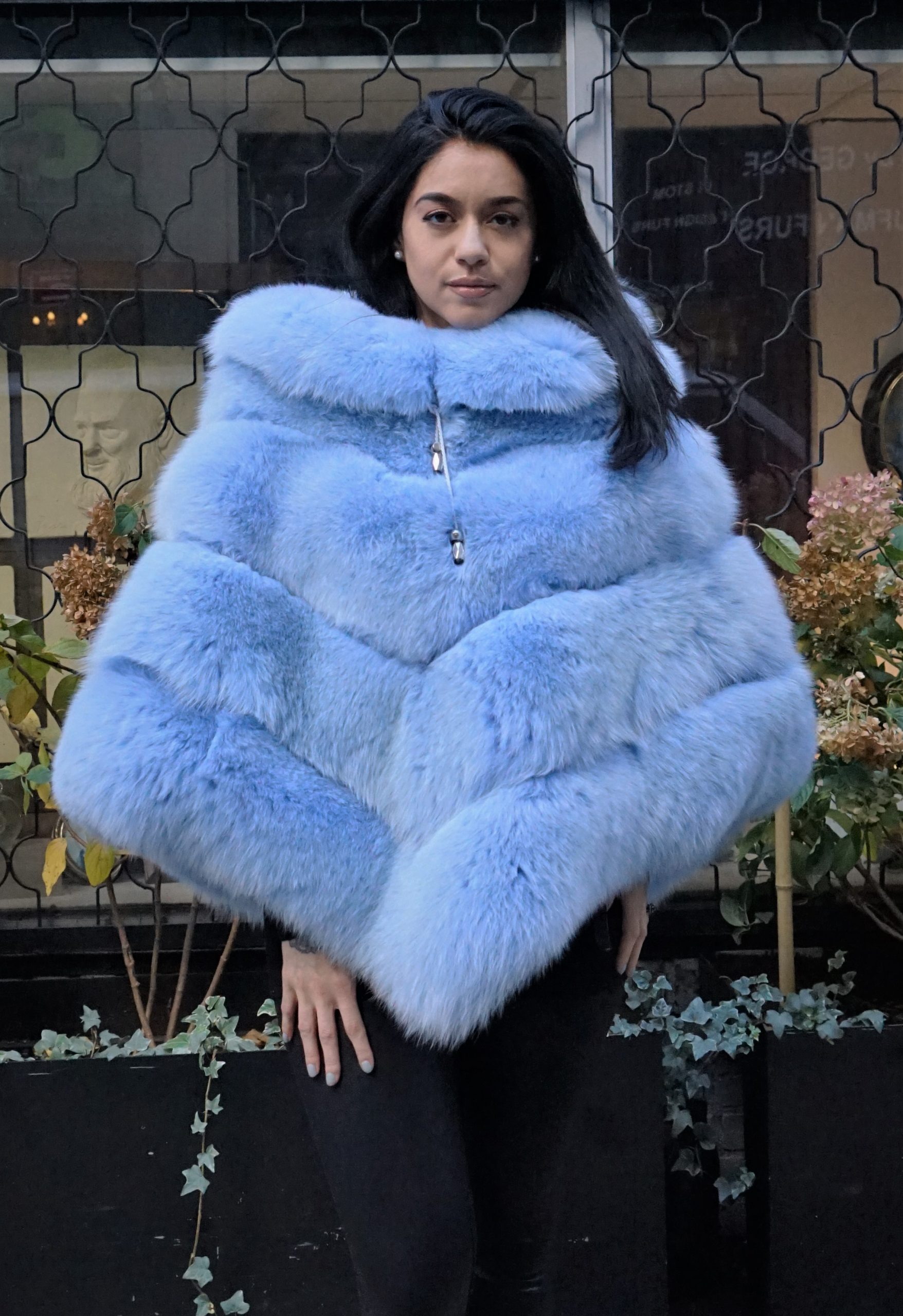
Fluffy Powder Blue Fox Poncho
  • Warmth for winter meetings: Business meetings and conferences can be held outdoors in cold weather with fur-lined gear.
  • Warmth for winter incentive programs: Incentive programs can be conducted outdoors in cold conditions with fur-lined clothing.
  • Warmth for winter corporate events: Corporate events can be held outdoors in cold weather with fur-lined gear.
  • Warmth for winter company retreats: Company retreats can be conducted outdoors in cold conditions with fur-lined clothing.
  • Warmth for winter conventions: Conventions and trade shows can be held outdoors in cold weather with fur-lined gear.
  • Warmth for winter product launches: Product launches can be conducted outdoors in cold conditions with fur-lined clothing.
  • Warmth for winter marketing events: Marketing events and promotions can be held outdoors in cold weather with fur-lined gear.
  • Warmth for winter charity events: Charity events can be conducted outdoors in cold conditions with fur-lined clothing.

100 Reasons to Purchase a Fox Fur Coat, The absolute truth is why fox fur garments are so warm and elegant.

Posted on

Chinchilla Coats are Luxurious and Versatile

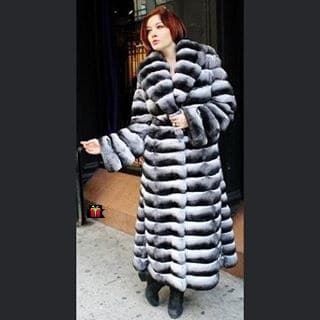
Chinchilla Full Length Fur Coat

Chinchilla coats are luxurious and versatile, and there are many creative ways to wear them. Here are 100 different ways you can style a chinchilla coat:

Horizontal Chinchilla Coat
  1. Classic draped over the shoulders.
  2. With a little black dress for a formal look.
  3. Paired with skinny jeans and ankle boots.
  4. Layered over a turtleneck sweater.
  5. Belted at the waist for a cinched silhouette.
  6. Worn with leather leggings and heels.
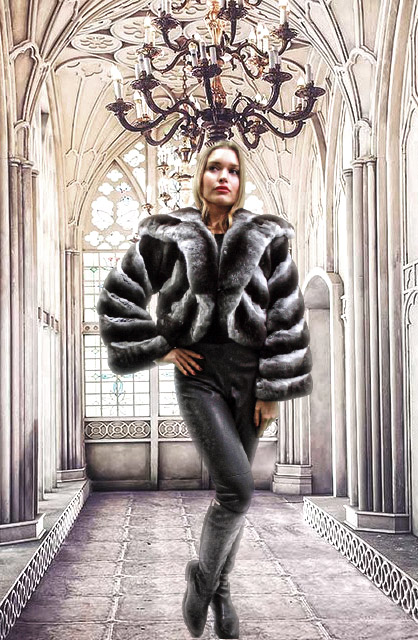
A Magnificent Chinchilla Fur Horizontal Stroller
  • With a cashmere sweater and pencil skirt.
  • Over a silk blouse and tailored trousers.
  • Draped over a cocktail dress.
  • With knee-high boots and a mini skirt.
  • Styled with a statement belt.
  • Paired with a beret for a Parisian look.
  • With a long scarf for added warmth.
  • Belted and worn as a dress.
  • With a fur collar for extra glamour.
  • Over a sequin top for a festive outfit.
  • Worn open over a lace camisole.
  • With a matching chinchilla hat.
  • Layered over a plaid shirt and jeans.
  • Styled with a leather skirt.
  • Belted and worn with over-the-knee boots.
  • With a statement necklace.
  • Over a velvet jumpsuit.
  • Draped over a white blouse and black slacks. Worn with a tulle skirt for a ballerina look.
  • Styled with a wide-brimmed hat.
  • Paired with a maxi dress.
  • Layered over a fur-trimmed sweater.
  • Belted and worn with a maxi skirt.
  • With a bodycon dress for a bold look.
Chinchilla Fur Bolero Jacket
  • Over a monochromatic outfit for contrast.
  • Styled with a vintage brooch.
  • With a silk slip dress.
  • Worn open over a graphic tee and jeans.
  • Layered over a plaid blazer and slacks.
  • Belted and worn with thigh-high boots.
  • With a fur stole for added drama.
  • Over a lace romper.
  • Styled with a top hat for a whimsical look.
  • Worn with a tulle ball gown.
  • Paired with a corset top.
  • Belted and worn as a cape.
  • With a feathered headpiece for a glamorous event.
  • Layered over a leather jumpsuit.
Pink Chinchilla Horizontal Jacket 4838
Pink Chinchilla Horizontal Jacket
  • Over a metallic mini dress.
  • Styled with a crystal choker.
  • With a leather corset dress.
  • Worn open over a bodysuit and leggings.
  • Belted and worn as a trench coat.
  • With a sequin blazer and wide-leg pants.
  • Paired with a lace bodysuit and skirt.
  • Layered over a velvet blazer.
  • Styled with a fur headband.
  • With a satin slip skirt.
  • Worn over a velvet tuxedo.
  • Belted and worn with a feathered skirt.
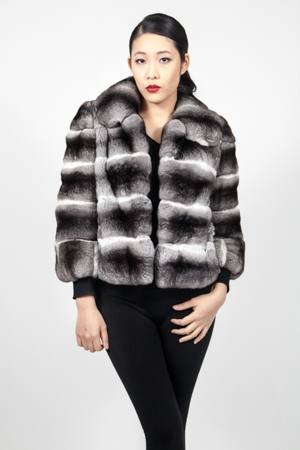
Chinchilla Fur Jacket
Warm chinchilla fur jacket.
  • With a crystal tiara for a princess look.
  • Over a sheer maxi dress.
  • Styled with opera-length gloves.
  • With a leather bustier and flared pants.
  • Paired with a metallic bodysuit.
  • Layered over a satin kimono.
  • Belted and worn as a robe.
  • With a jeweled belt for extra sparkle.
  • Over a beaded flapper dress.
  • Styled with a vintage fur stole.
  • With a lace capelet.
  • Worn open over a lace-up bodysuit.
  • Belted and worn with a feathered boa.
  • With a crystal-embellished headpiece.
  • Over a feathered cocktail dress.
  • Styled with a sequin clutch.
  • With a velvet cape.
  • Worn open over a silk slip.
  • Belted and worn with a velvet choker.
  • With a crystal-encrusted belt.
  • Over a beaded fringe dress.
  • Styled with a fur muff.
  • With a lace-trimmed camisole and skirt.
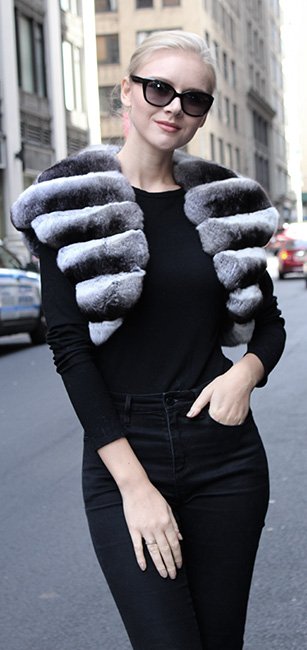
Chinchilla Fur Shrug

Chinchilla Coats are Luxurious and Versatile and there are many creative ways to wear them. Here are 100 different ways you can style a chinchilla coat.

  • Worn open over a satin chemise.
  • Belted and worn with crystal earrings.
  • With a jeweled brooch.
  • Over a sequin skirt suit.
  • Styled with a rhinestone headpiece.
  • With a feathered bolero jacket.
  • Worn open over a lace-up corset.
  • Belted and worn with a feathered headdress.
  • With a crystal-embellished sash.
  • Over a metallic evening gown.
  • Styled with a beaded clutch.
  • With a lace bodice and tulle skirt.
  • Worn open over a velvet jumpsuit.
  • Belted and worn with a statement necklace.
Marc Kaufman Furs presents a chinchilla fur coat from Marc Kaufman Furs USA,Fur coats in Argentina, fur coats in Chile, fur coats in Venezuela, fur coats in Australia, fur coats in Belgium,fur coats in Netherlands, fur coats in Norway,fur coats in Sweden,fur coats in Dubais,fur coats in Egypt,fur coats in Egypt,fur coats in Kuwait, fur coats in South Africa,fur coats in Tunisia,fur coats in the Falklands
Color outside the lines in this fashionable chinchilla fur coat from Marc Kaufman Furs New York City
Kaufmanfurs.com
  • With a feathered cape.
  • Over a satin ball gown.
  • Styled with a fur stole and gloves.
  • With a crystal-encrusted belt.
  • Worn open over a sequin blazer and shorts.
  • Belted and worn with a feathered skirt.
  • With a tiara and long gloves for a regal look.

These are just some ideas to inspire your chinchilla coat styling, but the possibilities are endless. Mix and match to create your own unique looks and make the most of this luxurious wardrobe piece.

Marc Kaufman Furs

Designer Furs

Fur Fashion News

Posted on

Where to Wear Your Fur in NYC

Fur Store NYC

Where Can I Wear fur Coat in NYC

The following are lists of places you can wear your fur coat in NYC

Where to Wear Your Fur in NYC is very much in fashion. There are so many places you can wear fur in NYC during the cold winter months.

Furs are very much in fashion. There are so many place you can wear a fur in NYC during the cold winter months.

Cold Weather Spots:

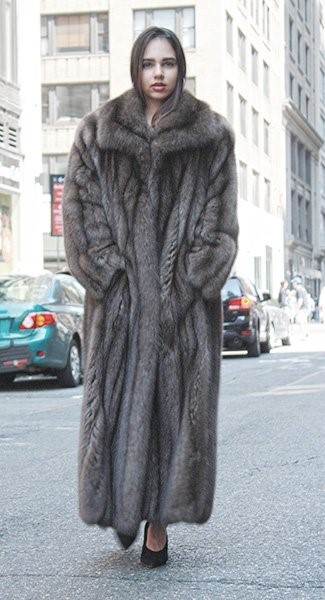
Full-length Russian Sable Coat    
Full-length Russian Sable Coat
  1. Central Park in winter
  2. Ice skating at Wollman Rink
  3. The High Line on a chilly day
  4. Times Square during the holiday season
  5. Rockefeller Center ice skating rink
  6. Bryant Park Winter Village
  7. Walking along the Hudson River
  8. Strolling through Battery Park
  9. East River Esplanade
  10. The Brooklyn Bridge in winter
  11. Visiting the Statue of Liberty on a cold day
  12. Exploring Roosevelt Island

Cultural and Entertainment Venues:

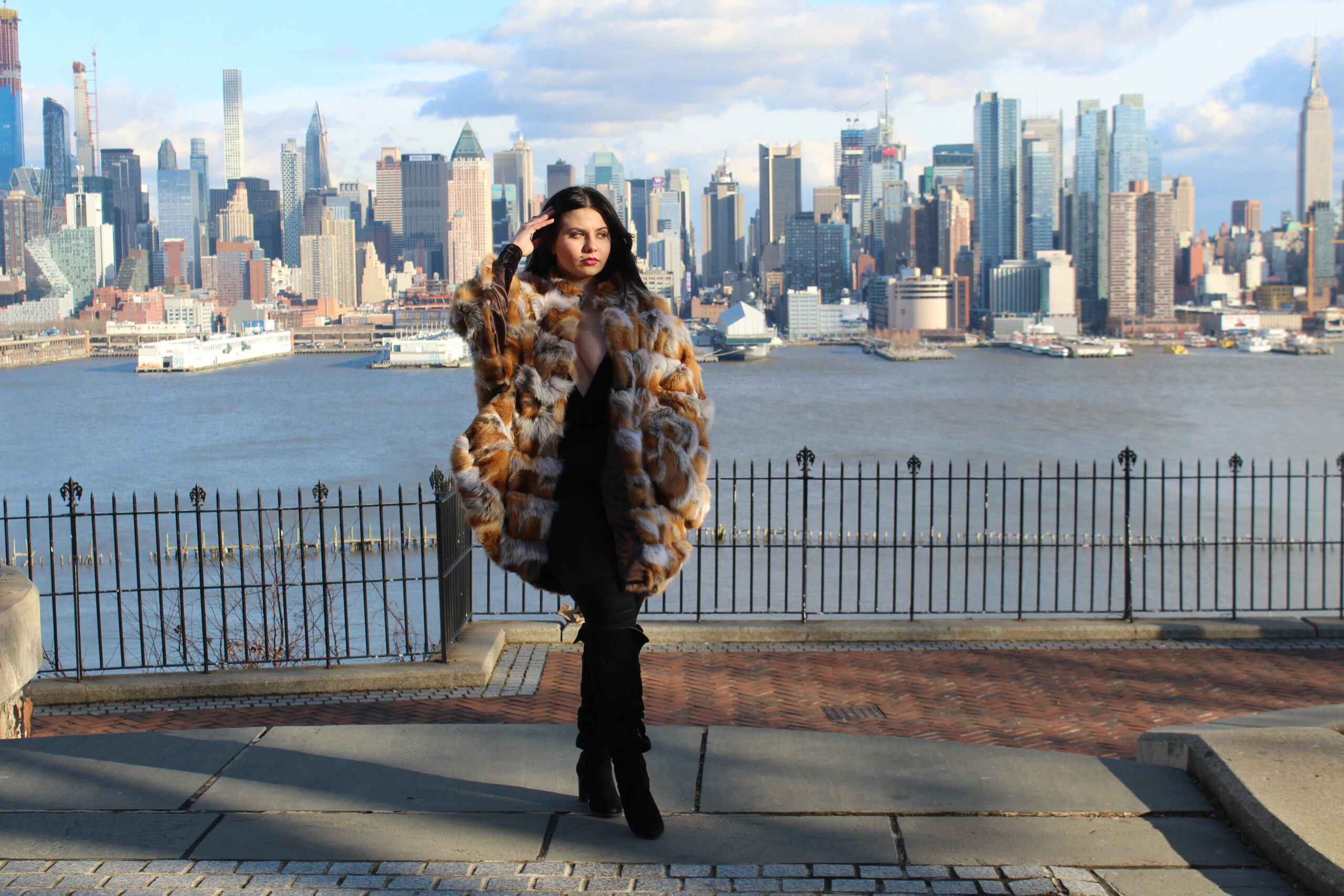
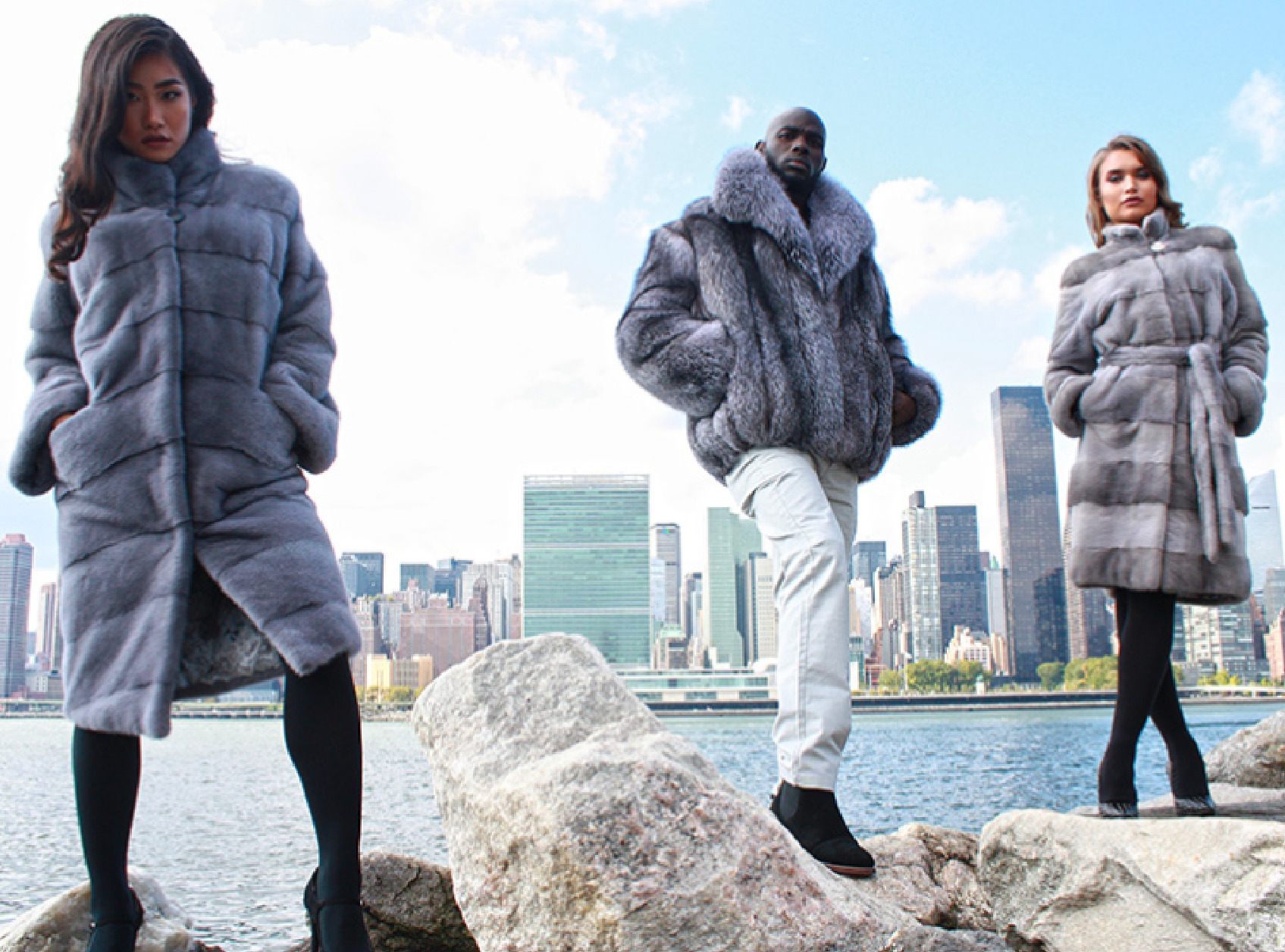
Fur Coats NYC Skyline
Magnificent Furs from NYC
  1. Broadway shows
  2. Lincoln Center performances
  3. The Metropolitan Opera
  4. The New York Philharmonic
  5. Jazz clubs in Harlem
  6. Museum of Modern Art (MoMA)
  7. The Whitney Museum
  8. The Frick Collection
  9. The Cloisters
  10. Guggenheim Museum
  11. The Morgan Library & Museum
  12. New York Public Library’s main branch
  13. New York Historical Society
  14. The Apollo Theater
  15. Radio City Music Hall
  16. Madison Square Garden events
  17. Barclays Center events
  18. Film premieres in NYC
  19. The Museum of Natural History
  20. The Museum of the Moving Image
  21. The Tenement Museum
  22. The Intrepid Sea, Air & Space Museum
  23. The Museum of Jewish Heritage

Fine Dining and Culinary Experiences: 

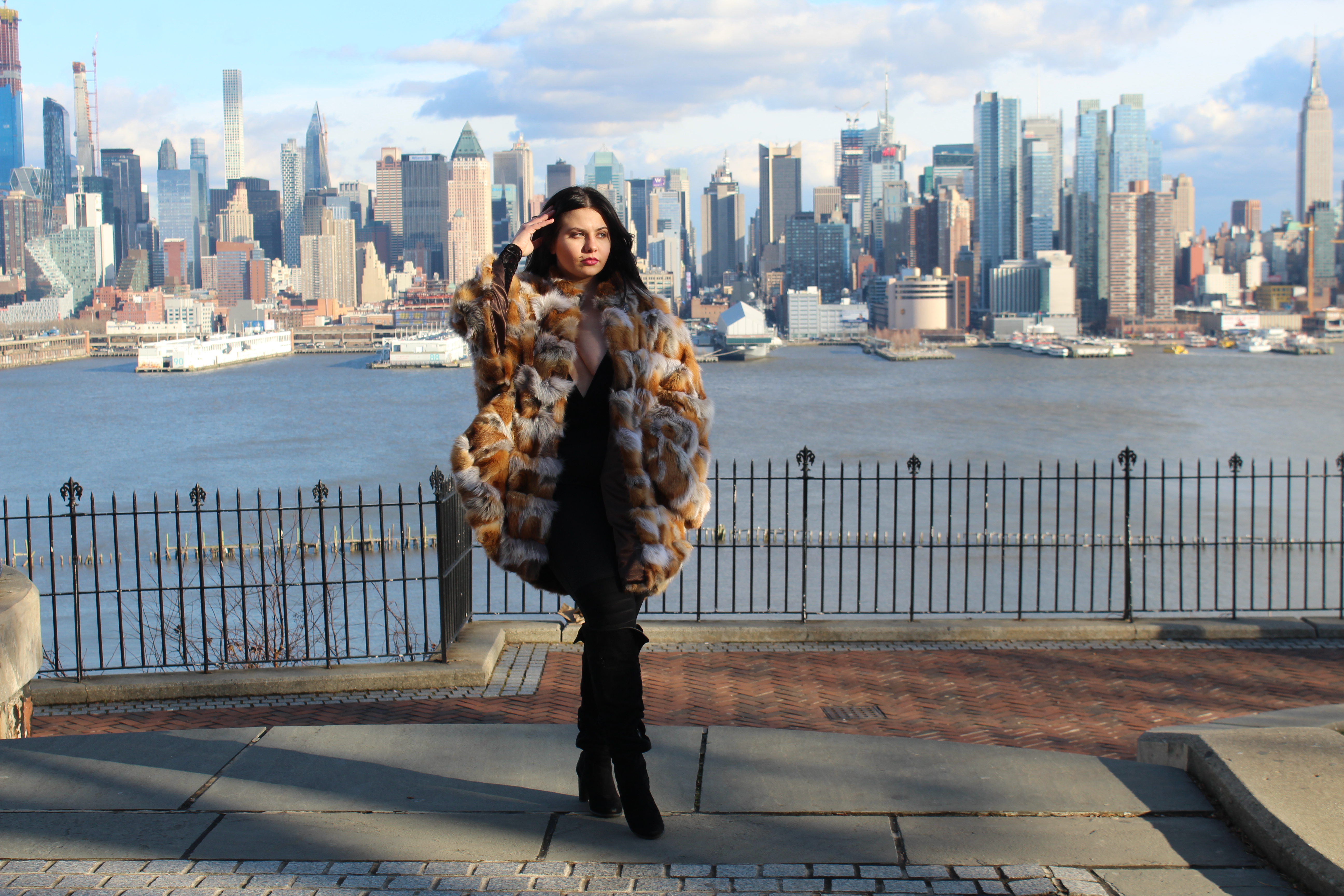
NYC Furs
Magnificent Fox Cape NYC Background
  1. Le Bernardin
  2. Eleven Madison Park
  3. Daniel
  4. Jean-Georges
  5. Le Coucou
  6. Gramercy Tavern
  7. The River Café
  8. Peter Luger Steak House
  9. Sushi Yasuda
  10. Nobu
  11. Marea
  12. Carbone
  13. Le Cirque
  14. Michelin-starred restaurants
  15. Chef’s tasting menus
  16. Luxury afternoon tea at The Plaza
  17. Rooftop bars with scenic views

Fashion and Shopping:

Horizontal Chinchilla Stroller
  1. Fifth Avenue shopping
  2. Saks Fifth Avenue
  3. Bergdorf Goodman
  4. Bloomingdale’s
  5. Marc Kaufman Furs
  6. Barneys New York
  7. Luxury designer boutiques
  8. SoHo boutique shopping
  9. Vintage clothing stores
  10. New York Fashion Week events
  11. The Met Gala
  12. High-end department stores
  13. Luxury watch stores
  14. Exclusive jewelry boutiques
  15. Private shopping appointments
  16. Sample sales at designer showrooms

Special Events and Occasions:

Full-length Cross Fox Fur Coat
  1. New Year’s Eve in Times Square
  2. The Macy’s Thanksgiving Day Parade
  3. Christmas tree lighting ceremonies
  4. VIP charity galas
  5. Art gallery openings
  6. Private art exhibitions
  7. Fashion industry events
  8. Black-tie weddings
  9. The Tony Awards
  10. VIP movie premieres
  11. Broadway opening nights
  12. The Met Costume Institute Gala
  13. Exclusive rooftop parties
  14. Celebrities’ birthday parties
  15. High-end charity auctions
  16. Polo matches
  17. Horse racing at Belmont Park
  18. Tennis at the US Open
  19. Luxury car expos
  20. Private yacht charters
  21. Opera galas
  22. Champagne tastings
  23. Exclusive perfume launches
  24. VIP wine tastings
  25. Philanthropic events
  26. Private jet charters
  27. Private art collections
  28. Exclusive jewelry auctions
  29. Luxury car showrooms
  30. Artisanal chocolate tastings
  31. Private vineyard tours
  32. Fine art auctions
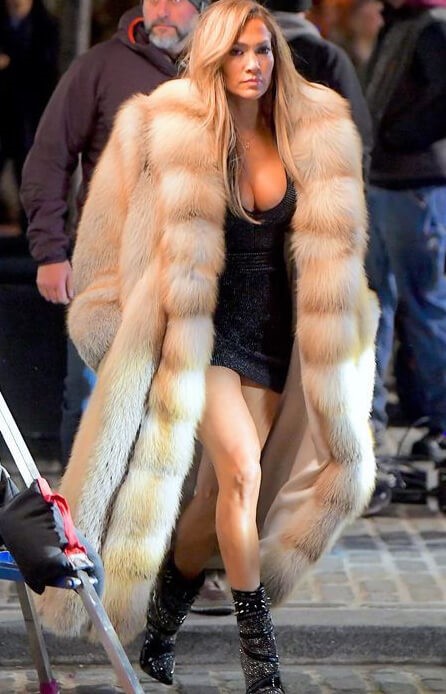
JLO Jennifer Lopez Golden Island Fox Coat
  • Cold Winter Days: Fur coats can provide warmth during the cold winter months in NYC.
  • Broadway Shows: Attending a Broadway play or musical during the winter can be an opportunity to wear fur.
  • Lincoln Center: Whether it’s a ballet performance, a symphony concert, or an opera, Lincoln Center offers a cultural setting where a fur coat might be appropriate.
  • Fashion Events: During New York Fashion Week, some attendees wear fur as a fashion statement.
  • Museum Visits: NYC has numerous museums and art galleries where you can wear a fur coat, such as MoMA or The Met.
  • Fine Dining: High-end restaurants in NYC often have dress codes that encourage formal attire, providing an opportunity to wear fur.
  • Opera and Ballet: The Metropolitan Opera and other venues host performances where dressing up is common.
  • Nightclubs: Some exclusive nightclubs and VIP parties might be suitable for fur attire.
  • Luxury Shopping: Fifth Avenue and upscale boutiques in NYC can be places to showcase fur fashion.
  • Special Events: Charity galas, art gallery openings, and fashion industry events may provide opportunities to wear fur.
  • Holiday Events: NYC’s holiday festivities, such as tree lighting ceremonies or New Year’s Eve in Times Square, can be occasions for fur coats.
  • Cultural Celebrations: Attending cultural celebrations and festivals in the city can provide opportunities for fur fashion.
  • Opera Galas: Special events and galas at opera houses in NYC are known for their elegant dress code.
  • VIP Parties: Exclusive parties and private events might be places to wear fur if the dress code permits.
  • High-End Shopping Districts: Exploring luxury shopping districts like Madison Avenue or SoHo can be an opportunity to wear fur.
  • Private Art Exhibitions: Exclusive art exhibitions and private viewings are places where you can showcase your style.
  • Luxury Hotels: Staying at or dining in luxury hotels like The Plaza or The Ritz-Carlton can provide a fitting atmosphere for fur fashion.
  • Art Openings: Attend art gallery openings and art-related events in the city where creative fashion choices are often celebrated.
Red Mink Jacket
Red Mink Jacket
Posted on

List of 100 Places to Wear Fur

Royal Blue Full Length Fox Coat

Best Places to Wear a Fur Coat

Pink Rex Rabbit Jacket Tibetan Lamb

Best Places to Wear a Fur Coat

  1. Cold winter days
  2. Ski resorts
  3. Ice skating rinks
  4. Snowy mountain getaways
  5. Arctic expeditions
  6. Polar bear tours
  7. Alaska or Siberia
  8. Ice hotels
  9. New York Fashion Week
  10. Paris Fashion Week
  11. Milan Fashion Week
Horizontal Chinchilla Coat
  • London Fashion Week
  • Couture fashion shows
  • Red carpet events
  • Charity galas
  • Opera performances
  • Ballet performances
  • Symphony orchestra concerts
  • VIP parties
  • Luxury yacht cruises
  • Upscale casinos
  • High-stakes poker games
  • Art gallery openings
  • Wine tastings
  • Michelin-starred restaurants
  • Exclusive nightclubs
  • Private jets
  • Limousine rides
  • VIP movie premieres
  • Award ceremonies
  • Charity auctions
  • Luxury spa retreats
  • Private island vacations
Sapphire Directional Mink Coat
  • Luxury train journeys
  • Horse-drawn carriage rides
  • Polo matches
  • Royal ascot
  • High-end jewelry stores
  • Luxury shopping districts
  • Opera houses
  • Historical theaters
  • Vintage car shows
  • Luxury car dealerships
  • VIP suites at sports events
  • Champagne tastings
  • Luxury cruises
  • VIP art exhibitions
  • Private art collections
  • Fashion photo shoots
  • VIP airport lounges
  • Five-star hotels
  • Luxury resorts
  • Exclusive beach clubs
  • Private beach villas
  • Celebrity weddings
  • Private garden parties
  • Luxury golf courses
  • High-end ski chalets
Pink Fox Hooded Jacket
  • Polo club events
  • Private masquerade balls
  • Destination weddings
  • Anniversary celebrations
  • Luxury train journeys
  • Wine and dine events
  • Horse racing events
  • Private islands
  • Vintage fashion expos
  • Opera galas
  • Exclusive social clubs
  • Luxury penthouse parties
  • New Year’s Eve in Times Square
  • The Cannes Film Festival
  • Monaco Grand Prix
  • The Met Gala
  • Royal weddings
Russian Sable Coat
Russian Barguzin Sable Coat
  • Kentucky Derby
  • High-end department stores
  • VIP casino suites
  • Luxury art auctions
  • High-end real estate showings
  • Rooftop bars with stunning views
  • High tea at luxury hotels
  • VIP backstage access at concerts
  • Artisanal chocolate tastings
  • Exquisite dessert restaurants
  • Winter wonderland events
  • Luxury penthouse apartments
  • Vintage fashion shops
Multi Colored Mink Pullover
  • Themed costume parties
  • Gatsby-themed parties
  • VIP lounges at music festivals
  • Luxury jewelry exhibitions
  • Private vineyard tours
  • Fine art auctions
  • Private art studios
  • Charity fashion shows
  • Marc Kaufman Furs
White Fox Coat
White Fox Coat

List of 100 Places to Wear Fur Cold winter days, Ski resorts, Snowy mountain getaways, Arctic expeditions, Alaska or Siberia, Ice hotels, New York Fashion Week.

Posted on

History of the Fur Trade

Fur coats for men

History of the Fur Trade

Facts About the History of Furs

Certainly! Here is a list of 100 key points and facts about the history of the fur trade:

Vintage Furs
Vintage Furs
  1. The fur trade is the commercial activity of buying and selling animal fur.
  2. Fur has been used by humans for thousands of years for clothing, shelter, and trade.
  3. Indigenous peoples, such as Native Americans and Inuit, were early participants in the fur trade.
  4. Fur-bearing animals include beavers, otters, minks, foxes, martens, and many others.
  5. Fur trading initially developed as a local or regional exchange among indigenous peoples.
  6. European exploration in the 15th and 16th centuries increased demand for furs in Europe.
  7. Beaver fur was highly prized for making felt hats, which were fashionable in Europe.
  8. The fur trade played a significant role in early colonial economies in North America.
  9. The Hudson’s Bay Company (HBC) was founded in 1670 and became one of the largest fur trading companies.
  10. The North West Company was a rival to the HBC and operated in the same regions of North America.
  11. Trappers and fur traders often had to endure harsh conditions and travel long distances.
  12. Fur traders established trading posts and forts in North America to facilitate trade.
  13. Fur trappers learned trapping techniques from indigenous peoples.
  14. Fur traders used various types of traps, including leg-hold traps and snares.
  15. The fur trade helped facilitate cultural exchange between Europeans and indigenous peoples.
Fur coat Cultural Dissonance
  • The fur trade also led to the spread of diseases among indigenous populations, causing devastating epidemics.
  • The fur trade routes extended deep into the wilderness, known as the “voyageurs’ highways.”
  • Voyageurs were French-Canadian fur traders and canoeists who played a vital role in transporting furs.
  • Canoes were the primary mode of transportation for fur traders in North America.
  • The fur trade had a significant impact on the exploration and mapping of North America.
  • The fur trade contributed to the development of the fur rendezvous system, where trappers met annually to sell their furs.
  • The demand for furs led to overhunting and the near-extinction of some fur-bearing animals.
  • Trapping seasons were often limited to specific times of the year to protect animal populations.
  • The fur trade expanded into the Pacific Northwest, where sea otters were highly sought after for their fur.
  • The American Fur Company, founded by John Jacob Astor, became one of the largest fur trading companies in the United States.
  • Fort Astoria, established by John Jacob Astor’s company, was one of the first American settlements on the Pacific Coast.
  • The fur trade played a role in the westward expansion of the United States.
  • Mountain men, such as Jedediah Smith and Jim Bridger, were legendary figures in the American fur trade.
  • The fur trade influenced the naming of geographic features, including rivers, mountains, and lakes.
  • The Oregon Trail, a famous pioneer route, followed some fur trade routes.
  • The beaver population in North America declined significantly due to trapping.
  • Fur traders often faced competition and conflicts with indigenous groups over territory and resources.
  • Many indigenous peoples became dependent on European goods traded in the fur exchange.
Fur Coats for men
Fur Coats for cavemen
  • The fur trade contributed to the spread of firearms among indigenous peoples.
  • Trading posts often became centers of cultural exchange, where languages, foods, and customs were shared.
  • In the early 19th century, the fur trade began to decline due to changing fashion trends and the depletion of fur-bearing animals.
  • The decline of the fur trade led to the diversification of fur trading companies into other industries.
  • Fur traders faced risks such as harsh weather, animal attacks, and isolation.
  • Hudson’s Bay blankets, known for their distinctive stripes, were popular trade items.
  • Fur traders used symbols and marks to identify their traps and goods.
  • The fur trade contributed to the development of winter clothing, such as the parka and moccasin.
  • Fur trading was often associated with adventure and exploration in popular culture.
  • The fur trade played a role in the economic development of Canada and the United States.
  • Russian fur traders established colonies in Alaska.
  • The Russian-American Company controlled the fur trade in Alaska during the Russian colonial period.
  • Russian fur traders hunted sea otters, seals, and other marine mammals for their pelts.
  • The Russian Orthodox Church played a significant role in Russian America.
  • Russian America was sold to the United States in 1867, leading to the establishment of Alaska as a U.S. territory.
  • The fur seal industry had a significant impact on the ecology of the Pribilof Islands in Alaska.
  • Fur trading in Asia involved the hunting of sables, sika deer, and other valuable fur-bearing animals.
  • The Qing Dynasty in China regulated and taxed the fur trade with Russia.
  • Chinese emperors and nobility wore fur-lined robes as a symbol of status.
  • Fur trading routes connected Siberia to China and Europe.
Mink Fur Mystique Equals Desire Marc Kaufman Furs
  • The fur trade in Siberia led to the exploration of vast regions of Russia.
  • The French established a fur trading post in what is now St. Louis, Missouri.
  • The French fur trade expanded into the Mississippi River Valley.
  • The fur trade played a role in the rivalry between the French and British in North America.
  • The Treaty of Paris in 1763 ended the French and Indian War and transferred Canada and much of the fur-rich territory to British control.
  • The fur trade continued under British rule in Canada.
  • The Hudson’s Bay Company and North West Company merged in 1821 to form the Hudson’s Bay Company.
  • The fur trade contributed to the development of the fur brigade system, which transported furs and supplies by canoe.
  • Indigenous women often played essential roles in fur processing, including cleaning and sewing furs.
  • Furs were transported by ship to Europe, where they were sold at fur auctions.
  • Beaver fur top hats were particularly popular in the 18th and early 19th centuries.
  • The fur trade had a significant impact on the economies of Quebec and the Canadian provinces.
  • The fur trade contributed to the spread of Christianity among indigenous peoples.
  • The North West Mounted Police (predecessor of the Royal Canadian Mounted Police) played a role in maintaining order in the fur trade territories.
  • The fur trade influenced the design of trading post buildings, which often featured distinctive architecture.
  • Fur traders often married indigenous women, leading to the development of the Métis culture in Canada.
  • The fur trade declined in the mid-19th century but experienced a revival in the late 19th century.
  • The fur trade in the American West involved trapping animals such as beavers, muskrats, and raccoons.
  • Trappers and mountain men operated in the Rocky Mountains and other western regions.
  • The fur trade played a role in the early history of California, where sea otters were hunted for their fur.
  • The fur trade had a significant impact on the fur-bearing animal populations of the Great Lakes region.
  • The fur trade influenced literature and art, including the works of James Fenimore Cooper and Charles M. Russell.
  • The fur trade had a lasting impact on the cultural identity of indigenous peoples in North America.
  • Indigenous art often incorporates motifs related to the fur trade, such as animal designs and trade goods.
  • The fur trade is portrayed in historical reenactments and festivals in North America.
  • French fur traders established fur trading posts in the Mississippi Valley, including Fort de Chartres and Cahokia.
  • The fur trade played a role in the exploration of the Mississippi River by European explorers.
  • The fur trade was closely tied to the fur fashion industry in Europe, which dictated the value of furs.
  • Russian fur traders established trading posts in Siberia and Alaska.
  • The fur trade influenced the development of trade networks and routes in North America.
  • European furriers were skilled craftsmen who processed and sewed furs into garments and accessories.
  • The fur trade contributed to the depletion of fur-bearing animal populations in many regions.
  • Fur traders often faced competition from other traders and companies.
  • The fur trade in Canada expanded into the interior of the continent, including the Rocky Mountains.
  • Indigenous peoples were often paid in trade goods such as blankets, beads, and metal tools.
  • Fur trading posts served as centers for barter and exchange between traders and indigenous peoples.
  • Indigenous peoples often used every part of an animal they trapped, including the meat, bones, and hide.
  • The fur trade led to the development of trade languages, such as Chinook Jargon in the Pacific Northwest.
Fur Coats NYC Skyline
Magnificent Furs from NYC
  • The fur trade influenced the design and construction of canoes used for transportation.
  • The fur trade had a significant impact on the fur-bearing animal populations of the Canadian North.
  • Many famous explorers, such as Lewis and Clark, were involved in the fur trade before their expeditions.
  • The fur trade contributed to the development of trading routes in the Canadian Arctic.
  • Fur trapping and trading became the subject of numerous books and films.
  • The fur trade is often associated with tales of adventure, wilderness survival, and exploration.
  • Today, the fur trade continues as a global industry, with regulations aimed at protecting animal welfare and conservation.
NYC Furs
Magnificent Fox Cape NYC Background

This list highlights the rich and multifaceted history of the fur trade, which spans continents and centuries, impacting economies, cultures, and the environment.

Marc Kaufman Furs

History of the Fur Trade, Certainly! Here is a list of 100 key points and facts about the history of the fur trade.

Posted on

Reasons to Wear Fur Coats

Chartreuse Green Mink Coat

Reasons to Wear Fur Coats

Fur coats come in various types, each made from the fur of different animals. Here’s a list of some of the most common types of fur coats:

  1. Mink Fur Coat: Mink fur is known for its luxurious softness and is one of the most popular choices for fur coats.
Mahogany Mink Horizontal Coat
  • Fox Fur Coat: Fox fur coats come in various colors, including silver fox and red fox, and are known for their long, fluffy fur.
  • Chinchilla Fur Coat: Chinchilla fur is extremely soft and is considered one of the most luxurious and expensive furs.
  • Sable Fur Coat: Sable fur is highly prized for its silky texture and is among the most luxurious furs available.
Full-length Russian Sable Coat    
Full-length Russian Sable Coat
  • Rabbit Fur Coat: Rabbit fur is soft and lightweight, making it a popular choice for fur coats.
  • Lynx Fur Coat: Lynx fur coats feature the distinctive spotted pattern of the lynx and are known for their elegance.
  • Beaver Fur Coat: Beaver fur is durable and warm, making it suitable for cold climates.
  • Raccoon Fur Coat: Raccoon fur is often used for trim or collars on coats and accessories.
  • Coyote Fur Coat: Coyote fur is known for its warmth and durability and is sometimes used in parka-style coats.
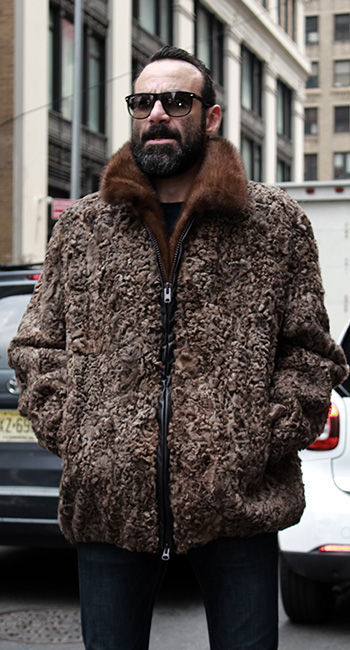
  • Persian Lamb Fur Coat: Persian lamb fur comes from the karakul sheep and is characterized by its curly texture.
MENS BROWN PERSIAN JACKET
  • Nutria Fur Coat: Nutria fur is similar in appearance to beaver fur and is often used for its warmth.
  • Squirrel Fur Coat: Squirrel fur is soft and lightweight, making it suitable for elegant and stylish coats.
  • Muskrat Fur Coat: Muskrat fur is known for its durability and is used in a variety of fur products, including coats.
  • Raccoon Fur Coat: Raccoon, also known as Asiatic raccoon, is used for its warmth and distinctive coloration.
  • Ermine Fur Coat: Ermine fur, with its black-tipped tails, has been historically associated with royalty.

    Wearing fur coats has been a practice with a long history, and people have various reasons for choosing to wear them. Here are some reasons people have given for wearing fur coats: Marc Kaufman Furs

Fabulous Pink Fox Coat
  1. Warmth: Fur is a natural insulator, and fur coats can provide exceptional warmth, making them suitable for cold climates and winter weather.
  2. Style and Fashion: Fur coats have been considered a symbol of luxury, style, and sophistication for many years. Some individuals wear fur coats to make a fashion statement and express their personal style.
  3. Tradition and Cultural Significance: In some cultures, fur garments hold cultural and traditional significance. They may be worn during specific ceremonies or as part of traditional dress.
  4. Vintage and Heirloom Pieces: Some people inherit fur coats from family members and choose to wear them as vintage or heirloom pieces with sentimental value.
  5. Durability: Fur is a durable material that can last for many years if properly cared for. Some individuals appreciate the longevity of fur garments.
  6. Status and Social Standing: Historically, fur has been associated with wealth and social status, and some individuals wear fur coats to convey a sense of prestige.
  7. Historical and Artistic Value: Fur coats have been featured in historical photographs, paintings, and films, and some individuals may wear them as a nod to art and history.

Reasons to Wear Fur Coats in my opinion is Durability that can last for many years if properly cared for.