Posted on

How to Choose the Right Color Mink Coat

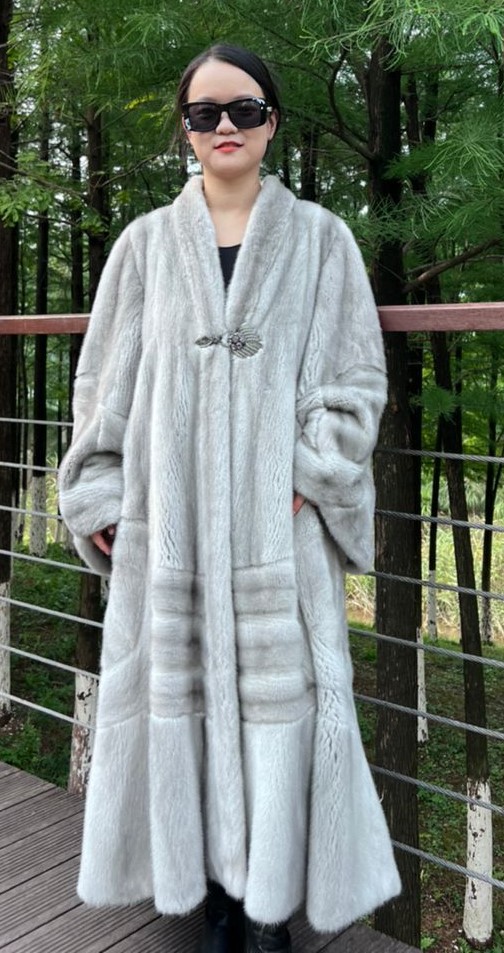
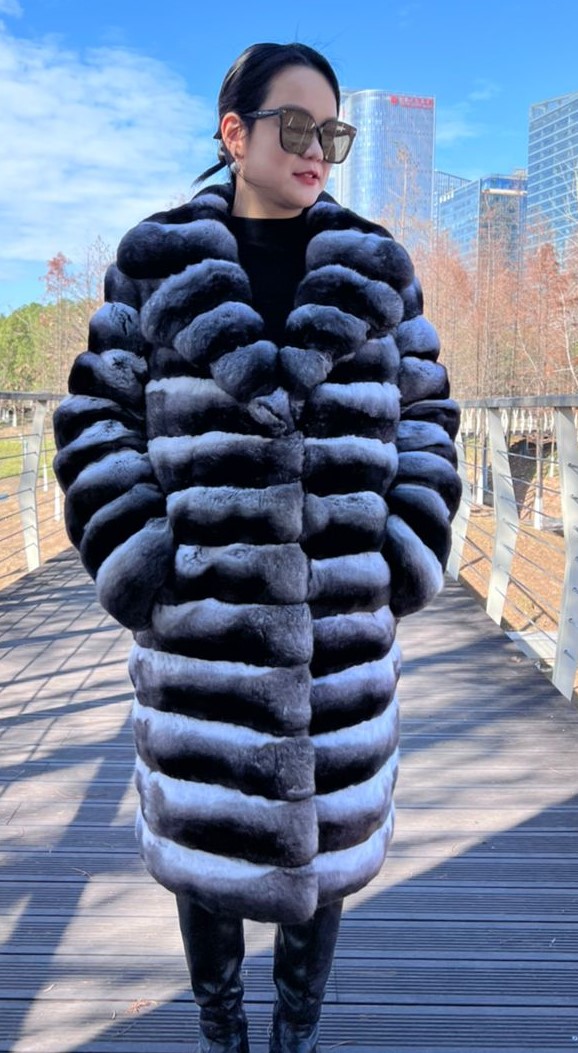
Sapphire Full Length Mink Coat

How to Choose the Right Color Mink Coat

How to Choose the Right Color Mink Coat depends on your personal preferences, skin tone, style, and the occasions you plan to wear it for.

Choosing the right color for a mink coat depends on your personal preferences, skin tone, style, and the occasions you plan to wear it for. Here are some steps to help you select the perfect color for your mink coat:
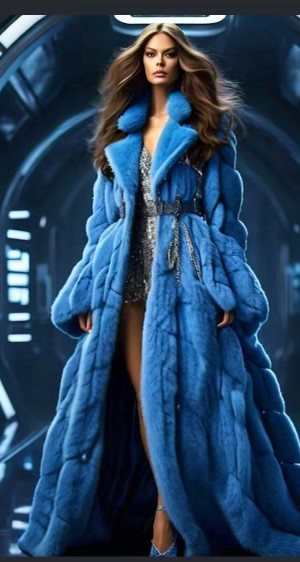
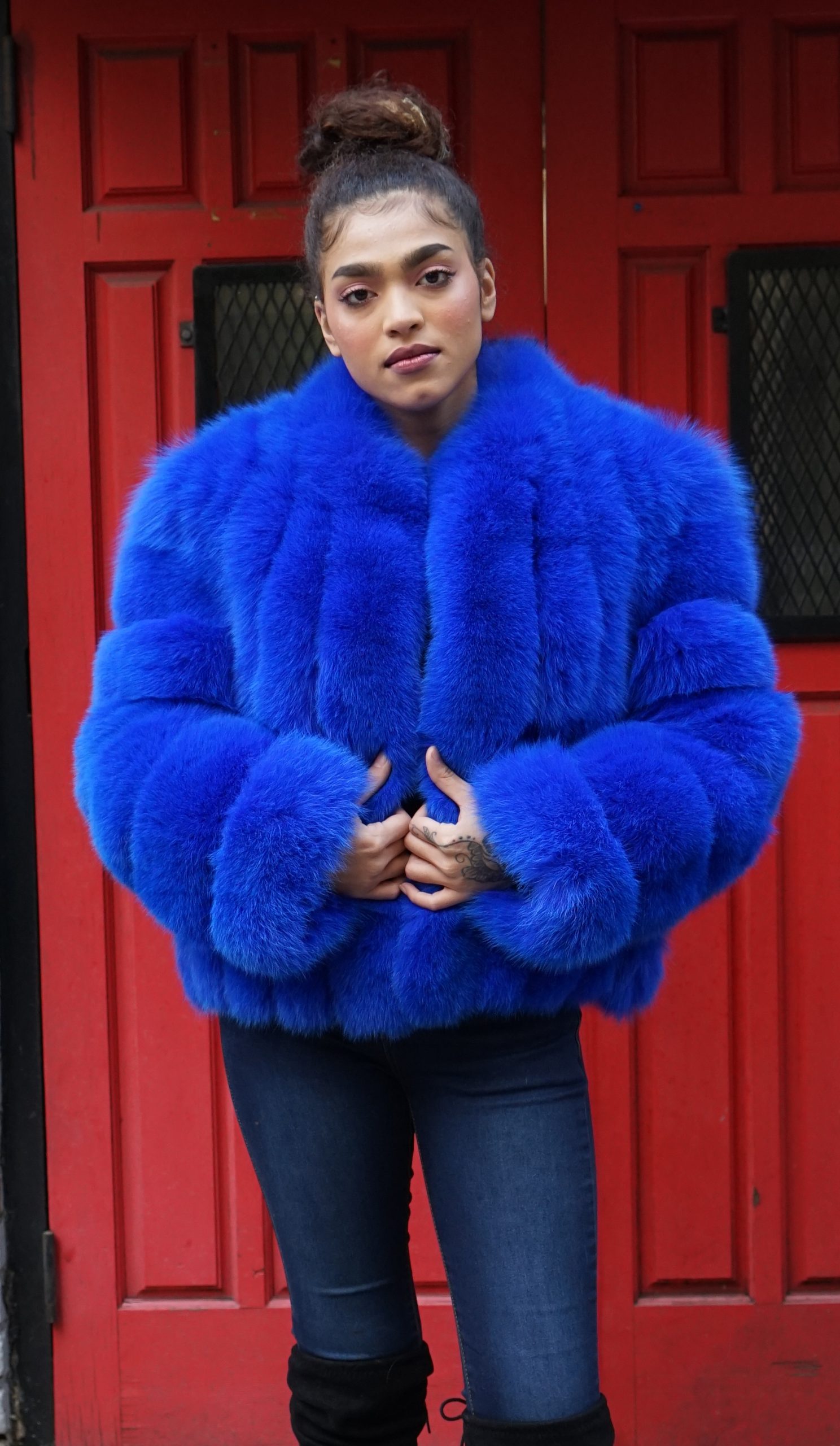
royal blue mink coat
  1. Consider your skin tone:
    • Cool-toned skin: If you have cool undertones in your skin, you may look great in colors like silver, gray, sapphire blue, or pastel shades.
    • Warm-toned skin: If you have warm undertones, colors such as rich browns, deep burgundies, golden yellows, and forest greens may complement your complexion.
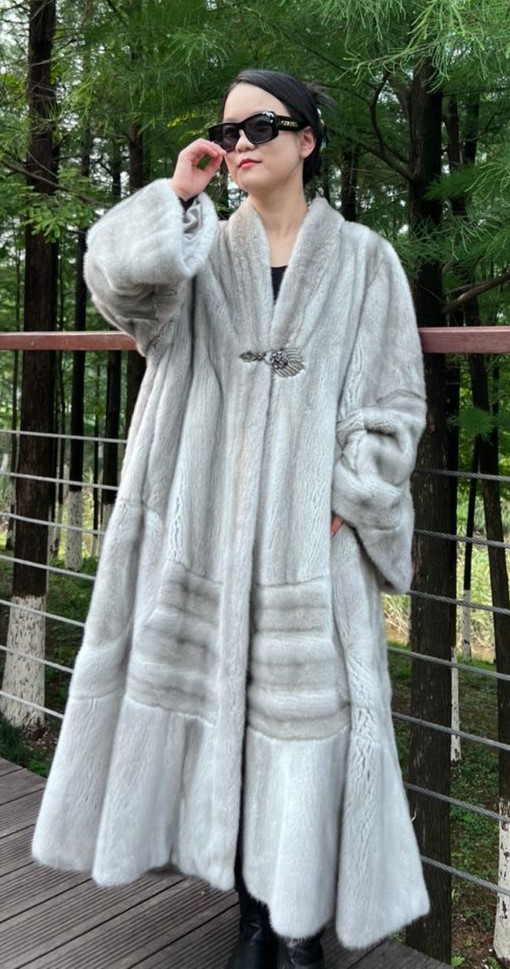
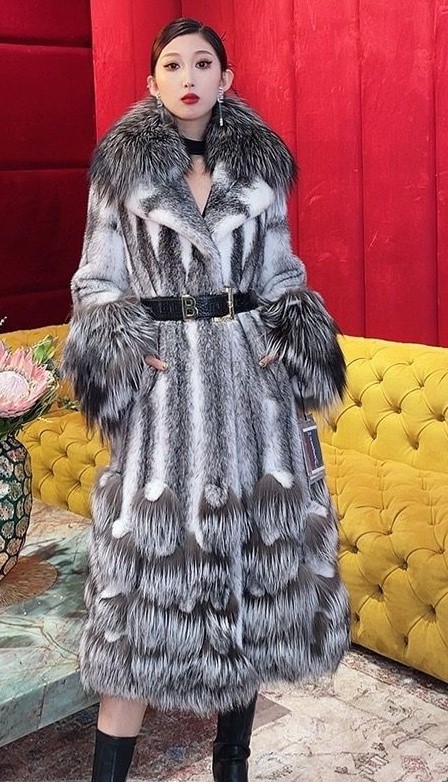
Sapphire Directional Mink Coat
  • Think about your wardrobe:
    • Choose a mink coat color that will harmonize with your existing wardrobe. Neutral colors like black, brown, and gray are versatile and easy to pair with various outfits.
    • If you want a statement piece, consider bold colors like red, royal blue, or emerald green.
  • Occasion and purpose:
    • Consider where and how often you plan to wear the mink coat. If it’s for formal events, a classic color like black or dark brown may be suitable. For casual wear, you could explore lighter or more vibrant colors.
    • If it’s for everyday use, think about practicality. Darker colors tend to hide stains and wear better over time.Personal style:
      • Your personal style and taste should play a significant role in color selection. If you have a preference for classic and timeless pieces, neutral colors might be your best choice. On the other hand, if you love making a fashion statement, bold and unique colors can be appealing.
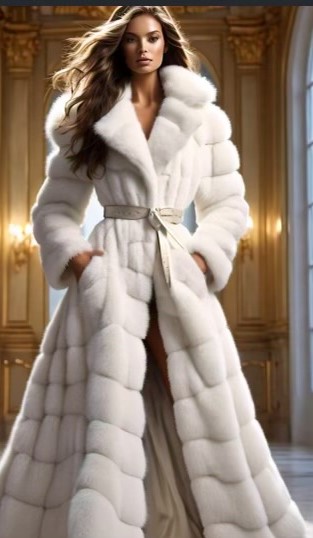
White Mink Coat Full Length
  • Trend vs. Timelessness:
    • Consider whether you want a mink coat that follows current fashion trends or one that will remain stylish for many years. Classic colors like black, brown, and gray are less likely to go out of style.
  • Try before you buy:
    • Whenever possible, try on different mink coat colors to see how they look against your skin and how they make you feel.
  • Seek advice:
    • Don’t hesitate to ask for advice from friends, family members, or a professional stylist if you’re uncertain about which color suits you best.
  • Quality matters:
    • Regardless of the color you choose, prioritize the quality of the mink fur. A well-made mink coat will not only look better but also last longer.
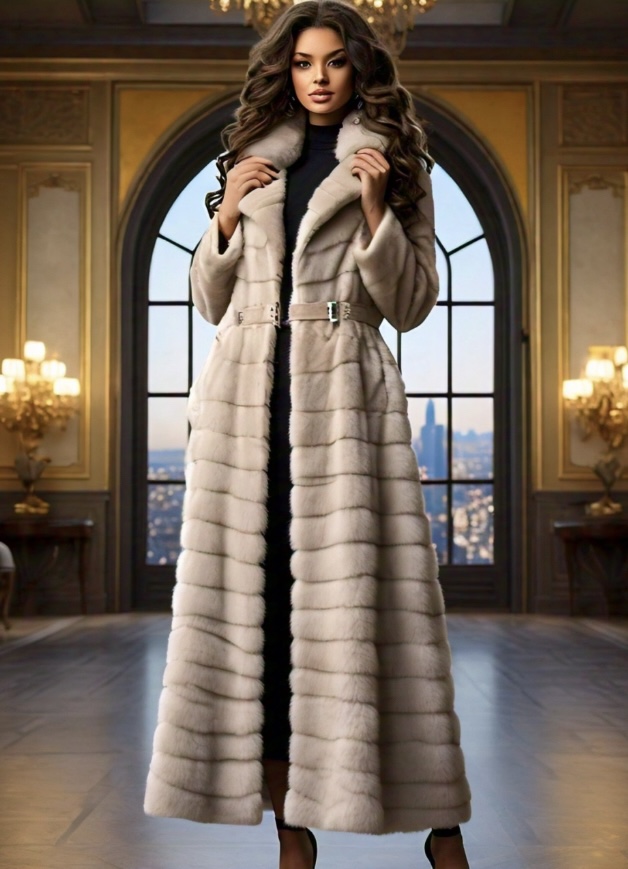
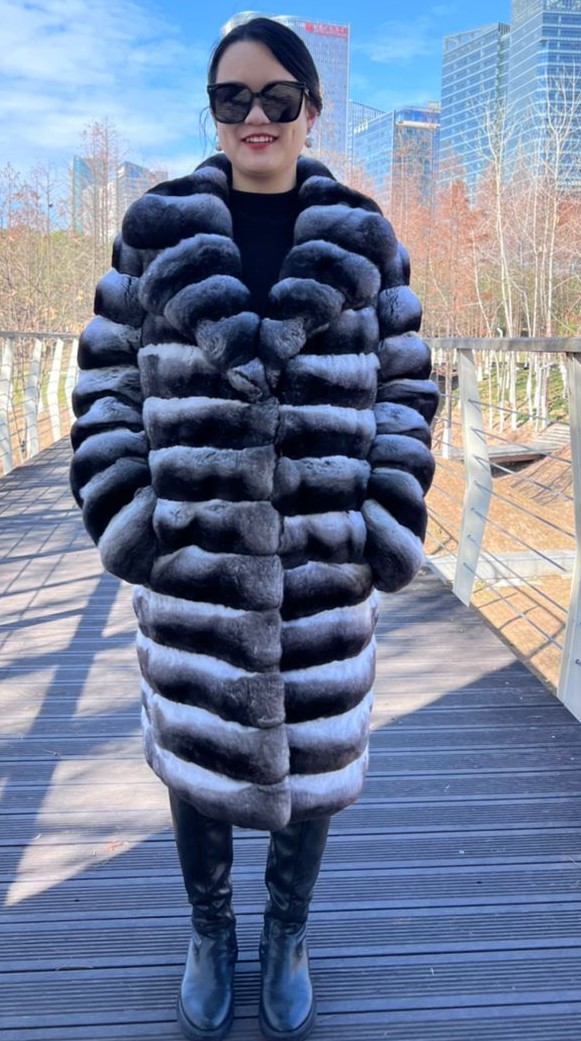
Tourmaline Mink Coat Horizontal Full Length

Remember that the choice of color ultimately depends on your personal preferences and what makes you feel confident and comfortable. Whether you opt for a classic, neutral color or something more unique, make sure the mink coat complements your style and enhances your overall appearance.
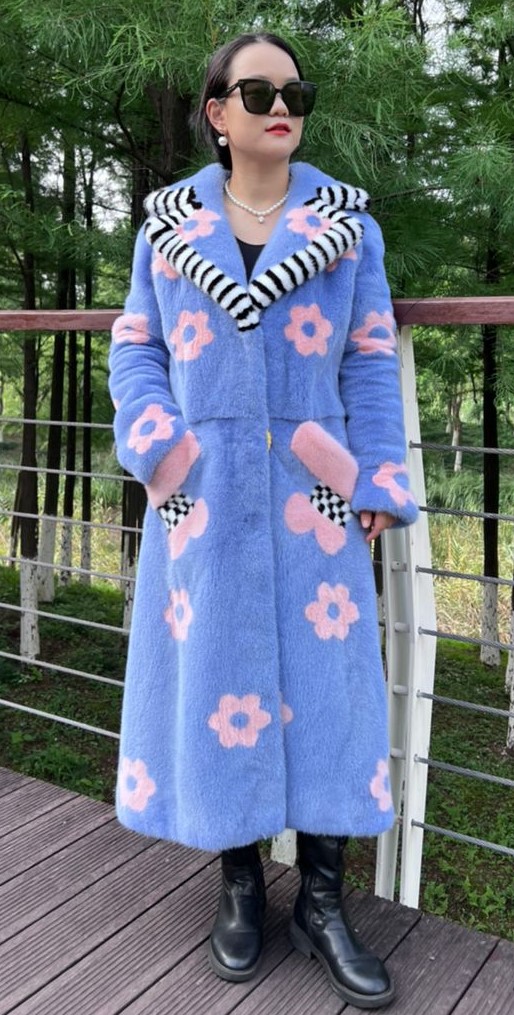
Designer Lavender Mink Coat

Marc Kaufman Furs

212 West 30th St

NYC NY 10001

212-563-3877
Posted on

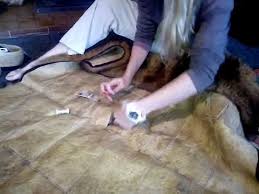
Remodel Mink Coat Into Fur Blanket

red fox fur blanket

Remodel Mink Coat Into Fur Blanket

Remodel Mink Coat Into Fur Blanket Repurposing a mink coat into a blanket is a creative and sustainable way to give new life to an old or unused garment.

Repurposing a mink coat into a blanket is a creative and sustainable way to give new life to an old or unused garment. However, it’s important to approach this project with care, as mink fur is delicate and requires special handling. Here’s a general guide on how you might go about transforming a mink coat into a blanket:

A professional Furrier is Recommended.

red fox fur blanket
red fox fur blanket

Materials and Tools Needed:

  1. Mink coat
  2. Lining fabric (optional)
  3. Sewing machine or needle and thread
  4.  
  5. Measuring tape
  6. Pins
  7. Fabric marker or chalk
Fur sewing machine
Fur sewing machine

Steps:

  1. Assess the Coat: Examine the mink coat to determine its size and condition. Make sure it’s clean and in good shape, as you don’t want to use damaged fur for your blanket.
  2. Decide on the Size: Decide how large you want your blanket to be. You can choose to use the entire coat or just a portion of it, depending on your preferences and the size of the coat.
  3. Cut the Coat: Using a furrier knife, carefully cut the mink coat according to your desired size and shape. Be precise and take your time to ensure even edges.
  4. Lining (Optional): If you want to add a lining to your blanket for extra warmth or to enhance its appearance, cut a piece of lining fabric to the same size as your mink fur piece.
  5. Pin and Sew: If you’re using a lining, pin the mink fur piece and the lining fabric together with the fur side facing inwards. Leave a small opening for turning the blanket right side out. If you’re not using a lining, skip this step.
  6. Sew the Edges: Using a sewing machine or hand stitching, sew along the edges, leaving the small opening you created in step 5. Make sure to use a strong and appropriate needle and thread for sewing fur.
  7. Turn Right Side Out: Carefully turn the blanket right side out through the opening you left. Be gentle with the mink fur to avoid damaging it.
  8. Close the Opening: Hand stitch or machine sew the opening closed.
  9. Re-block Coat: Lay coat on table, slightly dampen coat and stretch until garment is flat or in the shape that you are looking for. Do not over dampen, because fur can tear easily
  10. Finish the Edges (Optional): If desired, you can add a decorative border or trim to the edges of your mink fur blanket for a polished look.
  11. Care and Maintenance: Mink fur requires special care. Avoid exposing it to direct sunlight, excess moisture, and heat. Store it in a cool, dry place and consider professional cleaning when necessary.

Please note that repurposing a mink coat into a blanket may not be to everyone’s taste, as it involves altering a luxury item. Consider the sentimental and ethical aspects of such a project before proceeding. Additionally, if you’re unsure about any of the steps or lack the necessary sewing skills, it’s a good idea to consult a professional furrier or tailor for guidance and assistance.

Expert Fur Repairs
Expert Fur Repairs

Marc Kaufman Furs 

212 West 30th St

NYC NY 10001

212-563-3877
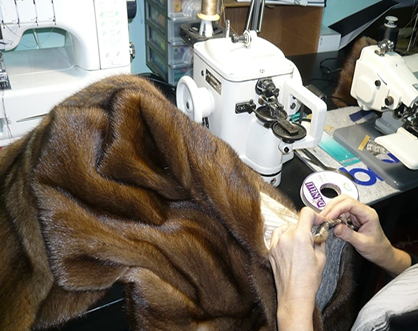
Fur expert in fur remodeling and repairs

Posted on

LEARN THE FUR TRADE

Fur sewing machine
Learning about the fur trade involves understanding its historical significance, economic aspects, social impact, and the various players involved. Here’s a step-by-step guide on how to learn about the fur trade:
  1. Start with Background Research:
    • Begin by researching the fur trade’s history, which spans several centuries and regions. Understand the different eras, locations, and key players involved.
  2. Read Books and Articles:
    • Look for reputable books and academic articles on the fur trade. Some classic texts include “The Fur Trade in Canada” by Harold Innis and “Empire of the Bay” by Peter C. Newman.
  3. Visit Museums and Exhibits:
    • Many museums, especially in regions with a strong fur trade history (such as Canada and the American Midwest), have exhibits dedicated to the fur trade. These can provide a hands-on learning experience.
  4. Online Resources:
    • Explore online resources, including websites, documentaries, and academic papers. Websites like the Canadian Museum of History and the Hudson’s Bay Company Archives offer valuable information.
Fur Coat Repairs Are Us Marc Kaufman Furs
  • Join a Historical Society:
    • Consider joining a local historical society or fur trade reenactment group. These organizations often offer educational programs, events, and access to experts.
  • Watch Documentaries and Films:
    • There are several documentaries and historical films that cover the fur trade. Examples include “The Fur Trade” by PBS and “The Revenant” (though it’s a fictionalized account, it provides some insights).
  • Study the Economics:
    • Understand the economic aspects of the fur trade, including its impact on global trade, the role of fur companies like the Hudson’s Bay Company and the North West Company, and the development of trading posts.
    • Learn About Indigenous Involvement:
      • Recognize the vital role that Indigenous peoples played in the fur trade. Study their cultures, languages, and the treaties and agreements that shaped their interactions with European fur traders.
  • Read Primary Sources:
    • Delve into primary sources such as journals, diaries, and letters from fur traders and explorers. These can offer firsthand accounts of the fur trade.
  • Visit Historic Sites:
    • If possible, visit historic fur trade sites like trading posts, forts, and rendezvous locations. Walking in the footsteps of fur traders can provide a deeper understanding.
  • Attend Lectures and Seminars:
    • Look for lectures, seminars, and conferences related to the fur trade. These events often feature experts who can provide valuable insights.
  • Engage in Discussions:
    • Join online forums, discussion groups, or social media communities dedicated to fur trade history. Engaging in conversations with others who share your interest can enhance your learning.
  • Take Courses or Classes:
    • If you’re particularly passionate about the fur trade, consider enrolling in courses or workshops offered by universities or educational institutions.
  • Write or Create:
    • Summarize what you’ve learned through writing articles, essays, or creating presentations or videos. This can help reinforce your knowledge and share it with others.

LEARN THE FUR TRADE involves understanding its historical significance, economic aspects, social impact, and the various players involved.

Fur sewing machine
Fur sewing machine
  • Stay Updated:
    • Keep up with new research and discoveries related to the fur trade. The field of historical studies is continually evolving.

Remember that learning about the fur trade is a multi-faceted journey that can involve a combination of historical research, cultural exploration, and engagement with experts and enthusiasts. Be open to different perspectives and interpretations as you deepen your understanding of this important historical phenomenon.

Posted on

100 Reasons to Purchase a Mink Coat

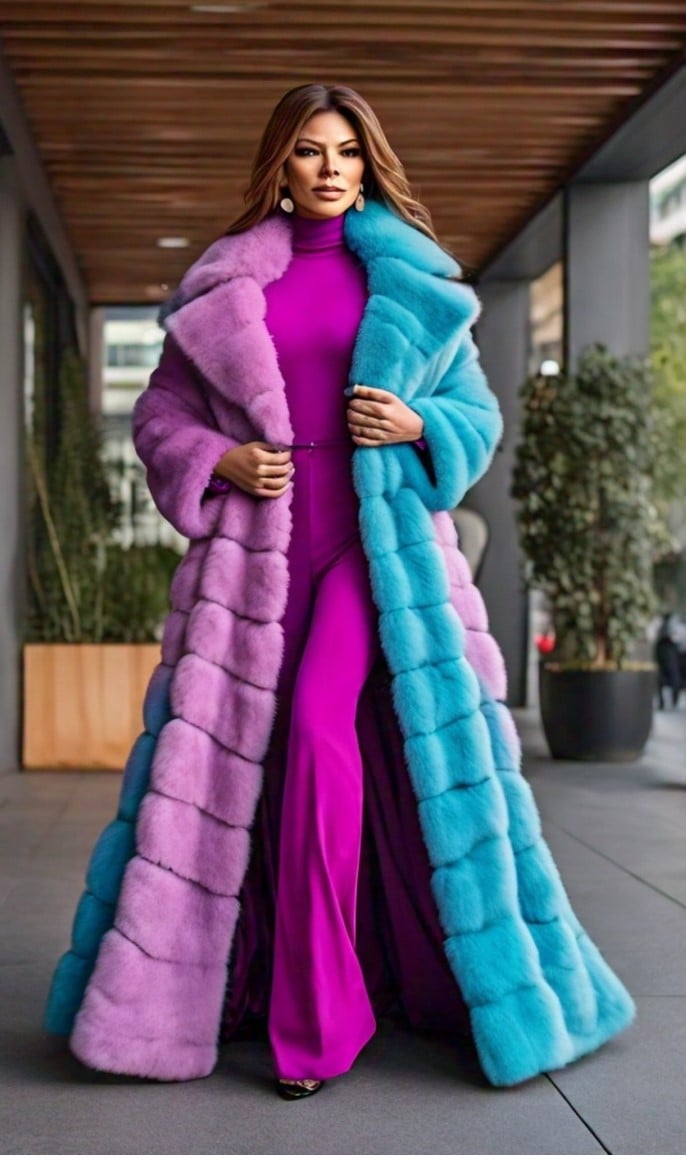
Designer Turquoise Blue and lilac Fill length Mink Coat

100 Reasons to Purchase a Mink Coat

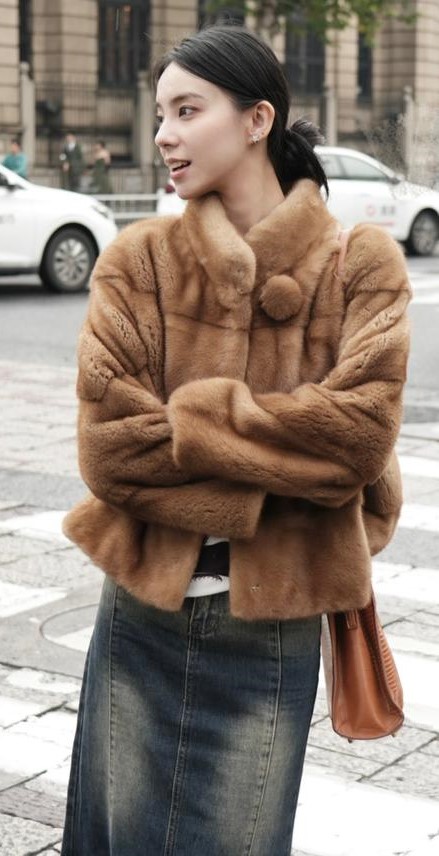
Horizontal Whiskey Mink Jacket

100 Reasons to Buy a Mink Coat

  1. Luxurious warmth and comfort.
  2. Classic and timeless fashion statement.
  3. Exceptional softness of mink fur.
  4. Durability and longevity.
  5. Natural insulation against the cold.
  6. Exquisite texture and sheen.
  7. Superior craftsmanship in mink coat design.
  8. A symbol of affluence and status.
  9. Keeps you warm in extremely cold climates.
  10. Customizable styles to suit individual preferences.
  11. Resale value for vintage mink coats.
  12. Soft and supple feel against the skin.
  13. Excellent draping and tailoring.
  14. Attention to detail in mink coat construction.
  15. Traditional elegance for formal occasions.
  16. Provides a sense of luxury.
Designer Lavender Mink Coat
  • Unique and distinctive look.
  • Versatile for both casual and formal wear.
  • A luxurious gift for a loved one.
  • Tradition is passed down through generations.
  • Investment in a high-quality garment.
  • Low maintenance compared to other materials.
  • Mink fur’s natural color variations.
  • Biodegradable and eco-friendly when cared for properly.
  • Natural, renewable resource.
  • Reduced need for synthetic alternatives.
  • Supports furriers and artisans.
  • Wide range of mink fur colors.
  • Breathable and moisture-wicking.
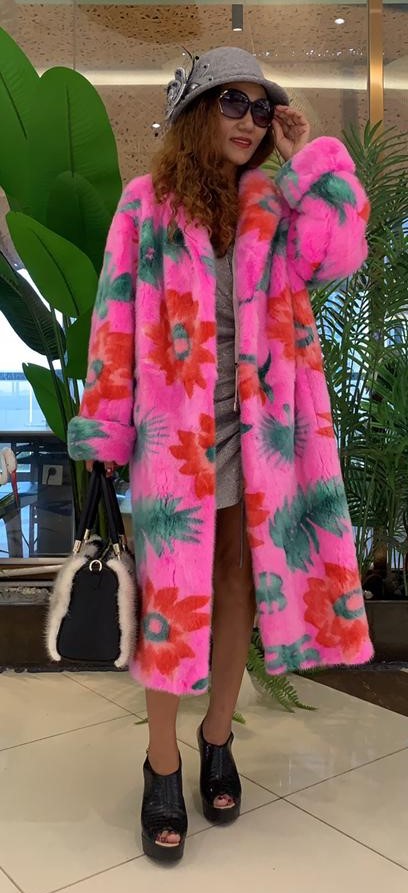
Colorful Mink Coat
Colorful Mink Coat
  • Exceptional insulating properties.
  • Reduces the need for layering in cold weather.
  • Impervious to wind and moisture.
  • Mink coats are hypoallergenic.
  • Natural resistance to odors.
  • Reduces the carbon footprint by lasting longer.
  • Time-tested material for cold weather fashion.
  • Ability to create intricate designs.
  • Classic Hollywood glamour.
  • Unique patterns in natural fur.
  • Sustainably sourced mink fur.
  • Vintage mink coats have historical value.
  • An heirloom piece for future generations.
  • Custom sizing for a perfect fit.
  • The artistry of furrier craftsmanship.
Sapphire Directional Mink Coat
  • Soft and lightweight compared to other materials.
  • Exceptional attention to detail in finishing.
  • Available in a variety of styles.
  • Mink fur’s ability to capture and reflect light.
  • Adds a touch of opulence to any outfit.
  • Superior quality compared to faux fur.
  • A sense of exclusivity and rarity.
  • A versatile wardrobe staple.
  • Wide range of natural mink fur colors.
  • Elevates any outfit instantly.
  • Exceptional softness and silkiness.
  • Mink coats are highly customizable.
  • Can be handed down as an heirloom.
  • Ideal for cold, formal events.
  • Reduces the need for layering.
  • Provides full coverage in extreme cold.
  • No need for bulky winter wear.
  • Suitable for both men and women.
  • Luxurious lining options.
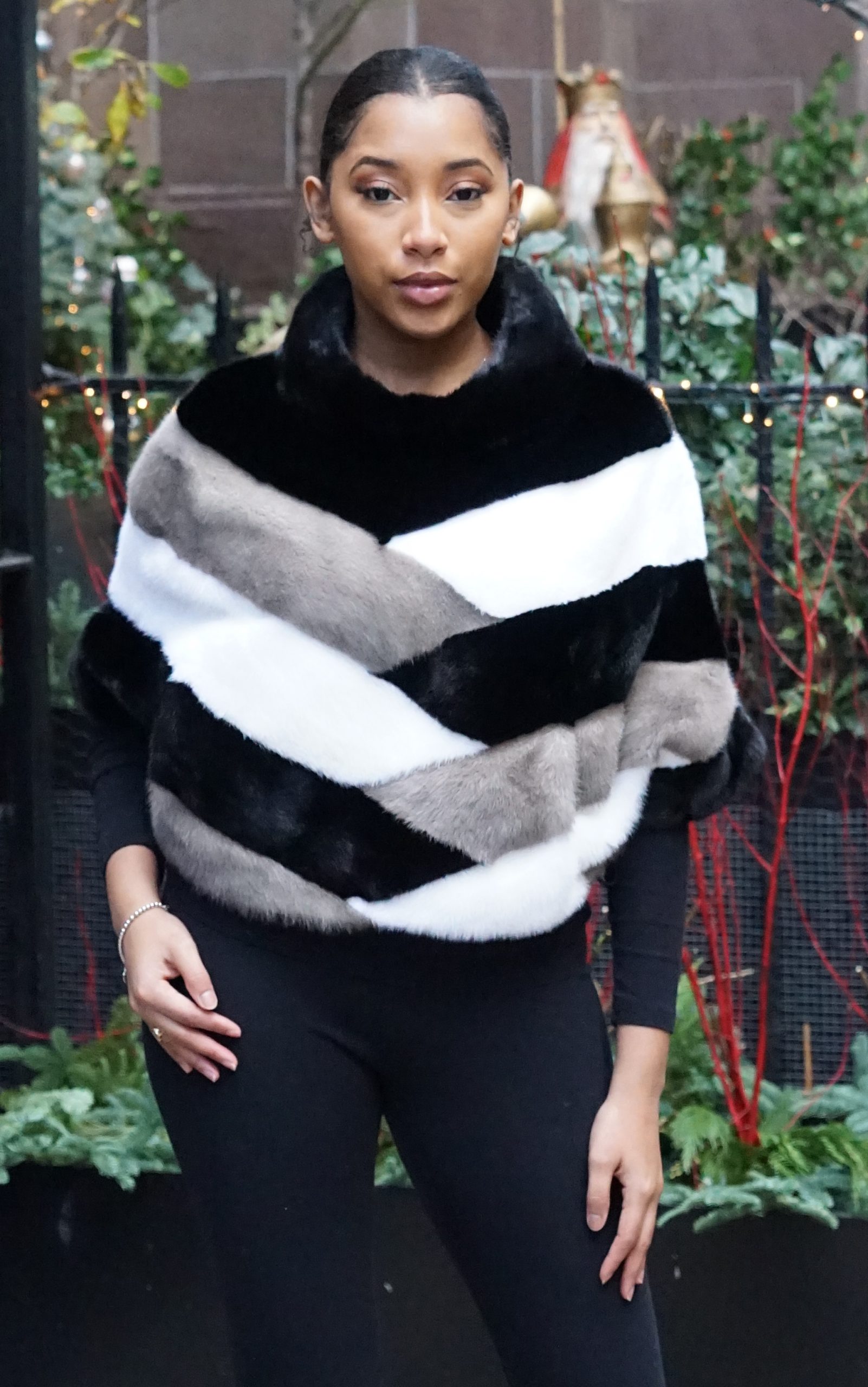
Multi Colored Mink Pullover
  • Ethical and sustainable fur sourcing.
  • Mink fur is biodegradable.
  • Natural warmth without excessive bulk.
  • Low environmental impact when properly cared for.
  • Enhances any fashion ensemble.
  • Long-lasting investment.
  • Exceptional thermal insulation.
  • Adds a touch of sophistication.
  • Mink fur’s natural water repellency.
  • Provides a sense of indulgence.
  • Available in various lengths.
  • Mink coats are a symbol of opulence.
  • Reflects a refined sense of style.
  • A testament to fine craftsmanship.
  • Mink fur’s adaptability to various styles.
  • Effortlessly elevates your fashion game.
  • Mink fur is naturally hypoallergenic.
  • Warmth without sacrificing style.
  • Sustainability efforts in fur production.
  • Supports local fur industry.
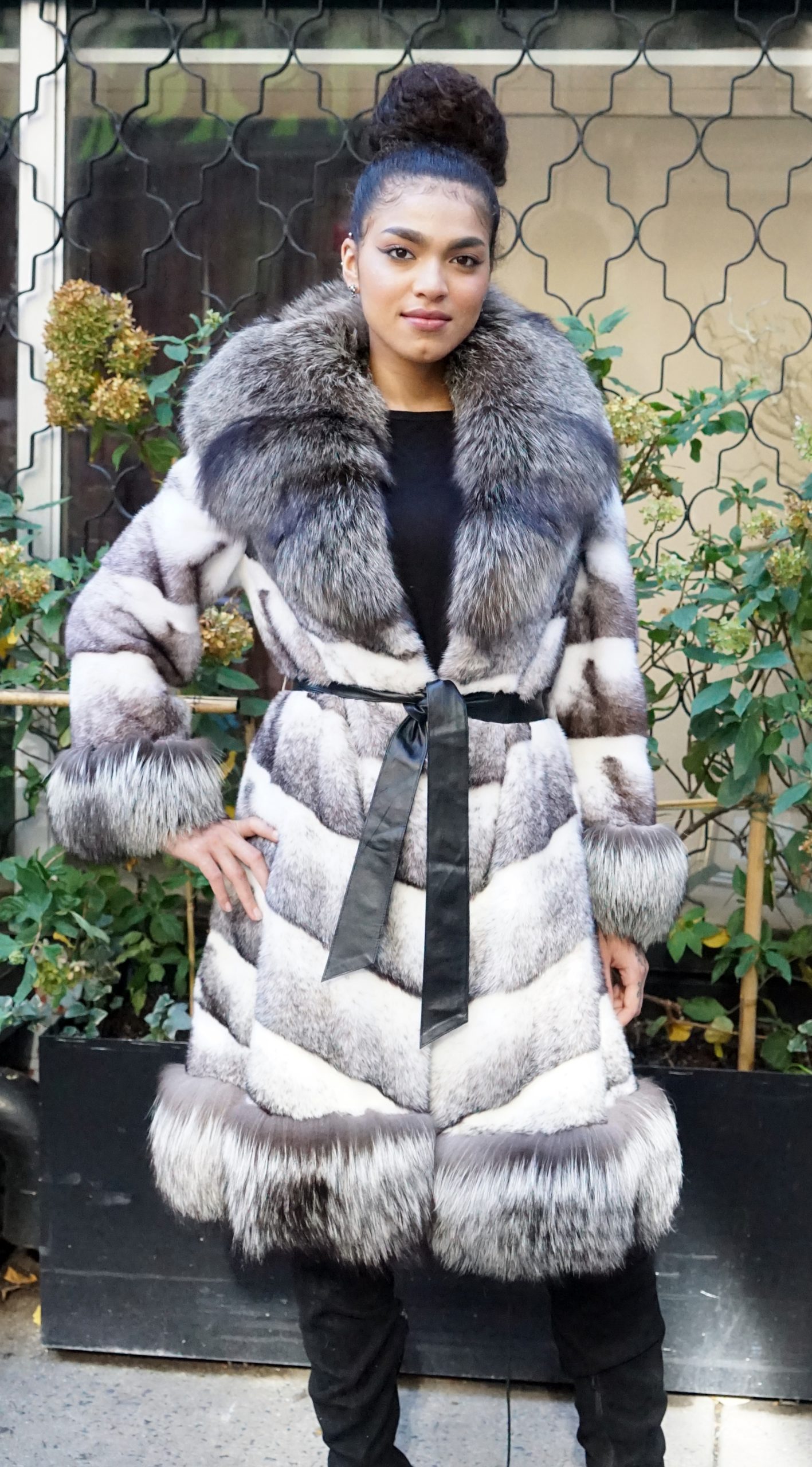
Black Cross Mink Coat Silver Fox Trim
  • A distinctive and personalized fashion statement.
  • Handmade mink coats showcase artistry.
  • Low-maintenance luxury.
  • Mink coats offer unmatched softness.
  • Exceptional cold-weather protection.
  • Perfect for formal occasions.
  • Mink fur’s ability to retain heat.
  • Contributes to sustainable fur farming practices.
  • Reflects timeless elegance.
  • A symbol of status and refinement.
  • Mink fur is a renewable resource.
  • Naturally resists wear and tear.
  • Provides a feeling of indulgence.
  • Reduces the need for synthetic alternatives.
  • Fur coats have been cherished for centuries.
  • Marc Kaufman Furs

100 Reasons to Purchase a Mink Coat Luxurious warmth and comfort. Classic and timeless fashion statement. Exceptional softness of mink fur.

Posted on

100 Reasons Real Fur Warmer Than Faux Fur

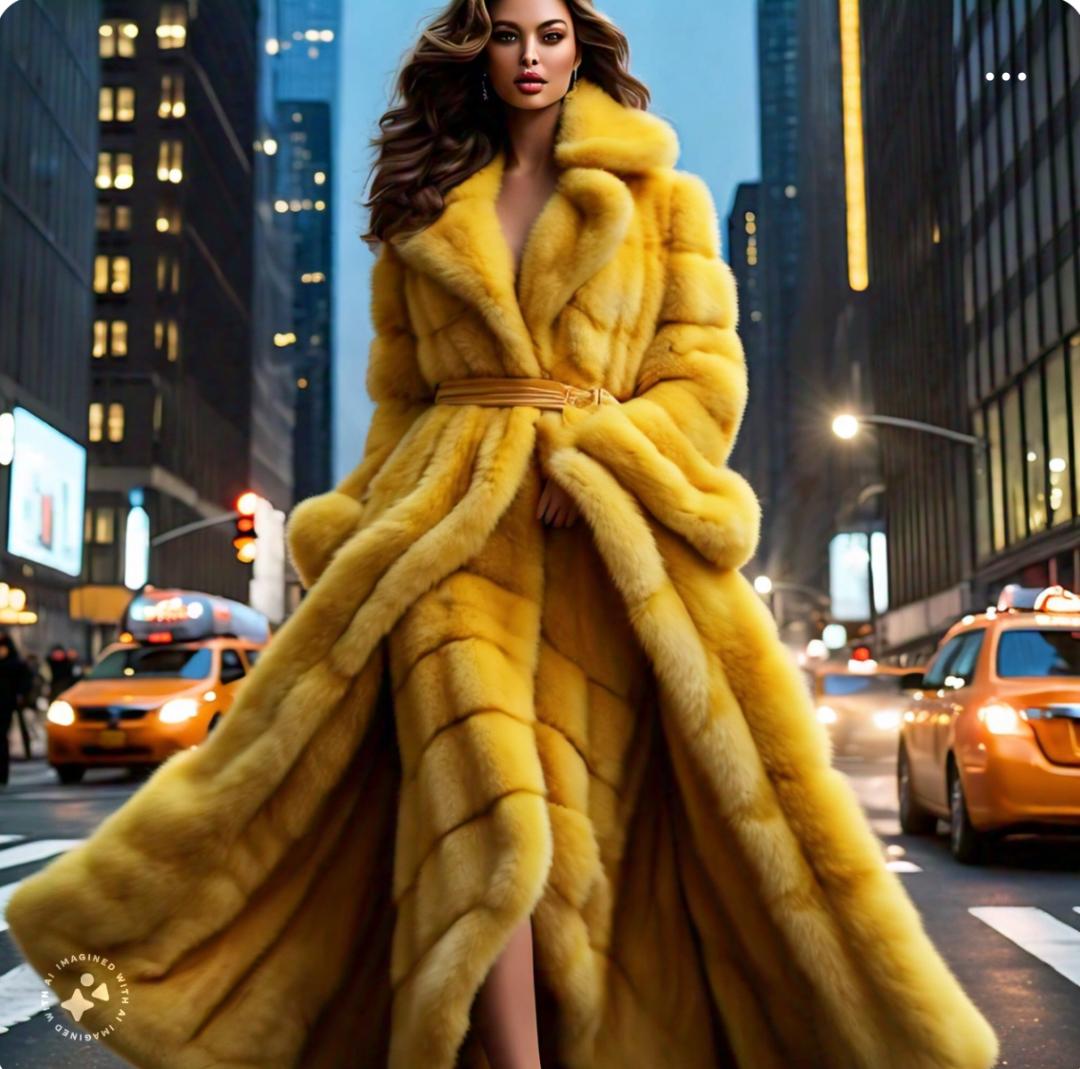
Full Length Yellow Mink Coat
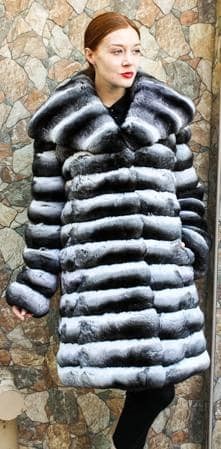
Horizontal Chinchilla Coat

Fur coats, made from genuine animal fur, have several characteristics that can make them warmer than faux fur coats.  Here are 100 reasons why fur coats can be warmer than faux fur coats:

  1. Natural Insulation: Fur is an excellent natural insulator, thanks to the air trapped within its fibers.
  2. Density: Fur is densely packed with fibers, creating a thick insulating layer.
  3. Thermal Efficiency: Fur traps and retains heat efficiently.
  4. Breathability: Fur allows moisture to escape while keeping you warm.
  5. Moisture Resistance: Some fur types, like mink, are naturally resistant to moisture, helping to keep you dry and warm.
  6. Wind Resistance: Fur’s natural density provides protection against cold winds.
Black Cross Mink Coat Silver Fox Trim
  • Regulates Temperature: Fur helps regulate body temperature, preventing overheating.
  • Lightweight: Fur provides warmth without the bulkiness of some synthetic materials.
  • Softness: Fur’s softness and plushness enhance warmth and comfort.
  • Layering: Fur allows for layering, increasing warmth.
  • Longevity: High-quality fur coats can last for decades, providing consistent warmth.
  • Biodegradable: Fur is a natural, biodegradable material.
  • Sustainability: Ethical fur farming practices can be sustainable and environmentally responsible.
  • Natural Variations: Different fur types have varying warmth properties, allowing for customization.
  • Draping: Fur coats drape well, minimizing heat loss.
  • Reflective: Fur reflects heat back to the body.
Pink Fox Hooded Jacket
  • Adaptability: Fur can adapt to a range of temperatures.
  • Traditional Insulation: Fur has been used for warmth for centuries.
  • Microclimate: Fur creates a microclimate close to the skin, maintaining warmth.
  • Multi-Layered Fur: Some fur coats have multiple layers for enhanced insulation.
  • Winter-Ready: Fur is well-suited for extreme cold.
  • Natural Lining: Fur-lined coats provide warmth from the inside.
  • No Synthetic Fibers: No synthetic fibers that may not insulate as effectively.
  • Minimal Seams: Fewer seams mean fewer opportunities for cold air to enter.
  • Natural Oil Layer: Fur retains a natural oil layer for added insulation.
  • Custom Sizing: Fur coats can be custom-fitted for maximum warmth.
  • Pelts: Fur pelts are strategically placed for warmth and comfort.
  • Pelt Thickness: The thickness of fur pelts contributes to insulation.
  • Temperature Range: Fur coats are designed for specific temperature ranges.
  • Fur Layers: Fur coats may have multiple fur layers for added warmth.
  • Hood Options: Fur-trimmed hoods offer added warmth for the head.
  • Collar Styles: High collars in fur coats protect against cold drafts.
  • Resistant to Compression: Fur doesn’t lose its insulating properties when compressed.
Royal Blue Fox Jacket
  • Low Maintenance: Fur coats require minimal care to maintain warmth.
  • Versatile Styles: Fur coats come in various styles suitable for different cold conditions.
  • Heritage Craftsmanship: Expert craftsmanship ensures maximum warmth.
  • Natural Texture: Fur’s texture enhances warmth by trapping air.
  • Vintage Warmth: Vintage fur coats retain their warmth over time.
  • Consistent Warmth: Fur provides even warmth across the body.
  • Warmth at Sub-Zero Temperatures: Fur excels in extreme cold.
  • Non-Allergenic: Natural fur is generally non-allergenic, reducing skin irritation.
  • Low Thermal Conductivity: Fur has low thermal conductivity, minimizing heat loss.
  • Heat Retention: Fur retains heat even when exposed to cold conditions.
  • Inherent Properties: Fur’s natural properties contribute to warmth.
  • Natural Color Options: Different fur colors absorb heat differently, offering customization.
  • Sustainable Sourcing: Ethical fur sourcing can support sustainability.
  • Vintage Elegance: Vintage fur coats exude timeless elegance while providing warmth.
  • Cold-Weather Fashion: Fur is synonymous with cold-weather fashion.
  • Fur Lining: Fur-lined gloves, hats, and accessories add warmth.
  • Traditional Luxury: Fur is associated with luxury and opulence.
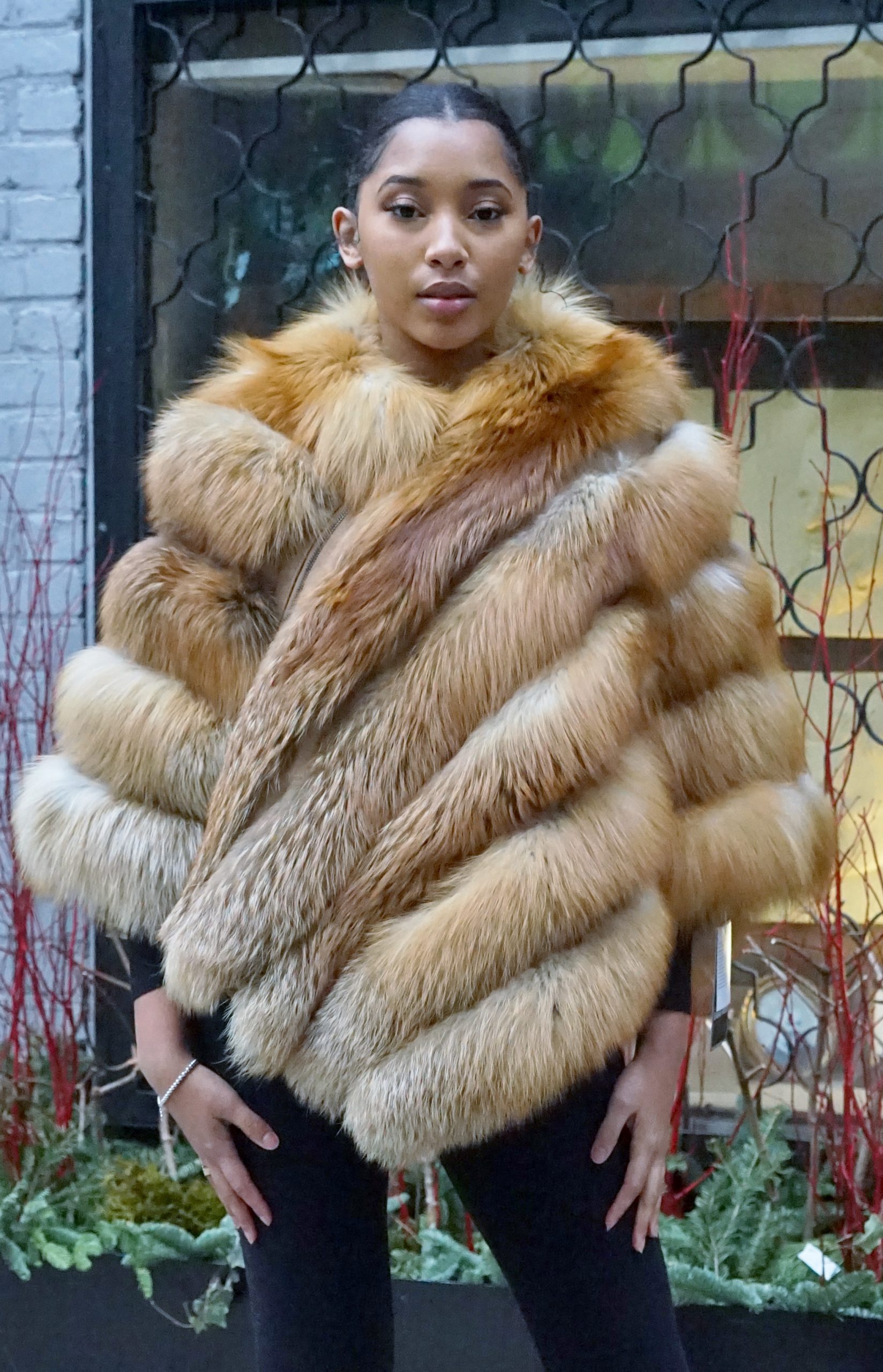
Red Fox Diagonal Poncho
  • Artisanal Quality: Artisans create fur coats with a focus on warmth.
  • Cold-Weather Formalwear: Fur is ideal for formal occasions in winter.
  • Texture Variations: Fur textures offer unique warmth experiences.
  • Body Heat Retention: Fur helps the body retain its heat.
  • Customizable Lengths: Fur coat lengths can be tailored for maximum warmth.
  • Microclimate Control: Fur regulates a personal microclimate for warmth.
  • Classic Elegance: Fur is a classic choice for timeless warmth.
  • Wearable Heirlooms: Fur coats can be passed down through generations.
  • Indulgent Warmth: Wearing fur feels indulgent due to its warmth.
  • Natural Resistance to Odors: Fur resists retaining odors, staying fresh.
  • Cold-Weather Accessories: Fur accessories enhance warmth in cold conditions.
  • Natural Sheen: Fur’s natural sheen enhances warmth.
  • Natural Water Resistance: Some fur types are naturally water-resistant, enhancing warmth in wet conditions.
  • Breathable Layer: Fur acts as a breathable insulating layer.
  • Enhanced Elegance: Fur adds an element of elegance to warmth.
  • Minimal Heat Transfer: Fur minimizes heat transfer to the environment.
  • Cold-Weather Luxury: Fur is synonymous with luxury in cold climates.
  • Temperature Regulation: Fur regulates temperature fluctuations for warmth.
  • Eco-Friendly Sourcing: Ethical fur sourcing supports eco-friendly practices.
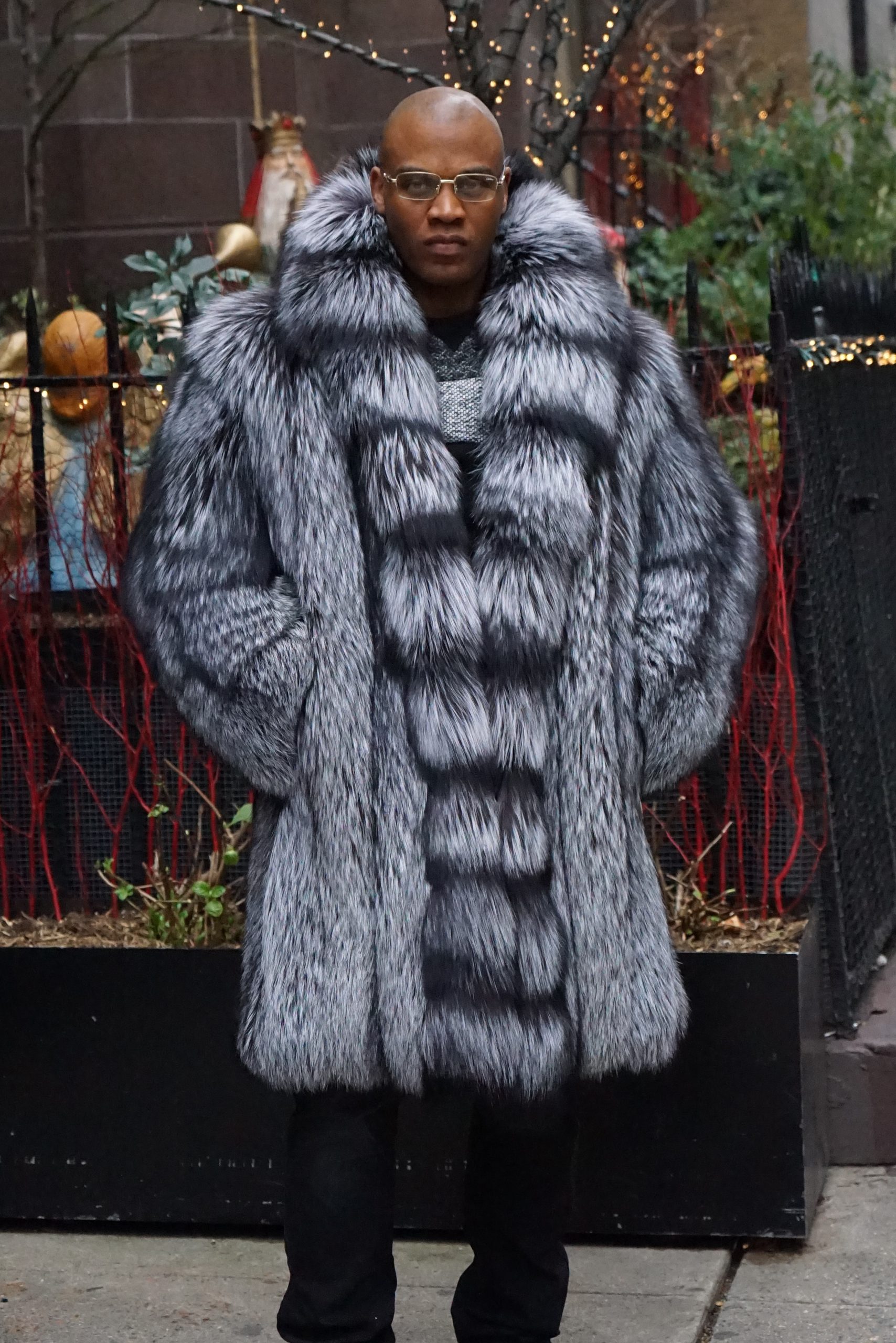
Men's Silver Fox Stroller
Men’s Silver Fox Stroller
  • Reduced Carbon Footprint: Fur’s durability reduces the need for frequent replacements, lowering the carbon footprint.
  • Custom Fur Blends: Some fur coats blend different fur types for optimal warmth.
  • Full-Coverage Protection: Fur coats provide full-body warmth and coverage.
  • Exceptional Draping: Fur drapes well for heat retention.
  • Tailored for Warmth: Fur coats can be tailored for warmth and style.
  • Artistry in Fur Craftsmanship: Fur craftsmanship focuses on creating warmth.
  • Low Environmental Impact: Properly cared-for fur coats have a low environmental impact.
  • Naturally Hypoallergenic: Fur is naturally hypoallergenic, reducing skin irritations.
  • Effortless Warmth: Fur offers warmth without extra effort.
  • Exceptional Cold-Weather Protection: Fur is designed for cold-weather protection.
  • Warmth Without Bulk: Fur provides warmth without feeling bulky.
  • Natural Warmth Retention: Fur naturally retains warmth.
  • Reduces Need for Layering: Fur coats eliminate the need for excessive layering.
  • Classic Hollywood Warmth: Fur embodies Hollywood glamour and warmth.
  • Ethical Fur Farming: Ethical fur farming practices promote warmth.
  • Customizable Warmth: Fur coat designs can be customized for maximum warmth.
  • Resale Value: Vintage fur coats retain their warmth and resale value.
  • Symbol of Opulence: Fur is a symbol of opulence and warmth.
  • Reflects Refined Taste: Fur reflects a refined sense of warmth and style.
  • Biodegradable Warmth: Fur is biodegradable, contributing to eco-friendly warmth.
  • Sustainable Fur Industry: Ethical fur industry practices support sustainability.
  • Warmth for Future Generations: Fur coats can be heirlooms, passing warmth to future generations.
  • Personalized Warmth: Fur offers personalized warmth experiences.
  • Warmth for All Genders: Fur is suitable for both men and women.
  • Warmth from the Inside: Fur-lined coats provide warmth from within.
  • Warmth with Versatility: Fur offers warmth for various occasions.

100 Reasons Real Fur Warmer Than Faux Fur, Fur coats, made from genuine animal fur, have several characteristics that can make them warmer than faux fur coats.

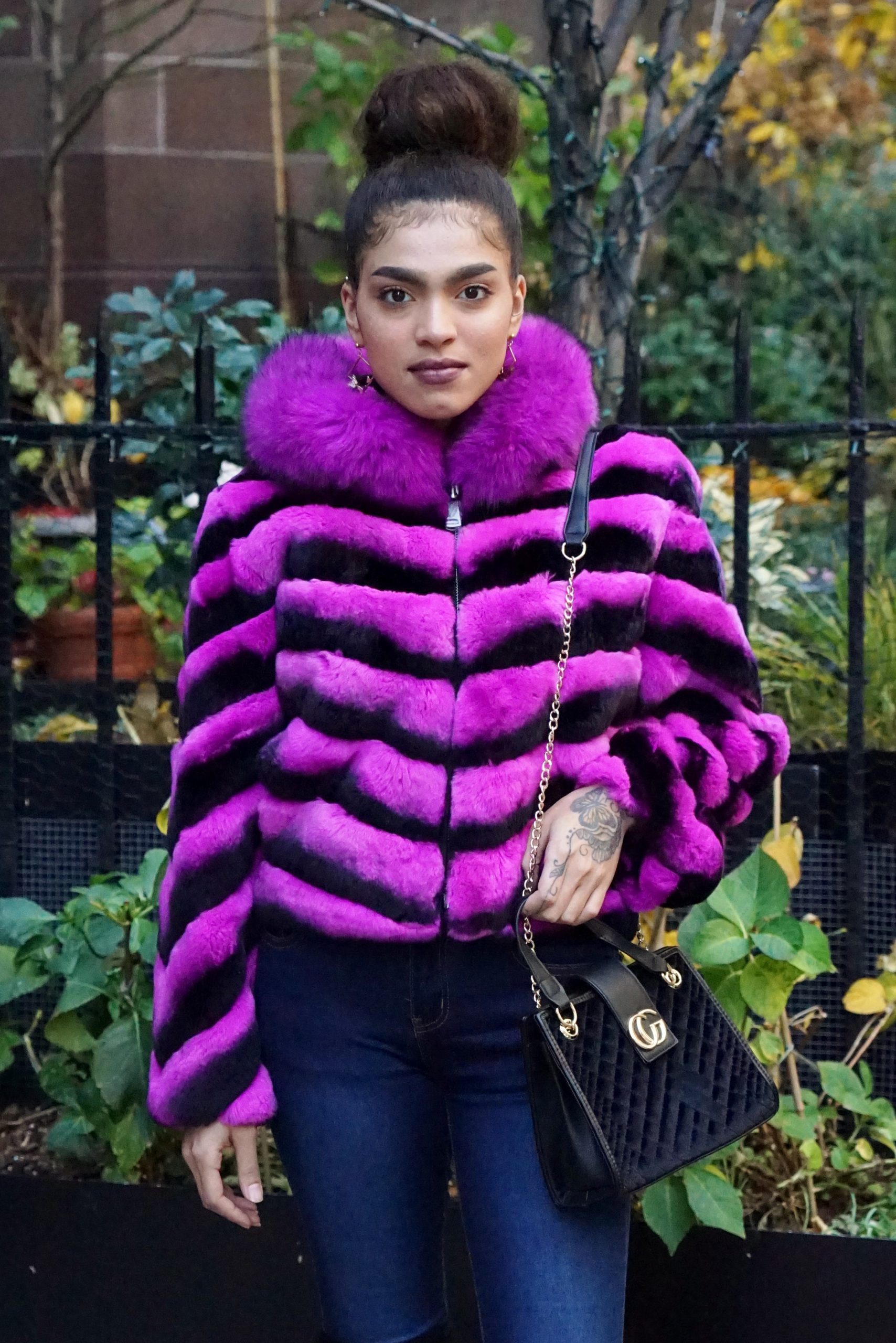
Fuchsia Rex Rabbit Hooded Jacket Fox Trim
  • Vintage Warmth Preservation: Vintage fur coats preserve their warmth over time.
  • Warmth for Cold-Weather Adventures: Fur is ideal for cold-weather adventures.
  • Reduced Heat Loss: Fur minimizes heat loss, maximizing warmth.
  • Naturally Warm Colors: Natural fur colors provide additional warmth.
  • Effortless Warmth Enhancement: Adding fur trims enhances warmth effortlessly.

It’s important to remember that while fur coats have unique qualities that contribute to warmth, faux fur, and other synthetic materials have made significant advancements in replicating the warmth and comfort of genuine fur.

Marc Kaufman Furs

Posted on

Where to Wear Your Fur in NYC

Fur Store NYC

Where Can I Wear fur Coat in NYC

The following are lists of places you can wear your fur coat in NYC

Where to Wear Your Fur in NYC is very much in fashion. There are so many places you can wear fur in NYC during the cold winter months.

Furs are very much in fashion. There are so many place you can wear a fur in NYC during the cold winter months.

Cold Weather Spots:

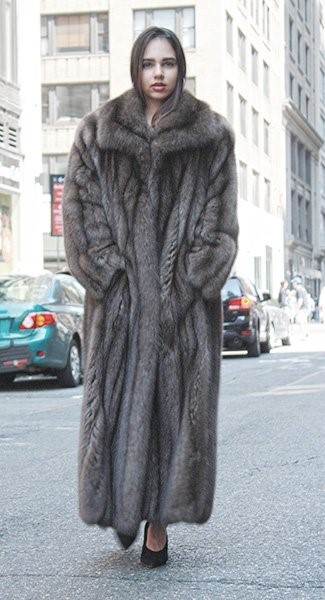
Full-length Russian Sable Coat    
Full-length Russian Sable Coat
  1. Central Park in winter
  2. Ice skating at Wollman Rink
  3. The High Line on a chilly day
  4. Times Square during the holiday season
  5. Rockefeller Center ice skating rink
  6. Bryant Park Winter Village
  7. Walking along the Hudson River
  8. Strolling through Battery Park
  9. East River Esplanade
  10. The Brooklyn Bridge in winter
  11. Visiting the Statue of Liberty on a cold day
  12. Exploring Roosevelt Island

Cultural and Entertainment Venues:

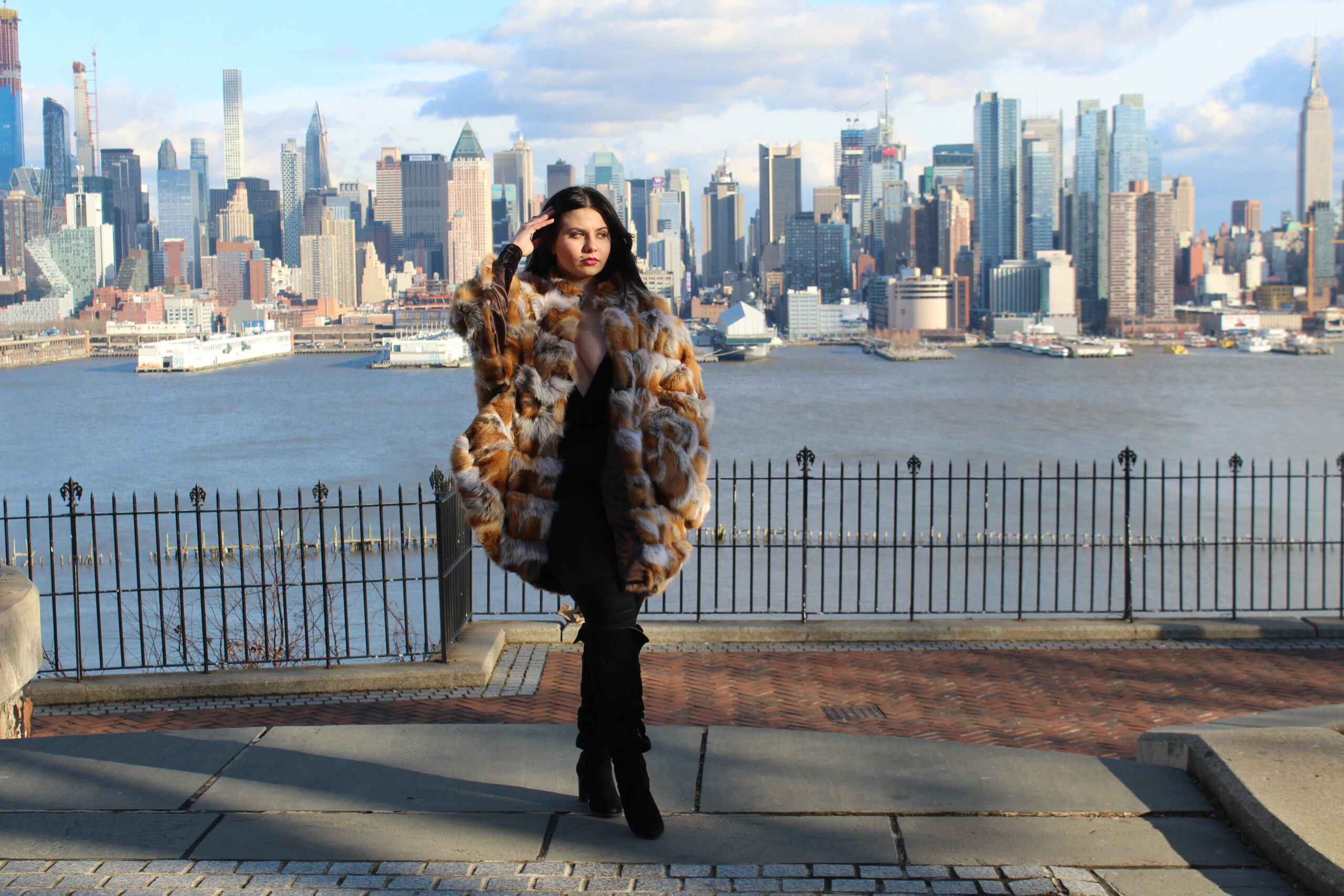
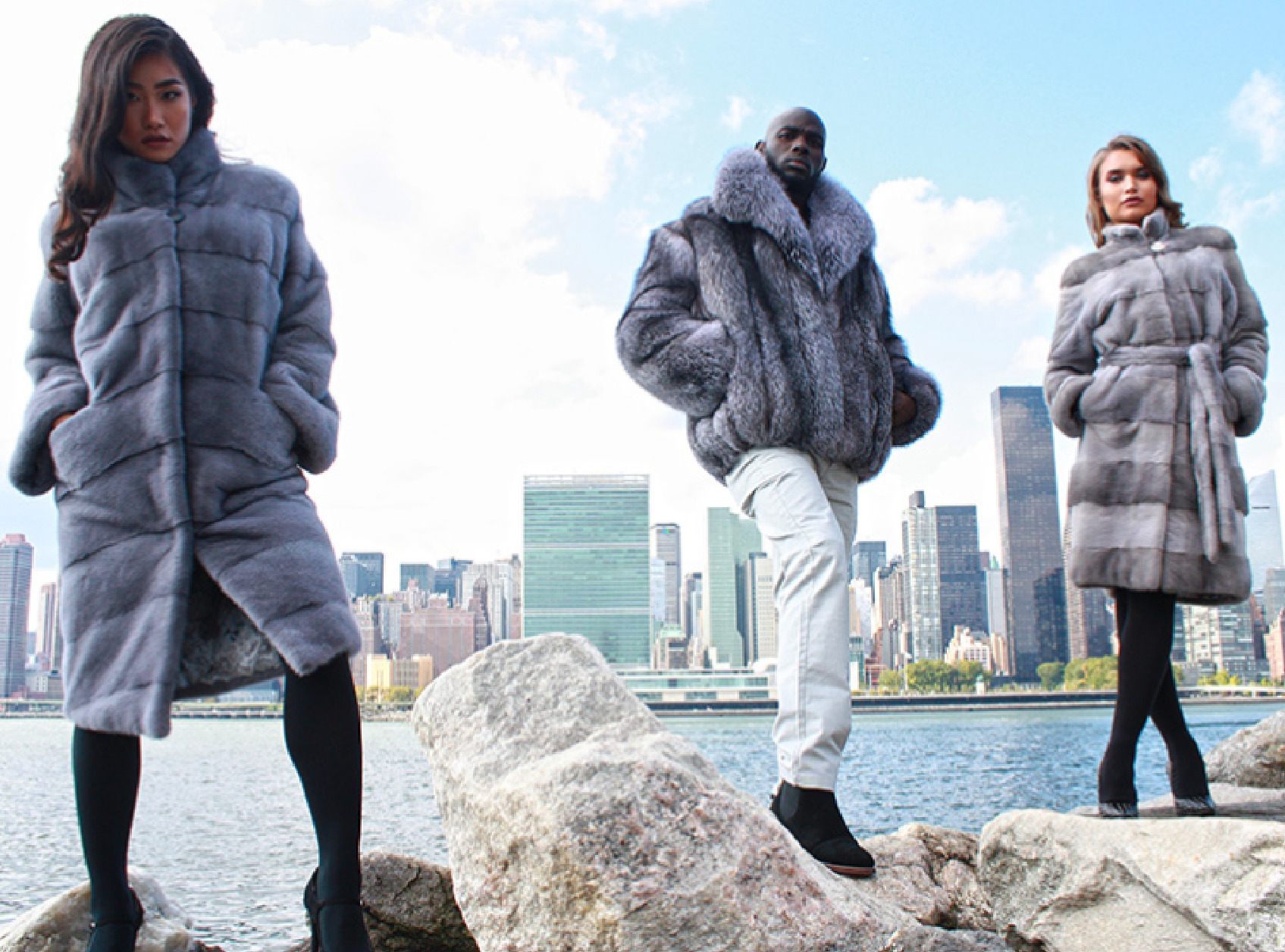
Fur Coats NYC Skyline
Magnificent Furs from NYC
  1. Broadway shows
  2. Lincoln Center performances
  3. The Metropolitan Opera
  4. The New York Philharmonic
  5. Jazz clubs in Harlem
  6. Museum of Modern Art (MoMA)
  7. The Whitney Museum
  8. The Frick Collection
  9. The Cloisters
  10. Guggenheim Museum
  11. The Morgan Library & Museum
  12. New York Public Library’s main branch
  13. New York Historical Society
  14. The Apollo Theater
  15. Radio City Music Hall
  16. Madison Square Garden events
  17. Barclays Center events
  18. Film premieres in NYC
  19. The Museum of Natural History
  20. The Museum of the Moving Image
  21. The Tenement Museum
  22. The Intrepid Sea, Air & Space Museum
  23. The Museum of Jewish Heritage

Fine Dining and Culinary Experiences: 

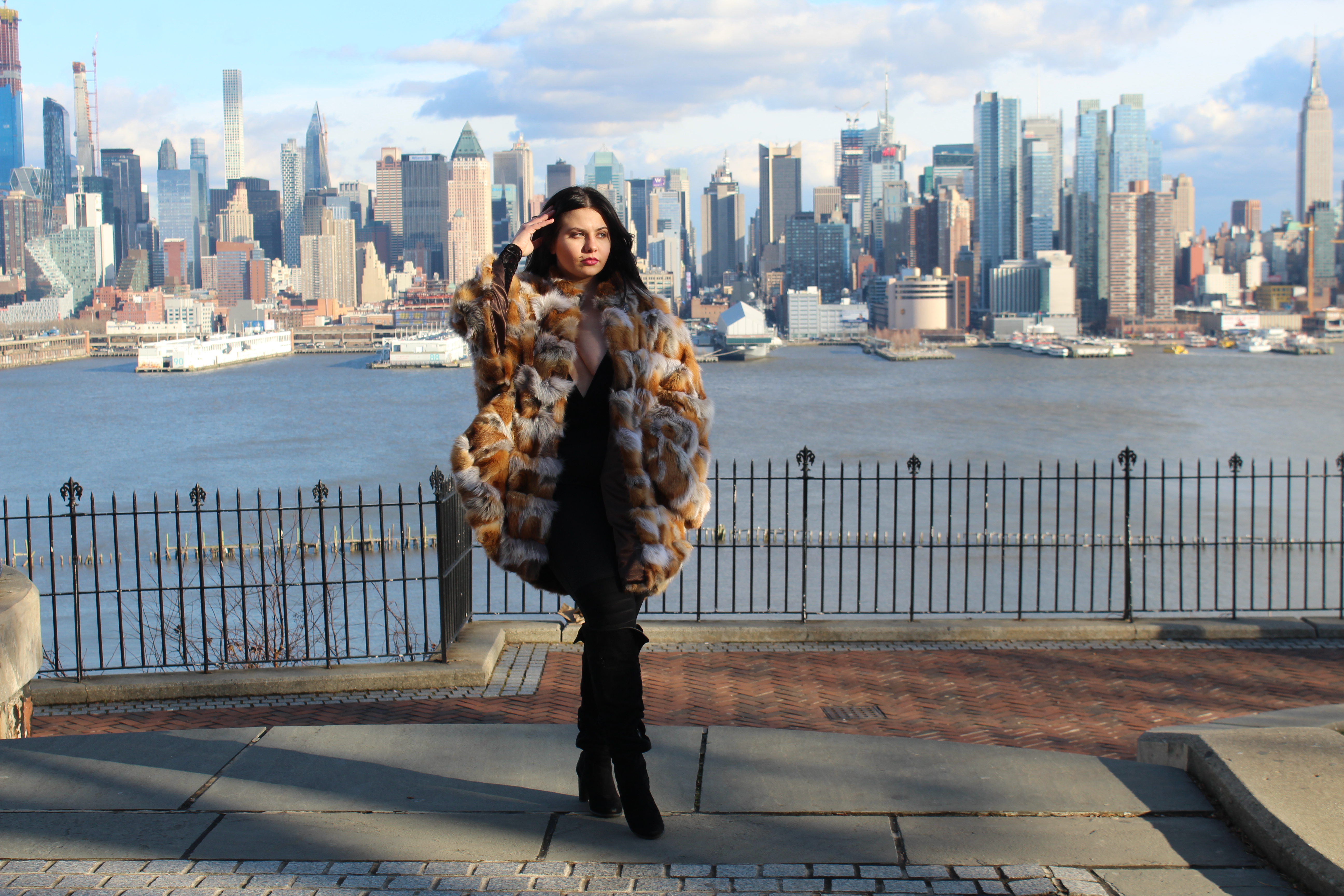
NYC Furs
Magnificent Fox Cape NYC Background
  1. Le Bernardin
  2. Eleven Madison Park
  3. Daniel
  4. Jean-Georges
  5. Le Coucou
  6. Gramercy Tavern
  7. The River Café
  8. Peter Luger Steak House
  9. Sushi Yasuda
  10. Nobu
  11. Marea
  12. Carbone
  13. Le Cirque
  14. Michelin-starred restaurants
  15. Chef’s tasting menus
  16. Luxury afternoon tea at The Plaza
  17. Rooftop bars with scenic views

Fashion and Shopping:

Horizontal Chinchilla Stroller
  1. Fifth Avenue shopping
  2. Saks Fifth Avenue
  3. Bergdorf Goodman
  4. Bloomingdale’s
  5. Marc Kaufman Furs
  6. Barneys New York
  7. Luxury designer boutiques
  8. SoHo boutique shopping
  9. Vintage clothing stores
  10. New York Fashion Week events
  11. The Met Gala
  12. High-end department stores
  13. Luxury watch stores
  14. Exclusive jewelry boutiques
  15. Private shopping appointments
  16. Sample sales at designer showrooms

Special Events and Occasions:

Full-length Cross Fox Fur Coat
  1. New Year’s Eve in Times Square
  2. The Macy’s Thanksgiving Day Parade
  3. Christmas tree lighting ceremonies
  4. VIP charity galas
  5. Art gallery openings
  6. Private art exhibitions
  7. Fashion industry events
  8. Black-tie weddings
  9. The Tony Awards
  10. VIP movie premieres
  11. Broadway opening nights
  12. The Met Costume Institute Gala
  13. Exclusive rooftop parties
  14. Celebrities’ birthday parties
  15. High-end charity auctions
  16. Polo matches
  17. Horse racing at Belmont Park
  18. Tennis at the US Open
  19. Luxury car expos
  20. Private yacht charters
  21. Opera galas
  22. Champagne tastings
  23. Exclusive perfume launches
  24. VIP wine tastings
  25. Philanthropic events
  26. Private jet charters
  27. Private art collections
  28. Exclusive jewelry auctions
  29. Luxury car showrooms
  30. Artisanal chocolate tastings
  31. Private vineyard tours
  32. Fine art auctions
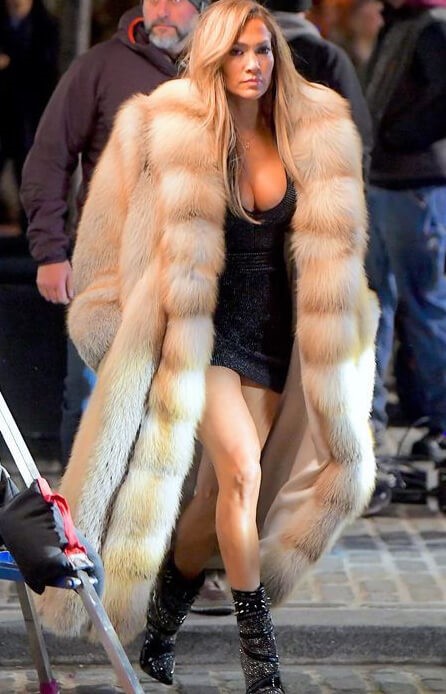
JLO Jennifer Lopez Golden Island Fox Coat
  • Cold Winter Days: Fur coats can provide warmth during the cold winter months in NYC.
  • Broadway Shows: Attending a Broadway play or musical during the winter can be an opportunity to wear fur.
  • Lincoln Center: Whether it’s a ballet performance, a symphony concert, or an opera, Lincoln Center offers a cultural setting where a fur coat might be appropriate.
  • Fashion Events: During New York Fashion Week, some attendees wear fur as a fashion statement.
  • Museum Visits: NYC has numerous museums and art galleries where you can wear a fur coat, such as MoMA or The Met.
  • Fine Dining: High-end restaurants in NYC often have dress codes that encourage formal attire, providing an opportunity to wear fur.
  • Opera and Ballet: The Metropolitan Opera and other venues host performances where dressing up is common.
  • Nightclubs: Some exclusive nightclubs and VIP parties might be suitable for fur attire.
  • Luxury Shopping: Fifth Avenue and upscale boutiques in NYC can be places to showcase fur fashion.
  • Special Events: Charity galas, art gallery openings, and fashion industry events may provide opportunities to wear fur.
  • Holiday Events: NYC’s holiday festivities, such as tree lighting ceremonies or New Year’s Eve in Times Square, can be occasions for fur coats.
  • Cultural Celebrations: Attending cultural celebrations and festivals in the city can provide opportunities for fur fashion.
  • Opera Galas: Special events and galas at opera houses in NYC are known for their elegant dress code.
  • VIP Parties: Exclusive parties and private events might be places to wear fur if the dress code permits.
  • High-End Shopping Districts: Exploring luxury shopping districts like Madison Avenue or SoHo can be an opportunity to wear fur.
  • Private Art Exhibitions: Exclusive art exhibitions and private viewings are places where you can showcase your style.
  • Luxury Hotels: Staying at or dining in luxury hotels like The Plaza or The Ritz-Carlton can provide a fitting atmosphere for fur fashion.
  • Art Openings: Attend art gallery openings and art-related events in the city where creative fashion choices are often celebrated.
Red Mink Jacket
Red Mink Jacket
Posted on

List of 100 Places to Wear Fur

Royal Blue Full Length Fox Coat

Best Places to Wear a Fur Coat

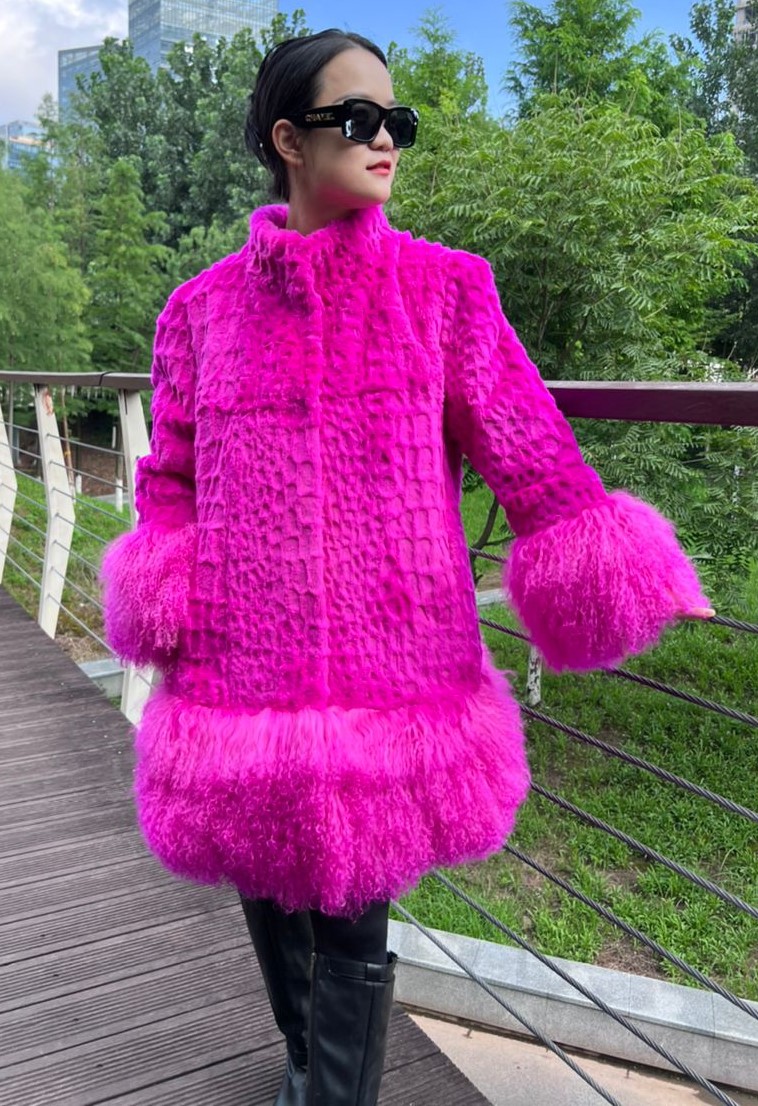
Pink Rex Rabbit Jacket Tibetan Lamb

Best Places to Wear a Fur Coat

  1. Cold winter days
  2. Ski resorts
  3. Ice skating rinks
  4. Snowy mountain getaways
  5. Arctic expeditions
  6. Polar bear tours
  7. Alaska or Siberia
  8. Ice hotels
  9. New York Fashion Week
  10. Paris Fashion Week
  11. Milan Fashion Week
Horizontal Chinchilla Coat
  • London Fashion Week
  • Couture fashion shows
  • Red carpet events
  • Charity galas
  • Opera performances
  • Ballet performances
  • Symphony orchestra concerts
  • VIP parties
  • Luxury yacht cruises
  • Upscale casinos
  • High-stakes poker games
  • Art gallery openings
  • Wine tastings
  • Michelin-starred restaurants
  • Exclusive nightclubs
  • Private jets
  • Limousine rides
  • VIP movie premieres
  • Award ceremonies
  • Charity auctions
  • Luxury spa retreats
  • Private island vacations
Sapphire Directional Mink Coat
  • Luxury train journeys
  • Horse-drawn carriage rides
  • Polo matches
  • Royal ascot
  • High-end jewelry stores
  • Luxury shopping districts
  • Opera houses
  • Historical theaters
  • Vintage car shows
  • Luxury car dealerships
  • VIP suites at sports events
  • Champagne tastings
  • Luxury cruises
  • VIP art exhibitions
  • Private art collections
  • Fashion photo shoots
  • VIP airport lounges
  • Five-star hotels
  • Luxury resorts
  • Exclusive beach clubs
  • Private beach villas
  • Celebrity weddings
  • Private garden parties
  • Luxury golf courses
  • High-end ski chalets
Pink Fox Hooded Jacket
  • Polo club events
  • Private masquerade balls
  • Destination weddings
  • Anniversary celebrations
  • Luxury train journeys
  • Wine and dine events
  • Horse racing events
  • Private islands
  • Vintage fashion expos
  • Opera galas
  • Exclusive social clubs
  • Luxury penthouse parties
  • New Year’s Eve in Times Square
  • The Cannes Film Festival
  • Monaco Grand Prix
  • The Met Gala
  • Royal weddings
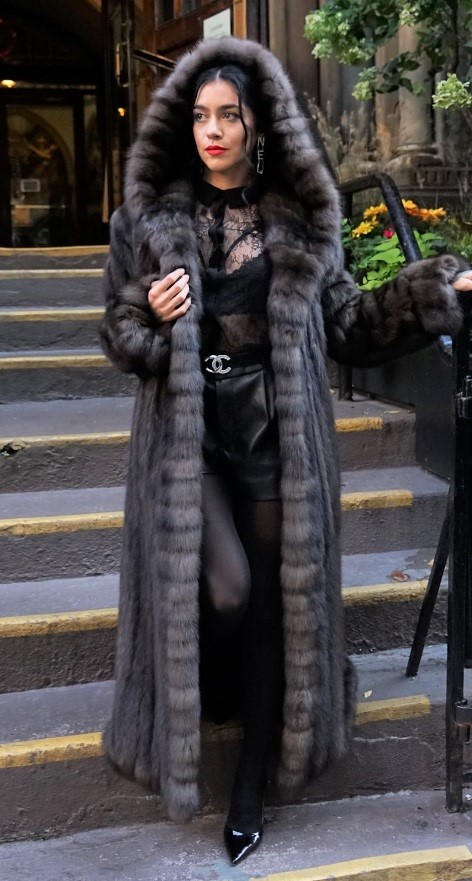
Russian Sable Coat
Russian Barguzin Sable Coat
  • Kentucky Derby
  • High-end department stores
  • VIP casino suites
  • Luxury art auctions
  • High-end real estate showings
  • Rooftop bars with stunning views
  • High tea at luxury hotels
  • VIP backstage access at concerts
  • Artisanal chocolate tastings
  • Exquisite dessert restaurants
  • Winter wonderland events
  • Luxury penthouse apartments
  • Vintage fashion shops
Multi Colored Mink Pullover
  • Themed costume parties
  • Gatsby-themed parties
  • VIP lounges at music festivals
  • Luxury jewelry exhibitions
  • Private vineyard tours
  • Fine art auctions
  • Private art studios
  • Charity fashion shows
  • Marc Kaufman Furs
White Fox Coat
White Fox Coat

List of 100 Places to Wear Fur Cold winter days, Ski resorts, Snowy mountain getaways, Arctic expeditions, Alaska or Siberia, Ice hotels, New York Fashion Week.

Posted on

History of the Fur Trade

Fur coats for men

History of the Fur Trade

Facts About the History of Furs

Certainly! Here is a list of 100 key points and facts about the history of the fur trade:

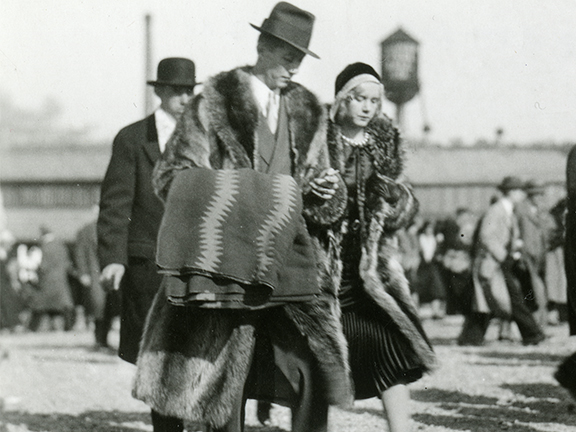
Vintage Furs
Vintage Furs
  1. The fur trade is the commercial activity of buying and selling animal fur.
  2. Fur has been used by humans for thousands of years for clothing, shelter, and trade.
  3. Indigenous peoples, such as Native Americans and Inuit, were early participants in the fur trade.
  4. Fur-bearing animals include beavers, otters, minks, foxes, martens, and many others.
  5. Fur trading initially developed as a local or regional exchange among indigenous peoples.
  6. European exploration in the 15th and 16th centuries increased demand for furs in Europe.
  7. Beaver fur was highly prized for making felt hats, which were fashionable in Europe.
  8. The fur trade played a significant role in early colonial economies in North America.
  9. The Hudson’s Bay Company (HBC) was founded in 1670 and became one of the largest fur trading companies.
  10. The North West Company was a rival to the HBC and operated in the same regions of North America.
  11. Trappers and fur traders often had to endure harsh conditions and travel long distances.
  12. Fur traders established trading posts and forts in North America to facilitate trade.
  13. Fur trappers learned trapping techniques from indigenous peoples.
  14. Fur traders used various types of traps, including leg-hold traps and snares.
  15. The fur trade helped facilitate cultural exchange between Europeans and indigenous peoples.
Fur coat Cultural Dissonance
  • The fur trade also led to the spread of diseases among indigenous populations, causing devastating epidemics.
  • The fur trade routes extended deep into the wilderness, known as the “voyageurs’ highways.”
  • Voyageurs were French-Canadian fur traders and canoeists who played a vital role in transporting furs.
  • Canoes were the primary mode of transportation for fur traders in North America.
  • The fur trade had a significant impact on the exploration and mapping of North America.
  • The fur trade contributed to the development of the fur rendezvous system, where trappers met annually to sell their furs.
  • The demand for furs led to overhunting and the near-extinction of some fur-bearing animals.
  • Trapping seasons were often limited to specific times of the year to protect animal populations.
  • The fur trade expanded into the Pacific Northwest, where sea otters were highly sought after for their fur.
  • The American Fur Company, founded by John Jacob Astor, became one of the largest fur trading companies in the United States.
  • Fort Astoria, established by John Jacob Astor’s company, was one of the first American settlements on the Pacific Coast.
  • The fur trade played a role in the westward expansion of the United States.
  • Mountain men, such as Jedediah Smith and Jim Bridger, were legendary figures in the American fur trade.
  • The fur trade influenced the naming of geographic features, including rivers, mountains, and lakes.
  • The Oregon Trail, a famous pioneer route, followed some fur trade routes.
  • The beaver population in North America declined significantly due to trapping.
  • Fur traders often faced competition and conflicts with indigenous groups over territory and resources.
  • Many indigenous peoples became dependent on European goods traded in the fur exchange.
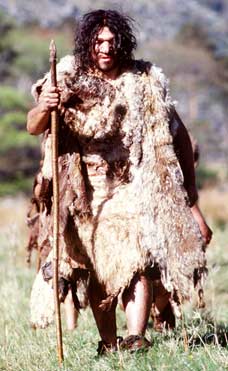
Fur Coats for men
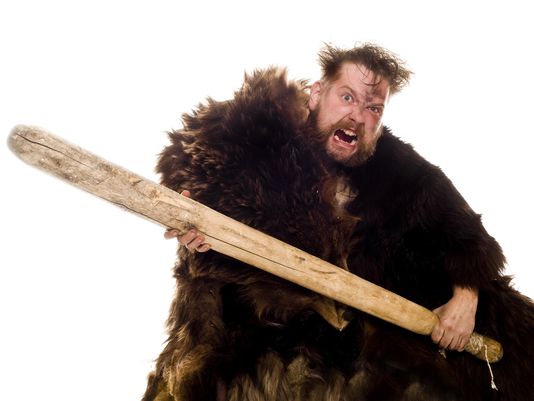
Fur Coats for cavemen
  • The fur trade contributed to the spread of firearms among indigenous peoples.
  • Trading posts often became centers of cultural exchange, where languages, foods, and customs were shared.
  • In the early 19th century, the fur trade began to decline due to changing fashion trends and the depletion of fur-bearing animals.
  • The decline of the fur trade led to the diversification of fur trading companies into other industries.
  • Fur traders faced risks such as harsh weather, animal attacks, and isolation.
  • Hudson’s Bay blankets, known for their distinctive stripes, were popular trade items.
  • Fur traders used symbols and marks to identify their traps and goods.
  • The fur trade contributed to the development of winter clothing, such as the parka and moccasin.
  • Fur trading was often associated with adventure and exploration in popular culture.
  • The fur trade played a role in the economic development of Canada and the United States.
  • Russian fur traders established colonies in Alaska.
  • The Russian-American Company controlled the fur trade in Alaska during the Russian colonial period.
  • Russian fur traders hunted sea otters, seals, and other marine mammals for their pelts.
  • The Russian Orthodox Church played a significant role in Russian America.
  • Russian America was sold to the United States in 1867, leading to the establishment of Alaska as a U.S. territory.
  • The fur seal industry had a significant impact on the ecology of the Pribilof Islands in Alaska.
  • Fur trading in Asia involved the hunting of sables, sika deer, and other valuable fur-bearing animals.
  • The Qing Dynasty in China regulated and taxed the fur trade with Russia.
  • Chinese emperors and nobility wore fur-lined robes as a symbol of status.
  • Fur trading routes connected Siberia to China and Europe.
Mink Fur Mystique Equals Desire Marc Kaufman Furs
  • The fur trade in Siberia led to the exploration of vast regions of Russia.
  • The French established a fur trading post in what is now St. Louis, Missouri.
  • The French fur trade expanded into the Mississippi River Valley.
  • The fur trade played a role in the rivalry between the French and British in North America.
  • The Treaty of Paris in 1763 ended the French and Indian War and transferred Canada and much of the fur-rich territory to British control.
  • The fur trade continued under British rule in Canada.
  • The Hudson’s Bay Company and North West Company merged in 1821 to form the Hudson’s Bay Company.
  • The fur trade contributed to the development of the fur brigade system, which transported furs and supplies by canoe.
  • Indigenous women often played essential roles in fur processing, including cleaning and sewing furs.
  • Furs were transported by ship to Europe, where they were sold at fur auctions.
  • Beaver fur top hats were particularly popular in the 18th and early 19th centuries.
  • The fur trade had a significant impact on the economies of Quebec and the Canadian provinces.
  • The fur trade contributed to the spread of Christianity among indigenous peoples.
  • The North West Mounted Police (predecessor of the Royal Canadian Mounted Police) played a role in maintaining order in the fur trade territories.
  • The fur trade influenced the design of trading post buildings, which often featured distinctive architecture.
  • Fur traders often married indigenous women, leading to the development of the Métis culture in Canada.
  • The fur trade declined in the mid-19th century but experienced a revival in the late 19th century.
  • The fur trade in the American West involved trapping animals such as beavers, muskrats, and raccoons.
  • Trappers and mountain men operated in the Rocky Mountains and other western regions.
  • The fur trade played a role in the early history of California, where sea otters were hunted for their fur.
  • The fur trade had a significant impact on the fur-bearing animal populations of the Great Lakes region.
  • The fur trade influenced literature and art, including the works of James Fenimore Cooper and Charles M. Russell.
  • The fur trade had a lasting impact on the cultural identity of indigenous peoples in North America.
  • Indigenous art often incorporates motifs related to the fur trade, such as animal designs and trade goods.
  • The fur trade is portrayed in historical reenactments and festivals in North America.
  • French fur traders established fur trading posts in the Mississippi Valley, including Fort de Chartres and Cahokia.
  • The fur trade played a role in the exploration of the Mississippi River by European explorers.
  • The fur trade was closely tied to the fur fashion industry in Europe, which dictated the value of furs.
  • Russian fur traders established trading posts in Siberia and Alaska.
  • The fur trade influenced the development of trade networks and routes in North America.
  • European furriers were skilled craftsmen who processed and sewed furs into garments and accessories.
  • The fur trade contributed to the depletion of fur-bearing animal populations in many regions.
  • Fur traders often faced competition from other traders and companies.
  • The fur trade in Canada expanded into the interior of the continent, including the Rocky Mountains.
  • Indigenous peoples were often paid in trade goods such as blankets, beads, and metal tools.
  • Fur trading posts served as centers for barter and exchange between traders and indigenous peoples.
  • Indigenous peoples often used every part of an animal they trapped, including the meat, bones, and hide.
  • The fur trade led to the development of trade languages, such as Chinook Jargon in the Pacific Northwest.
Fur Coats NYC Skyline
Magnificent Furs from NYC
  • The fur trade influenced the design and construction of canoes used for transportation.
  • The fur trade had a significant impact on the fur-bearing animal populations of the Canadian North.
  • Many famous explorers, such as Lewis and Clark, were involved in the fur trade before their expeditions.
  • The fur trade contributed to the development of trading routes in the Canadian Arctic.
  • Fur trapping and trading became the subject of numerous books and films.
  • The fur trade is often associated with tales of adventure, wilderness survival, and exploration.
  • Today, the fur trade continues as a global industry, with regulations aimed at protecting animal welfare and conservation.
NYC Furs
Magnificent Fox Cape NYC Background

This list highlights the rich and multifaceted history of the fur trade, which spans continents and centuries, impacting economies, cultures, and the environment.

Marc Kaufman Furs

History of the Fur Trade, Certainly! Here is a list of 100 key points and facts about the history of the fur trade.