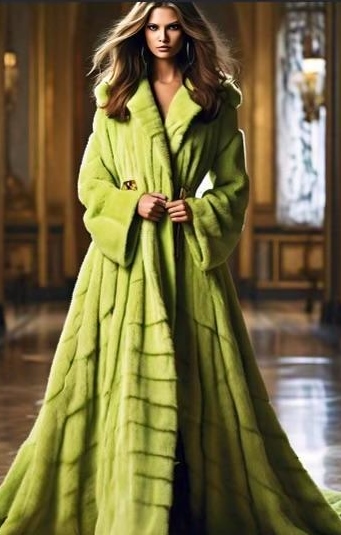
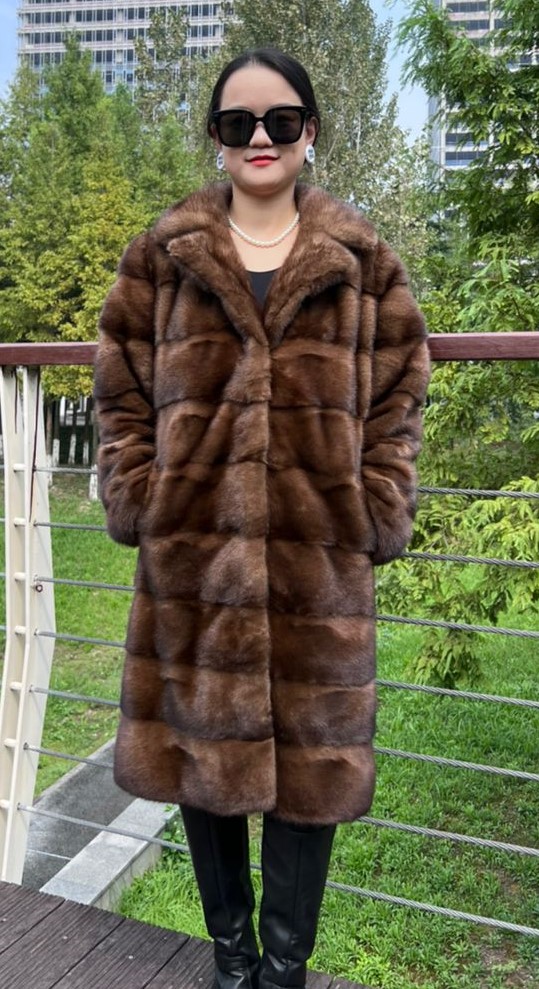
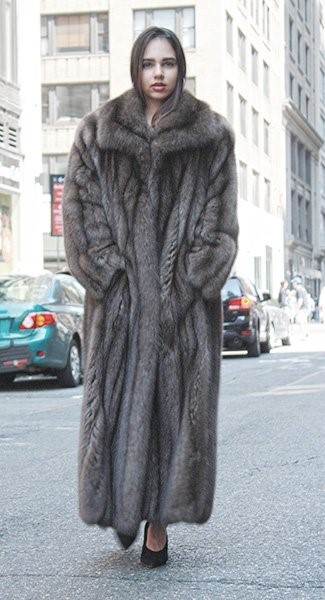
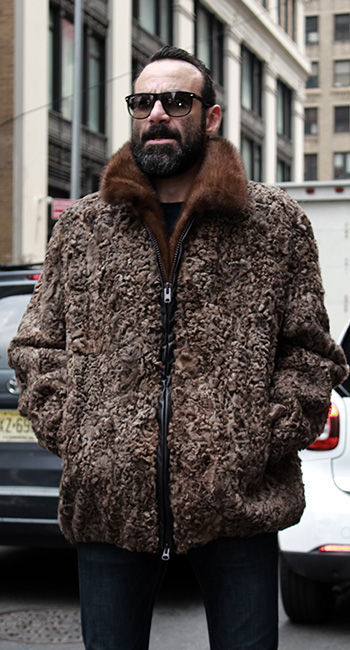
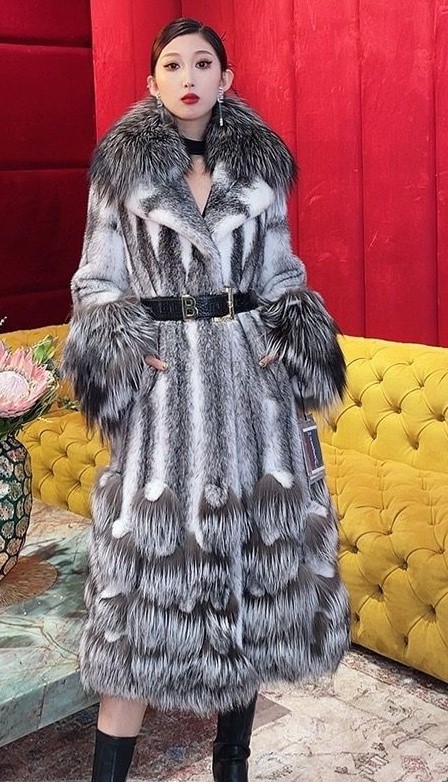
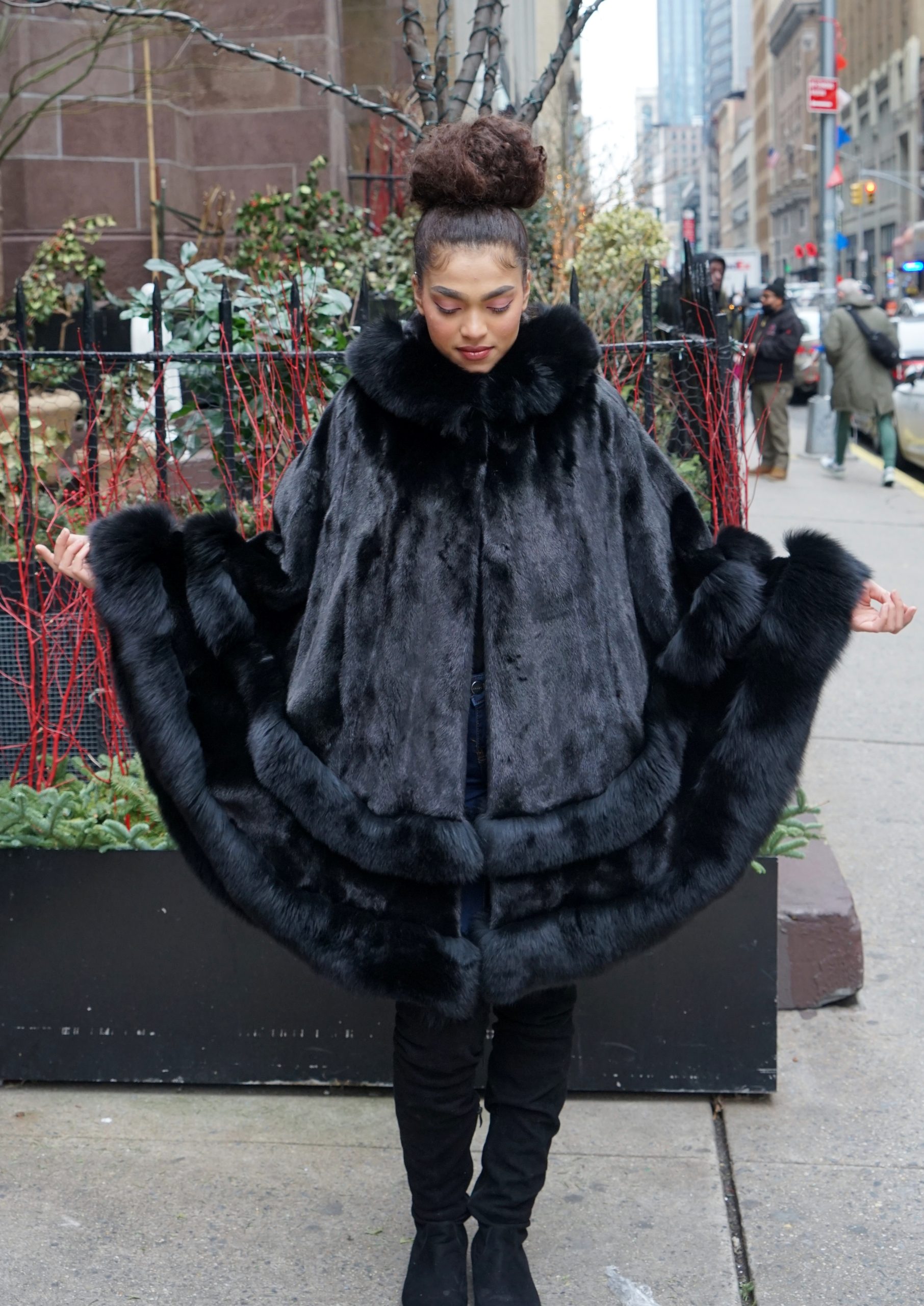
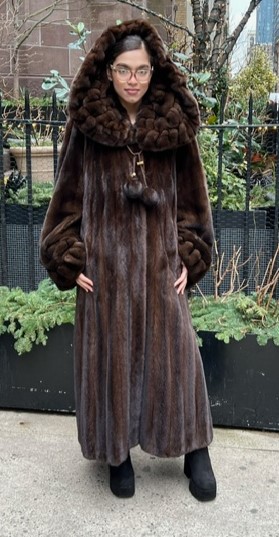
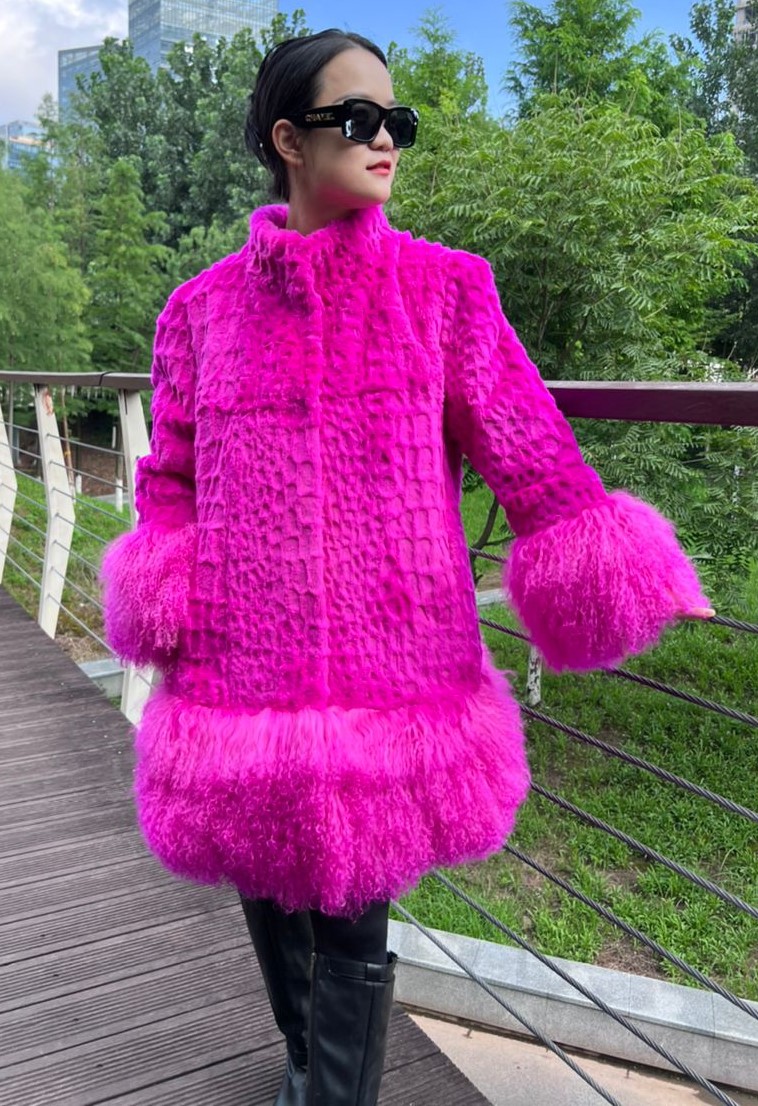
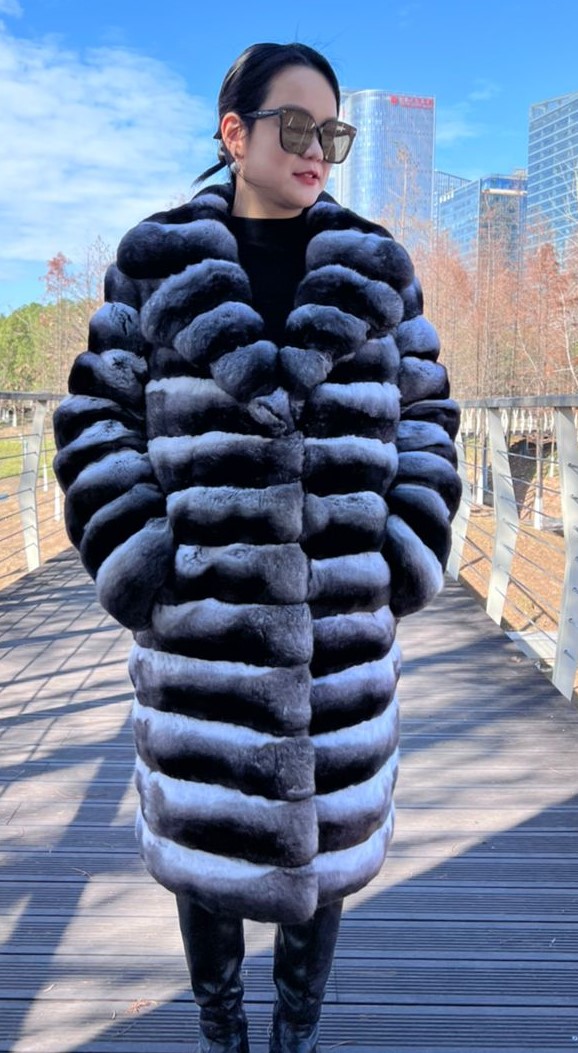
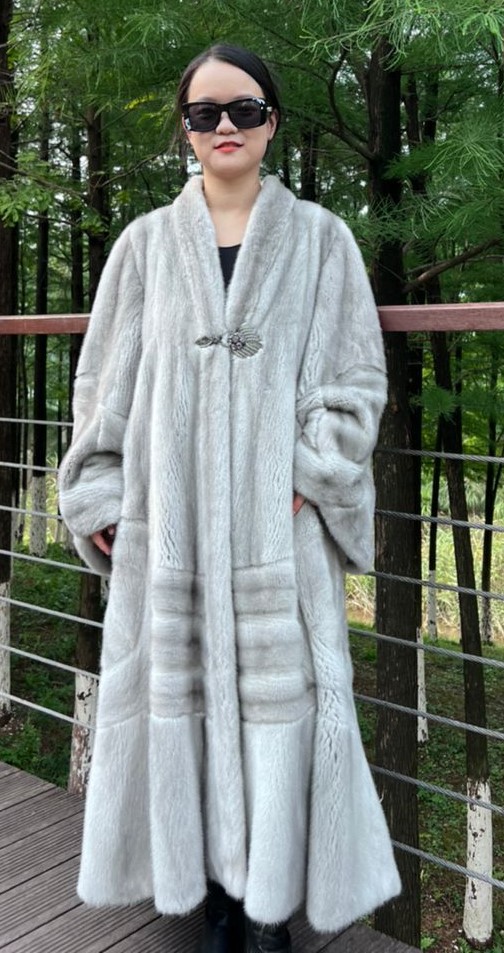
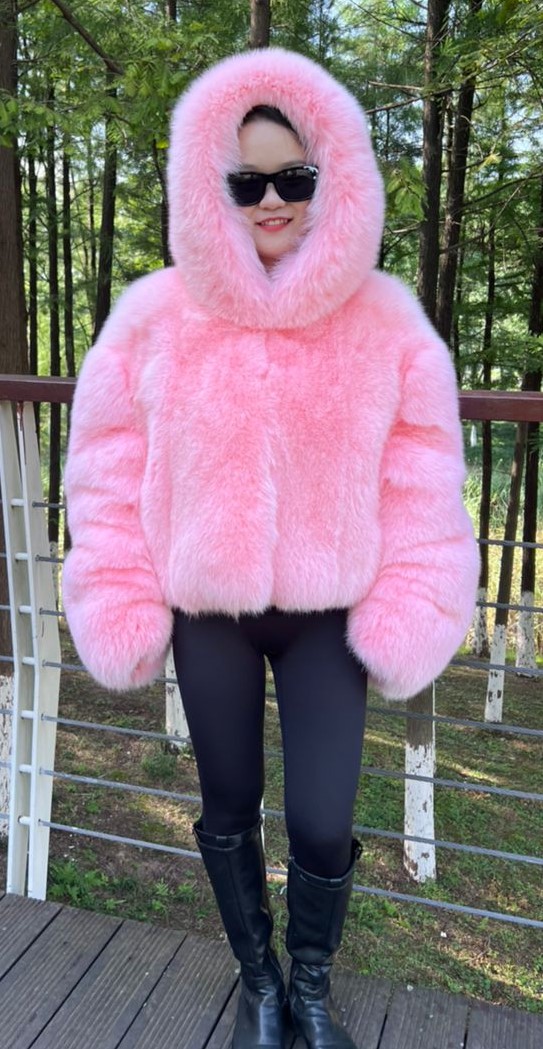
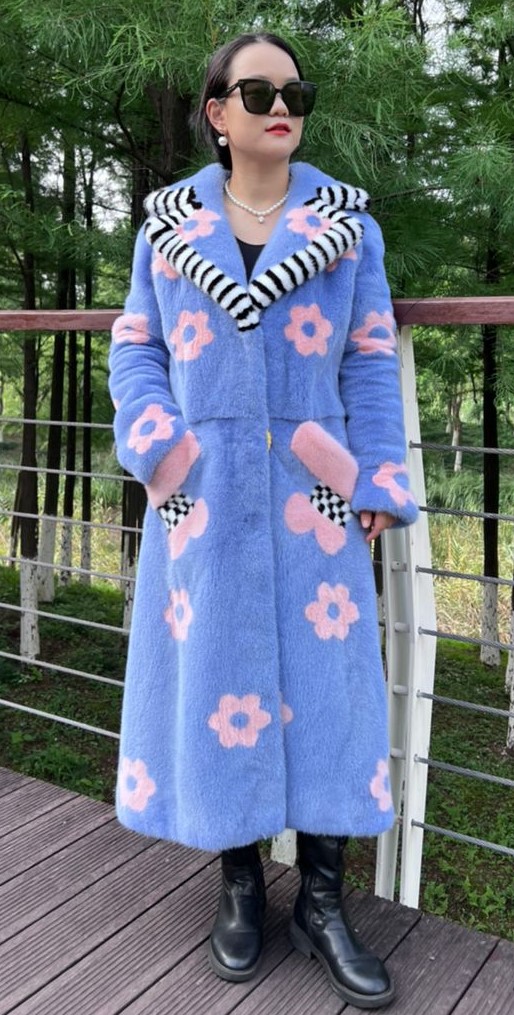
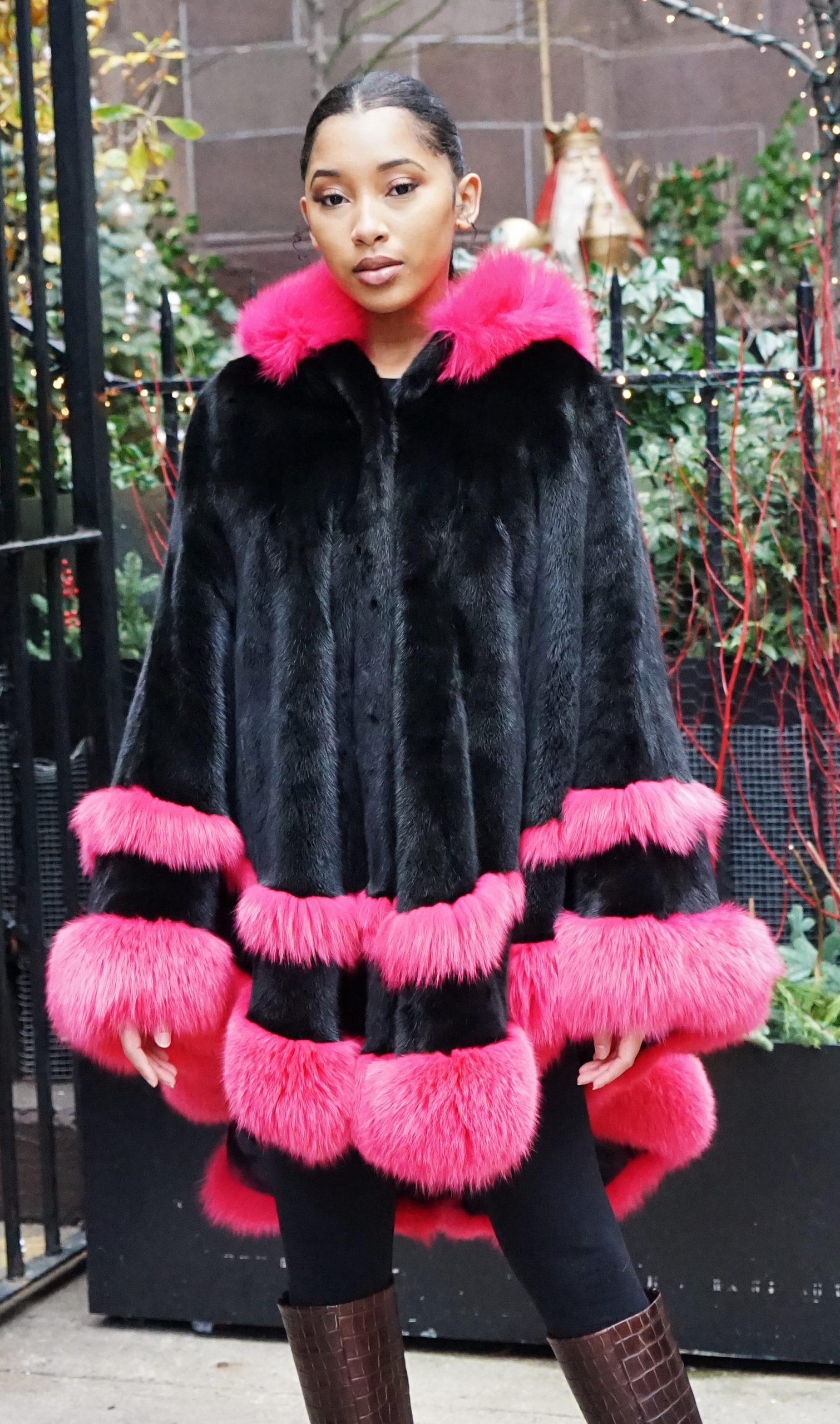
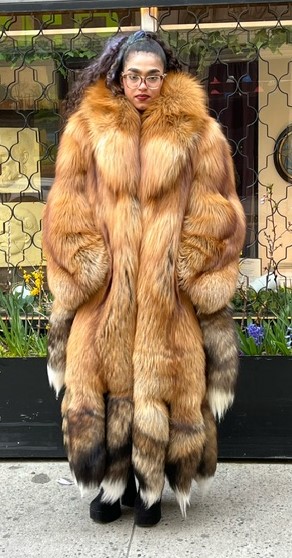
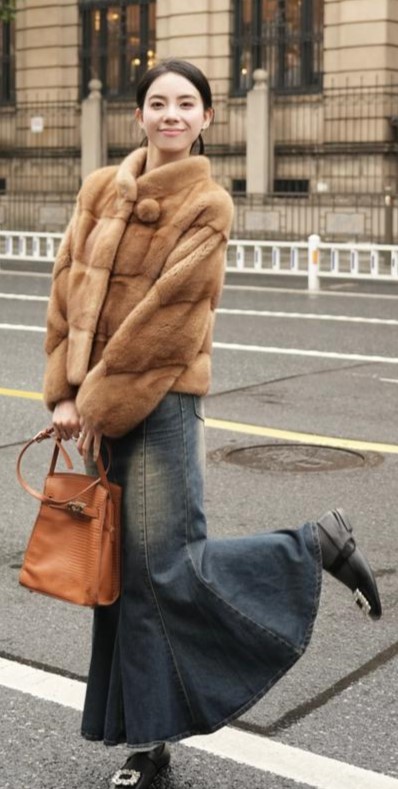
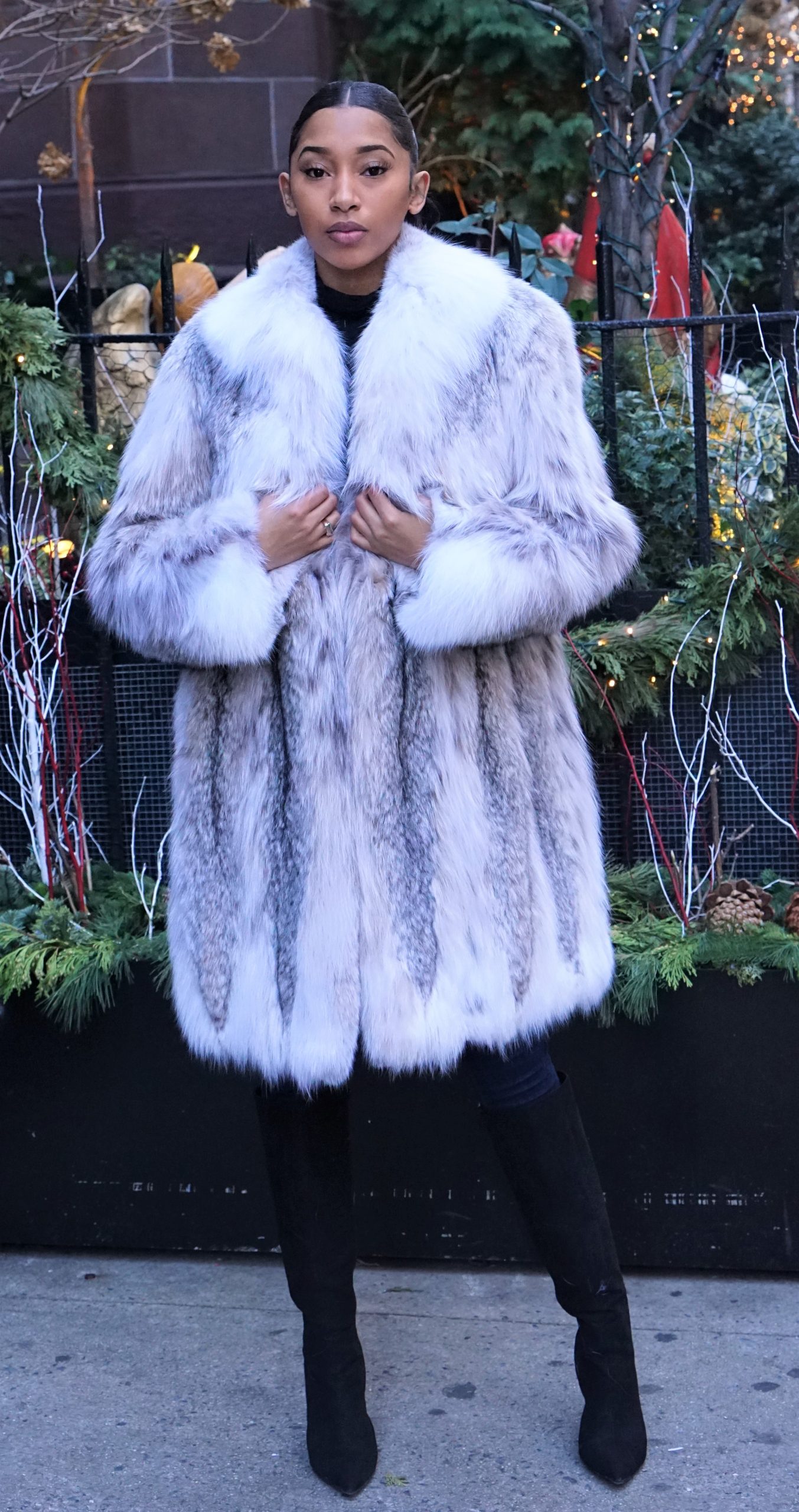
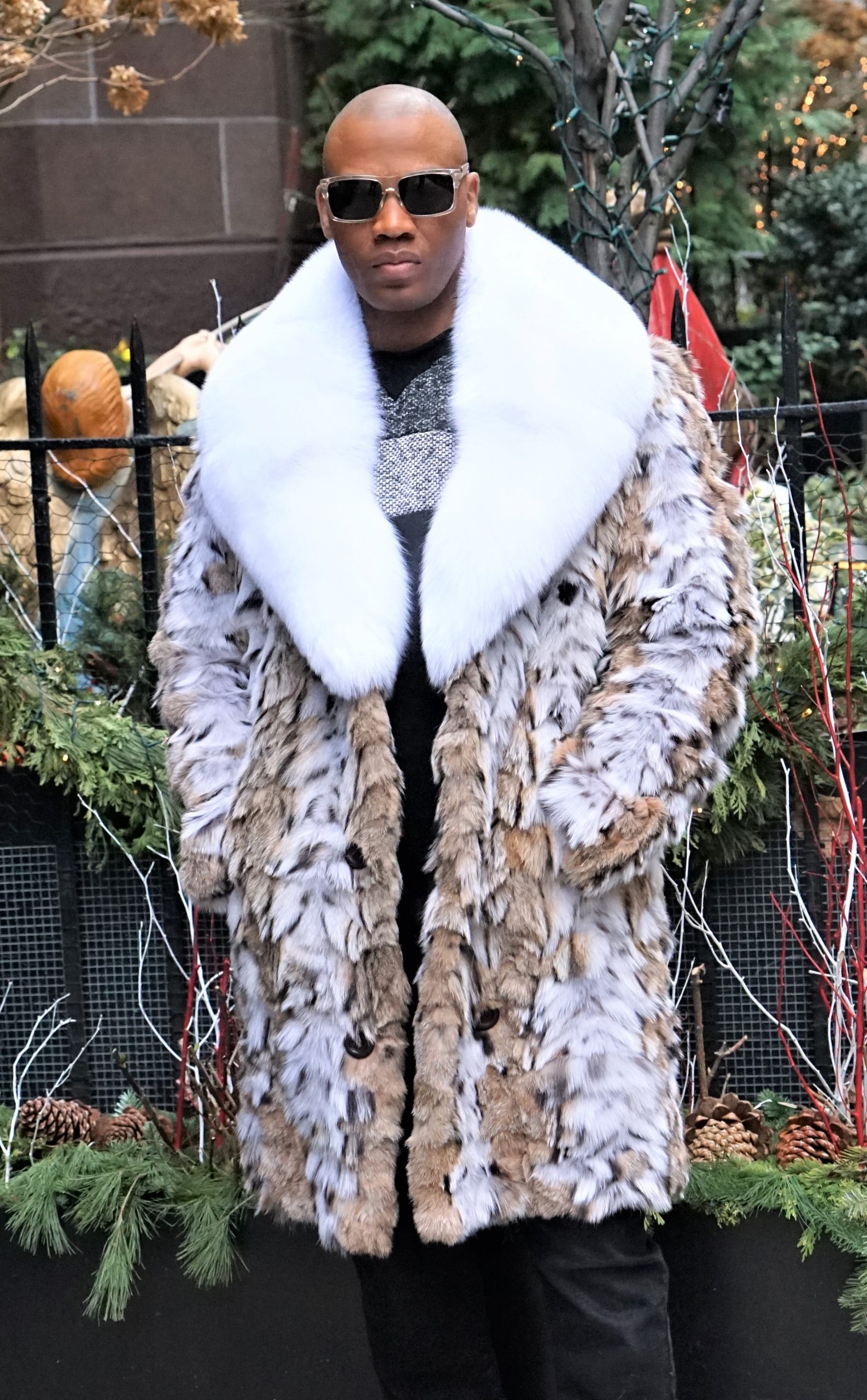
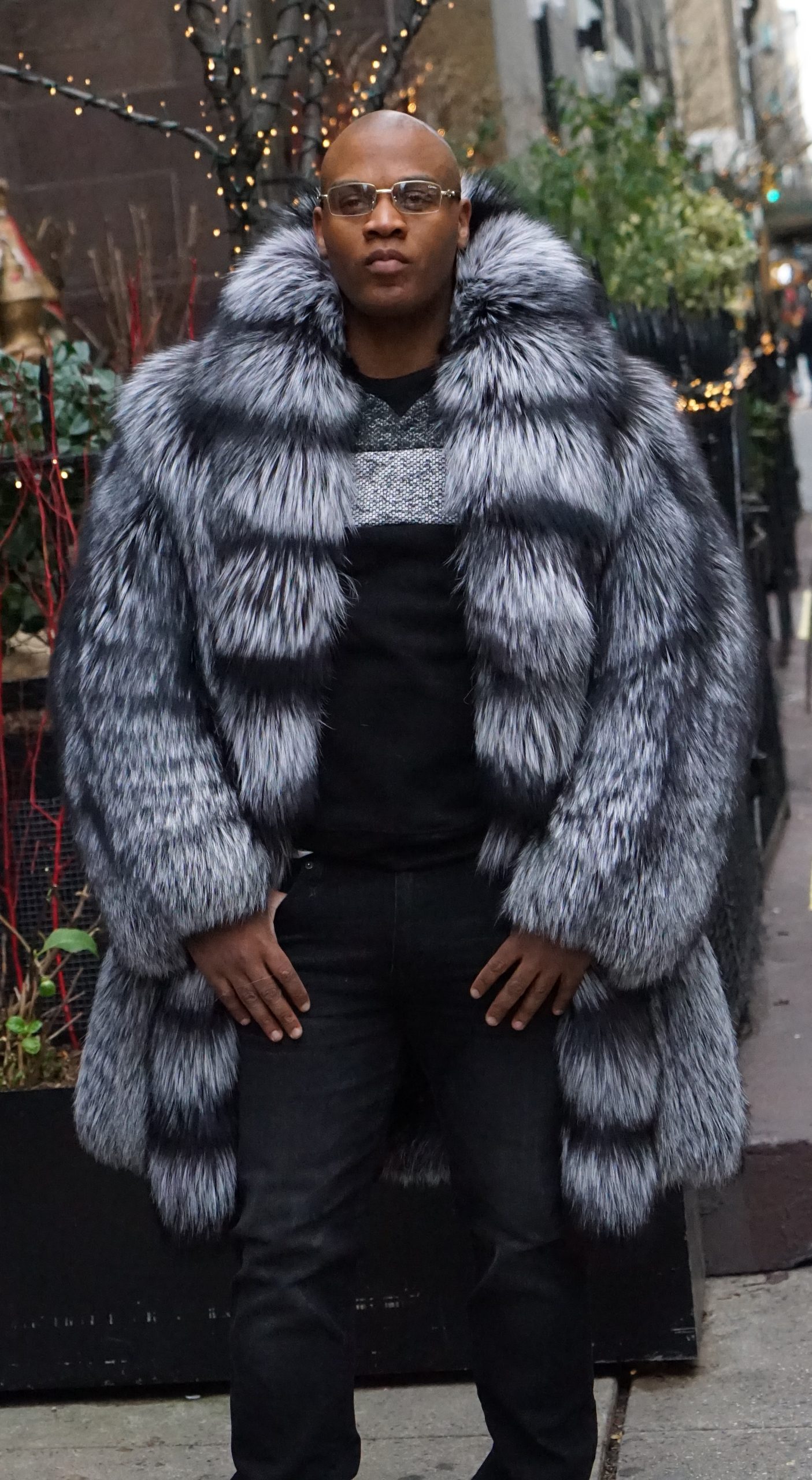
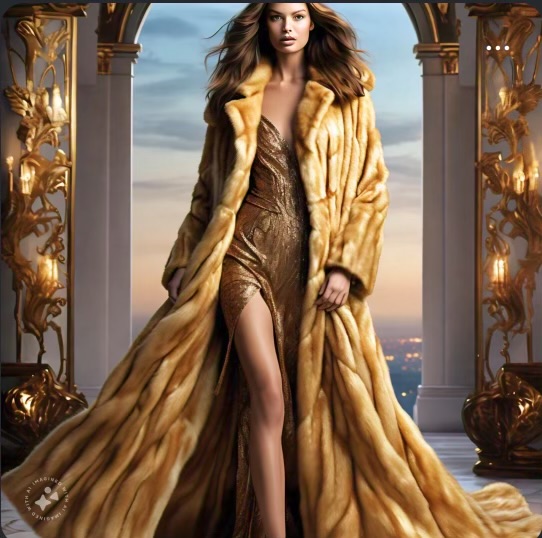
Nutria Fur Coat: Nutria fur is similar in appearance to beaver fur and is often used for its warmth.
Squirrel Fur Coat: Squirrel fur is soft and lightweight, making it suitable for elegant and stylish coats.
Muskrat Fur Coat: Muskrat fur is known for its durability and is used in a variety of fur products, including coats.
Raccoon Fur Coat: Raccoon, also known as Asiatic raccoon, is used for its warmth and distinctive coloration.
Ermine Fur Coat: Ermine fur, with its black-tipped tails, has been historically associated with royalty.
Wearing fur coats has been a practice with a long history, and people have various reasons for choosing to wear them. Here are some reasons people have given for wearing fur coats: Marc Kaufman Furs
Warmth: Fur is a natural insulator, and fur coats can provide exceptional warmth, making them suitable for cold climates and winter weather.
Style and Fashion: Fur coats have been considered a symbol of luxury, style, and sophistication for many years. Some individuals wear fur coats to make a fashion statement and express their personal style.
Tradition and Cultural Significance: In some cultures, fur garments hold cultural and traditional significance. They may be worn during specific ceremonies or as part of traditional dress.
Vintage and Heirloom Pieces: Some people inherit fur coats from family members and choose to wear them as vintage or heirloom pieces with sentimental value.
Durability: Fur is a durable material that can last for many years if properly cared for. Some individuals appreciate the longevity of fur garments.
Status and Social Standing: Historically, fur has been associated with wealth and social status, and some individuals wear fur coats to convey a sense of prestige.
Historical and Artistic Value: Fur coats have been featured in historical photographs, paintings, and films, and some individuals may wear them as a nod to art and history.
Reasons to Wear Fur Coats in my opinion is Durability that can last for many years if properly cared for.
Sensory pleasure: The sensory experience of fur can be pleasurable.
Timeless elegance: Fur adds a touch of timeless elegance.
Feminine allure: Fur can accentuate feminine features and curves.
Customizable fashion: Fur can be customized to fit individual preferences.
Versatile dressing: Fur can be dressed up or down for various occasions.
Environmental adaptability: Fur is naturally adapted to different climates.
Nature’s beauty: Fur celebrates the beauty of animals in nature.
Resilient fashion: High-quality fur can withstand the test of time.
Confidence enhancer: Feeling attractive in fur can boost one’s confidence.
Reasons to Own a Fur Coat
The history of fur coats reflects changes in fashion, culture, and societal attitudes over time. While fur coats have a rich and diverse history, they have also been the subject of ethical debates and evolving fashion preferences in contemporary times. The industry has responded by developing sustainable practices and alternative materials to meet changing consumer demands.
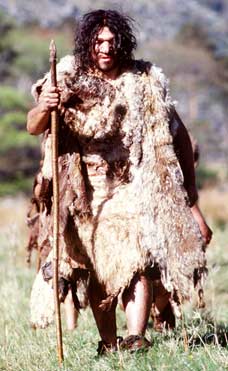
Fur Coats for cavemen
Fur coats have a long history dating back thousands of years and have been used by various cultures around the world for various reasons, including protection from the elements, status symbols, and fashion. Here is an overview of the history of fur coats:
Humans wear fur garments to protect them from cold climates and wind chill, but documented evidence of fur as a marker of social status exists as far back as 2,000 years ago with ancient Egyptian emperors and high priests wearing the skins of leopards
Ancient Times: Fur clothing can be traced back to prehistoric times when early humans relied on animal hides and fur for warmth and protection. These early fur garments were likely simple pelts worn for practical purposes.
Ancient Civilizations: Fur clothing was common in ancient civilizations like Egypt, where it was used for both practical and decorative purposes. The wealthy often wore elaborate fur garments as a symbol of their social status.
Classical Greece and Rome: Fur coats and capes were popular in ancient Greece and Rome, especially among the aristocracy. They were often made from a variety of fur types, including mink, fox, and sable.
Middle Ages: Fur continued to be a symbol of wealth and status during the Middle Ages in Europe. Nobility and royalty wore fur-lined robes and cloaks, while peasants used more modest fur garments.
Renaissance: In the Renaissance era, fur fashion became even more elaborate. Fur-trimmed clothing was highly fashionable, and fur-lined gowns, mantles, and hats were common among the European upper class.
17th and 18th Centuries: Fur coats and accessories remained popular among the European aristocracy, with sable, ermine, and mink being highly prized. Fur-trimmed clothing became a symbol of opulence.
19th Century: Fur fashion continued to evolve in the 19th century. The fur trade in North America, with beaver and other animals, played a significant role in European and American fur fashion. Fur became more accessible to the middle class.
Early 20th Century: Fur coats reached new heights of popularity during the early 20th century. They became a staple of high fashion in Europe and North America, with designers creating luxurious fur garments.
Mink Fur Mystique Equals Desire Marc Kaufman Furs
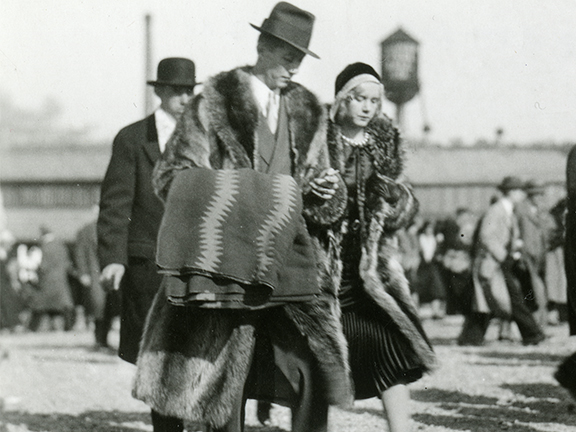
1920s and 1930s: The Roaring Twenties and the Art Deco era saw the emergence of extravagant fur fashion. Movie stars and socialites embraced fur coats, and fur became synonymous with glamour and luxury.
Mid-20th Century: After World War II, fur fashion continued to thrive. Fur coats were considered a status symbol and were commonly worn by women as a sign of sophistication and wealth.
Late 20th Century: In the late 20th century, fur fashion faced increasing scrutiny and controversy due to concerns about animal welfare and conservation. Activist groups campaigned against the use of fur, leading to a decline in its popularity.
21st Century: In the 21st century, fur fashion has evolved to address ethical and environmental concerns.
The above is a list of reasons to wear a fur coat.
Wearing a fur coat in Chicago, or any cold climate, can provide warmth and comfort during the harsh winter months. However, it’s essential to consider ethical and environmental factors when making fashion choices involving fur. Here are 100 reasons people might choose to wear a fur coat in Chicago, keeping in mind that some may prioritize warmth and style.
Please note that while fur coats may provide warmth and have been a part of fashion traditions in cold climates, there are ethical and environmental considerations related to the use of fur. There are many reasons to wear a fur coat in Chicago.
A day for a woman in Chicago wearing her mink coat would vary depending on her personal preferences, activities, and the specific occasion. However, here’s a fictional representation of what a day might look like for someone wearing a mink coat during the colder months in Chicago:
Morning:
Wake Up: The woman starts her day by waking up in the warmth of her cozy home in Chicago.
Dressing: After a hot shower, she selects a stylish outfit to complement her mink coat. She opts for a knee-length black mink coat, a cashmere sweater, fitted jeans, and knee-high leather boots.
Breakfast: She enjoys a hearty breakfast of oatmeal and a hot cup of coffee while catching up on the morning news.
Preparing for the Day: She checks the weather forecast, which indicates a cold and windy day in Chicago.
Late Morning: 5. Leaving Home: She puts on her mink coat and wraps a matching scarf around her neck for added warmth. Before leaving, she grabs her leather gloves, designer handbag, and heads out the door.
Errands: Her morning might include running errands, such as grocery shopping, visiting a local café for a latte, and stopping by the post office.
Afternoon: 7. Lunch: For lunch, she meets a friend at a chic downtown restaurant. She enjoys a delicious meal and conversation, all the while staying warm in her mink coat, which she drapes over her chair.
Shopping: After lunch, she explores some of Chicago’s upscale boutiques, trying on clothes, and enjoying the luxurious shopping experience.
Cultural Activities: In the afternoon, she might attend a cultural event, such as a museum exhibition, art gallery opening, or a performance at the Chicago Symphony Orchestra.
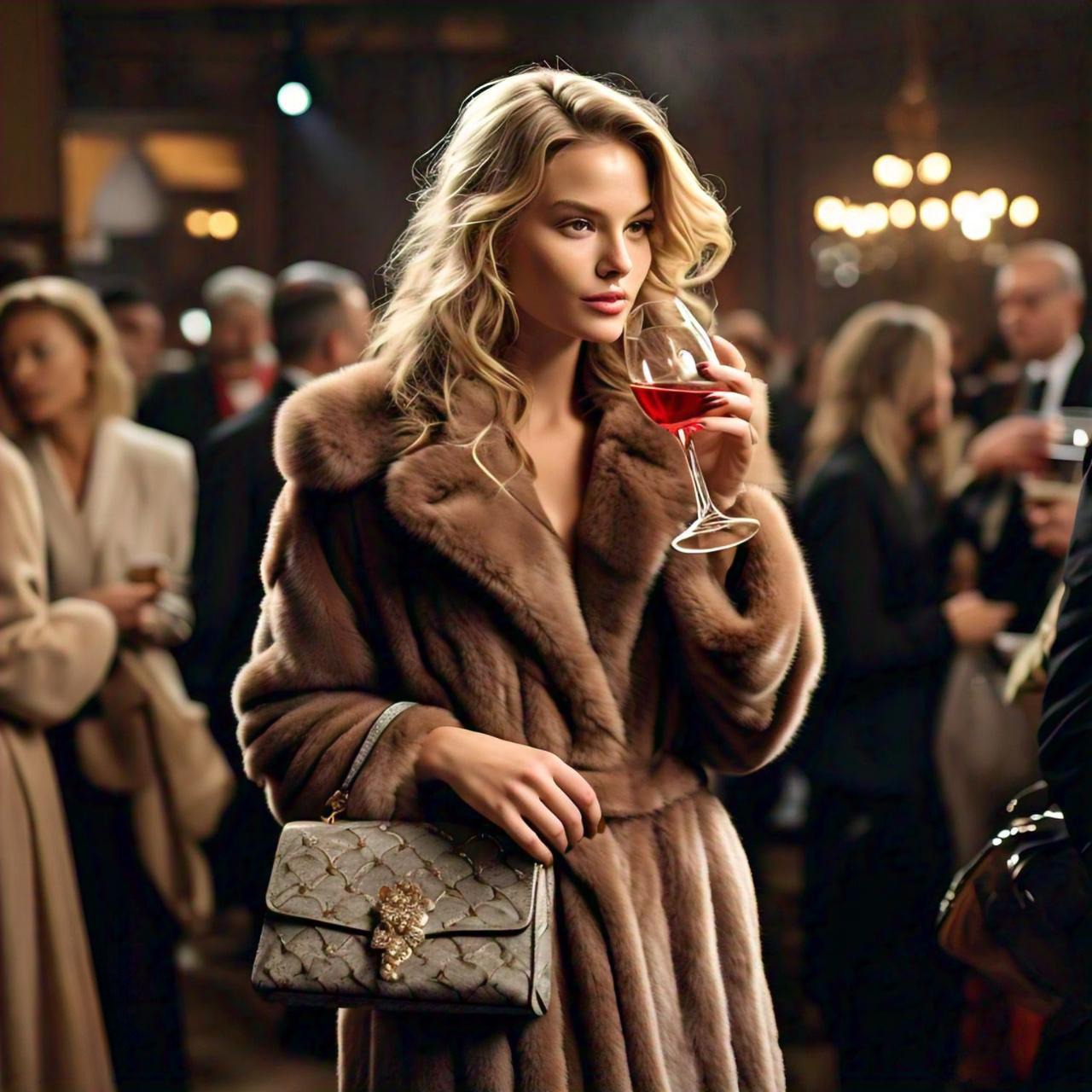
Evening: 10. Dinner Reservations: She has dinner reservations at a trendy restaurant in the city with her partner. Her mink coat adds an air of elegance to the evening.
Evening Out: After dinner, they might choose to attend a theater show, concert, or a nightcap at a stylish cocktail bar.
Returning Home: Upon returning home, she carefully hangs her mink coat in her closet and reflects on a day well spent in the vibrant city of Chicago.
This fictional day for a woman in Chicago wearing her mink coat highlights how such a garment can be both functional and fashionable, providing warmth and style throughout a busy day in a cold climate.
There are many reasons to wear a fur coat in Chicago.
The history of the fur business in Europe spans centuries and has been intertwined with fashion, economics, exploration, and the development of trade routes. Here is an overview of the history of the fur business in Europe:
Reasons to wear fur in Chicago
Early Fur Trade: Fur trading was prevalent in Europe during ancient times. Indigenous peoples in northern regions, such as the Sami in Scandinavia and various tribes in Siberia, traded fur pelts with neighboring communities. These early fur trades primarily focused on warmth and protection from harsh climates.
Vintage Furs
Roman Empire: The Roman Empire’s expansion brought access to new fur resources, such as the beaver, and fur became a symbol of status and luxury among the Roman elite. Fur garments were worn by emperors, generals, and aristocrats.
Middle Ages: In medieval Europe, fur continued to be associated with wealth and social status. Nobility and clergy often wore fur-trimmed clothing and accessories. Fur pelts from animals like ermine, mink, and sable were highly prized.
Renaissance: The Renaissance era saw a resurgence of interest in fur fashion. Fur-lined clothing, capes, and accessories were popular among European nobility and the emerging middle class. Fur became more accessible to a wider range of people.
Age of Exploration: European exploration of the New World in the 15th and 16th centuries opened up new sources of fur, particularly in North America. Fur trading with indigenous peoples in North America became a lucrative business, with beaver pelts being highly sought after for hat production.
Fur Trade Companies: European powers, such as the Dutch, French, and English, established fur trading companies, including the Dutch West India Company and the Hudson’s Bay Company, to exploit the fur resources of North America and Canada.
Russian Fur Trade: Russia played a significant role in the fur trade, particularly in Siberia, where trappers, known as Siberian hunters, collected vast quantities of fur, including sable, fox, and marten. The fur trade was essential to the Russian economy.
17th and 18th Centuries: Fur fashion continued to flourish in Europe during the 17th and 18th centuries. Fur coats, cloaks, and accessories were worn by both men and women. Russian sable and other high-quality furs were highly coveted.
North American Fur Trade: The North American fur trade continued to thrive, with European fur traders working closely with indigenous tribes to acquire furs. This trade played a role in the westward expansion of European settlers in North America.
Furriers and Fashion: The fur industry supported the growth of furriers who specialized in designing and producing fur garments. Furrier guilds were established in many European cities, such as London, Paris, and Amsterdam.
Industrialization and Mass Production: The 19th century saw the mechanization of fur processing, making fur garments more accessible to a broader range of consumers. The fur business began to expand globally.
Decline and Resurgence: The mid-20th century saw a decline in fur fashion due to changing tastes, social concerns about animal welfare, and environmental awareness. However, fur fashion experienced a resurgence in the late 20th century, with designers incorporating fur into their collections
Sustainable Fur Farming: In response to ethical and environmental concerns, the fur industry has evolved with an emphasis on sustainable and responsible fur sourcing. Fur farms in Europe and elsewhere have adopted practices aimed at improving animal welfare and conservation.
The history of the fur business in Europe reflects its cultural significance, economic importance, and evolution over time. While fur fashion remains a part of European heritage, it has adapted to address ethical and environmental considerations, reflecting changing societal values and preferences.
While fur coats in Detroit can provide warmth in colder climates like Detroit, Here are 100 reasons some individuals might choose to wear a fur coat in Detroit, keeping in mind that personal preferences vary:
Exceptional warmth during Detroit’s cold winters.
Protection against freezing temperatures and strong winds.
Classic and timeless style.
Durability, as high-quality fur coats can last for many years.
A sense of elegance and sophistication.
Status symbol, denoting wealth and luxury.
Comfort and coziness.
Historical fashion tradition in cold climates.
Practicality for surviving extreme cold.
Enhanced insulation compared to synthetic materials.
It’s important to note that while fur coats in Detroit may provide warmth and have been a part of fashion traditions in cold climates, they have also been the subject of ethical and environmental debates, leading some individuals to opt for alternative materials like faux fur. Fashion choices should consider these factors and personal values.
A day for a woman in Detroit wearing her mink coat would vary depending on her personal preferences, activities, and the specific occasion. Here’s a fictional representation of what a day might look like for someone wearing a mink coat during the colder months in Detroit:
Morning:
Wake Up: The woman begins her day by waking up to a chilly Detroit morning.
Dressing: After a warm shower, she selects a chic outfit to complement her mink coat. Her ensemble includes a knee-length brown mink coat, a cashmere turtleneck sweater, fitted slacks, and knee-high leather boots.
Breakfast: She enjoys a hot breakfast with her family, sipping on tea and having a hearty meal to start her day.
Weather Check: She checks the weather forecast, which indicates cold temperatures and the possibility of snow, reinforcing her decision to wear her mink coat. ate Morning: 5. Leaving Home: She wraps herself in her mink coat, fastening the buttons and draping a matching scarf around her neck for added warmth. Before heading out, she slips on leather gloves and grabs her designer handbag.
Errands: Her morning may include running errands, such as grocery shopping, visiting the local farmers’ market, and picking up dry cleaning.
Coffee Break: While running errands, she takes a coffee break at a cozy café, savoring a cappuccino and a pastry.
Afternoon: 8. Lunch Meeting: She meets a colleague for a business lunch at a downtown restaurant. Her mink coat adds a touch of elegance to her professional attire.
Shopping: After the lunch meeting, she indulges in some retail therapy at Detroit’s upscale boutiques, exploring the latest fashion trends and accessories.
Cultural Activities: In the afternoon, she might attend a museum exhibition, art gallery, or explore Detroit’s cultural scene.
Evening: 11. Dinner Reservation: She has a dinner reservation at a trendy restaurant in the city with friends. Her mink coat is a stylish choice for a night out.
Entertainment: After dinner, she and her friends decide to attend a concert or a live performance in Detroit, enjoying the city’s vibrant cultural offerings.
Return Home: Upon returning home, she carefully hangs her mink coat in her closet, reflecting on a day filled with warmth, style, and cultural exploration in Detroit.
This fictional day for a woman in Detroit wearing her mink coat highlights how such a garment can provide both practical warmth and timeless style, making it a suitable choice for a busy day in a cold climate. However, it’s essential to consider ethical and environmental factors when making fashion choices involving fur, as fur coats have been the subject of debate and changing consumer preferences in recent years.
The history of fur trading and fur use in Detroit, like much of North America, is intertwined with indigenous peoples, European explorers, settlers, and the fur trade. Here is an overview of the history of furs in Detroit:
Vintage Furs
Indigenous Peoples: The region now known as Detroit was inhabited by various indigenous tribes, including the Potawatomi, Ojibwa, and Huron, who had a long history of trapping and using furs for clothing, trade, and cultural purposes.
French Exploration: French explorers, including Antoine Laumet de La Mothe, sieur de Cadillac, established Fort Pontchartrain du Détroit in 1701, marking the beginning of European settlement in the area. The French traded with indigenous peoples for fur pelts, particularly beaver, which were highly sought after for hat production.
Fur Trading Posts: Detroit, strategically located at the confluence of the Detroit River and Lake St. Clair, became a vital fur trading post. French and later British traders established posts in the area to conduct the fur trade.
British Control: After the British acquired Detroit in 1760, they continued to engage in the fur trade with indigenous tribes. British fur trading companies, such as the North West Company and the Hudson’s Bay Company, established a presence in the region.
American Fur Trade: Following the American Revolution and the United States’ acquisition of Detroit, American fur traders expanded their activities in the area. The fur trade became a significant economic driver for the region.
Fur-Bearing Animals: The Detroit area was rich in fur-bearing animals, including beaver, mink, otter, and muskrat. These animals were trapped and their pelts traded by both indigenous peoples and European settlers.
Transition to Agriculture: As Detroit and the surrounding region developed, there was a shift from a fur-based economy to one based on agriculture. The fertile soil of the region attracted settlers who established farms.
Decline of Fur Trade: The fur trade in Detroit declined in the 19th century due to overtrapping, changes in fashion, and the depletion of fur-bearing animal populations.
19th Century: Detroit’s economy diversified, with the growth of industries such as manufacturing, shipping, and automobile production, leading to the city’s nickname, the “Motor City.”
Urban Development: Detroit’s urban development and industrial growth in the 20th century overshadowed its fur trading history. The city became known for its automobile industry and Motown music scene.
Contemporary Fur Industry: In contemporary times, the fur industry continues to exist in Detroit, with furriers and retailers offering fur products. However, the industry has evolved to address ethical and environmental concerns, with an increasing focus on sustainability and responsible sourcing.
While the fur trade played a significant role in Detroit’s early history, the city’s development in the 20th century as an industrial and cultural hub shifted the focus away from fur.
The history of men wearing fur coats in Detroit, like in many cold-weather regions, has been shaped by practical considerations, fashion trends, and cultural influences. Here is an overview of the history of men wearing fur coats in Detroit:
Indigenous Peoples: Long before European settlers arrived, indigenous tribes in the Detroit region used fur from animals they trapped and hunted, such as beavers, for practical clothing to stay warm in the harsh winters.
European Influence: When French and later British settlers established fur trading posts and forts in Detroit in the 18th century, they adopted indigenous fur garments, such as beaver-skin hats, mittens, and coats, to protect themselves from the cold.
Fur Trade: Detroit was a significant hub in the fur trade, with fur traders, both European and indigenous, wearing fur clothing to stay warm while engaging in trapping and trading activities.
Practicality: During the 18th and 19th centuries, fur coats and accessories were worn by men in Detroit and other cold climates primarily for their exceptional warmth and insulation properties.
Frontier Fashion: In the early 19th century, fur coats became a symbol of rugged masculinity and were adopted by fur trappers, traders, and frontiersmen as part of their attire.
Evolution of Fashion: As Detroit and the United States continued to grow and urbanize, fur coats transitioned from practical outerwear to a fashionable statement, with men wearing them as status symbols and signs of prosperity.
20th Century: In the early to mid-20th century, men’s fur coats, often made of furs like mink, fox, and beaver, became more widely available and popular among affluent individuals in Detroit, reflecting their social status and success.
Mid-Century Glamour: Fur coats, including full-length fur overcoats and stoles, were seen as a symbol of luxury and opulence, especially during the golden age of Hollywood.
Decline: The fur industry, including the market for men’s fur coats, faced challenges in the late 20th century and early 21st century. Changing fashion trends, ethical concerns, and environmental considerations led to a decline in fur’s popularity.
Modern Era: In contemporary times, some men in Detroit continue to wear fur coats, but the industry has evolved to address ethical and environmental concerns. There is a growing emphasis on sustainable and responsible fur sourcing practices.
Diversity of Fur Types: Men have a wide range of fur choices, including mink, fox, sable, chinchilla, and more. The choice often reflects personal style and fashion preferences.
Ethical and Environmental Awareness: The fur industry has adapted to concerns related to animal welfare, leading to the development of fur farming practices that emphasize responsible and sustainable fur production.
Customization: Men can have fur coats and accessories tailored to their preferences, with different fur types, colors, and styles to choose from.
The history of men wearing fur coats in Detroit reflects the changing dynamics of the fur industry, from its origins as practical winter wear to its status as a luxury fashion statement. Today, men who choose to wear fur coats often do so for the warmth, comfort, and style they provide.
When it comes to making a statement with your fashion choices, a mink coat is the ultimate luxury item. Whether you’re looking to turn heads on the streets of Manhattan or add a touch of glamour to your ski resort getaway, a mink coat is the perfect accessory for any stylish traveler. In this blog, we’ll explore the top destinations around the world where you can wear your mink coat and make a lasting impression.
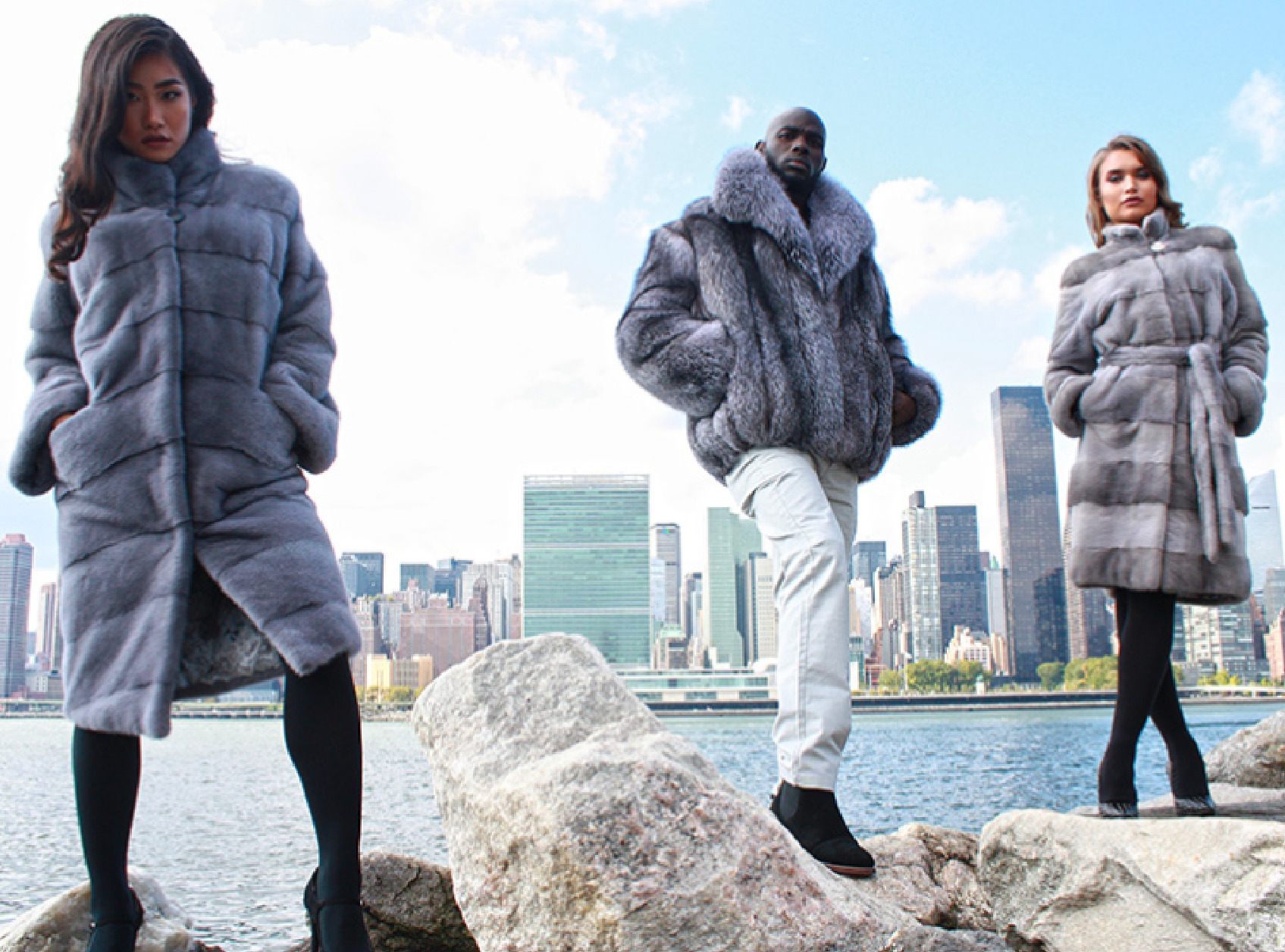
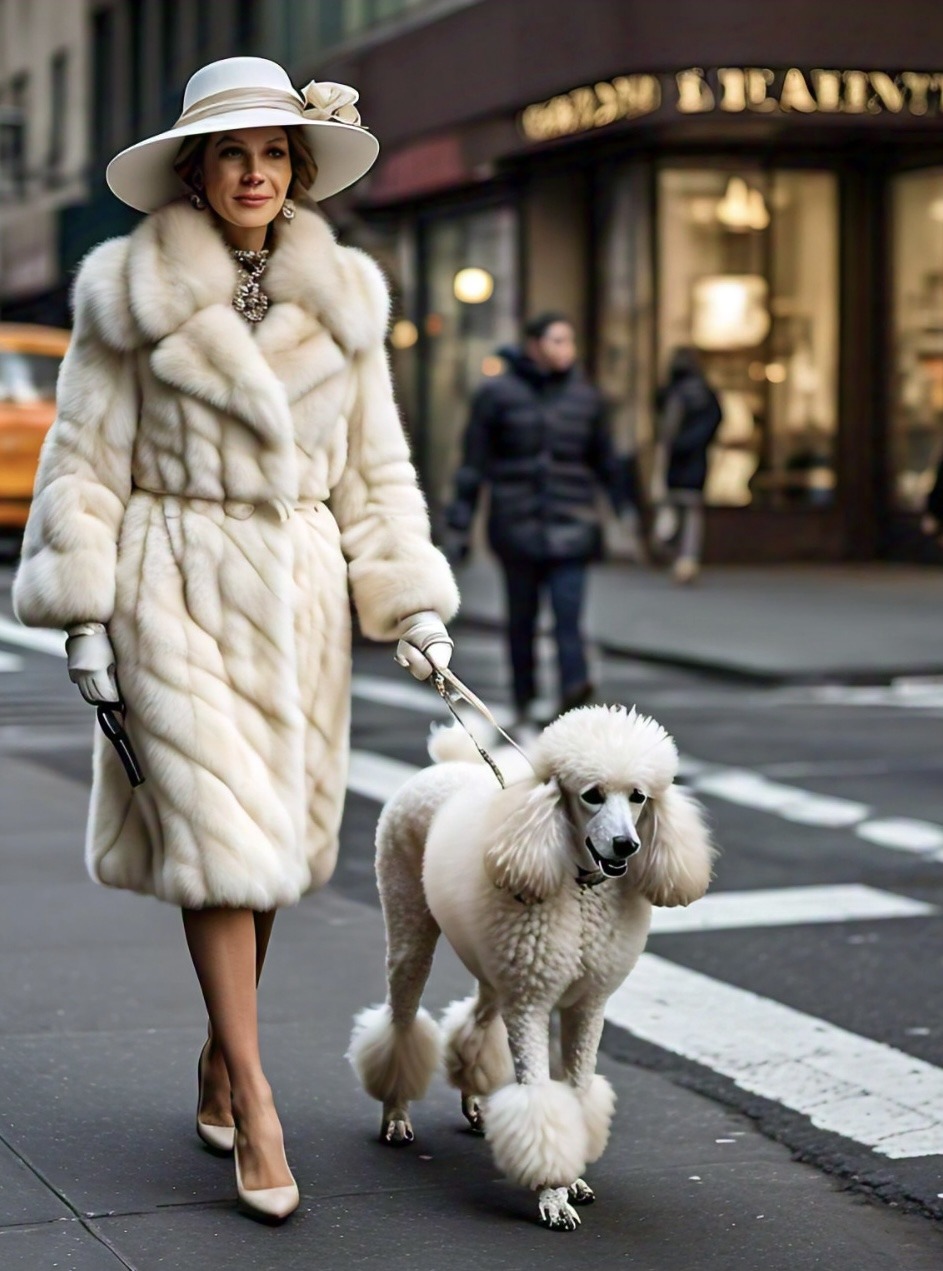
The city that never sleeps is also the city that never fails to impress when it comes to fashion. From the bright lights of Times Square to the upscale streets of Manhattan, New York City is the perfect place to show off your mink coat. Take a stroll through Central Park, visit the iconic Plaza Hotel, or catch a Broadway show – your mink coat will be the talk of the town.
Some must-visit destinations in NYC include:
Fifth Avenue: This iconic street is lined with high-end boutiques and department stores, making it the perfect place to show off your mink coat.
Broadway: Catch a musical or play and make a dramatic entrance with your mink coat.
The Plaza Hotel: This iconic hotel is a must-visit for any fashionista, and your mink coat will fit right in.
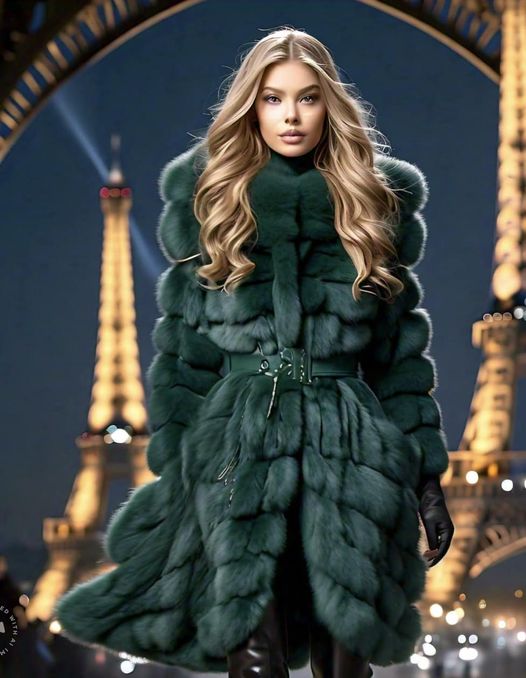
If you’re a fashion lover, Paris Fashion Week is the ultimate destination for you. This bi-annual event attracts the world’s top designers, models, and fashionistas, making it the perfect place to show off your mink coat. Rub shoulders with the fashion elite, attend exclusive shows, and take in the sights and sounds of the City of Light.
Some must-visit destinations during Paris Fashion Week include:
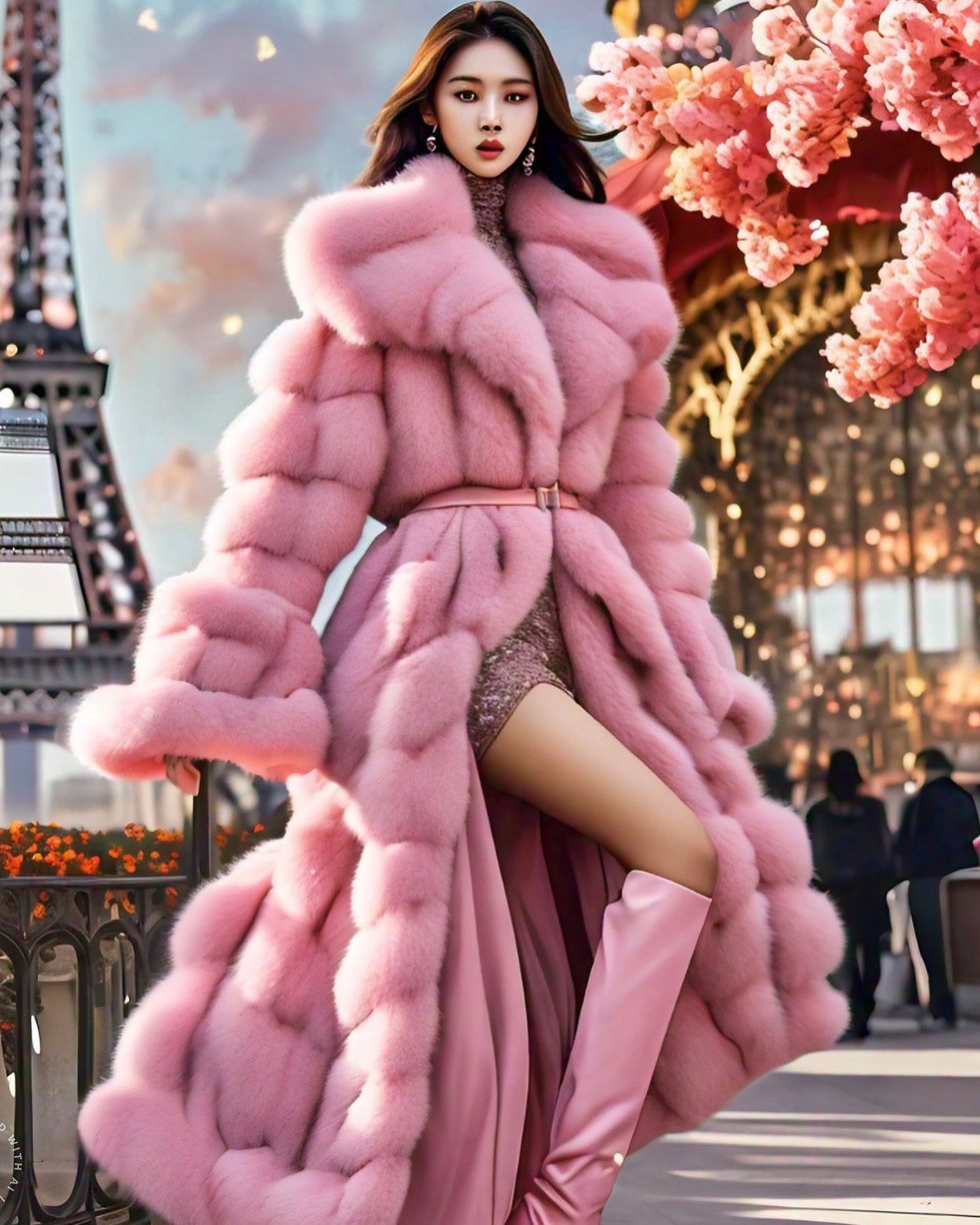
The Eiffel Tower: This iconic landmark is a must-visit during Paris Fashion Week, and your mink coat will make you stand out from the crowd.
The Louvre: This world-famous museum is home to some of the most famous artworks in history, and your mink coat will add a touch of elegance to your visit.
The Champs-Élysées: This iconic street is lined with high-end boutiques and cafes, making it the perfect place to show off your mink coat.
If you’re looking for a more laid-back destination to wear your mink coat, consider hitting the slopes at one of the world’s top ski resorts. From Aspen to Vail to Whistler, your mink coat will shine against the snowy backdrop. Take a chairlift ride, enjoy a hot chocolate, or simply stroll through the resort’s village – your mink coat will keep you warm and stylish.
Some must-visit ski resorts include:
Aspen: This iconic resort is a favorite among celebrities and fashionistas, and your mink coat will fit right in.
Vail: With over 5,000 acres of skiable terrain, Vail is the perfect place to show off your mink coat.
Whistler: This Canadian resort hosted the alpine skiing events during the 2010 Winter Olympics, and your mink coat will make you feel like a gold medalist.
If you’re looking for a destination that combines luxury, glamour, and excitement, look no further than the Monte Carlo Casino. This iconic casino has been a favorite among high-rollers and fashionistas for decades, and your mink coat will fit right in. Take a spin at the roulette wheel, enjoy a cocktail at the bar, or simply take in the opulent decor – your mink coat will make you feel like a million bucks.
Some must-visit destinations in Monte Carlo include:
The Casino de Monte-Carlo: This iconic casino is a must-visit for any gambler or fashionista.
The Oceanographic Museum: This museum is home to some of the most stunning marine life in the world, and your mink coat will add a touch of elegance to your visit.
The Monte Carlo Harbor: This picturesque harbor is lined with luxury yachts and stunning views, making it the perfect place to show off your mink coat.
If you’re a theater lover, London’s West End is the perfect destination for you. From classic musicals to cutting-edge dramas, the West End is home to some of the world’s most iconic theaters. Take in a show, enjoy a pre-theater dinner, or simply stroll through the streets of Covent Garden – your mink coat will make you feel like a star.
Some must-visit destinations in London’s West End include:
The National Theatre: This iconic theater is home to some of the world’s most innovative productions, and your mink coat will add a touch of sophistication to your visit.
The Royal Opera House: This stunning building is home to the Royal Ballet and the Royal Opera, and your mink coat will make you feel like royalty.
Covent Garden: This historic square is lined with street performers, restaurants, and shops, making it the perfect place to show off your mink coat.
Conclusion
Whether you’re a fashionista, a theater lover, or simply someone who appreciates the finer things in life, these top destinations are the perfect places to wear your mink coat. From the bright lights of New York City to the snowy slopes of Aspen, your mink coat will make you stand out from the crowd and turn heads wherever you go. So why not wrap up in luxury and make a statement at one of these incredible destinations? Your mink coat will thank you.