Posted on

The Most Expensive Furs in the World

The New Era of Ultra-Luxury Outerwear: Why Chinchilla, Lynx, and Sable Prices Are Experiencing a Historic Surge

Not all fur is created equal. A handful of furs sit at the very top of the market, commanding prices that reflect their rarity, the difficulty of working them, and centuries of prestige. Here are the most expensive furs in the world — and what makes each one worth it.

1. Russian sable — the king of furs

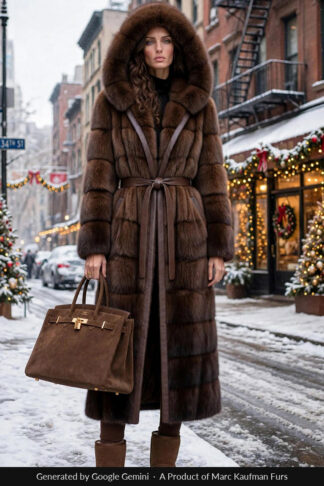
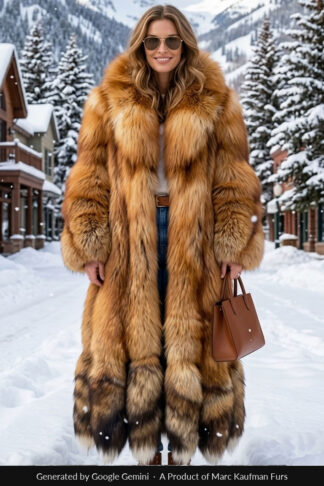
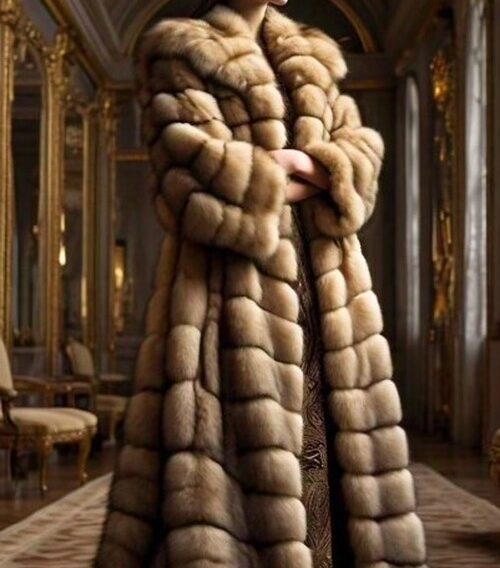
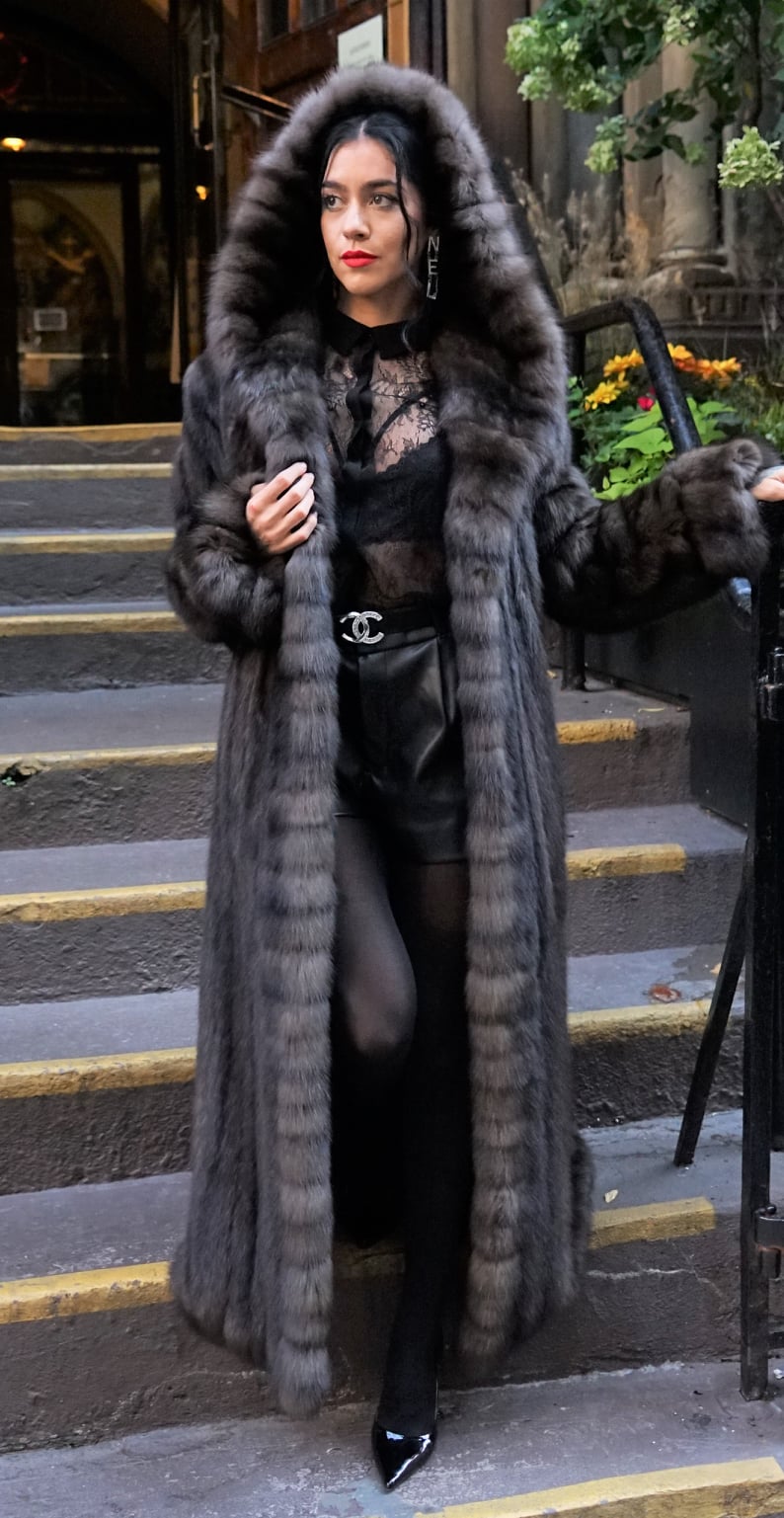
Russian sable has been the most coveted fur for centuries, once reserved for royalty. Its guard hairs are so silky the fur feels like liquid, it’s feather-light, and it has a unique quality: it runs smoothly in every direction. Wild Russian sable, especially with a silver cast, is the single most expensive fur you can buy. Explore sable coats and jackets.

2. Chinchilla — the softest fur on earth

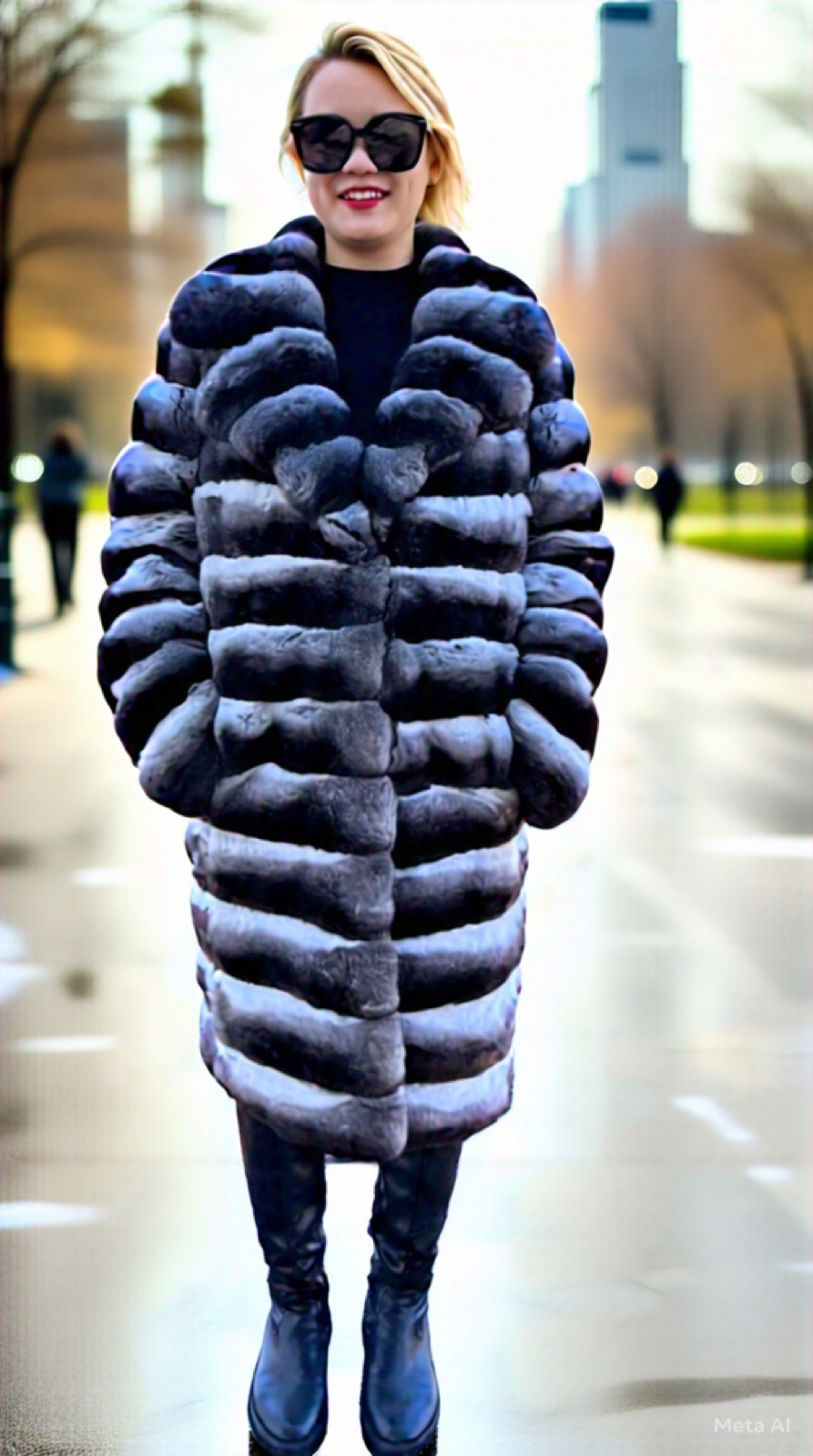
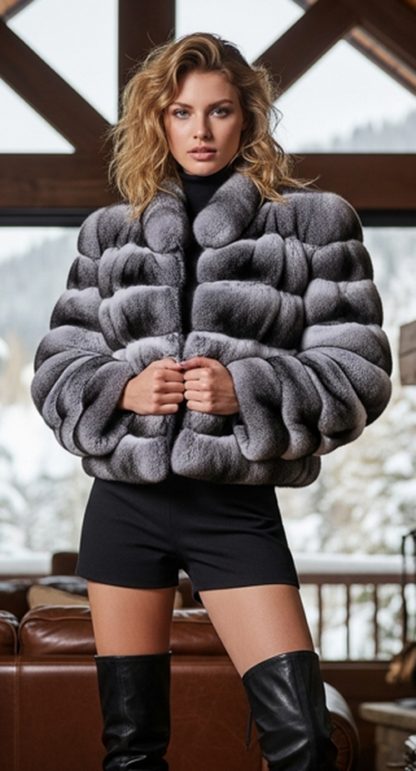
Chinchilla has the highest hair density of any land animal — around 60 hairs from every follicle — which gives it an almost impossibly soft, cloud-like feel. The pelts are tiny and the shading (silver to slate) must be matched by hand, so a full chinchilla coat represents enormous skill and cost. See our chinchilla collection.
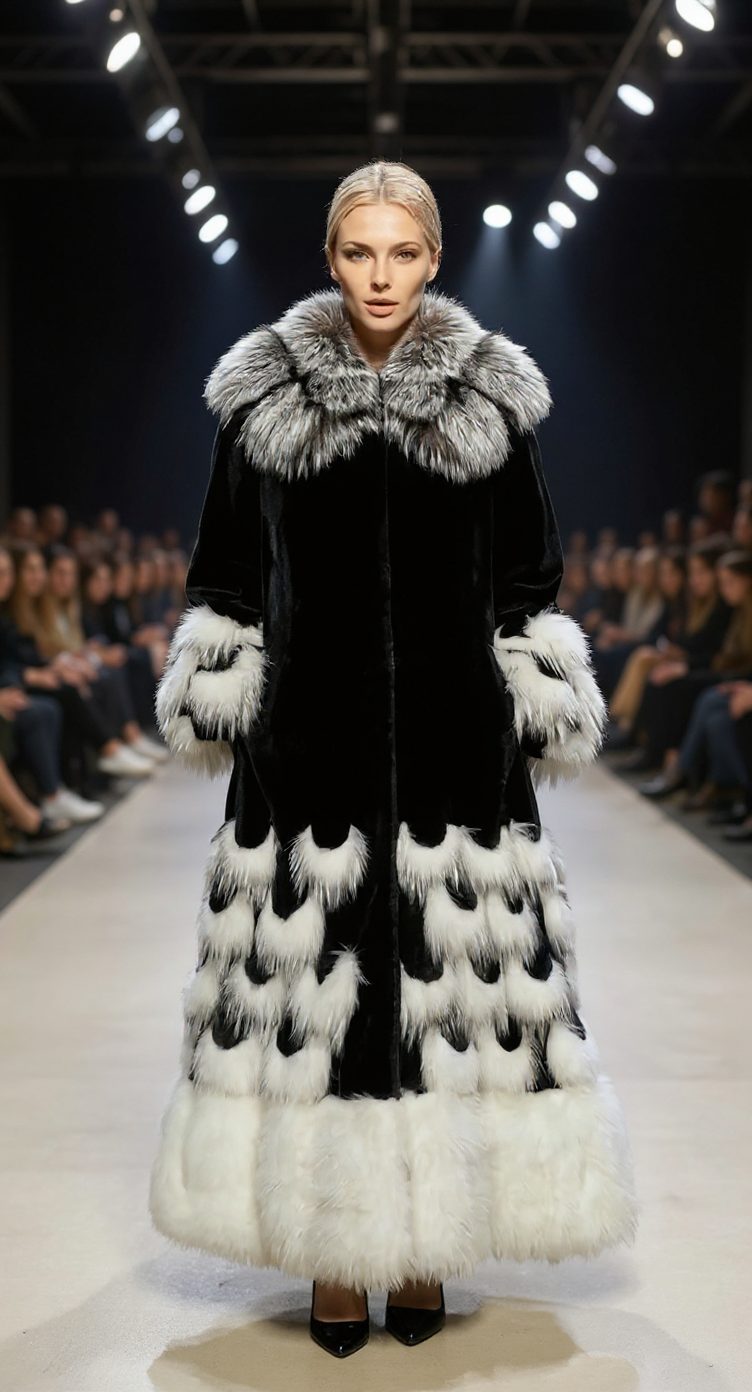
3. Lynx — rare and unmistakable

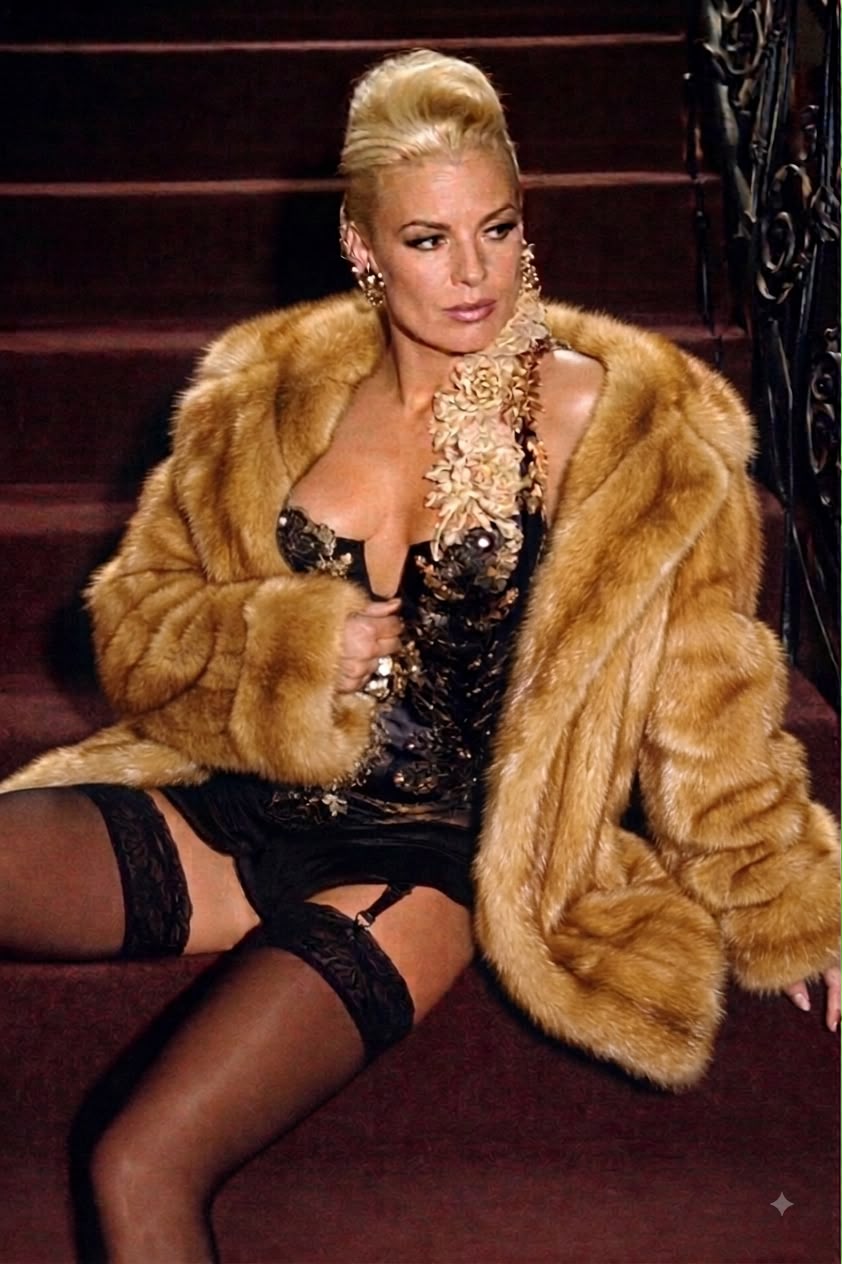
Fine lynx, with its creamy fields and soft charcoal spotting, is prized for a pattern no two pelts share — and it grows scarcer every year, which keeps prices high. Explore lynx coats and jackets.

Where mink and fox fit

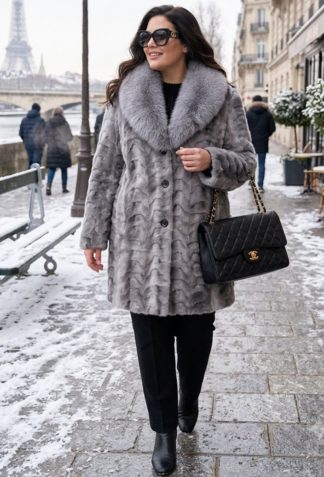
Mink and fox are the most popular fine furs precisely because they offer luxury at a more attainable price than sable or chinchilla — mink for its durability and timelessness, fox for its drama and color. They’re where most collectors begin.

Buying at the top of the market

The rarest furs are also the ones you should never buy without expert eyes — quality varies enormously, and matching and workmanship make all the difference. Marc Kaufman Furs has sourced and crafted the world’s finest furs in New York City since 1870. Contact us or visit our showroom to see them in person.

Posted on

How to Store a Fur Coat

Professional fur cleaning process by a master furrier using anti-bacterial agents for luxury garment restoration in New York.

A fur coat is an investment that can last decades — but only if it’s stored properly. More furs are ruined by bad storage than by wear. Here’s how to protect yours, what to avoid at home, and why professional cold storage exists.

What damages fur

Fur has four enemies: heat (which dries out the leather backing and makes it crack), light (which fades and oxidizes the color), moisture and humidity (which breed mold and mat the fur), and moths and pests (which feed on the hair). A typical home closet exposes fur to most of these year-round.

Why your closet isn’t enough

Storing fur in a home closet — especially over the warm months — is the most common mistake. Room temperature is far too warm, the air is too dry or too humid, and garment bags trap moisture against the pelts. Cedar and mothballs don’t solve the underlying temperature and humidity problem. A fur left in a closet all summer can lose years of life in a single season.

Professional cold storage

Proper fur storage means a climate-controlled vault held at around 45–55°F with controlled humidity — cold enough to slow the natural breakdown of the leather and stop pests, humid enough to keep the pelts supple. This is what a furrier’s storage facility provides, and it’s why fur owners store their coats professionally every off-season rather than at home.

Between seasons and day to day

When your fur is in use, hang it on a broad, padded hanger with room to breathe — never in a plastic bag, and never crushed between other clothes. Keep it away from radiators, direct sun, and perfume. And have it professionally cleaned and glazed once a year to remove oils and restore luster.

Store your fur with specialists

Marc Kaufman Furs has provided professional fur cleaning, glazing, repair, and cold storage in New York City since 1870 — for our own furs and for any fur you own. Learn more about our fur storage, cleaning, and repair services, or contact us to arrange off-season storage.

Fix B — “What Is the Warmest Fur for Winter” (remove shearling)

Since you’ve dropped shearling, this post shouldn’t recommend it or link to it. Open the post → Code tab → replace everything with this shearling-free version:

All fur is warm — that’s the point — but some furs are dramatically warmer than others, and the “warmest” one depends on what you’re dressing for. Here’s how the major furs actually compare when the temperature drops, from a furrier who’s fitted New Yorkers for more than 150 winters.

left in a closet all summer can lose years of life in a single season.

Professional cold storage

Proper fur storage means a climate-controlled vault held at around 45–55°F with controlled humidity — cold enough to slow the natural breakdown of the leather and stop pests, humid enough to keep the pelts supple. This is what a furrier’s storage facility provides, and it’s why fur owners store their coats professionally every off-season rather than at home.

Between seasons and day to day

When your fur is in use, hang it on a broad, padded hanger with room to breathe — never in a plastic bag, and never crushed between other clothes. Keep it away from radiators, direct sun, and perfume. And have it professionally cleaned and glazed once a year to remove oils and restore luster.

Store your fur with specialists

Marc Kaufman Furs has provided professional fur cleaning, glazing, repair, and cold storage in New York City since 1870 — for our own furs and for any fur you own. Learn more about our fur storage, cleaning, and repair services, or contact us to arrange off-season storage.

Posted on

What Is the Warmest Fur for Winter?

All fur is warm — that’s the point — but some furs are dramatically warmer than others, and the “warmest” one depends on what you’re dressing for. Here’s how the major furs actually compare when the temperature drops, from a furrier who’s fitted New Yorkers for more than 150 winters.

How fur keeps you warm

A fur’s warmth comes from two layers: the dense, soft underfur that traps body heat, and the longer guard hairs that shield against wind and moisture. Furs with thick underfur are warm; furs with both thick underfur and long guard hairs are the warmest of all.

The warmest furs, ranked

Fox tops the list for sheer cold protection — long guard hairs over dense underfur trap a deep cushion of air, ideal for standing outdoors in wind and snow. The trade-off is a fuller, more voluminous silhouette. Explore fox coats and jackets.

Raccoon and other long-haired furs deliver similar deep warmth for the coldest, most exposed conditions, with a rugged, textured look.

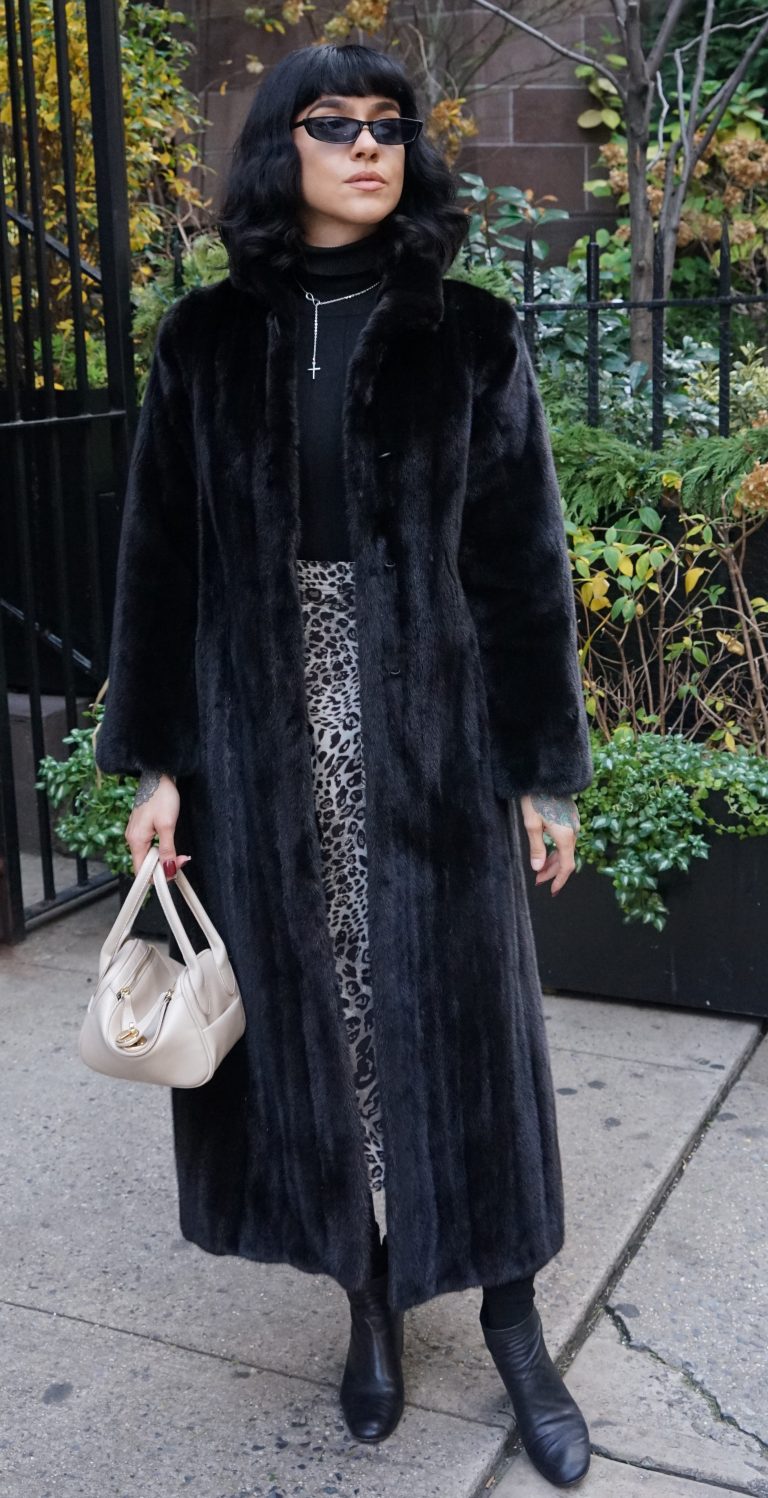
Mink offers the best warmth-to-weight ratio: its dense underfur keeps you warm in a lightweight, sleek coat that’s comfortable for everyday city winters — which is why it’s the fur most people actually live in. Explore mink coats.

Chinchilla and sable are remarkably warm for their weight thanks to extraordinary hair density — chinchilla has the densest fur of any land animal — though both are luxury furs treated with more care than everyday wear. See our chinchilla collection.

So which is warmest?

For extreme, windy cold, fox wins on sheer insulation. For the best balance of warmth, weight, and everyday wearability, mink is hard to beat. For warmth that also happens to be the softest luxury on earth, chinchilla. Not sure which suits your winters? Contact us or visit our NYC showroom and we’ll help you choose.

Posted on

How Are Mink Coats Made?

A fine mink coat looks effortless, but behind it are dozens of hours of skilled handwork. Mink is never simply “cut and sewn” like fabric — it’s built, pelt by pelt, by a furrier who has spent years learning the craft. Here’s how a mink coat actually comes together, from raw skin to finished garment, at a workroom like Marc Kaufman Furs, where the family has made mink coats in New York City since 1870.

1. Sourcing and grading the pelts

It starts with the pelts. Mink is graded on clarity of color, density of underfur, silkiness of the guard hair, and size. A single full-length coat can take 30 to 60 matched pelts, so the furrier selects skins that are as close as possible in shade and texture — because any mismatch will show in the finished coat.

2. Matching

Matching is where experience shows. The furrier lays the pelts out and arranges them so the color and hair flow unbroken across the whole garment — shoulders to hem, sleeve to sleeve. On a natural-shade coat this is painstaking; on a coat with subtle shading like sapphire or a cross pattern, it’s an art.

3. Cutting and “letting out”

This is the step that separates fine furriery from mass production. In a technique called letting out, each pelt is sliced into dozens of thin diagonal strips and re-sewn to make the skin longer and narrower — so a short mink pelt becomes a slender strip that runs the full length of the coat. It uses more skill and more labor, but it’s what gives a luxury mink coat its fluid, vertical drape.

4. Sewing and the canvas

The let-out pelts are sewn together on a fur machine, then dampened and stapled to a board in the exact shape of the pattern to set — a process called nailing. The fur is backed with a supportive canvas and interfacing that give the coat its structure without weight.

5. Lining and finishing

Finally the coat is lined in silk or satin, closures and hooks are added, and the whole piece is cleaned and glazed so the fur gleams. Only then is it ready to wear — and, with proper care, to last for decades.

Why handmade still matters

Every one of these steps can be rushed or done properly, and it shows in how a coat drapes, wears, and lasts. That’s the difference between a fur bought from a fashion label and one made by a furrier. Explore our full-length mink coats and mink jackets, or contact us about a custom piece made to your measurements.

Posted on

Mink vs. Fox Fur: What’s the Difference?

Mink and fox are the two most popular furs in the world, and if you’re shopping for your first serious fur coat, they’re almost certainly the two you’re deciding between. They look different, wear differently, and suit different personalities. Here’s how they compare across everything that matters — from a family of furriers who’ve worked with both in New York City since 1870.

The look: sleek vs. dramatic

The fastest way to tell mink and fox apart is texture. Mink has short, dense, glossy hair that lies flat and smooth — sleek, refined, and understated. Fox has long, silky guard hairs that stand away from the body, giving it volume, movement, and drama. Mink whispers; fox makes an entrance. If you want a coat that reads quietly expensive, mink is your fur. If you want one that turns heads across a room, fox is hard to beat.

Warmth

Both furs are exceptionally warm, but they get there differently. Mink’s dense underfur traps heat in a thin, efficient layer, so it’s warm without bulk. Fox’s long hairs trap a deep cushion of air, making it one of the warmest furs for truly cold, windy conditions — at the cost of a bulkier silhouette. For an everyday city winter, mink is plenty. For standing outside at a football game in January, fox wins.

Weight and comfort

Mink is remarkably lightweight for its warmth, which is a big part of why it’s the go-to for coats you’ll wear often. Fox is also light, but its volume makes it feel more substantial on the shoulders. Neither is heavy the way old-fashioned furs could be — modern cutting techniques keep both comfortable for all-day wear.

Durability: the deciding factor for many buyers

This is where mink pulls ahead. Mink is one of the most durable furs you can buy — a well-made mink coat, properly cared for, routinely lasts 20 to 40 years and is often handed down. Fox is softer and its long guard hairs are more delicate, so a fox coat generally has a shorter lifespan and shows wear sooner. If you’re thinking of your coat as a decades-long investment, mink is the safer bet. If you want a statement piece for the seasons ahead, fox delivers more drama per dollar.

Color

Mink comes in beautiful natural shades — ranch brown-black, mahogany, sapphire blue-grey, demi-buff, and white — and takes dye elegantly. Fox is the most colorful fur in the world: natural silver, red, blue (indigo), and arctic white, plus vivid dyed shades that mink can’t quite carry off. If color is the point, fox gives you more to play with.

Price

Prices vary widely by quality, length, and workmanship, but as a rule mink commands a higher price for its durability and timelessness, while fox often offers more visual impact for less. Both sit below the rarest furs — sable and chinchilla — at the top of the market.

Care

Both furs need the same basic care: professional cleaning and glazing once a year, and cold storage through the warm months to protect the pelts. At Marc Kaufman Furs we provide all of it in house, which is a good reason to buy your fur from a furrier who can care for it for its whole life.

So, which should you choose?

Choose mink if you want a lightweight, durable, endlessly versatile coat that will last decades and never look dated — the definitive everyday luxury. Explore our full-length mink coats and mink jackets.

Choose fox if you want volume, color, and unmistakable drama — a coat that’s the whole outfit. Explore our fox coats and jackets.

Still not sure? That’s what we’re here for. Marc Kaufman Furs has helped New Yorkers choose the right fur since 1870. Contact us or visit our showroom at 212 West 30th Street, and we’ll walk you through both in person.