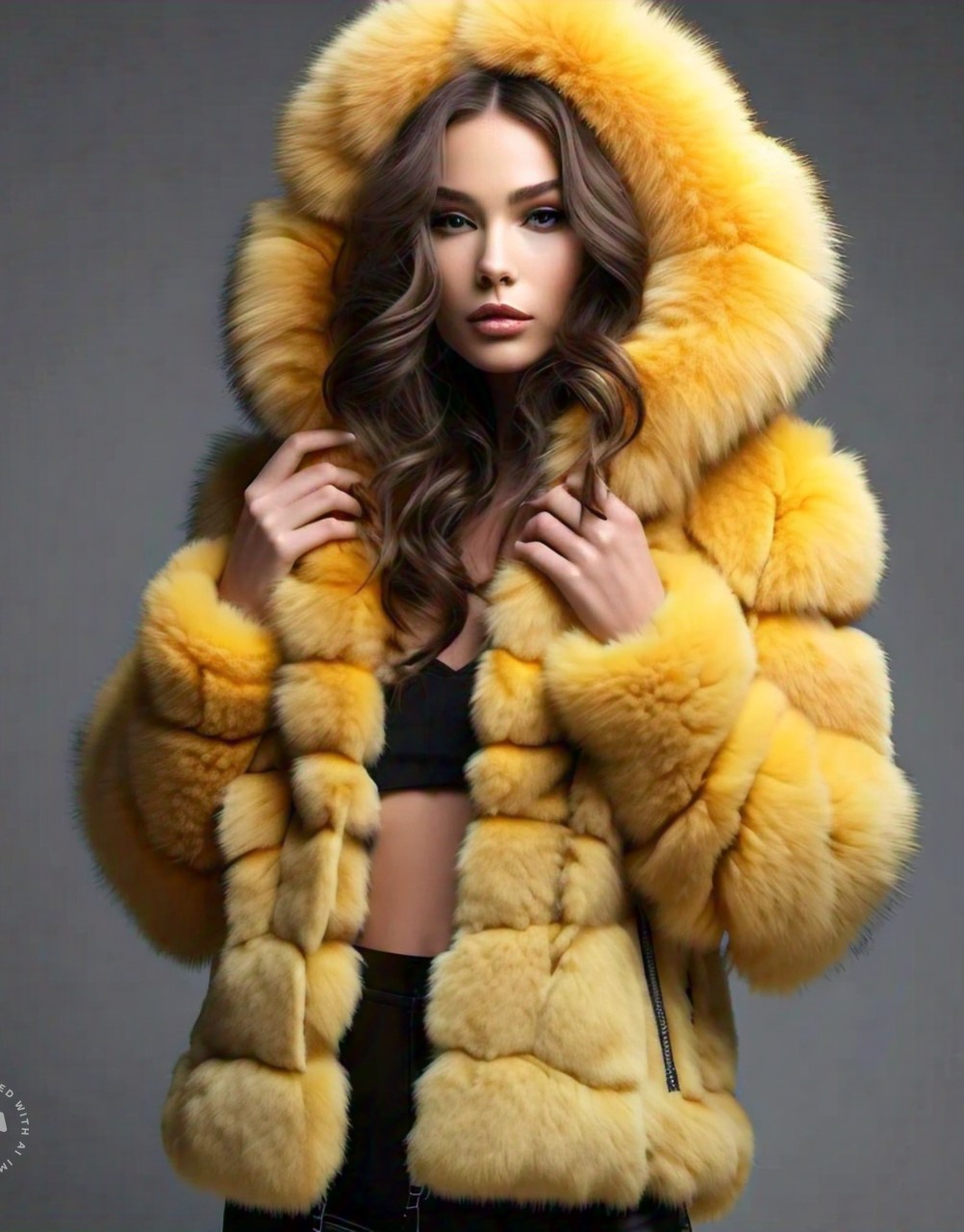
The Warmth of Fur
100 Reasons Fur is Warm due to several inherent properties and characteristics. Here are best reasons why furs are so warm:
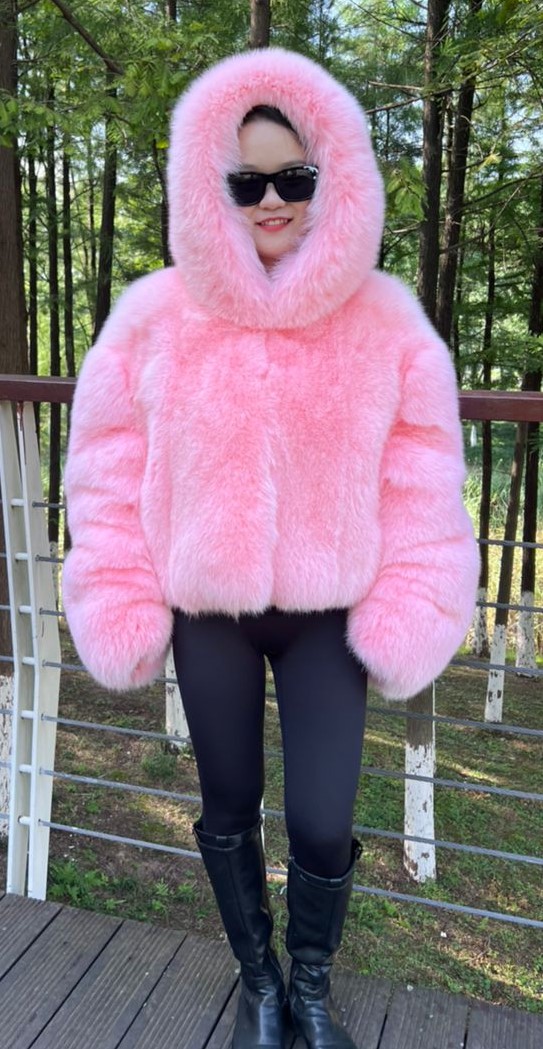
100 Reasons Fur is Warm
Furs are known for their warmth due to several inherent properties and characteristics. Here are 50 reasons why furs are so warm:
- Insulating air pockets: Fur traps air within its fibers, creating insulating layers that retain warmth.
- Hollow hairs: Some fur types have hollow hairs that enhance insulation by trapping more air.
- Natural insulation: Fur is a natural insulator, keeping the body warm in cold conditions.
- Dense fur structure: Many fur-bearing animals have dense fur, which provides better insulation.
- Thickness: Fur can be thick, providing excellent insulation against the cold.
- Softness: Soft fur can trap air more effectively, improving insulation.
- Layering: Some animals have multiple layers of fur, increasing insulation.
- Underfur: Many fur-bearing animals have a soft underfur beneath the coarser outer fur, offering additional insulation.
- Natural oils: Fur often contains natural oils that help repel moisture and maintain warmth.
- Water resistance: Fur is naturally water-resistant, keeping the body dry and warm.
- Wind resistance: Fur can act as a barrier against wind, preventing cold air from penetrating.
- Fur density: High-density fur provides superior insulation.
- Loftiness: Fur can be fluffy and lofty, creating more air pockets for insulation.
- Adaptation to cold climates: Fur-bearing animals have evolved to thrive in cold environments, so their fur is naturally warm.
- Trapping heat: Fur effectively traps body heat close to the skin.
- Thermal regulation: Fur helps regulate body temperature by maintaining a consistent warmth.
- Natural warmth: Fur provides warmth without the need for added insulation or heating elements.
- Breathability: Fur is breathable, allowing moisture to escape while retaining warmth.
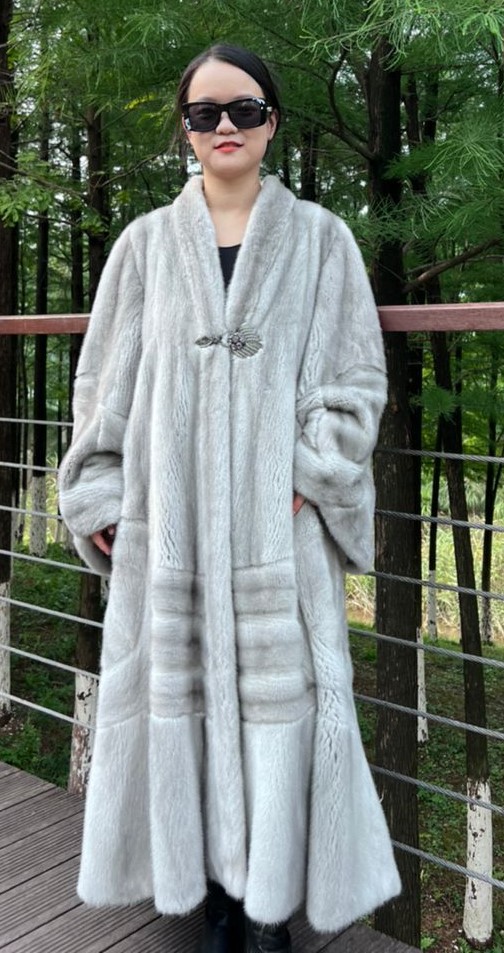
- Lightweight: Fur is lightweight, making it easy to wear without feeling bulky.
- Flexibility: Fur is flexible and allows for ease of movement while still providing warmth.
- Durability: Fur coats can last for many years, maintaining their insulating properties.
- Camouflage: Fur helps animals blend into their environments, reducing heat loss due to predators.
- Natural resilience: Fur fibers regain their shape after compression, preserving their insulating properties.
- Adaptation to temperature changes: Fur adapts to temperature fluctuations, ensuring comfort.
- Fur color: Dark fur absorbs more sunlight, adding extra warmth.
- Sun reflection: Light-colored fur reflects sunlight, preventing overheating in warmer conditions.
- Regrowth: Fur naturally regrows, ensuring consistent warmth for the animal.
- Low conductivity: Fur has low thermal conductivity, which means it doesn’t readily conduct heat away from the body.
- Resistance to heat loss: Fur minimizes heat loss through radiation, convection, and conduction.
- Layered design: Fur-bearing animals often have multiple layers of fur that work together to provide insulation.
- Windbreak: Fur acts as a natural windbreak, shielding the body from cold winds.
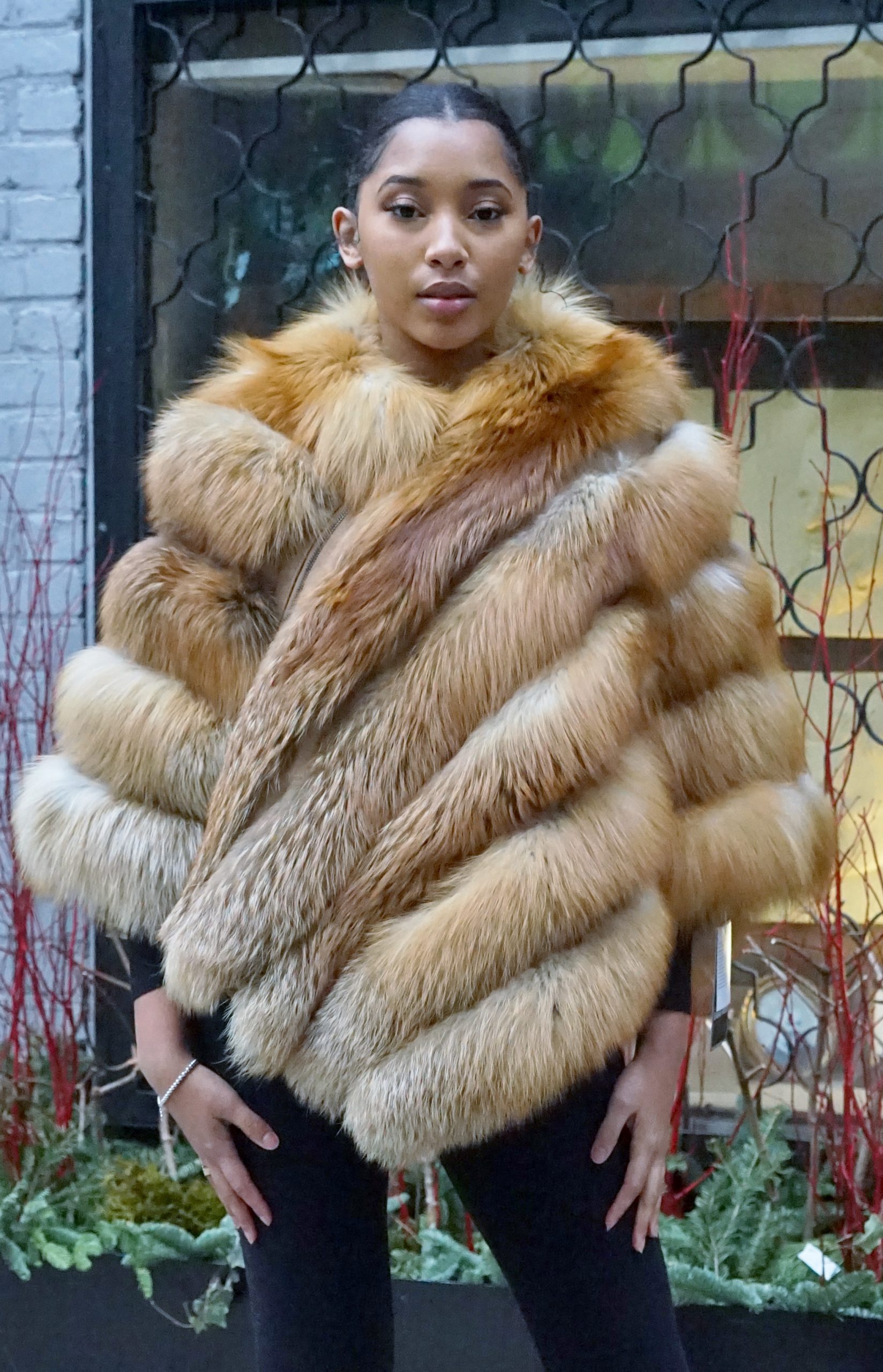
- Resistance to moisture: Fur repels moisture, preventing the body from getting wet and cold.
- Adaptation to specific environments: Different fur types are adapted to specific climates and conditions.
- Fur thickness distribution: Some areas of an animal’s body may have thicker fur, enhancing warmth.
- Heat retention: Fur retains heat even in extremely cold conditions.
- Heat reflection: Fur can reflect some body heat back towards the body.
- Hydrophobic qualities: Many fur types resist water, which is critical for maintaining warmth.
- Cold resistance: Fur adapts to extreme cold, making it suitable for harsh winters.
- Soft underlayer: The soft underlayer of fur provides comfort and extra warmth.
- Evolved design: Fur coats have evolved over generations to optimize warmth.

- Natural movement: Fur moves with the body, preventing heat loss through gaps.
- Weather resistance: Fur remains effective even in inclement weather.
- Hair follicle design: Hair follicles are arranged to trap air and provide insulation.
- Fur texture: Soft, plush fur textures enhance warmth.
- Lining properties: Some furs are used as linings to add warmth to clothing.
- Layering potential: Fur can be layered for added insulation.
- Minimal heat loss: Fur minimizes heat loss through radiation and convection.
- Responsiveness to temperature: Fur adapts to temperature changes, providing comfort.
- All-natural: Fur is a completely natural and renewable source of warmth.
- Lightness: Fur is lightweight and doesn’t add unnecessary bulk to clothing.
- Soft-to-touch: Fur feels comfortable against the skin, enhancing warmth.
- Long-lasting: Well-maintained fur products can provide warmth for many years.
- Versatility: Fur can be used in various clothing items, from coats to hats and gloves.
- Thermal efficiency: Fur efficiently retains body heat without overheating.

- Insulating properties: Fur is commonly used in cold-weather gear for its insulating qualities.
- Temperature moderation: Fur helps maintain a stable body temperature in cold environments.
- Easy maintenance: Fur requires minimal care to retain its insulating properties.
- Non-irritating: Fur is gentle on the skin and does not cause irritation or discomfort.
- Sustainable: Fur is a renewable resource, making it an eco-friendly choice for warmth.
- Historical use: Fur has been used for centuries by various cultures as a warm and practical material.
- Fashionable: Fur remains a popular choice for fashion due to its warmth and style.
- High-quality craftsmanship: Fur garments are often meticulously crafted for maximum warmth.
- Natural beauty: Fur products are prized for their natural, aesthetic appeal.
- Texture variety: Fur comes in various textures, each with its own insulating qualities.
- Comfortable fit: Fur clothing is often designed for a snug yet comfortable fit that maximizes warmth.
- Insulating gloves: Fur-lined gloves provide exceptional warmth for the hands.
- Cold-weather accessories: Fur is used in hats, scarves, and earmuffs for added warmth.
- Luxurious feel: The softness and luxurious feel of fur add to its warmth.
- Climate adaptation: Different fur types are suited to different climates, offering optimal warmth.
- Skin-fitting: Fur can be designed to fit close to the body, minimizing heat loss.
- Flexibility in design: Fur can be incorporated into various styles of clothing for different levels of warmth.
- Insulating properties of fur-lined boots: Fur-lined boots provide warmth to the feet in cold conditions.
- Thermal balance: Fur helps maintain a balanced body temperature in cold weather.
- Comfortable microclimate: Fur creates a comfortable microclimate close to the skin.
- Maintains warmth when wet: Some types of fur retain their insulating properties even when wet.
- Resistance to frostbite: Fur can help prevent frostbite in extreme cold.
- Aesthetic appeal: Fur adds a touch of elegance and sophistication to winter fashion.
- Cold-weather tradition: Fur has been a traditional choice for staying warm in cold climates.
- Effective windbreak: Fur can block the wind effectively, reducing heat loss.
- Breathable: Fur allows moisture to escape while maintaining warmth.
- Natural renewal: Fur regrows naturally, ensuring a consistent source of warmth for the animal.
- Temperature adaptability: Fur adjusts to the body’s temperature needs, providing warmth as required.
- Non-irritating to animals: Fur remains comfortable for animals and does not cause harm.
- Customizable design: Fur garments can be tailored to individual preferences for warmth.

- Natural barrier: Fur acts as a barrier against the elements, keeping the body warm.
- Cold-weather resilience: Fur remains effective in the harshest cold conditions.
- Temperature retention: Fur retains heat efficiently, even in frigid temperatures.
- Thermal comfort: Fur provides a high level of comfort in cold environments.
- Layering options: Fur can be layered with other clothing items to increase warmth.
- Minimal heat escape: Fur minimizes the escape of body heat, keeping the wearer warm.
- Regulates heat loss: Fur helps regulate the body’s heat loss, preventing rapid cooling.
- Evolved adaptation: Fur-bearing animals have evolved to optimize their fur for insulation.
- Non-toxic: Fur is a safe, non-toxic material for clothing.
- Soft padding: Fur can be used as padding in winter gear, adding warmth and comfort.
- Windproof qualities: Fur can block cold winds, reducing the risk of hypothermia.
- Durable in cold conditions: Fur remains durable and effective in freezing temperatures.
- Multiple fur types: Different animals produce fur with varying insulating properties.
- Effective heat trapping: Fur traps heat close to the body, preventing its escape.
- Adaptable to fashion trends: Fur remains a timeless and fashionable choice for warmth.
- Enduring popularity: Despite alternatives, fur continues to be valued for its exceptional warmth and natural beauty.

Marc Kaufman Furs