Posted on

Faux Fur Vs. Real Fur | Which Is More Sustainable?

Faux Fur Vs. Real Fur | Which Is More Sustainable?

To no surprise, consumers find it extremely difficult to differentiate between faux fur vs. real fur. Some brands and designers do not declare themselves as fur-free, owing to animal rights activists’ claims.

The main reason backing this up is that faux furs aren’t any less evil than real furs. Just because a fashion article is animal-free does not mean that it isn’t hurting the environment. In this blog, we will discuss how real fur is better and more sustainable than faux fur.
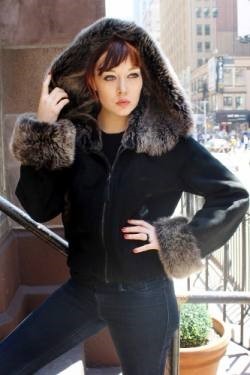
Black Shearling Jacket Grey Hood


Black Shearling Jacket Grey Hood 2299

Alt image text: A girl wearing black shearling jacket with fur trims

We already have a pivot point; one is hurting the food chain, while the other is hurting the entire ecosystem. Nevertheless, let us put all the bias aside and look from an environmental lens to figure this out neutrally.

A Little Scientific Advocacy Never Hurt Anyone!

While real furs come from real animals, faux furs come from chemical polymers that resemble plastic structures and are outstandingly cheap. Both of these are processed and converted into luxurious fashion articles. Fur coats, whether real or faux, are a symbol of opulent fashion.

So, if the outcome is the same, which fur type is the wiser decision? If you believe that killing animals for producing fashion clothing articles for humans is immoral, your argument is valid. However, did you know that there is no scientific or measurable evidence behind this argument?

Fashion advocates think it’s okay to ignore animal welfare because there is simply no way to measure or quantify it. Above that, animal rehabilitation centers are working to ensure food chain sustainability. Some farms inhabit local animals for the fur industry. Additionally, no brand is killing endangered species for the benefit of any human.

That Is Not All of It!

We are not saying that killing animals for human consumption is fair. However, no evidence proves that killing animals can disturb the ecosystem. All the articles and information you will find in respect to this subject, mostly comes from animal activists or the fur industry. Thus, all of this information is biased, does not tell you the whole truth; let us give you an example:

Remember the article published by a couple of animal rights organizations: The environmental impact of mink fur production? It says that real furs are worst for the environment. A competitive article by the name: A comparative lifecycle analysis says that faux furs are far worst for the environment.

See, the question of which is better than which has zero scientific arguments and research backups. One thing yet to realize is that both of these types are harming something. Real furs are hurting animals for human comfort, while faux furs hurt the whole planet for a clothing article.

 So, Who’s Right?

The answer to which fur is the lesser of the two evils depends on various factors. Of course, neither is justified, hurting animals or the entire planet. So, we will only try to make it simple if you are a fur-lover.

1.      The Nature of the Animal Matters

study published by the fur-free alliance shows that 1Kg carnivorous fur produces more toxic emissions and eutrophication than herbivorous. One way to tackle this challenge is by switching to herbivore furs, for example, rabbit furs. Rabbits are herbivores, and their usage reduces the carbon-footprint automatically. Thus, more sustainable and less endangering for the environment. Now compare the rabbit fur with polyester. Without a doubt, rabbit furs will top the sustainability criteria. According to the study published by close-the-loop, synthetic fabrics take 20 to 200 years to start decomposition.
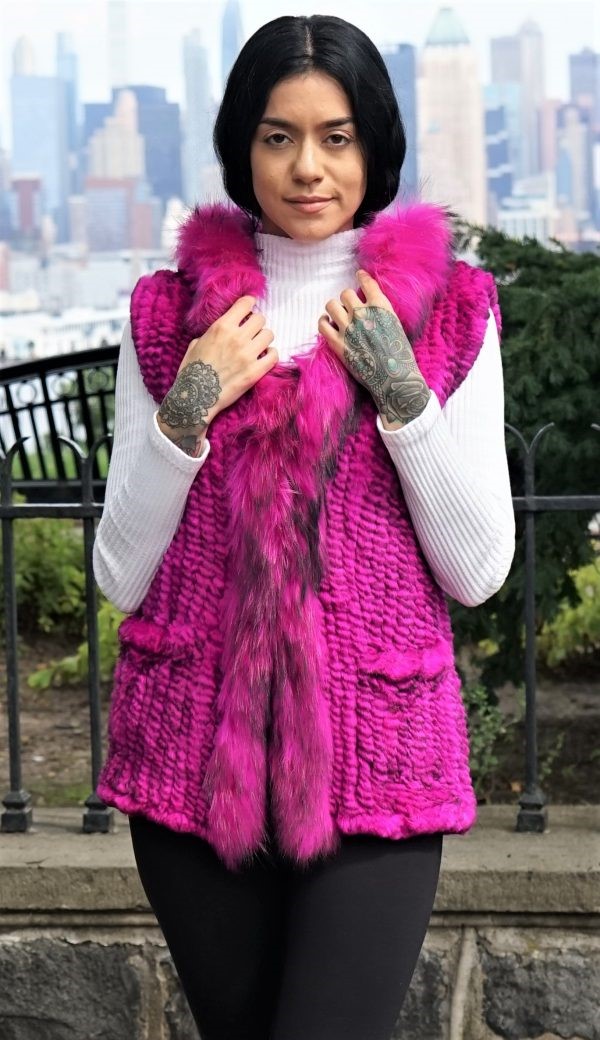
Fuchsia Rex Rabbit Vest


Fuchsia Rex Rabbit Vest 6578

Alt image text: A woman wearing pink rabbit fur vest

2.      The Upbringing of the Animal Matters

Let us explain this using the Coyote example.  National Geographic reports that Coyotes extended their territories after their biggest enemies, i.e., wolves, were stamped out. They prey on baby caribous and put this vulnerable population at high risk of extinction. No wonder they are so abundant, and their existence is a threat to other species. Considering all the facts mentioned, isn’t wearing a Coyote fur coat is better for the environment than faux fur? The choice is yours.
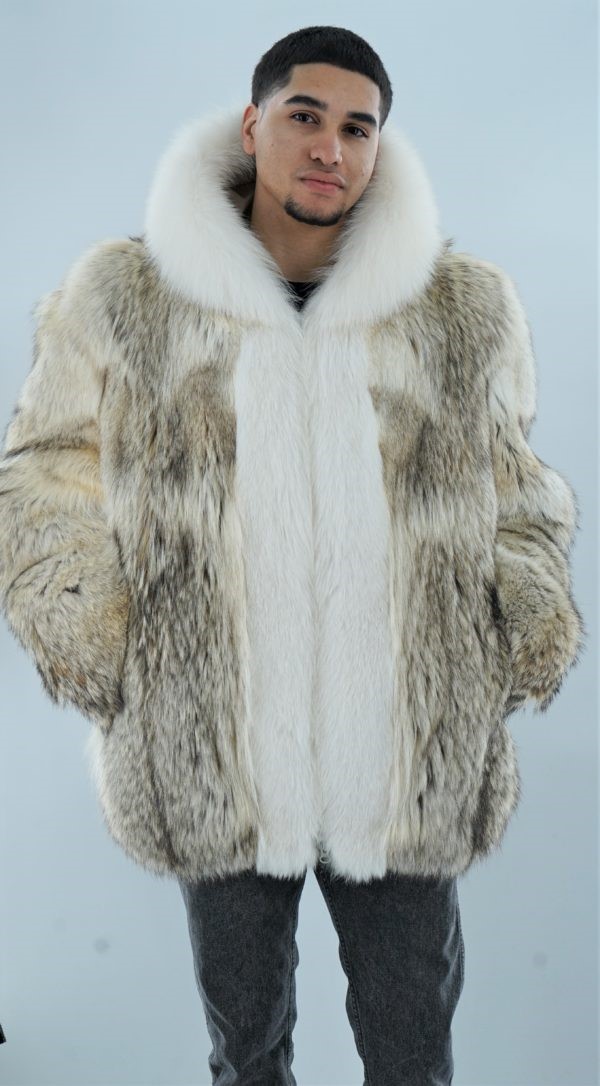
Men’s Coyote Fur Jacket White


Men’s Coyote Fur Jacket White Fox Trim Hood 7778

Alt image text: A man wearing white coyote fox fur trim hood

3.      The Fur Upcycling Process

No wonder faux furs look more and more luxurious with each minute passing. It is mostly because of industrial advancements and technological upgrades. Nevertheless, there are zero instances where one can recycle a faux fur coat. Contrarily, with real fur coats, undoubtedly, you can recycle and remodel your grandma’s 80s coat.

Even if you do not want to remodel your vintage fur coat, you can donate it to animal rehabilitation centers.
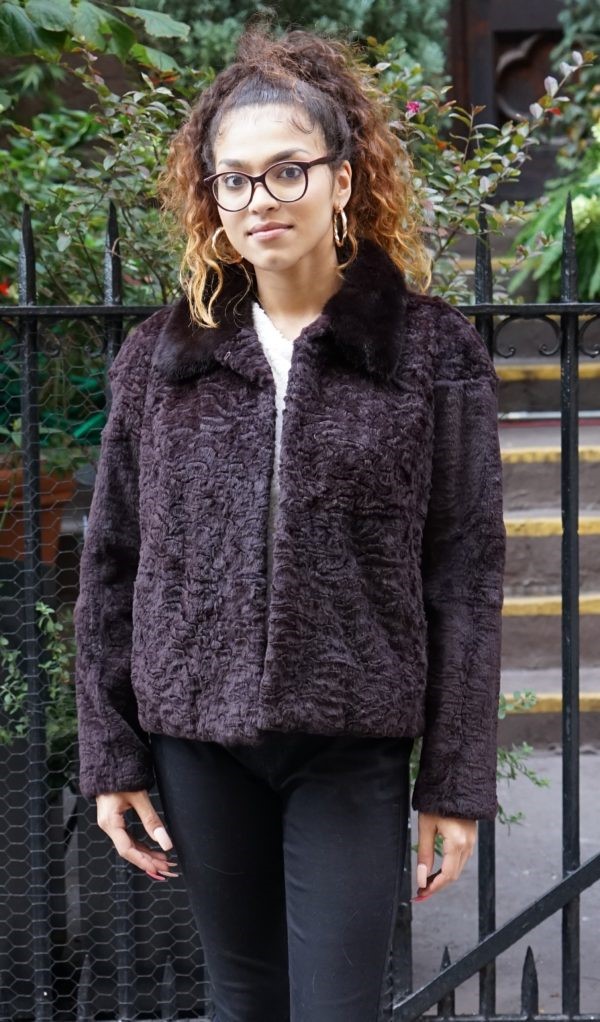
Pre-Owned Rabbit Jacket


Pre-Owned Rabbit Jacket 34455

Alt image text: A woman wearing vintage rabbit jacket

4.      The Fur Longevity You Desire

Let us head straight to the pro-fur study published by Huff Post. They compared a 30 years old real fur mink coat to a six-month-old faux fur coat. The study showed that the faux fur coat exhibited four times more damage risk than the real one.

Additionally, it was 2.7 times riskier for environmental consumption and climate change. It also had the risk of hurting human health if kept for another six to eight months. Thus, if durability and safety is a concern for you, consider real fur coats. There is nothing fancy about the faux fur coat you got for $50, which will fall apart within six months.

5.      The Ultimate Question: The Biodegradability

We know natural furs come from animals, and they biodegrade. Isn’t that why we need special storage and maintenance for them? However, we are not sure how long faux fur will take to decompose. Scientifically, faux furs are plastic synthetics spun into threads. They usually come from spandex, polyester, and acrylics.

These plastic fibers can take anywhere around 500 to 1000 years to initiate the process of decomposition. We have often heard the accusations made on the fashion industry like water contamination, fish poisoning, and likewise.

According to a study, plastic processing has intoxicated 83% of the tap water samples obtained globally. If you love the planet, you should love vintage fur coats too.

Final Words

In short, we are not here to accuse faux furs as something from which you should refrain. We debated the repercussions and benefits of each type of fur. Everything comes with its pros and cons.

Real furs have various types and options, and some of them are really good for the environment. Contact Marc Kaufman today; we have the biggest collection of high-quality real fur coats. We provide the best fur types at the most reasonable prices, so call us today!
Posted on

8 Reasons Why You Should Be Wearing Real Fur

8 reasons why you should be wearing real fur

The trend of real fur coats is crawling its way back to the fashion industry and designer boutiques. Consumers understand their importance, quality, worthiness, and value of using real fur coats. 8 reasons why you should be wearing real fur.

Many people shy away from wearing real fur coats because of the fear of the negative comments they will receive. However, wearing real fur can be beneficial in many ways. But before that, let’s talk about the reason why real fur should be allowed. You might have multiple questions regarding this controversial topic. Many people think it’s an ethical dilemma. However, some people support the use of animals for real fur. The latter group of people believes if animals are well-treated, not in danger of being extinct, not wasted, and put to good use, then it is acceptable to use and consume animals.

The process of nature further justifies the use of animals. Humans survive on animals. You can’t deny that animals are an integral part of your life and linked to the essentials we use every day.

Firstly, animals are widely used for medical testing to find cures for life-threatening diseases. Secondly, animals are also a part of our food consumption. Some people question the need to consume animals over vegetables. You will find plenty of evidence proving the use of animals does not harm the planet. Not all land available is suited for cultivation. Without animals’ by-products, such as eggs, milk, cheese, and butter, the survival of humans would not have been possible in many places. Every process has a chain reaction; therefore, reducing the use of animals can affect farmers. The farmers will not have enough income to survive. And lastly, the use of many animals’ products we wear, to protect ourselves from extreme weather and as a fashion element.

This proves that the use of animals is ethical and a part of nature that runs the world’s cycle.

Benefits of Real fur

There are many benefits of choosing real fur over man-made materials. Once you understand the benefits they provide and the industry’s nature, you will realize that real fur is one of the best options available in the market.

We have compiled eight significant reasons why you should be wearing real fur.

  1. Source of Warmth

Warmth is one of the primary reasons that people prefer to use real fur over man-made material winter coats. There are various types of man-made material winter coats available such as windbreakers, Denim jackets, and faux leather coats. But the warmth that a real fur coat provides is incomparable.

If you think about it, the fur on the animals is a blessing that allows them to survive the harshest of weather and temperatures. For humans to attain the same level of warmth, one will have to wear layers of artificial materials to survive. Hence, the use of just one layer of real fur will provide incomparable warmth without having to bank on a bulkier outfit.

Moreover, real fur allows your body to breathe while keeping your body comfortable and cozy, no matter the weather.

  1. Timeless Fashion Accessory

Fashion trends are erratic, which might change year to year. Investing in coats every year can be expensive, and no one wants to be stared at with an old-style coat at a party. Instead, if you want to be a head-turner, you can only achieve it by purchasing real fur coats.

The magic of real fur is that it never goes out of style. It’s the seductive beauty of real fur that has a firmer grasp on the fashion imagination. Even if you wear a fur coat that you purchased two to three years ago, it will still provide you the same warmth and glamour. It is something that faux fur coats cannot provide.

  1. The Fashionable Option

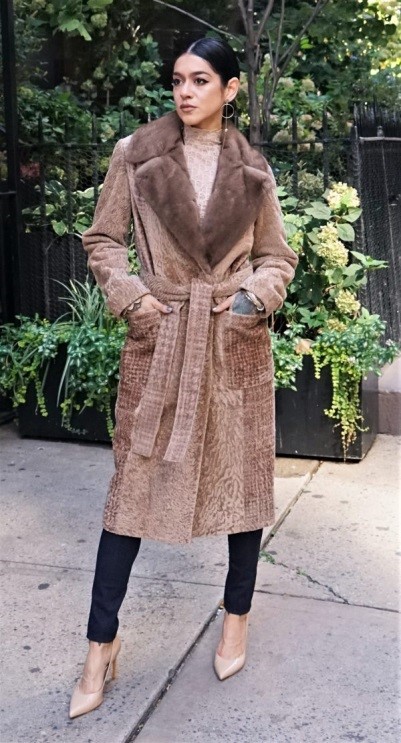
Real fur coats are the most fashionable clothing you will find in stores. There are many options for real fur coats that have their unique quality. Real fur coats can be utilized for any occasion such as grocery runs, lunches, evening out with friends, date nights, or even family gatherings. The multiple choices of real fur coats available can cover all. Moreover, you can use the same coats for multiple events. It is all about styling and accessorizing them. For example, the shearling coat can be used for an office lunch by styling it with jeans and for a date night by pairing it up with a knee-length skirt. If you want to buy a real fur coat, please visit our website for various options.

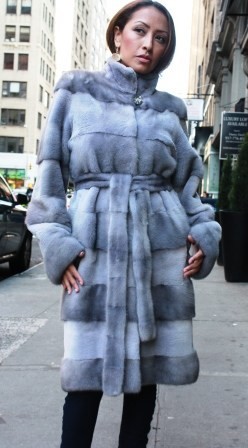
Shearling Coat

Shearling Coat

Image alt text: Woman wearing a shearling coat by Marc Kaufman

  1. Eco-Friendly

The most important reason to wear real fur is that they are eco-friendly. Animals are a renewable resource that will never run out following appropriate steps taken to protect the species. Animal furs are known to be exemplary because it is sustainable use of a renewable resource. Animal furs are renewable as they are composed of biodegradable elements that degrade slowly without harming the environment.

On the other hand, faux furs are made of petroleum-based products, which cause wastage of resources. The petroleum compound is difficult to extract, transport, and process. Additionally, it is not biodegradable and inflicts damage to water resources and living things.

  1. Durability

You might have to replace your winter coats more often, but real fur coats can last longer. You might find fur coats in your grandmothers’ cupboard, which look fresh as new. Due to their resilience and long-lasting qualities, fur coats can be recycled, restyled, and repurposed time and again. However, fur coats need proper care to last longer.

  1. Comfort

Real fur coats and accessories are incredibly soft, sensual, and don’t feel heavy or bulky. The new techniques used with real furs have made them even lighter in weight and versatile. Real fur coats provide unmatched coziness indoors as well as outdoors.

Sapphire Mink Stroller

Sapphire Mink Stroller

Image alt text: Woman wearing the most comfortable and warm Mink Stroller coat

  1. Safest Option

Real fur is also the safest option you can choose to stay warm and comfortable in wintertime. Recent studies have discovered that synthetic fibers increase the likelihood of cancer, respiratory issues, and infertility. Hence, the safest option for winter clothing is none other than real fur.

  1. Shedding

It is the process in which hair from your fur coat starts falling. Shedding can result from a lack of adhesives; the fur cannot glue all its hairs and slowly starts to fall off. Another reason is that synthetic is not resistant to regular wear and tear. Therefore, man-made faux furs are more prone to shedding. Faux furs purchased from reputable brands can also result in shedding and put you in an embarrassing situation.

Real fur coats do not shed and are strong and tough. However, it would be best to take some responsibility for your real fur coats to last longer.

Final thought

These are the eight reasons why you should be wearing real fur coats. However, in the end, the decision is yours. Some might want to make such an investment because of its luxurious feel and glamourous look. In contrast, others will not be sure if they want to invest.

Since real fur has never disappointed anyone, you might want to consider the reasons above and make an informed decision.

We, at Marc Kaufman, have a variety of options for both men and women. You will find unique coats such as fox fur coats, mink coats, custom shearling coats, rex rabbit fur coats, and many more. Not only coats, but we also have capes, jackets, and accessories made of real fur. To invest in a perfect coat this winter, please feel free to contact us.

Posted on

Remodel Mink Coat Into Fur Blanket

red fox fur blanket

Remodel Mink Coat Into Fur Blanket

Remodel Mink Coat Into Fur Blanket Repurposing a mink coat into a blanket is a creative and sustainable way to give new life to an old or unused garment.

Repurposing a mink coat into a blanket is a creative and sustainable way to give new life to an old or unused garment. However, it’s important to approach this project with care, as mink fur is delicate and requires special handling. Here’s a general guide on how you might go about transforming a mink coat into a blanket:

A professional Furrier is Recommended.

red fox fur blanket
red fox fur blanket

Materials and Tools Needed:

  1. Mink coat
  2. Lining fabric (optional)
  3. Sewing machine or needle and thread
  4.  
  5. Measuring tape
  6. Pins
  7. Fabric marker or chalk
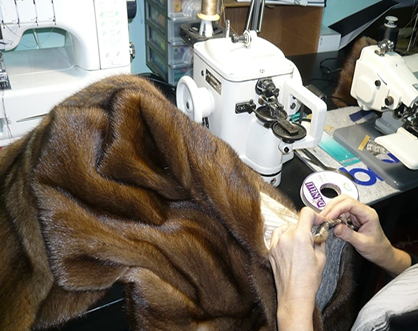
Fur sewing machine
Fur sewing machine

Steps:

  1. Assess the Coat: Examine the mink coat to determine its size and condition. Make sure it’s clean and in good shape, as you don’t want to use damaged fur for your blanket.
  2. Decide on the Size: Decide how large you want your blanket to be. You can choose to use the entire coat or just a portion of it, depending on your preferences and the size of the coat.
  3. Cut the Coat: Using a furrier knife, carefully cut the mink coat according to your desired size and shape. Be precise and take your time to ensure even edges.
  4. Lining (Optional): If you want to add a lining to your blanket for extra warmth or to enhance its appearance, cut a piece of lining fabric to the same size as your mink fur piece.
  5. Pin and Sew: If you’re using a lining, pin the mink fur piece and the lining fabric together with the fur side facing inwards. Leave a small opening for turning the blanket right side out. If you’re not using a lining, skip this step.
  6. Sew the Edges: Using a sewing machine or hand stitching, sew along the edges, leaving the small opening you created in step 5. Make sure to use a strong and appropriate needle and thread for sewing fur.
  7. Turn Right Side Out: Carefully turn the blanket right side out through the opening you left. Be gentle with the mink fur to avoid damaging it.
  8. Close the Opening: Hand stitch or machine sew the opening closed.
  9. Re-block Coat: Lay coat on table, slightly dampen coat and stretch until garment is flat or in the shape that you are looking for. Do not over dampen, because fur can tear easily
  10. Finish the Edges (Optional): If desired, you can add a decorative border or trim to the edges of your mink fur blanket for a polished look.
  11. Care and Maintenance: Mink fur requires special care. Avoid exposing it to direct sunlight, excess moisture, and heat. Store it in a cool, dry place and consider professional cleaning when necessary.

Please note that repurposing a mink coat into a blanket may not be to everyone’s taste, as it involves altering a luxury item. Consider the sentimental and ethical aspects of such a project before proceeding. Additionally, if you’re unsure about any of the steps or lack the necessary sewing skills, it’s a good idea to consult a professional furrier or tailor for guidance and assistance.

Expert Fur Repairs
Expert Fur Repairs

Marc Kaufman Furs 

212 West 30th St

NYC NY 10001

212-563-3877

Fur expert in fur remodeling and repairs

Posted on

LEARN THE FUR TRADE

Fur sewing machine
Learning about the fur trade involves understanding its historical significance, economic aspects, social impact, and the various players involved. Here’s a step-by-step guide on how to learn about the fur trade:
  1. Start with Background Research:
    • Begin by researching the fur trade’s history, which spans several centuries and regions. Understand the different eras, locations, and key players involved.
  2. Read Books and Articles:
    • Look for reputable books and academic articles on the fur trade. Some classic texts include “The Fur Trade in Canada” by Harold Innis and “Empire of the Bay” by Peter C. Newman.
  3. Visit Museums and Exhibits:
    • Many museums, especially in regions with a strong fur trade history (such as Canada and the American Midwest), have exhibits dedicated to the fur trade. These can provide a hands-on learning experience.
  4. Online Resources:
    • Explore online resources, including websites, documentaries, and academic papers. Websites like the Canadian Museum of History and the Hudson’s Bay Company Archives offer valuable information.
Fur Coat Repairs Are Us Marc Kaufman Furs
  • Join a Historical Society:
    • Consider joining a local historical society or fur trade reenactment group. These organizations often offer educational programs, events, and access to experts.
  • Watch Documentaries and Films:
    • There are several documentaries and historical films that cover the fur trade. Examples include “The Fur Trade” by PBS and “The Revenant” (though it’s a fictionalized account, it provides some insights).
  • Study the Economics:
    • Understand the economic aspects of the fur trade, including its impact on global trade, the role of fur companies like the Hudson’s Bay Company and the North West Company, and the development of trading posts.
    • Learn About Indigenous Involvement:
      • Recognize the vital role that Indigenous peoples played in the fur trade. Study their cultures, languages, and the treaties and agreements that shaped their interactions with European fur traders.
  • Read Primary Sources:
    • Delve into primary sources such as journals, diaries, and letters from fur traders and explorers. These can offer firsthand accounts of the fur trade.
  • Visit Historic Sites:
    • If possible, visit historic fur trade sites like trading posts, forts, and rendezvous locations. Walking in the footsteps of fur traders can provide a deeper understanding.
  • Attend Lectures and Seminars:
    • Look for lectures, seminars, and conferences related to the fur trade. These events often feature experts who can provide valuable insights.
  • Engage in Discussions:
    • Join online forums, discussion groups, or social media communities dedicated to fur trade history. Engaging in conversations with others who share your interest can enhance your learning.
  • Take Courses or Classes:
    • If you’re particularly passionate about the fur trade, consider enrolling in courses or workshops offered by universities or educational institutions.
  • Write or Create:
    • Summarize what you’ve learned through writing articles, essays, or creating presentations or videos. This can help reinforce your knowledge and share it with others.

LEARN THE FUR TRADE involves understanding its historical significance, economic aspects, social impact, and the various players involved.

Fur sewing machine
Fur sewing machine
  • Stay Updated:
    • Keep up with new research and discoveries related to the fur trade. The field of historical studies is continually evolving.

Remember that learning about the fur trade is a multi-faceted journey that can involve a combination of historical research, cultural exploration, and engagement with experts and enthusiasts. Be open to different perspectives and interpretations as you deepen your understanding of this important historical phenomenon.

Posted on

Chinchilla Coats are Luxurious and Versatile

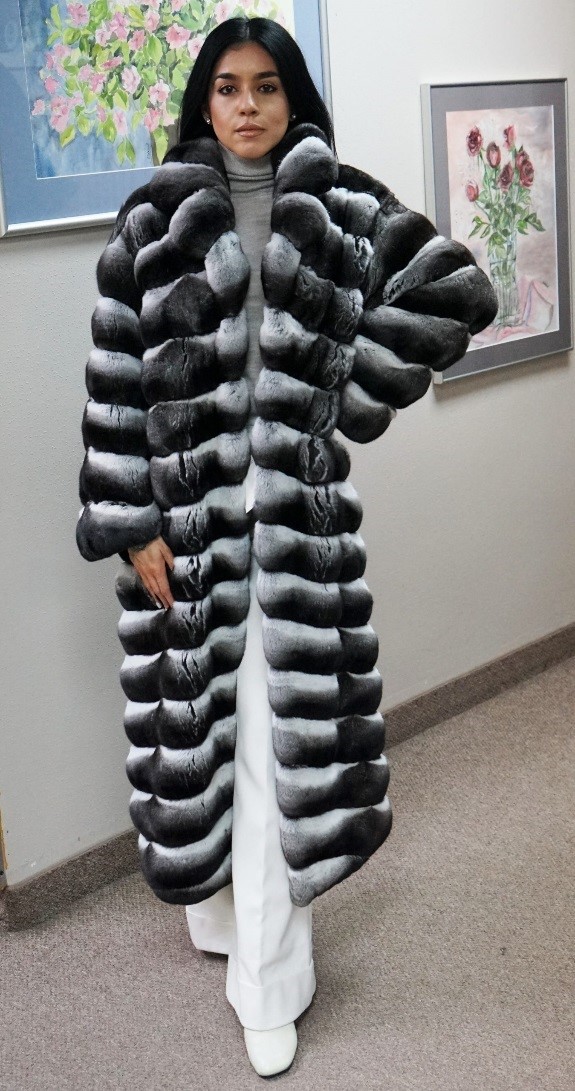
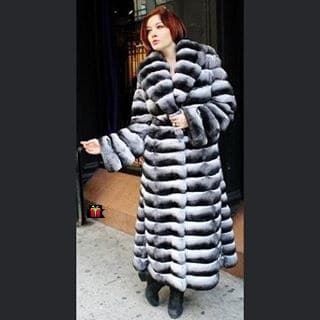
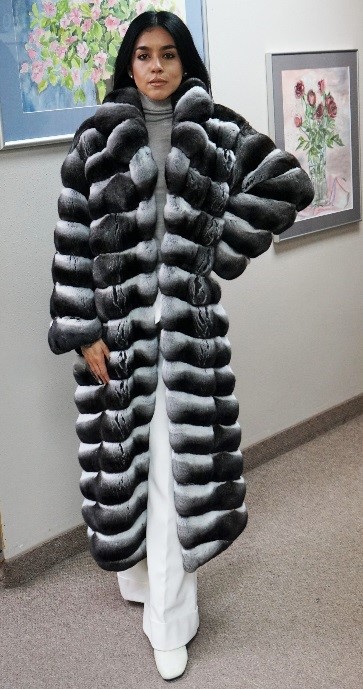
Chinchilla Full Length Fur Coat

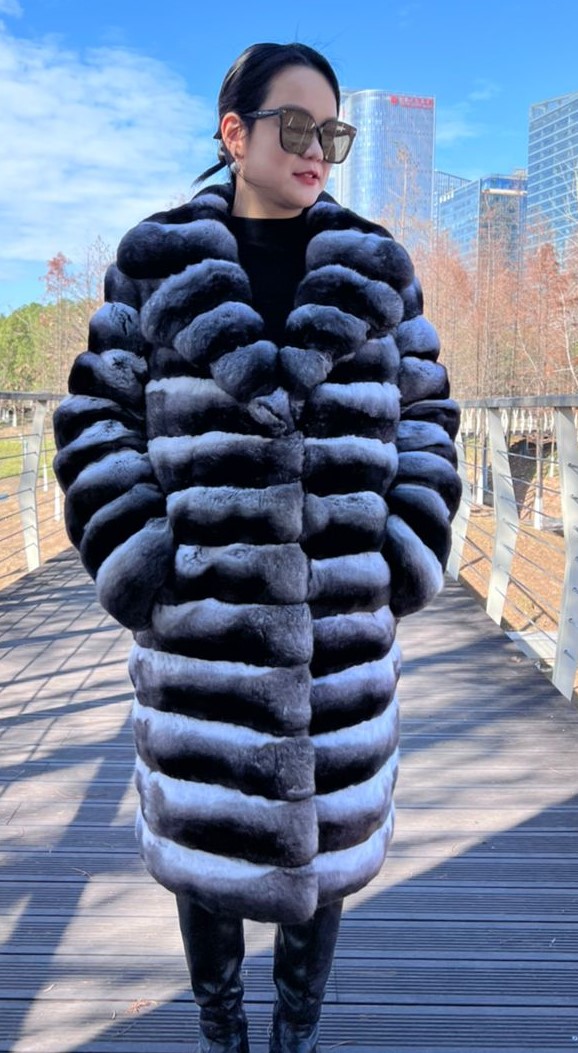
Chinchilla coats are luxurious and versatile, and there are many creative ways to wear them. Here are 100 different ways you can style a chinchilla coat:

Horizontal Chinchilla Coat
  1. Classic draped over the shoulders.
  2. With a little black dress for a formal look.
  3. Paired with skinny jeans and ankle boots.
  4. Layered over a turtleneck sweater.
  5. Belted at the waist for a cinched silhouette.
  6. Worn with leather leggings and heels.
A Magnificent Chinchilla Fur Horizontal Stroller
  • With a cashmere sweater and pencil skirt.
  • Over a silk blouse and tailored trousers.
  • Draped over a cocktail dress.
  • With knee-high boots and a mini skirt.
  • Styled with a statement belt.
  • Paired with a beret for a Parisian look.
  • With a long scarf for added warmth.
  • Belted and worn as a dress.
  • With a fur collar for extra glamour.
  • Over a sequin top for a festive outfit.
  • Worn open over a lace camisole.
  • With a matching chinchilla hat.
  • Layered over a plaid shirt and jeans.
  • Styled with a leather skirt.
  • Belted and worn with over-the-knee boots.
  • With a statement necklace.
  • Over a velvet jumpsuit.
  • Draped over a white blouse and black slacks. Worn with a tulle skirt for a ballerina look.
  • Styled with a wide-brimmed hat.
  • Paired with a maxi dress.
  • Layered over a fur-trimmed sweater.
  • Belted and worn with a maxi skirt.
  • With a bodycon dress for a bold look.
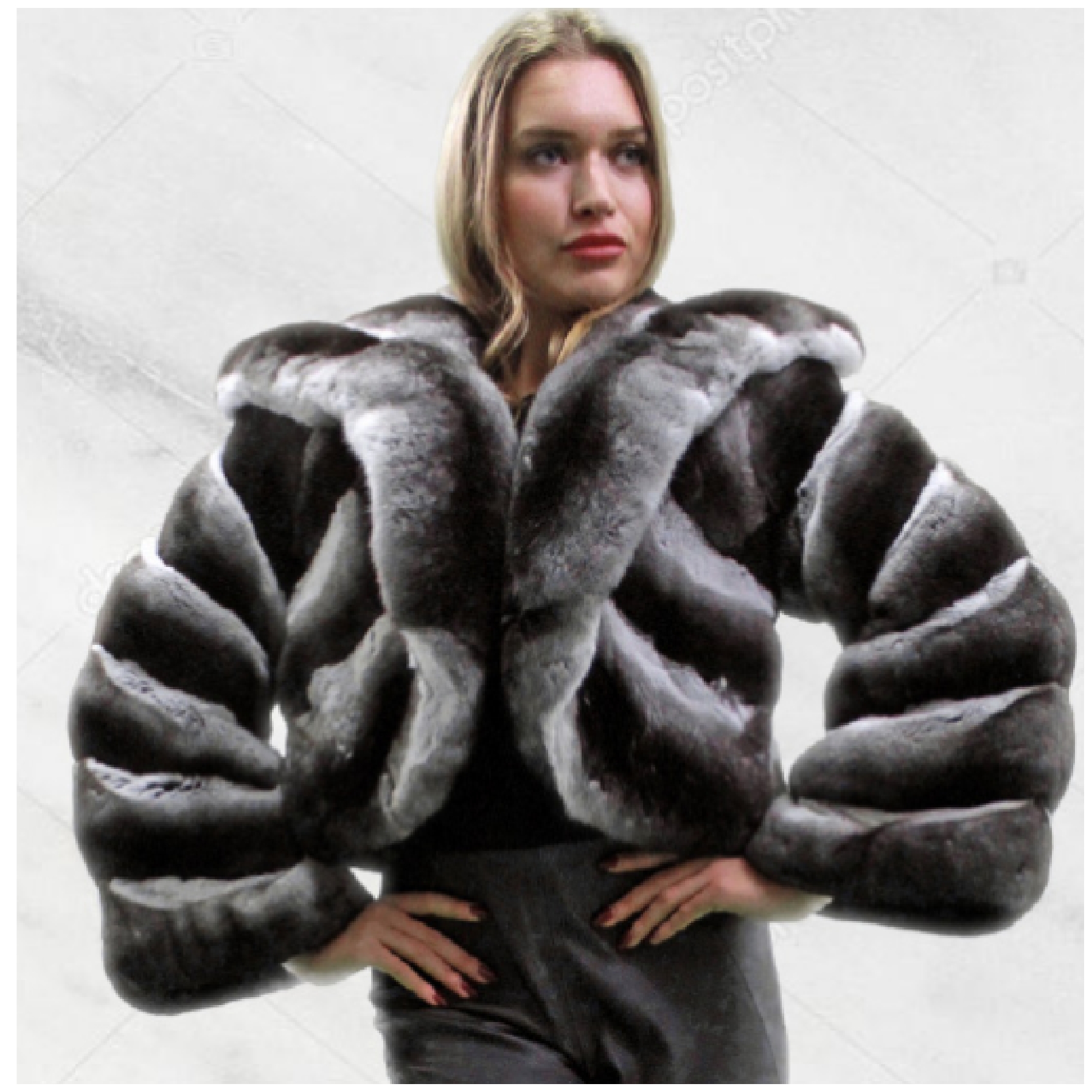
Chinchilla Fur Bolero Jacket
  • Over a monochromatic outfit for contrast.
  • Styled with a vintage brooch.
  • With a silk slip dress.
  • Worn open over a graphic tee and jeans.
  • Layered over a plaid blazer and slacks.
  • Belted and worn with thigh-high boots.
  • With a fur stole for added drama.
  • Over a lace romper.
  • Styled with a top hat for a whimsical look.
  • Worn with a tulle ball gown.
  • Paired with a corset top.
  • Belted and worn as a cape.
  • With a feathered headpiece for a glamorous event.
  • Layered over a leather jumpsuit.
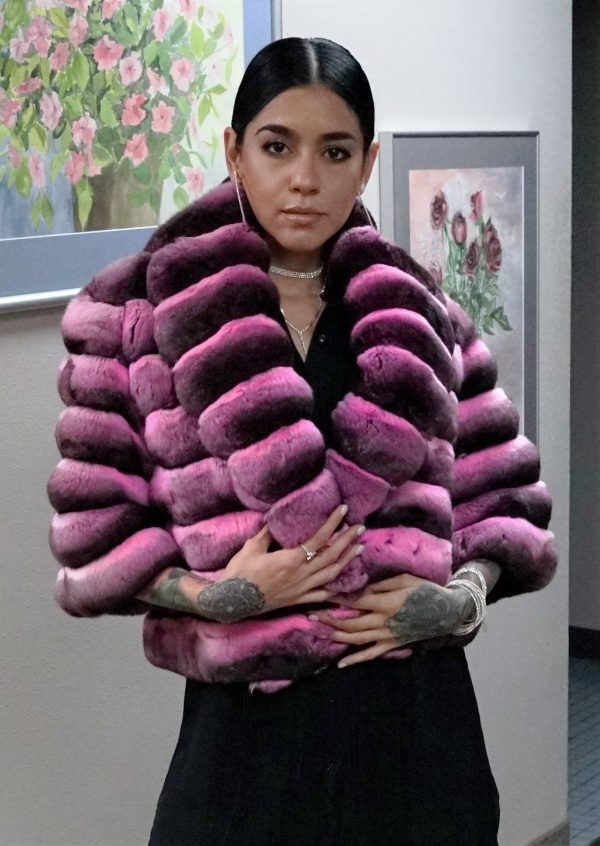
Pink Chinchilla Horizontal Jacket 4838
Pink Chinchilla Horizontal Jacket
  • Over a metallic mini dress.
  • Styled with a crystal choker.
  • With a leather corset dress.
  • Worn open over a bodysuit and leggings.
  • Belted and worn as a trench coat.
  • With a sequin blazer and wide-leg pants.
  • Paired with a lace bodysuit and skirt.
  • Layered over a velvet blazer.
  • Styled with a fur headband.
  • With a satin slip skirt.
  • Worn over a velvet tuxedo.
  • Belted and worn with a feathered skirt.
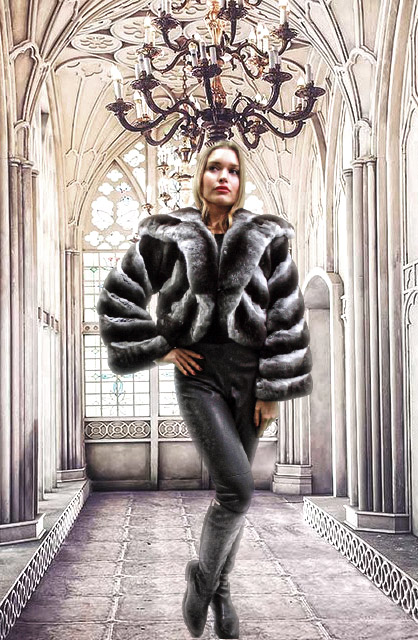
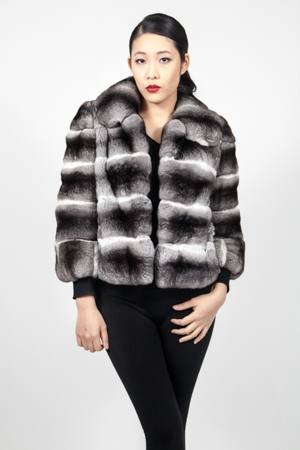
Chinchilla Fur Jacket
Warm chinchilla fur jacket.
  • With a crystal tiara for a princess look.
  • Over a sheer maxi dress.
  • Styled with opera-length gloves.
  • With a leather bustier and flared pants.
  • Paired with a metallic bodysuit.
  • Layered over a satin kimono.
  • Belted and worn as a robe.
  • With a jeweled belt for extra sparkle.
  • Over a beaded flapper dress.
  • Styled with a vintage fur stole.
  • With a lace capelet.
  • Worn open over a lace-up bodysuit.
  • Belted and worn with a feathered boa.
  • With a crystal-embellished headpiece.
  • Over a feathered cocktail dress.
  • Styled with a sequin clutch.
  • With a velvet cape.
  • Worn open over a silk slip.
  • Belted and worn with a velvet choker.
  • With a crystal-encrusted belt.
  • Over a beaded fringe dress.
  • Styled with a fur muff.
  • With a lace-trimmed camisole and skirt.
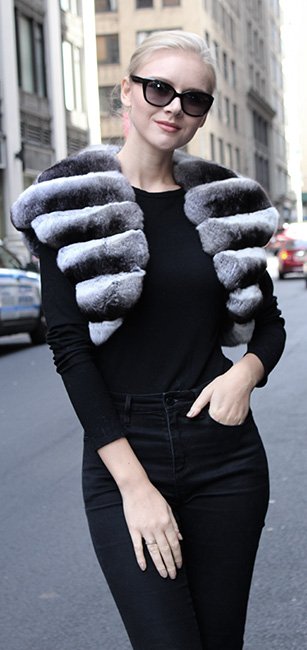
Chinchilla Fur Shrug

Chinchilla Coats are Luxurious and Versatile and there are many creative ways to wear them. Here are 100 different ways you can style a chinchilla coat.

  • Worn open over a satin chemise.
  • Belted and worn with crystal earrings.
  • With a jeweled brooch.
  • Over a sequin skirt suit.
  • Styled with a rhinestone headpiece.
  • With a feathered bolero jacket.
  • Worn open over a lace-up corset.
  • Belted and worn with a feathered headdress.
  • With a crystal-embellished sash.
  • Over a metallic evening gown.
  • Styled with a beaded clutch.
  • With a lace bodice and tulle skirt.
  • Worn open over a velvet jumpsuit.
  • Belted and worn with a statement necklace.
Marc Kaufman Furs presents a chinchilla fur coat from Marc Kaufman Furs USA,Fur coats in Argentina, fur coats in Chile, fur coats in Venezuela, fur coats in Australia, fur coats in Belgium,fur coats in Netherlands, fur coats in Norway,fur coats in Sweden,fur coats in Dubais,fur coats in Egypt,fur coats in Egypt,fur coats in Kuwait, fur coats in South Africa,fur coats in Tunisia,fur coats in the Falklands
Color outside the lines in this fashionable chinchilla fur coat from Marc Kaufman Furs New York City
Kaufmanfurs.com
  • With a feathered cape.
  • Over a satin ball gown.
  • Styled with a fur stole and gloves.
  • With a crystal-encrusted belt.
  • Worn open over a sequin blazer and shorts.
  • Belted and worn with a feathered skirt.
  • With a tiara and long gloves for a regal look.

These are just some ideas to inspire your chinchilla coat styling, but the possibilities are endless. Mix and match to create your own unique looks and make the most of this luxurious wardrobe piece.

Marc Kaufman Furs

Designer Furs

Fur Fashion News

Posted on

Why are Chinchilla Coats Expensive

Chinchilla Full Length Fur Coat

Why are Chinchilla Coats Expensive

Chinchilla coats are known for their exquisite softness, opulence, and eye-catching beauty, but their price tags often raise eyebrows. These luxurious fur garments are among the most expensive in the world. The reasons behind their steep cost are multifaceted, encompassing factors related to the chinchilla fur itself, the intricate process of production, ethical concerns, craftsmanship, and branding. In this comprehensive explanation, we will delve into the myriad of reasons why chinchilla coats are so expensive.

Chinchilla Full-Length Fur Coat

  1. Rare and Limited Supply:
    • Chinchillas are small, nocturnal rodents native to the Andes Mountains in South America. Their fur is exceptionally soft, dense, and luxurious, making it highly desirable for fur garments.
    • However, chinchillas are not only small animals, but they are also relatively scarce in the wild. Due to overhunting in the past, chinchillas are now listed as a vulnerable species and are protected by international regulations.
    • Because of their size and the need for high-quality fur, it takes a substantial number of chinchilla pelts to create a single coat, contributing to the rarity and expense of chinchilla fur.
  2. Difficult Farming Process:
    • Given the limitations on harvesting chinchilla fur from the wild, the fur industry primarily relies on chinchilla farms for their fur supply.
    • Chinchilla farming, however, is a complex and time-consuming process. Chinchillas are sensitive animals that require specialized care, including proper diet, living conditions, and veterinary attention.
    • Breeding and raising chinchillas in captivity can be challenging, as they have specific requirements for temperature, humidity, and social interaction. This necessitates significant investments in infrastructure and expertise.

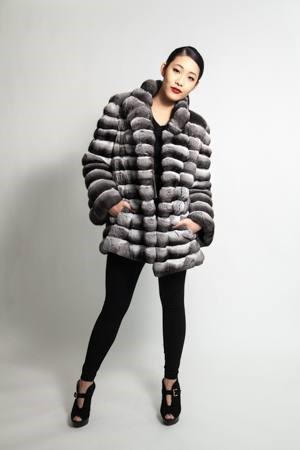
      Chinchilla Fur Jacket
      Warm chinchilla fur jacket.
  3. Quality and Uniqueness:
    • Chinchilla fur is renowned for its exceptional quality. Its fur is incredibly soft, lightweight, and warm, providing a luxurious feel and outstanding insulation.
    • The uniqueness of chinchilla fur, characterized by its velvety texture and distinctive coloration, contributes to its desirability and high price. The fur is often described as “liquid silver” due to its striking grayish-white hue with dark stripes.
    • The rarity and high-quality attributes of chinchilla fur make it a sought-after material in the fashion industry.
  4. Labor-Intensive Production:
    • Crafting a chinchilla coat requires meticulous and labor-intensive processing. Each chinchilla pelt is carefully examined, treated, and sewn together to create a consistent and luxurious texture.
    • Furriers must ensure that the final product is free of imperfections and blemishes, which requires significant time and expertise. This attention to detail is a hallmark of chinchilla fur coats.

      Pink Chinchilla Horizontal Jacket 4838
      Pink Chinchilla Horizontal Jacket
  5. Ethical and Environmental Concerns:
    • Chinchilla fur production is not without ethical and environmental considerations. The overexploitation of wild chinchilla populations led to their endangerment, prompting the establishment of international regulations.
    • Today, most chinchilla fur comes from farms where the animals are raised specifically for their fur. These farms must adhere to ethical and humane standards to ensure the well-being of the animals.
    • Ethical practices and compliance with environmental regulations can increase the cost of chinchilla fur production.
  6. Craftsmanship and Expertise:
    • Crafting chinchilla coats requires skilled craftsmanship and expertise. Furriers with extensive experience must work delicately with the fur to create a stunning and durable final product.
    • The sewing, tailoring, and finishing of chinchilla coats demand precision and attention to detail, further adding to the labor costs associated with these garments.

      chinchilla fur coats
      chinchilla fur jackets
  7. Branding and Exclusivity:
    • Many luxury fashion brands incorporate chinchilla fur into their high-end collections. The association with renowned fashion houses can significantly drive up the price of chinchilla coats.
    • The exclusivity of owning a chinchilla coat from a prestigious brand can also contribute to its high price. Buyers may be willing to pay a premium for the cachet and prestige associated with such garments.
  8. Maintenance and Care:
    • Chinchilla fur coats require specialized care and maintenance to preserve their pristine condition. This includes proper storage in temperature and humidity-controlled environments, regular cleaning, and professional fur services.
    • The ongoing maintenance costs associated with chinchilla fur add to the overall expense of owning and preserving these luxurious garments.

In summary, chinchilla coats are expensive due to a combination of factors, including the rarity and limited supply of chinchilla fur, the labor-intensive farming and production process, the exceptional quality and uniqueness of the fur, ethical and environmental considerations, skilled craftsmanship, association with luxury brands, and the ongoing costs of maintenance. These factors collectively contribute to the allure and exclusivity of chinchilla coats, making them a symbol of opulence and sophistication in the world of fashion.

Marc Kaufman Furs